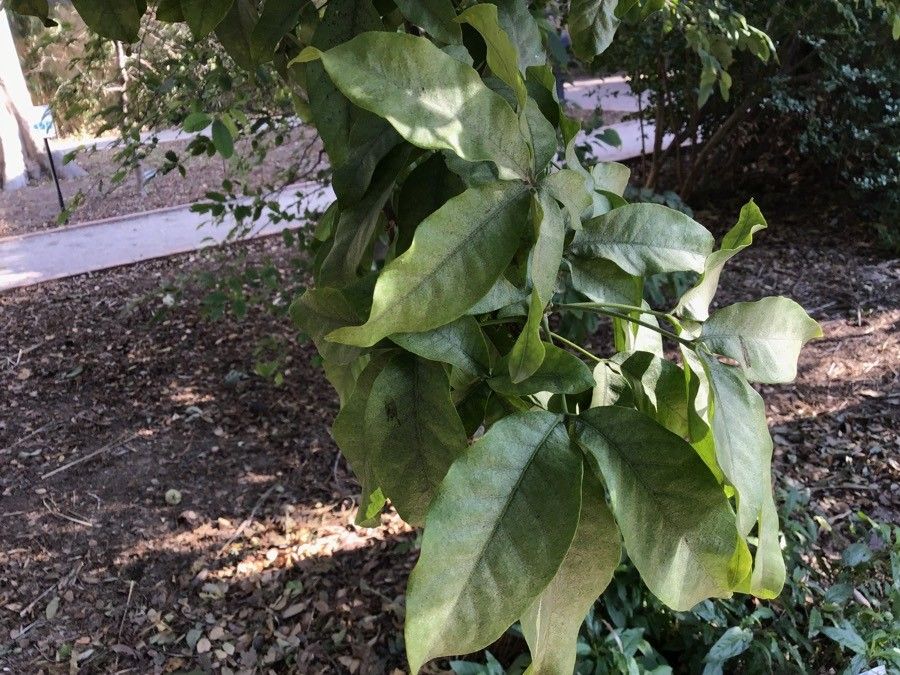
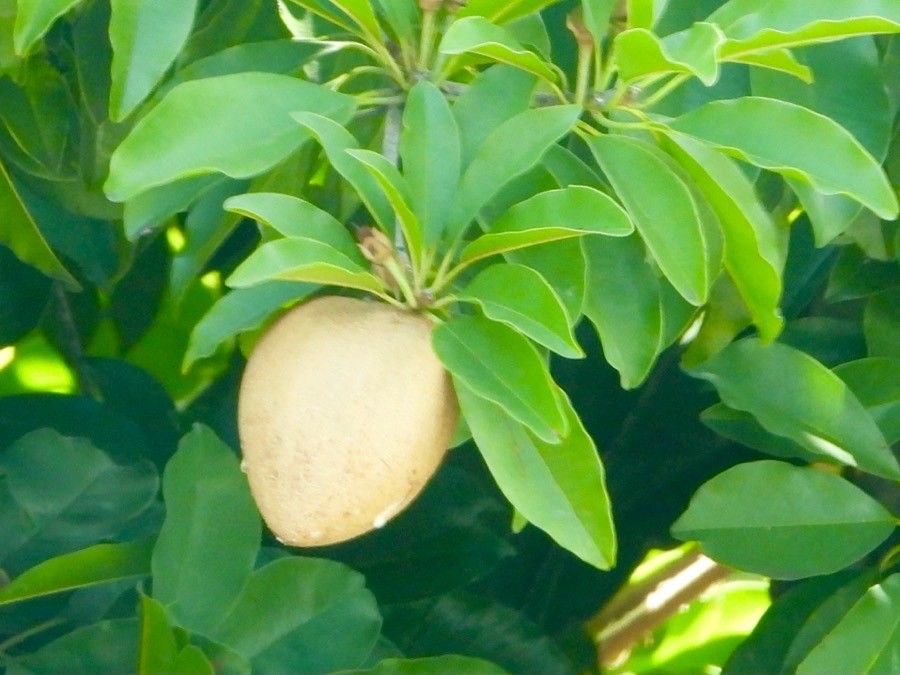
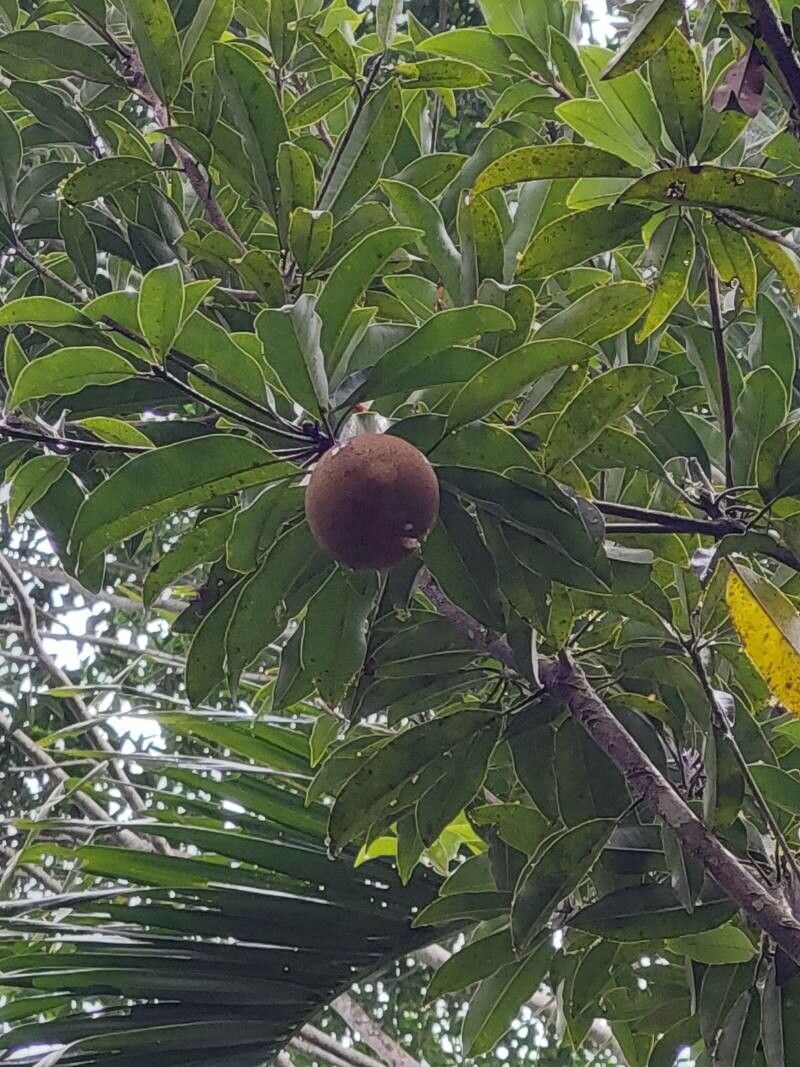
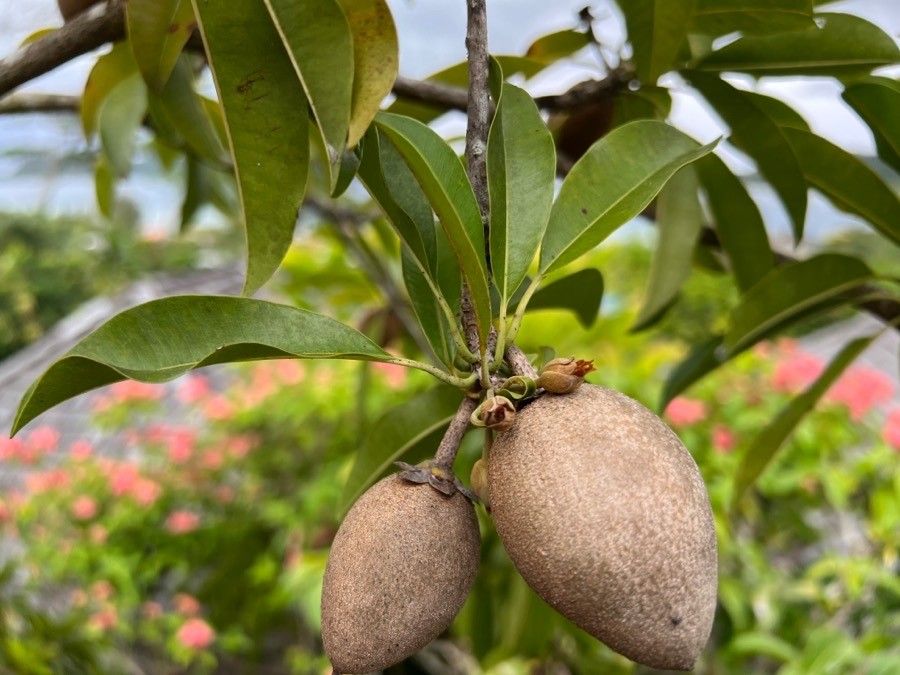
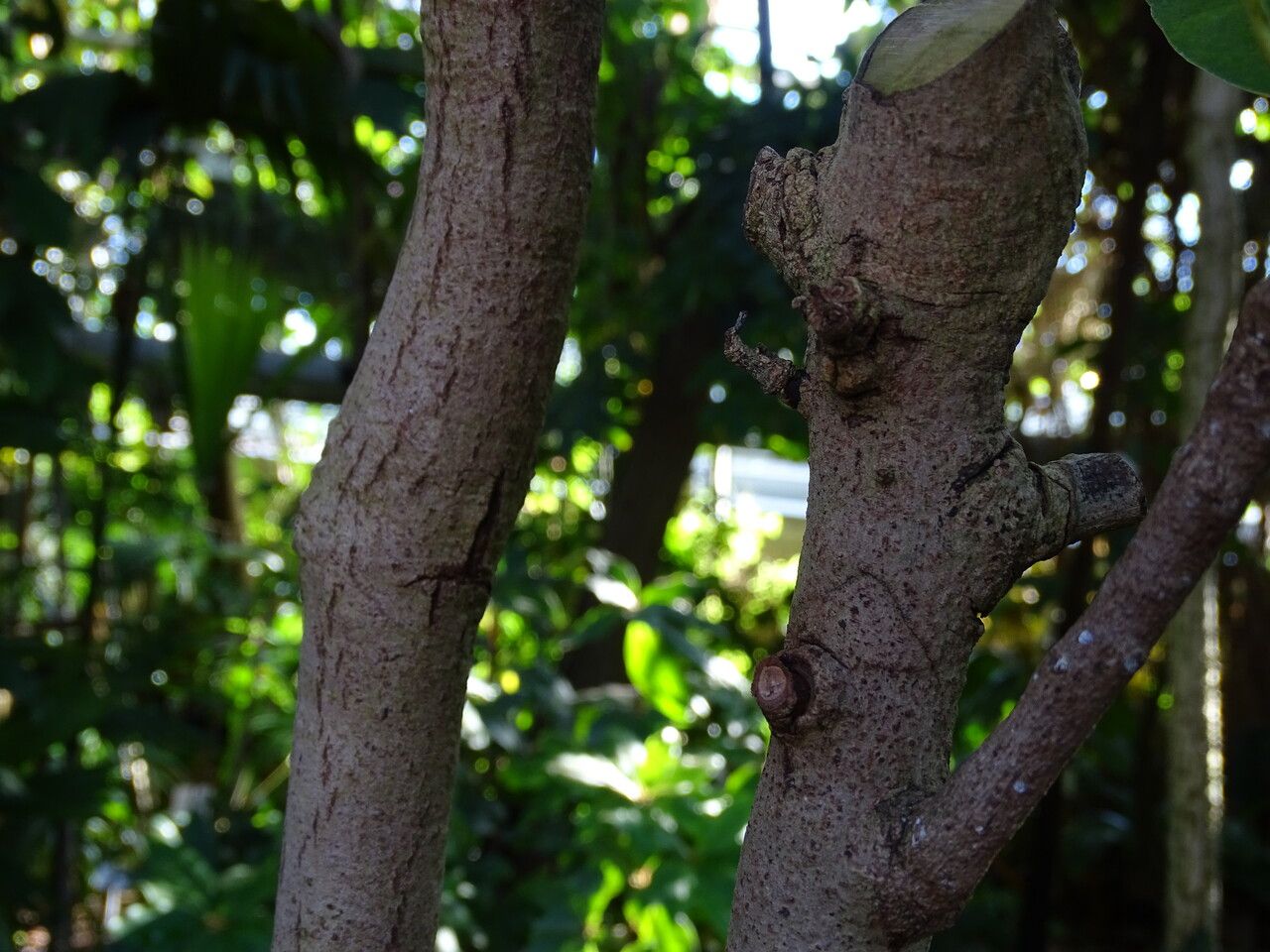
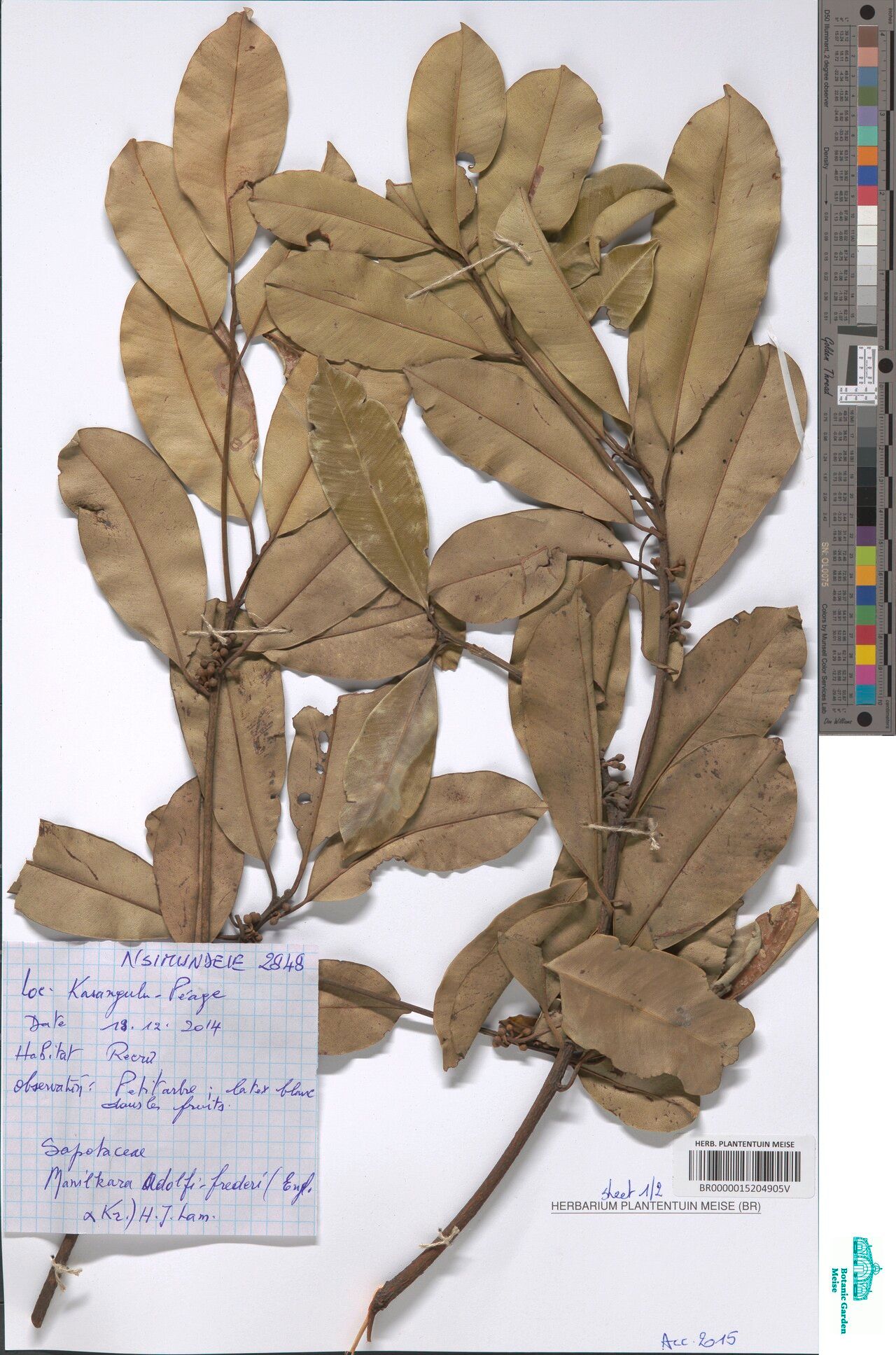
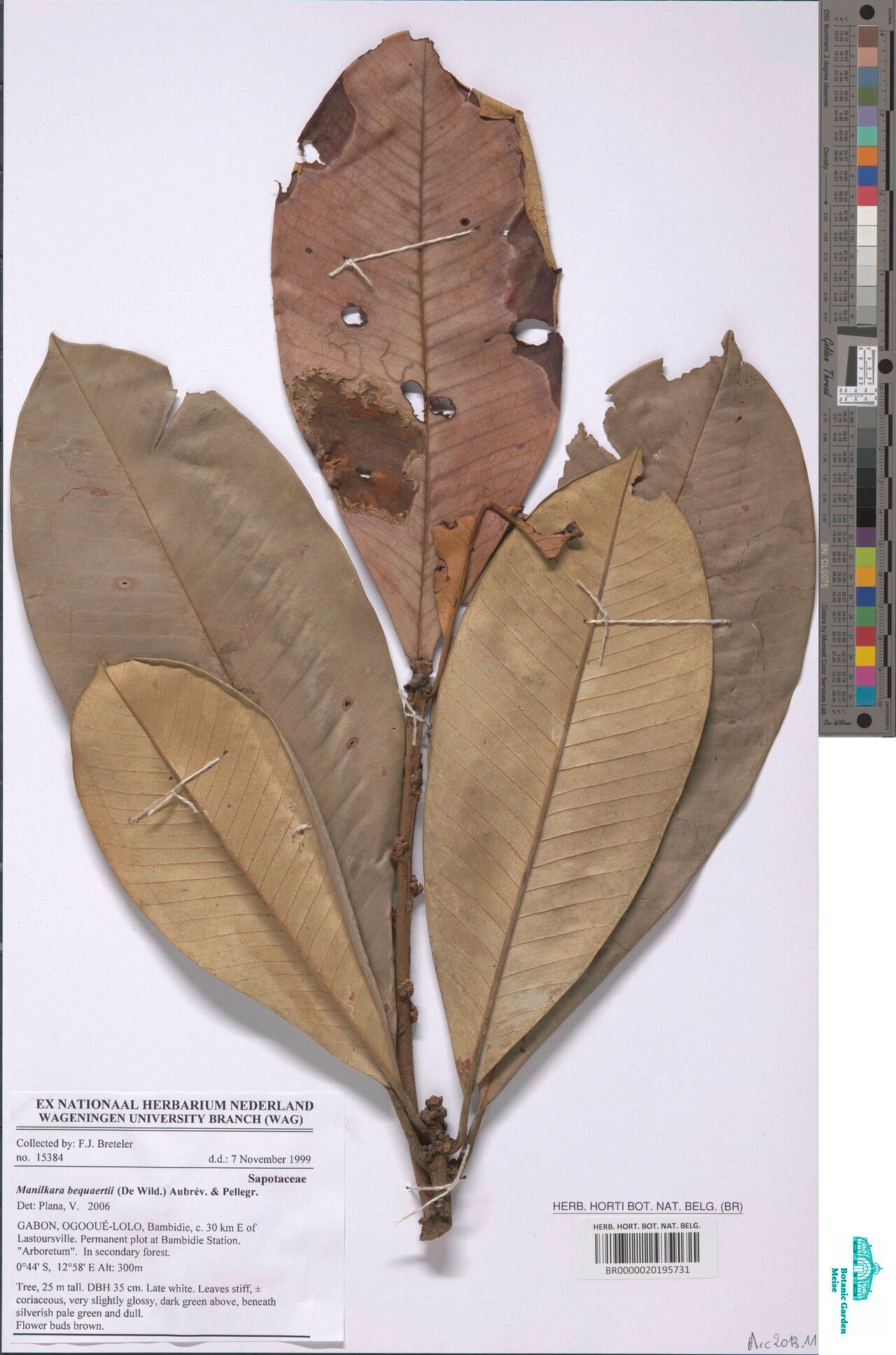
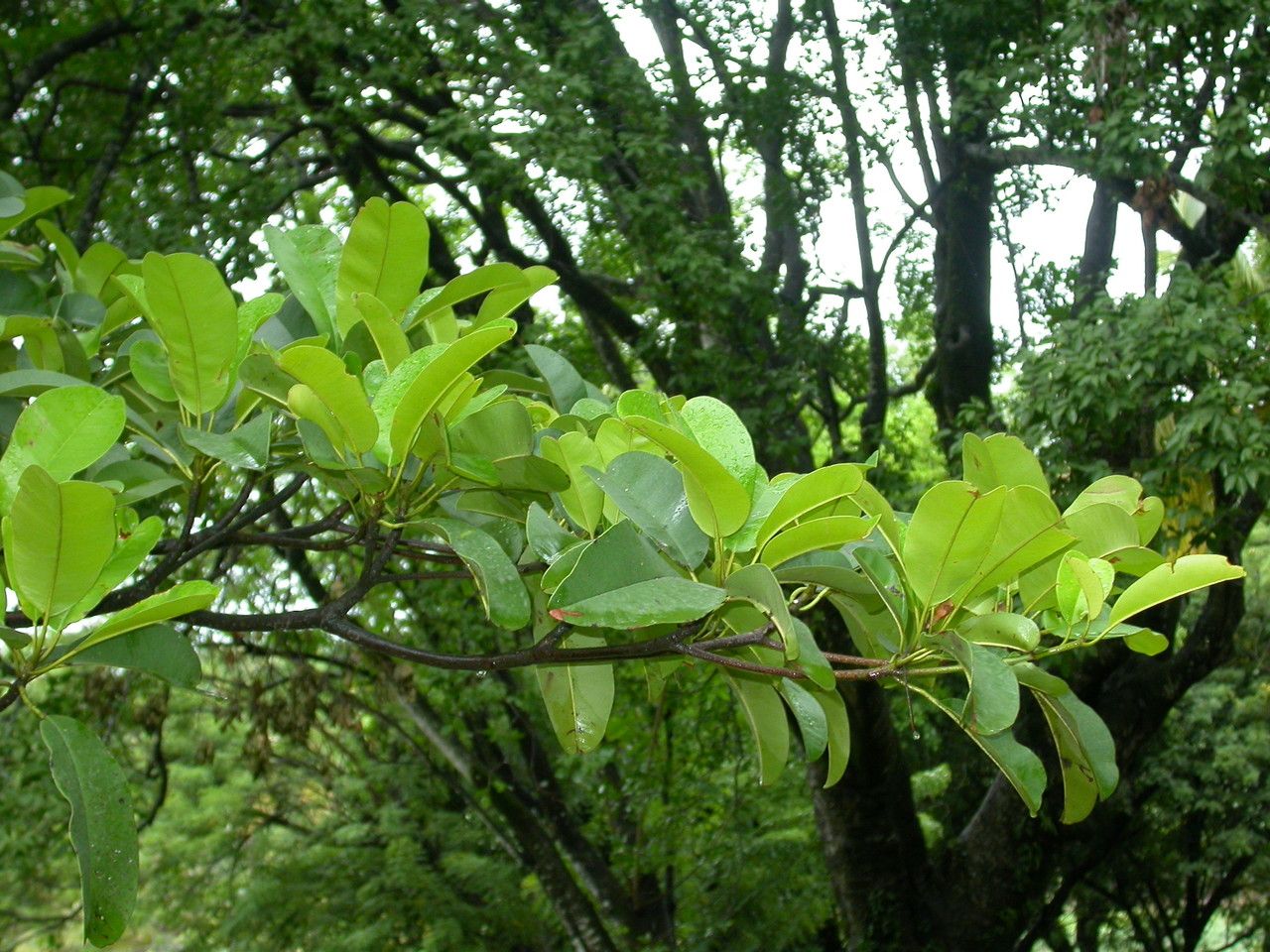
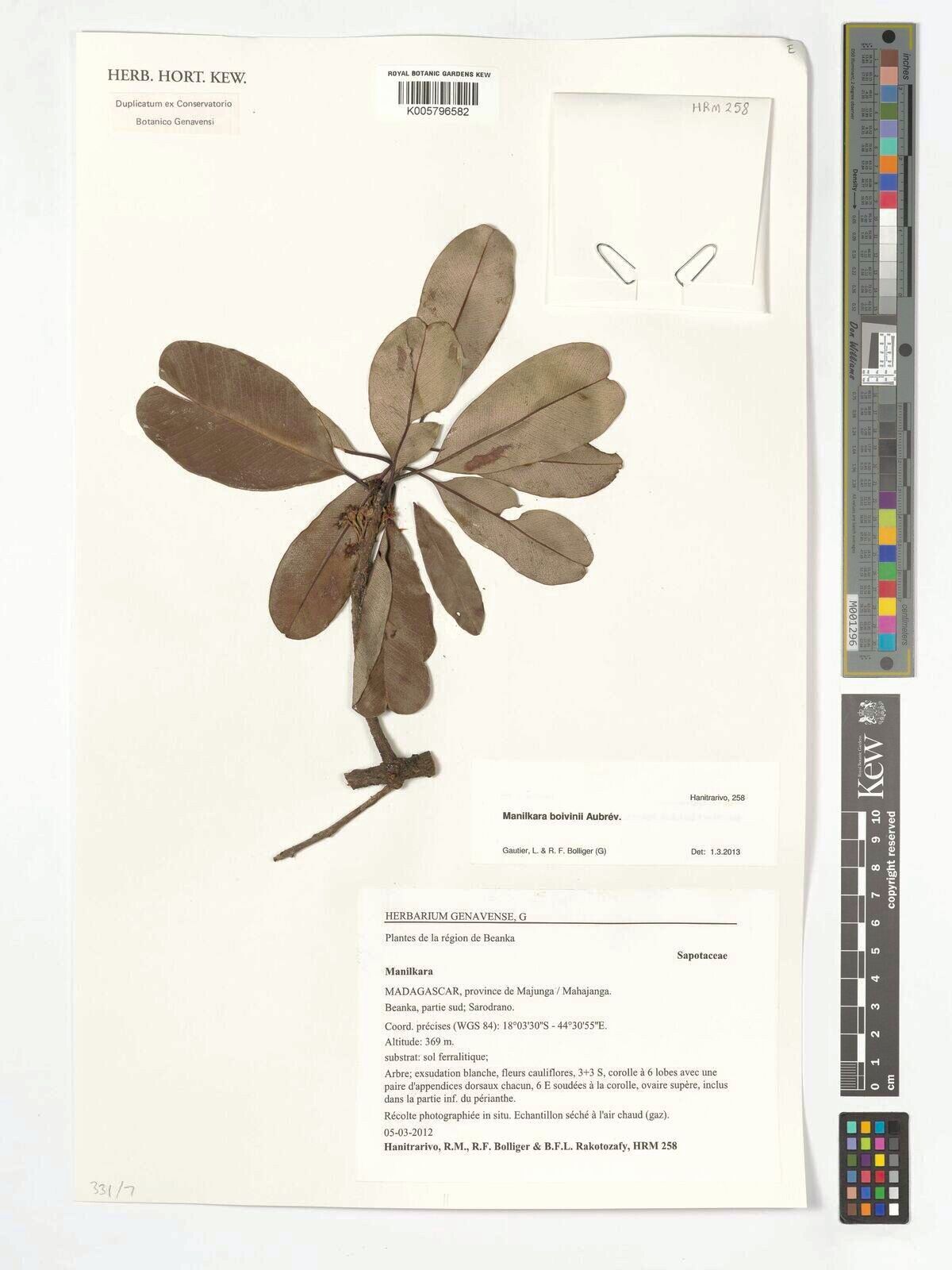
Manilkara zapota, commonly known as sapodilla, is a tropical evergreen tree from the Sapotaceae family. Native to Central America and Mexico, it has been widely cultivated in tropical regions worldwide. The tree can grow up to 30 meters tall and features a dense crown of glossy green leaves. The sapodilla fruit is oval-shaped and ranges from 4 to 8 cm in diameter. It has a rough brown skin that encases sweet, juicy flesh, varying in color from yellowish-brown to dark brown depending on its ripeness. The fruit contains several black seeds, which are inedible. The sapodilla tree exudes latex, traditionally used for making chewing gum but now primarily used for industrial purposes such as adhesives and varnishes. In addition to producing delicious fruit, the sapodilla tree provides valuable timber for construction due to its hard, decay-resistant, and insect-resistant wood. Sapodillas are rich in vitamins A, C, and E, as well as minerals like potassium and iron, making them an excellent source of nutrition. They are also known for their medicinal properties, such as treating constipation and diarrhea due to their high fiber content, and serving as an effective remedy against coughs and colds due to their high vitamin C content. Overall, Manilkara zapota, or sapodilla, is valued not only for its delicious fruit but also for its diverse benefits, from industrial latex production to medicinal properties, making it an important and beneficial plant species worldwide.
Sapodilla has good resistance to disease and is generally not prone to illnesses. Regarding care, this plant is relatively low-maintenance. When grown outdoors it needs minimal watering, and larger plants generally do not require pruning. However, smaller plants should be pruned after they have bloomed. Sapodilla is suitable for anyone with an outdoor space, such as a garden or deck, and does not require a lot of care experience.
How to keep Manilkara Zapota.
Light
Sapodilla prefers full sun but can also tolerate locations with partial sunlight. Its native habitat, the evergreen rainforest, supplies plentiful light that encourages strong growth. Insufficient light may slow its development, while too much light can scorch the leaves.
Water
Originating from rainforests, sapodilla thrives in environments with high humidity and consistently moist soil. It should be watered every 1-2 weeks, allowing the soil to dry slightly between waterings. While best suited for outdoor growth, sapodilla also benefits from mulching, which helps retain moisture and replicates the conditions of its natural habitat.
Temperature
Sapodilla is native to tropical regions and does best in temperatures between 68 and 100 °F (20 and 38 °C). In colder seasons, be sure the temperature does not fall below 68 °F (20 °C) to keep the plant healthy.
Fertilizer
Use organic fertilizers (e.g., fish emulsion or compost) instead of chemical ones for Sapodilla. Supply young plants with higher nitrogen and phosphorus in spring. Incorporate compost or fertilizer before or after planting. For mature plants, apply a balanced fertilizer or one targeted to the specific deficiency in spring. Nutrient deficiency causes small leaves, short branches, yellow or bronze leaves, acidic fruits, premature fruit drop, and fruit splitting.
Pruning
Sapodilla is an evergreen plant known for its sweet fruit, and it benefits greatly from strategic pruning, which should be done between early and late spring. To promote healthy growth and increase fruit yield, remove dead or diseased wood, as well as any crossing branches and base suckers. This will improve light penetration and air circulation within the plant.
Botanical profile.
- Plant Type
- Tree
- Life Cycle
- Perennial
- Genus
- Manilkara
- Family
- Sapotaceae
- Hardiness Zone
- 10-12
- Mature Height
- 9.14 m to 18.29 m
- Mature Spread
- 3.96 m
- Leaf Color
- Green
- Leaf Type
- Evergreen
- Flower Color
- White, Cream
- Flower Size
- 2.54 cm
- Bloom Time
- Late spring, Early summer, Mid summer
- Planting Time
- Spring, Autumn
- Harvest Time
- Early spring, Mid spring, Late summer, Fall, Winter
- Native Area
- Belize, Honduras, Mexico, Guatemala, El Salvador, Nicaragua, Costa Rica, Panama
Other names.
Reader questions.
How should I water my Sapodilla plant?
Your Sapodilla is not very particular about how you water it. Therefore, you can use any common watering tool like watering cans, hoses, or even cups to moisten its soil. It's important to water directly onto the soil and make sure all areas are equally moistened, so every part of the root system gets the water it needs. Using filtered water is preferable to tap water, as tap water can contain harmful particles. Additionally, it's best to use water that is at or slightly above room temperature, as colder or hotter water can shock the Sapodilla. However, the Sapodilla usually responds well to any type of water.
Why should I put fertilizer on my Sapodilla tree?
If the soil in your area is rich, you may not need to use fertilizer. However, if the soil lacks nutrients, a Sapodilla tree won't be able to produce enough leaves, flowers, and fruits. To determine which nutrients are abundant or lacking in the soil, a soil test is recommended. Nutrient deficiency in Sapodilla can result in small leaves and short branches, yellow or bronze-colored leaves, and less delicious fruits due to increased acidity. Certain nutrient deficiencies can also cause premature fruit dropping or splitting.
What are the sunlight requirements for Sapodilla plants?
Sapodilla plants flourish under full sun exposure, needing more than 6 hours of sunlight daily, but they can also tolerate partial sun, receiving about 3-6 hours of sunlight. The ideal location for these plants provides a perfect balance of light and shade, mimicking their native evergreen rainforest habitat which offers ample light for robust growth. Careful observation of sunlight patterns through your garden can help ensure you place your Sapodilla in a spot that meets its light requirements while avoiding areas that could lead to insufficient light or excessive light, which may cause symptoms like leaf burn.
What is the preferred temperature range for Sapodilla?
Sapodilla thrives in tropical climates and prefers temperatures between 68°F to 100°F (20°C to 38°C). It is essential to ensure that during colder seasons, the temperature does not drop below 68°F (20°C) to keep the plant healthy. Sapodilla is extremely heat-loving, and exposure to cold temperatures can cause significant harm to the plant. In areas where temperatures fall below the ideal range, particularly in autumn, it is recommended to bring outdoor-grown Sapodilla indoors and place it near a bright window, being careful to maintain a certain distance from heaters to avoid damage. Keeping the plant at temperatures above 20°C during the winter months is beneficial for its growth, while exposure to temperatures around 5°C can be detrimental.
What do I need to do if I give my Sapodilla tree too much water or too little water?
For outdoor plants, particularly newly planted ones or seedlings, lack of watering can be a common issue. It is important to remember to consistently water these plants for the first few months, especially when the tree is small or recently planted. Once the roots are established, Sapodilla trees can rely on rainfall most of the time. When growing Sapodilla in pots, overwatering is often a risk. If you accidentally overwater your Sapodilla, you should take immediate action to address the situation. Firstly, stop watering your plant right away to minimize the impact of overwatering. Then, remove the Sapodilla from its pot to inspect the roots. If you find no signs of root rot, you can return the plant to its pot. However, if you do find signs of root rot, trim away the affected roots and consider applying a fungicide to prevent further damage. Finally, repot your Sapodilla in well-draining soil. In the case of underwatered Sapodilla, simply increase the frequency of watering. Underwatering is usually an easy problem to fix. If you notice drooping, drying, or falling leaves, they will quickly recover and become full again after sufficient watering. It is crucial to adjust your watering frequency as soon as you notice underwatering occurring.
When should I fertilize my Sapodilla tree?
To help young Sapodilla trees grow successfully, it is recommended to give them fertilizer with higher nitrogen and phosphorus levels. This will promote healthy leaf and root development for future growth. It is best to apply the fertilizer during the spring of their first growing season. Additionally, it is advisable to mix compost or another type of fertilizer into the soil before or immediately after planting. For mature Sapodilla plants, it may be necessary to supplement with fertilizer every few years throughout the spring and summer. A balanced fertilizer or one that addresses specific soil deficiencies in your area can be used. However, it is important to avoid fertilizing the trees during the autumn or winter seasons.
How can artificial lighting be used for Sapodilla plants?
When Sapodilla plants can't receive enough natural sunlight, especially indoors during winter or in less sunny spaces, artificial lighting becomes a crucial solution for optimal growth. Indoor plants benefit significantly from the right type of artificial light, like LED lights, which can be customized to provide specific wavelengths that plants need. For full sun plants, 30-50W/sq ft of artificial light is needed, while partial sun plants require 20-30W/sq ft, and full shade plants need 10-20W/sq ft. It's important to place the light source 12-36 inches above the plant to mimic natural sunlight and keep it on for 8-12 hours per day to imitate the length of natural daylight hours for your plant species.
How does low temperature affect Sapodilla, and what are the solutions?
Sapodilla is not tolerant of low temperatures and thrives best when the temperature remains above 20°C. Should the temperature drop below 5°C during winter, it's crucial to take measures to protect the plant. Exposure to temperatures below 1°C can result in the leaves lightening in color. Following frost damage, the affected leaves may turn brown or black, accompanied by symptoms of wilting and drooping. To mitigate these effects, trim off the frost-damaged parts and immediately move the plant indoors to a warm environment. It is advisable to place the plant near a south-facing window to ensure it receives ample sunlight, while also making sure to avoid placing it near heaters or air conditioning vents to prevent air dryness.
How frequently should I water my Sapodilla tree?
Most outdoor plants can grow naturally with rainfall. However, if your area lacks rainfall, you should water your plants adequately every 2 weeks during spring and fall. In the summer, you'll need to water them more frequently. In winter, when plants grow slower and require less water, water them less often. In fact, you may not need to water them at all during winter. If your Sapodilla plant is young or newly planted, it's important to water it more frequently to help it establish and grow into a more adaptable and drought-tolerant plant. For potted Sapodilla plants, there are two ways to determine how often to water them. The first option is to set a regular watering schedule, such as once a week or every other week. However, keep in mind that this approach doesn't consider the unique conditions in which your plant is growing. Another approach is to gauge the soil moisture. It's best to wait until the first two to four inches of soil, typically about one-third to one-half of the pot's depth, have completely dried out before giving more water. Remember that during summer, your watering frequency will likely need to increase, as this is when the plant requires more water.
When is the best time to not add fertilizer to my Sapodilla plant?
To ensure the health of your Sapodilla tree, there are certain situations where you should avoid fertilizing it. These include after pruning, during a period of disease or insect infestation, or when the tree is experiencing stress. Fertilizer can only address insufficient nutrients in the soil and cannot resolve other issues that may be affecting the Sapodilla. Therefore, it is important to accurately diagnose the problem before adding fertilizer, as there may be a different underlying cause. Additionally, refrain from fertilizing the tree during the winter months or during periods of intense heat and drought in the summer.
What are some symptoms of light deficiency in Sapodilla plants?
When Sapodilla plants don't receive adequate light, especially indoors or during winter, they exhibit symptoms indicative of light deficiency. These include new leaves growing smaller in size, the plant developing a leggy or sparse appearance with longer spaces between leaves or stems, faster leaf drop to conserve resources, delayed growth or complete growth halt, and leaves developing irregular color patterns or appearing pale. Addressing these symptoms promptly by adjusting light exposure can help the plant recover and thrive.
How does high temperature affect Sapodilla, and what are the corrective actions?
During the summer months, it is important to keep the Sapodilla plant's environment below 38°C to prevent heat stress. Temperatures exceeding 43°C can lead to lighter-colored leaves and increase the plant's susceptibility to sunburn. In such cases, it is necessary to trim away the sunburned and dried-up parts of the plant and relocate it to a spot where it can enjoy shade during the peak sun hours of midday and afternoon. Additionally, watering the plant in the morning and evening helps keep the soil adequately moist, aiding in the plant's recovery and continued health.