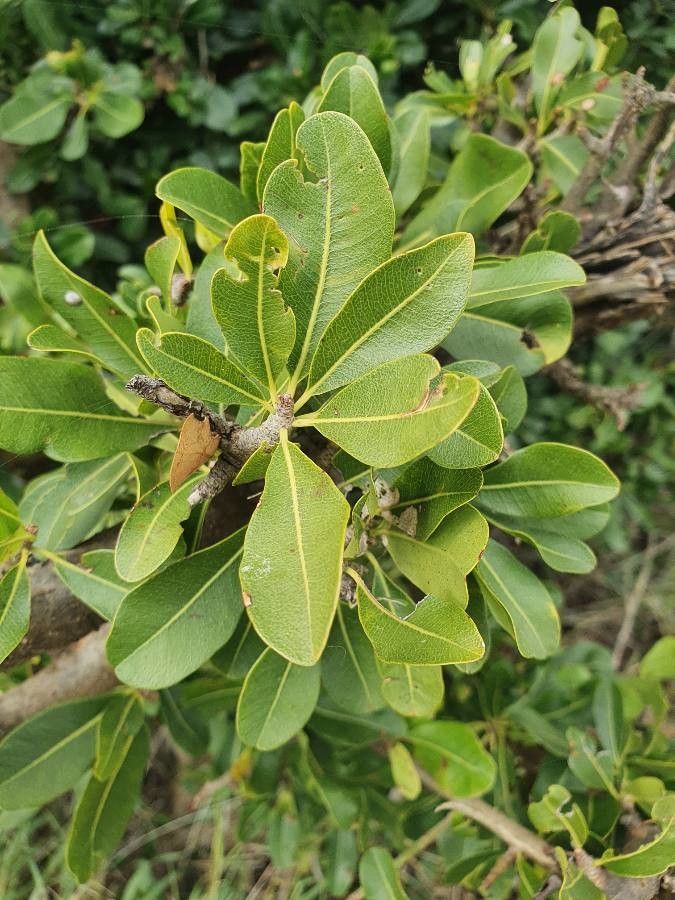
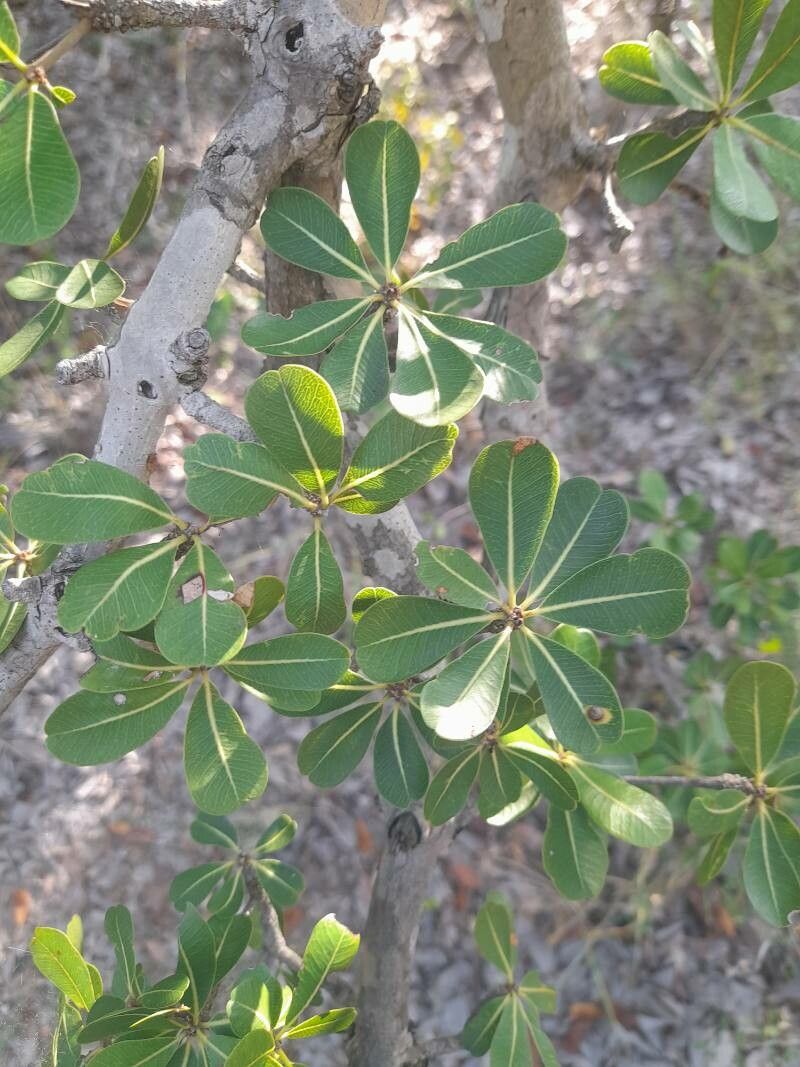
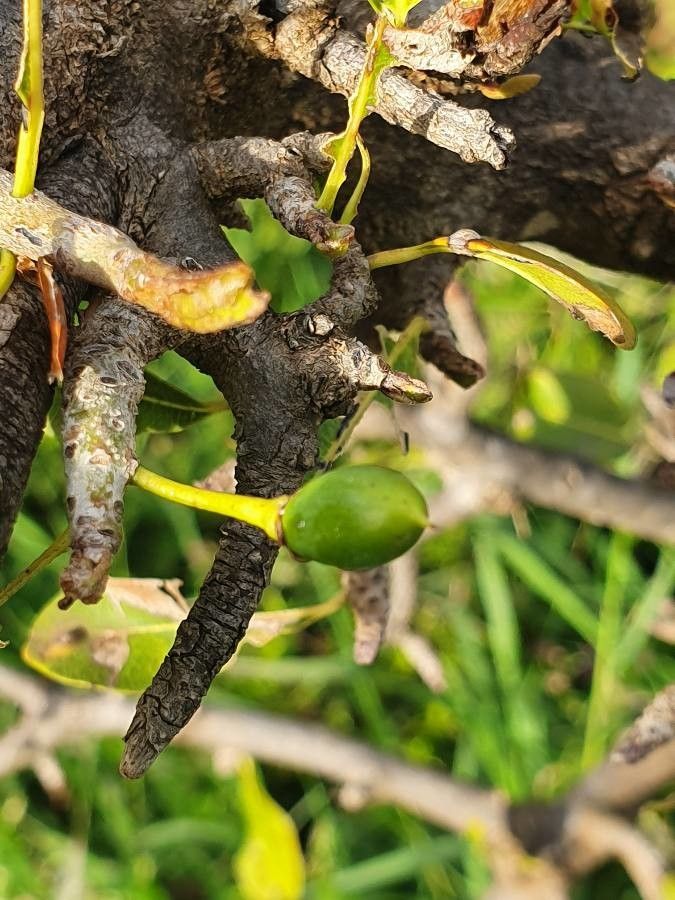
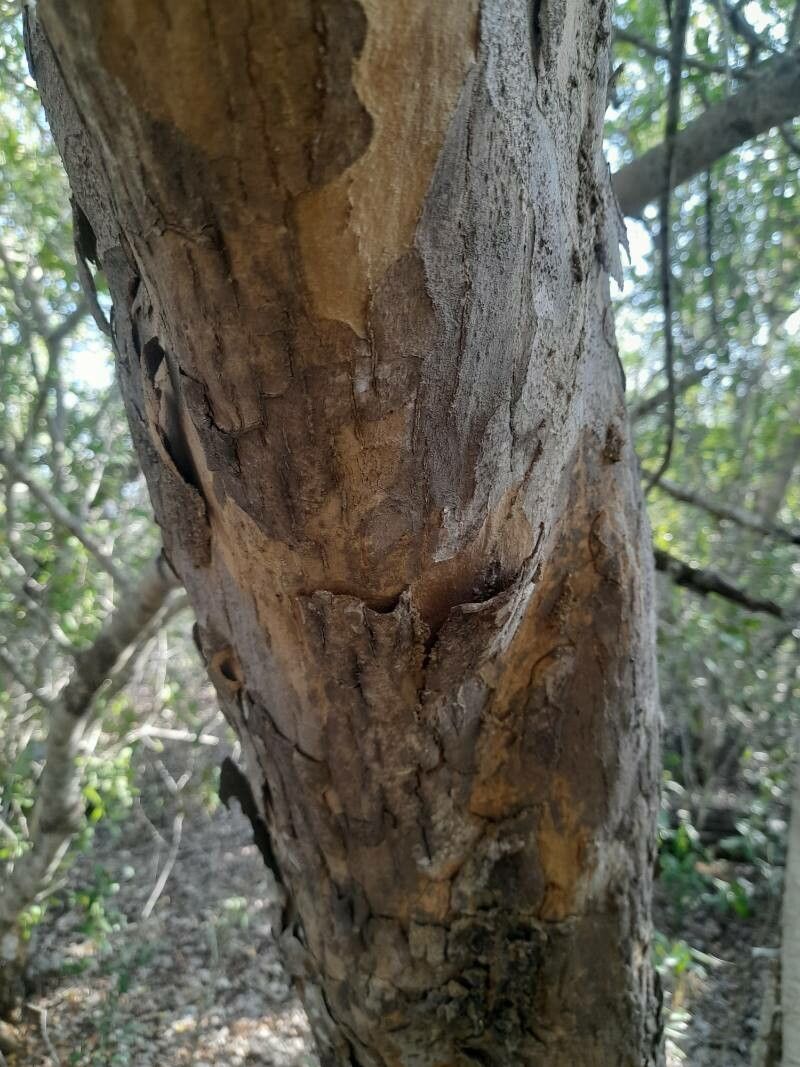
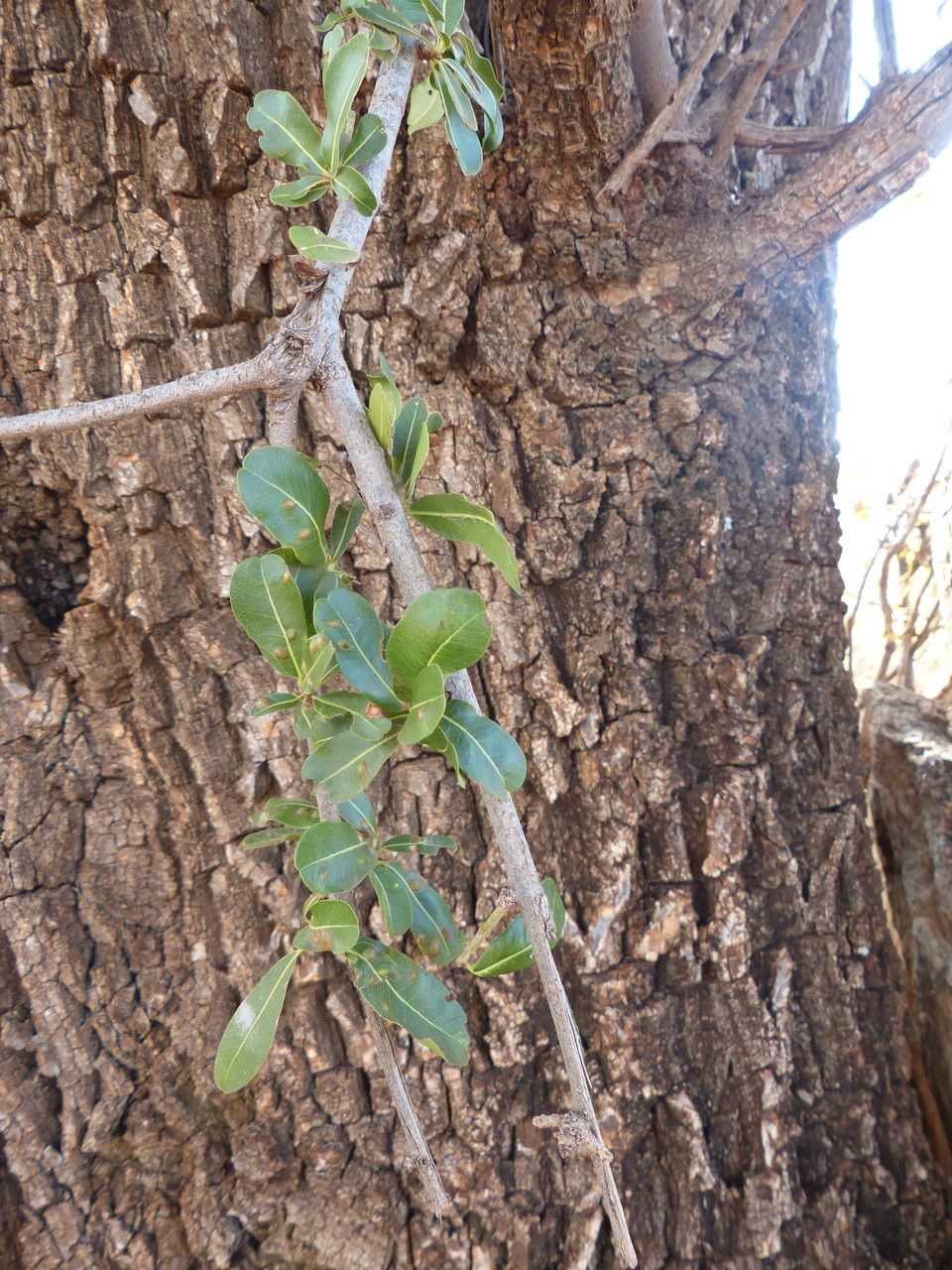
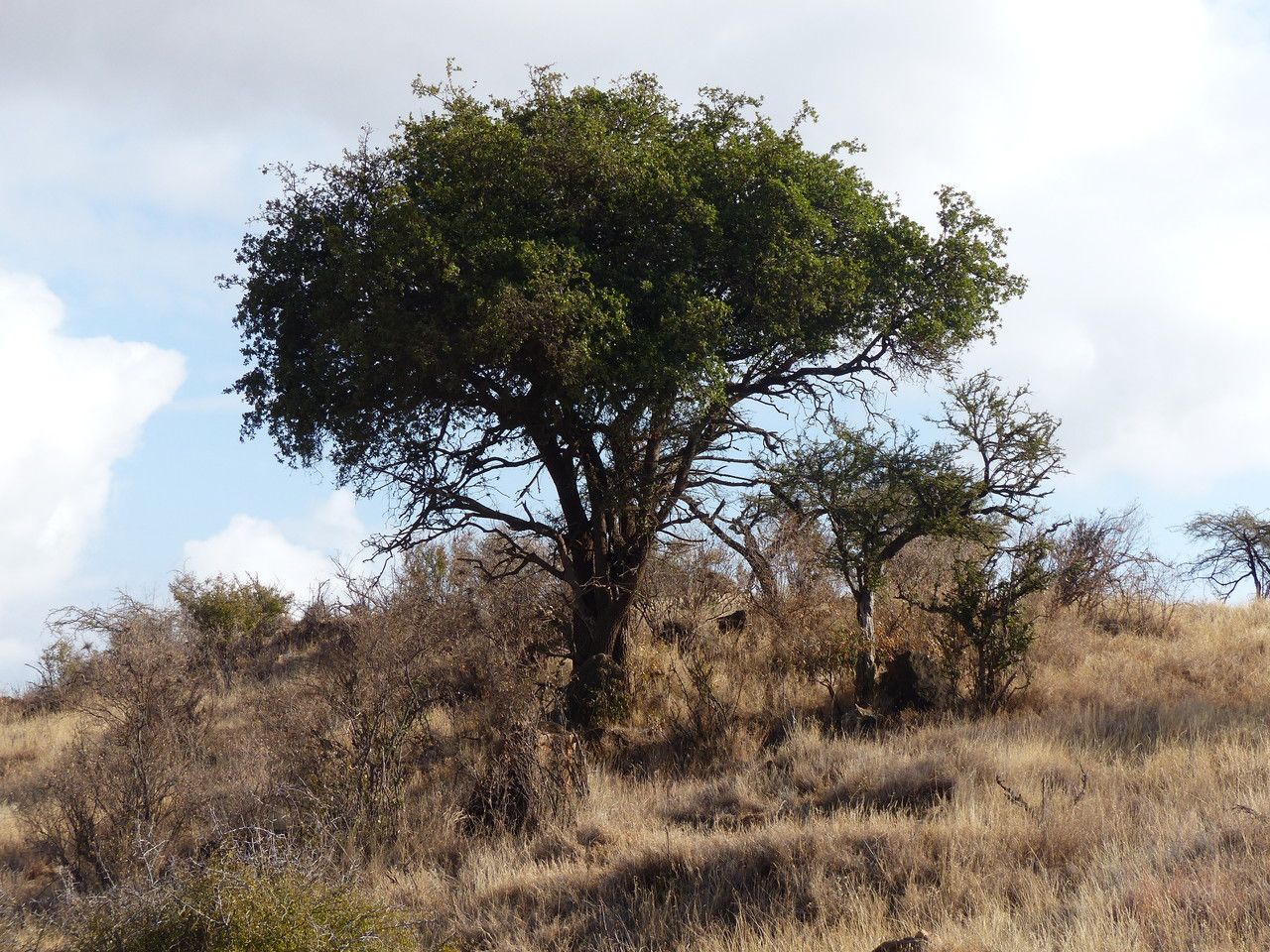
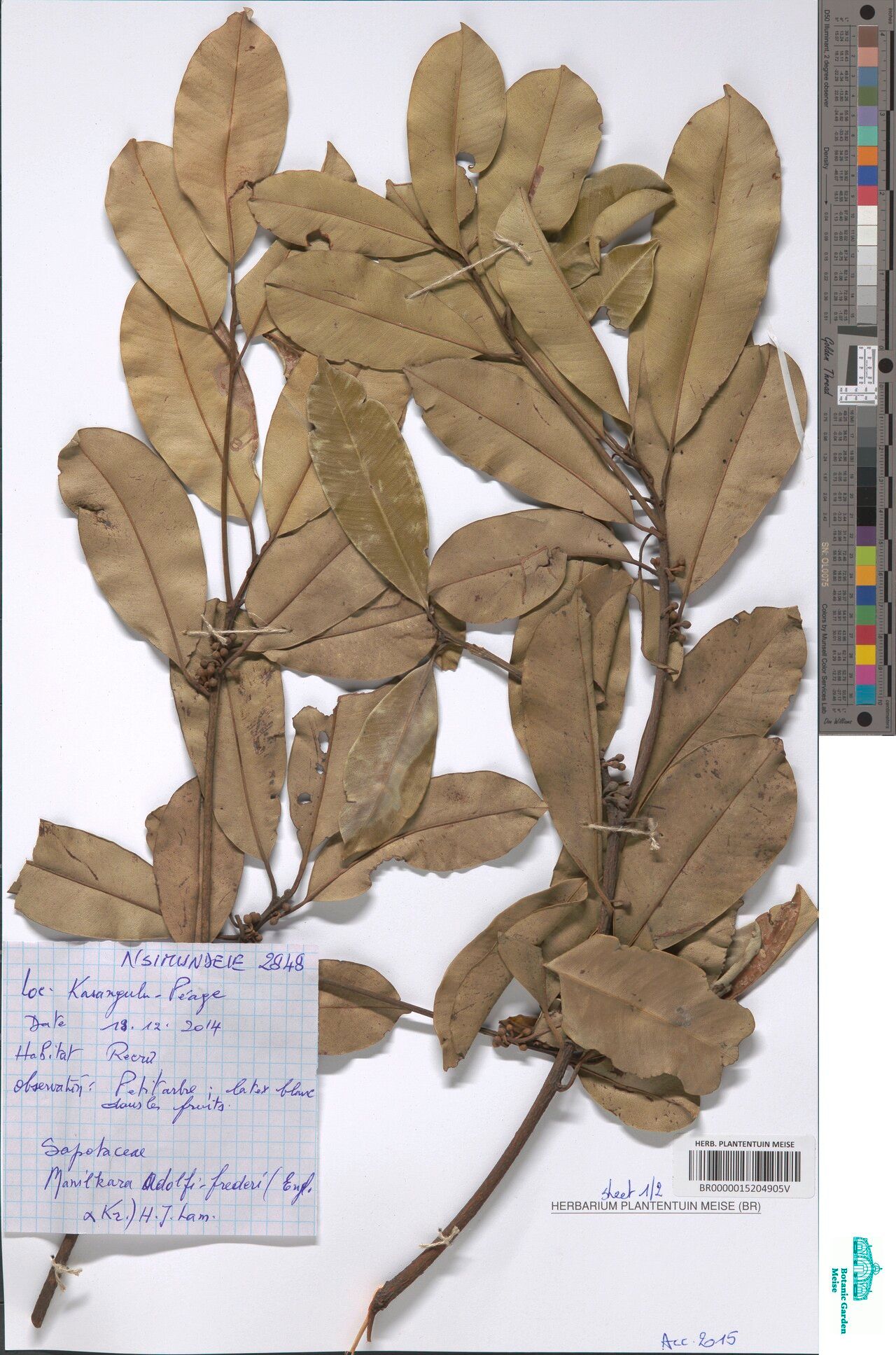
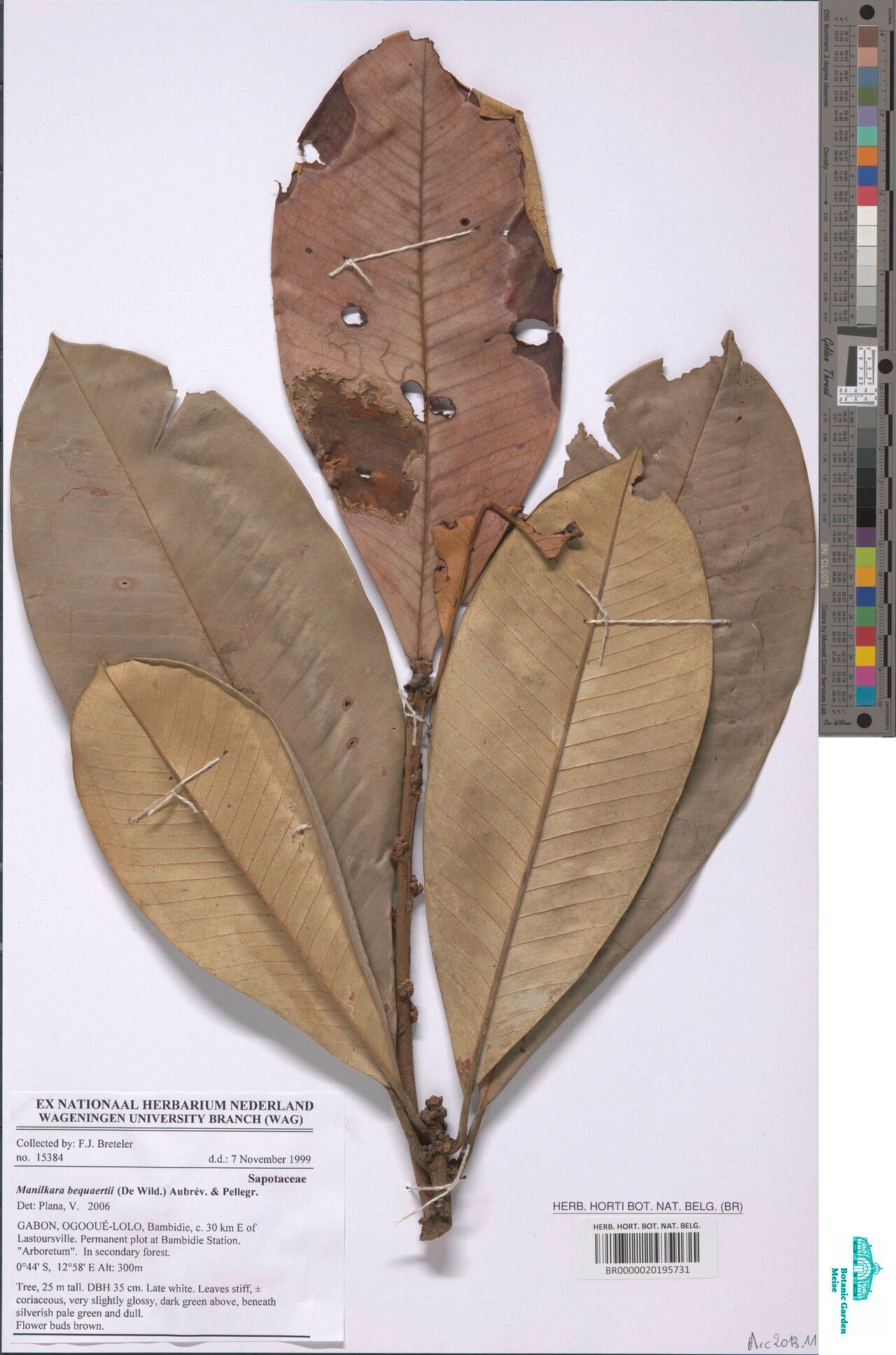
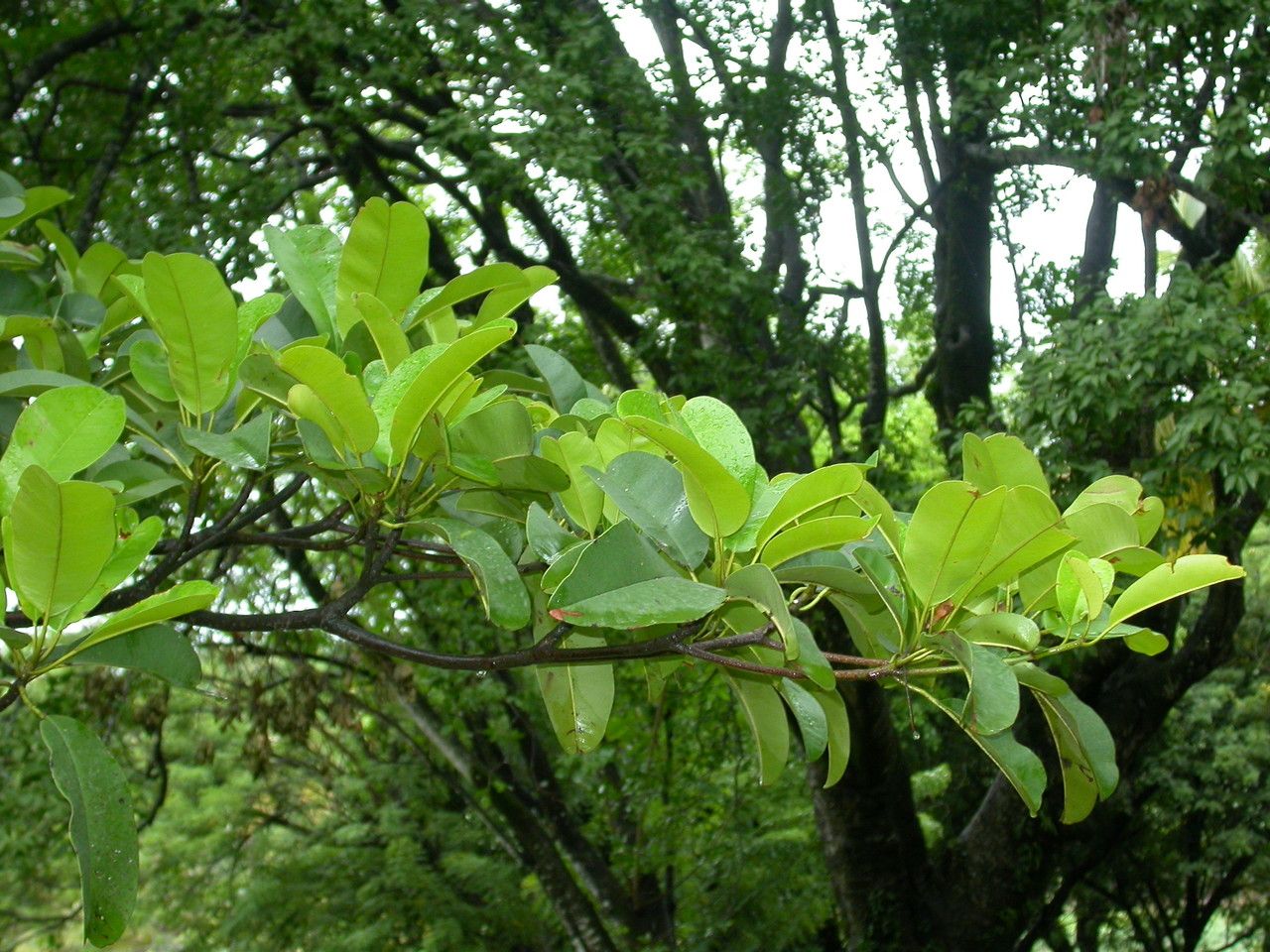
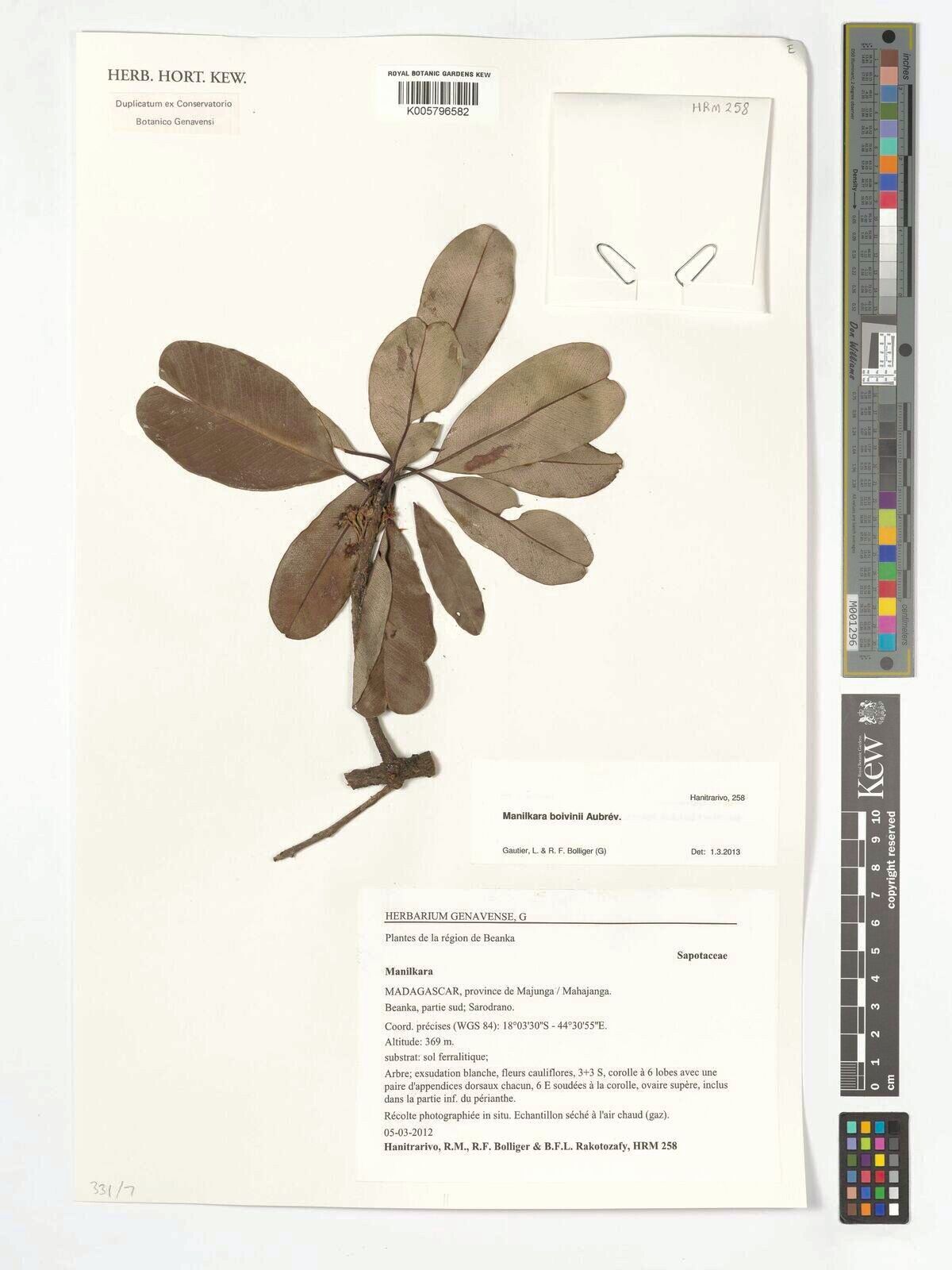
Manilkara mochisia, commonly known as the Red Milkwood or Mochisia, is a tropical evergreen tree in the Sapotaceae family. Native to Southeast Asia, it is found in countries such as Thailand, Malaysia, and Indonesia. This tree can grow up to 30 meters tall and features a dense crown of glossy, oval-shaped green leaves. During the summer months, the Red Milkwood produces small white flowers that bloom in clusters. Its fruit is a round, berry-like drupe that transitions from green to red when ripe, containing one or two seeds surrounded by sweet, edible pulp. The wood of Manilkara mochisia is highly valued for its durability and resistance to decay, making it ideal for construction projects such as bridges and buildings. Additionally, its bark has medicinal properties and has been traditionally used by indigenous communities to treat various ailments, including diarrhea. Overall, Manilkara mochisia is a significant plant species with diverse uses, ranging from construction material to medicinal purposes. This makes it an essential part of efforts to conserve the biodiversity of Southeast Asian flora.
Lowveld milkberry exhibits strong disease resistance and is usually not vulnerable to diseases. In terms of maintenance, this plant is fairly low-maintenance. When planted outdoors it needs minimal watering, and larger specimens typically do not require pruning. Smaller plants, however, should be pruned after they have finished blooming. Lowveld milkberry is appropriate for anyone with an outdoor area, such as a garden or deck, and does not demand much prior care experience.
How to keep Manilkara Mochisia.
Light
Lowveld milkberry is native to open habitats, such as sunny meadows and forest edges, which offer plentiful light. It performs best in Full Sun but can also tolerate Partial Sun, showing good adaptability to different light conditions.
Temperature
Lowveld milkberry comes from tropical areas where the climate is generally warm and humid. Consequently, it is suited to high temperatures and humidity. It does not tolerate abrupt temperature changes and prefers a consistent thermal environment, so keeping indoor temperatures steady is important. It typically cannot withstand cold and needs relatively high temperatures to grow. If the surrounding temperature falls too low, the plant may stop growing or even perish.
Fertilizer
Choose organic fertilizers (e.g., fish emulsion, compost) instead of chemical ones for Lowveld milkberry. Provide increased nitrogen and phosphorus to young plants during spring. Work compost or fertilizer into the soil before or after planting. For mature plants, apply a balanced fertilizer or one targeted to specific deficiencies in spring. Nutrient deficiency results in small leaves, short branches, yellow or bronze foliage, acidic fruits, premature fruit drop, and splitting.
Botanical profile.
- Plant Type
- Tree
- Life Cycle
- Perennial
- Genus
- Manilkara
- Family
- Sapotaceae
- Hardiness Zone
- 10-12
- Mature Height
- 10.06 m to 14.94 m
- Mature Spread
- 6.1 m to 7.92 m
- Leaf Color
- Dark Green
- Leaf Type
- Evergreen
- Flower Color
- White, Cream
- Flower Size
- 0.51 cm to 1.02 cm
- Bloom Time
- Mid spring, Late spring
- Planting Time
- Autumn, Winter
- Harvest Time
- Late summer, Early fall, Mid fall
- Native Area
- Malawi, Somalia, Angola, Mozambique, Tanzania, South Africa, Zambia, Eswatini, Namibia, Kenya, Botswana, Zimbabwe
Other names.