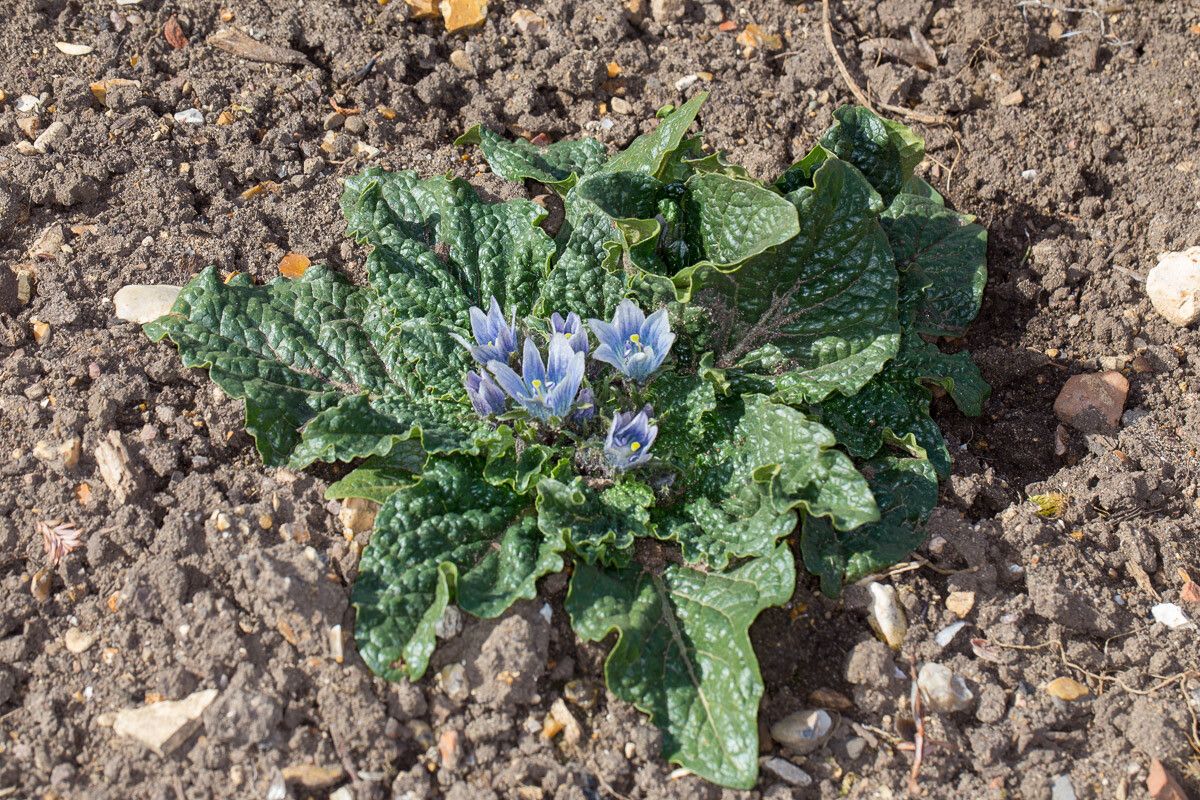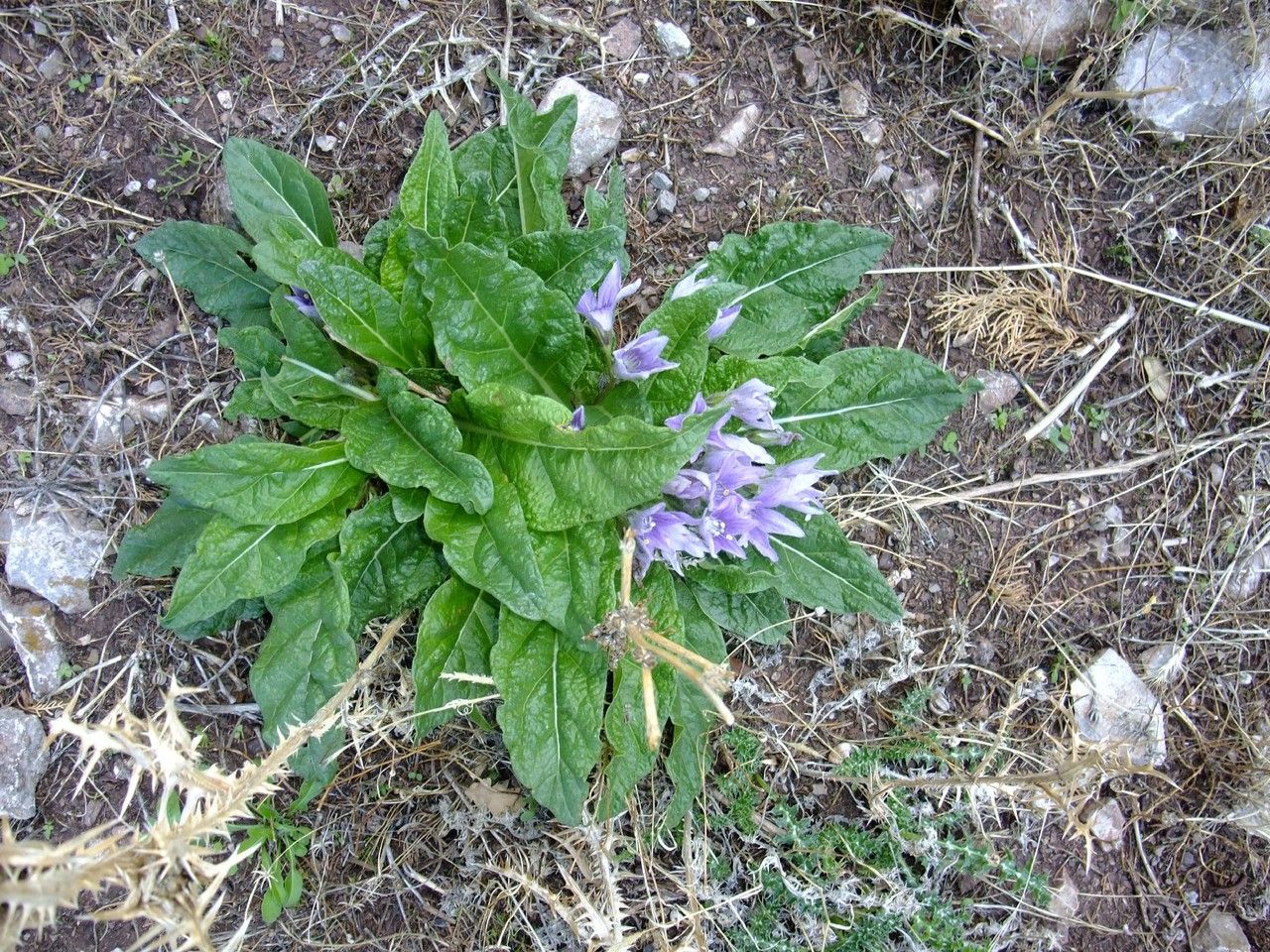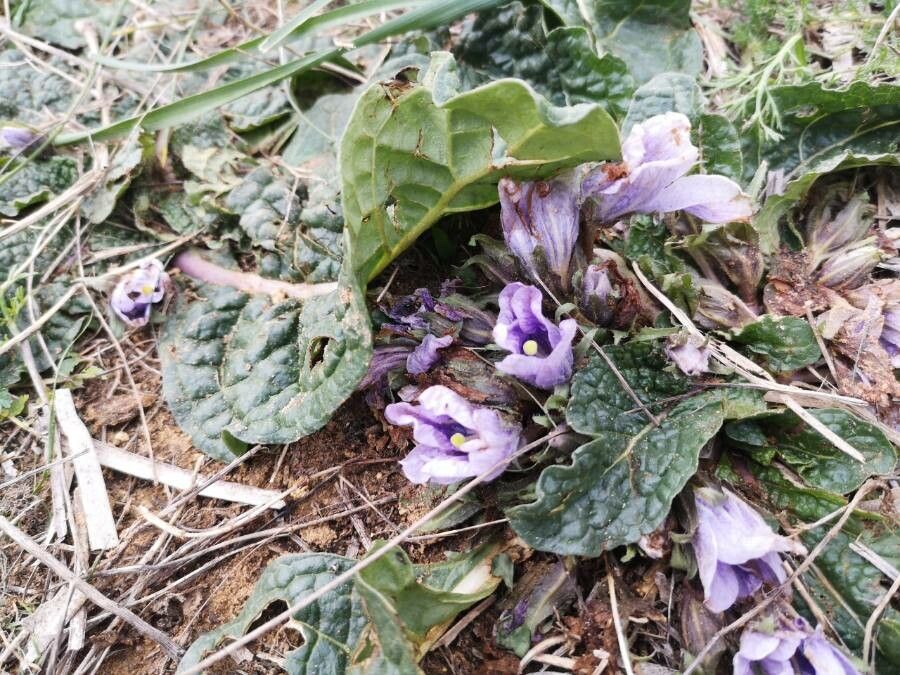
Mandragora caulescens, the Himalayan mandrake, is a perennial herbaceous plant in the family Solanaceae, native to the Himalayas and mountainous regions of Myanmar and south-west China. One of the differences from the other species of Mandragora is that it has a stem, whereas they are stemless. Like all species of Mandragora, it contains tropane alkaloids, making it toxic. It is used in traditional Chinese medicine.
Himalayan mandrake is fairly disease-resistant and typically does not suffer from many illnesses. However, it can be affected by pests and diseases found in its surroundings. Such infections are generally mild. In terms of care, this plant requires a moderate level of maintenance. It should be pruned regularly to preserve a good appearance and support healthy growth. Fertilizing can also help encourage flowering. Himalayan mandrake is suitable for anyone with outdoor space, such as a garden or patio, and does not demand extensive gardening experience. When grown indoors, it may need more attentive care.
How to keep Mandragora Caulescens.
Light
Himalayan mandrake's origin is found in sites offering scattered light, like tropical forest understories or shaded rocky terrains. It is partial to sunlight but can also endure conditions of total shade.
Water
The Himalayan mandrake is a hardy herbaceous plant that thrives in moderate moisture conditions but can withstand short periods of dryness. For optimal health, especially during the growing season, it's best to water it weekly. When grown outdoors, it requires adequate soil moisture to promote its growth and resilience.
Temperature
The Himalayan mandrake originates from severe Himalayan climates, and has become acclimatized to temperatures between 68 and 95 °F (20 to 35 ℃). Those who want to cultivate it ought to mimic these conditions, modifying treatment based on seasonal temperature variations.
Fertilizer
The optimal period to fertilize a Himalayan mandrake is during early spring as it breaks dormancy and enters a phase of vigorous growth. Nutrients delivered through fertilization play a significant role in ensuring its healthy development. Even though Himalayan mandrake's requirement for fertilization is comparatively less, providing it with nourishment on a yearly basis can improve its life span and lead to improved, more enduring blossoms.
Pruning
The Himalayan mandrake is a perennial herb known for its tuberous roots and unique rosette of leaves. To keep the plant healthy and looking its best, prune it from early to late spring. This will help remove dead foliage, improve airflow, and encourage healthy growth. Be sure to use clean, sharp tools to make precise cuts, which will enhance both the appearance and health of the plant.
Botanical profile.
- Plant Type
- Herb
- Life Cycle
- Perennial
- Genus
- Mandragora
- Family
- Solanaceae
- Hardiness Zone
- 9
- Mature Height
- 20 cm to 61 cm
- Mature Spread
- 5 cm
- Leaf Color
- Dark Green
- Leaf Type
- Deciduous
- Flower Color
- Purple, Lavender
- Flower Size
- 2.03 cm to 3.05 cm
- Bloom Time
- Early summer, Mid summer
- Planting Time
- Spring
- Harvest Time
- Late summer, Early fall