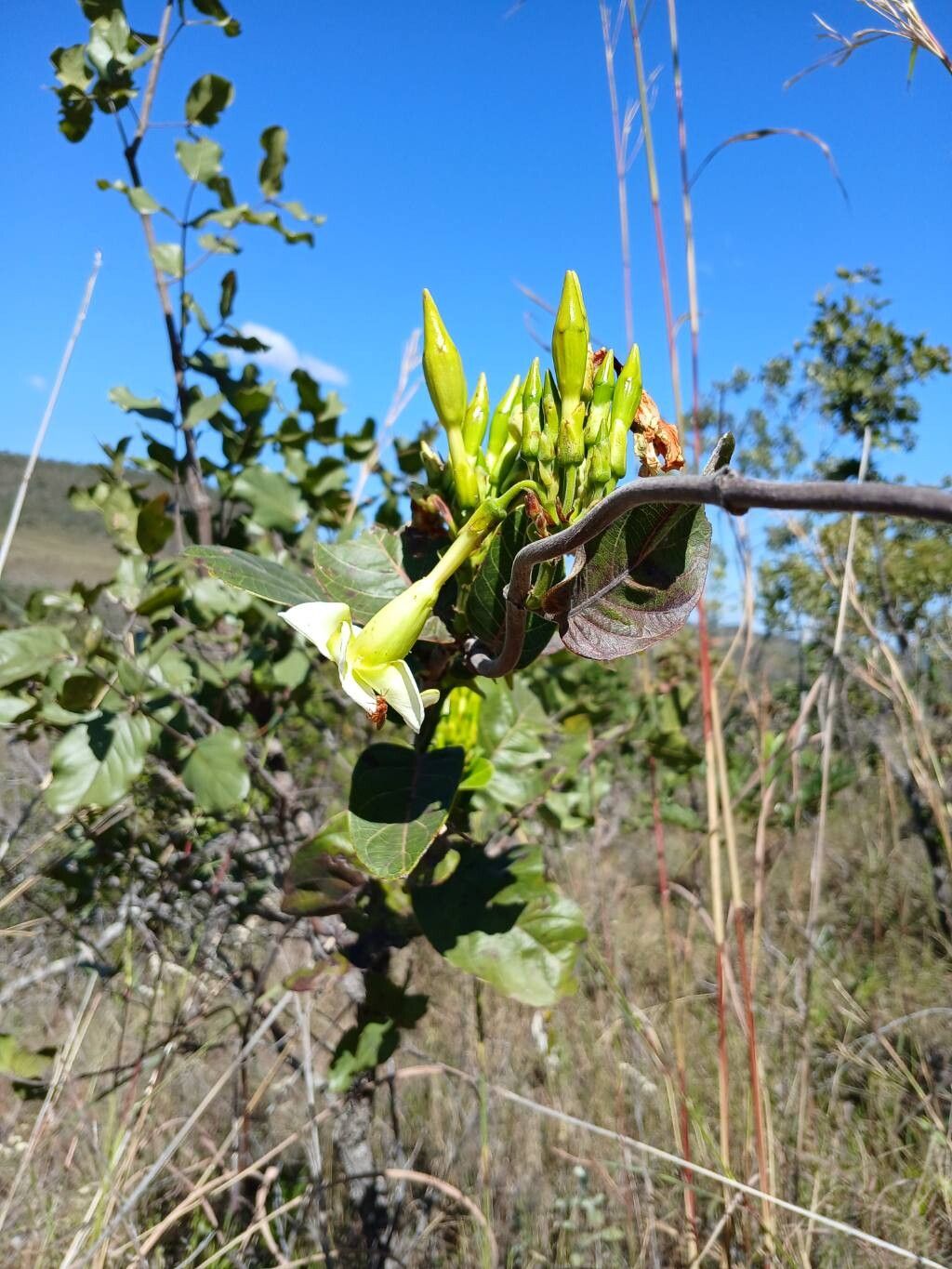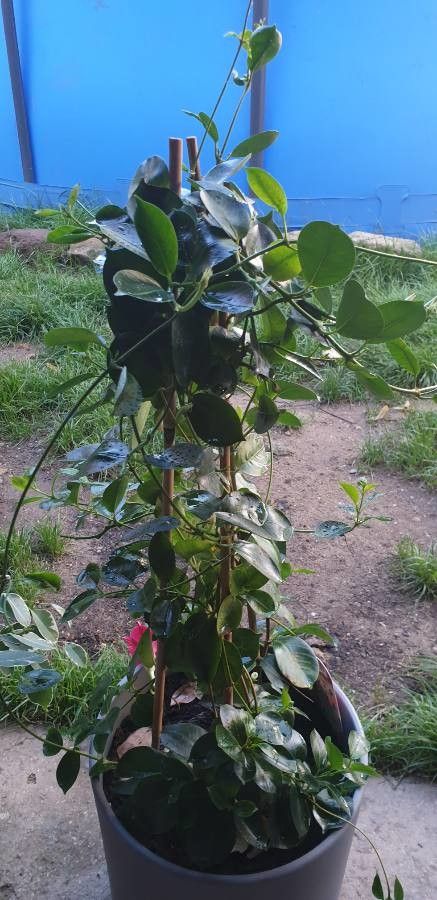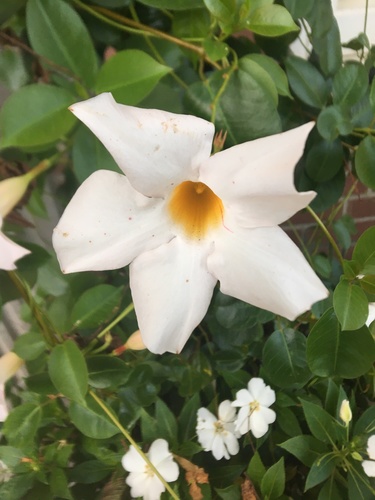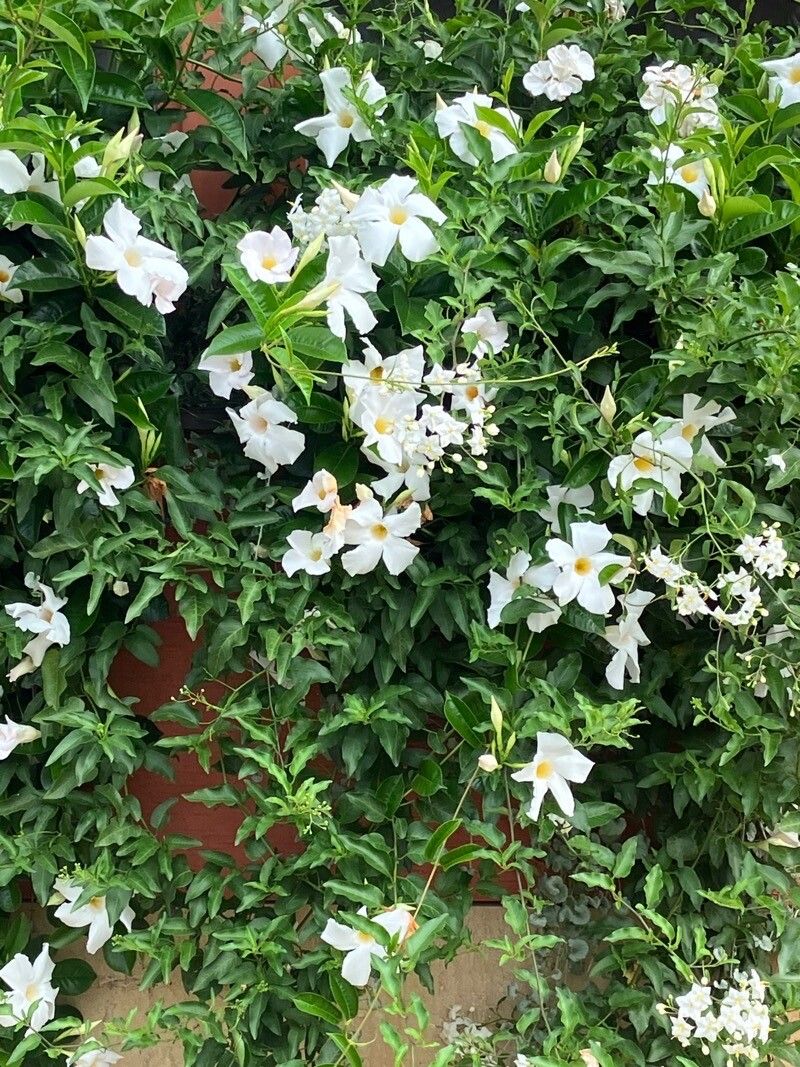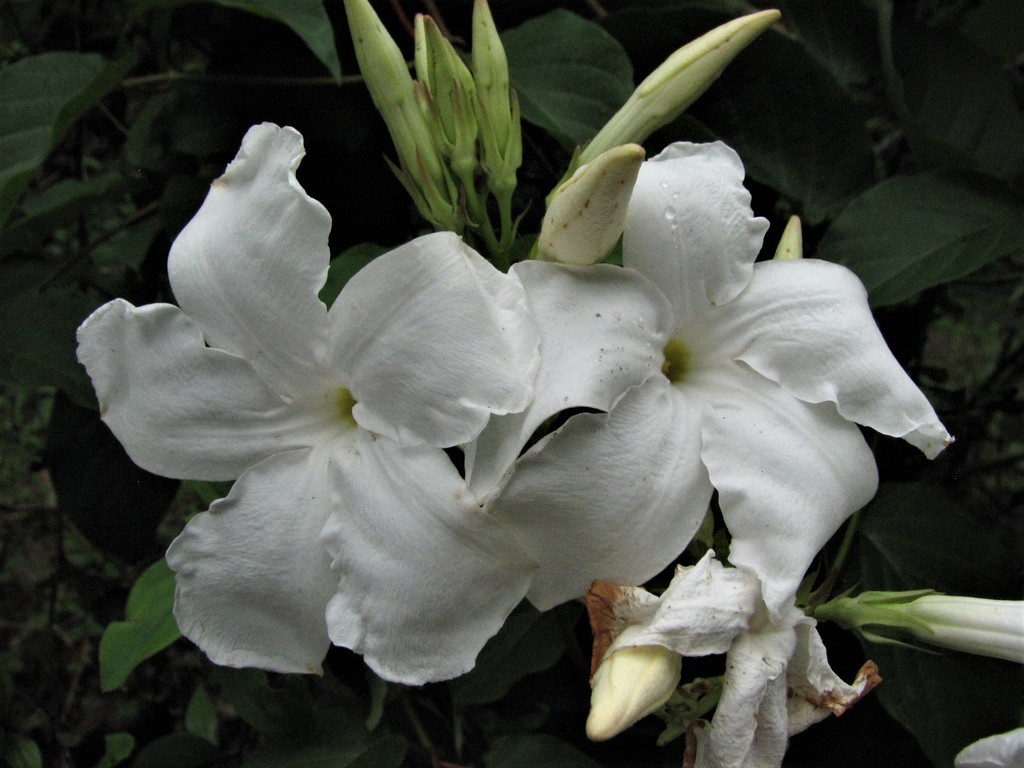
Mandevilla laxa, commonly known as Chilean jasmine, is an ornamental plant in the genus Mandevilla of family Apocynaceae. M. laxa is native to southern Ecuador, Peru, Bolivia, and northern Argentina. It grows as a vine and is deciduous in cool climates. It can grow to 6 meters (20 feet) tall. Masses of heavily scented white flowers are produced in the summer. IAs it is not fully hardy and does not survive being frozen, in temperate zones it must be grown with the protection of glass, in an unheated greenhouse or conservatory. with full sunlight. In the United Kingdom it has gained the Royal Horticultural Society’s Award of Garden Merit.Despite its common name 'Chilean jasmine', the species is not a true jasmine of the genus Jasminum.
Chilean Jasmine: The Mandevilla plant is named in honor of Henry Mandeville (1773–1861), who was once the British Minister in Buenos Aires. The term "laxa" means "loose" in Latin, describing its growth pattern when it is not supported by a trellis or pergola. Despite its name, Chilean jasmine is not actually a jasmine; it only shares a resemblance due to its intoxicating fragrance.
Chilean jasmine is resistant to diseases and is generally not susceptible to them. Regarding care, this plant is fairly low-maintenance. Planted outdoors it needs little watering, and larger specimens usually do not require pruning; smaller plants, however, should be pruned after they finish blooming. Chilean jasmine is well suited to anyone with an outdoor area, such as a garden or deck, and does not need extensive care experience.
How to keep Mandevilla Laxa.
Light
Chilean jasmine prefers spots that get plenty of sun for most of the day, though it can tolerate stretches of reduced light. Its native habitat, rich in sunshine, helps explain its vigorous growth. Nevertheless, too much or too little light can be harmful, affecting Chilean jasmine's growth and flowering.
Water
Chilean jasmine, a plant native to tropical regions, thrives in consistently moist and humid environments. It prefers to be watered weekly and can tolerate brief periods of dryness. As an evergreen, Chilean jasmine grows well outdoors when there is adequate rainfall, which supports its growth throughout the growing season.
Humidity
This plant will thrive in moderate humidity, which is probably the level in your home. However, misting it a few times a week can be very beneficial. Make sure the room has good ventilation.
Temperature
Chilean jasmine originates from habitats where temperatures range from 59 to 100 °F (15 to 38 ℃). It favors moderate warmth and should be maintained within this temperature range. Seasonal adjustments are necessary to ensure it never drops below 59 °F (15 ℃).
Fertilizer
Timing is critical when fertilizing Chilean jasmine. Apply fertilizer in early spring and continue monthly until early summer. Fertilizer encourages attractive blooms and supplies energy during both dormant and active growth periods.
Pruning
To ensure that your Chilean jasmine thrives, it's important to prune it in early spring. Focus on removing any dead stems and shaping the plant to encourage bushier growth. This practice promotes healthy development, enhances blooming, and ensures better air circulation and light penetration. Always use clean, sharp tools to achieve effective trimming.
Pot & Repot
Repot Chilean jasmine every 2-3 years in the spring, using a larger pot with a trellis for support to encourage its growth. After repotting, provide partial shade and keep the soil moist. Its resilience makes care easy, making Chilean jasmine an aromatic and appealing addition to any garden.
Toxicity
All parts may cause stomach upset if ingested. Contact with sap may irritate skin.
Further reading →
The toxicity and danger assessments provided are for reference only. We do not assure their accuracy, so it's crucial not to depend on them. Seek professional advice when necessary for accurate guidance.
Botanical profile.
- Plant Type
- Vine
- Life Cycle
- Perennial
- Genus
- Mandevilla
- Family
- Apocynaceae
- Hardiness Zone
- 8-11
- Mature Height
- 3.05 m to 6.1 m
- Mature Spread
- 91 cm
- Leaf Color
- Green
- Leaf Type
- Evergreen, Semi-evergreen
- Flower Color
- White
- Flower Size
- 5.08 cm to 8.89 cm
- Bloom Time
- Early summer, Mid summer
- Planting Time
- Spring, Autumn
- Harvest Time
- Mid summer, Late summer
- Native Area
- Bolivia, Ecuador, Peru, China
Other names.
Reader questions.
How should I water my Chilean jasmine plant?
To promote excellent root development, place a garden hose at the base of the plant. Avoid spraying the leaves directly, especially if the plant is in direct sunlight outdoors, as the leaves will require more watering. To moisten the roots, you can use bubblers or soaker hoses. When adding or removing plants, use soaker hoses that can cover the entire garden or bed to ensure deep root penetration. After watering, drain any excess water and allow the soil to dry before watering again. Water at ground level to prevent diseases. On a sunny day, consider spraying the entire bush with water. Whether potted or in the ground, remember that Chilean jasmine prefers deep watering rather than light sprinkling.
Why should I put fertilizer on my Chilean jasmine?
Fertilizing a Chilean jasmine is crucial for multiple reasons. Firstly, it promotes the growth of beautiful blooms. Secondly, fertilizing in early spring is particularly effective for ensuring excellent flowers during that season. Additionally, fertilizer provides the plant with ample energy to store in the ground during dormant growth phases. By providing extra nutrients in the fall planting process or late spring, you enable the Chilean jasmine to store more energy for when active growth resumes.
What are the sunlight requirements for Chilean jasmine?
Chilean jasmine requires areas that are generously bathed in sunlight for most of the day, as it enjoys full sun conditions of above 6 hours of sunlight. However, it can also withstand partial sun, approximately 3-6 hours of sunlight. Its native habitat, characterized by abundant sunshine, contributes to its vigorous growth. Despite this, both too much and too little light can be harmful, affecting the plant's growth and flowering capabilities. When considering where to place your plant, observe how sunlight moves through your space and choose locations that offer a good balance of light and shade to ensure the plant's wellbeing.
What is the ideal temperature range for Chilean jasmine?
Chilean jasmine thrives in environments where the temperature ranges between 59°F (15°C) and 100°F (38°C). It prefers medium warmth, and seasonal adjustments might be needed to ensure the temperature does not fall below 59°F (15°C). Although the plant exhibits some cold tolerance and typically does not require additional protection when temperatures are above -5°C, precautionary measures should be taken if the temperature is expected to drop below this point, including wrapping the plant in plastic film, fabric, or other materials for temporary cold protection.
What should I do if I give too much or too little water to the Chilean jasmine?
If a Chilean jasmine is overwatered, it may develop yellow, wilting leaves that eventually fall off. The plant may also appear dull and unhealthy, with mushy stems. Adjusting your watering schedule can help alleviate these symptoms. However, wilting can also be a sign of under watering, which causes dry and crispy leaves. In this case, check the soil for dryness and give the plant a thorough watering. Despite this, the Chilean jasmine may still have dry, yellow leaves for a few days due to root damage. Once the plant recovers, the yellowing leaves will stop. When keeping a Chilean jasmine indoors, periodically check the moisture levels in the pot to avoid overwatering. Look out for black spots, as they indicate overwatering and may require a few days of rest from watering to allow the soil to dry out. Overwatering can lead to root rot, so if you notice discolored and slimy roots, consider transferring the plant to a different pot. It's important to prevent root rot by avoiding overly soggy soil. When planting a Chilean jasmine outdoors, make sure to dig deeper and check the moisture level of the soil with your fingers. If the soil is too dry, it could indicate under watering, and the plant will require adequate watering to recover.
When should I fertilize my Chilean jasmine plant?
Proper timing is essential when fertilizing Chilean jasmine. It is important to avoid using fertilizer too early when the plant is still dormant, as it will not be effective and can be washed away by rainwater, causing waste and pollution. To ensure the best results, the first application of fertilizer should be applied in early spring, followed by monthly fertilization until early summer.
How do artificial lights support the growth of Chilean jasmine indoors?
Indoor Chilean jasmine plants can benefit significantly from artificial lighting, especially when natural sunlight is insufficient, like in winter or in less sunny spaces. Artificial lights provide a crucial solution, promoting faster, healthier growth. For optimal growth under artificial lighting, select LED lights, which can be customized to supply specific wavelengths necessary for your plant. Full sun plants require 30-50W/sq ft of artificial light, partial sun plants need 20-30W/sq ft, and full shade plants need 10-20W/sq ft. The light source should be placed 12-36 inches above the plant to mimic natural sunlight and be kept on for about 8-12 hours per day, replicating the length of natural daylight hours for your specific plant species.
How does low temperature affect Chilean jasmine and what are the solutions?
Chilean jasmine has a moderate tolerance to low temperatures, ideally staying above 15°C. It should be kept above -5°C during winter, and when temperatures fall below -10°C, the leaves may start to droop. In mild cases, the plant can recover, but in severe cases, the leaves will wilt and fall off. The solution includes trimming off the frost-damaged parts and wrapping the plant with materials such as non-woven fabric or cloth, along with constructing a wind barrier to protect it from the cold wind.
How frequently should I water my Chilean jasmine?
The Chilean jasmine prefers deep and infrequent watering. If you have it in a pot, it's important to soak it with a gallon of water each time to account for the limited water storage and faster drying of the soil. In cold regions, water every 3 to 5 days, preferably in the morning when the soil is dry. Check the top 2-3 inches of soil for dryness to determine if watering is needed. During hot days, check the moisture daily to prevent the soil from drying out quickly. If you have a garden, irrigation is necessary, especially in hot climates where watering once a week might be sufficient. Avoid over-watering to prevent root rot, and consider the amount of rainfall before adding additional water. When the Chilean jasmine is outdoors, use 3 to 4 inches of mulch to conserve water. Adjust watering frequency based on the type of soil - sandy soil requires more frequent watering while clay soil needs less. Keep track of watering dates to ensure timely care, and watch for drooping leaves as a sign that the plant may need water soon.
When is it better to not use fertilizer on my Chilean jasmine plant?
To ensure the best growth and blooming of Chilean jasmine, there are a few important considerations when it comes to fertilizing. Firstly, be careful not to use a fertilizer with too much nitrogen as this can cause excessive leaf growth but hinder blooming. Instead, opt for a fertilizer with a lower nitrogen content compared to other nutrients. Secondly, avoid fertilizing Chilean jasmine after early autumn, as this can lead to excessive growth just before winter sets in. Additionally, refrain from fertilizing during hot and dry periods as dry soil is not as effective at delivering nutrients. Fertilizing during these times can also stimulate growth that requires more water, which may not be readily available. It is generally advisable to apply fertilizer during cooler temperatures earlier in the season. Lastly, keep in mind that Chilean jasmine can absorb fertilizer that has been applied to nearby plants or lawns. Therefore, take care to avoid inadvertently giving the tree or shrub a double-dose of fertilizer.
What are the signs that Chilean jasmine is not receiving enough light?
When Chilean jasmine does not receive sufficient light, it may show various signs of light deficiency including new leaves growing smaller than mature ones, a leggy or sparse appearance due to longer spaces between leaves or stems, early leaf drop to conserve resources, slower or no new growth as the plant enters survival mode, lighter-colored new leaves indicating a lack of chlorophyll, and conditions such as chlorosis, where leaves lose their green color and turn yellow. These symptoms are indicative of suboptimal lighting conditions and require attention to improve the plant's health.
How does high temperature affect Chilean jasmine and what are the solutions?
During summer, it is crucial to keep Chilean jasmine below 38°C. Exposing it to temperatures exceeding 43°C results in lighter leaf color, dry and withered leaf tips, leaf curling, and increased susceptibility to sunburn. To address these issues, trim away the sunburned and dried-up parts of the plant. Move the plant to a shaded area to protect it from midday and afternoon sun, or utilize a shade cloth. Additionally, watering the plant in the morning and evening helps maintain soil moisture and supports plant health.