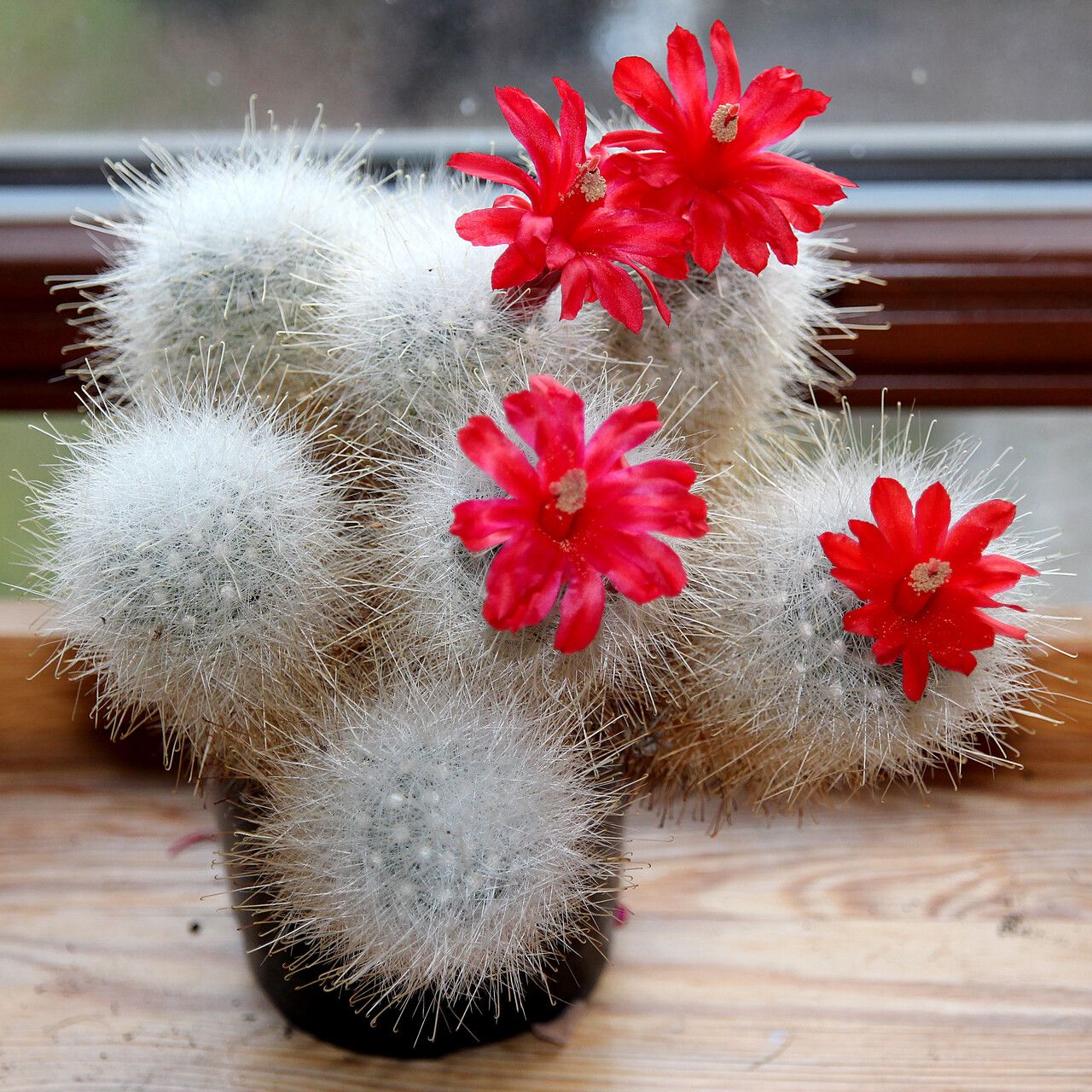
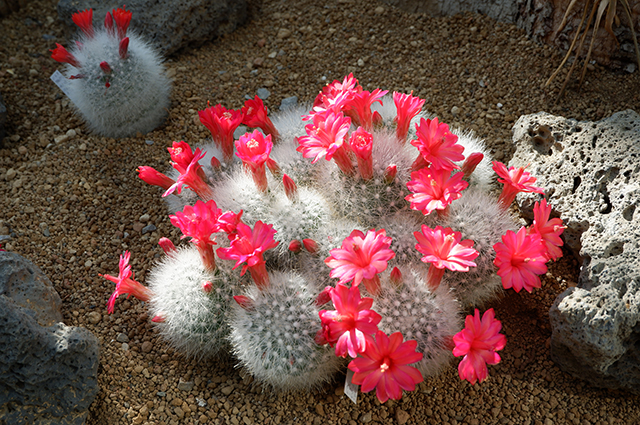
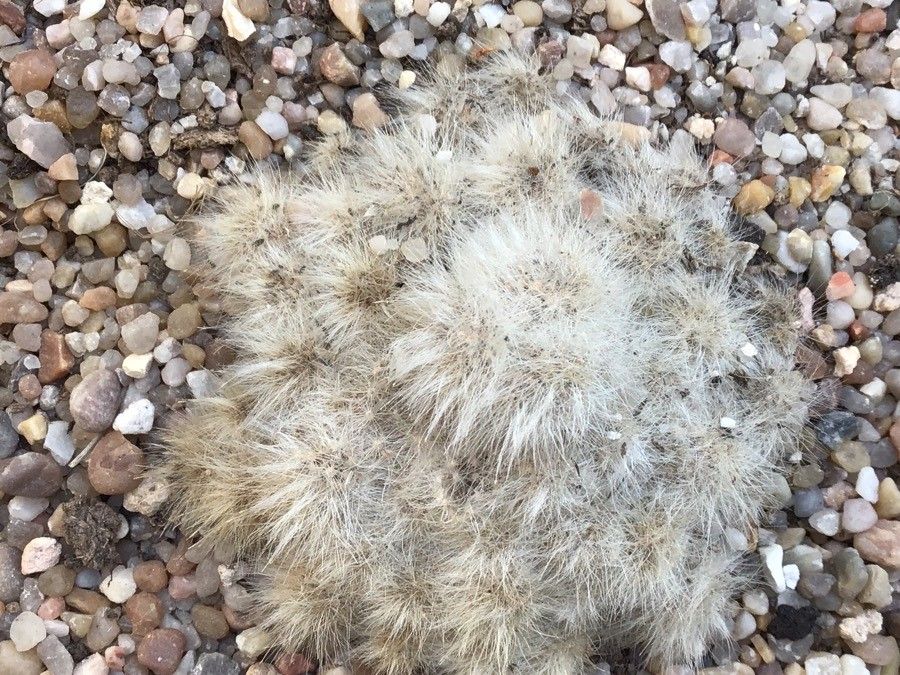
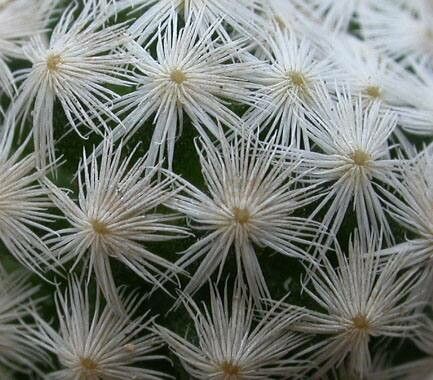
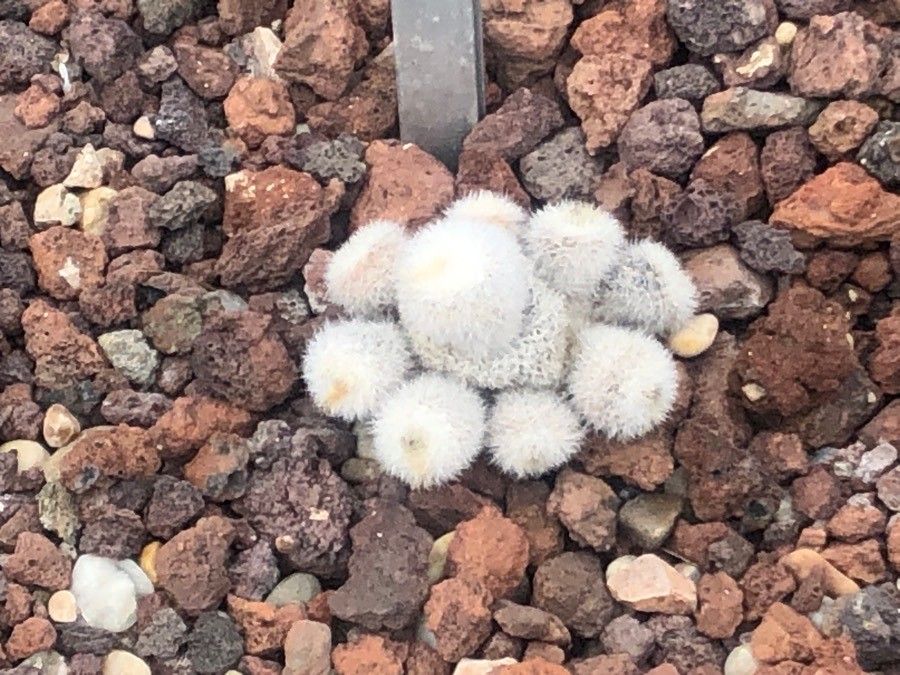
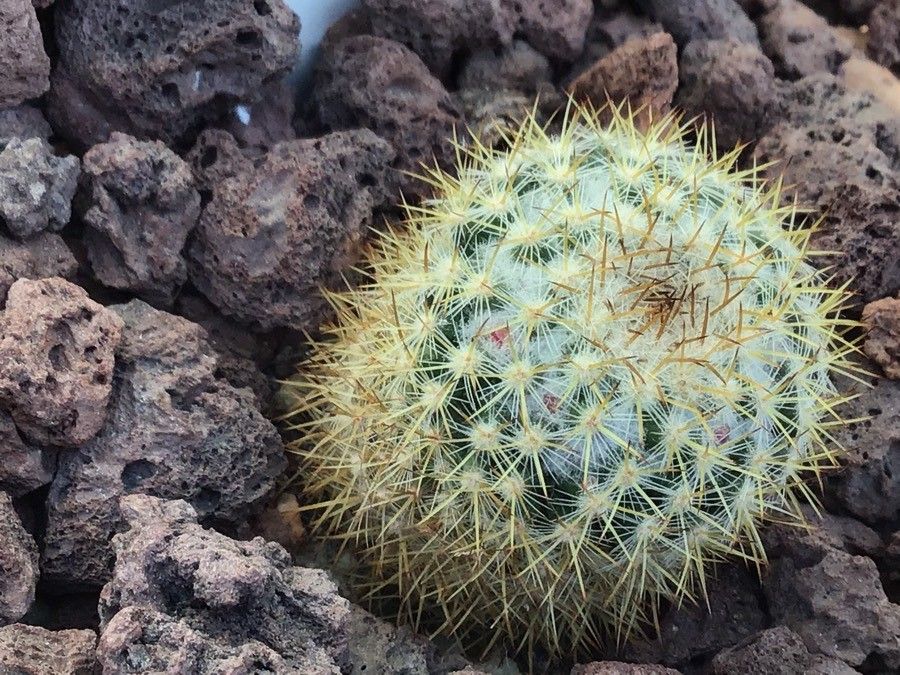
Mammillaria senilis is a species of cacti in the tribe Cacteae. It is native to Mexico, where it is found in the states of Chihuahua, Durango, Jalisco, Nayarit, Sinaloa and in south Zacatecas.
Mammillaria has strong disease resistance and fares well under normal care, seldom becoming ill. It can be vulnerable to mealybugs; these pests may cause some harm but are generally not a serious threat. For care, Mammillaria is drought-tolerant and does not need frequent watering. It tolerates long stretches without water and requires little fertilizer. However, it is very prone to root rot if kept in poor light and overwatered. Overall, Mammillaria suits people who prefer low-maintenance plants, though its basic needs should still be met. It is especially appropriate for those who are away for extended periods and might forget to water regularly.
How to keep Mammillaria Senilis.
Light
Mammillaria does best in full sun, although it can tolerate somewhat diminished light. Excessive or insufficient sunlight can harm the plant, resulting in problems such as bleaching or restricted growth. It comes from regions that favor plentiful sun exposure.
Water
Mammillaria, a plant adapted to arid regions, thrives with minimal moisture and is highly drought-tolerant. It needs watering about every three weeks and benefits from well-draining soil. Proper water management is essential to prevent root rot, so it's important to let the soil dry out completely between waterings.
Temperature
Mammillaria naturally thrives in temperatures from 68 to 100°F (20 to 38℃), indicating a preference for moderate to high warmth. Seasonal temperature adjustments may be necessary to replicate its native growth conditions.
Fertilizer
For Mammillaria, light applications of fertilizer once or twice a year during the growing season are enough. Avoid fertilizing in winter and summer when the plant is dormant. Cut back on fertilizer for repotted plants and wait a couple of months after repotting before applying fertilizer. Fertilizing supports healthy growth and promotes flowering.
Pruning
Mammillaria requires minimal pruning. Simply remove any withered flowers and branches to help the plant direct nutrients towards healthy growth.
Pot & Repot
Repot Mammillaria during spring or summer, selecting a pot slightly larger than the current one that has good drainage. Use a well-draining, sandy or gritty cactus mix. Handle the plant carefully to avoid its spines. Let the cactus dry out before repotting to prevent root rot. After repotting, wait a week before watering so the roots can heal.
Botanical profile.
- Plant Type
- Succulent
- Life Cycle
- Perennial
- Genus
- Mammillaria
- Family
- Cactaceae
- Hardiness Zone
- 10-11
- Mature Height
- 10 cm
- Mature Spread
- 5 cm
- Leaf Color
- Green
- Leaf Type
- Evergreen
- Flower Color
- Pink, White
- Flower Size
- 2.03 cm to 3.05 cm
- Bloom Time
- Mid spring, Late spring, Early summer
- Planting Time
- Spring, Summer
- Harvest Time
- Summer
- Native Area
- Mexico
Reader questions.
What are the sunlight requirements for Mammillaria?
Mammillaria, also known by its botanical name Mammillaria senilis, flourishes in environments with abundant sunlight. It is essential for the plant to receive full sun, characterized by over 6 hours of sunlight daily, to thrive optimally. However, the plant can also adapt to situations of partial sun, which involves about 3-6 hours of sunlight. It's crucial to observe the movement of sunlight through your garden or indoor space to find a location that offers the right mix of light and shade, ensuring the plant's well-being and avoiding any adverse effects such as bleaching or stunted growth due to improper exposure.
What are the ideal growing conditions for Mammillaria?
Mammillaria, known botanically as Mammillaria senilis, thrives in environments where temperatures range from 68 to 100°F (20 to 38°C), indicating its preference for moderate to high warmth. This heat-loving plant requires seasonal adjustments of temperature to mimic its native growth conditions, gradually halting growth and entering a dormant state during winter. To ensure its well-being, when outdoor temperatures drop below 5°C, it's advised to move the plant indoors, preferably near a south-facing window to maximize sunlight exposure. If natural light is insufficient, supplemental lighting can be considered. During colder weather, specifically when temperatures fall below 20°C, the growth of Mammillaria slows, necessitating a reduction or complete stop in watering to avoid root rot. For those cultivating it outdoors, cease watering altogether during low temperature periods. If possible, consider setting up a temporary greenhouse for insulation, or wrap the plant using plastic film or fabric to protect it from cold temperatures.
Can Mammillaria grow under artificial lighting?
Yes, Mammillaria can grow under artificial lighting, making it a viable option for indoor environments where natural sunlight is insufficient, especially during winter or in less sunny spaces. Artificial lights, such as LED lights, serve as an excellent alternative by offering the specific wavelengths needed for the plant's growth. The right type of artificial light should provide 30-50W/sq ft for full sun plants, 20-30W/sq ft for partial sun plants, and 10-20W/sq ft for full shade plants. The light source should be placed 12-36 inches above the plant to simulate natural sunlight and should remain on for 8-12 hours per day to mimic natural daylight hours.
How does Mammillaria react to low temperatures, and what are the solutions?
Mammillaria is not tolerant of low temperatures and flourishes best in conditions above 20°C. During the winter, it's crucial to keep the plant at temperatures above 5°C to ensure its survival. Exposure to temperatures below 1°C can lead to weakness, wilting, and an increased risk of root rot in Mammillaria. In cases of mild frost damage, symptoms might not appear immediately, but the plant could gradually wither over a week. To combat these issues, trim off frostbitten areas and inspect the roots for rot, cutting away as necessary. You can propagate the plant through cuttings if the damage is significant. To aid recovery, move the plant to a warm indoor setting near a south-facing window for ample sunlight. For insufficient light conditions, supplemental lighting is recommended.
What are the symptoms of insufficient light in Mammillaria?
Mammillaria shows several symptoms when exposed to suboptimal lighting conditions, indicating the need for brighter light. Common signs include the development of smaller new leaves, leggy or sparse growth, faster leaf drop, slower or no new growth, and lighter-colored new leaves. These symptoms reflect the plant's struggle to adapt to low light, leading to reduced chlorophyll and essential nutrient production. Additionally, excessive sunlight exposure can cause chlorosis, sunscald, leaf curling, wilting, and leaf scorching, highlighting the importance of providing the right amount of sunlight.
What should I do if my Mammillaria experiences high temperature?
During the summer months, it's important to keep Mammillaria's temperature below 38°C. Should the temperature soar above 43°C, the plant will halt growth, suffer from water loss, wilting, and become prone to sunburn. To address these issues, remove the sunburned and rotten parts of the plant immediately. Provide some shade, especially from the harsh afternoon sunlight, until the plant recovers and resumes growth. If root rot is observed, cease watering until new roots begin to show, indicating recovery.
How can I address sunlight-related issues for my Mammillaria?
To address sunlight-related issues for Mammillaria, gradual exposure to the ideal amount of sunlight is key. For indoor plants, this involves moving them to a sunnier location each week until they receive at least 6 hours of direct sunlight daily, utilizing south-facing windows for maximum exposure. Artificial light can supplement natural light, with at least 8 hours of exposure daily. Outdoors, plants should be moved progressively to avoid sunburn. If needed, reduce obstructions such as tree branches to improve sunlight access. For smaller plants, consider transplanting during the plant's dormant period to a sunnier location with good drainage. Note that parts of the plant damaged by insufficient light may not recover, but new growth will be healthy with improved light conditions.