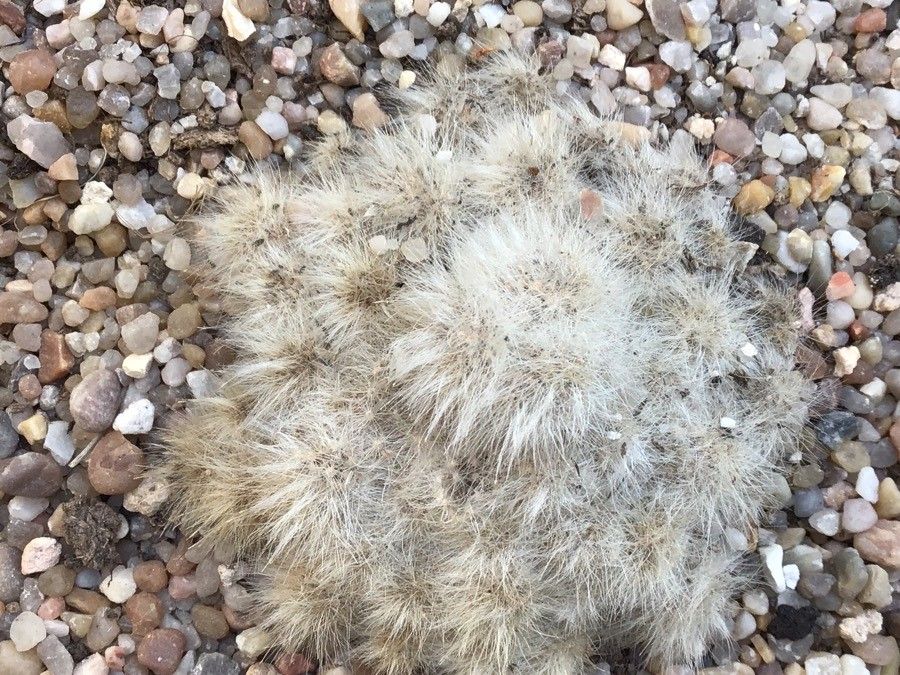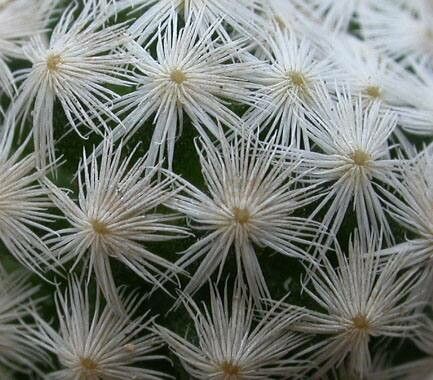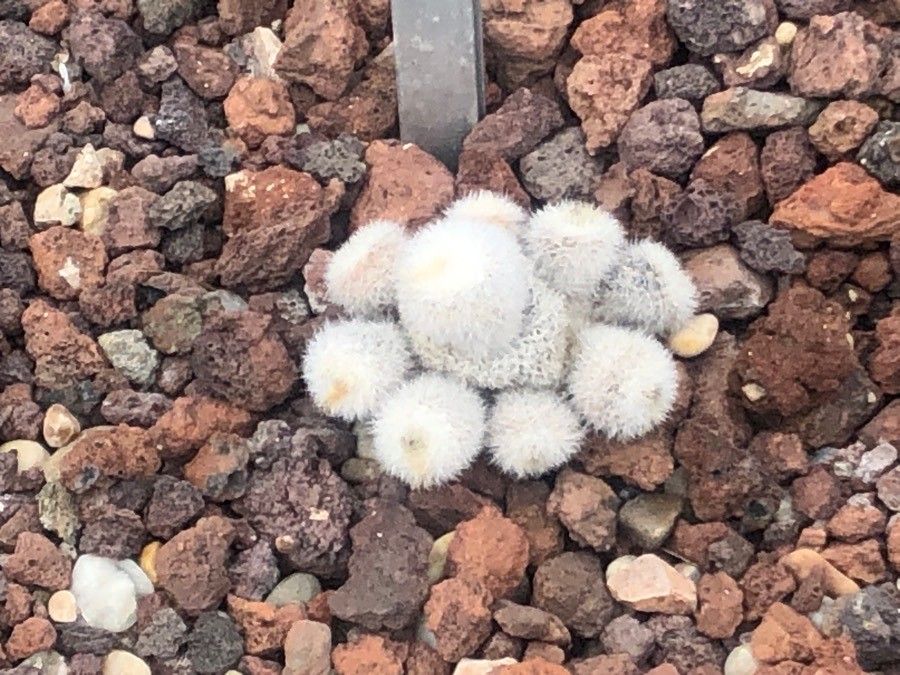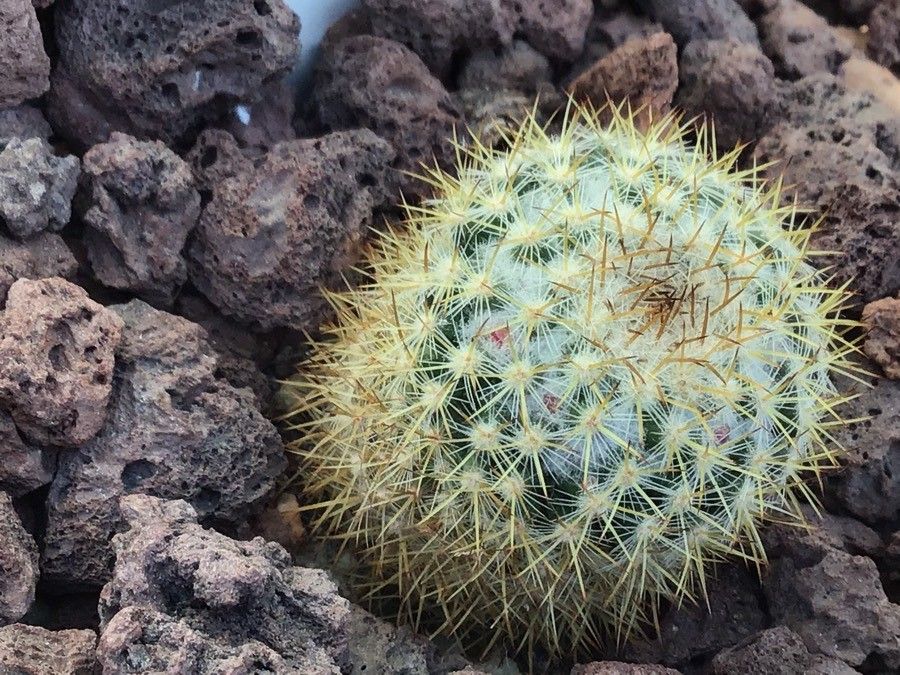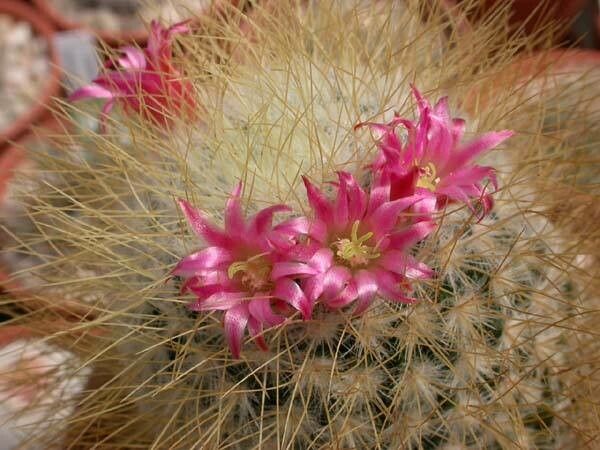
Mammillaria pringlei, called the lemon ball, is a species of cactus in the genus Mammillaria, native to Mexico, from Querétaro through to Veracruz and on to México State. It has gained the Royal Horticultural Society's Award of Garden Merit.
Mammillaria pringlei shows strong resistance to disease and tolerates typical care without becoming ill easily. That said, it can be vulnerable to mealybugs, which may inflict some damage but are usually not a major danger. Regarding care, Mammillaria pringlei is drought-tolerant and does not need frequent watering. It can endure extended periods without water and needs little fertilizer. However, it is highly prone to root rot if kept in poor light and subjected to overwatering. In general, Mammillaria pringlei is a good choice for people who prefer low-maintenance plants, but it’s important to meet its basic needs. It is especially suited to those who are away for long stretches and might forget to water regularly.
How to keep Mammillaria Pringlei.
Light
Mammillaria pringlei, which is indigenous to dry areas, flourishes under direct sun, reflecting its natural habitat where intense sunlight and scarce shade are common. It is also tolerant to partial sunlight, demonstrating some flexibility in its development.
Temperature
Mammillaria pringlei can stand some warmth, but typically flourishes and expands in cooler periods, going into a dormant phase during summer. In the scorching heat of summer, it is crucial to offer protection against powerful sunlight to avoid burning. Equally vital is minimizing or discontinuing watering during the peak of heat to prevent the roots from decaying. Winter and spring seasons are the prime growth periods for Mammillaria pringlei, where it grows robustly. Provided the temperature remains above a certain level, its growth will maintain a steady pace.
Fertilizer
For the Mammillaria pringlei, applying light quantities of fertilizer 1-2 instances annually during the growth period is adequate. It's best not to fertilize during the winter and summer, during its dormancy. Lessen the fertilizer for transplanted plants and give it a few months to adjust after repotting before administering fertilizer. Fertilization fosters robust growth and promotes flowering.
Pot & Repot
Rehome your Mammillaria pringlei during spring or summer, selecting a container that's just a bit bigger than its existing one and has excellent water draining capabilities. A well-draining cactus blend that's sandy or gritty would be an ideal selection. Be cautious while handling to dodge its thorns. Before transferring it to a new pot, make sure it's completely dry to prevent root decay. Post repotting, leave the plant unwatered for a week to assist in the recovery of the roots.
Botanical profile.
- Plant Type
- Succulent
- Life Cycle
- Perennial
- Genus
- Mammillaria
- Family
- Cactaceae
- Hardiness Zone
- 9-11
- Mature Height
- 2.13 m
- Mature Spread
- 2.13 m
- Leaf Color
- Green, Dark Green
- Leaf Type
- Evergreen
- Flower Color
- Pink, White
- Flower Size
- 1.52 cm to 2.03 cm
- Bloom Time
- Mid spring, Late spring, Early summer, Mid summer
- Planting Time
- Spring, Summer, Autumn
- Harvest Time
- Mid summer, Late summer, Early fall, Mid fall
- Native Area
- Mexico