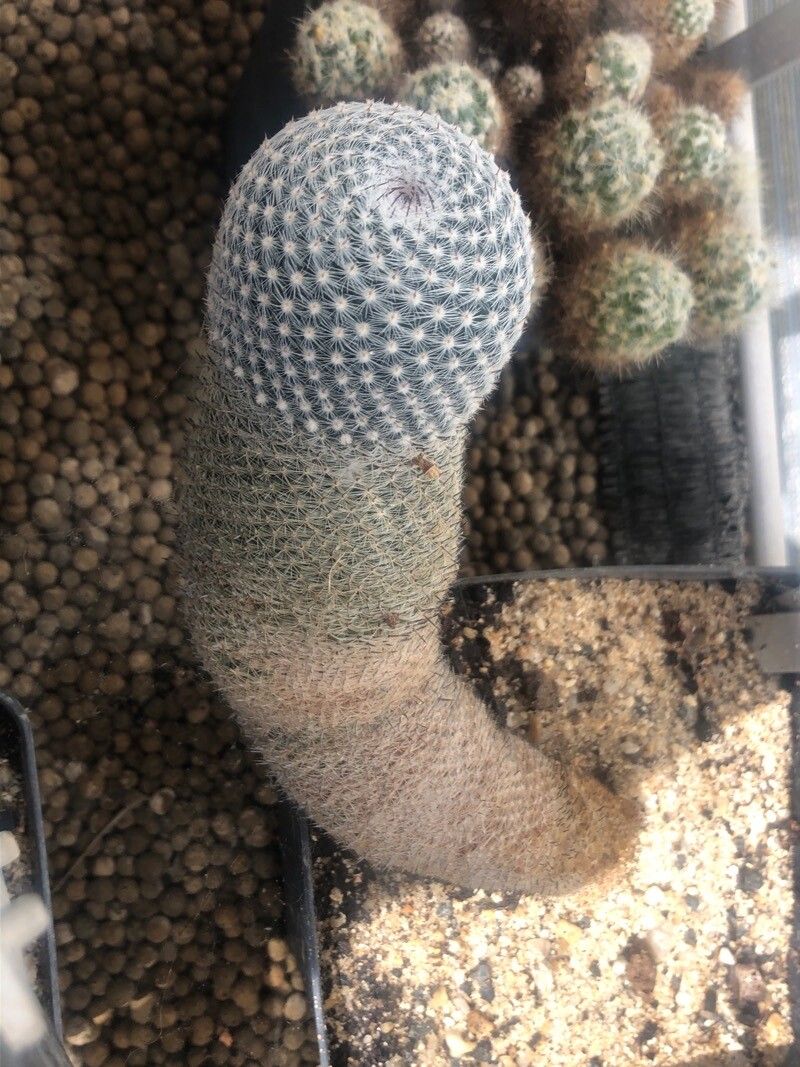
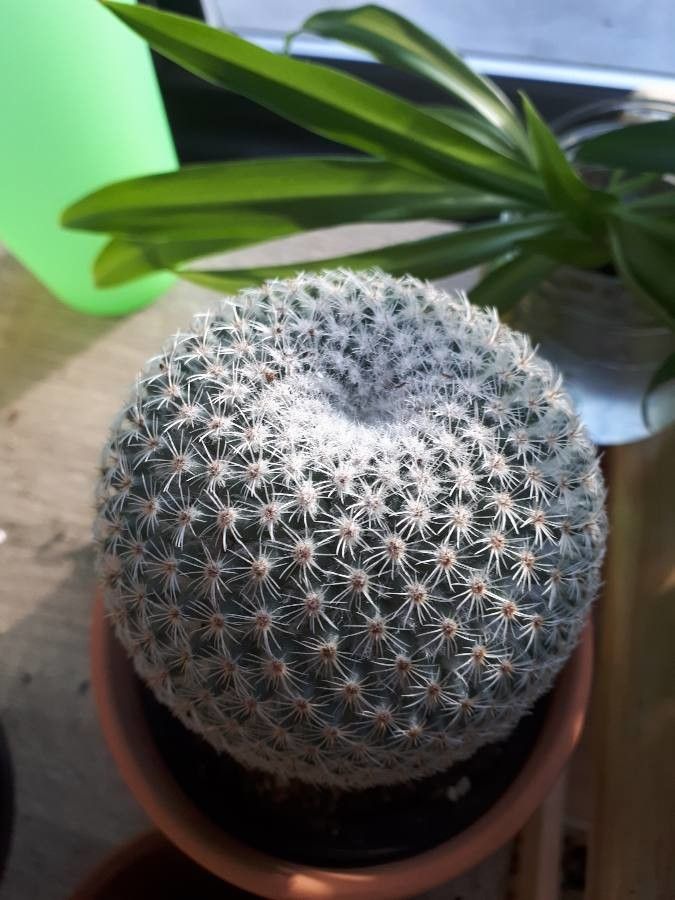
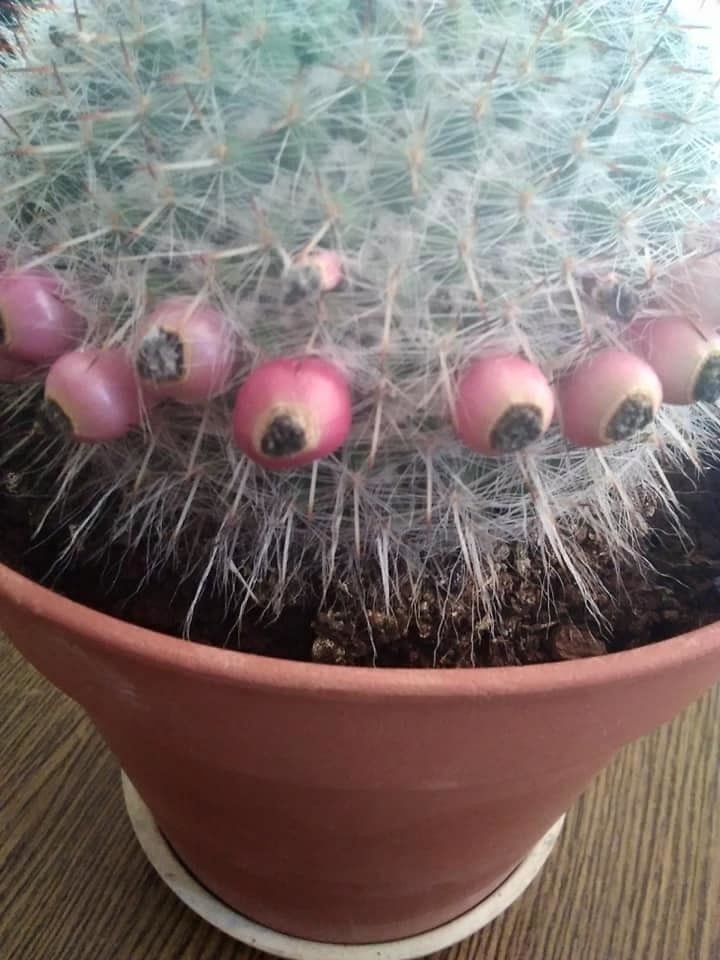
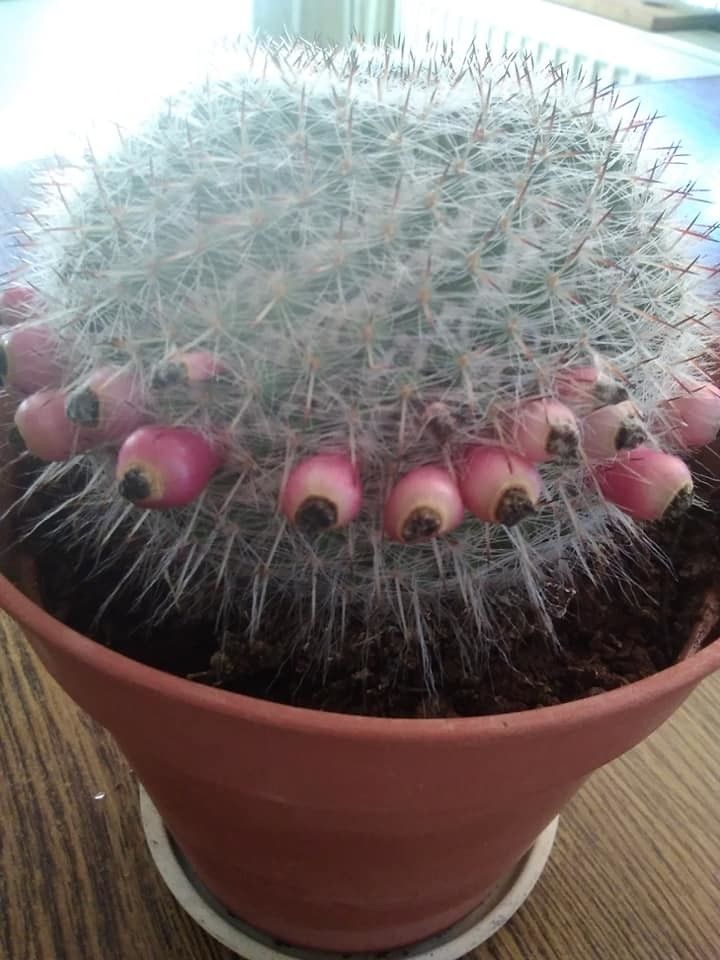
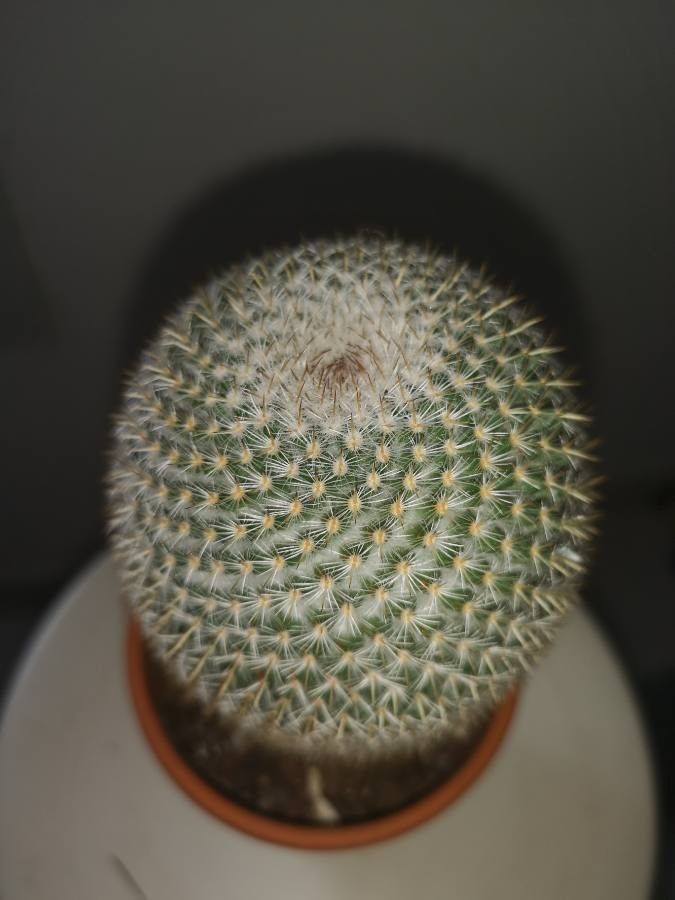
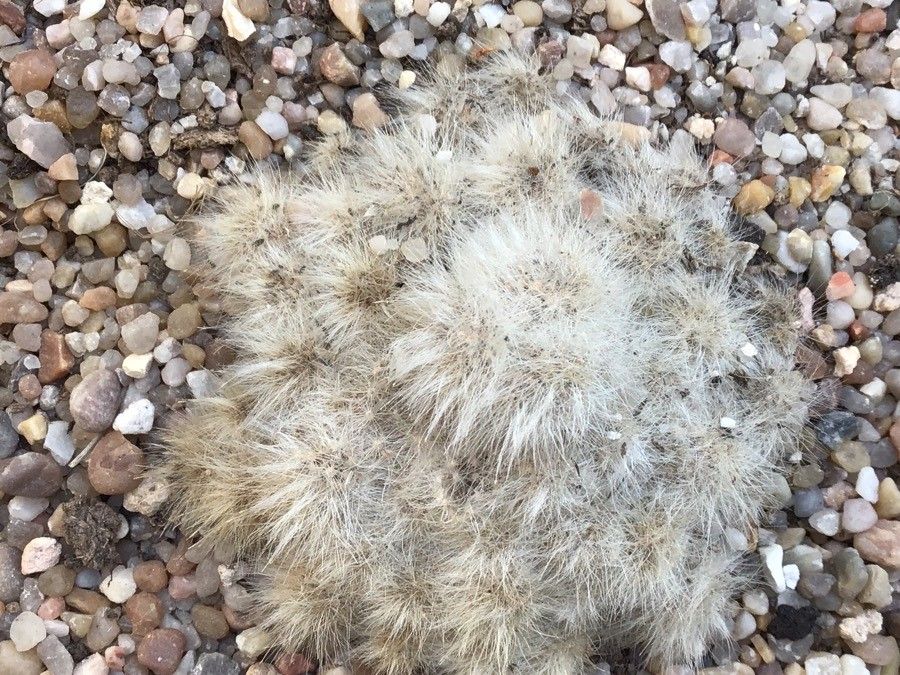
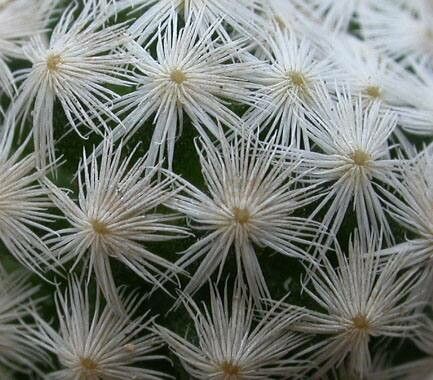
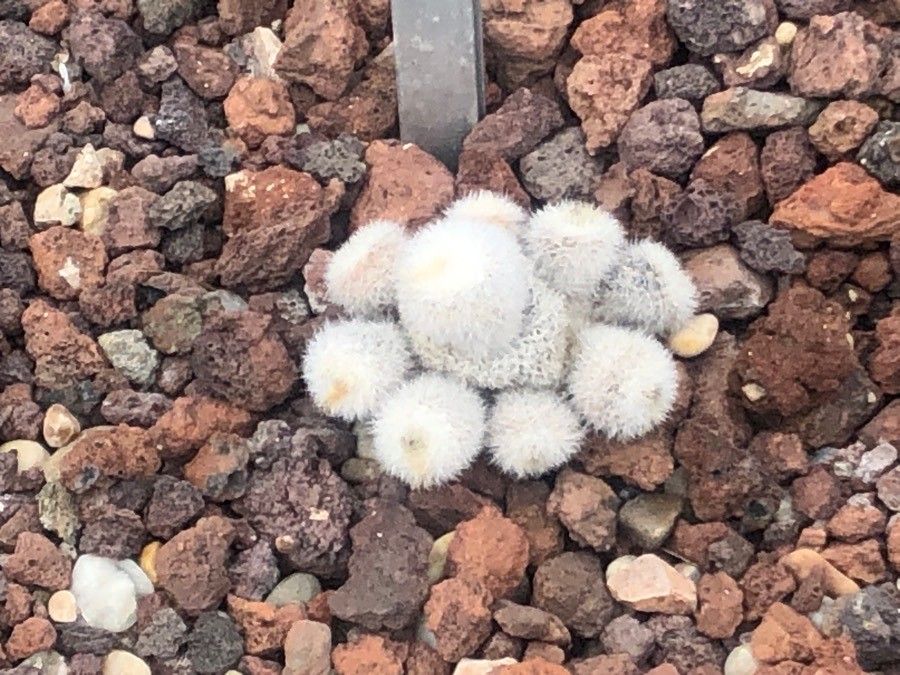
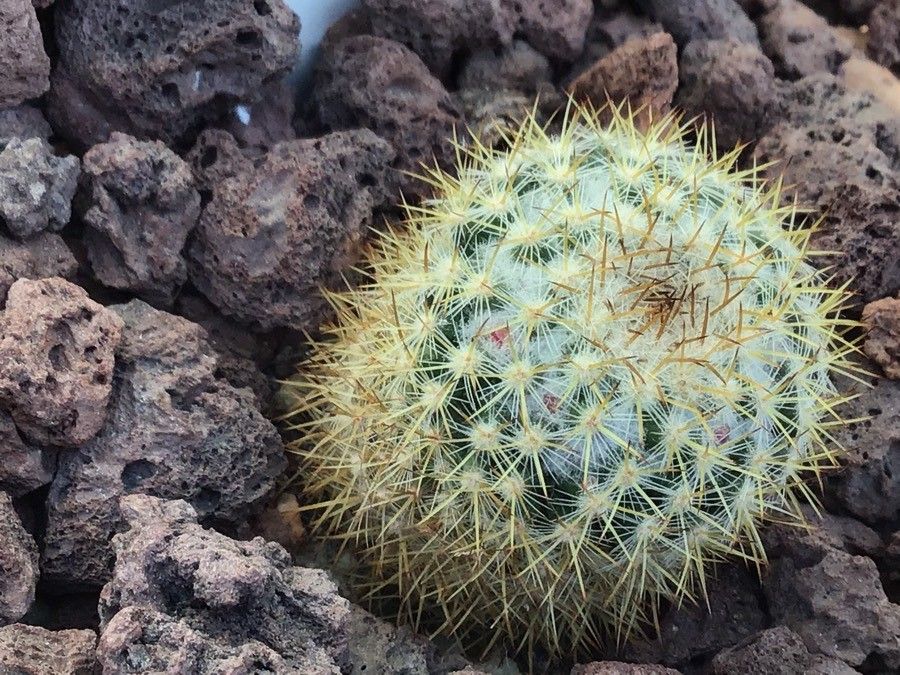
Mammillaria perbella shows strong resistance to disease and usually tolerates typical care without becoming sick easily. However, it can be prone to mealybugs; they may cause some damage but are generally not a serious danger. In terms of care, Mammillaria perbella is drought-tolerant and does not require frequent watering. It can withstand long periods without water and needs little fertilizer. Still, it is highly prone to root rot if kept in poor light and overwatered. Overall, Mammillaria perbella is well suited to people who want a low-maintenance plant, though it’s important to meet its basic needs. It is particularly appropriate for those who are away for extended periods and might forget to water regularly.
How to keep Mammillaria Perbella.
Light
Mammillaria perbella, native to arid areas, thrives best in full sun; its natural habitat features strong sunlight and very little shade. It will also tolerate partial sun, providing some flexibility in its growth.
Water
Mammillaria perbella is a drought-tolerant plant that requires watering only when the soil is dry. During the growing seasons—spring, summer, and fall—water it weekly. In the winter, reduce the watering frequency. It's best to use rainwater or distilled water to prevent soil compaction. Be careful to avoid getting water on the stem to prevent rotting.
Temperature
Although Mammillaria perbella tolerates some heat, it mainly thrives and grows in the cooler months and becomes dormant in summer. In high summer temperatures it should be given shade to avoid scorching from strong sunlight. Watering should be reduced or stopped during the hottest period to prevent root rot. It shows its most vigorous growth in winter and spring, and provided temperatures do not drop too low it will continue to grow steadily.
Fertilizer
For Mammillaria perbella, feeding once or twice a year during the growing season is enough. Avoid fertilizing in winter and in summer when the plant is dormant. Use less fertilizer for repotted specimens and wait a couple of months after repotting before you start fertilizing. Fertilization supports healthy growth and helps stimulate blooms.
Pruning
Mammillaria perbella is a globular-shaped plant with dense spines that benefits from pruning in early spring. Use clean tools to remove any dead or damaged parts, which will promote healthy growth. Pruning improves the plant's shape and airflow, reducing the risk of fungal infections. It's best to prune before the growing season begins to encourage vigorous new growth.
Pot & Repot
Repot Mammillaria perbella in spring or summer, selecting a pot slightly larger than the current one that provides good drainage. Use a sandy or gritty cactus mix that drains well. Handle the plant carefully to avoid the spines. Let the cactus dry out before repotting to help prevent root rot. After repotting, wait for a week before watering so the roots can heal.
Botanical profile.
- Plant Type
- Succulent
- Life Cycle
- Perennial
- Genus
- Mammillaria
- Family
- Cactaceae
- Hardiness Zone
- 9-11
- Mature Height
- 10 cm to 15 cm
- Mature Spread
- 5 cm to 8 cm
- Leaf Color
- Dark Green
- Leaf Type
- Evergreen
- Flower Size
- 1.02 cm to 1.52 cm
- Bloom Time
- Mid spring, Late spring, Early summer, Mid summer
- Planting Time
- Spring, Summer
- Harvest Time
- Mid summer, Late summer, Early fall, Mid fall
- Native Area
- Mexico