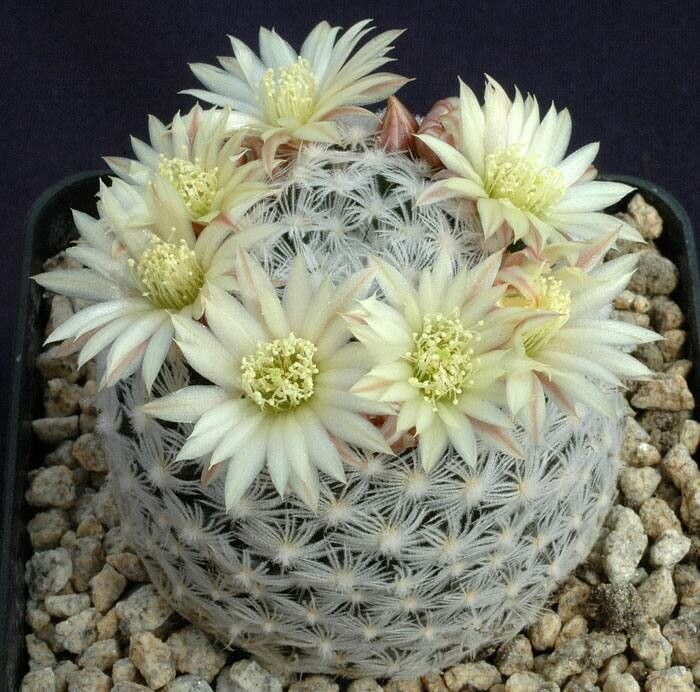
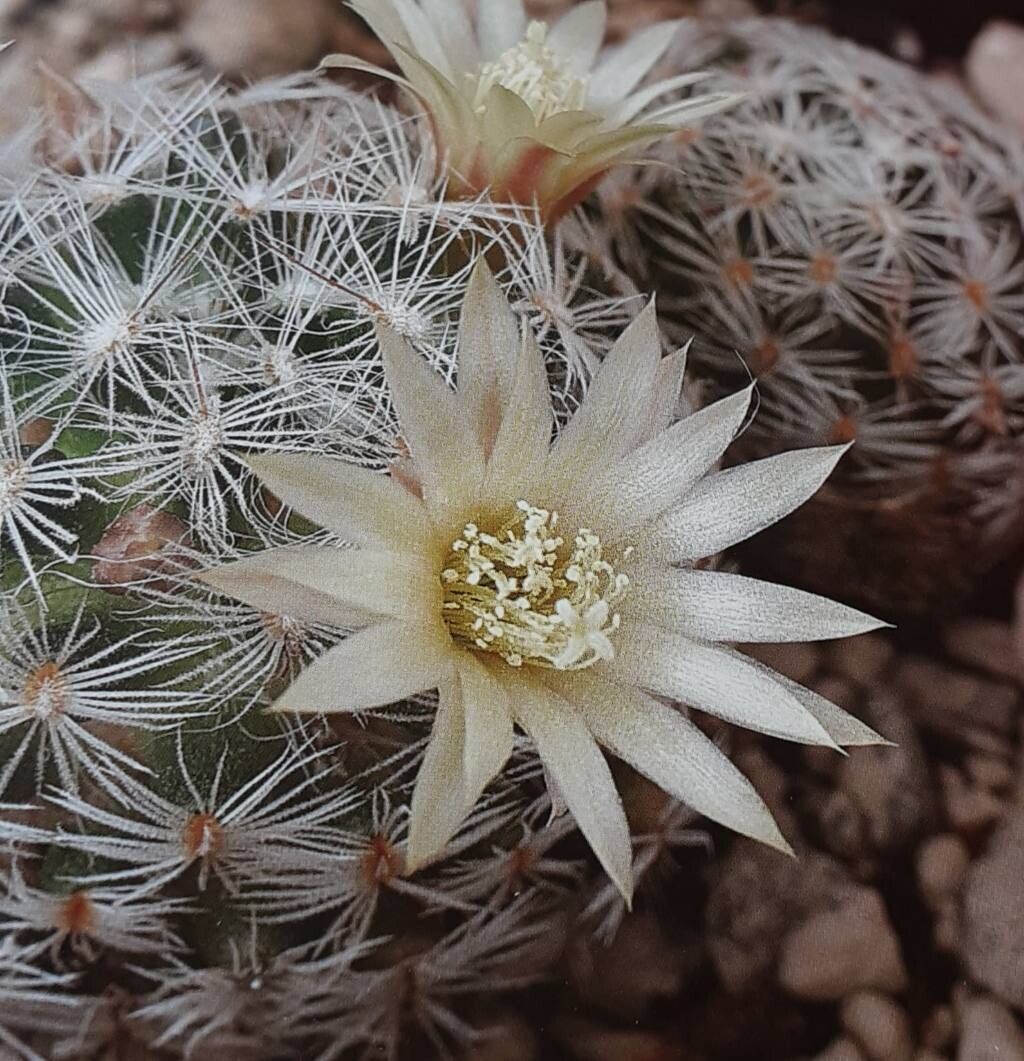
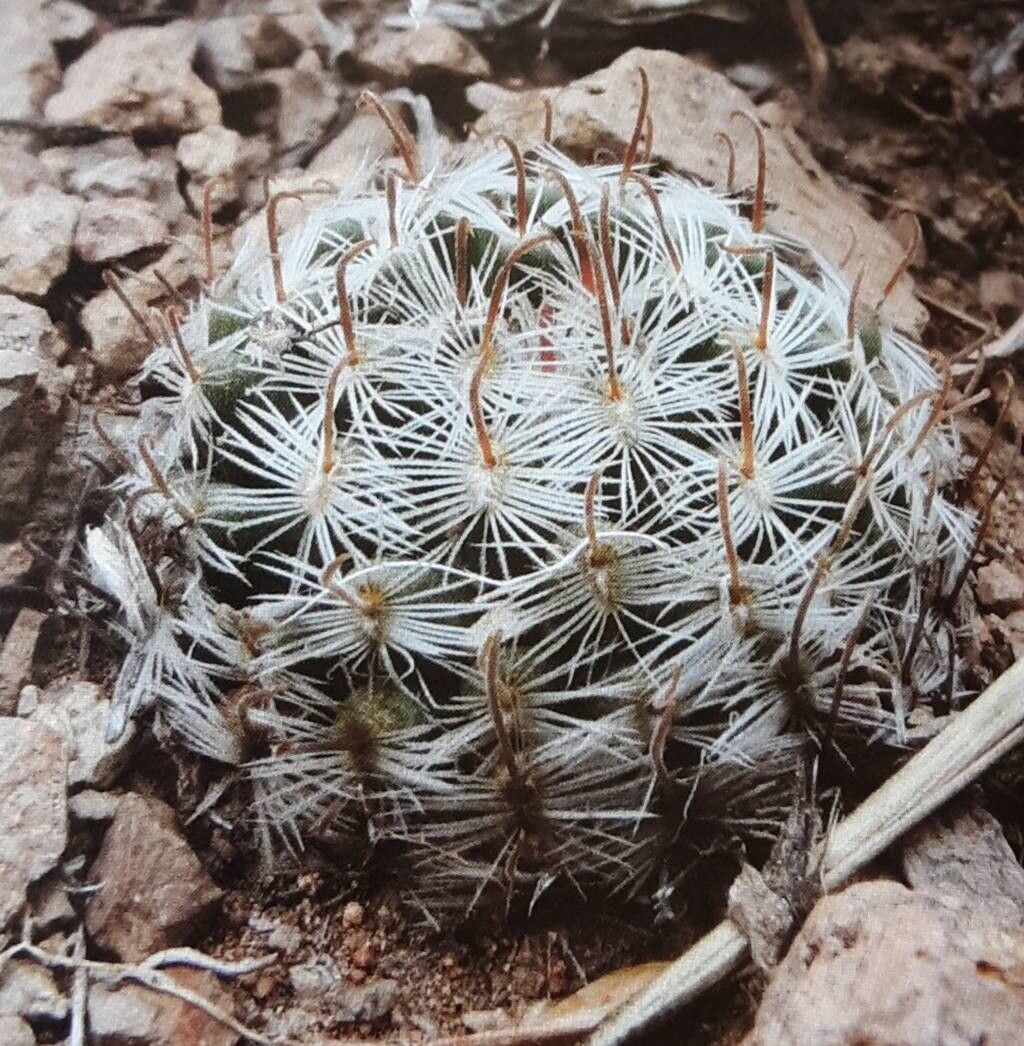
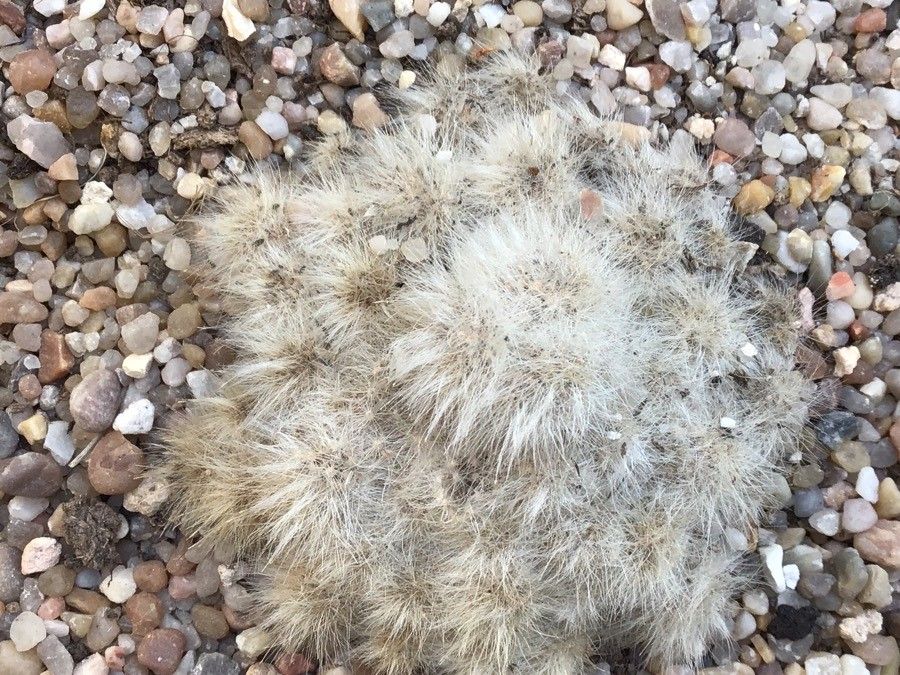
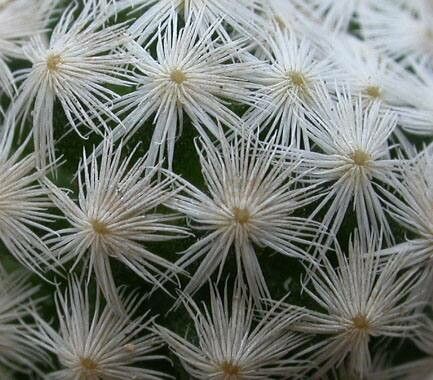
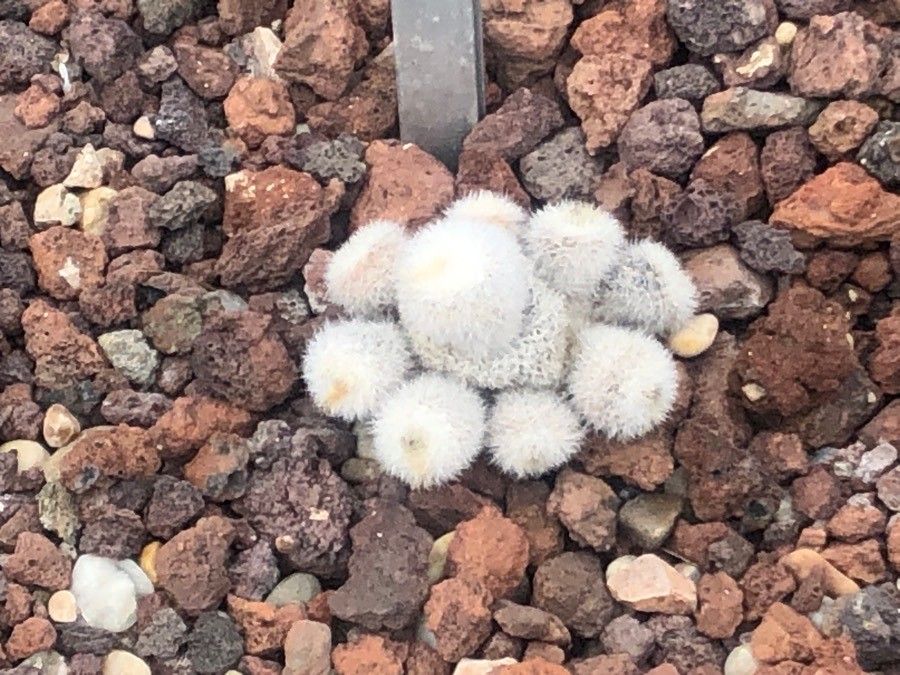
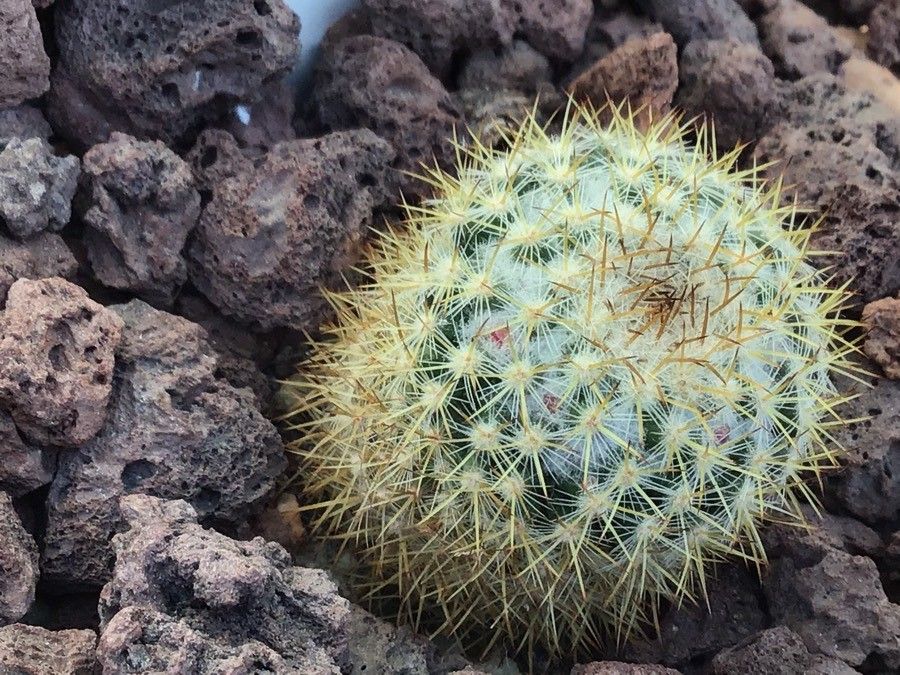
Mammillaria nana shows strong resistance to disease and generally remains healthy under typical care. It can be vulnerable to mealybugs; these pests may cause some harm but are usually not a major concern. Regarding care, Mammillaria nana tolerates drought and does not require frequent watering. It can survive extended intervals without water and needs little fertilizer. However, if light is inadequate and it is overwatered, it is very prone to root rot. In general, Mammillaria nana is a good choice for people who prefer to spend less time on plant care, though it’s important to meet its basic needs. It is especially appropriate for those who are away for long stretches and might forget regular watering.
How to keep Mammillaria Nana.
Light
Mammillaria nana is native to habitats that have scattered light, like the forest understory or rocky regions, which naturally provide shadow. It has a preference for partial sunlight, but enduring complete sun is also within its tolerance range.
Temperature
Mammillaria nana can withstand some heat, but its optimal growth and thriving periods are during cooler seasons, with a phase of dormancy in the summer. To avoid damage from harsh sunlight during high summer temperatures, providing shade is essential. It's also important to limit or completely stop watering during the warmest period to prevent the roots from rotting. Winter and spring are the periods of robust growth for Mammillaria nana. Provided that the temperature doesn't fall excessively, its steady growth will persist.
Fertilizer
Mammillaria nana needs only small amounts of fertilizer 1-2 times annually during the growth phase. It's best to abstain from adding fertilizer in the winter and summer periods when the plant is in a dormant state. Newly repotted plants should receive less fertilizer and one should wait a few months following repotting before administering it. Fertilization promotes robust growth and stimulates flowering.
Pot & Repot
Transfer Mammillaria nana to a different pot during spring or summer, one that’s just a tad bigger than its current container and offers superior drainage. Employ a sandy or gritty cactus blend that drains effectively. Exercise caution during handling to steer clear of the thorns. Let the cactus become dry prior to the act of repotting as a measure to ward off root decay. Once you've changed the pot, let a week pass before adding any water, this gives a chance for the roots to mend.
Botanical profile.
- Plant Type
- Succulent, Herb
- Life Cycle
- Perennial
- Hardiness Zone
- 9-11
- Mature Height
- 5 cm to 10 cm
- Mature Spread
- 4 cm to 8 cm
- Leaf Color
- Light Green, Dark Green
- Leaf Type
- Evergreen
- Flower Color
- Pink, White
- Flower Size
- 1.02 cm to 2.03 cm
- Bloom Time
- Mid spring, Late spring, Early summer
- Planting Time
- Spring, Summer, Autumn
- Harvest Time
- Mid summer, Late summer, Early fall
- Native Area
- Mexico