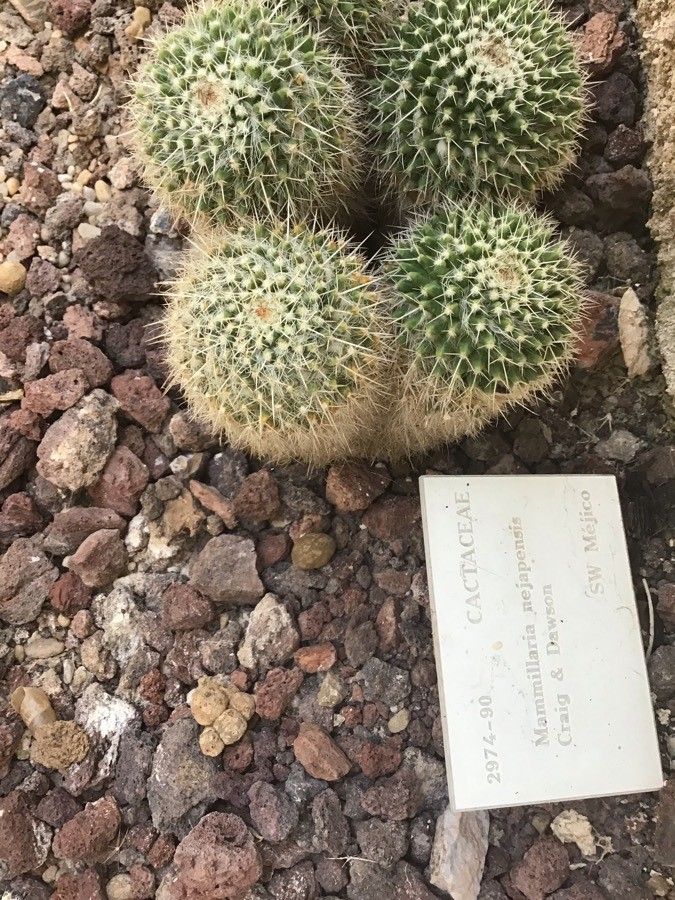
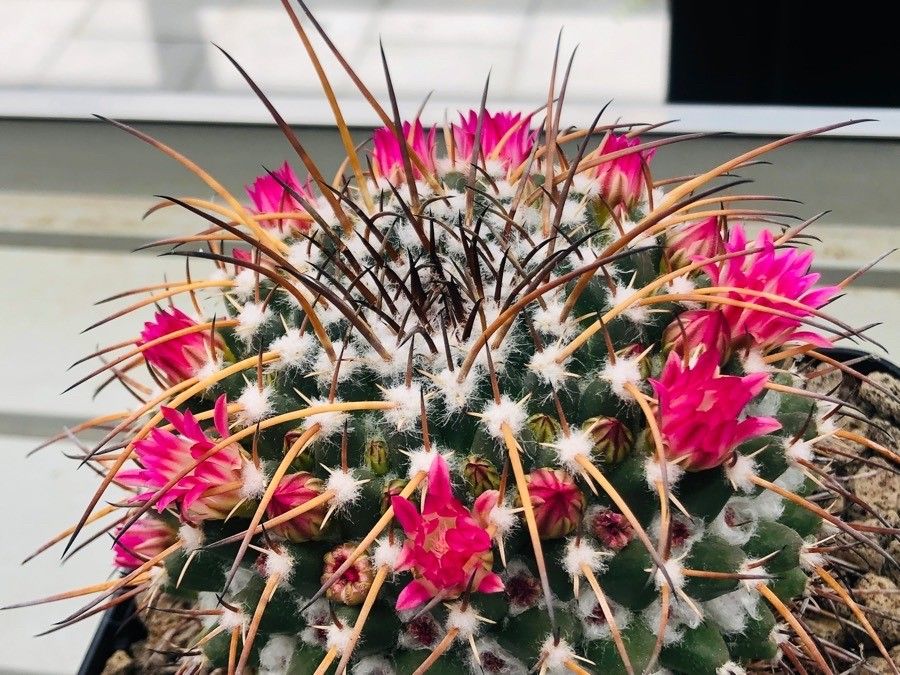
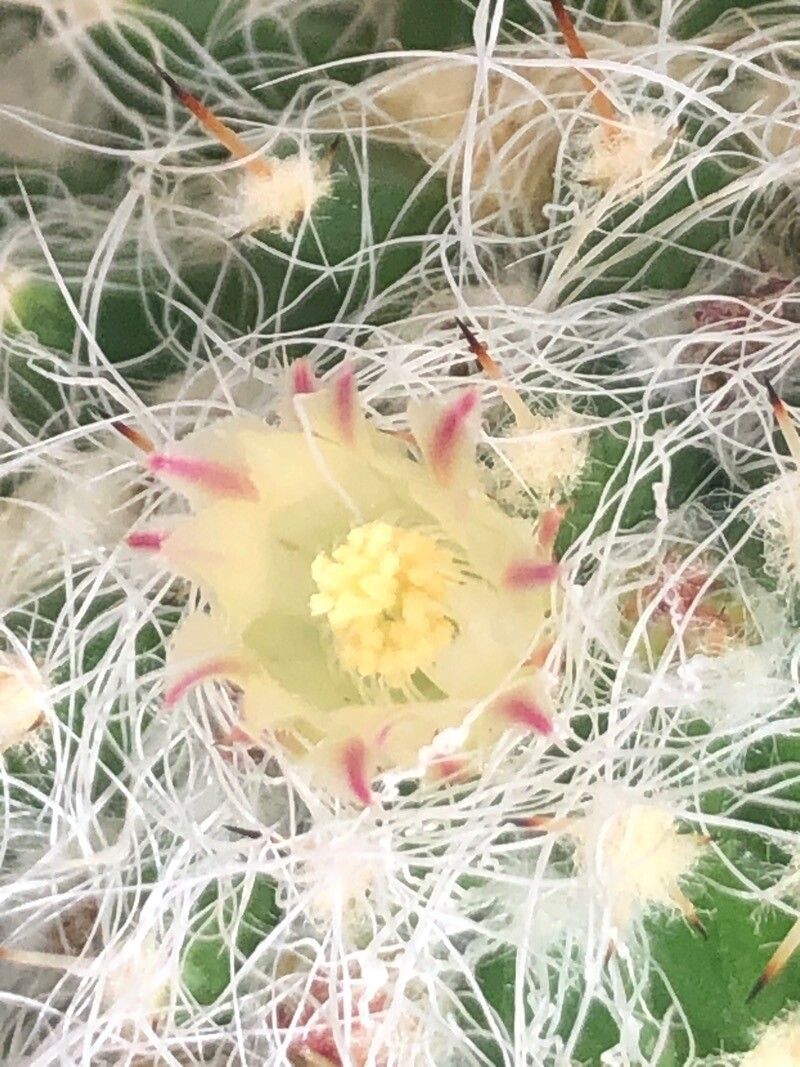
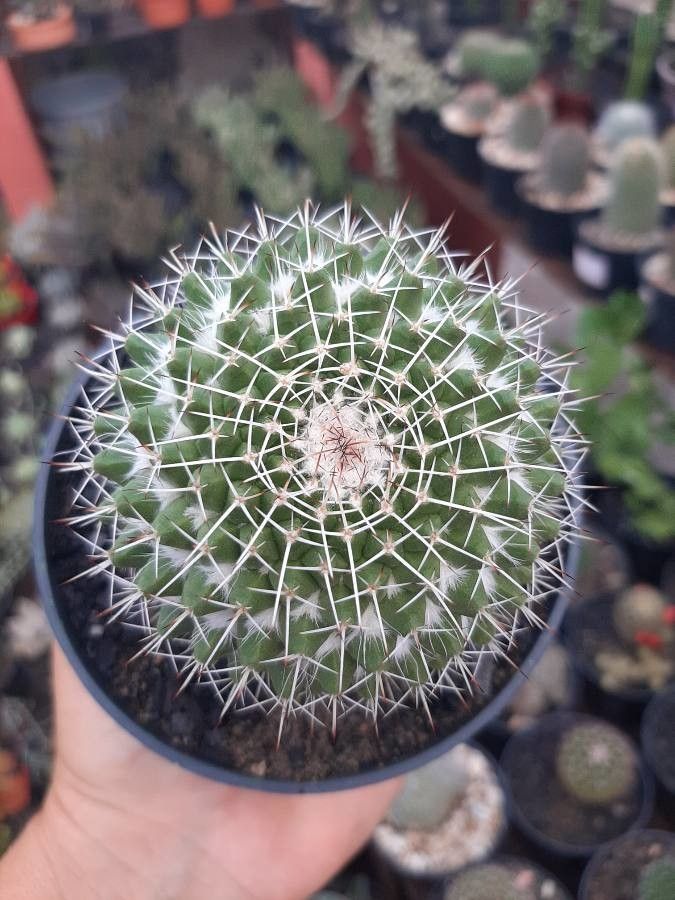
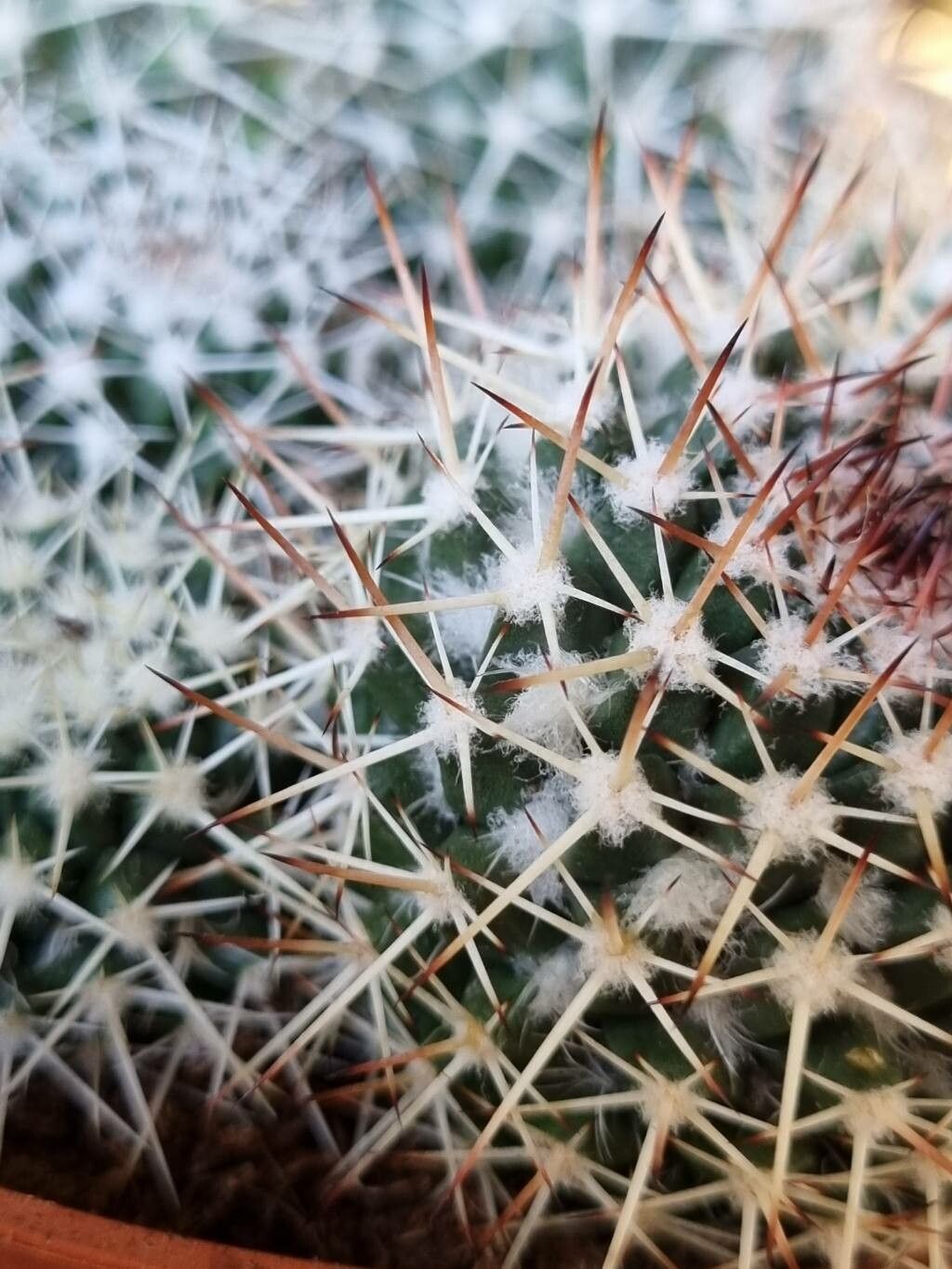
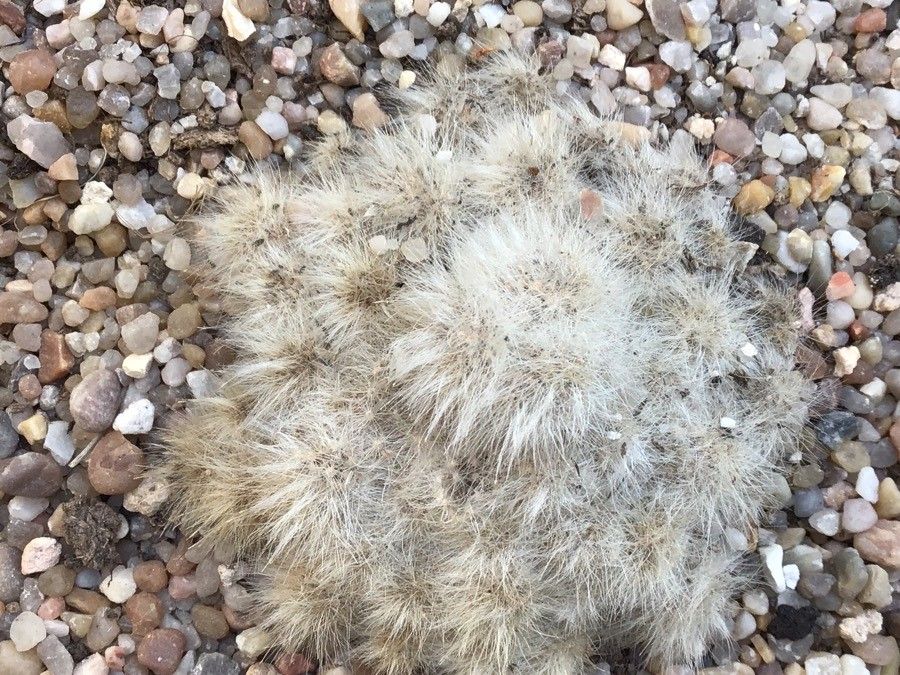
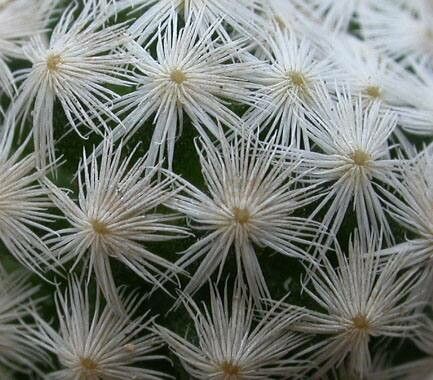
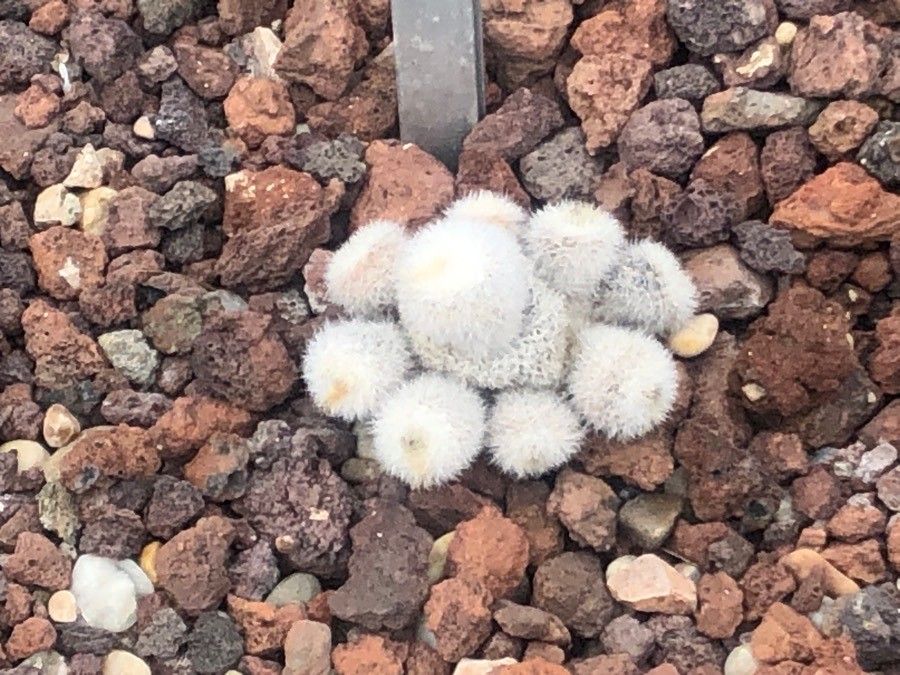
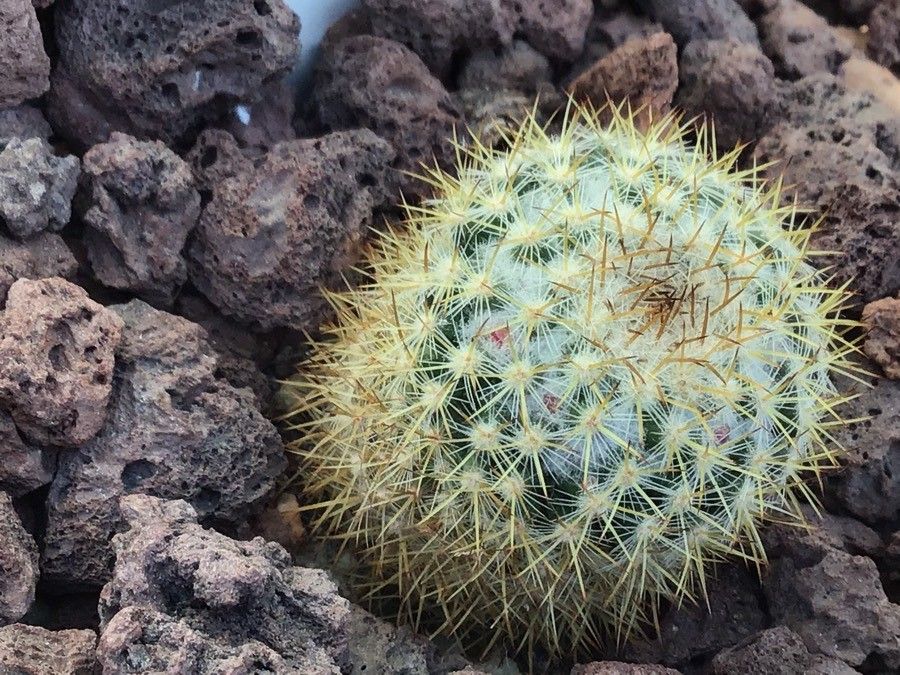
Mammillaria karwinskiana is a cactus species native to Mexico and belongs to the family Cactaceae. Commonly known as "Silver Arrows" because of its silver-grey spines, this cactus typically grows in clusters and can reach up to 10 cm in height.
The plant has a globular shape with numerous tubercles covered in white woolly hairs. During spring and summer, it produces small, pinkish-white flowers that bloom, followed by red or yellow fruits.
Mammillaria karwinskiana prefers well-draining soil and requires moderate watering during its growing season, which usually spans from spring through fall. While it can tolerate full sun, it also grows well in partial shade.
This cactus is an attractive ornamental plant that adds texture and interest to gardens and indoor spaces. Its low maintenance requirements make it an excellent choice for beginners or anyone looking for easy-to-care-for plants with unique characteristics.
The Owl Eye Cactus is fairly disease-resistant and can tolerate normal care without becoming sick easily. It can, however, be vulnerable to mealybugs; these pests may cause some damage but are generally not a serious threat. Regarding care, the Owl Eye Cactus is drought-tolerant and does not need frequent watering. It can endure long stretches without water and requires little fertilizer. That said, it is highly prone to root rot if kept in poor lighting and given too much water. Overall, the Owl Eye Cactus is a good choice for people who prefer to spend less time on plant care, though it is important to meet its basic needs. It is especially suitable for those who are often away for long periods and might forget to water their plants regularly.
How to keep Mammillaria Karwinskiana.
Light
Originating in arid regions, the Owl Eye Cactus thrives in full sun; its natural habitat is marked by intense sunlight and little shade. It can also tolerate partial sun, providing some flexibility in its growth.
Temperature
Owl Eye Cactus performs best in warm conditions and needs higher temperatures during the growing season to support growth and metabolism. It prefers abundant sunlight, suitable moisture levels, and good air circulation. However, it is vulnerable to harm from very low temperatures and from overwatering. It is therefore important to maintain balance and avoid excessively high heat and overly dry conditions as well.
Fertilizer
Owl Eye Cactus only needs light fertilizer applications once or twice a year during its growing season. Avoid feeding it in winter and in summer when it is dormant. Use less fertilizer for plants that have been repotted, and wait a couple of months after repotting before you start fertilizing. Fertilizing helps maintain healthy growth and promotes blooming.
Pruning
The Owl Eye Cactus requires minimal pruning. You should focus on removing any withered flowers and branches, which helps the plant redirect nutrients to support healthier growth.
Pot & Repot
Repot the Owl Eye Cactus in spring or summer, using a pot that is just a bit larger than the current one and has good drainage. Use a sandy or gritty cactus mix that drains well. Handle the plant carefully to avoid its spines. Let the cactus dry out before repotting to reduce the risk of root rot. After repotting, wait one week before watering so the roots can heal.
Botanical profile.
- Plant Type
- Succulent
- Life Cycle
- Perennial
- Genus
- Mammillaria
- Family
- Cactaceae
- Hardiness Zone
- 9-11
- Mature Height
- 2.13 m
- Mature Spread
- 2.13 m
- Leaf Color
- Green, Dark Green
- Leaf Type
- Evergreen
- Flower Color
- Pink, White
- Flower Size
- 1.02 cm to 2.03 cm
- Bloom Time
- Mid spring, Late spring, Early summer, Mid summer
- Planting Time
- Spring, Summer
- Harvest Time
- Mid summer, Late summer, Early fall, Mid fall
Other names.