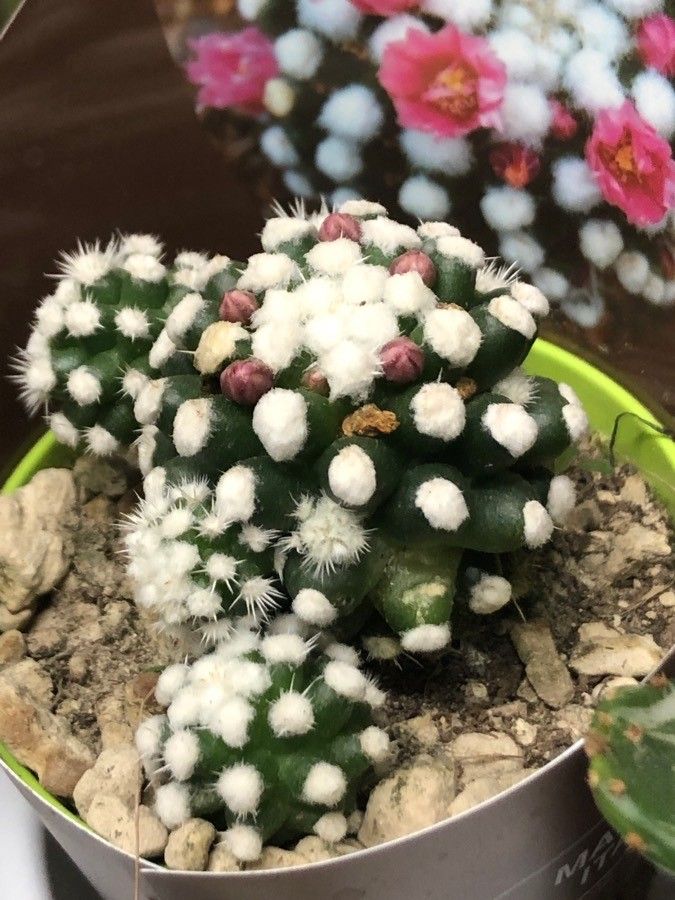
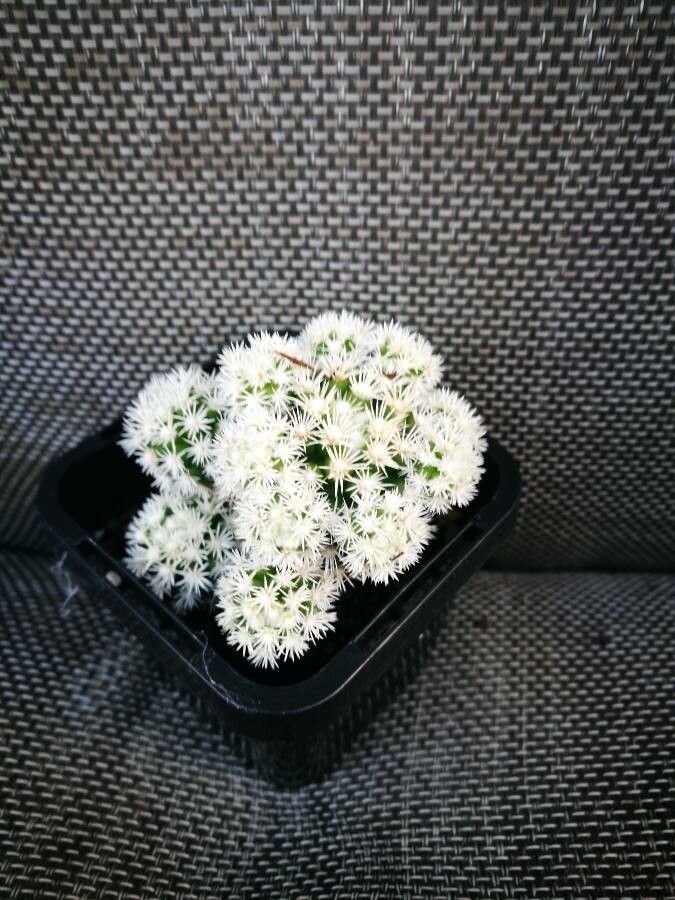
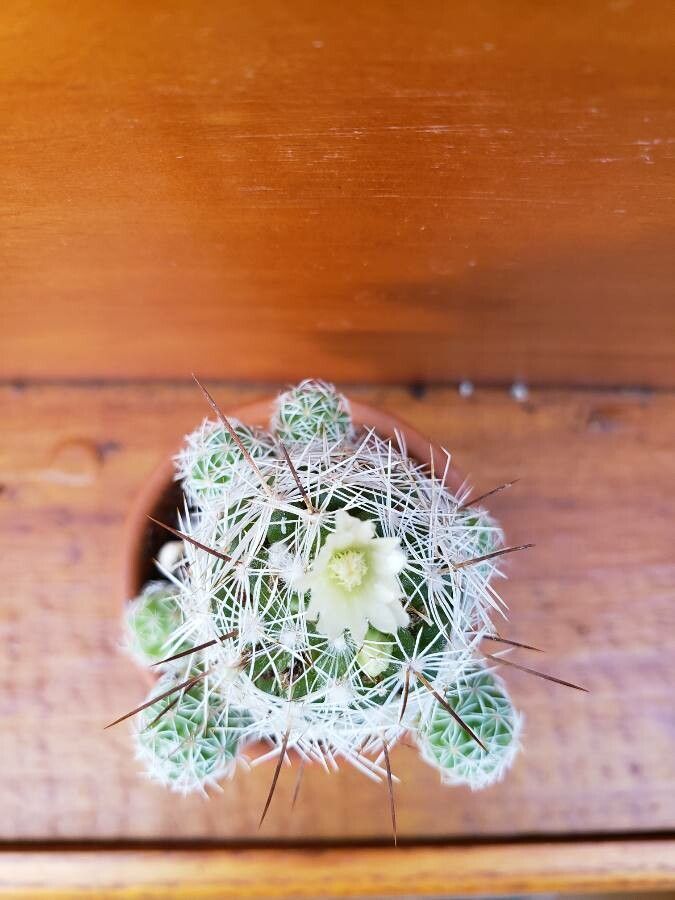
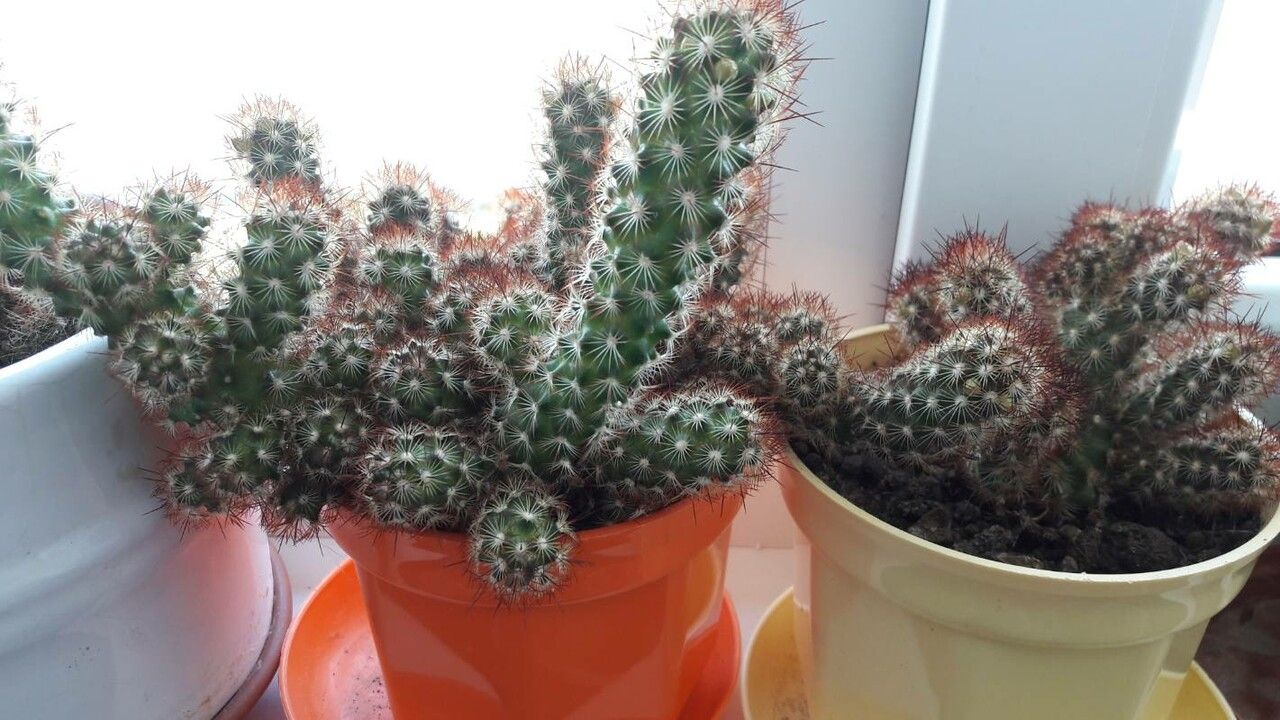
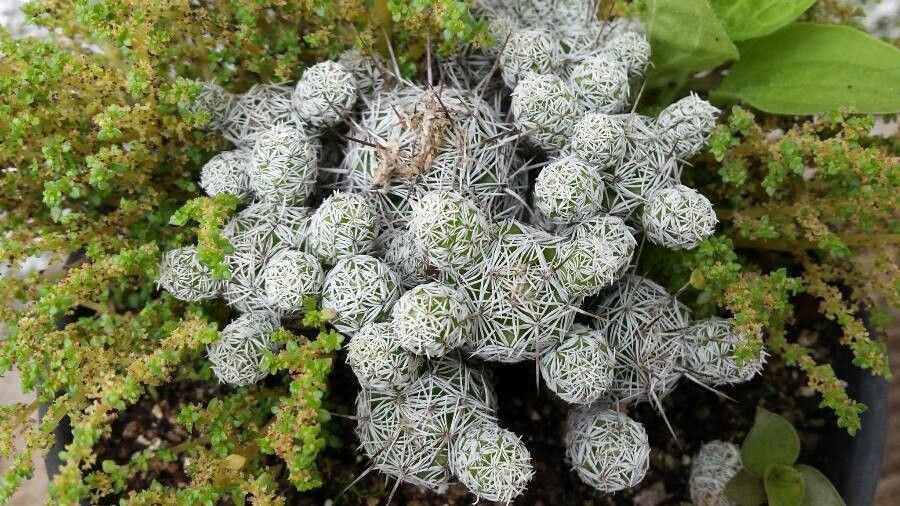
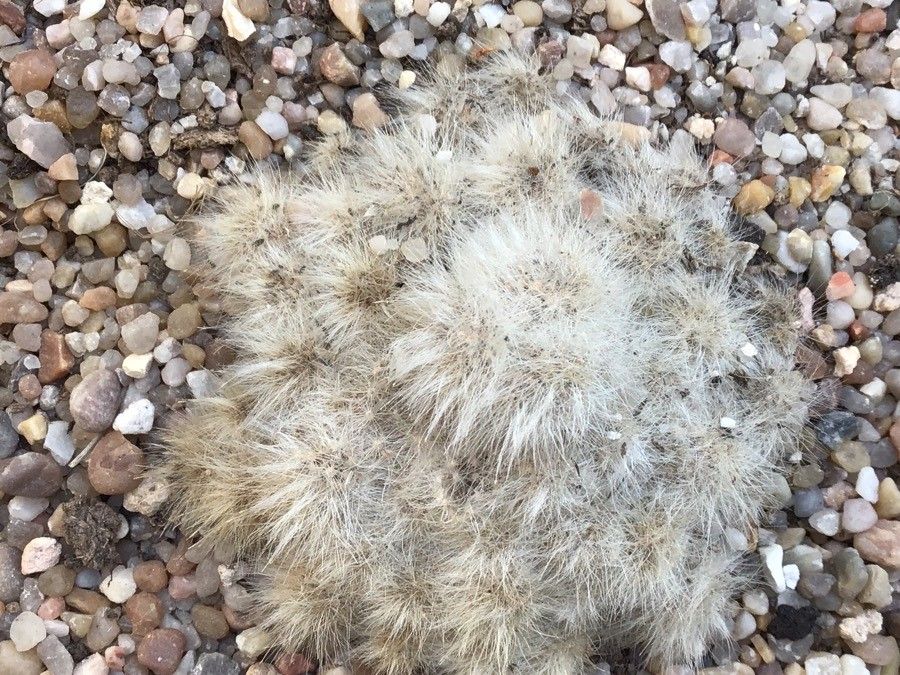
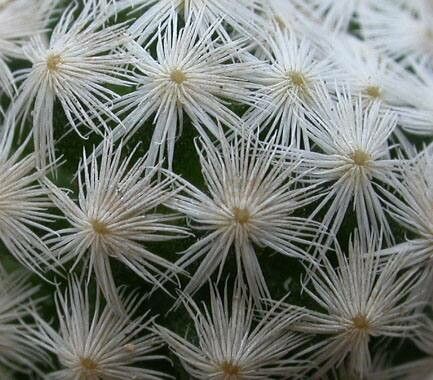
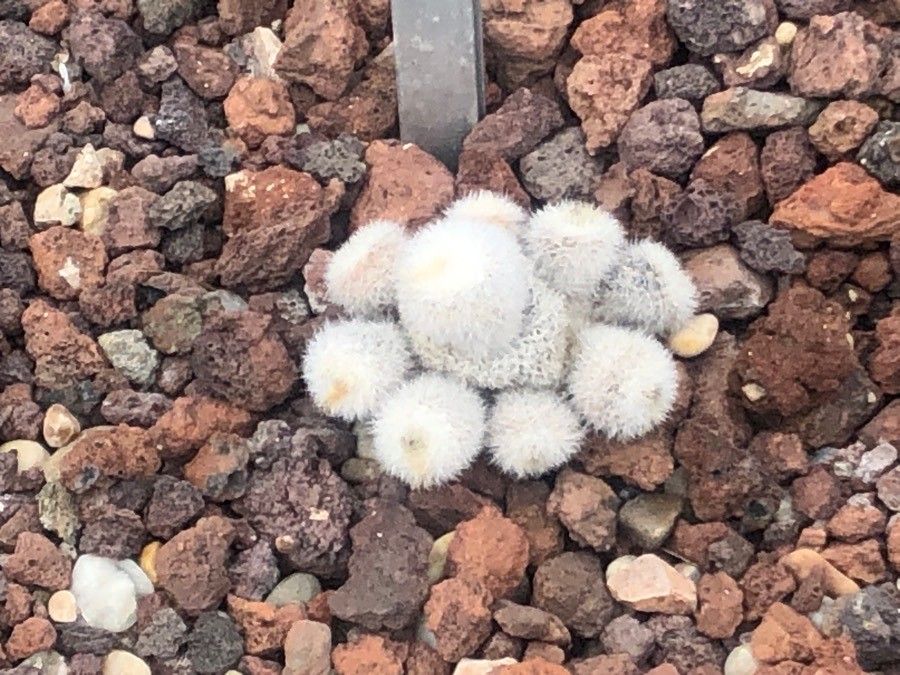
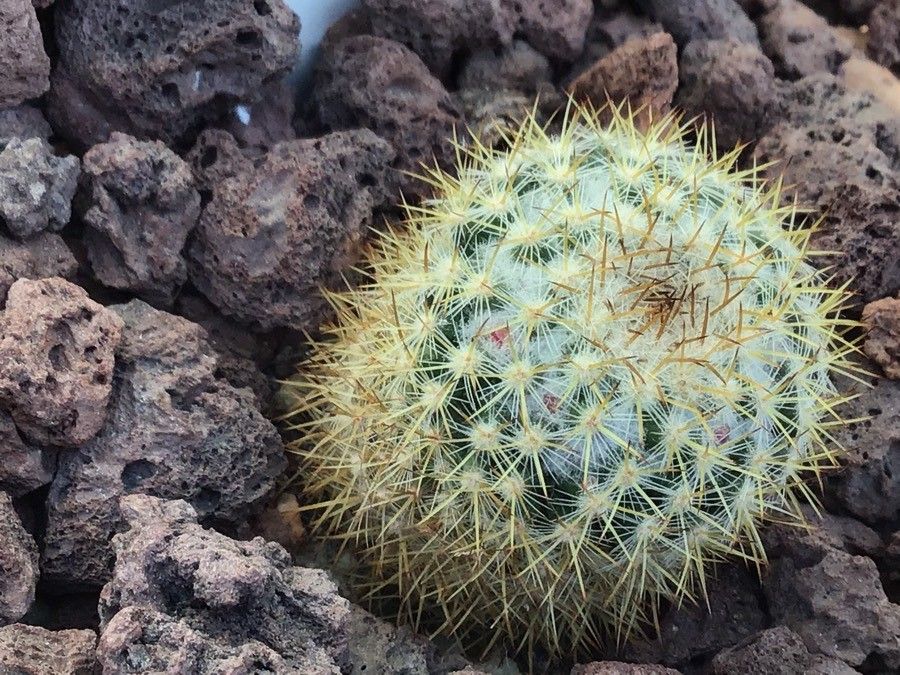
Mammillaria gracilis is a small cactus species belonging to the Cactaceae family. Native to Mexico, it thrives in rocky areas, deserts, and dry regions. The plant has a globular shape with numerous cylindrical stems, reaching up to 10 cm in height and 5 cm in diameter. These stems are covered with small white spines, giving the plant a fuzzy appearance.
Mammillaria gracilis produces beautiful pink or white flowers that bloom from spring through summer. The flowers are about 1-2 cm wide and grow from the top of the stem clusters.
This cactus species is easy to care for, making it an ideal choice for beginners or those who prefer low-maintenance plants. It requires well-draining soil, bright sunlight, and occasional watering during its growing season (spring through summer). During the winter months, it should be kept dry as it enters dormancy.
Mammillaria gracilis has become popular among collectors due to its unique appearance and ease of care. It makes an excellent addition to any indoor or outdoor garden setting!
Thimble mammillaria is fairly resistant to diseases and can handle ordinary care without becoming ill easily. That said, it can be vulnerable to mealybugs, which may cause some harm but usually are not a major danger. Regarding care, Thimble mammillaria tolerates drought and does not require frequent watering. It can go long stretches without water and needs little fertilizer. Still, it is very prone to root rot if light is poor and it is watered too much. In general, Thimble mammillaria is a good choice for people who want low-maintenance plants, though it is important to meet its basic needs. It is especially suitable for those who are away often and might forget to water regularly.
How to keep Mammillaria Gracilis.
Light
Thimble mammillaria prospers with ample sun exposure, which encourages healthy growth. In its native surroundings, it is suited to areas with plentiful sunlight. However, either an excess or a shortage of light can negatively impact the plant's well-being. Throughout every stage of growth, abundant sunlight is required for the plant's development.
Water
The thimble cactus, native to arid regions, thrives with very little moisture. It only needs watering every three weeks. To prevent overwatering—which can be harmful—it should be planted in well-draining soil. Due to its small size, the thimble cactus is typically grown indoors. As a succulent, it exhibits a high tolerance for drought.
Humidity
This plant prefers dry conditions, so don't mist it. However, watering it less often can also thrive in higher humidity.
Temperature
Thimble mammillaria originates from areas with a temperate temperature range, ideally about 68 to 100°F (20 to 38°C). Small seasonal adjustments may be needed to maintain appropriate growing conditions.
Fertilizer
For Thimble mammillaria, light applications of fertilizer once or twice a year during the growing season are enough. Do not fertilize in winter or summer when the plant is dormant. Cut back on fertilizer for newly repotted plants and wait a couple of months after repotting before you start feeding. Fertilizing helps maintain healthy growth and promotes flowering.
Pruning
Thimble cactus requires very little pruning. Simply remove any withered flowers and branches to help the plant use nutrients more efficiently and encourage healthy growth.
Pot & Repot
Repot the Thimble mammillaria in spring or summer. Choose a pot slightly larger than the current one with good drainage. Use a sandy or gritty cactus mix that drains well. Handle the plant carefully to avoid its spikes. Let the cactus dry out before repotting to help prevent root rot. After repotting, wait for a week before watering to allow the roots to heal.
Botanical profile.
- Plant Type
- Succulent
- Life Cycle
- Perennial
- Genus
- Mammillaria
- Family
- Cactaceae
- Hardiness Zone
- 9-11
- Mature Height
- 15 cm
- Mature Spread
- 15 cm
- Leaf Color
- Light Green
- Leaf Type
- Evergreen
- Flower Color
- Pink, White
- Flower Size
- 2.54 cm
- Bloom Time
- Late spring, Early summer, Mid summer
- Planting Time
- Spring, Summer, Autumn
- Harvest Time
- Early summer, Mid summer
- Native Area
- Mexico
Other names.
Reader questions.
What should I do if I give my Thimble cactus too much or too little water?
Thimble cacti are hardy and can survive without water for a long time. However, if you forget to water your Thimble cactus for a month or more, you will notice signs of underwatering such as shriveled leaves, leaf damage, and completely dried out soil. To remedy this, give your plant plenty of water by fully submerging the pot for 5-10 minutes until the soil feels moist on the surface. Remove any dried out leaves to encourage new growth. On the other hand, overwatering can be detrimental to Thimble cacti as it can lead to root rot. Signs of overwatering include yellow, swollen, and translucent leaves that may burst open. If left untreated, leaves can turn brown or black and fall off easily. To prevent further damage, adjust the growing conditions, provide better air ventilation, and reduce watering frequency. If you suspect overwatering, check the roots and soil. If root rot has already set in, it may be difficult to save the plant. However, if only some of the roots are affected, you can try removing the unhealthy roots, treating them with fungicide, and repotting the plant in fresh soil. In most cases, the Thimble cactus can recover and produce new growth in the next growing season.
Why should I put fertilizer on my Thimble cactus?
Fertilizing the Thimble cactus is important as it adds nutrients to the growing medium. Although it does store water and nutrients, applying plant food during the growing season can further support healthy growth. Additionally, fertilizing can also promote the production of blooms in mature specimens during the growing season.
What sunlight conditions are required for a Thimble Cactus?
The Thimble Cactus, or Mammillaria gracilis, thrives best when it receives full sunlight, which means over 6 hours of sunlight daily, though it can also manage with partial sun, approximately 3-6 hours of sunlight. It is crucial for the plant's optimum growth and health to ensure it gets enough light. Observing how sunlight moves through your garden can help you find the perfect spot that offers a balance of light and shade, beneficial for your Thimble Cactus.
What is the native temperature range for the Thimble cactus?
The Thimble cactus, or Mammillaria gracilis, thrives in warm temperatures, specifically within the range of 68 to 100°F (20 to 38°C). It is a heat-loving plant that prefers bright sunlight. However, it is crucial to protect it from temperatures that exceed 100°F (38°C) to prevent heat stress. During winter, the Thimble cactus requires protection from freezing temperatures, and it is advised to move the plant indoors or to a sheltered area to avoid damage from the cold.
How many times should I give water to my Thimble cactus?
Determining how often to water Thimble cactus is not a fixed rule. To find the right timing, check the soil and only water when it's completely dry. You can either use your finger or a moisture meter to check the moisture below the surface. For deep pots, a stick or chopstick can be used. If the soil feels even slightly damp, wait a few days and check again. In general, most people will need to water Thimble cactus every two weeks in summer and once a month in winter. However, there are various factors to consider that can affect the watering frequency. The next section provides some considerations to help determine the appropriate watering schedule.
When should I fertilize my Thimble cactus?
Thimble cactus only needs a small amount of fertilizer during its growing season. It is best to fertilize it 1-2 times a year in the spring and autumn, avoiding winter and summer when it is dormant. If you have recently repotted your Thimble cactus, reduce the amount of fertilizer and wait a couple of months before applying any.
What are the essentials for growing a Thimble Cactus?
Growing a Thimble Cactus involves providing it with ample exposure to light, imitating its native, sun-rich habitats for healthy development. In situations where natural sunlight is not sufficient, particularly during winter or in less illuminated indoor spaces, artificial lighting becomes essential. Using the right type of artificial light, such as LED lights that offer customizable wavelengths, is recommended. Depending on the plant's sunlight requirements, the intensity of artificial light should range between 10-50W/sq ft. Additionally, ensuring the artificial light source is appropriately distanced (12-36 inches) and that the duration mimics natural daylight hours (8-12 hours per day) is key for optimal plant growth.
How should I care for my Thimble cactus during the winter?
In winter months, when the temperature drops below 32°F (0°C), it is essential to move your Thimble cactus indoors to protect it from the cold. Position it near a south-facing window to ensure it receives ample sunlight. If natural light is insufficient, consider using supplemental lighting. As the plant's growth slows down and it enters a dormant state during cooler temperatures below 68°F (20°C), reduce or cease watering to prevent root rot. For outdoor plants, cease watering entirely during low temperatures. Utilizing a temporary greenhouse or wrapping the plant with plastic film or fabric can provide additional insulation against the cold.
What should I think about when I water my Thimble cactus?
The watering needs of your Thimble cactus are influenced by several factors such as container size, soil type, temperature, and humidity. It is important to choose a container with good drainage to allow excess water to escape. Smaller containers hold less moisture, so they need more frequent watering, whereas larger pots retain moisture for longer and require less frequent watering. Avoid using an oversized pot as it can lead to overwatering. When repotting, choose a container that is only slightly larger than the current one, and opt for a shallow container since Thimble cacti have shallow root systems. In terms of seasons, Thimble cacti need less water during winter when their growth slows down and evaporation rates are lower. The cool air in winter keeps the soil moist for a longer duration. The climate in your location also plays a role. Humid and rainy areas require less frequent watering compared to dry and arid climates. Keep in mind that even within the same geographic location, seasonal changes and indoor heating or air conditioning can impact the watering needs. If you have planted your Thimble cactus in the ground, it typically doesn't need additional watering beyond natural precipitation and dew once its root system is established. However, during prolonged dry periods, occasional watering may be necessary. If growing the plant in a container, it can be moved outside during spring and summer when the temperatures are suitable, but should be brought back indoors as temperatures drop. Potted Thimble cacti kept outside generally need more water due to increased sun exposure, even if they are placed on a shaded porch.
When is it not a good time to fertilize my Thimble cactus?
The Thimble cactus, like other plants, goes through a dormant period where it stops growing. During this time, it's best to avoid applying fertilizer. This period occurs in both summer and winter. Additionally, after repotting in the spring, it's advised to hold off on fertilizing for a couple of months.
What symptoms indicate insufficient light for a Thimble Cactus?
A Thimble Cactus showing leggy or sparse growth, slower or no new growth, chlorosis (leaf color loss), sunscald (leaf or stem damage from intense light), leaf curling, wilting, or leaf scorching is likely suffering from inadequate light exposure. These symptoms highlight the plant's struggle with either too little or too much sunlight, affecting its ability to perform photosynthesis, maintain hydration, and ultimately its health and development.
What should I do if my Thimble cactus suffers from low temperature damage?
If your Thimble cactus experiences damage from low temperatures, it may become weak, wilt, and more susceptible to root rot, especially if temperatures fall below 23°F (-5°C). Initially, the plant might not show symptoms, but it could gradually wither after a week. To address this, trim off the frostbitten areas and examine the roots for rot. Rotted roots should be removed, and the plant can then be propagated through cuttings. Immediately relocate the plant to a warm environment indoors and place it near a south-facing window for maximum sunlight exposure. If sunlight is inadequate, supplemental lighting is recommended.