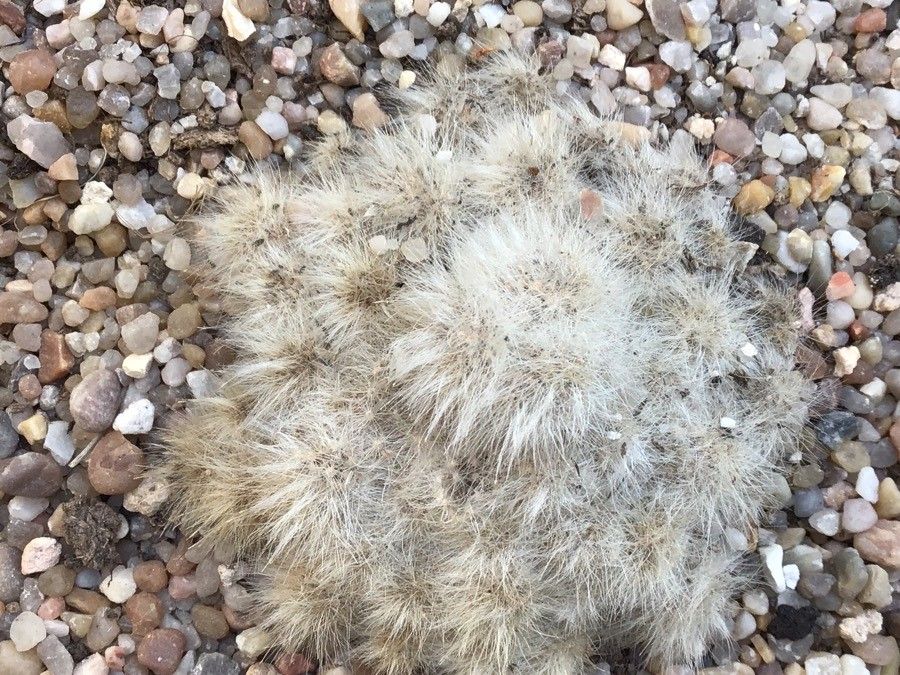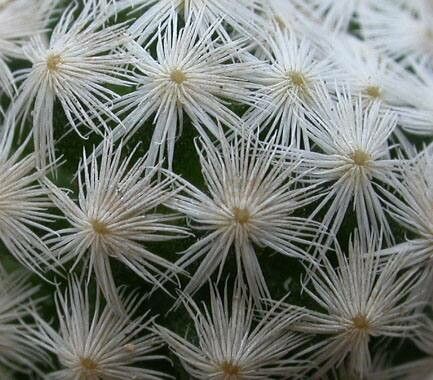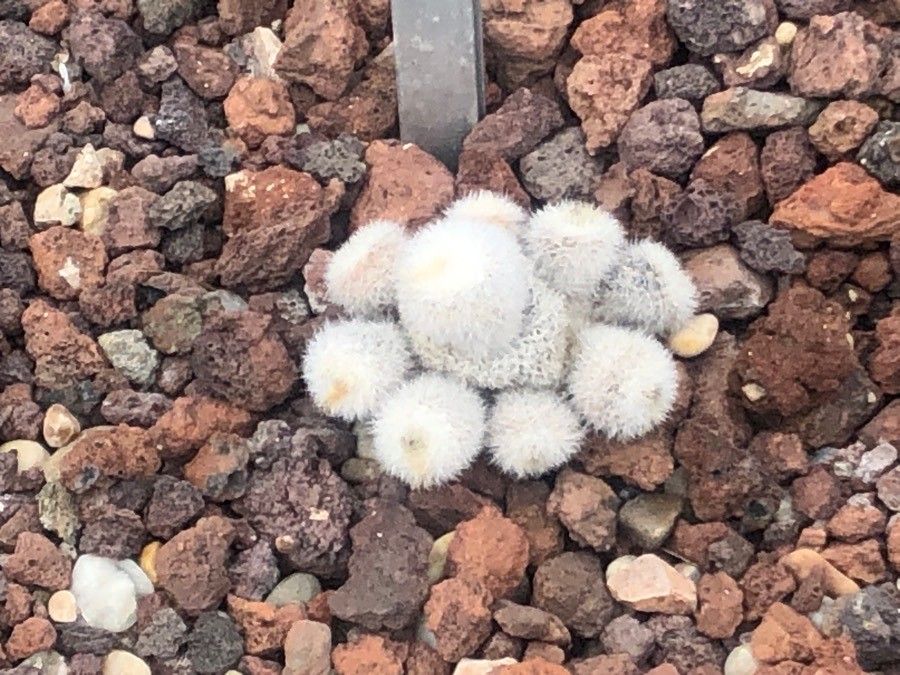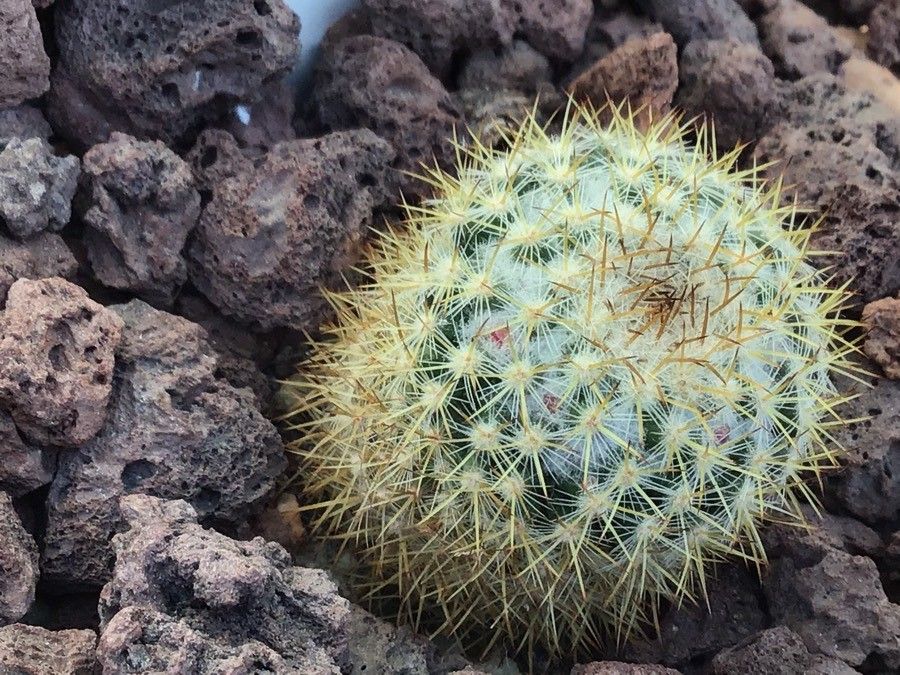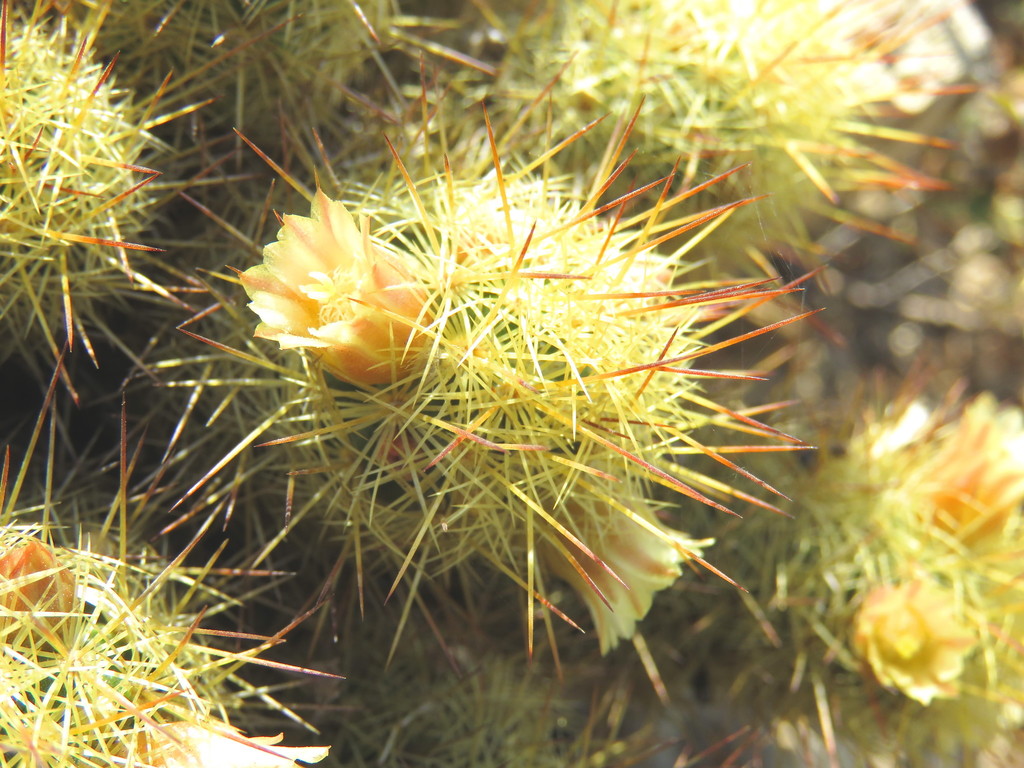
Mammillaria elongata is a cactus species belonging to the family Cactaceae. Native to Mexico, it thrives in diverse habitats, including deserts, rocky slopes, and grasslands. The plant features a cylindrical stem that can reach up to 30 cm in height and 6 cm in diameter, adorned with small tubercles that generate white or yellow spines.
In spring, Mammillaria elongata produces small pink or white flowers that bloom at the top of the plant. These are followed by red or green fruits containing small black seeds.
Due to its attractive appearance and ease of care, Mammillaria elongata is a popular ornamental plant. It requires well-draining soil and bright sunlight but can also tolerate some shade. During its growing season (spring-summer), the plant should be watered sparingly and kept dry during its dormant period (fall-winter).
Mammillaria elongata is a highly popular cactus cultivated around the world, with numerous cultivars available. Among the most popular varieties are 'Golden Stars', 'Copper King', 'Julio', and 'Cristata' (also known as the Brain Cactus). This delightful cactus has even received the Royal Horticultural Society's Award of Garden Merit, a prestigious annual honor for outstanding plants. FUN FACT · FROM THE LIBRARY
Overall, Mammillaria elongata is a fascinating cactus species with unique features that make it an excellent addition to any cactus collection or garden setting.
The Mammillaria elongata, commonly known as the gold lace cactus or ladyfinger cactus, forms dense clusters of spikes. These spikes are sharp but harmless, and their yellow and brown color gives the plant the appearance of gold lace, which is how it earned its most well-known name, the gold lace cactus. It is also popularly called the ladyfinger cactus due to its long, narrow stems that resemble fingers.
The Ladyfinger cactus has strong disease resistance and can handle typical care without becoming ill easily. That said, it can be vulnerable to mealybugs; these pests can cause some harm but are usually not a major danger. Regarding care needs, the Ladyfinger cactus is drought-tolerant and does not need frequent watering. It can endure long stretches without water and requires little fertilizer. Conversely, it is very prone to root rot if kept in poor lighting and given too much water. In general, the Ladyfinger cactus is a good choice for people who prefer low-maintenance plants, though it remains important to know and meet its basic requirements. It is especially appropriate for those who are often away for long periods and may forget to water their plants on a regular basis.
How to keep Mammillaria Elongata.
Light
Ladyfinger cactus flourishes with ample hours of sun but can tolerate some shade. Native to areas with abundant sunlight, light is essential for its health and overall growth. Too much sun can cause foliage burn, while too little can hinder growth and flowering.
Water
The ladyfinger cactus thrives in arid conditions, efficiently storing water, which makes it highly drought-tolerant. It needs to be watered only once every three weeks and grows best in bright light with well-draining soil to prevent root rot. These factors contribute to its slow but steady growth.
Humidity
This plant prefers dry conditions, so don't mist it. However, watering it less often can also thrive in higher humidity.
Temperature
The ladyfinger cactus naturally grows in temperatures ranging from 20 to 38 ℃ (68 to 100.4 ℉), showing it has a strong tolerance for both warm and mild conditions. The plant prefers temperatures of 23 to 29 ℃ (73.4 to 84.2 ℉), but can tolerate conditions between 10 and 35 ℃ (50 to 95 ℉). In winter, it is recommended to keep the temperature no lower than 10 ℃ (50 ℉) to help preserve the plant’s health.
Fertilizer
For Ladyfinger cactus, apply small amounts of fertilizer once or twice a year during the growing season. Do not fertilize in winter or in summer when the plant is dormant. Use reduced fertilizer after repotting and wait a couple of months following repotting before fertilizing. Fertilizing supports healthy growth and encourages blooms.
Pruning
The Ladyfinger cactus needs very little pruning. However, it's important to remove any withered flowers and branches so that the plant can direct its nutrients toward healthy growth.
Pot & Repot
Repot the Ladyfinger cactus in spring or summer, selecting a pot slightly larger than the current one that provides good drainage. Use a sandy or gritty cactus mix that drains well. Handle the plant carefully to avoid the spines. Let the cactus dry out before repotting to help prevent root rot. After repotting, wait one week before watering to allow the roots to heal.
Toxicity
The Gold Lace Cactus is safe for both people and animals. However, it may cause skin irritation in people with sensitive skin. This may be avoided by using gloves and washing your hands after handling the plant. Additionally, it should never come into contact with other kinds of nearby plants since its sap will kill them.
Further reading →
The toxicity and danger assessments provided are for reference only. We do not assure their accuracy, so it's crucial not to depend on them. Seek professional advice when necessary for accurate guidance.
Botanical profile.
- Plant Type
- Succulent, Shrub
- Life Cycle
- Perennial
- Genus
- Mammillaria
- Family
- Cactaceae
- Hardiness Zone
- 9-12
- Mature Height
- 15 cm
- Mature Spread
- 30 cm
- Leaf Color
- Green, Blue, Gold, Bronze
- Leaf Type
- Evergreen
- Flower Color
- Pink
- Flower Size
- 2.54 cm
- Bloom Time
- Mid spring, Late spring, Early summer
- Planting Time
- Spring, Summer, Autumn
- Harvest Time
- Mid summer
- Native Area
- Mexico
Other names.
Reader questions.
What do I need to do if I give my Ladyfinger cactus too much water or too little water?
Ladyfinger cacti and other succulents are sturdy and can go without water for long periods of time. However, if you forget to water your Ladyfinger cactus for a month or more, you may notice that it looks thirsty or has leaf damage. Signs of underwatering include shriveled, dry, and flat leaves that may have turned brown or crispy and fallen off. The soil will also be completely dried out. To remedy underwatering, give the cactus plenty of water by submerging the pot in water for 5-10 minutes. Once the soil feels moist, remove any dried leaves to make way for new growth. Overwatering is dangerous for Ladyfinger cacti and can lead to root rot, which prevents the roots from absorbing necessary nutrients and water. Symptoms of overwatering include yellow, swollen, and translucent leaves that may burst open. If left untreated, leaves may turn brown or black and easily fall off. To address overwatering, change the growing conditions by providing more air ventilation and adjusting watering frequency. It's important to check the soil to confirm overwatering as the cause of the symptoms. Saving an overwatered plant is challenging but possible if caught early. Start by removing the plant from its pot and examining the roots and soil. Gently remove wet soil around the roots and rinse them in room-temperature water to eliminate fungus and assess root health. Dark brown or black, soft, mushy, or slimy roots indicate root rot. If root rot is widespread, it may be impossible to save the plant. In that case, use healthy leaves to propagate a new Ladyfinger cactus. However, if only a portion of the roots are affected, it's worth the effort to save the plant. Trim away unhealthy roots, dip the remaining roots in fungicide, and repot the cactus in fresh, well-draining soil. Recovery is likely, and new growth should emerge in the next growing season.
Why should I put plant food on my Ladyfinger cactus?
To promote healthy growth in Ladyfinger cactus, it is beneficial to fertilize the growing medium. Even though this cactus can store water and nutrients, applying plant food during the growing season helps provide additional support. Fertilizing also encourages mature specimens to produce blooms in the same season.
What are the sunlight requirements for a Ladyfinger cactus?
The Ladyfinger cactus thrives in conditions with generous exposure to sunlight, needing more than 6 hours of direct sunlight (full sun) to flourish, but can also manage with about 3-6 hours (partial sun). It's crucial to monitor the movement of sunlight through your garden to identify the optimal spots that offer a balance of light and shade, ensuring the plant's health and growth. Be mindful to adjust plant placement to avoid overexposure that might cause foliage burn, or underexposure which could hinder growth and flowering.
What is the ideal temperature range for the Ladyfinger cactus?
The Ladyfinger cactus, scientifically known as Mammillaria elongata, thrives in environments with temperatures ranging between 23 to 29°C (73.4 to 84.2°F), showcasing a strong tolerance for both warm and mild temperatures. It grows optimally within these temperatures but is capable of surviving in a broader range from 10 to 35°C (50 to 95°F). To ensure the plant's health during winter, it's recommended to maintain temperatures no lower than 10°C (50°F), as the Ladyfinger cactus is a heat-loving plant that enters a dormant state in colder conditions.
How frequently should I give water to my Ladyfinger cactus?
To determine how often to water your Ladyfinger cactus, you should check the soil and only water when it is completely dry. There are two methods you can use to check the soil: sticking your finger in the pot or using a moisture meter. If you have planted your cactus in a deep pot, you can use a stick or chopstick to probe the soil. If you detect any moisture, even just a little bit, you should wait a few days and check again. Generally, most people will need to water their Ladyfinger cactus approximately every two weeks during the summer and once a month in the winter. However, the frequency may vary depending on different factors. The section below provides a list of considerations that can help you determine the appropriate watering schedule.
When should I put fertilizer on my Ladyfinger cactus?
Ladyfinger cactus, like all plants, benefits from extra nutrients, but it only requires a small amount of fertilizer during the growing season. Fertilization should happen 1-2 times a year, specifically in the spring and autumn. It's important to avoid fertilizing during winter and summer, when the cactus is dormant. If you have recently repotted your cactus, be cautious with the amount of fertilizer you use and wait a couple of months after repotting before applying any.
How does artificial lighting affect Ladyfinger cactus, and what are the guidelines?
For indoor Ladyfinger cacti where natural sunlight is insufficient, especially during winter or in less sunny spaces, artificial lighting can be a critical solution for optimal growth. LED lights are recommended due to their ability to provide customizable wavelengths needed for plant health. Full sun plants require 30-50W/sq ft, partial sun plants need 20-30W/sq ft, and shade-tolerant plants require 10-20W/sq ft of artificial light. The light source should be placed 12-36 inches above the plant for 8-12 hours per day to mimic natural sunlight conditions efficiently.
How should I care for my Ladyfinger cactus during winter?
During winter, the Ladyfinger cactus requires careful attention to temperature management. The plant should be kept in environments above 0°C to prevent it from entering a dormant state and to avoid potential damage. To maintain its health, it's advisable to move the cactus indoors, ideally near a south-facing window to maximize sunlight exposure. If natural light is insufficient, supplemental lighting can be considered. Moreover, as growth slows when temperatures drop below 20°C, watering should be reduced or ceased to prevent root rot. In regions where outdoor temperatures fall significantly, consider halting all watering for outdoor plants and possibly wrapping the plant or setting up a temporary greenhouse for added insulation.
What do I need to think about when watering my Ladyfinger cactus?
To properly water your Ladyfinger cactus, you need to take into consideration several environmental factors. These include the size of the container, the type of soil, the temperature, and the humidity. The container and soil you use will determine how often and how much water to use. Make sure the container has drainage holes so excess water can escape. A small container holds less moisture, so it needs to be watered more frequently. On the other hand, a larger pot retains more moisture and requires less frequent watering. Avoid putting your cactus in an oversized pot, as this can lead to overwatering. When repotting, move to a container that is only one size larger than the current one. A shallow container works best since Ladyfinger cacti have shallow root systems. In terms of seasons, Ladyfinger cacti need less water in the winter when growth slows down. The soil retains moisture for longer in cooler winter air due to less evaporation. In spring and autumn, during the active growing season, more frequent watering is necessary. The climate around your home also affects watering needs. If you live in a humid area with regular rainfall, you will need to water less often compared to a dry, arid climate. However, keep in mind that geographic locations can vary in terms of conditions throughout the year, including indoor heating and air conditioning. For outdoor planting, once the Ladyfinger cactus establishes its root system, it generally doesn't need extra watering beyond what it receives from precipitation and dew. However, during extended dry periods, occasional watering may be necessary. If you are growing the cactus in a container, you can move it outside in the spring and summer when temperatures are suitable and bring it indoors when it starts getting colder. Potted Ladyfinger cacti kept outside usually require more water than those kept indoors due to increased sun exposure, even on a shaded porch.
When is the best time to not fertilize my Ladyfinger cactus?
Ladyfinger cactus, like other plants, goes into a dormancy period. During this time, it's best to avoid fertilizing. This happens in both the summer and winter when the plant stops growing. Additionally, after repotting in the spring, it's recommended to hold off on fertilizing for a couple of months.
What symptoms indicate inadequate lighting for a Ladyfinger cactus?
Symptoms of light deficiency in a Ladyfinger cactus include leggy or sparse growth, showing elongated spaces between leaves or stems leading to a stretched-out appearance, which may cause the plant to break or lean. Slow or halted growth is another sign, indicating the plant is not producing new leaves or branches. Chlorosis, or the yellowing of leaves, sunscald with pale or necrotic areas, leaf curling to minimize sunlight exposure, wilting from excessive water loss, and leaf scorching with dry, brown edges are additional symptoms signaling inadequate or excessive light exposure.
What are the symptoms and solutions for Ladyfinger cactus in low temperatures?
The Ladyfinger cactus is not tolerant of cold weather and shows optimal growth when the temperature is above 20°C. If temperatures drop below -5°C, the plant may exhibit weakness, wilting, and be at a heightened risk of root rot. Frost damage might not show immediate symptoms, but affected plants could gradually wither over time. In such cases, it's crucial to trim off the frostbitten areas and assess the roots for rot. If root rot is present, the affected roots should be removed, and the plant can be propagated through cuttings. Immediately transferring the plant to a warmer, indoor setting near a south-facing window ensures ample sunlight. Supplemental lighting can be used if natural light is inadequate.