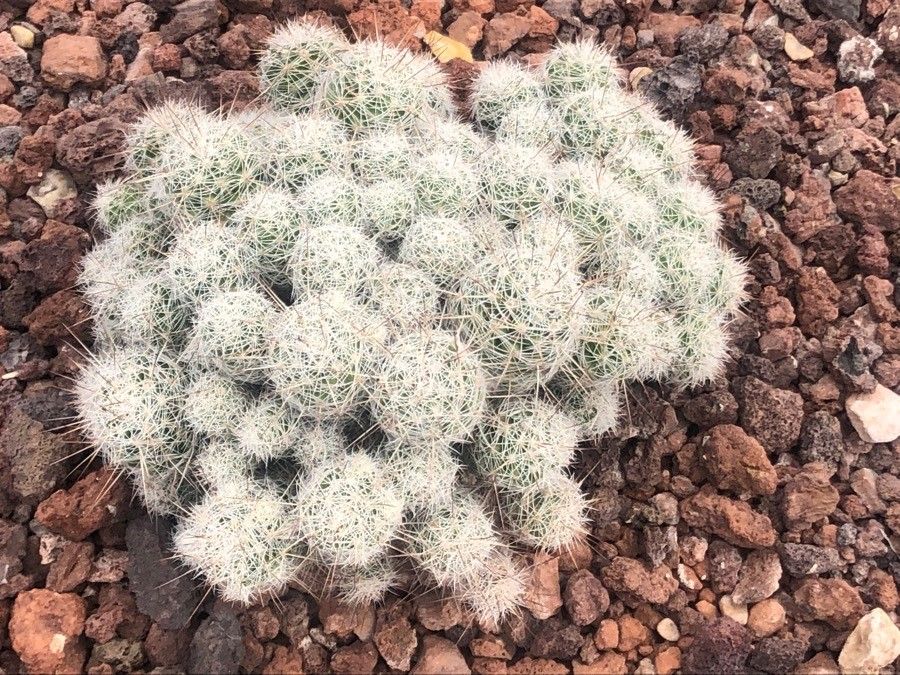
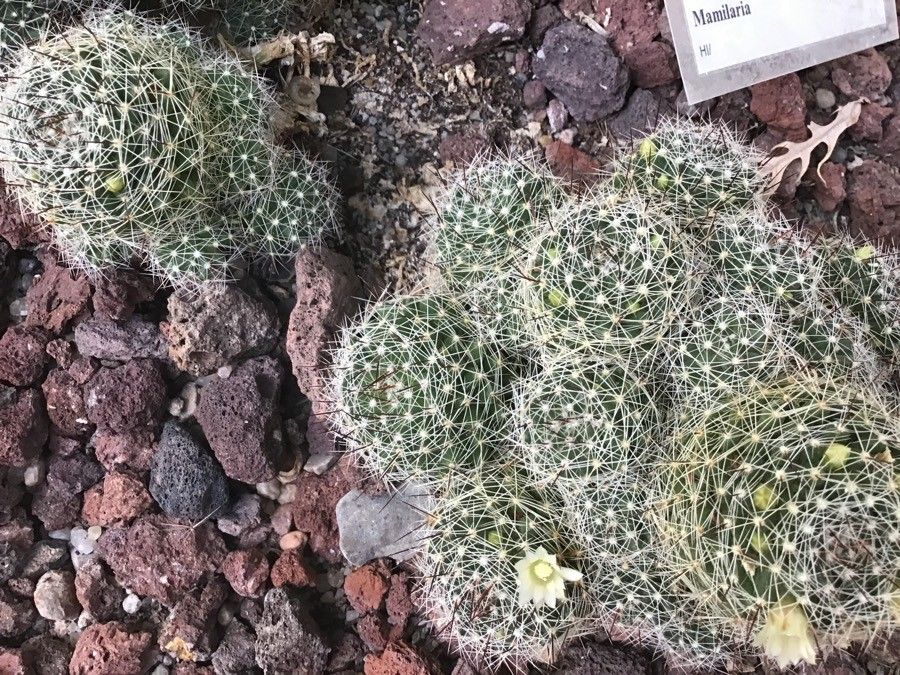
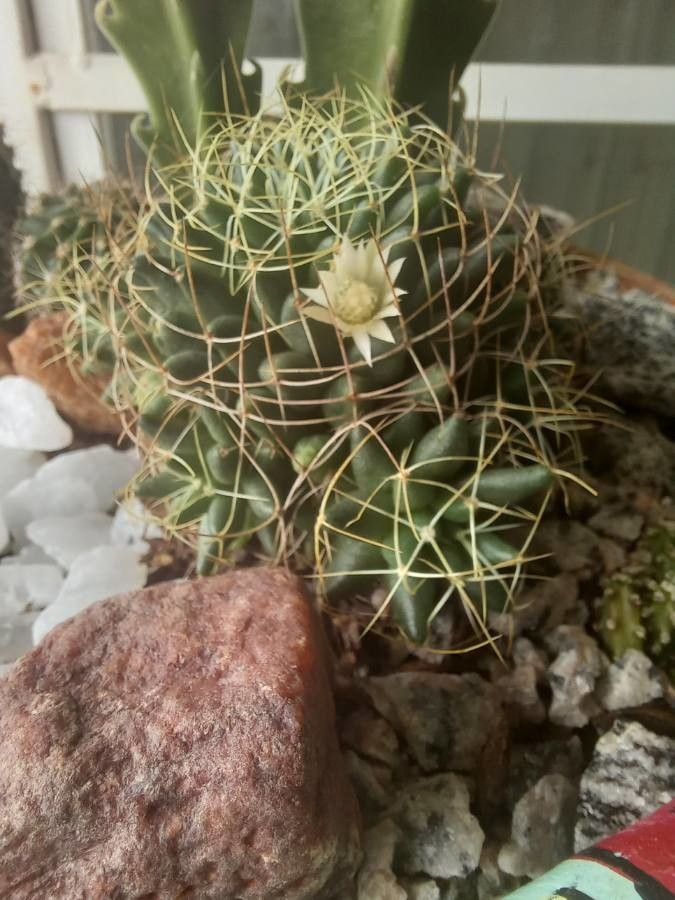
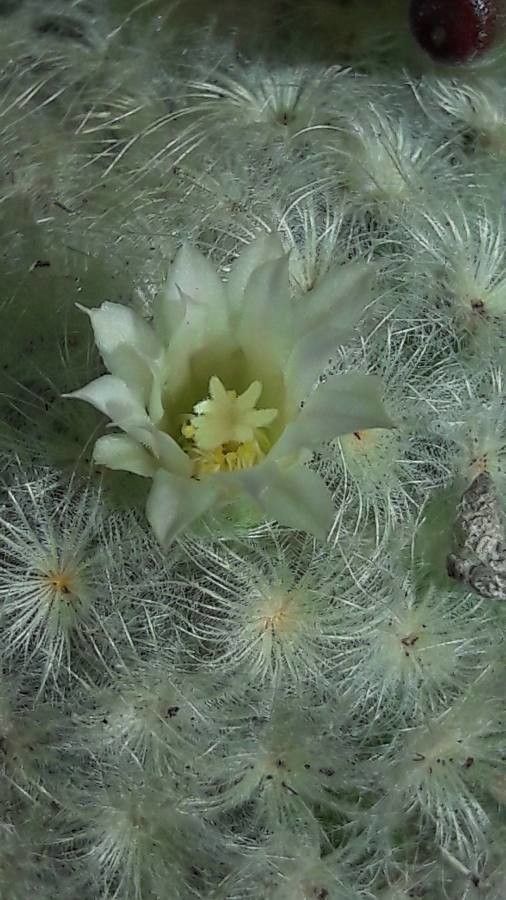
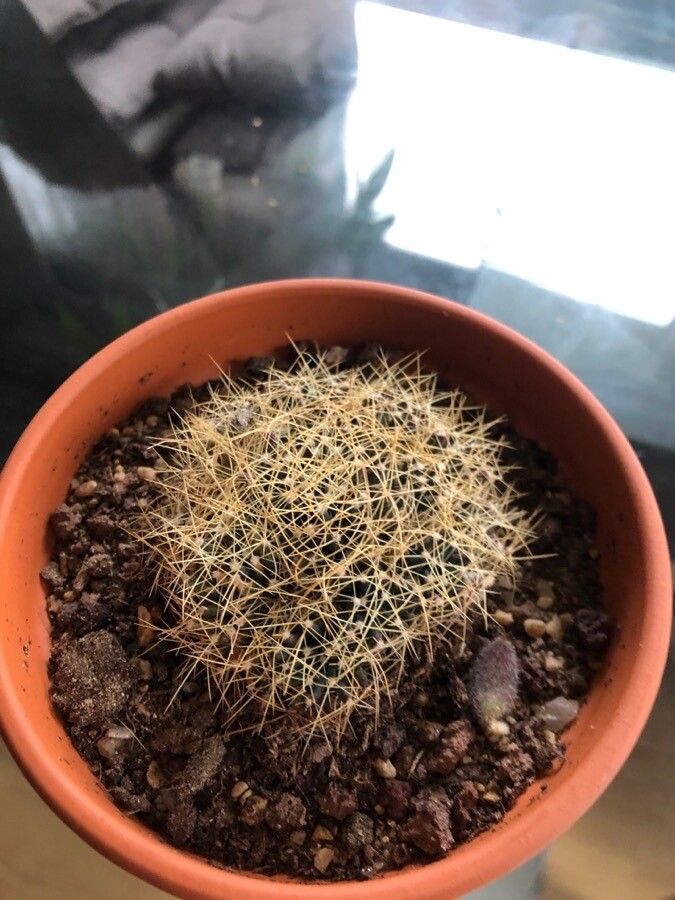
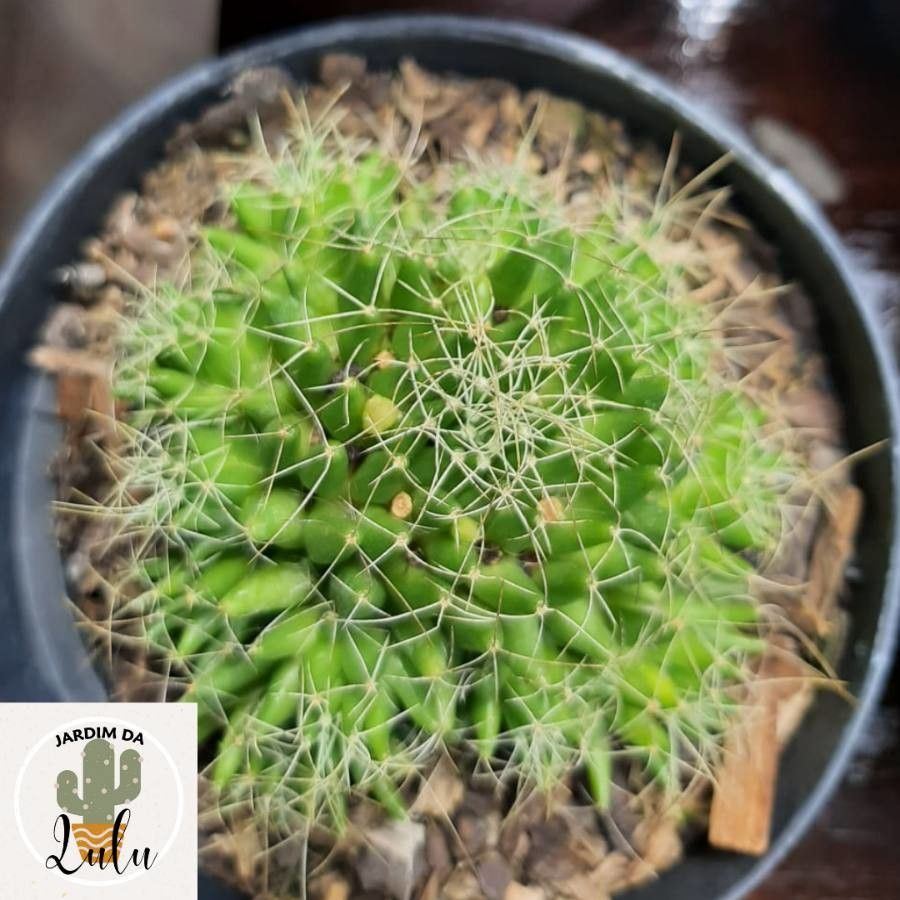
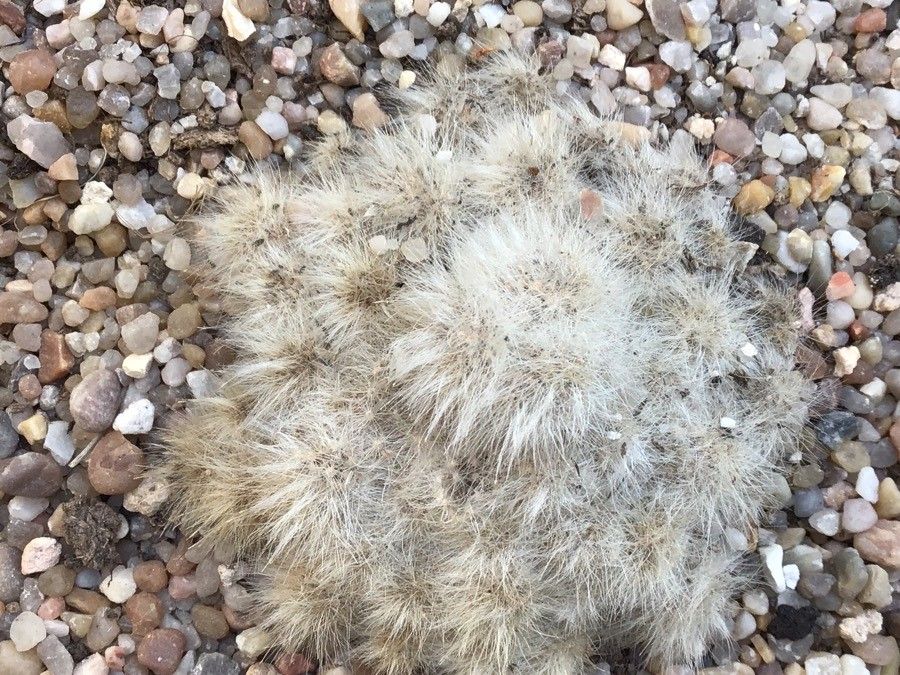
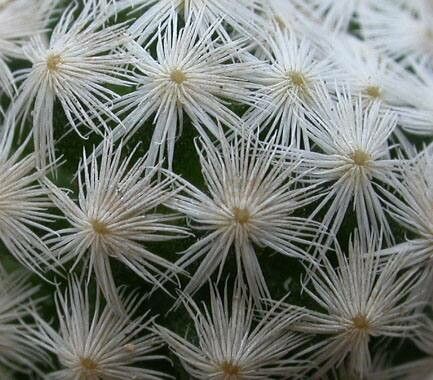
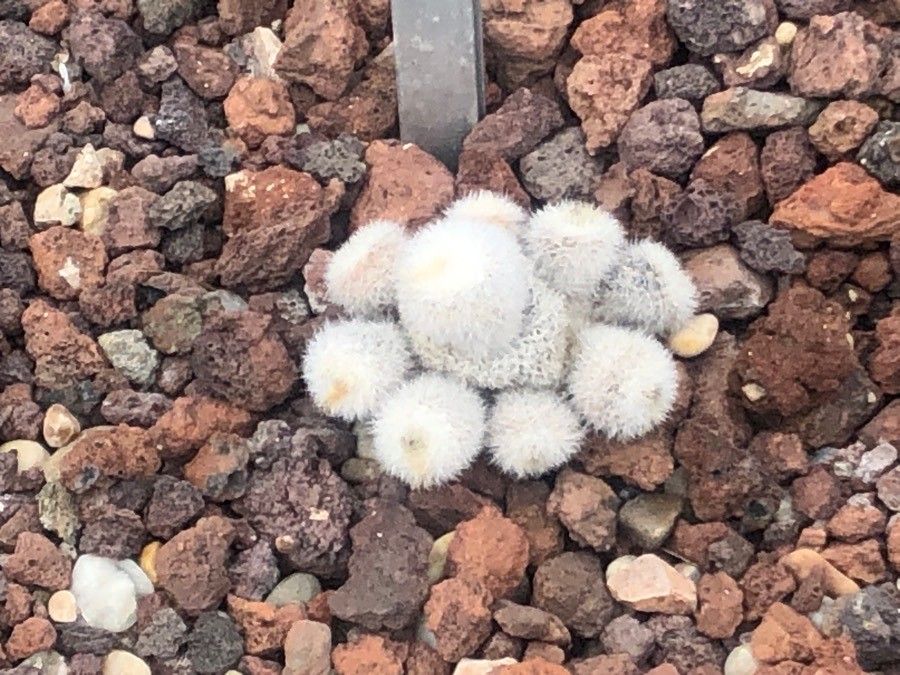
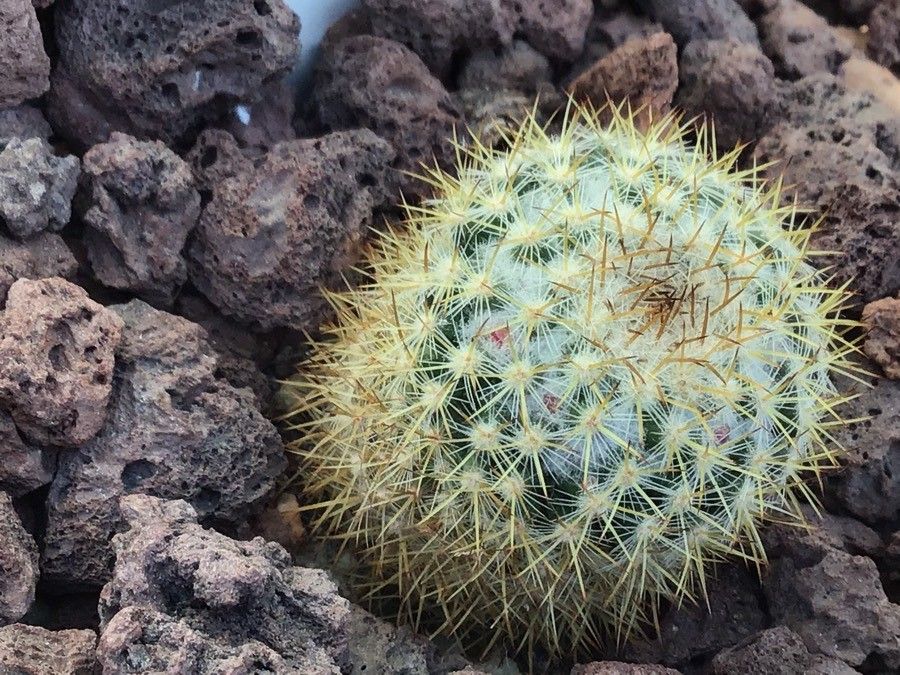
Mammillaria decipiens is a cactus species native to Mexico. This small, globular cactus can grow up to 10 cm in height and 15 cm in diameter. The plant features numerous cylindrical green stems covered with white spines and small pink flowers that bloom during the summer months.
This cactus thrives in well-draining soil and bright, indirect sunlight. While it can tolerate some drought, it should be watered regularly during the growing season. Mammillaria decipiens can be propagated by seeds or offsets.
In traditional medicine, Mammillaria decipiens has been used to treat various ailments such as fever and inflammation. However, ingesting any part of this plant may cause gastrointestinal distress or other adverse effects, so caution is advised.
Overall, Mammillaria decipiens is a beautiful addition to any succulent or desert plant collection, thanks to its unique appearance and easy care requirements.
Bird's nest cactus is fairly disease-resistant and can tolerate normal care without becoming sick easily. It can, however, be vulnerable to mealybugs; these pests may cause some harm but are typically not a serious problem. In terms of care, Bird's nest cactus is drought-tolerant and does not need frequent watering. It can endure long stretches without water and requires little fertilizer. That said, it is highly prone to root rot if light levels are poor and it is overwatered. Overall, Bird's nest cactus is a good choice for people who want to spend less time tending their plants, though it's important to know and meet its basic needs. It is especially suitable for those who are away for long periods and might forget to water regularly.
How to keep Mammillaria Decipiens.
Light
Originating from arid regions, the Bird's nest cactus does best in full sun, since its native habitat features intense sunlight and little shade. It will also tolerate partial sun, which gives it some flexibility in where it can grow.
Temperature
Although the Bird's nest cactus can tolerate some heat, it mainly thrives and grows in cooler seasons and becomes dormant in summer. In hot summer temperatures, provide shade to avoid scorching from intense sunlight. Watering should be reduced or stopped during the hottest season to prevent root rot. Winter and spring are when it undergoes vigorous growth. As long as temperatures do not drop too low, it will continue to grow steadily.
Fertilizer
Apply a light amount of fertilizer once or twice a year during the growing season. Do not fertilize in winter or summer, when the plant is dormant. Use less fertilizer for repotted plants and wait a couple of months after repotting before you begin fertilizing. Fertilizing promotes healthy growth and encourages blooming.
Pot & Repot
Repot a bird’s nest cactus in spring or summer, choosing a pot just slightly larger than the current one with adequate drainage. Use a sandy or gritty cactus mix that drains well. Handle the plant gently to avoid its spines. Allow the cactus to dry out before repotting to help prevent root rot. After repotting, wait one week before watering so the roots can heal.
Botanical profile.
- Plant Type
- Succulent
- Life Cycle
- Perennial
- Genus
- Mammillaria
- Family
- Cactaceae
- Hardiness Zone
- 9-11
- Mature Height
- 10 cm to 15 cm
- Mature Spread
- 5 cm to 8 cm
- Leaf Color
- Green
- Leaf Type
- Evergreen
- Flower Color
- Pink, White
- Flower Size
- 1.02 cm to 1.52 cm
- Bloom Time
- Mid spring, Late spring, Summer
- Planting Time
- Spring, Summer, Autumn
- Harvest Time
- Mid summer, Late summer, Fall
Other names.