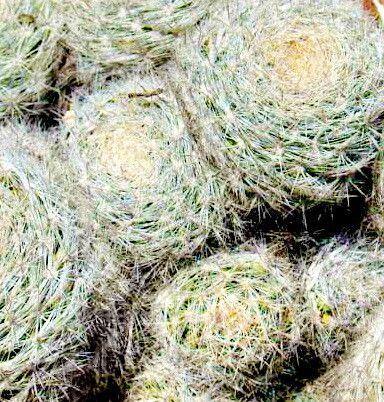
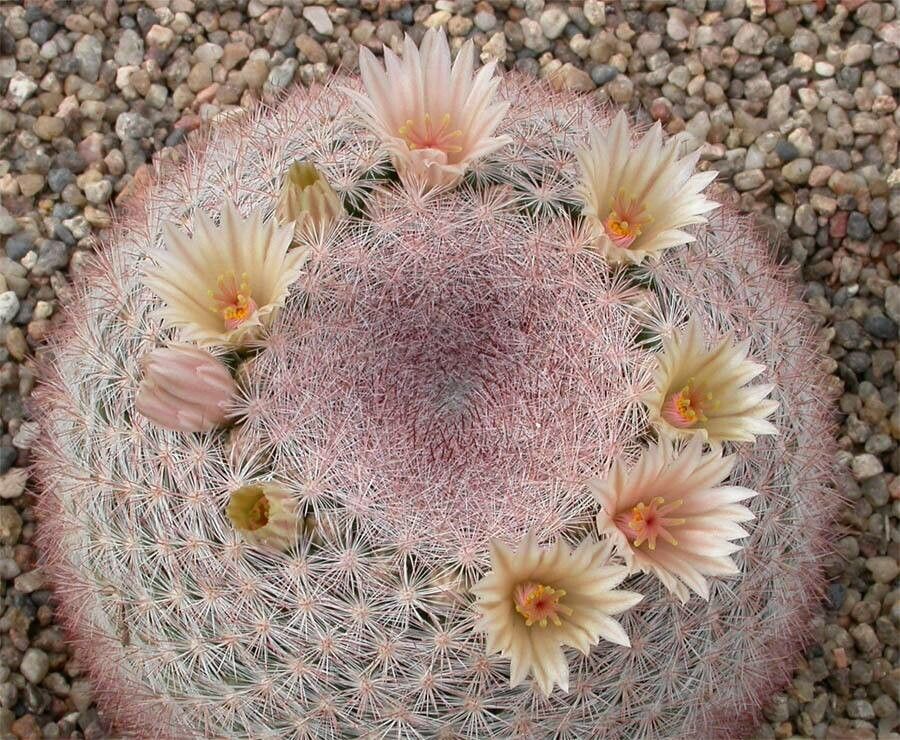
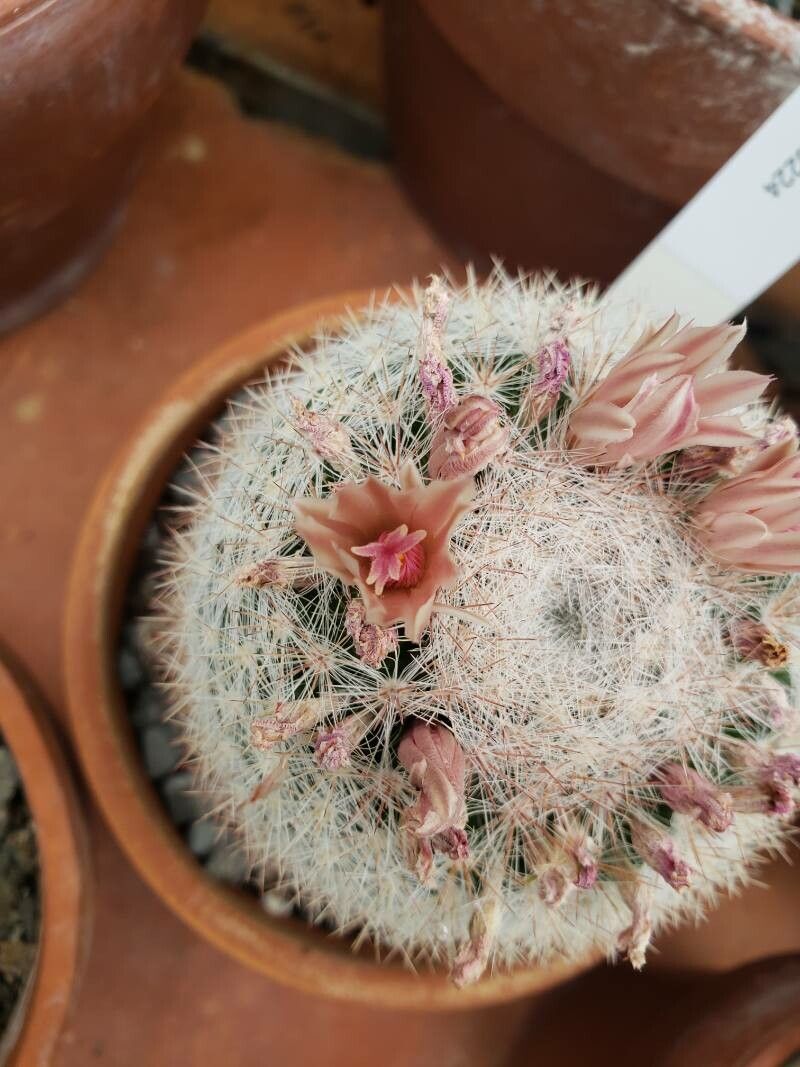
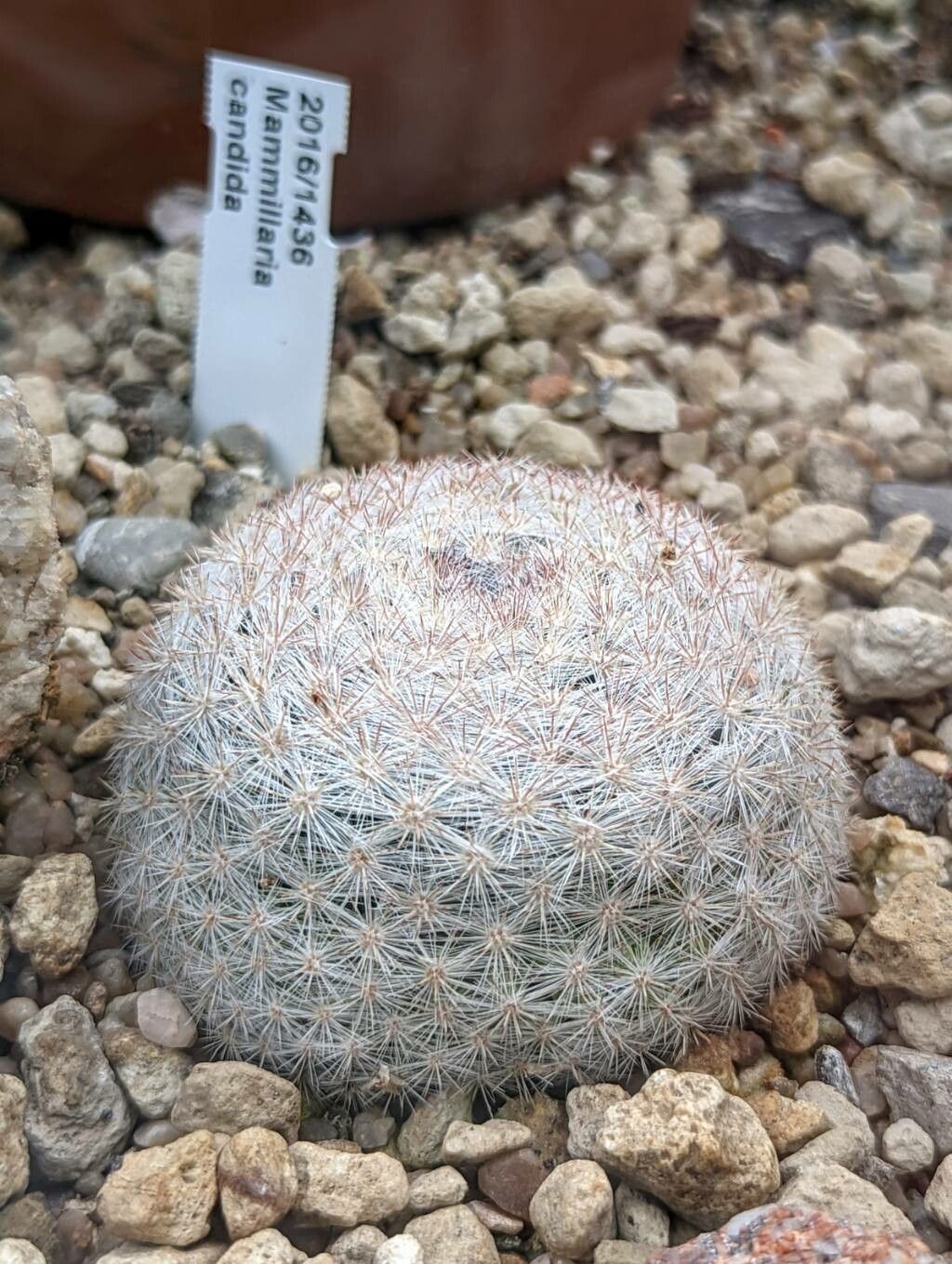
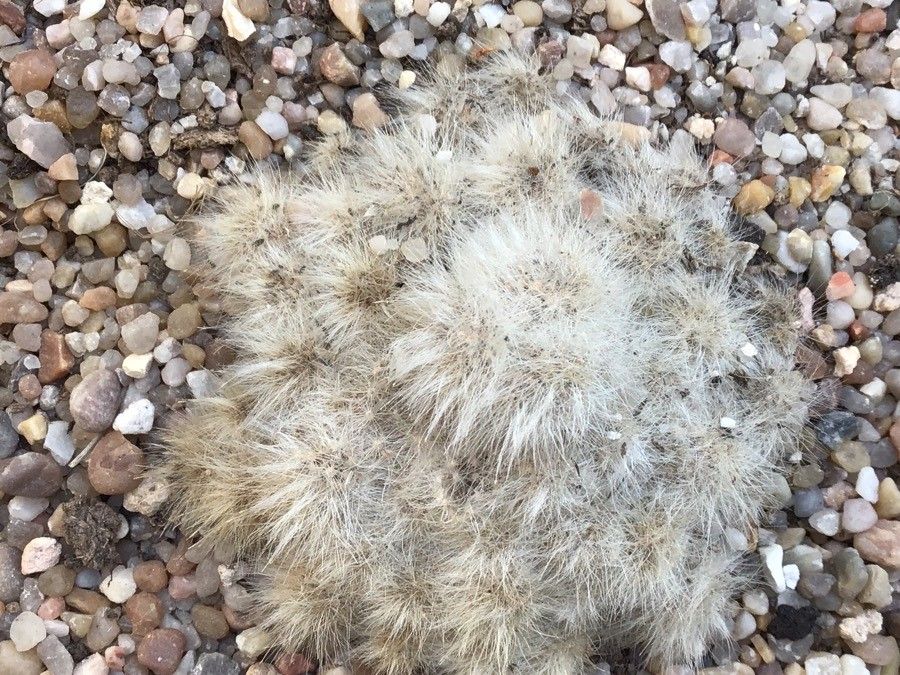
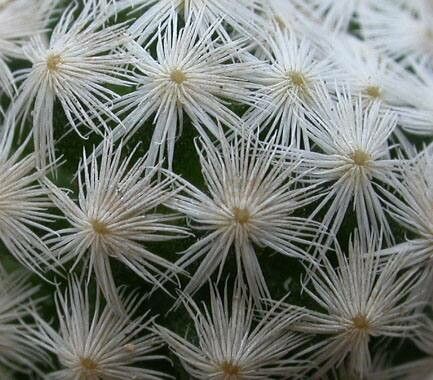
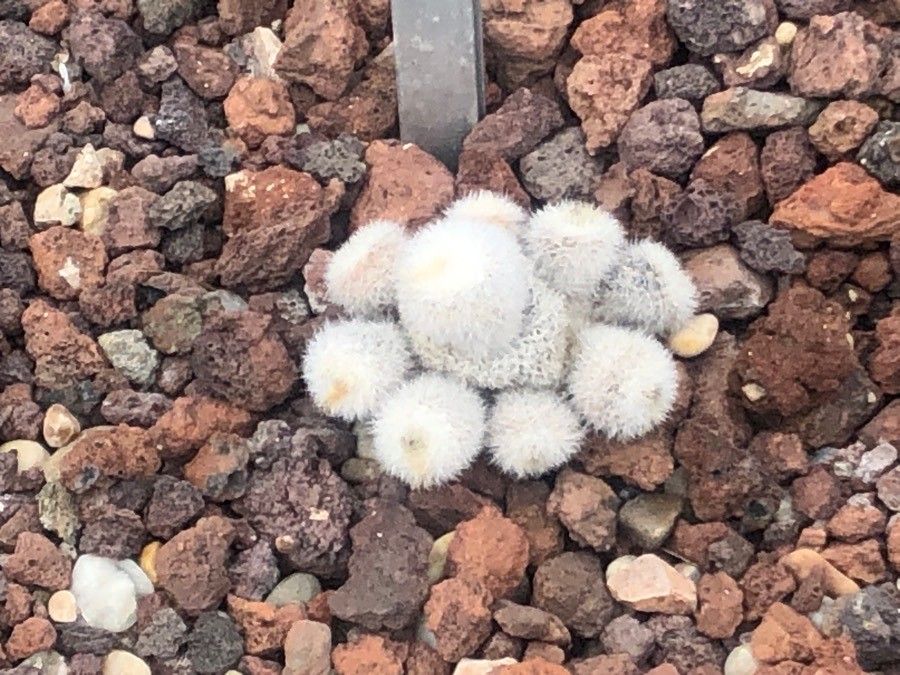
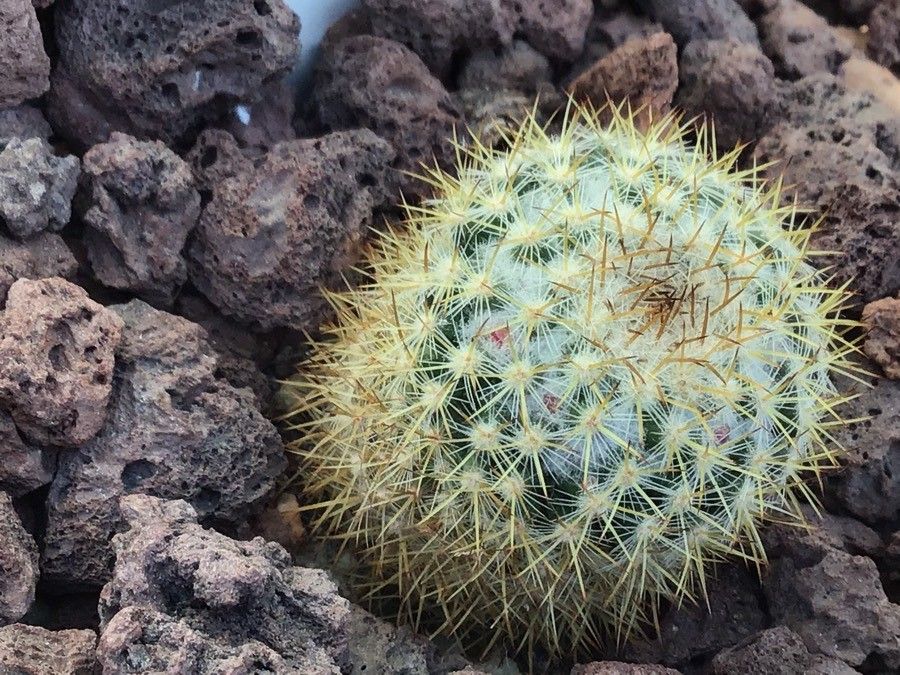
Mammillaria candida, the snowball cactus, is a species of cactus endemic to Mexico. When treated as Mammilloydia candida, it was the only species in the genus Mammilloydia.
Snowball cactus has strong disease resistance and endures regular care without becoming ill easily. It can, however, be prone to mealybugs; these pests may cause some damage but are usually not a serious menace. In terms of care, Snowball cactus is drought-tolerant and does not need frequent watering — it can survive long intervals without water and requires little fertilizer. Conversely, it is very vulnerable to root rot if kept in poor light and overwatered. Overall, Snowball cactus is well suited to people who want a low-maintenance plant, though its basic needs must still be met. It is especially appropriate for those who are away for long periods and might forget to water regularly.
How to keep Mammillaria Candida.
Light
The Snowball cactus, indigenous to dry areas, flourishes under direct sunlight, given its natural habitat is marked by intense sunshine and scarce shade. It can also tolerate a bit of shade, demonstrating some flexibility in its development.
Water
The snowball cactus is a drought-tolerant plant that needs to be thoroughly watered only when its soil is completely dry. During the growing season, from spring to fall, water the cactus once a week. In winter, reduce watering to every two weeks. It's best to use rainwater or distilled water to avoid soil compaction caused by tap water. Be careful to avoid splashing water on the stems to prevent rot.
Temperature
The Snowball cactus flourishes best in hot conditions and needs an elevated temperature during its growth phase to stimulate development and metabolism. It prefers plenty of sun exposure, proper hydration, and effective air circulation. Nonetheless, it's vulnerable to harm caused by extremely low temperatures and excessive irrigation. It's crucial to maintain a balance and prevent overly high temperatures and extremely arid conditions too.
Fertilizer
For the Snowball cactus, optimum growth can be achieved with low quantities of fertilizer, applied 1-2 instances annually during the growth phase. Refrain from fertilizing during the colder winter months and hotter summer periods when the plant is in a dormant state. After repotting, cut back on the fertilizer and allow the plant a period of roughly two months to settle before commencing fertilization again. The proper use of fertilizer aids in robust growth and stimulates blooming.
Pruning
The snowball cactus benefits from pruning in early spring to promote healthy growth and enhance air circulation. Use sterilized tools to carefully remove any damaged segments, making sure the cuts are clean to prevent infection. Be cautious not to over-prune, as this can stress the plant. For detailed care instructions, consult reliable sources.
Pot & Repot
Repot the Snowball cactus in spring or summer, choosing a pot slightly larger than the current one with good drainage. Use a well-draining, sandy or gritty cactus mix. Handle it carefully to avoid the spines. Allow the cactus to dry out before repotting to prevent root rot. After repotting, wait one week before watering to allow the roots to heal.
Botanical profile.
- Plant Type
- Succulent
- Life Cycle
- Perennial
- Genus
- Mammillaria
- Family
- Cactaceae
- Hardiness Zone
- 9-11
- Mature Height
- 30 cm
- Mature Spread
- 30 cm
- Leaf Color
- Light Green
- Leaf Type
- Semi-evergreen
- Flower Color
- Pink, White
- Flower Size
- 1.52 cm to 2.03 cm
- Bloom Time
- Mid spring, Late spring, Early summer
- Planting Time
- Spring, Summer, Autumn
- Harvest Time
- Summer
- Native Area
- Mexico