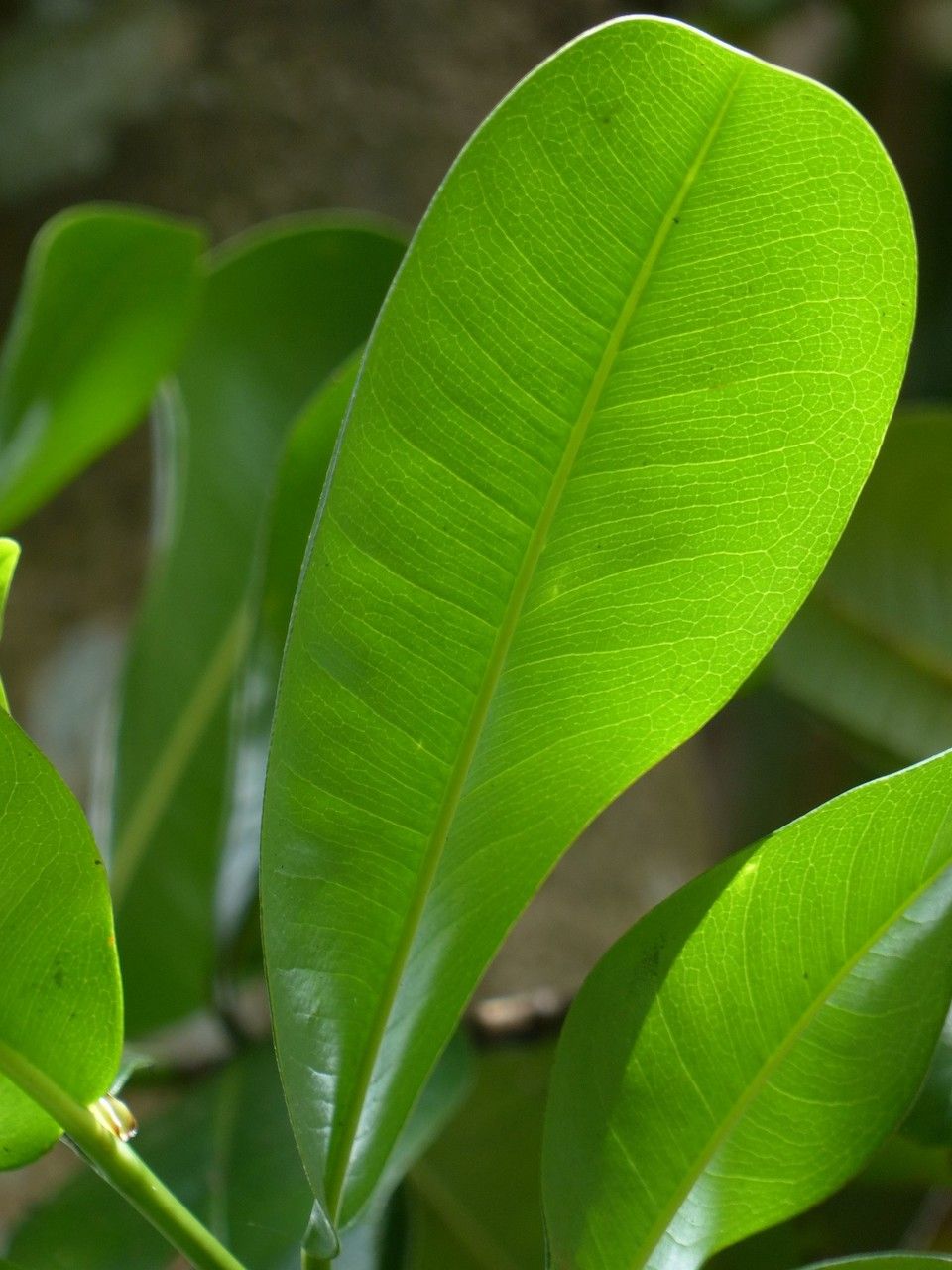
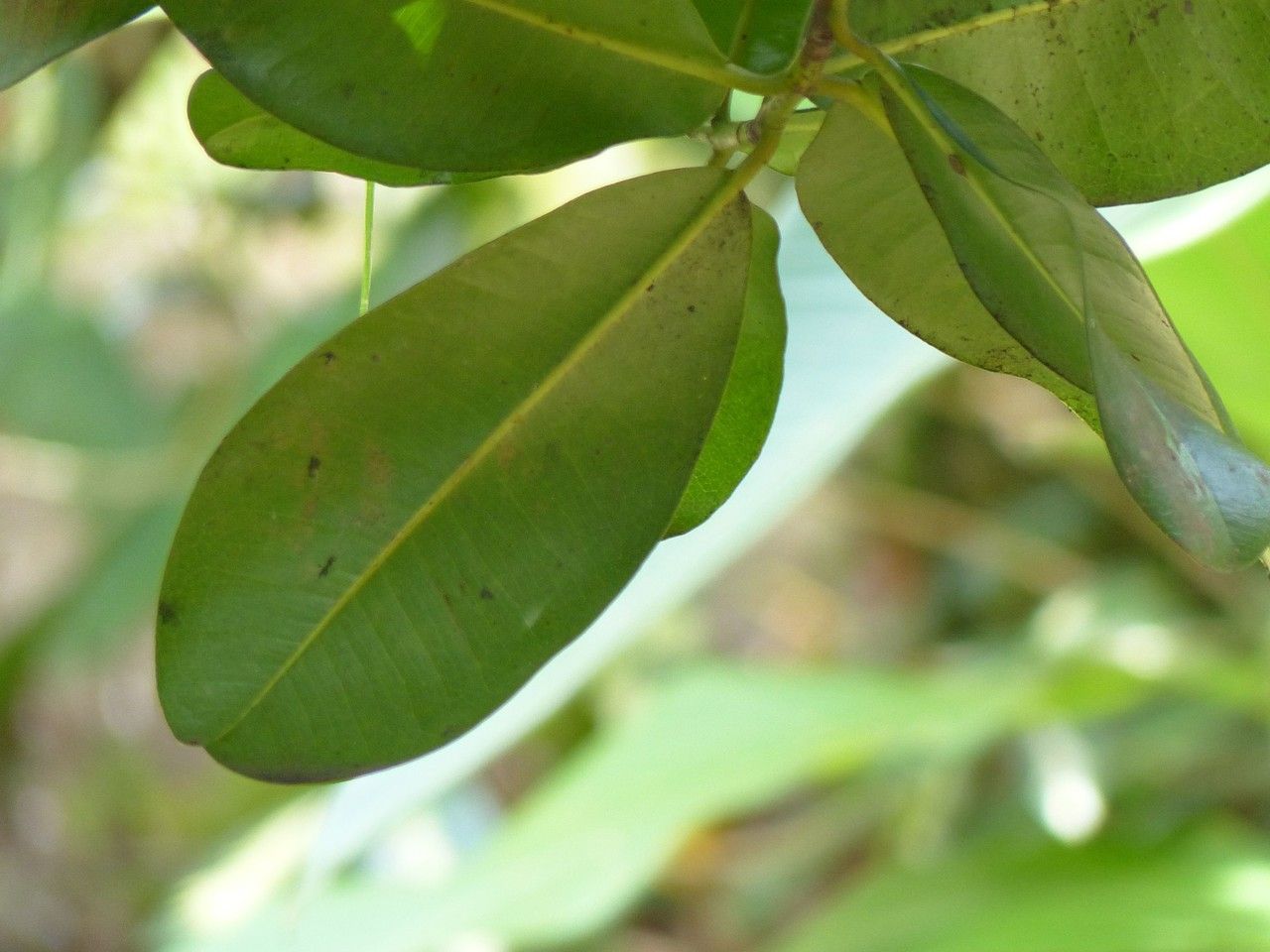
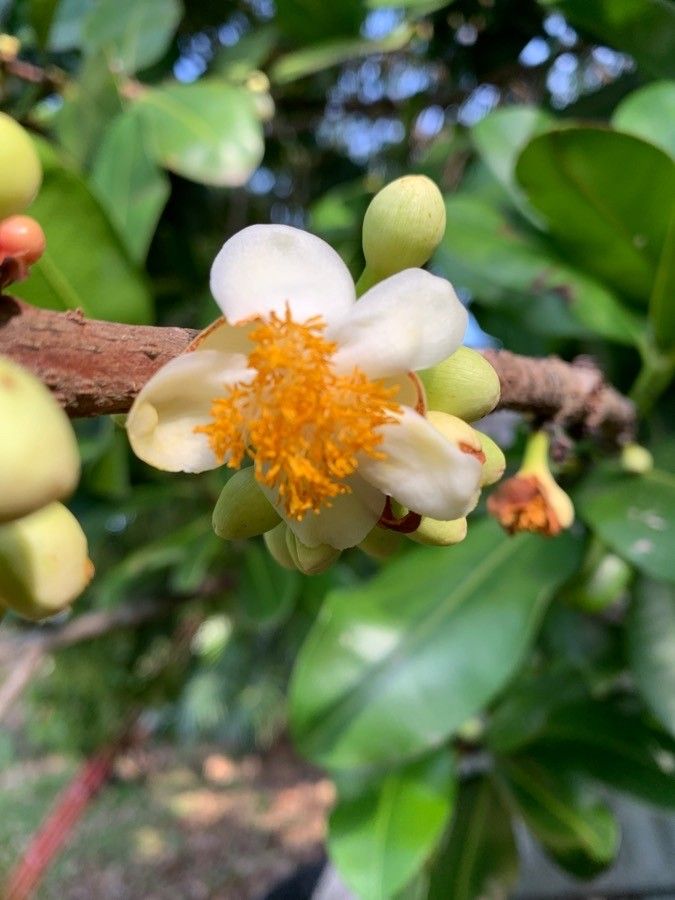
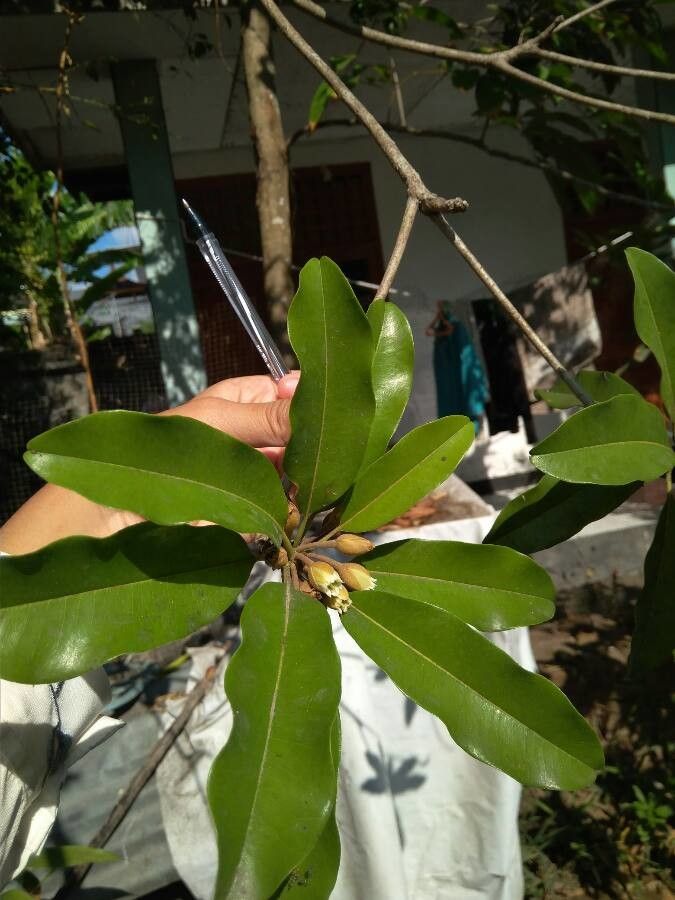
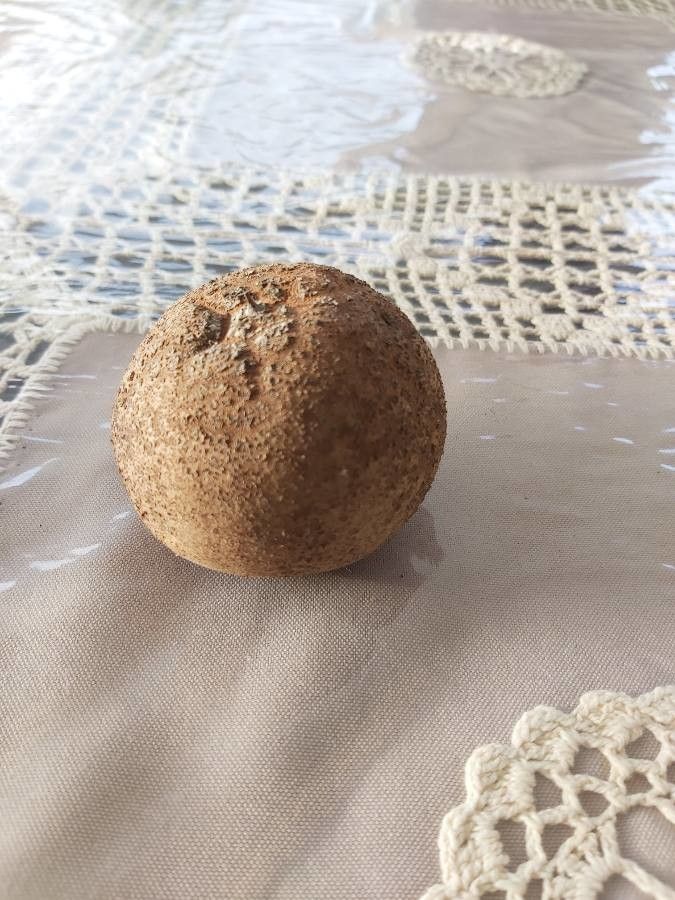
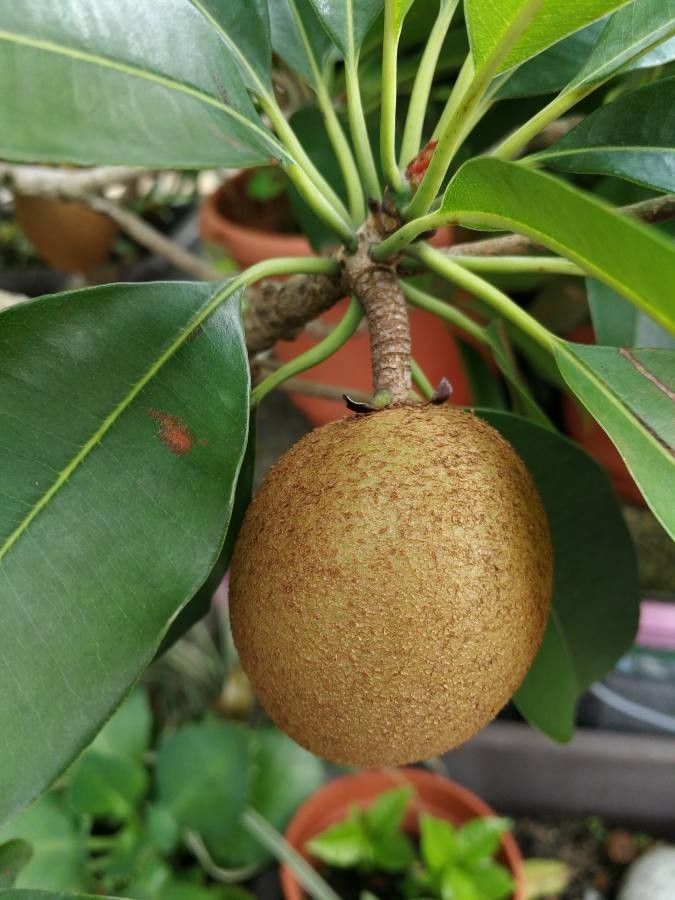
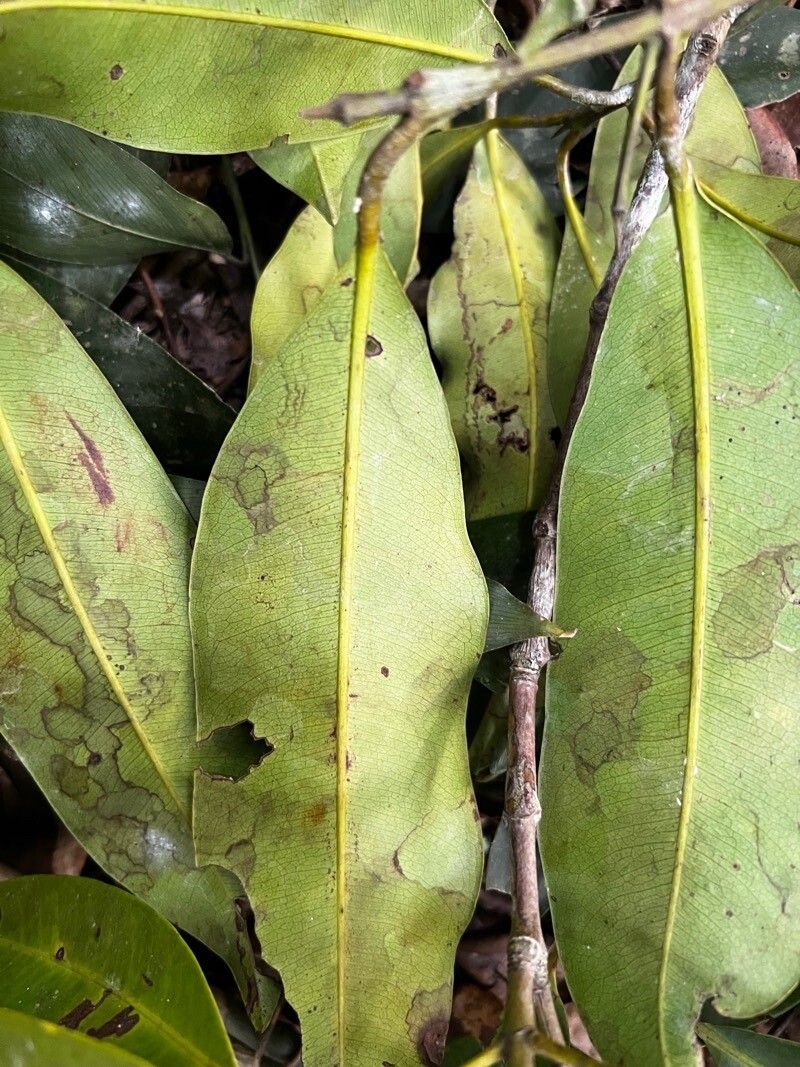
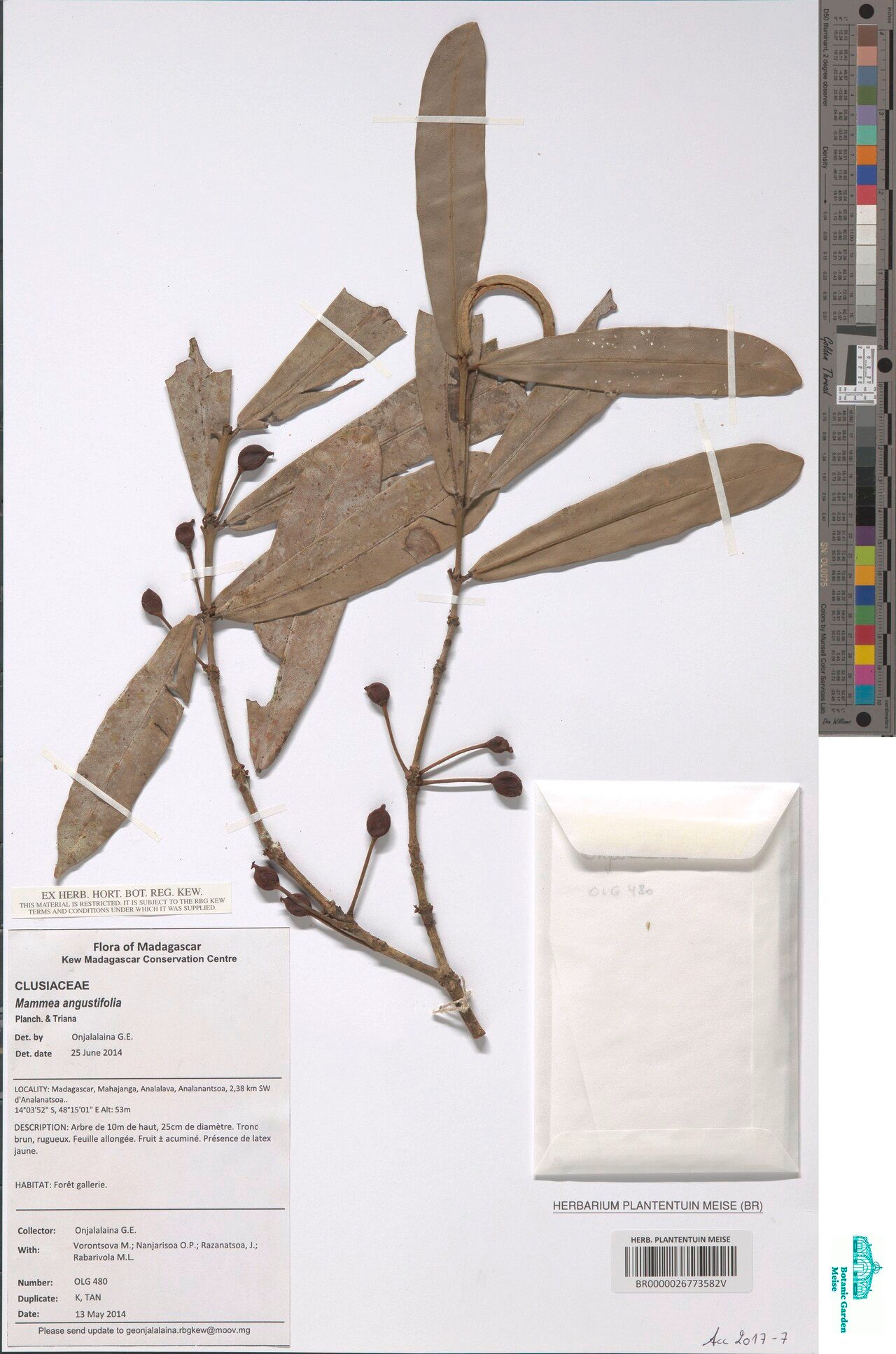
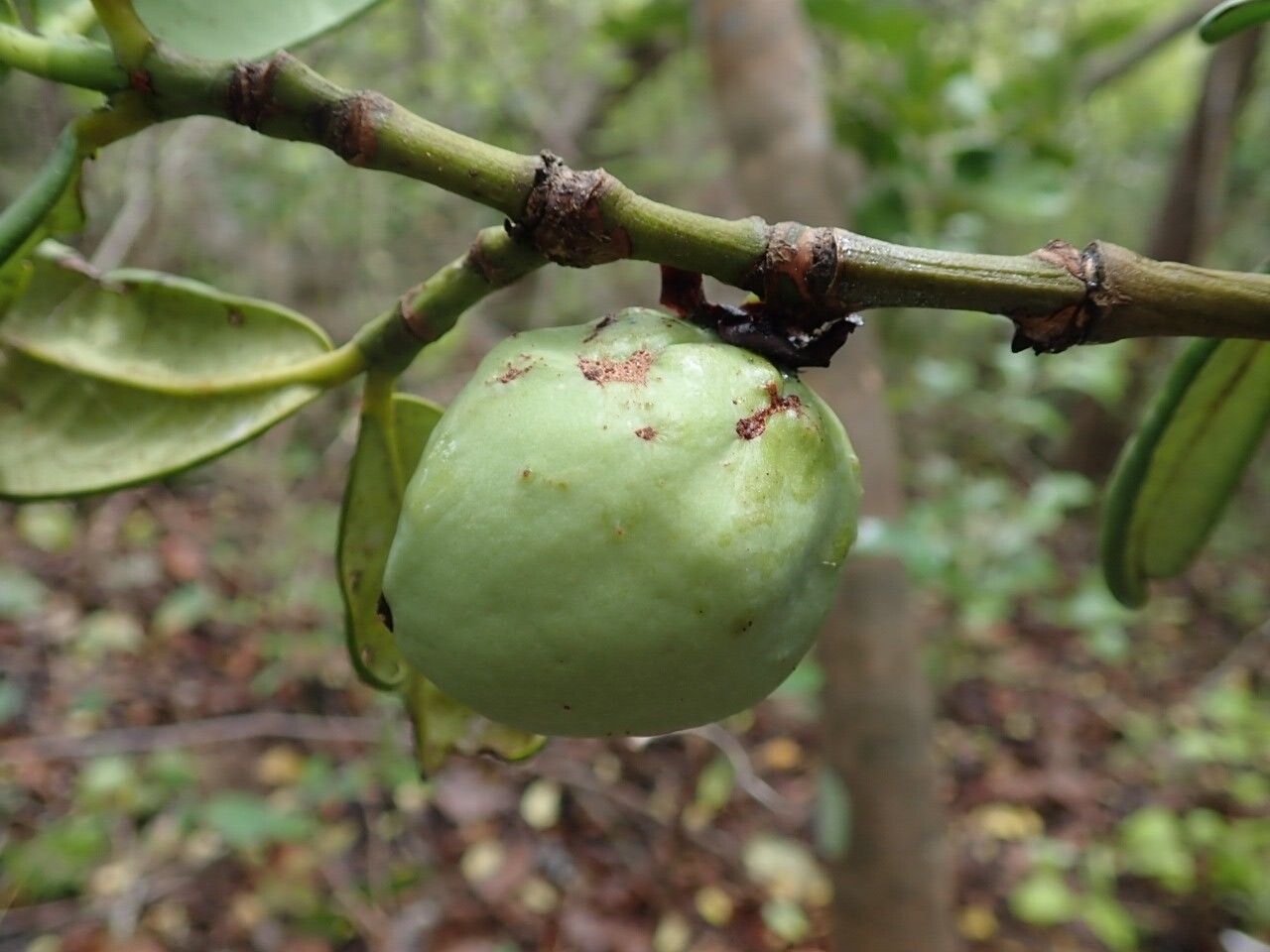
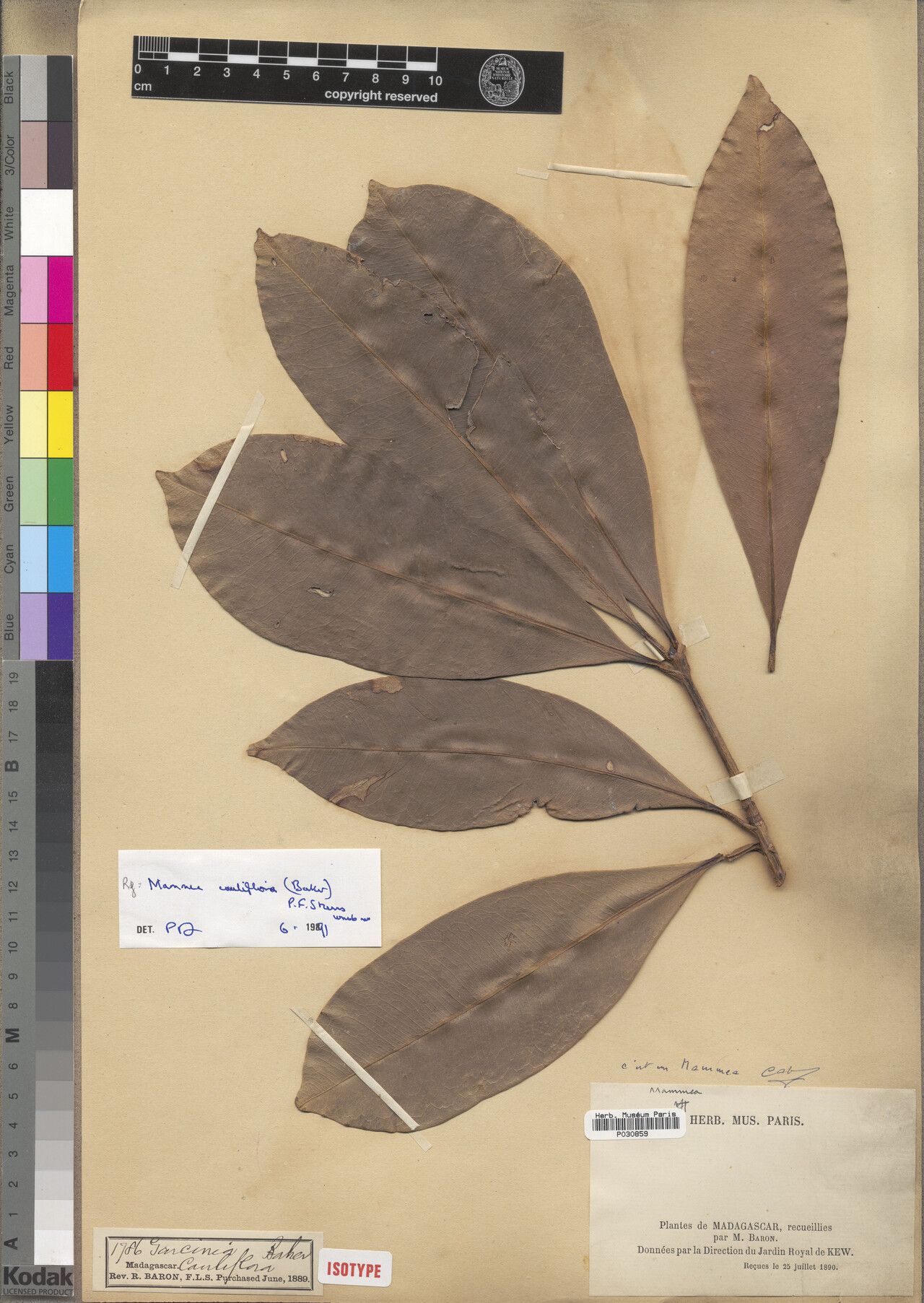
Mammea americana, commonly known as mammee, mammee apple, mamey, mamey apple, Santo Domingo apricot, tropical apricot, or South American apricot, is an evergreen tree of the family Calophyllaceae, whose fruit is edible. It has also been classified as belonging to the family Guttiferae Juss. (1789), which would make it a relative of the mangosteen.In certain Latin American countries, Mammea americana is referred to as "yellow mamey" (Spanish: mamey amarillo) to distinguish it from the unrelated but similar-looking Pouteria sapota, whose fruit is usually called "red mamey" (mamey colorado or mamey rojo).
Mammee apple shows good resistance to diseases and is generally not prone to them. In terms of care, this plant is relatively low-maintenance. When grown outdoors, it needs only minimal watering, and larger plants usually do not require pruning. Smaller plants, however, should be pruned after they have finished blooming. Mammee apple is suitable for anyone with an outdoor space, such as a garden or a deck, and does not require much experience in plant care.
How to keep Mammea Americana.
Light
Mammee apple comes from open habitats, such as sunny meadows and forest margins, which offer abundant light. It does best in Full Sun but can also tolerate Partial Sun, adjusting well to different sunlight conditions.
Temperature
Mammee apple comes from tropical regions, where the climate is generally warm and humid. As a result, it is well adapted to high temperatures and humidity. It does not tolerate sudden temperature shifts and prefers a steady temperature environment, so avoiding indoor temperature fluctuations is important. It typically cannot withstand cold and needs higher temperatures to grow. If the surrounding temperature falls too low, the plant may stop growing or even die.
Fertilizer
Use organic fertilizers (for example, fish emulsion or compost) instead of chemical ones for Mammee apple. Supply higher levels of nitrogen and phosphorus to young plants in spring. Mix compost or fertilizer into the soil before or after planting. For mature plants, add a balanced fertilizer in spring or one that addresses any specific nutrient deficiency. Nutrient deficiency results in small leaves, short or stunted branches, yellow to bronze leaves, acidic fruits, premature fruit drop, and fruit splitting.
Botanical profile.
- Plant Type
- Tree
- Life Cycle
- Perennial
- Genus
- Mammea
- Family
- Calophyllaceae
- Hardiness Zone
- 10-12
- Mature Height
- 14.94 m to 24.99 m
- Mature Spread
- 10.06 m to 14.94 m
- Leaf Color
- Dark Green
- Leaf Type
- Evergreen
- Flower Color
- White
- Flower Size
- 2.03 cm to 3.05 cm
- Bloom Time
- Late spring, Summer
- Planting Time
- Spring, Summer, Autumn
- Harvest Time
- Late summer, Fall
- Native Area
- Bahamas, Honduras, Mexico, Guatemala, Haiti, Venezuela, Nicaragua, Dominican Republic, Trinidad and Tobago, Panama, Jamaica
Other names.