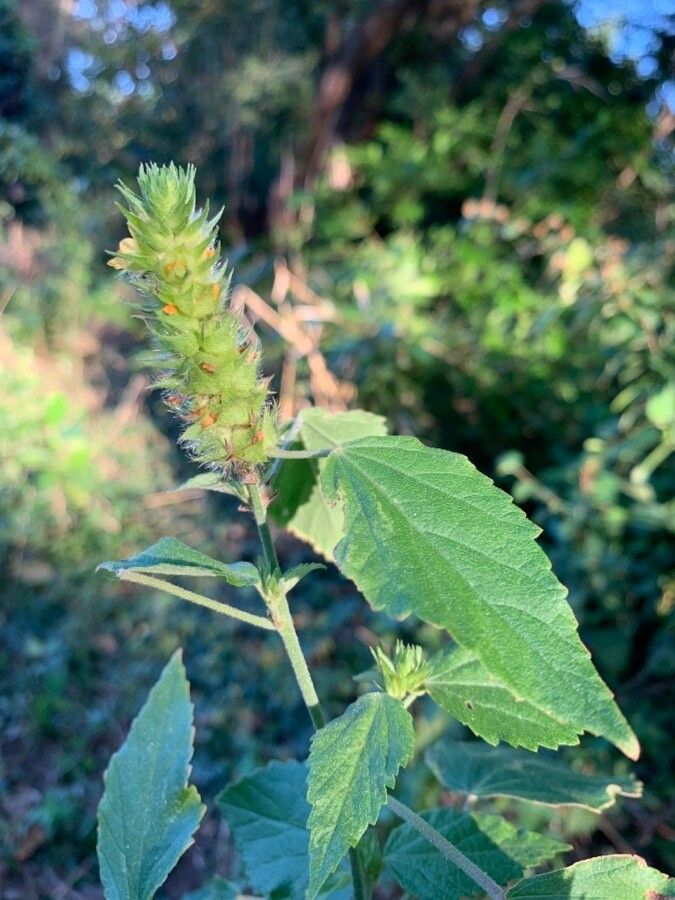
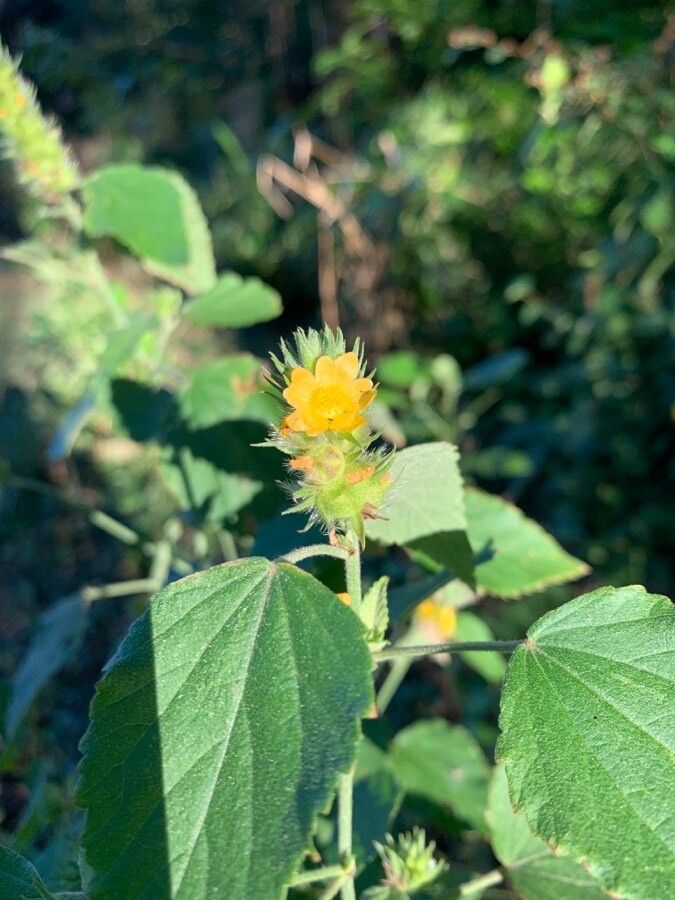
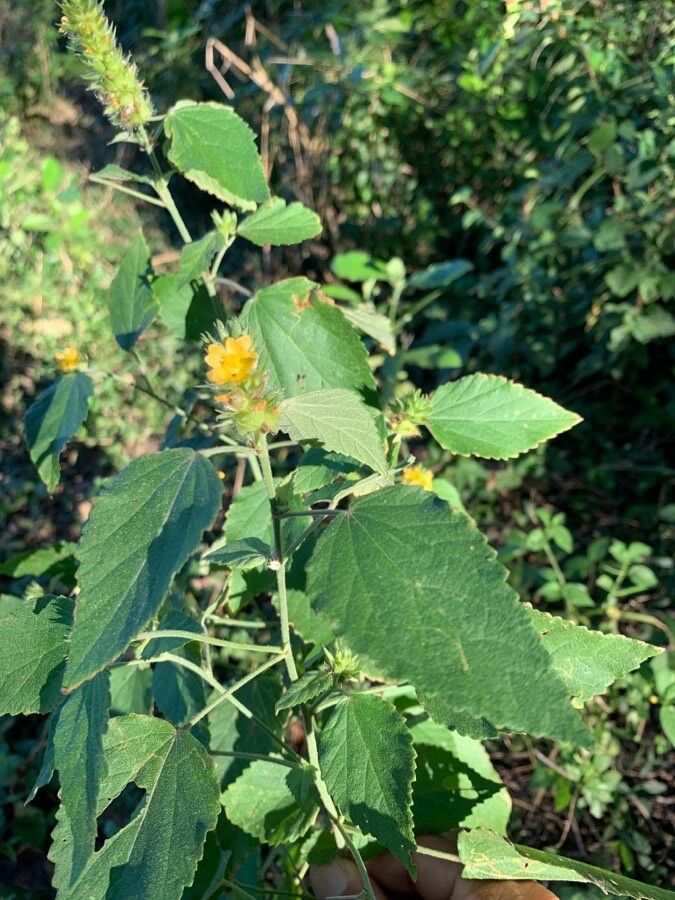
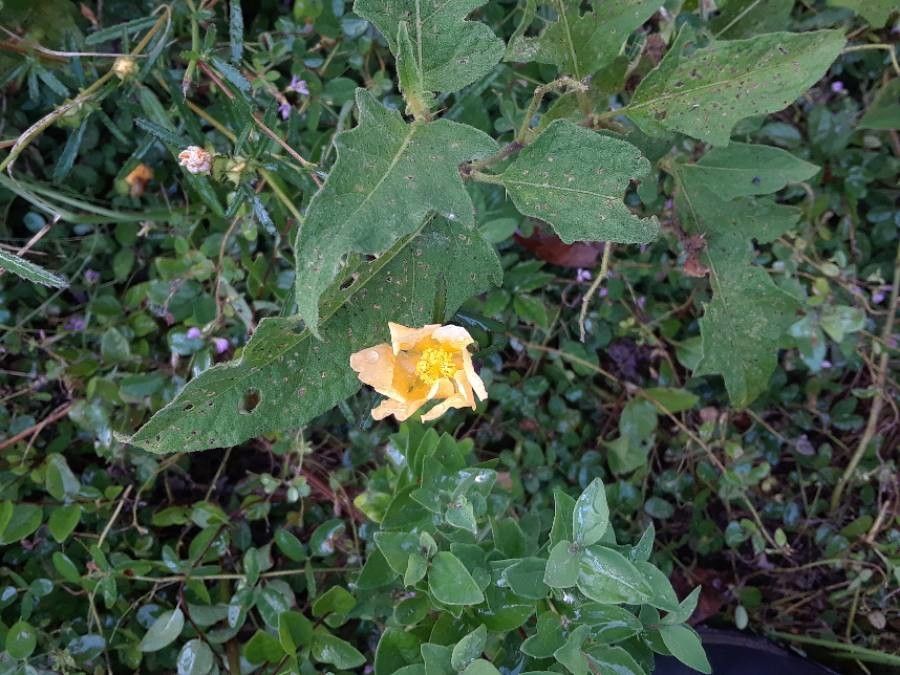
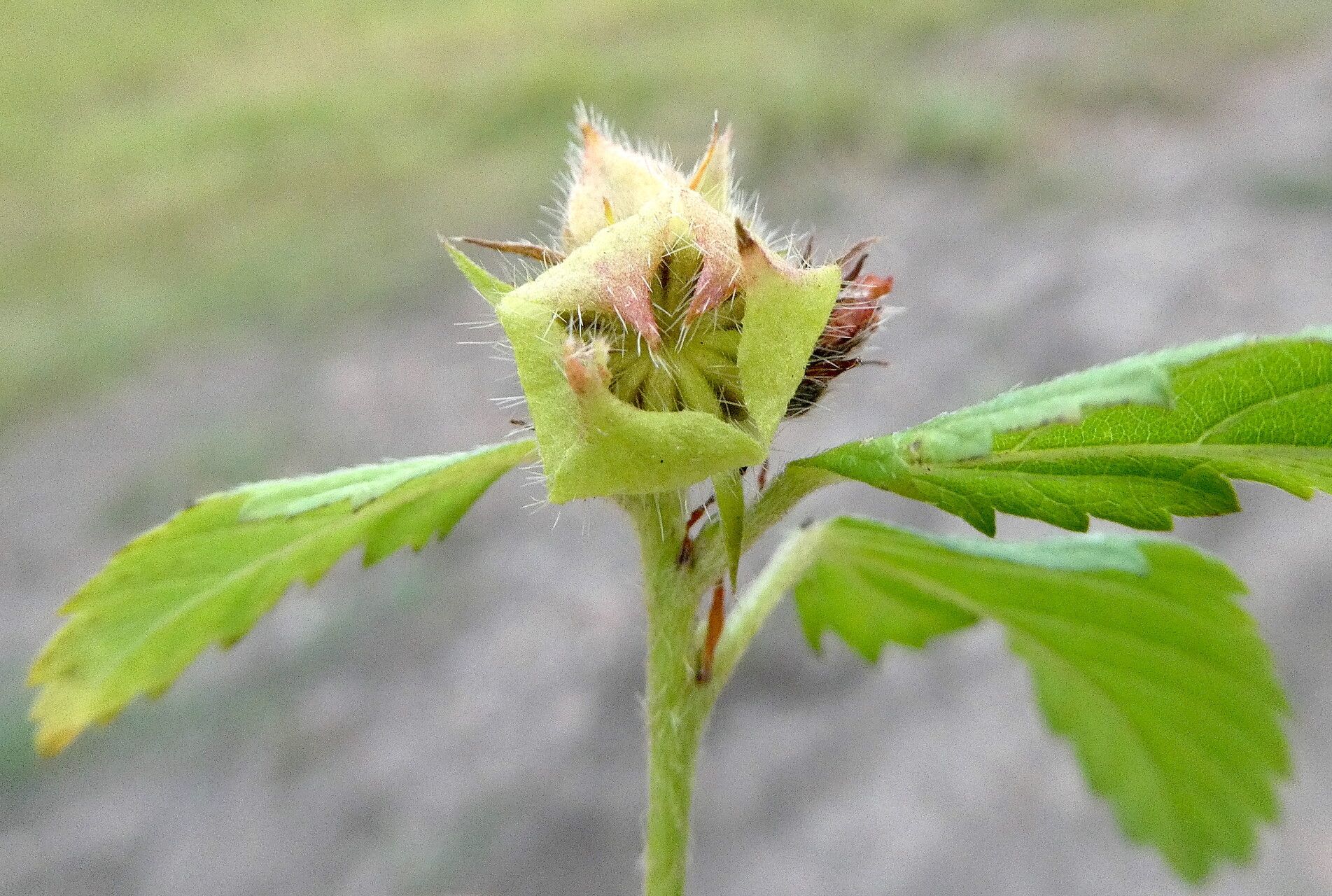
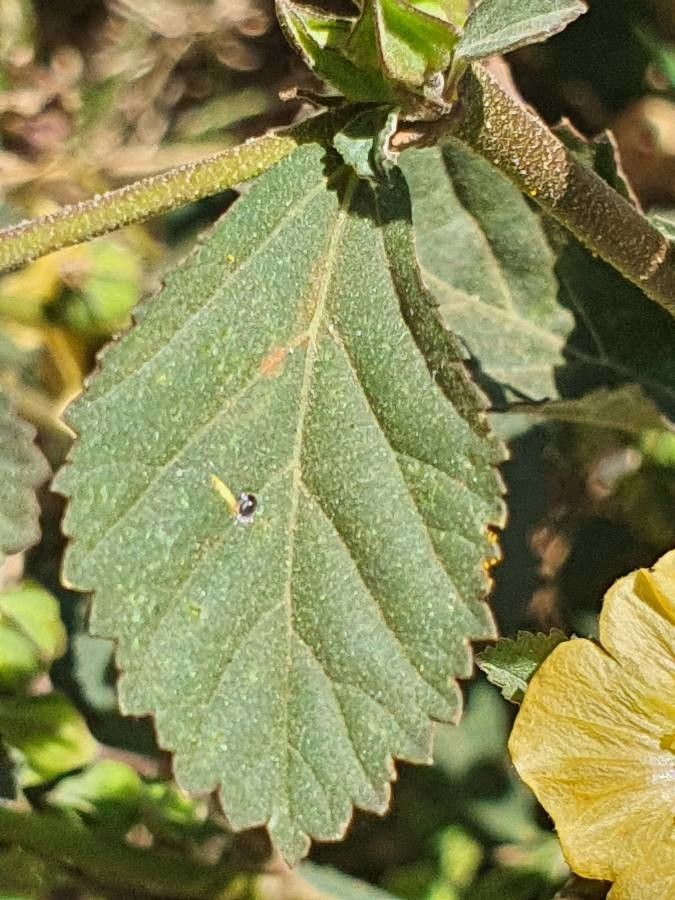
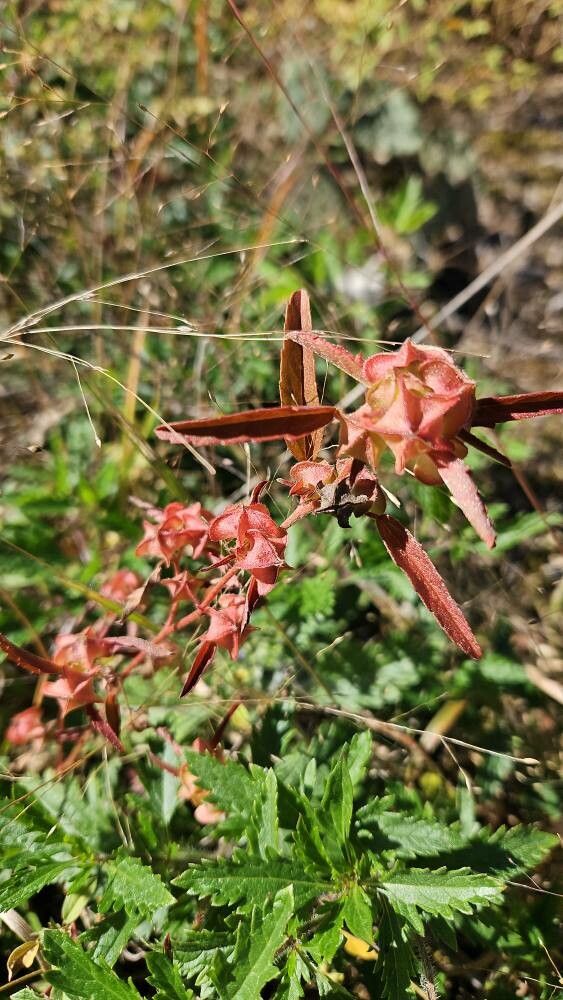
Indian valley false mallow is fairly disease-resistant and typically does not suffer from many illnesses. Still, it can be vulnerable to pests and diseases present in its immediate environment. These issues are generally minor. For care, this plant requires moderate maintenance. It should be pruned on a regular basis to preserve a neat appearance and support healthy growth. Fertilizing can also encourage better flowering. Indian valley false mallow is suitable for anyone with outdoor space like a garden or patio and does not demand extensive gardening experience. It may need more attention when kept indoors.
How to keep Malvastrum Americanum.
Light
Indian valley false mallow comes from bright, open habitats and does best in full sun. It can tolerate partial shade but prefers direct sunlight for optimal growth. This plant, which may be annual or biennial, is known for its sun-loving habit.
Water
Indian Valley false mallow is a drought-tolerant plant native to dry regions. It thrives with just weekly watering and prefers drier conditions. Its robust root system allows it to efficiently absorb moisture, enhancing its survival and flowering during peak growing seasons in less irrigated landscapes.
Temperature
Indian valley false mallow comes from tropical areas where the climate is usually warm and humid. Consequently, it is well suited to high temperatures and humidity. It dislikes sudden temperature changes and prefers a consistent temperature, so avoiding indoor temperature fluctuations is important. It typically cannot tolerate cold and needs higher temperatures to grow. If the surrounding temperature falls too low, the plant may stop growing or even die.
Fertilizer
Once most of the Indian valley false mallow’s blooms have opened to full size, resume fertilizing. At the time when blooms are at their peak, apply fertilizer every three to four weeks, weather permitting. Then, when the Indian valley false mallow begins producing fewer new blooms, stop fertilizing; there’s no need to feed the plant once it can’t produce more blooms.
Pruning
The Indian Valley false mallow is a hardy plant known for its vibrant yellow flowers and low maintenance needs. To promote healthy growth and encourage blooming, lightly prune the plant from early to late spring. Remove any dead branches and thin out dense areas to improve air circulation. Be sure to clean your pruning tools to prevent the spread of disease.
Botanical profile.
- Plant Type
- Herb, Shrub
- Life Cycle
- Annual, Perennial
- Genus
- Malvastrum
- Family
- Malvaceae
- Hardiness Zone
- 9-11
- Mature Height
- 49 cm to 91 cm
- Mature Spread
- 30 cm to 61 cm
- Leaf Color
- Green
- Leaf Type
- Deciduous
- Flower Color
- Yellow
- Flower Size
- 1.02 cm
- Bloom Time
- All year round
- Planting Time
- Spring, Summer, Autumn
- Harvest Time
- All year round
- Native Area
- Honduras, Mexico, Guatemala, Peru, Panama, Jamaica, Colombia, Bahamas, Cuba, Bolivia, Venezuela, Brazil, El Salvador, Nicaragua, Ecuador, Costa Rica
Other names.
Reader questions.
What are the sunlight requirements for Indian Valley False Mallow?
Indian Valley False Mallow thrives in full sun, requiring above 6 hours of sunlight daily for optimal growth. It can also tolerate partial sun, flourishing under about 3-6 hours of sunlight. It's important to observe how sunlight moves through your garden and choose locations that ensure a balance of light and shade, catering to the plant's needs for happiness and growth.
How does Indian Valley False Mallow respond to indoor and artificial lighting?
For Indian Valley False Mallow grown indoors or in areas with insufficient natural sunlight, artificial lighting is a crucial solution. Adequate lighting, especially during winter or in less sunny spaces, promotes healthier growth. LED lights, offering customizable wavelengths, are recommended. For full sun plants, 30-50W/sq ft of light, for partial sun plants 20-30W/sq ft, and for full shade plants 10-20W/sq ft is ideal. The light source should be placed 12-36 inches above the plant for 8-12 hours per day to mimic natural daylight conditions.
What are the symptoms of light deficiency in Indian Valley False Mallow?
Symptoms of inadequate light in Indian Valley False Mallow include smaller new leaves, leggy or sparse growth, accelerated leaf drop, stalled or absent new growth, paler new leaves, and conditions such as chlorosis, sunscald, leaf curling, wilting, and leaf scorching. These symptoms indicate that the plant is struggling due to insufficient sunlight, and measures should be taken to increase light exposure either through repositioning the plant or using artificial lighting.
What solutions are available for light deficiency in Indian Valley False Mallow?
To address light deficiency in Indian Valley False Mallow, gradually moving the plant to a sunnier location each week is advised until it receives at least 6 hours of direct sunlight daily. Using a south-facing window can maximize sunlight exposure. For large or immobile indoor plants, consider artificial lighting solutions like desk or ceiling lamps, or professional grow lights, turned on for at least 8 hours daily. Outdoors, moving plants to optimal sunlight spots and avoiding sudden changes in light intensity is crucial. Pruning obstructions or transplanting to sunnier locations with good drainage can also benefit plant health. Note that parts of the plant damaged by low light may not recover, but new growth should be healthy with improved light conditions.