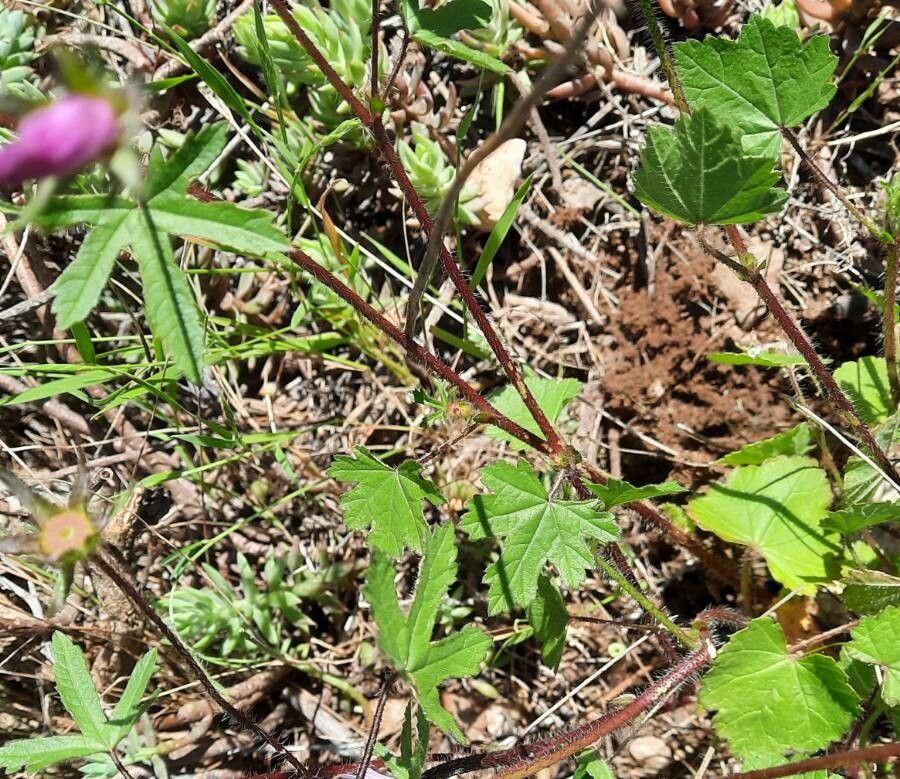
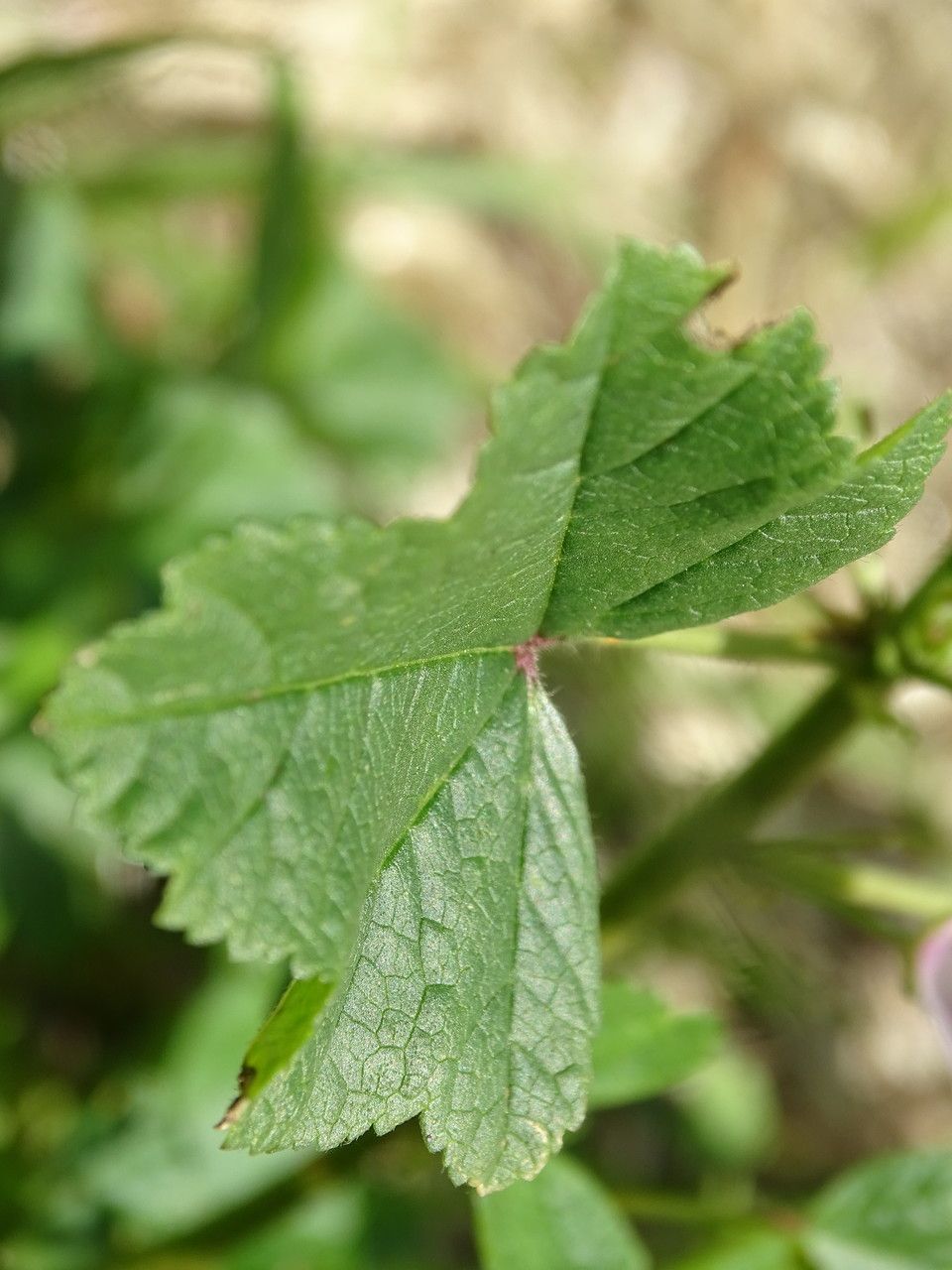
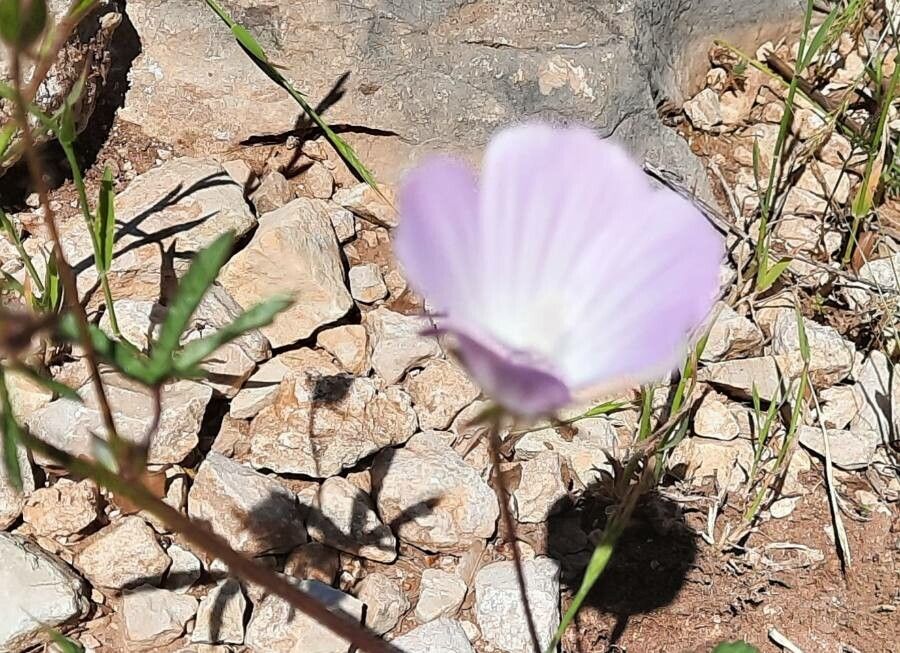
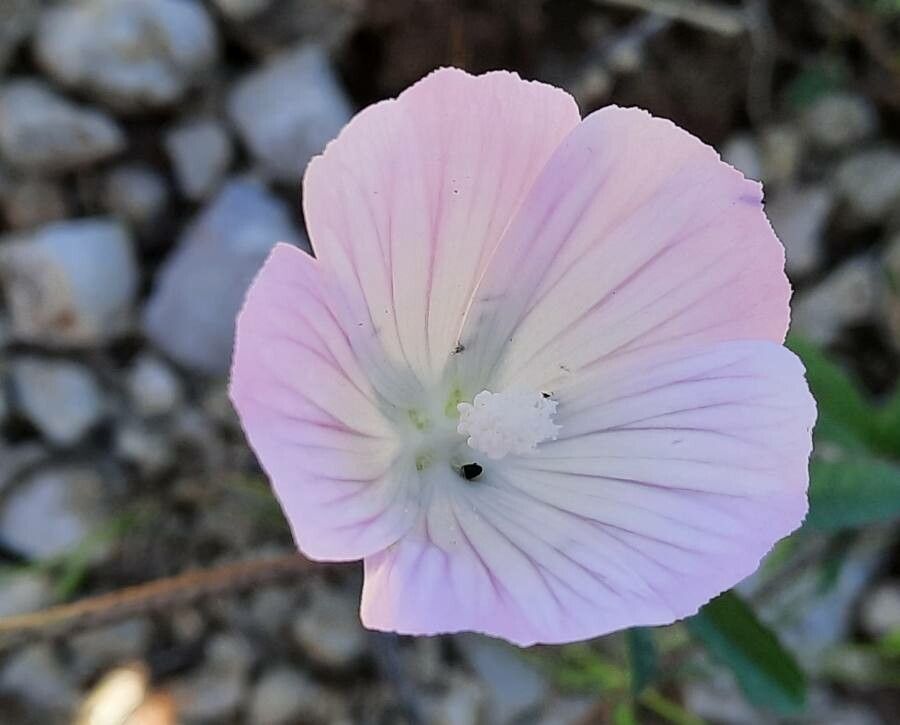
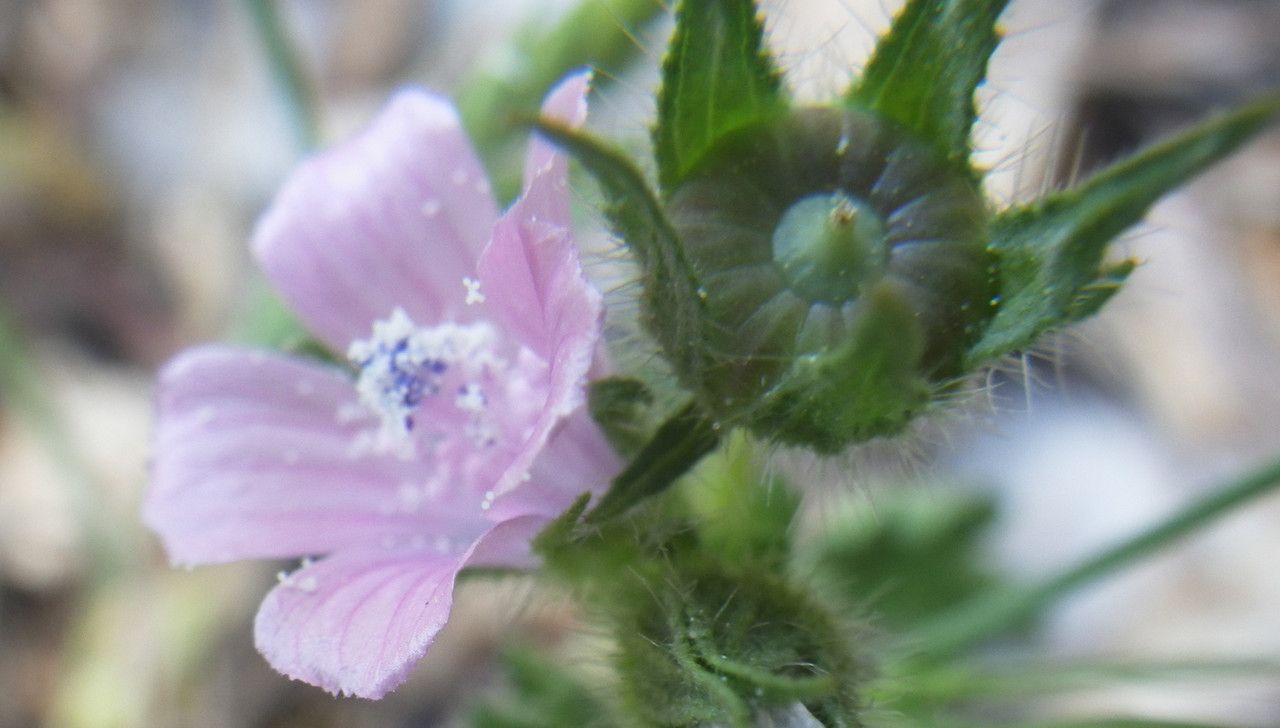
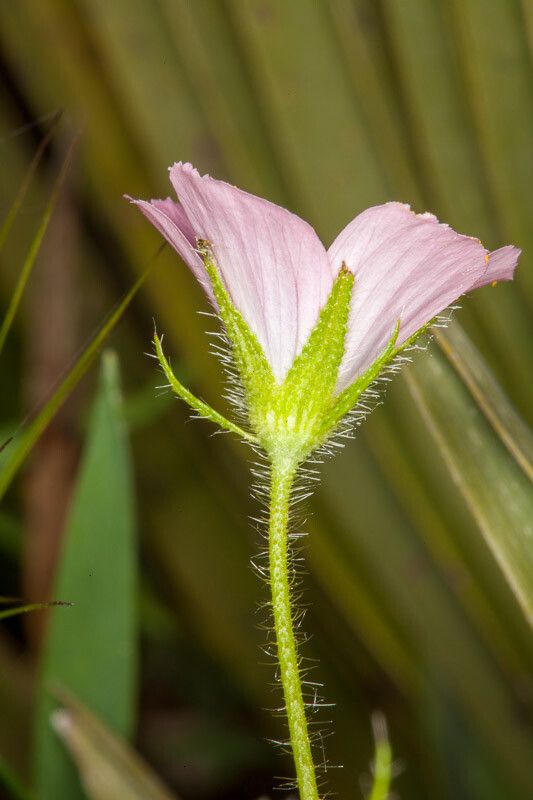
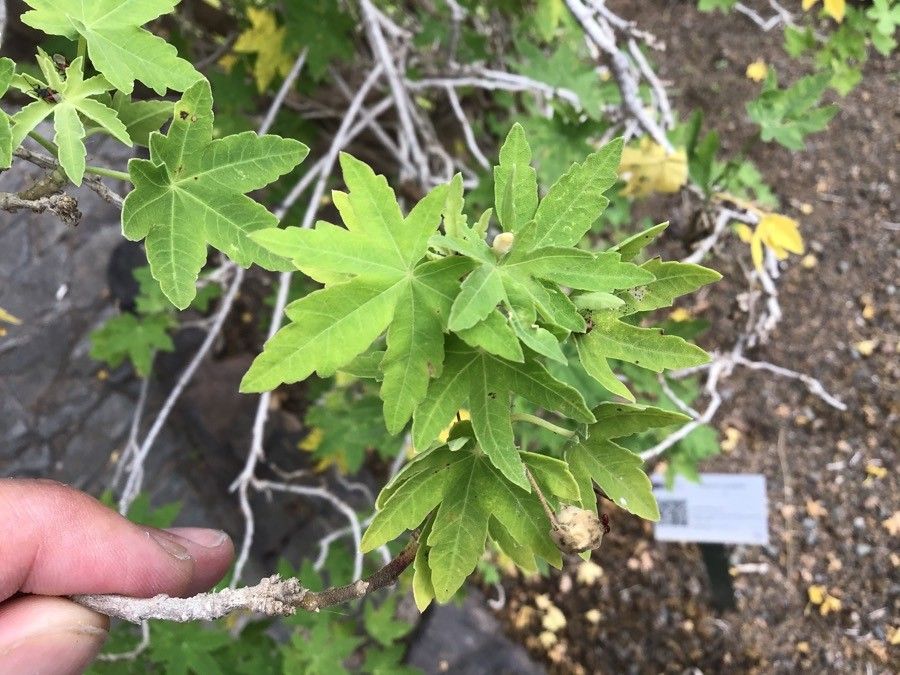
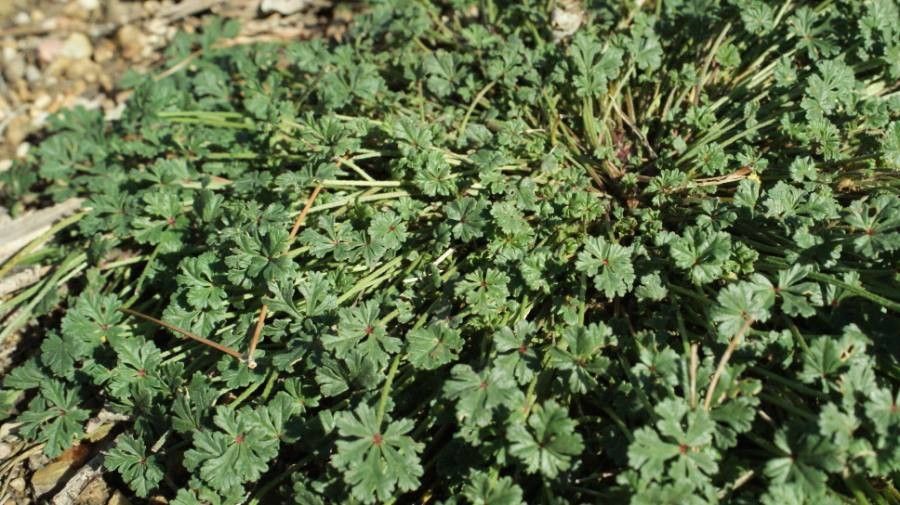
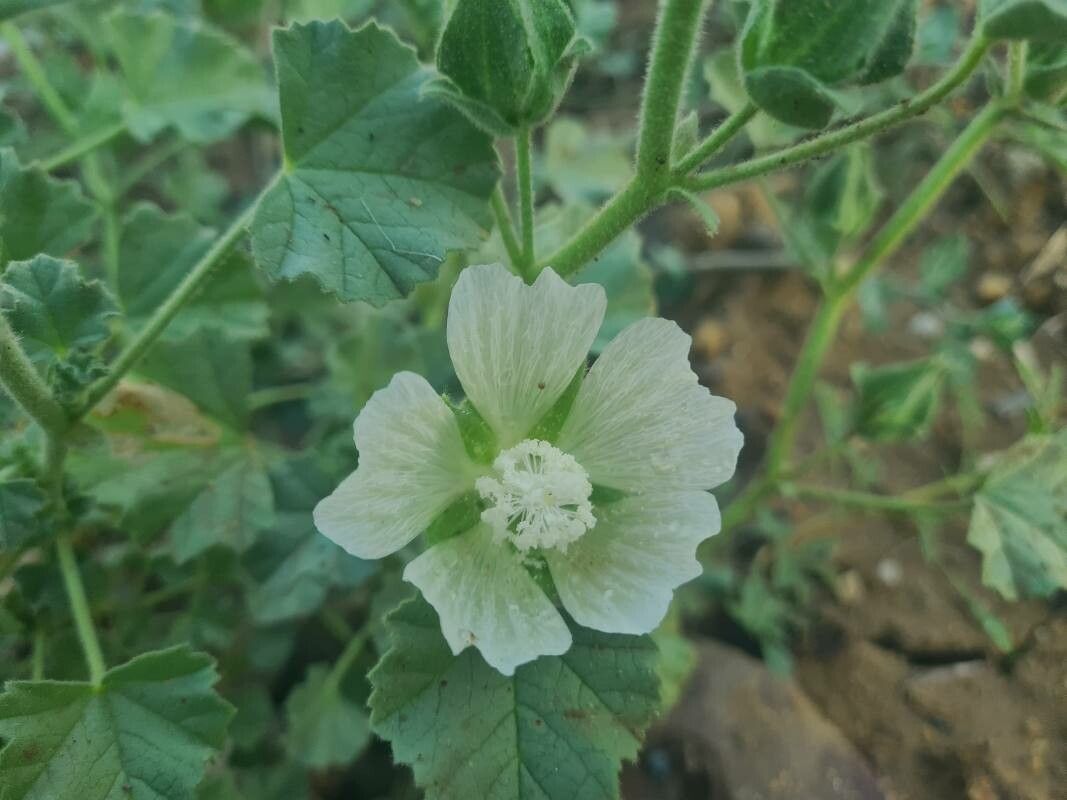
Malva cretica is a species of flowering plant in the family Malvaceae, native to Tunisia, Sardinia, Corsica, Sicily, Italy, Albania, Greece, the eastern Aegean Islands, Crete, Cyprus, and Turkey, and introduced to France. There may be a subspecies, Malva cretica subsp. althaeoides, present in Spain.
Cretan mallow is fairly disease-resistant and usually not prone to illnesses. However, it can be affected by pests and diseases present in its environment. These problems are typically mild. Regarding care, the plant requires moderate maintenance. It should be pruned regularly to keep a neat appearance and healthy growth. Fertilizing can also help encourage flowering. Cretan mallow is suitable for anyone with outdoor space, such as a garden or patio, and does not require extensive gardening experience. It may need more attention when grown indoors.
How to keep Malva Cretica.
Light
Cretan mallow comes from bright, open habitats and flourishes in full sun. It will tolerate partial sun but favors direct sunlight for optimal growth. This plant, which can be annual or biennial, is noted for its sun-loving character.
Water
The Cretan mallow is drought-tolerant once it is established. In the first year, water it weekly. After that, water it every 10 to 14 days. During its growth and flowering periods, if the rainfall is less than 1 inch (2.54 cm) per week, you should water it as well. Providing more water will result in lusher leaves.
Temperature
Cretan mallow can tolerate a wide range of temperatures, but its distribution may still be restricted by different combinations of moisture and heat. It performs best in warm summer climates with sufficient rainfall or watering. Extended periods of cloudy, rainy weather and prolonged high temperatures can increase the chance of the plant dying. In winter, proper protection from cold can improve its survival chances.
Fertilizer
Cretan mallow does well with regular, low-strength fertilizer applications to encourage healthy leaf growth. Apply fertilizer roughly once a month during the summer. Nitrogen is important for foliage, and providing nitrogen-rich inputs helps Cretan mallow thrive.
Pruning
Cretan mallow is a resilient perennial plant characterized by its lobed leaves and delicate flowers. To encourage growth and maintain its shape, it is best to prune in early spring. Be careful to avoid heavy pruning, as this can stress the plant. Regular trimming helps improve air circulation, which reduces the risk of disease and promotes overall plant health. For detailed pruning methods, refer to gardening guides.
Botanical profile.
- Plant Type
- Herb
- Life Cycle
- Annual, Perennial
- Genus
- Malva
- Family
- Malvaceae
- Hardiness Zone
- 8-10
- Mature Height
- 30 cm to 61 cm
- Mature Spread
- 20 cm to 40 cm
- Leaf Color
- Green
- Leaf Type
- Deciduous
- Flower Color
- Pink
- Flower Size
- 2.03 cm to 3.05 cm
- Bloom Time
- Mid spring, Late spring, Early summer
- Planting Time
- Autumn
- Harvest Time
- Summer
Other names.