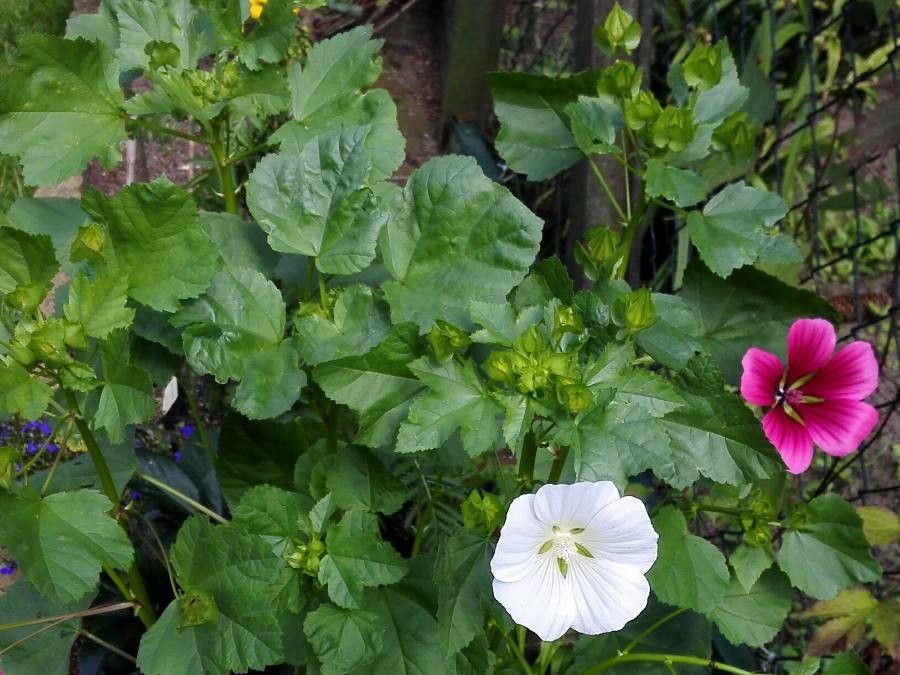
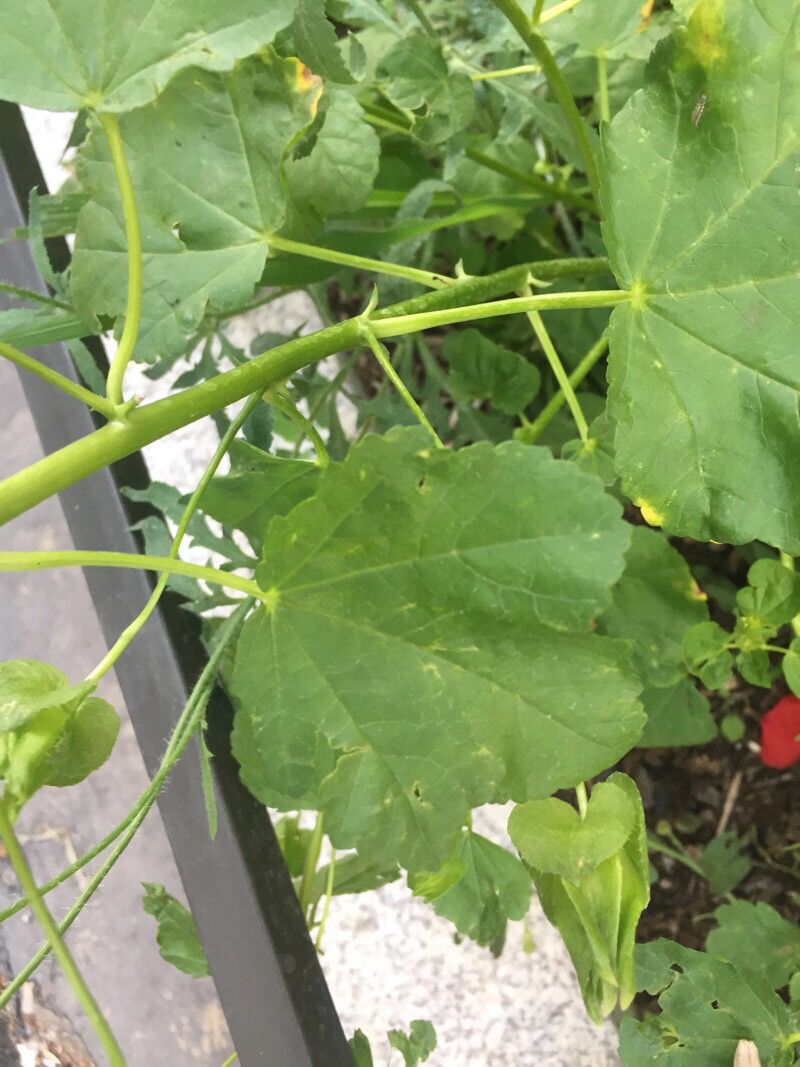
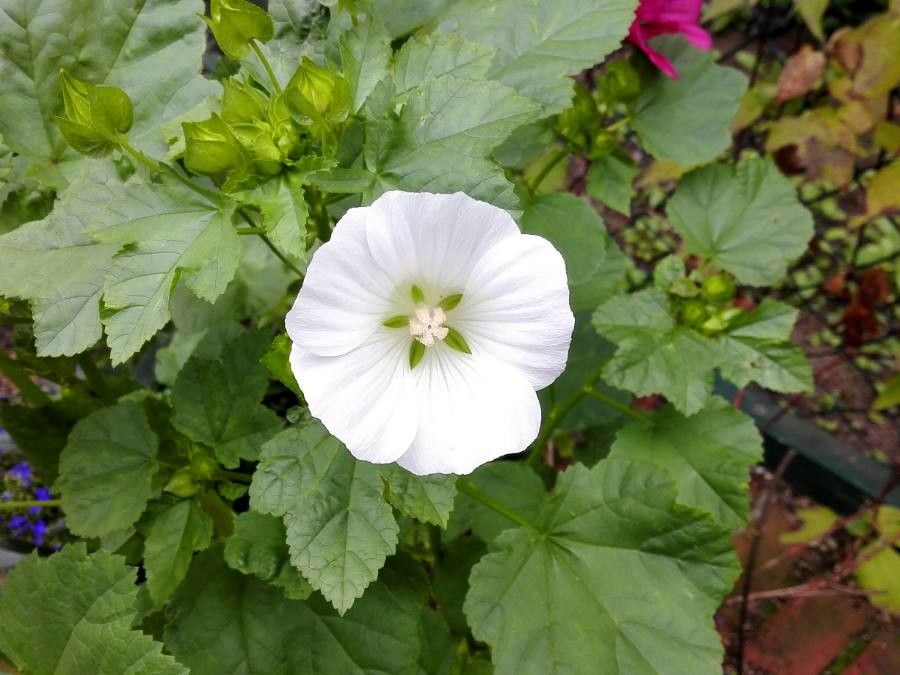
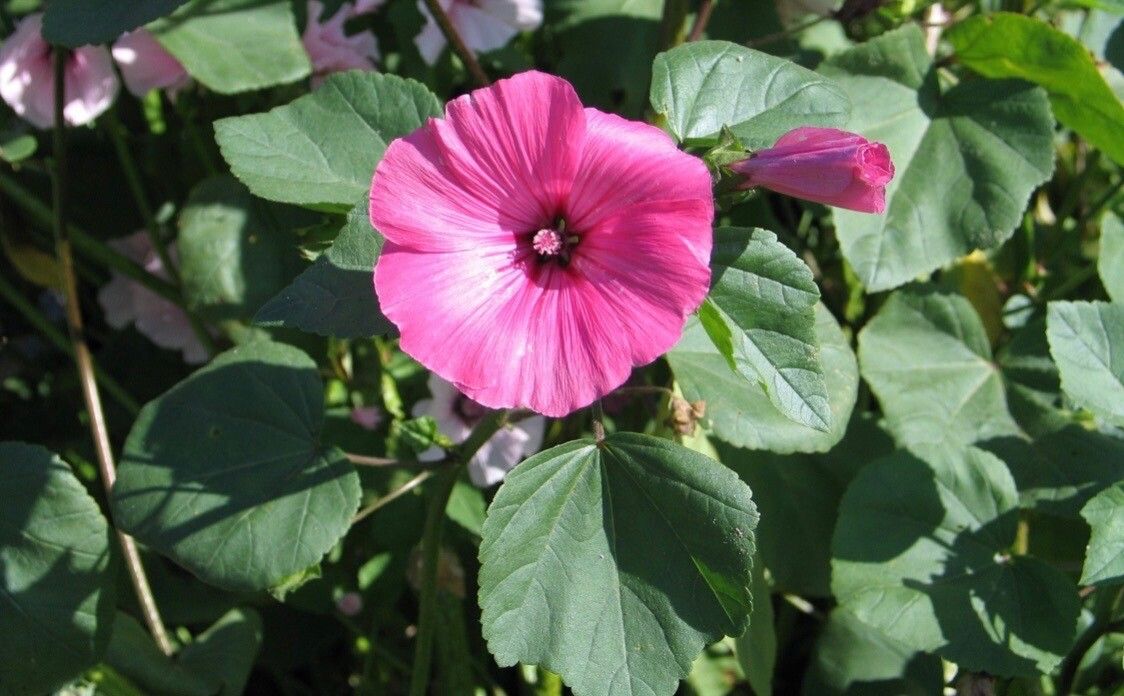
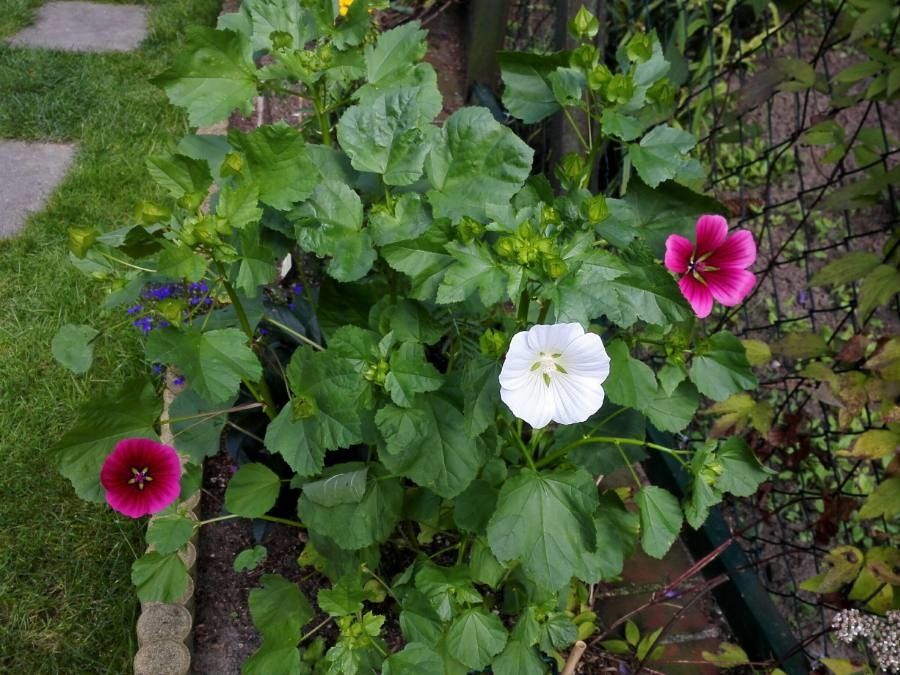
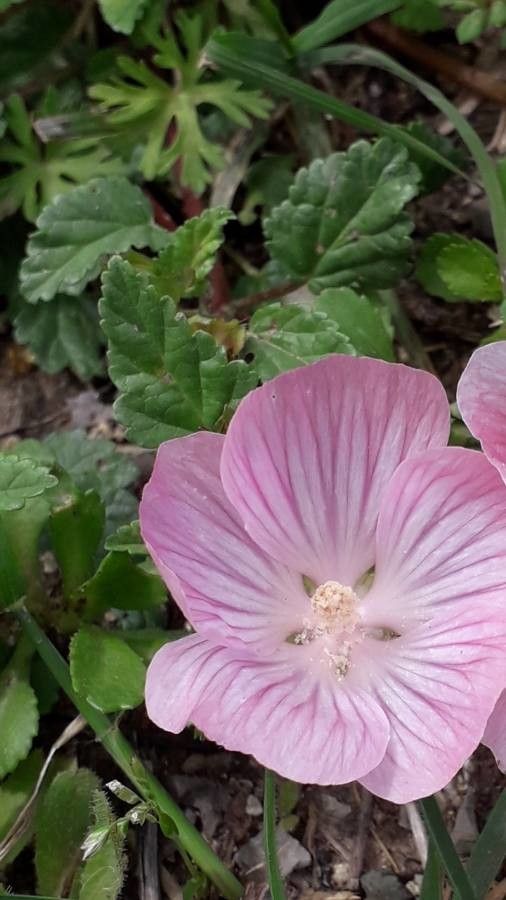
Malope trifida (mallow-wort, annual malope, maloppi, purple Spanish mallow; syn. Malope ciliata F.G. Dietr., Malope grandiflora F.G.Dietr., Malope malacoides var trifida (Cav.) Samp.) is a species of Malope native to the Western Mediterranean Region. This plant is often used as an ornamental plant.
Mallow-wort has strong disease resistance and is generally not susceptible to illnesses. That said, it can be vulnerable to pests and diseases found in its surroundings, though such infections are usually mild. Care-wise, the plant needs a moderate level of maintenance. It should be pruned regularly to keep a neat appearance and encourage healthy growth. Fertilizing can also help stimulate flowering. Mallow-wort is appropriate for anyone with outdoor space, like a garden or patio, and does not require extensive gardening experience. It may demand more attention when grown indoors.
How to keep Malope Trifida.
Light
Mallow-wort comes from sunny, open habitats and does best in full sun. While it can tolerate some partial shade, it favors direct sunlight for optimal growth. This plant, which can be annual or biennial, is noted for its sun-loving habit.
Water
Mallow-wort thrives with consistent moisture, although it can withstand brief dry periods. It's best to water the plant weekly to keep the soil moist, but be careful not to overwater. Indoors, higher humidity levels are beneficial for mallow-wort. During the active growing season, proper watering is crucial to support lush foliage and vibrant blooms.
Temperature
Mallow-wort can tolerate a broad range of temperatures, but its range may still be constrained by different combinations of moisture and heat. It does best in warm summer climates with sufficient rainfall or regular watering. Extended stretches of cloudy, rainy weather or prolonged high temperatures can raise the risk of Mallow-wort dying. In winter, providing adequate protection from cold can increase the plant's chances of survival.
Fertilizer
When most of Mallow-wort's flowers have opened to their full size, resume fertilizing. At the time of peak bloom, feed about once every three to four weeks, as weather permits. Then, when Mallow-wort begins producing fewer new blooms, stop fertilizing; there's no need to feed the plant when it can no longer produce more blooms.
Pruning
Mallow-wort is a fast-growing flowering plant known for its vibrant blooms. To promote growth and flowering, it is best to prune the plant from early to late spring. Additionally, trimming dead branches can increase the plant's vigor. Thinning the plant helps improve air circulation, reduces the risk of disease, and enhances its overall aesthetic by shaping it nicely.
Botanical profile.
- Plant Type
- Herb
- Life Cycle
- Annual, Biennial
- Genus
- Malope
- Family
- Malvaceae
- Hardiness Zone
- 7-10
- Mature Height
- 91 cm
- Mature Spread
- 46 cm
- Leaf Color
- Green
- Leaf Type
- Evergreen
- Flower Color
- Pink
- Flower Size
- 2.54 cm to 7.62 cm
- Bloom Time
- Summer, Early fall
- Planting Time
- Spring, Summer
- Harvest Time
- Late summer, Fall
- Native Area
- Morocco, Algeria
Other names.