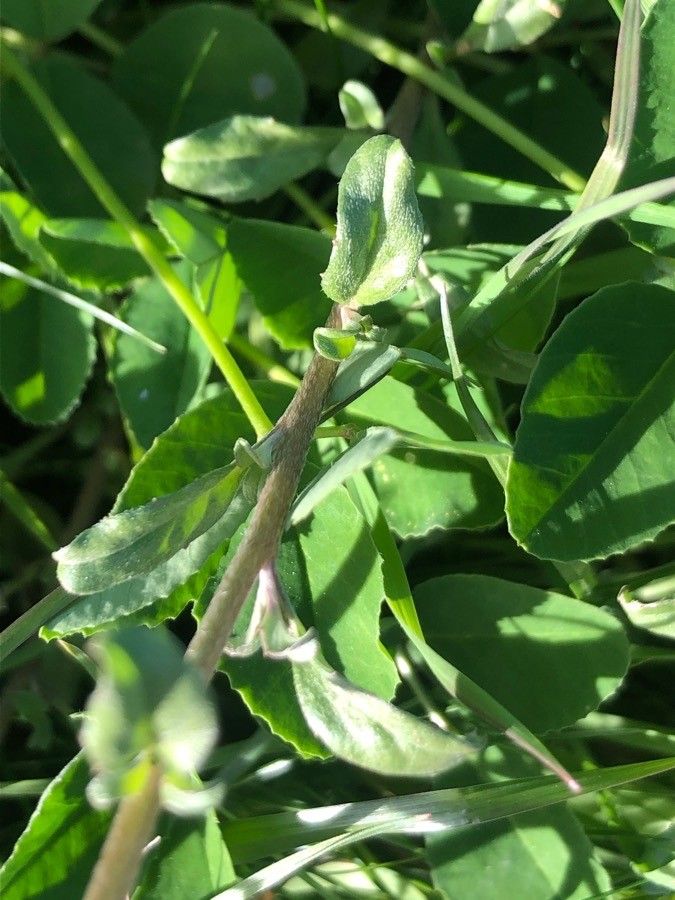
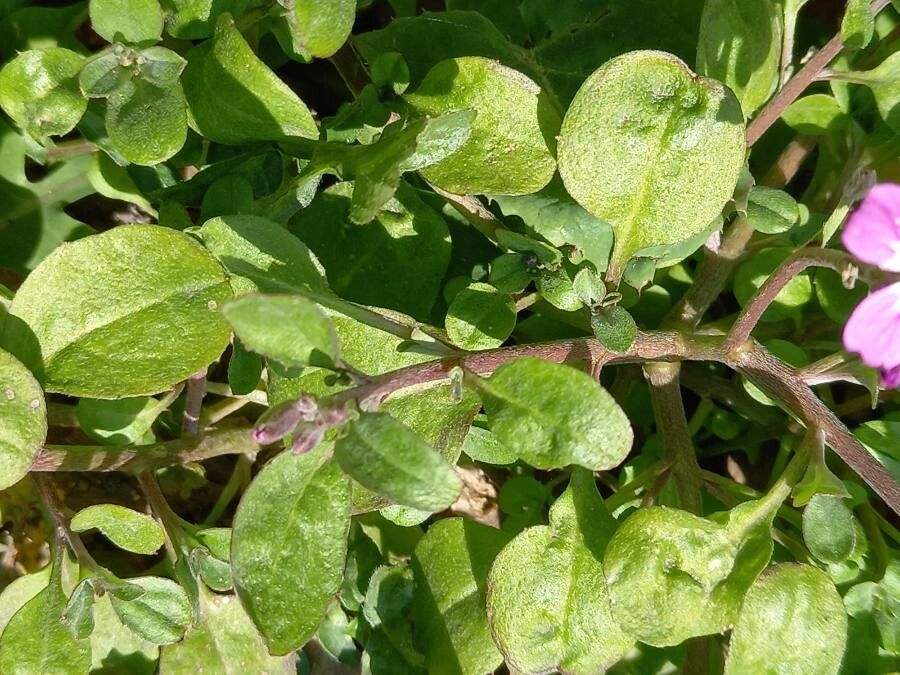
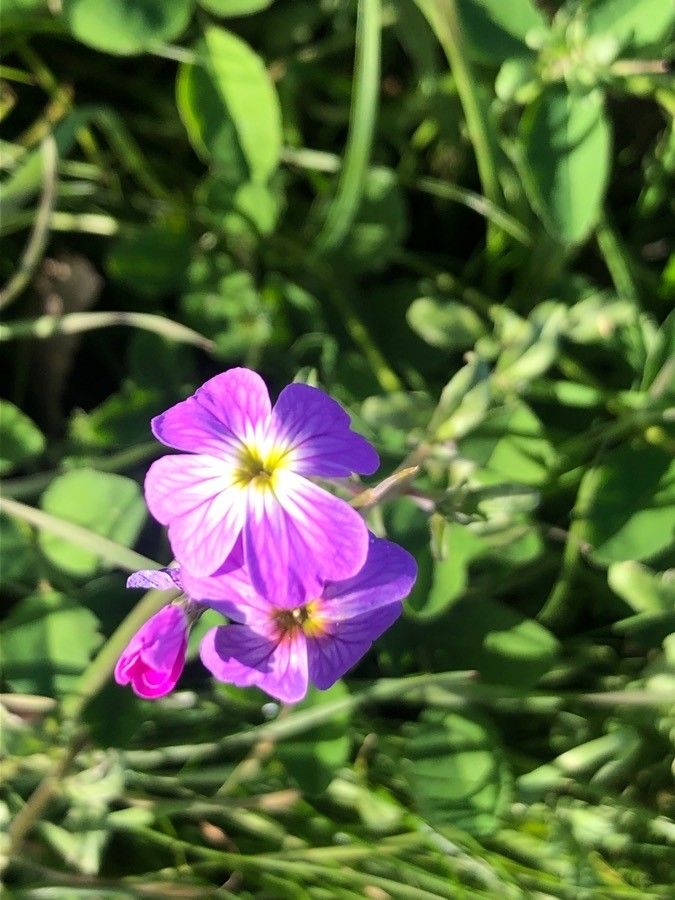
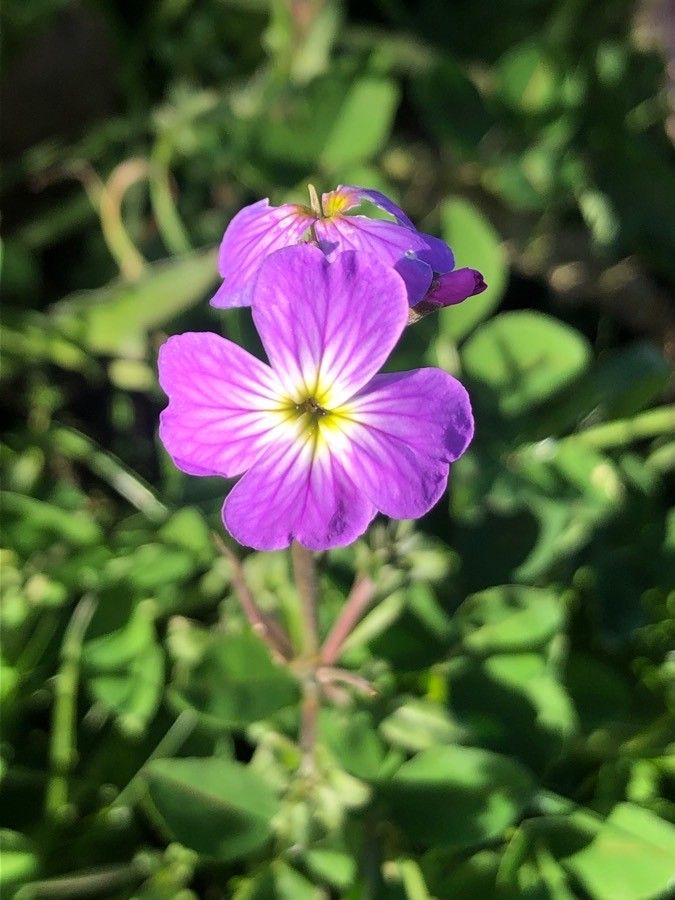
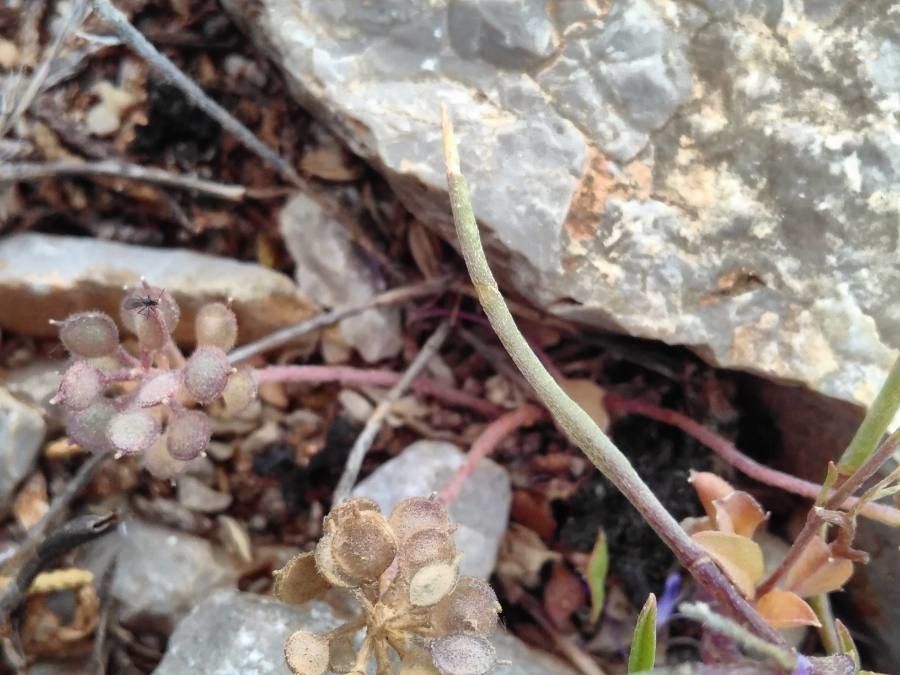
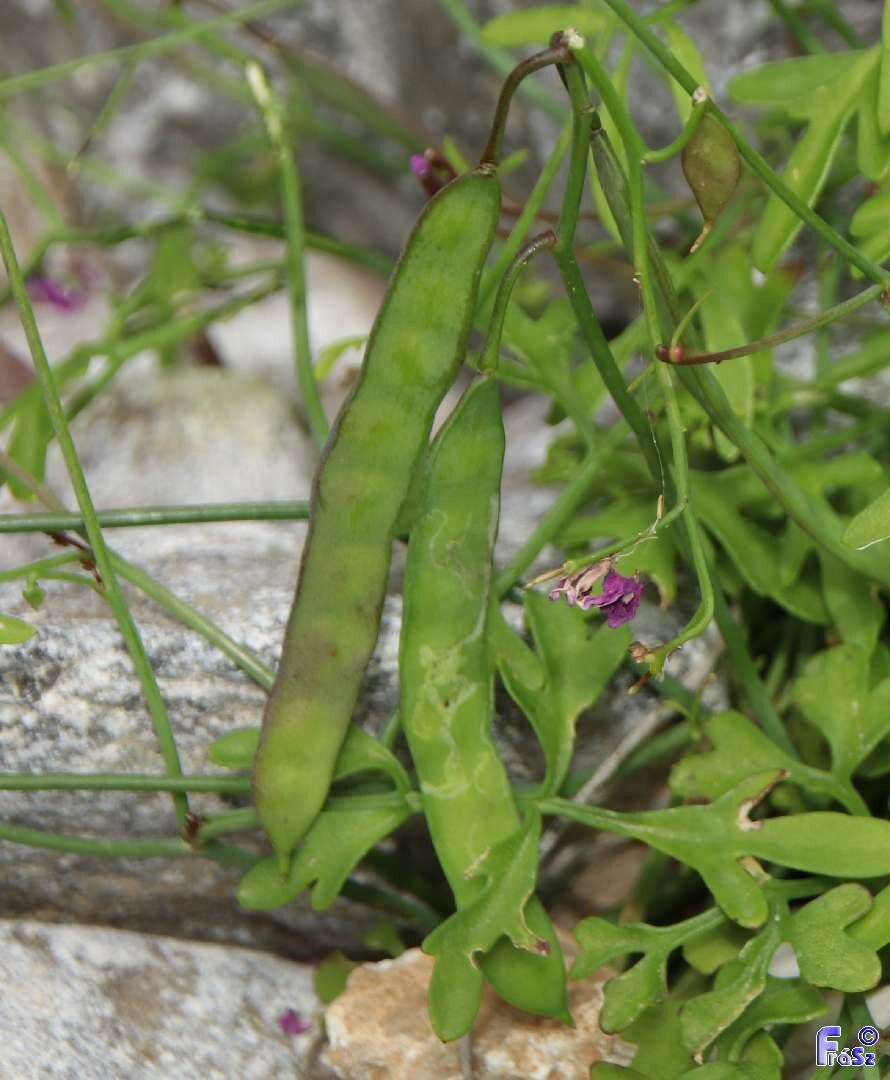
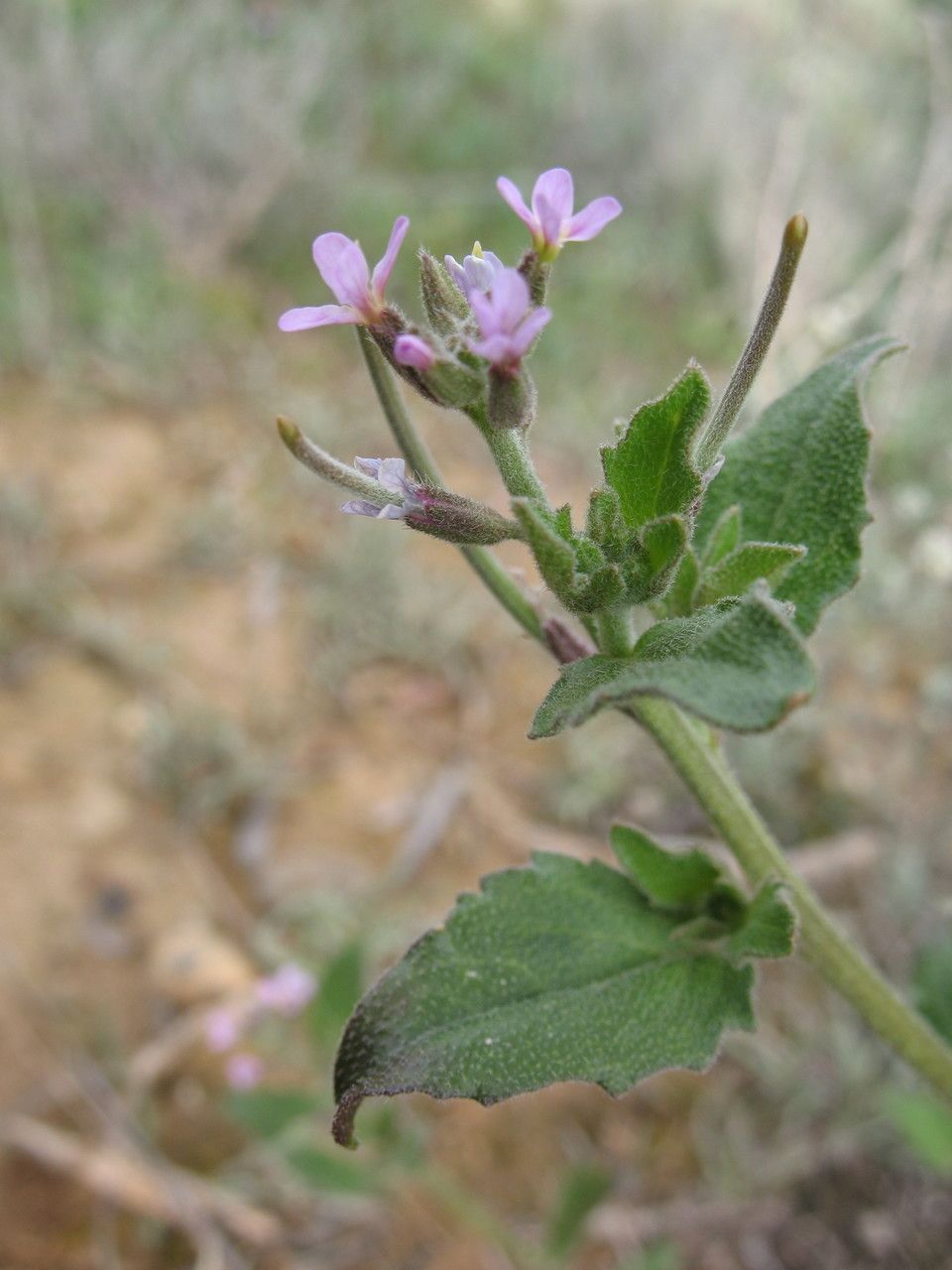
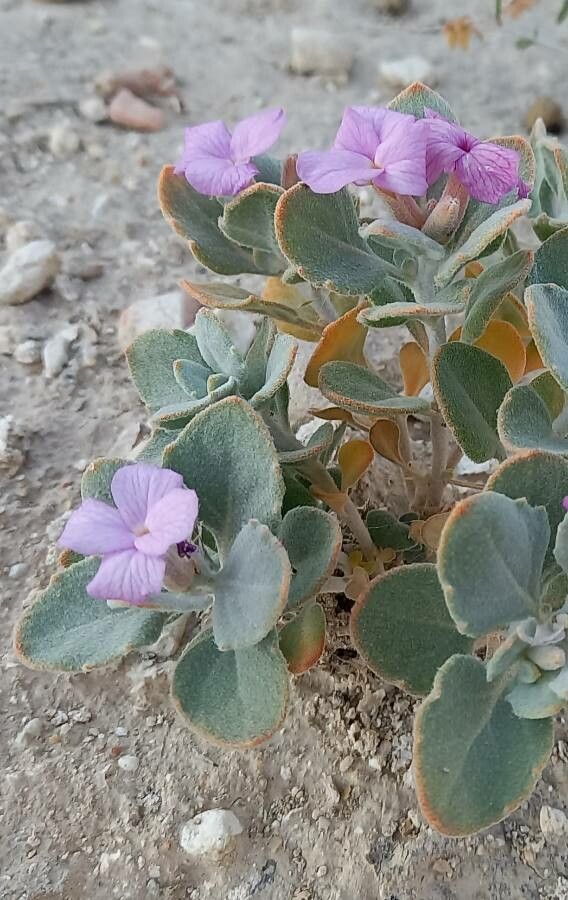
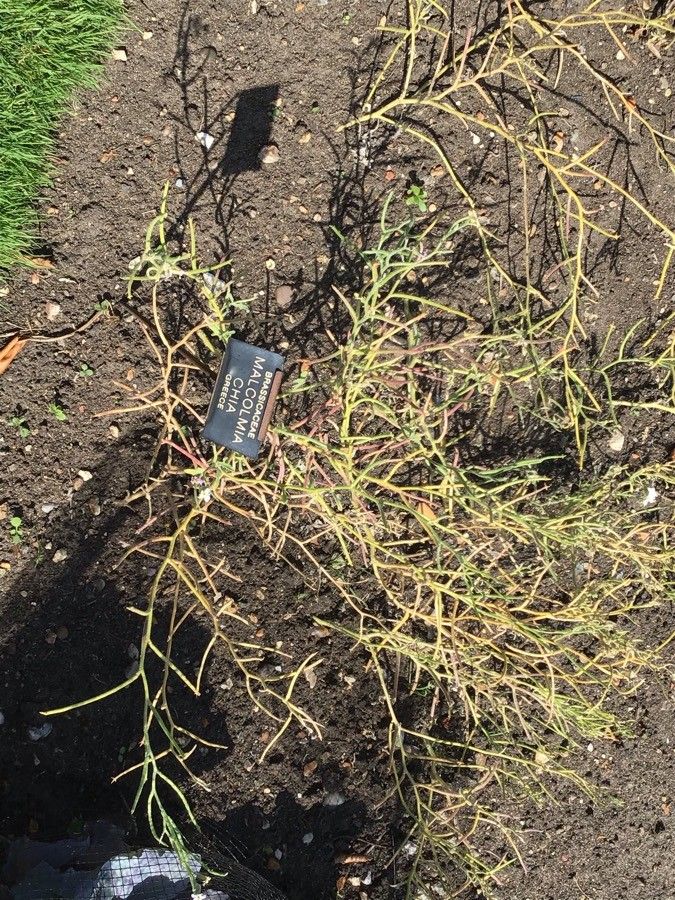
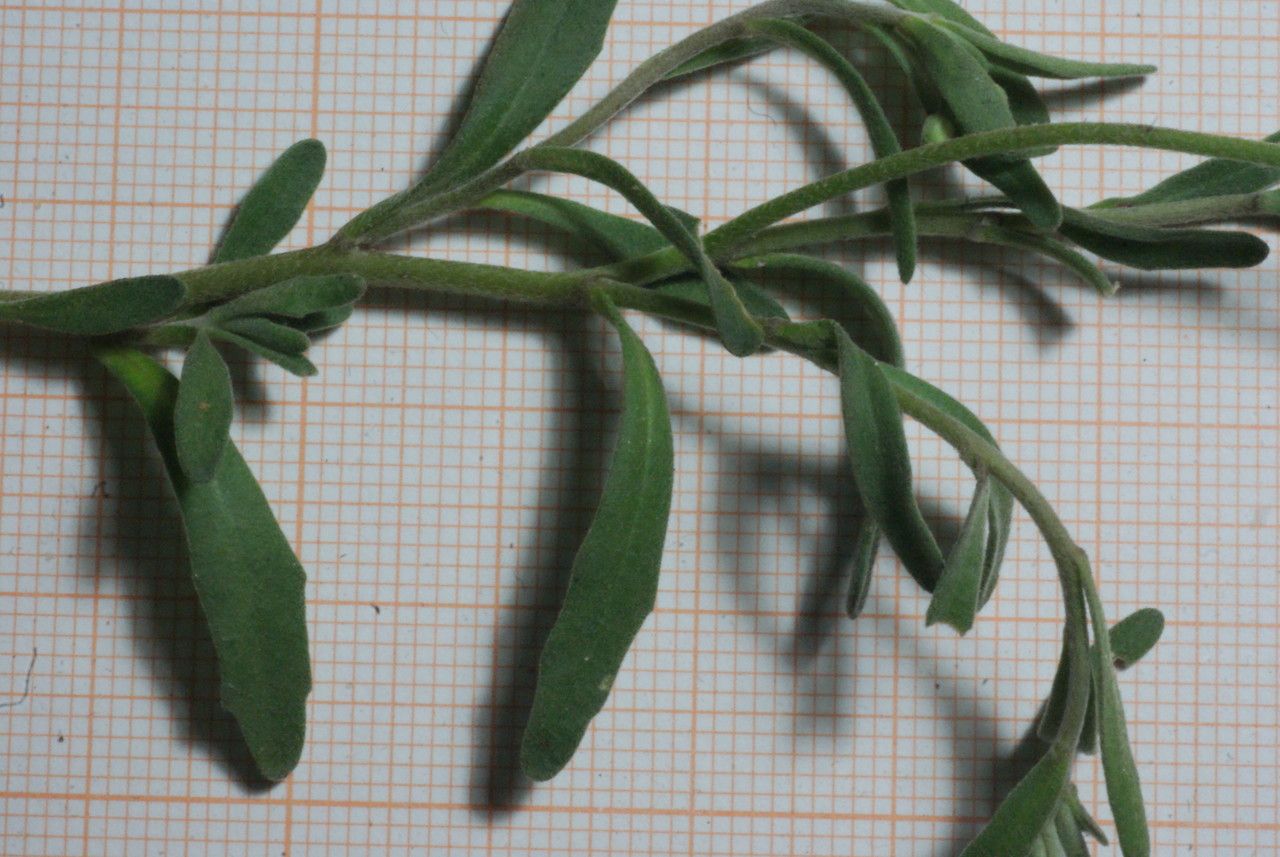
Malcolmia maritima, commonly known as Virginia stock or seaside stock, is a flowering plant belonging to the Brassicaceae family. Native to the Mediterranean region, it has since been introduced and naturalized in many areas around the world. The plant typically grows up to 30 cm tall and features narrow, gray-green leaves. Its small, fragrant flowers come in shades of white, pink, or purple, each with four petals.
Virginia stock is widely popular in gardens due to its charming flowers and ease of cultivation. It thrives best in well-drained soil with full sun exposure but can also tolerate partial shade. Blooming from spring through summer, the plant attracts bees and other pollinators.
Beyond its ornamental appeal, Virginia stock has been valued for its medicinal properties for centuries. It has been used for its anti-inflammatory benefits and was traditionally employed as a remedy for respiratory ailments such as coughs and colds.
Overall, Malcolmia maritima is not only an attractive addition to gardens but also a plant with historical medicinal uses.
Virginia stock has strong resistance to disease and is typically not vulnerable to illnesses. Still, it can be affected by pests and diseases present in its environment. Such infections tend to be mild. Regarding maintenance, this plant needs a moderate level of care. It should be pruned regularly to preserve an attractive appearance and support healthy growth. Applying fertilizer can also encourage more blooms. Virginia stock is appropriate for anyone with outdoor areas like a garden or a patio and does not demand extensive care experience. When grown indoors, however, it may need more attentive care.
How to keep Malcolmia Maritima.
Light
Virginia stock requires a consistent stream of sunlight for optimal growth. When it first appears in a setting with clear skies, it needs strong sun exposure. It can also survive in locations with somewhat less sunlight, though this may slow its growth. Excessive light or insufficient light can damage the plant, resulting in slowed growth or death.
Water
Originating from the Mediterranean, Virginia stock thrives in well-drained soils and prefers moderate, consistent watering, ideally on a weekly basis. Although it tolerates short dry periods, this plant is often found in rock gardens, where it efficiently utilizes water to promote vibrant flowering during its growing season.
Temperature
Virginia stock is native to temperate areas and requires temperatures of 68 to 95°F (20 to 35°C) for best growth. During cooler periods, consider supplying extra warmth to keep the plant within its needed temperature range.
Fertilizer
When most of the Virginia stock's blooms have opened to full size, it's time to resume fertilizing. Around the time the blooms are at peak output, apply fertilizer again every three to four weeks, as weather permits. Then, once the Virginia stock begins to produce fewer new blooms, stop fertilizing; there is no need to feed the plant when it can no longer produce more blooms.
Pruning
Virginia stock is a compact plant known for its vibrant and fragrant flowers. To encourage new growth and prolong blooming, prune the plant in the spring. Deadheading the flowers prevents self-seeding. Remember to use clean tools when pruning to maintain the plant's health. Additionally, watering consistently after pruning helps the plant recover, improves air circulation, and reduces the risk of pests.
Botanical profile.
- Plant Type
- Herb
- Life Cycle
- Annual, Biennial, Perennial
- Genus
- Malcolmia
- Family
- Brassicaceae
- Hardiness Zone
- 3-9
- Mature Height
- 15 cm to 25 cm
- Mature Spread
- 15 cm
- Leaf Color
- Green, Gray, Silver
- Leaf Type
- Semi-evergreen
- Flower Color
- Lavender, Pink, White
- Flower Size
- 2.54 cm
- Bloom Time
- Spring, Summer
- Planting Time
- Spring, Summer
- Harvest Time
- Summer, Early fall, Mid fall
- Native Area
- Iraq, Syria, Italy, Albania, Greece, Croatia, Lebanon
Other names.
Reader questions.
What are the sunlight requirements for Virginia stock?
Virginia stock (Malcolmia maritima) thrives best when exposed to full sun, which means it requires more than 6 hours of sunlight daily. It can also tolerate partial sun conditions, receiving about 3-6 hours of sunlight. For its optimum growth and development, a steady beam of intense sun exposure is necessary. Although it can survive with lesser sunlight, its growth may be slower. It's essential to observe how sunlight moves through your garden and select planting spots that ensure an adequate balance of light and shade for the health of your plants.
What is Virginia Stock and where is it indigenous to?
Virginia stock, known botanically as Malcolmia maritima, is indigenous to regions with temperate climates. It flourishes in temperatures ranging from 68 to 95°F (20 to 35°C), making these conditions optimal for its growth. However, it is important to note that Virginia stock possesses strong resistance to cold, thereby not requiring special frost protection in most cases.
How does artificial lighting support Virginia stock growth indoors?
Indoor plants, including Virginia stock, require adequate lighting for optimal growth, especially when natural sunlight is insufficient, like during winter or in less sunny spaces. Artificial lights, such as LED lights, are essential as they can be customized to provide specific wavelengths needed by plants. For full sun plants, 30-50W per square foot is recommended, for partial sun plants 20-30W per square foot, and for full shade plants 10-20W per square foot. The light source should be placed 12-36 inches above the plant to mimic natural sunlight and should remain on for 8-12 hours per day to emulate the natural daylight hours necessary for most plant species.
How to protect Virginia Stock during cold winters?
While Virginia stock is resistant to cold, in areas where winter temperatures are expected to fall below -35°C, it is crucial to provide cold protection. This can be accomplished by covering the plant with insulating materials such as soil or straw. Additionally, watering the plant abundantly before the first freeze of autumn ensures the soil remains moist and enters a frozen state, which helps prevent drought and water scarcity during the colder months.
What are the symptoms of improper sunlight exposure in Virginia stock?
Virginia stock may show several symptoms when it doesn't receive adequate sunlight. Symptoms of light deficiency include smaller new leaves, leggy or sparse growth, earlier leaf dropping to conserve resources, halted or no new growth indicating a survival mode due to poor light conditions, and irregular color patterns or pale leaves indicating a lack of chlorophyll. Conversely, symptoms of excessive sunlight include chlorosis (loss of leaf green color), sunscald (pale, bleached areas on leaves), leaf curling or twisting as a defense mechanism, wilting due to increased water loss, and leaf scorching characterized by brown, dry edges on leaves. These symptoms underline the importance of providing Virginia stock with the right amount of sunlight.
What are the symptoms of Virginia Stock in low temperatures?
Virginia stock thrives best when temperatures remain above 20°C and should be kept above 0°C during winters. If temperatures fall below -35°C, while no noticeable changes might occur during winter, a decrease in sprouting or even a lack of sprouting can be expected during spring. In such cases, removing any parts of the plant that have failed to sprout in spring is recommended.
What solutions can be applied to manage Virginia stock's sunlight exposure?
To manage Virginia stock's sunlight exposure, gradually move the plant to sunnier locations to ensure it receives at least 6 hours of direct sunlight daily. Utilize a south-facing window and keep curtains open for maximum exposure. For indoor plants that are large or not easily movable, consider supplementing with artificial light for at least 8 hours daily. Outdoors, avoid sudden changes in light exposure to prevent sunburn. If obstruction is an issue, prune trees or transplant smaller plants to sunnier spots with good drainage, especially during the plant's dormant period in late winter or early spring. Although parts of the plant damaged by insufficient sunlight may not recover, new growth will be healthy after increasing light exposure.
How does high temperature affect Virginia Stock and what are the solutions?
During the summer, it is essential to keep Virginia stock below 35°C. Exposure to temperatures exceeding 38°C may result in the plant's leaves becoming lighter in color, curling, becoming susceptible to sunburn, and, in severe cases, the entire plant may wilt and dry. To mitigate these effects, trim away the sunburned and dried-up parts. Moving the plant to a location that provides shade during the midday and afternoon sun, or using a shade cloth, can offer necessary protection. Additionally, watering the plant in the morning and evening can help keep the soil moist, further safeguarding the plant against extreme heat.