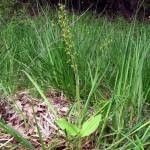
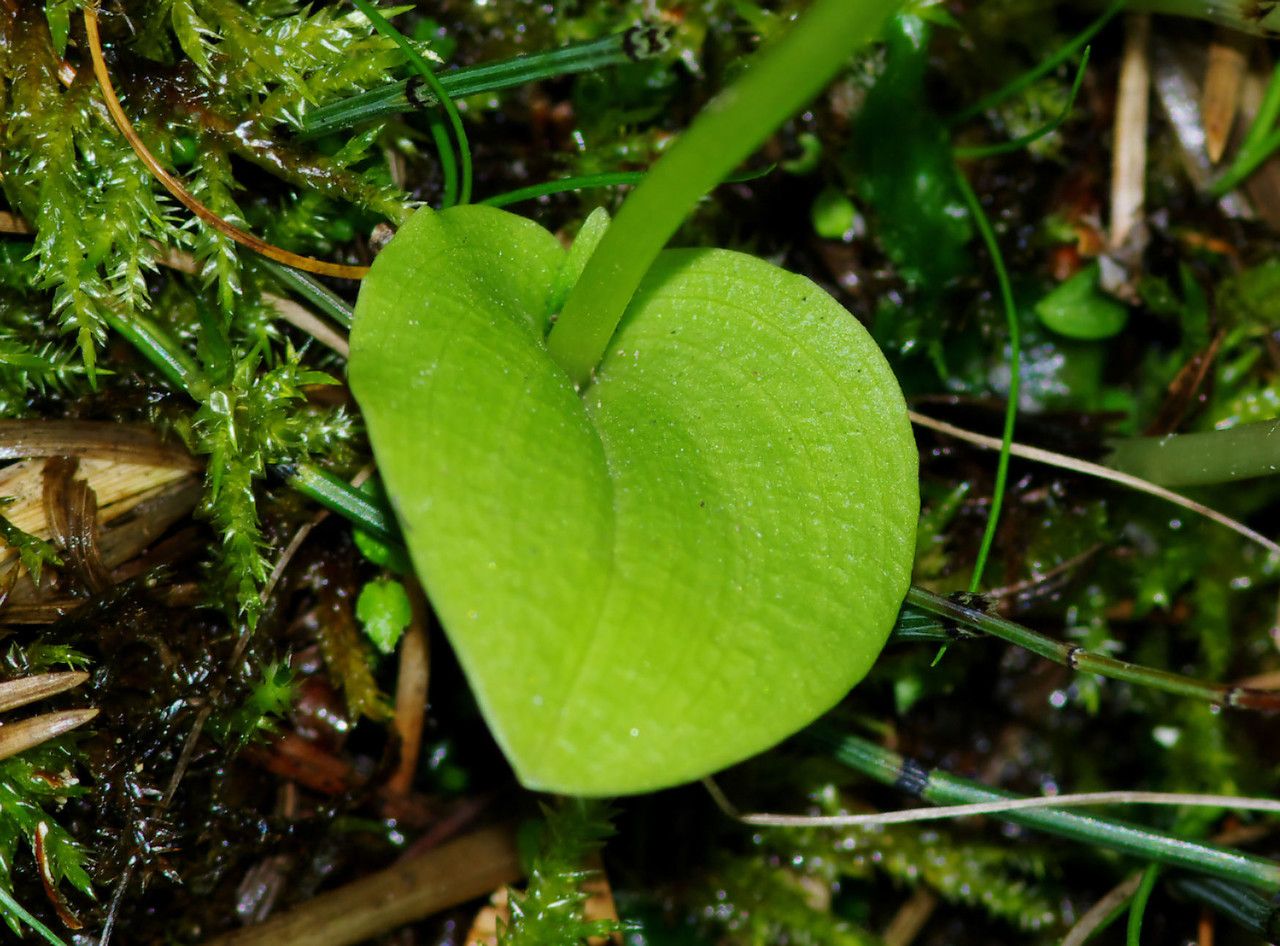
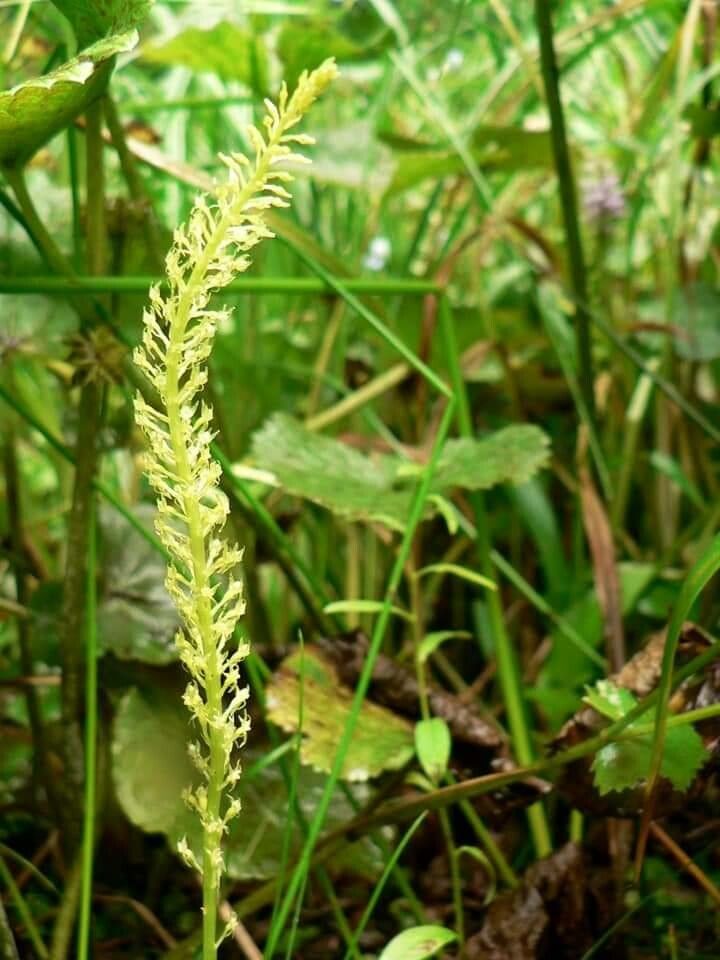
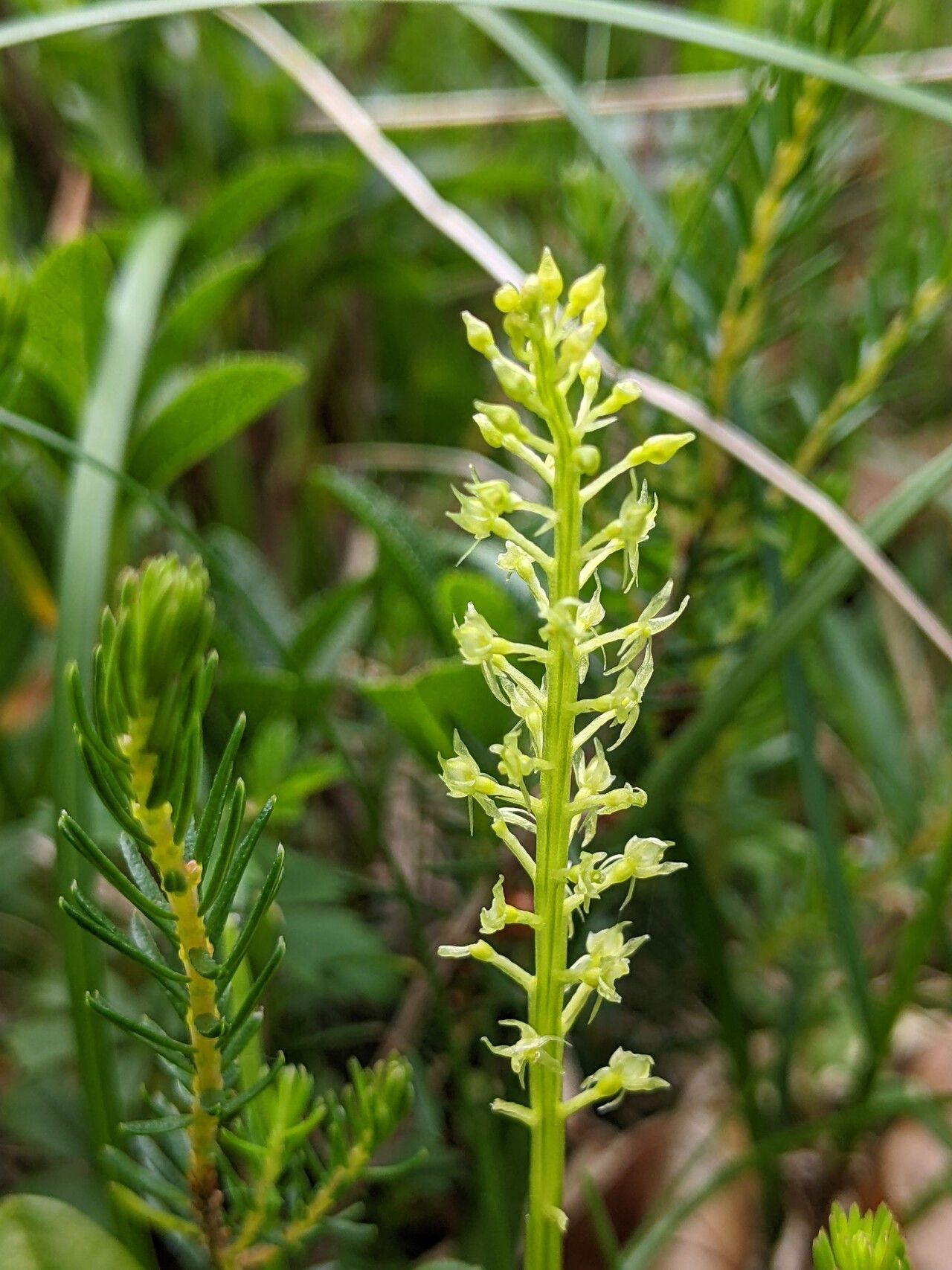
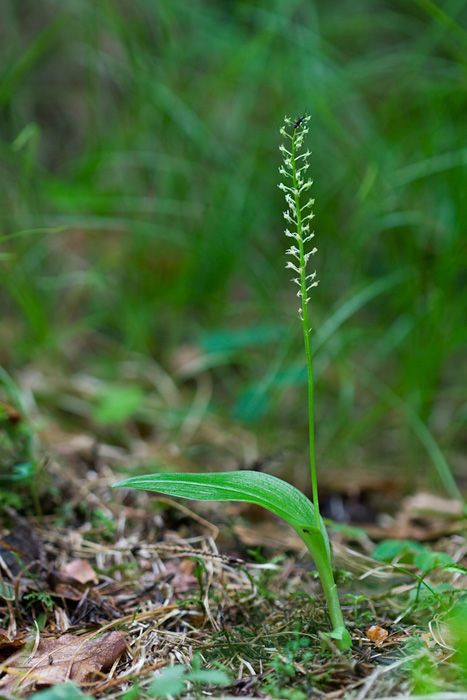
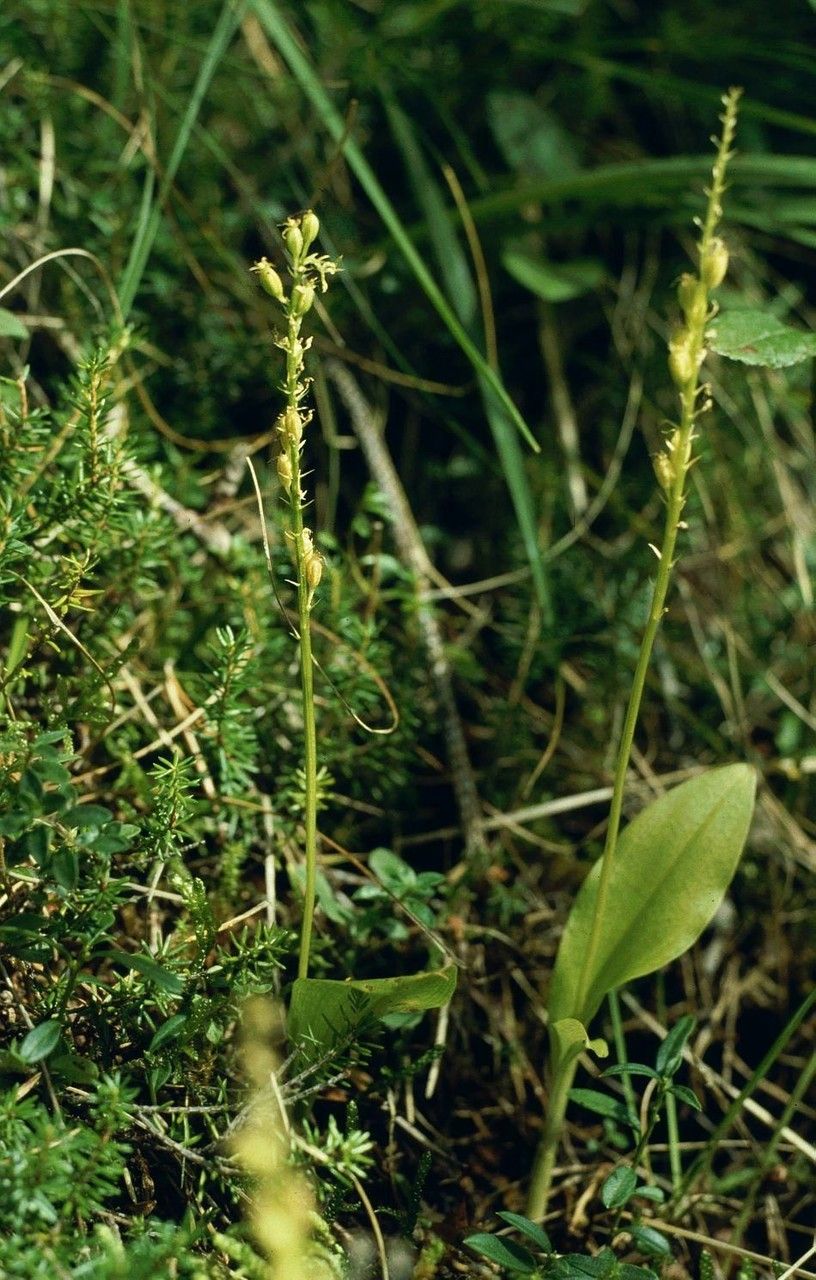
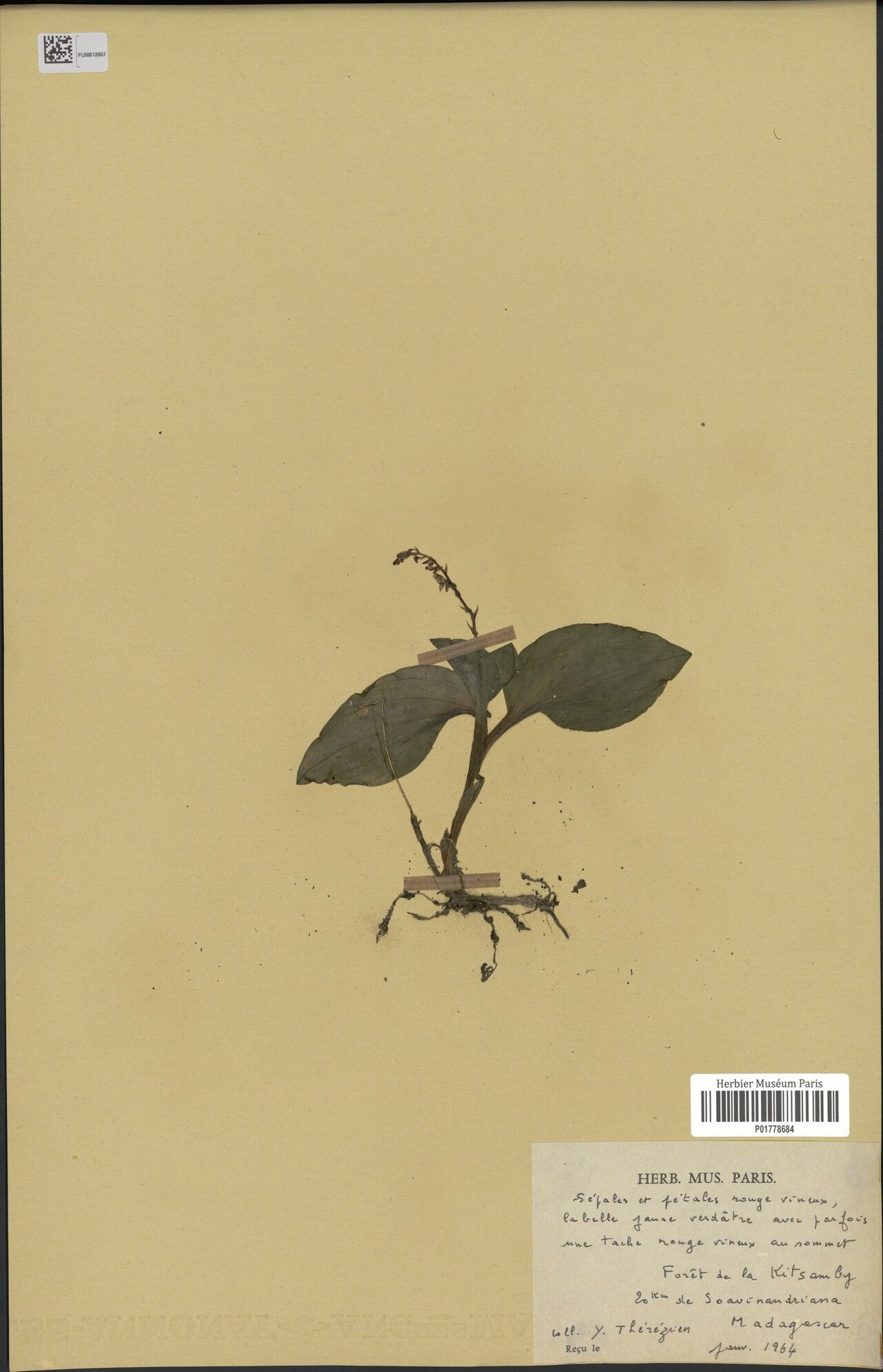
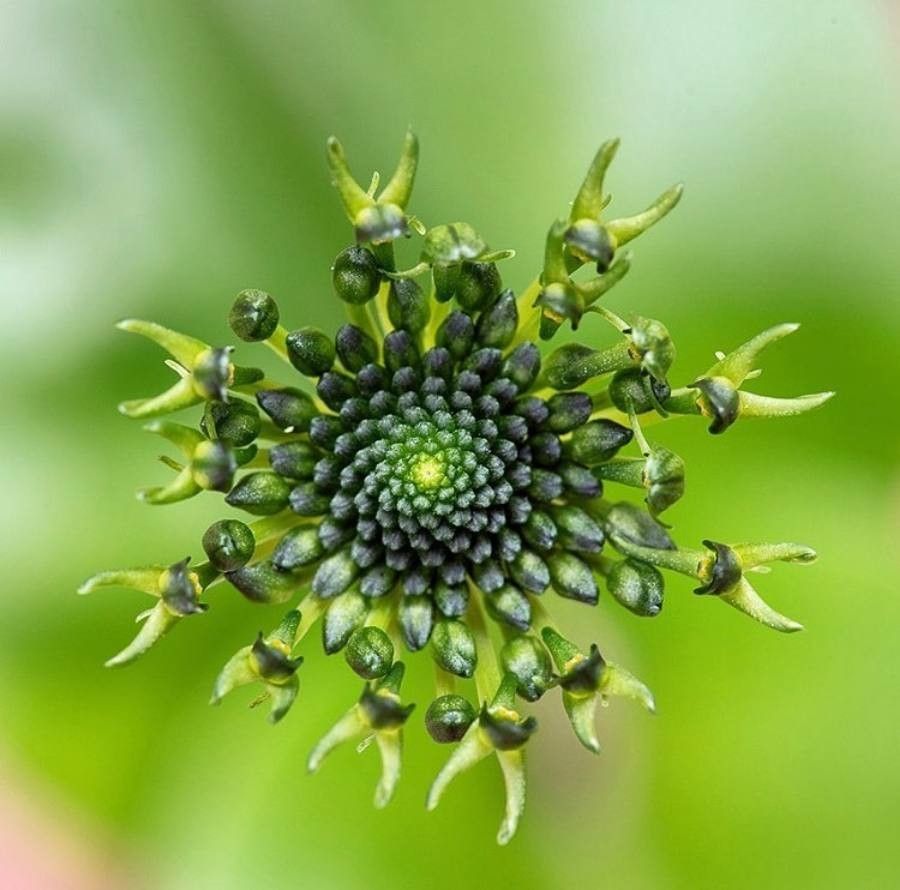
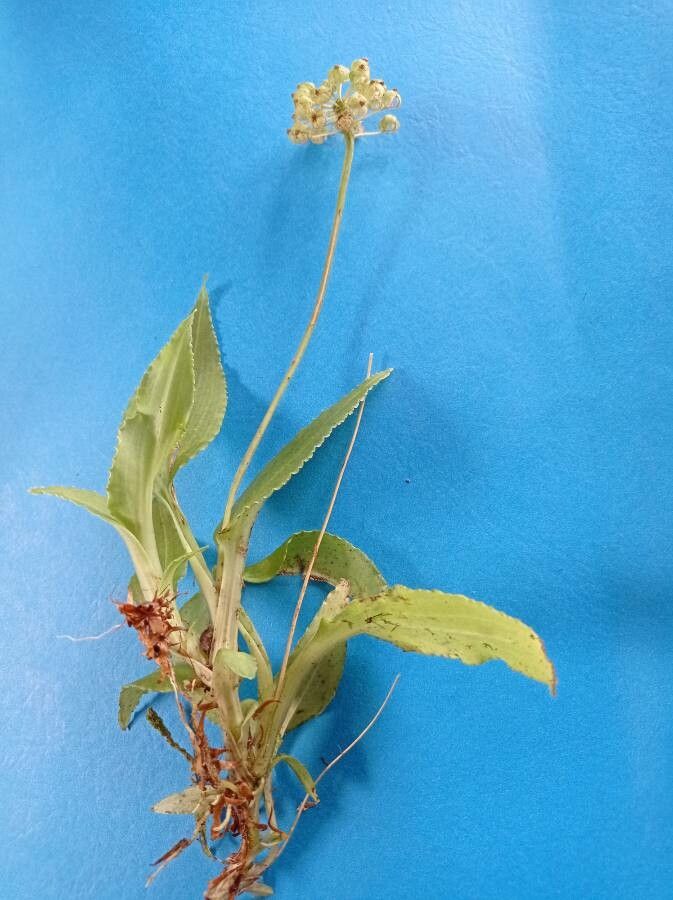
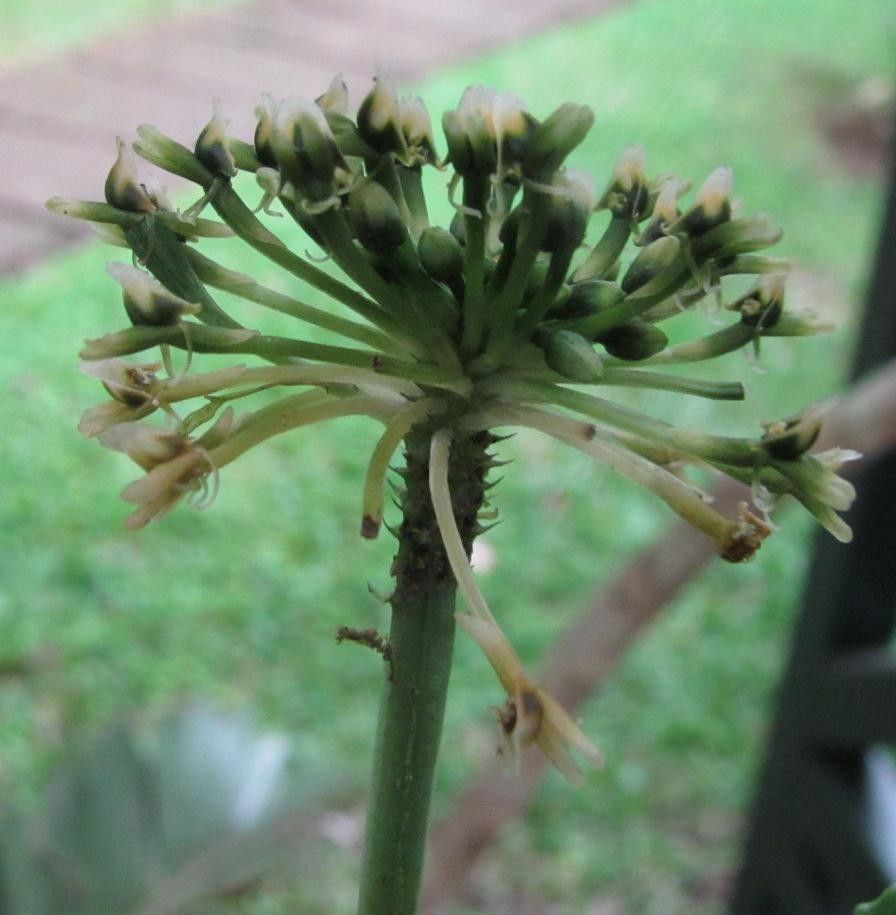
Malaxis monophyllos, the white adder's mouth, is a terrestrial species of orchid. It is widespread across much of Europe (Germany, Italy, Poland, Scandinavia, Ukraine, etc.), Asia (China, Japan, Russia, Nepal, Philippines, etc.), and much of southern Canada. In the United States, it grows mostly in southern Alaska, New England and the Great Lakes region, with isolated populations reported from Colorado and California.
The Aleutian adder's-mouth orchid typically has strong resistance to disease and encounters relatively few insect pests. Its care is considered difficult because it needs high humidity combined with good ventilation and a low presence of harmful pathogens. Overwatering can cause root rot. While anyone can grow the Aleutian adder's-mouth orchid, keeping it healthy and getting it to flower again demands more growing experience.
How to keep Malaxis Monophyllos.
Light
The Aleutian adder's-mouth orchid is native to habitats such as forest understories or rocky areas that offer natural shade. It prefers Full Shade but can tolerate Partial Sun.
Water
The Aleutian adder's-mouth orchid thrives in humid environments, preferring consistent moisture without becoming waterlogged. It has moderate drought tolerance but should be watered weekly to maintain adequate moisture, especially during its active growth season. This orchid is often grown indoors and is ideal for terrariums, where humidity can be easily controlled.
Temperature
The Aleutian adder's-mouth orchid is native to cold environments and prefers temperatures from 32 to 77 °F (0 to 25 °C). Seasonal adjustments to temperature may be necessary to replicate the plant's natural habitat conditions.
Fertilizer
The best time to fertilize an Aleutian adder's-mouth orchid is in early spring, as it emerges from dormancy and begins active growth. Fertilization supplies essential nutrients needed for healthy development. Although the Aleutian adder's-mouth orchid has relatively low fertilizer requirements, giving it fertilizer once a year can boost its survival and encourage better, longer-lasting blooms.
Pruning
The Aleutian adder's-mouth orchid flourishes in moist, shaded environments and is characterized by its slender stems and single leaves. To promote growth and blooming, perform light pruning in early spring and remove any dead foliage to improve air circulation. It is important to avoid heavy pruning, as maintaining the plant's vigor is crucial for enhancing flower production, which is essential for the orchid's reproduction.
Botanical profile.
- Plant Type
- Herb
- Life Cycle
- Perennial
- Genus
- Malaxis
- Family
- Orchidaceae
- Hardiness Zone
- 3
- Mature Height
- 10 cm to 25 cm
- Mature Spread
- 5 cm to 10 cm
- Leaf Color
- Light Green
- Leaf Type
- Deciduous
- Flower Color
- White, Yellow, Green
- Flower Size
- 0.51 cm
- Bloom Time
- Early summer, Mid summer
- Planting Time
- Spring, Summer
- Harvest Time
- Late summer, Early fall
- Native Area
- Nepal, Sweden, Austria, Czech Republic, Slovakia, Romania, Philippines, Poland, Slovenia, Croatia, Belarus, Ukraine, China, Russia, Lithuania, Norway, Hungary, Germany, Italy, Kazakhstan, Switzerland, Japan, Estonia, Mongolia, Finland, South Korea, Latvia
Other names.
Reader questions.
What are the sunlight requirements for the Aleutian adder's-mouth orchid?
The Aleutian adder's-mouth orchid, scientifically named Malaxis monophyllos, thrives under specific sunlight conditions. For 'Full shade', it requires less than 3 hours of sunlight daily. If the environment is categorized under 'Partial sun', it should receive about 3-6 hours of sunlight. It's important to observe the way sunlight passes through your garden throughout the day. Selecting the ideal location that offers a harmonious balance of light and shade ensures the plant's well-being and growth.
What is the native environment of the Aleutian adder's-mouth orchid?
The Aleutian adder's-mouth orchid, botanically known as Malaxis monophyllos, thrives in chilly environments. It prefers temperature ranges between 32 to 77 °F (0 to 25 °C). To mimic the plant's natural habitat conditions, seasonal adjustments in temperature may be necessary, ensuring the orchid can thrive in settings similar to its native surroundings.