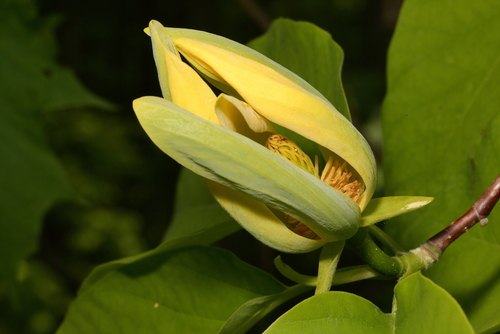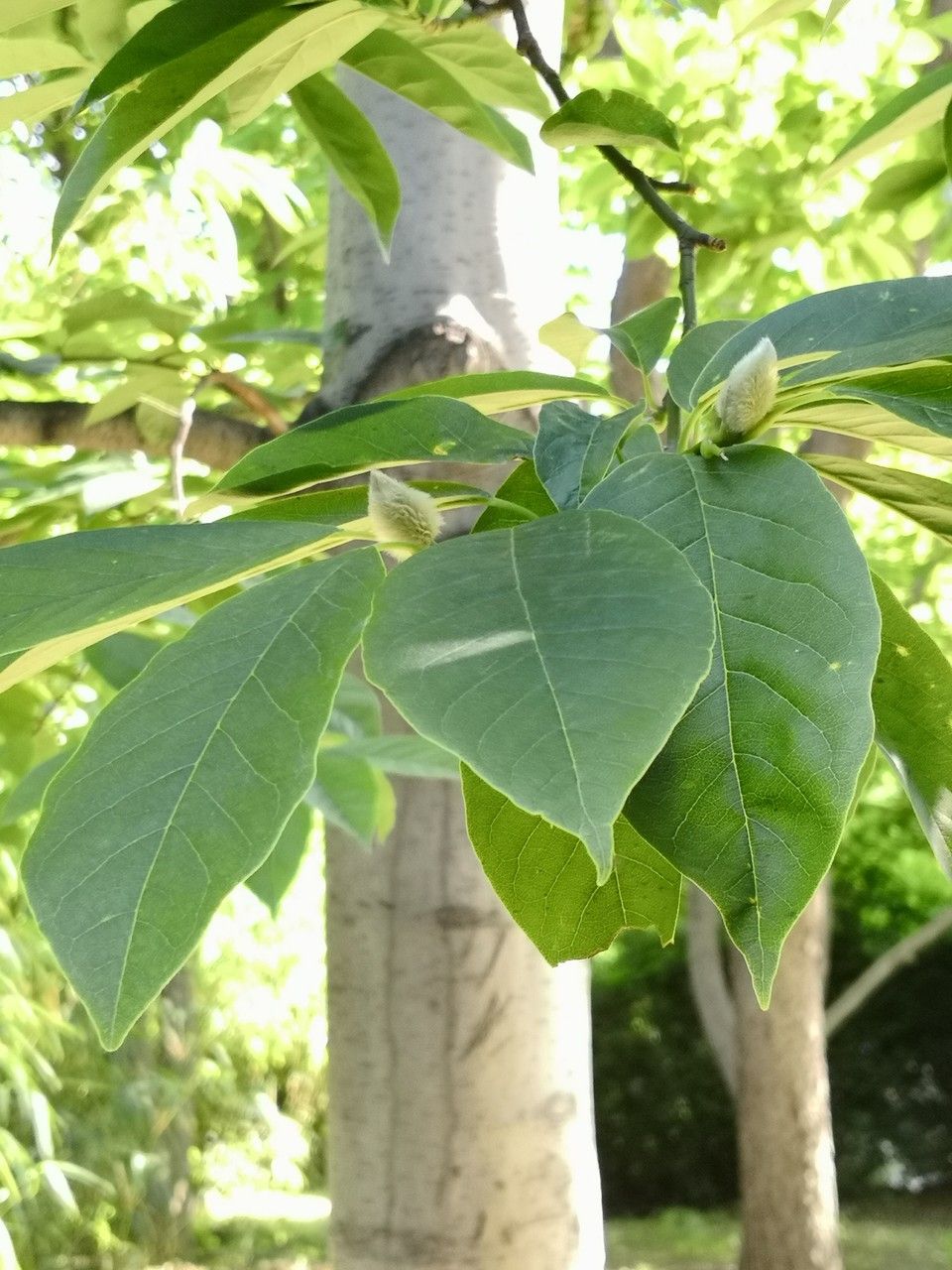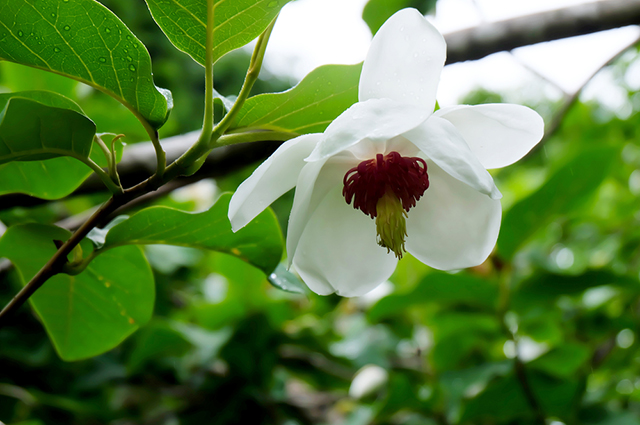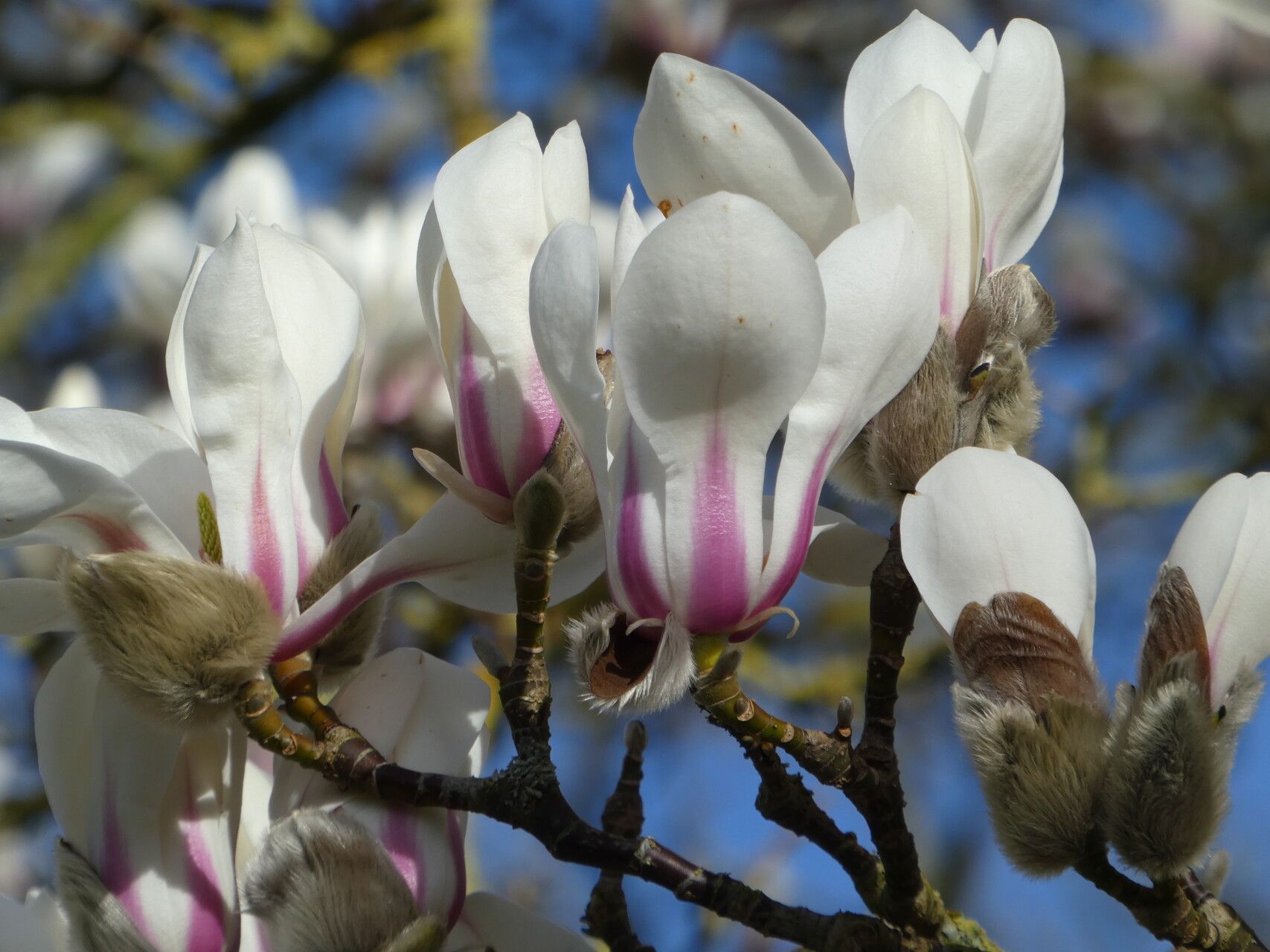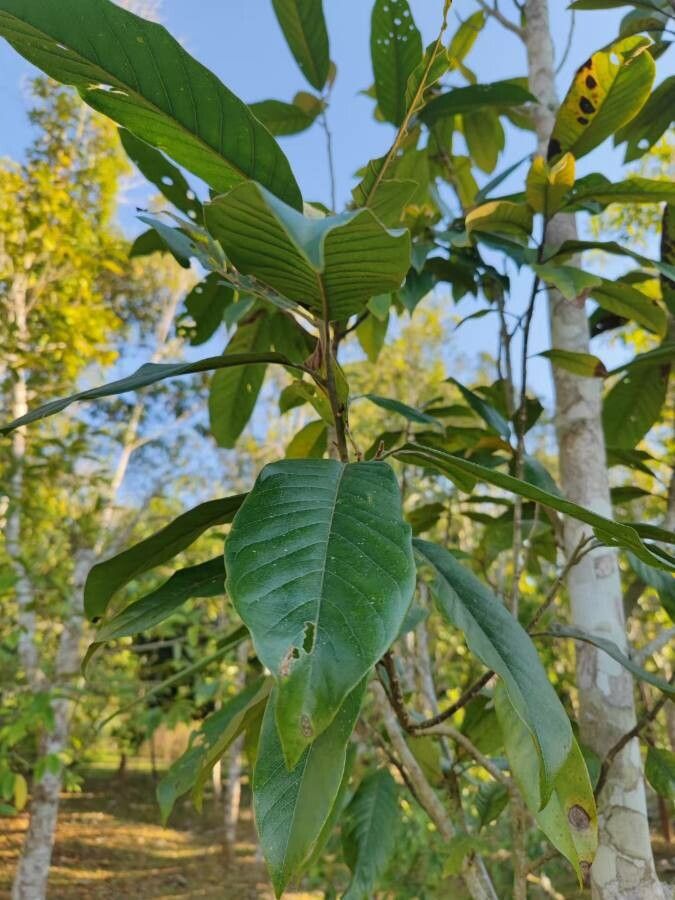
Magnolia odora is a species of plant in the family Magnoliaceae. It is found in China, including Hainan, and Vietnam. It is threatened by habitat loss.
Magnolia odora is resistant to disease and, overall, not likely to suffer from illnesses. With regard to care, this plant is fairly low-maintenance. Planted outdoors, it needs only light watering, and larger specimens usually do not require pruning. Smaller plants, however, should be pruned after they have bloomed. Magnolia odorat is appropriate for anyone who has outdoor space, such as a garden or a deck, and it does not demand much care experience.
How to keep Magnolia Odora.
Light
Magnolia odora is native to open habitats, like sunny meadows and forest margins, which supply abundant light. It flourishes in Full Sun but will also tolerate Partial Sun, adjusting well to different light conditions.
Water
Magnolia odora thrives best in consistently moist conditions but can tolerate moderate drought. To maintain the right moisture balance, water it weekly. This plant is well-suited for indoor growth, and regulating humidity can help ensure stable growth and optimal health.
Temperature
Magnolia odora is highly adaptable to a wide range of climatic conditions, from scorching summers to chilly winters. Nevertheless, it has an optimal temperature range for healthy growth. If temperatures become too high, the plant can suffer heat and humidity stress that may kill it. In areas where temperatures approach the lower limit of its cold tolerance, providing insulation to protect the plant is important.
Fertilizer
Timing is important when fertilizing Magnolia odora. Apply fertilizer in early spring and repeat monthly until early summer. Fertilizer promotes lovely blooms and supplies energy during both dormant and active growth phases.
Pruning
To ensure that Magnolia odora thrives, regular pruning is essential, ideally conducted between early and late winter. This practice helps shape the plant, removes deadwood, and encourages healthy growth. Pruning also involves thinning the branches, which improves air circulation and reduces the risk of diseases. Make sure to use clean, sharp tools to make cuts just above bud nodes, promoting robust blooming. Additionally, consult local guides for advice tailored to your specific region.
Botanical profile.
- Plant Type
- Tree
- Life Cycle
- Perennial
- Genus
- Magnolia
- Family
- Magnoliaceae
- Hardiness Zone
- 9-11
- Mature Height
- 7.92 m to 14.94 m
- Mature Spread
- 4.88 m to 7.92 m
- Leaf Color
- Dark Green
- Leaf Type
- Evergreen
- Flower Size
- 10.16 cm to 15.24 cm
- Bloom Time
- Early spring, Mid spring
- Planting Time
- Spring, Summer
- Harvest Time
- Summer
- Native Area
- Vietnam, Laos, China
Other names.
Reader questions.
What are the sun requirements for Magnolia odora?
Magnolia odora, also known as Magnolia odora in botanical terms, thrives under specific sunlight conditions to flourish. It requires 'full sun,' which is defined as receiving more than 6 hours of direct sunlight daily, for optimal growth and health. Alternatively, it can also grow in 'partial sun,' where it would get about 3-6 hours of sunlight each day. It's important to observe the movement of sunlight through your garden carefully, selecting locations that provide an ideal mix of light and shade to ensure the plants are happy and healthy. This attentive approach will help in catering to the specific needs of your Magnolia odora.