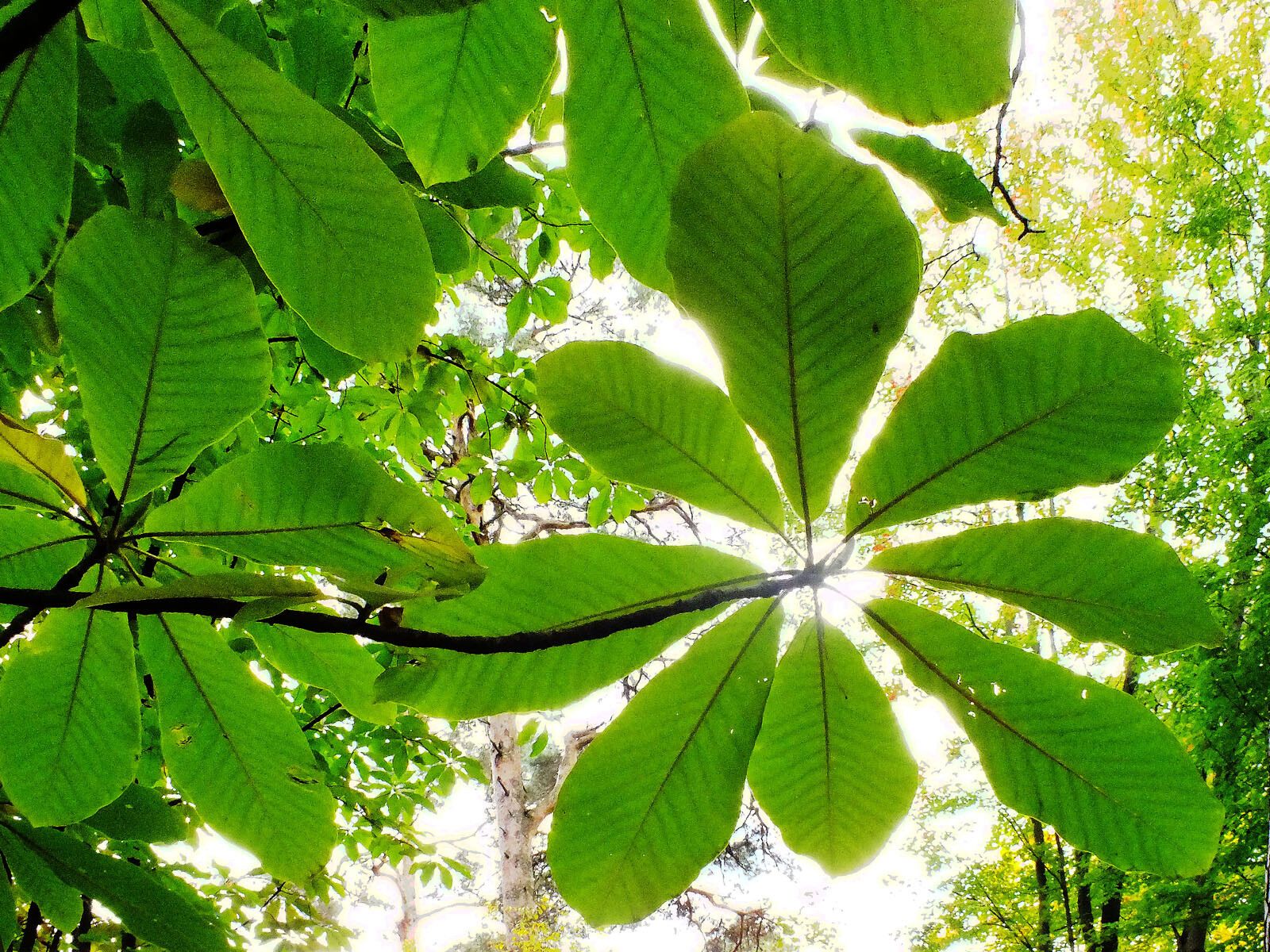
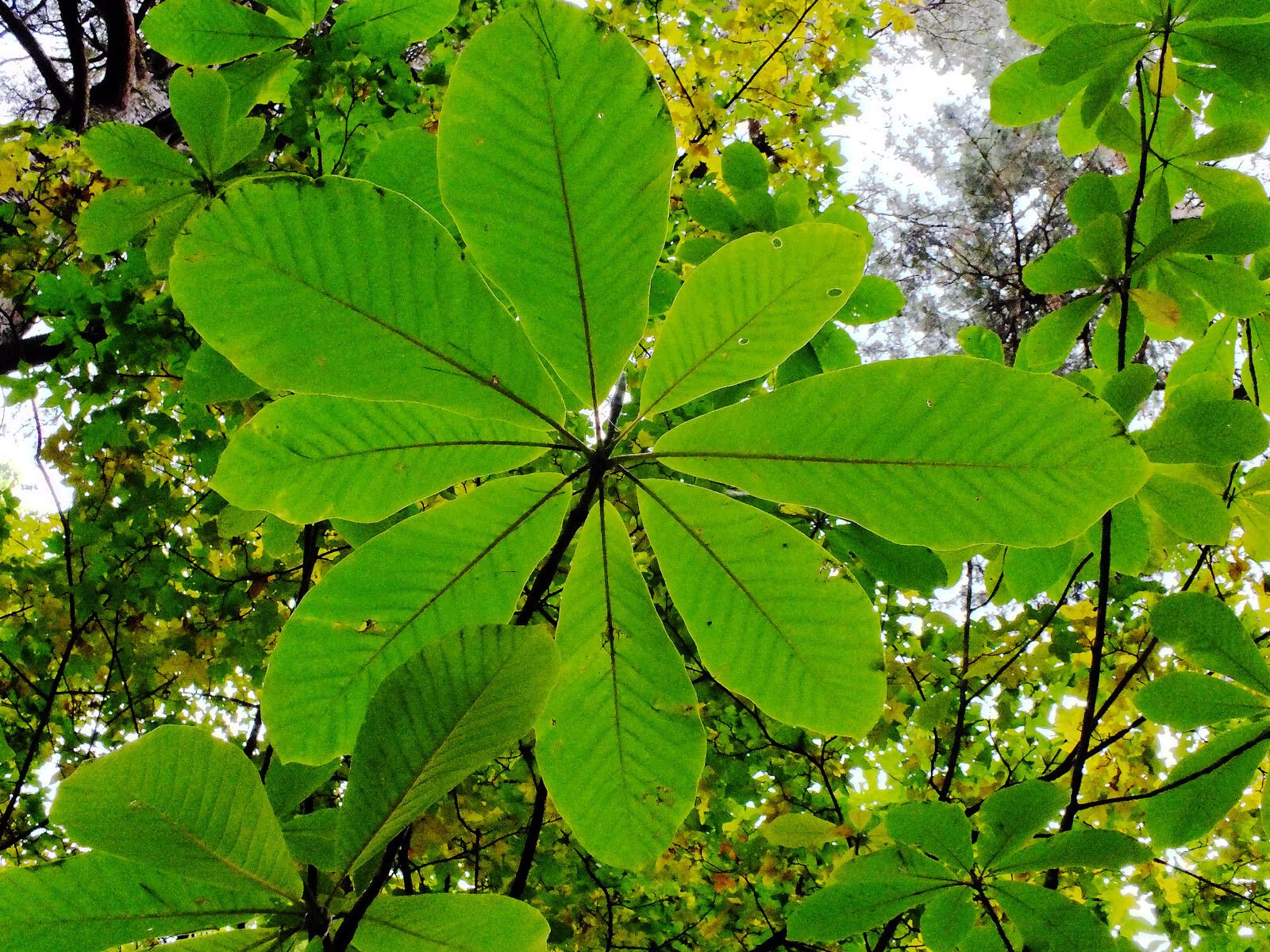
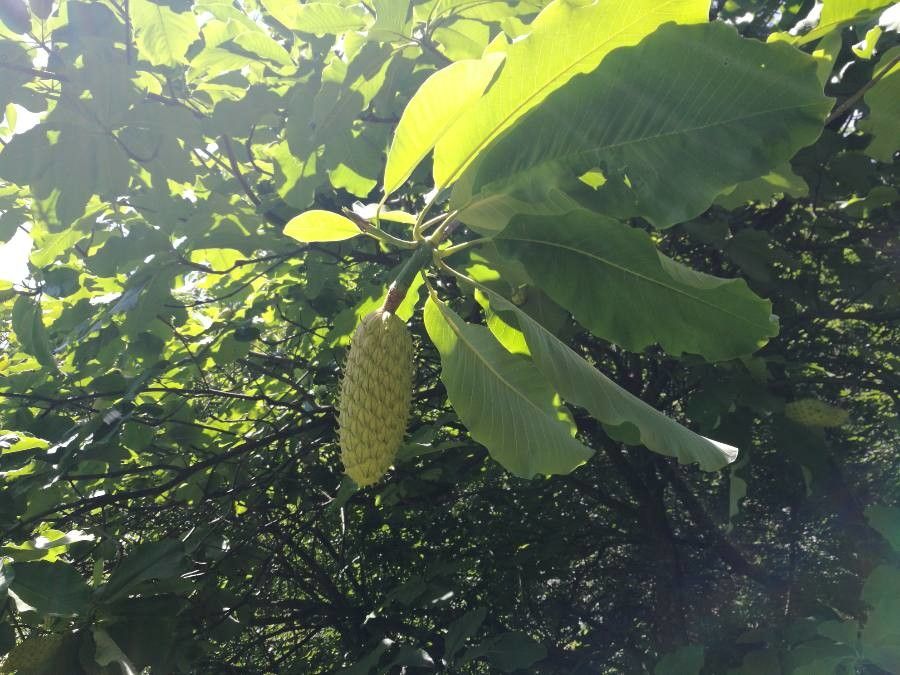
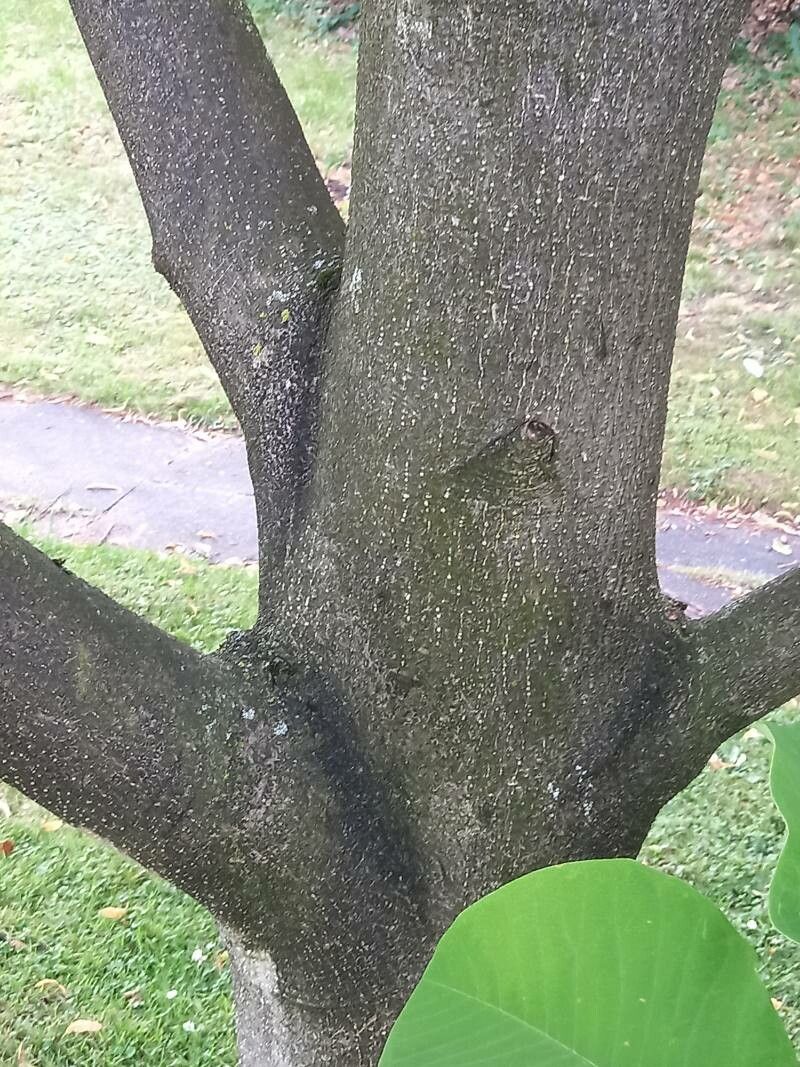
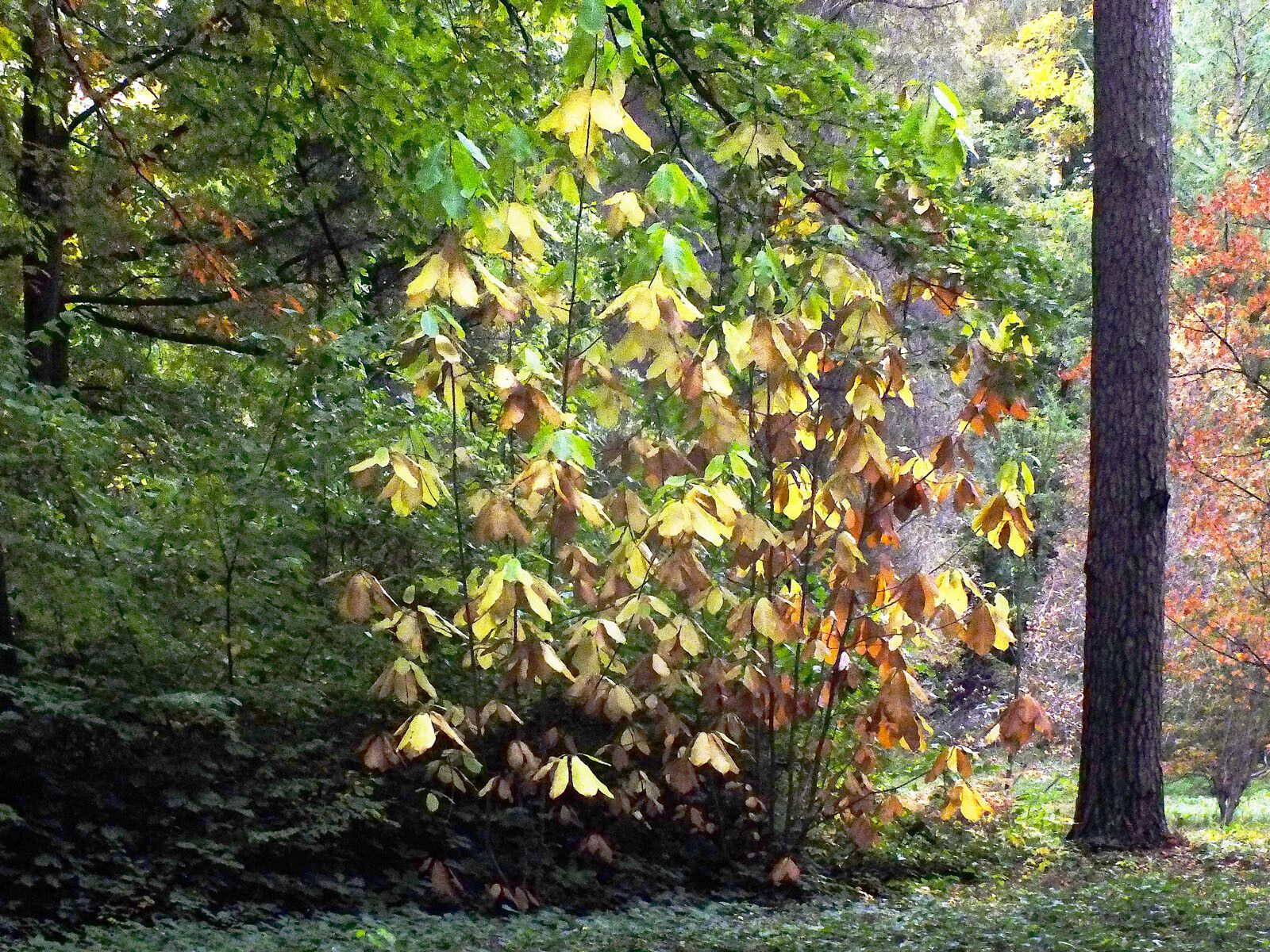
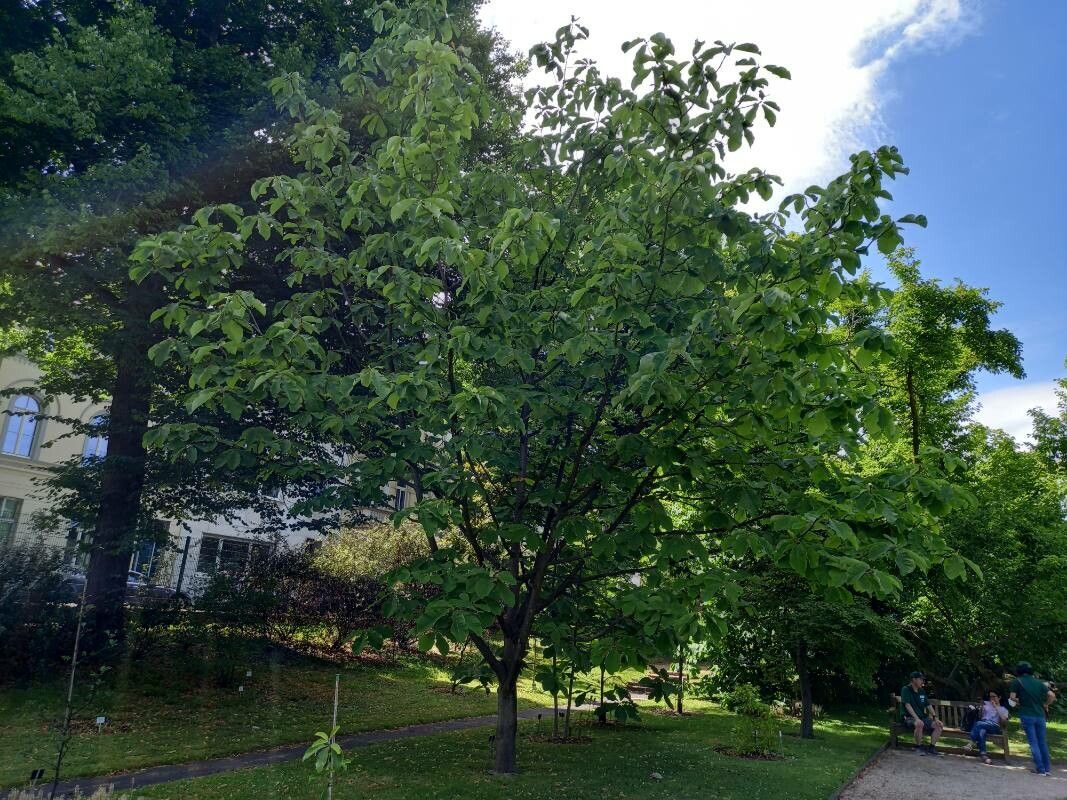
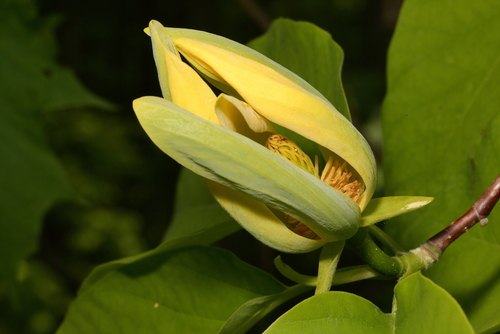
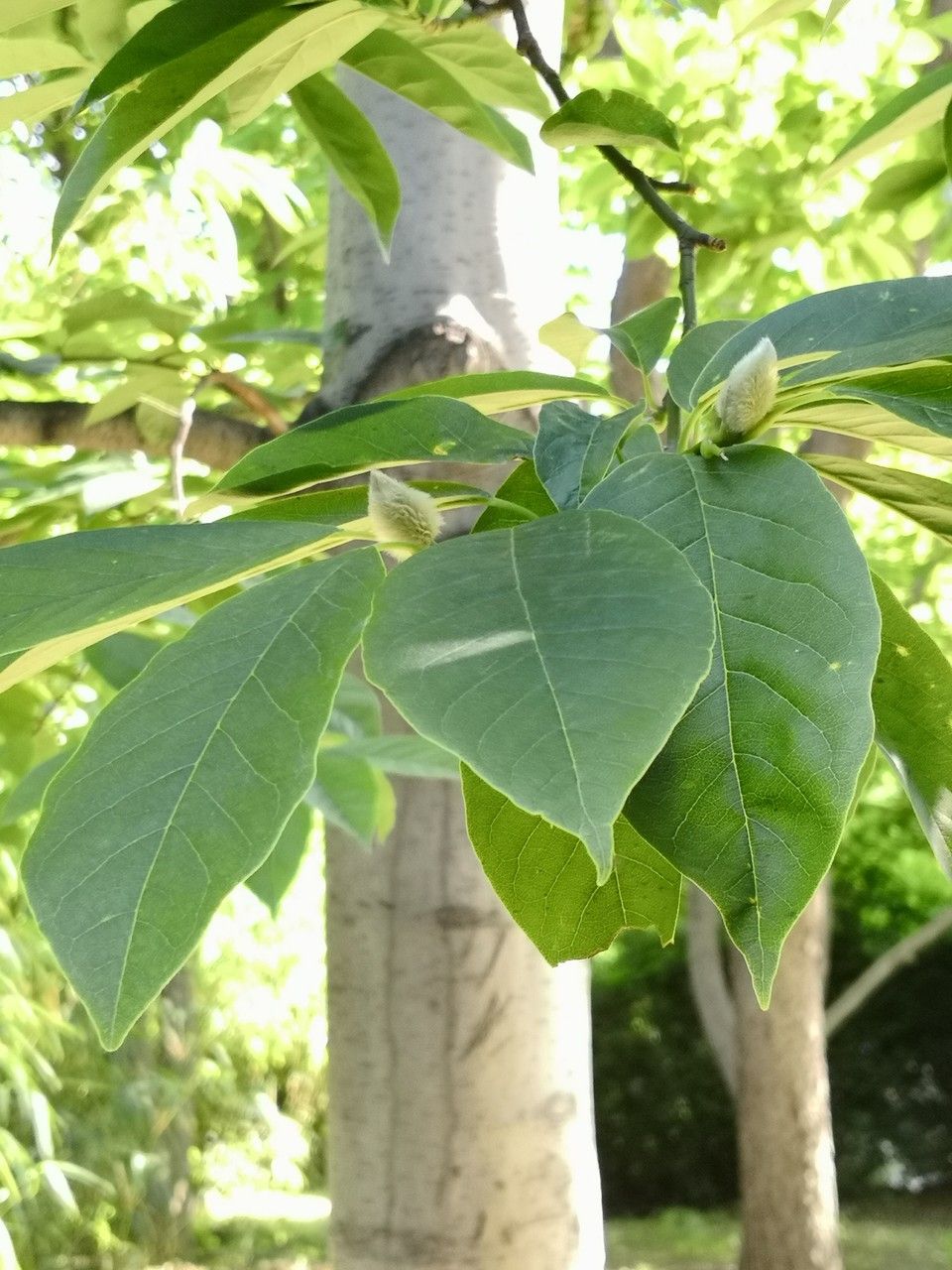
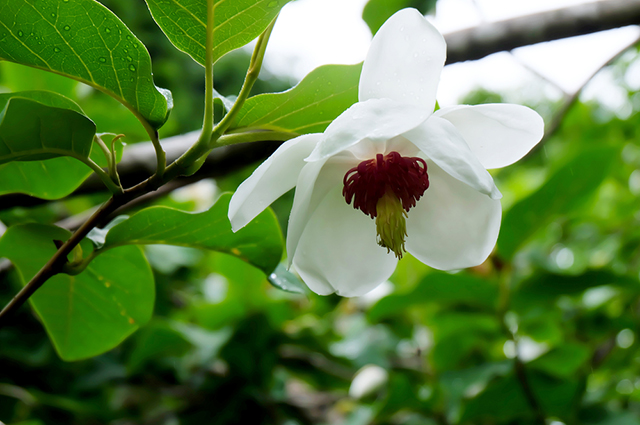
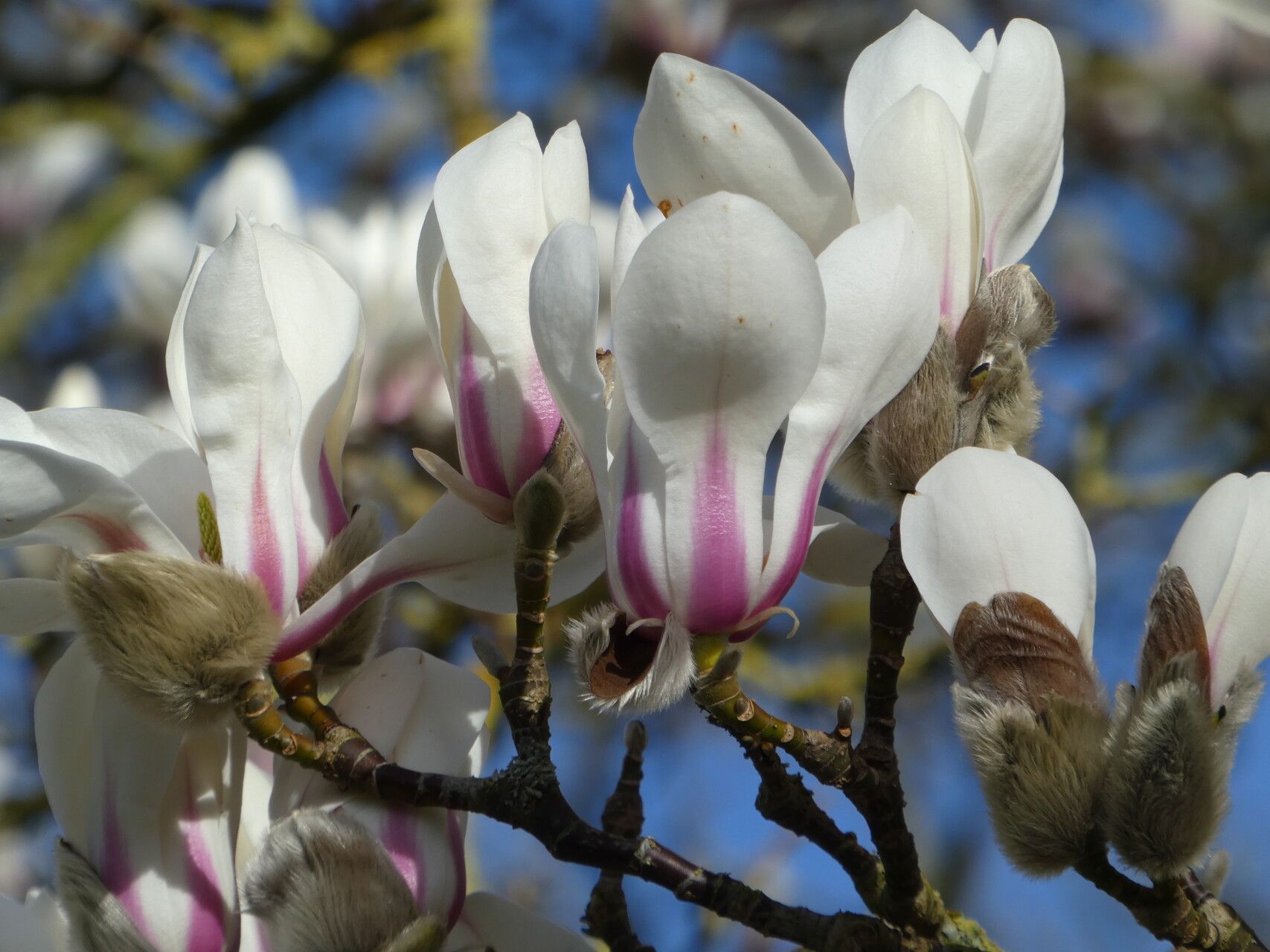
Magnolia obovata, the Japanese cucumber tree, Japanese bigleaf magnolia, or Japanese whitebark magnolia, is a species of Magnolia, native to Japan and the adjacent Kurile Islands. It grows at altitudes near sea level up to 1,800 m in mixed broadleaf forests.
Southern magnolia has strong disease resistance and is generally not prone to illnesses. In terms of care, this plant is fairly low maintenance. When grown outdoors it needs only minimal watering, and larger plants usually do not require pruning. Smaller plants, however, should be pruned after they finish blooming. Southern magnolia is suitable for anyone with an outdoor area, such as a garden or deck, and does not require much prior care experience.
How to keep Magnolia Obovata.
Light
Southern magnolia grows best when it gets abundant sunlight for most of the day, though it can tolerate partial shade. Native to areas where uninterrupted sunlight is common, it shows its best growth under those conditions. Long periods of shade or excessive exposure can both impair its health.
Water
The Japanese bigleaf magnolia thrives in humid forests, preferring soil that remains evenly moist as it has low tolerance for drought. It should be watered every two weeks to prevent waterlogging. In temperate zones, it is important to effectively capture rainwater during its active growth phase when grown outdoors.
Temperature
The southern magnolia is a temperate woody species that prefers temperatures from 59 to 95 ℉ (15 to 35 ℃). It is native to warm, humid habitats and grows in USDA zones 7 to 9. During hot summers, it benefits from some afternoon shade. In cooler seasons, protection from frost may be necessary.
Fertilizer
To encourage healthy growth, apply fertilizer to your Southern magnolia in early spring. Regular fertilization improves its overall health, leading to vigorous growth, greater tolerance of tough conditions, and increased resistance to diseases and pests. Follow a consistent fertilization schedule for your Southern magnolia to ensure vibrant foliage with deep color and a lush appearance.
Pruning
The Japanese bigleaf magnolia features large, obovate leaves and fragrant white flowers. To promote healthy growth and blooming, prune it in early spring by removing dead or crossing branches. Avoid heavy pruning, as this tree grows slowly. Light pruning helps maintain its size in smaller spaces while preserving its visual appeal.
Pot & Repot
The Japanese bigleaf magnolia is not well-suited for growing in pots because of its specific growth needs. To ensure its healthy development, it's important to place it correctly in the landscape and provide proper care.
Botanical profile.
- Plant Type
- Tree
- Life Cycle
- Perennial
- Genus
- Magnolia
- Family
- Magnoliaceae
- Hardiness Zone
- 7-10
- Mature Height
- 27.43 m to 36.88 m
- Mature Spread
- 10.06 m
- Leaf Color
- Green, Brown
- Leaf Type
- Evergreen
- Flower Color
- White, Cream
- Flower Size
- 15.24 cm to 30.48 cm
- Bloom Time
- Late spring, Early summer, Mid summer
- Planting Time
- Spring, Autumn
- Harvest Time
- Mid summer, Late summer, Fall
Other names.
Reader questions.
How should I water my Japanese bigleaf magnolia the most effectively?
To ensure excellent root development, it is recommended to place a garden hose at the base of the plant. Avoid spraying the leaves directly, as this can be detrimental. For outdoor plants in direct sunlight, the leaves will require more watering. Bubblers can be used to moisten the roots of each plant, while soaker hoses are useful for thoroughly watering the entire garden or bed when adding or removing plants. It is important to drain any excess water and allow the soil to dry before watering again. Watering at ground level is advised to prevent diseases. On a sunny day, consider spraying the entire bush with water. Whether the plant is potted or in the ground, keep in mind that Japanese bigleaf magnolias prefer deep watering rather than light sprinkling.
Why should I add fertilizer to my Japanese bigleaf magnolia?
Fertilizing your Japanese bigleaf magnolia is important for several reasons. Firstly, it helps the plant produce beautiful blooms. One of the best times to fertilize is early spring, as this ensures excellent flowers during that season. Additionally, fertilizer provides the magnolia with energy that it can store during its dormant phases. By giving it extra nutrients during fall planting or late spring, it will have more energy to use once active growth resumes.
What are the sun requirements for Japanese bigleaf magnolia?
Japanese bigleaf magnolia thrives in environments where it is exposed to generous amounts of sunlight for optimal health and vigour. It requires full sun, defined as above 6 hours of sunlight per day, but can also manage in partial sun, which is about 3-6 hours of sunlight. The plant is adapted to handle variations in sunlight exposure during its different growth stages, though it's important to note that either excessive or insufficient sunlight can impede its growth.
What is the native environment of the Japanese bigleaf magnolia?
The Japanese bigleaf magnolia, or Magnolia obovata, originates from cool, temperate environments. It thrives in temperature ranges between 41 to 95 °F (5 to 35 °C). These magnolias prefer mild conditions during their growing seasons and exhibit strong cold resistance. Although they generally do not require special frost protection measures in winter, precautions should be taken if temperatures are expected to drop below -25°C. This includes protecting the tree with materials like non-woven fabric or cloth and watering abundantly before the first freeze to ensure the soil remains moist and prevents drought and water scarcity in winter and early spring.
What should I do if I give too much or too little water to the Japanese bigleaf magnolia?
If you overwater a Japanese bigleaf magnolia, its leaves may turn yellow, drop off, and wilt. The plant may also look dull and unhealthy, with mushy stems. When these signs appear, try adjusting your watering schedule. Wilting can also occur due to under-watering, but in this case, the leaves will become crispy and dry. If the soil is dry and simply watering is not enough, give the plant a thorough watering. This will help the magnolia recover, but it may still have dry, yellow leaves for a few days due to damage to the root system. Once the plant returns to normal, the yellowing of the leaves will stop. If you have a Japanese bigleaf magnolia indoors, always check the moisture levels in the pot, avoid overwatering, and look for signs of black spots. If black spots are present, let the soil dry out for a few days before watering again. Overwatering can lead to root rot, so if you see discolored and slimy roots, it may be necessary to transfer the plant to a different pot. Preventing root rot and avoiding overly soggy soil is important. When planting a Japanese bigleaf magnolia outdoors, dig a little deeper and check the soil moisture levels with your fingers. If the soil is too dry, it may indicate under-watering, so ensure the plant receives adequate watering to promote recovery.
When should I add fertilizer to my Japanese bigleaf magnolia for the best results?
To effectively fertilize Japanese bigleaf magnolia, timing is crucial. It is important to avoid applying fertilizer too early when the tree is still dormant, as it will not be effective and will simply be washed away by rainwater, causing waste and pollution. Instead, the first application of fertilizer should be applied in early spring. To promote healthy growth, continue to fertilize the tree once a month until early summer.
How does artificial lighting benefit Japanese bigleaf magnolia when natural sunlight is inadequate?
When the Japanese bigleaf magnolia is grown indoors or in areas where natural sunlight is insufficient, especially during winter or in less sunny spaces, artificial lighting can play a crucial role in promoting faster, healthier growth. LED lights are recommended because they can be customized to provide specific wavelengths of light needed by your plants. The intensity of the light should be adapted based on the plant's requirement: full sun plants need 30-50W/sq ft, partial sun plants need 20-30W/sq ft, and full shade plants need 10-20W/sq ft of artificial light. Moreover, the light source should be placed 12-36 inches above the plant for 8-12 hours per day to mimic natural sunlight conditions effectively.
How does low temperature affect the Japanese bigleaf magnolia, and what are the solutions?
Japanese bigleaf magnolia is notably cold-tolerant, performing best when temperatures are above 5°C. However, during winter, it is crucial to keep the temperature above -20°C. When temperatures fall below -25°C, the tree might not show immediate damage, but by spring, branches can become brittle and dry, failing to produce new shoots. To manage this, dead branches that do not produce new leaves by spring should be pruned away to encourage healthy growth.
How frequently do I need to water my Japanese bigleaf magnolia plant?
The Japanese bigleaf magnolia prefers deep and infrequent watering, particularly if it is planted in pots. Since the soil in pots dries out faster and has limited water storage, it is recommended to soak the magnolia with a gallon of water each time. In colder regions, watering is necessary every 3 to 5 days. It is best to water the plant early in the morning when the soil is dry, whether it is located indoors or outdoors. You can also determine if watering is needed by checking the moisture of the soil. When the top 2-3 inches of soil are dry, it is time for a thorough watering. On hot days, it is important to monitor the moisture levels regularly as the soil in the pot can dry out quickly due to the heat. For garden plants, irrigation of the soil is also necessary. In hot climates, watering once a week is recommended. Only water when you observe that about 2 to 3 inches of soil have become too dry, indoors or outdoors. It is important to consider the amount of rainfall on the plant and avoid overwatering to prevent root rot. If there is already substantial rainfall, additional watering may not be needed. Japanese bigleaf magnolias generally grow during spring and fall. When planted outdoors, adding a layer of mulch about 3 to 4 inches deep can help conserve water. Sandy soil tends to drain faster, so plants in this type of soil may require more frequent watering. On the other hand, clay soil retains water better, so plants in such soil can go without watering for 2-3 days without developing root rot. To keep track of watering, it is helpful to mark the date on a calendar. Pay attention to the drooping leaves, as they can be a sign that watering is needed soon.
When is the best time to not fertilize my Japanese bigleaf magnolia?
To promote optimal blooming, it is important to avoid using nitrogen-rich fertilizers on Japanese bigleaf magnolias. These fertilizers promote leaf growth rather than blooming. Instead, opt for fertilizers that have lower nitrogen levels relative to other nutrients. Additionally, it is best not to fertilize these magnolias in late autumn as excessive growth may occur just before winter. Moreover, refrain from fertilizing during hot and dry periods, as dry soil hampers fertilizer absorption and can stimulate further growth that requires additional water resources. It is advisable to apply fertilizer during cooler temperatures earlier in the season. Lastly, exercise caution when applying fertilizer near other plants or lawns, as the magnolias can inadvertently absorb excess nutrients, resulting in an overdose.
What are some common symptoms of inadequate light in Japanese bigleaf magnolia, and how does excessive sunlight affect it?
In inadequate light, Japanese bigleaf magnolia may exhibit symptoms such as smaller-sized new leaves, leggy or sparse growth, faster leaf drop, slower or no new growth, and lighter-colored or irregularly patterned new leaves. Excessive sunlight can cause symptoms like chlorosis (leaves turning yellow due to chlorophyll breakdown), sunscald (pale, bleached areas on plant tissue), leaf curling (as a defense mechanism to reduce sunlight exposure), wilting (loss of turgor pressure causing droopiness), and leaf scorching (brown, dry, and crispy edges on leaves). These conditions highlight the plant’s sensitivity to both over and underexposure to sunlight.
What impact does high temperature have on the Japanese bigleaf magnolia, and how can it be mitigated?
During the summer, it's essential to ensure the Japanese bigleaf magnolia's temperature does not exceed 35°C. Temperatures above 38°C can cause the leaves to lighten in color, tips to become dry and wither, and increase susceptibility to sunburn. To mitigate these effects, sunburned and dried parts should be trimmed, and if possible, the plant should be moved to a shaded location or covered with a shade cloth to protect it from midday and afternoon sun. Watering the plant in the morning and evening helps to keep the soil moist and supports the health of the plant.