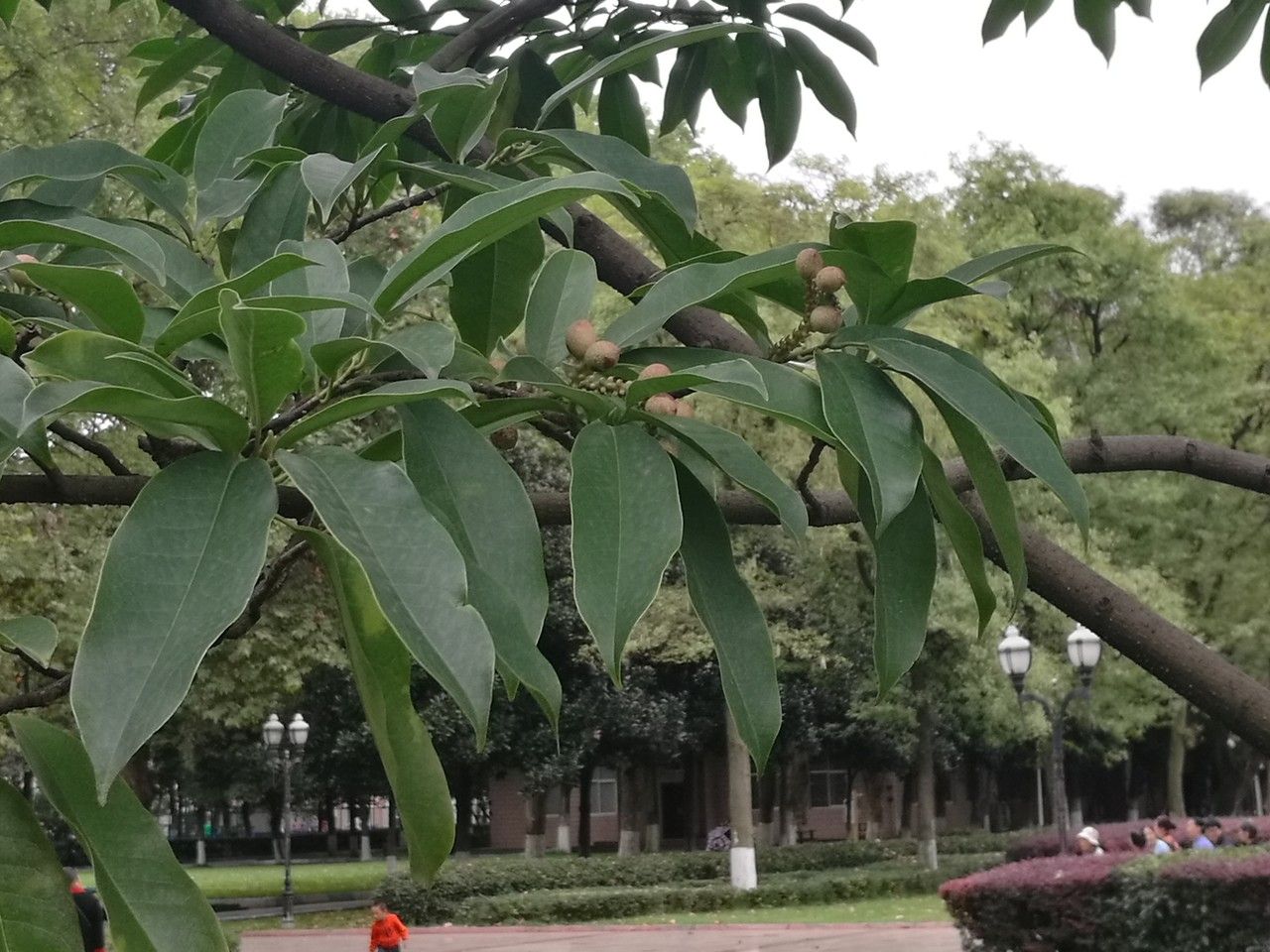
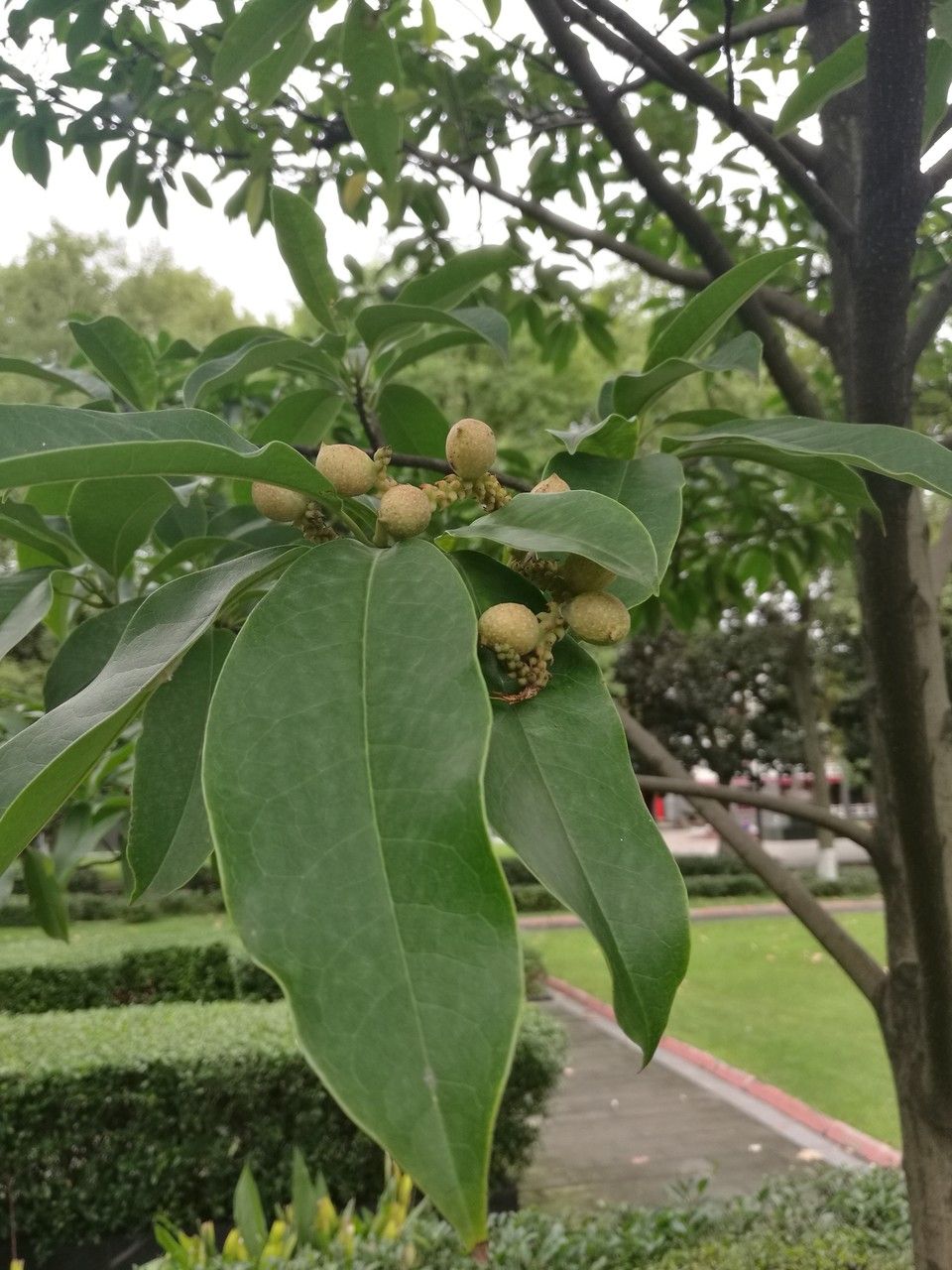
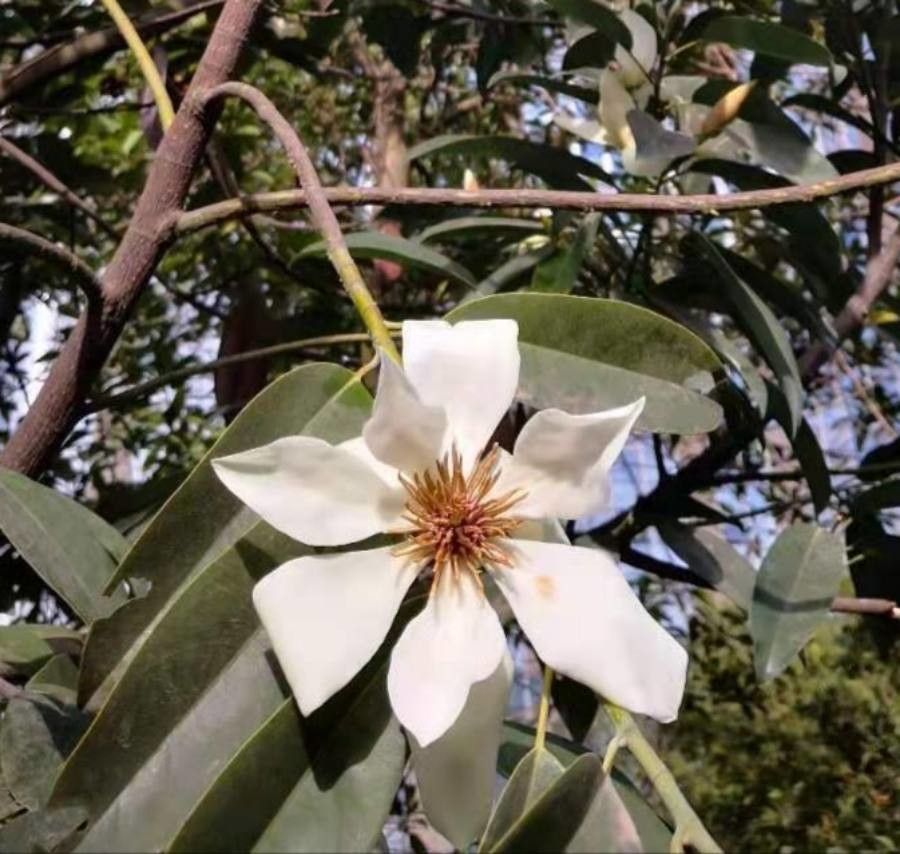
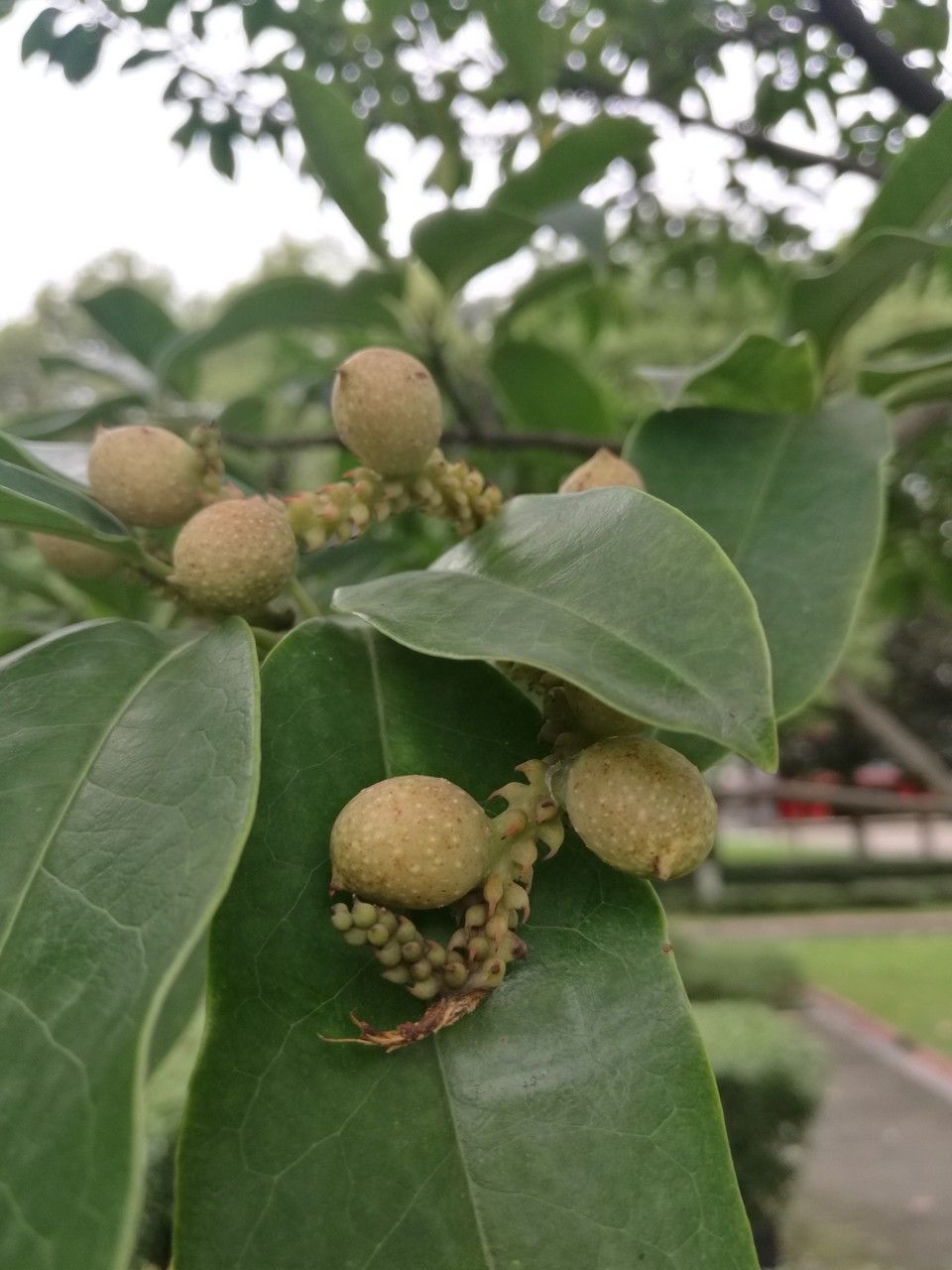
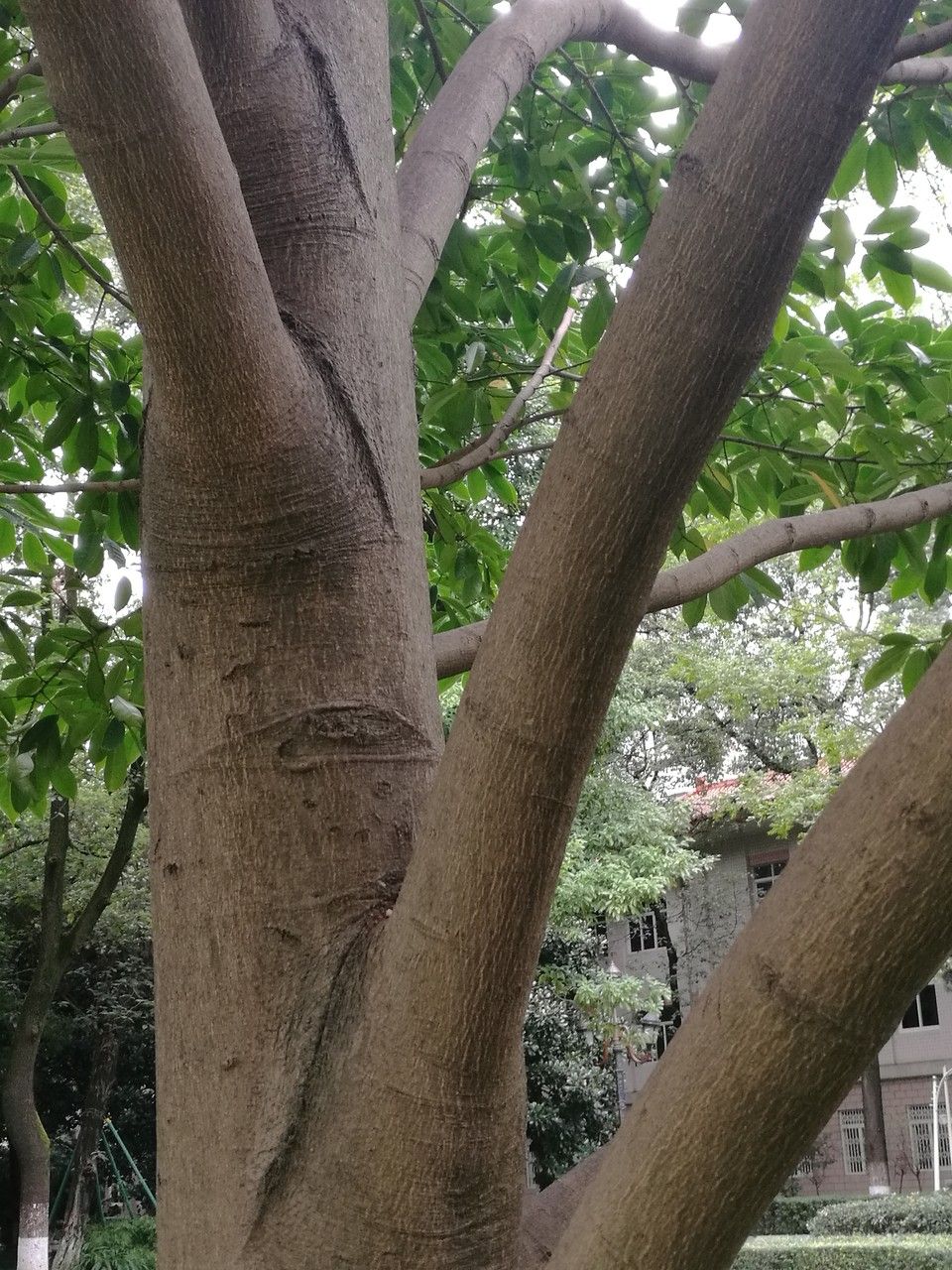
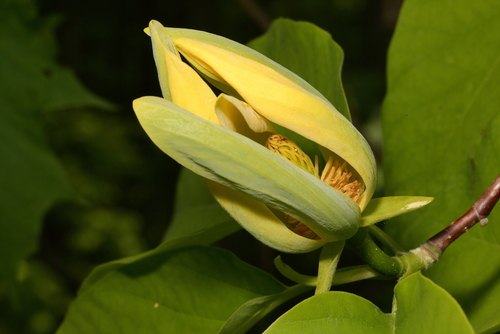
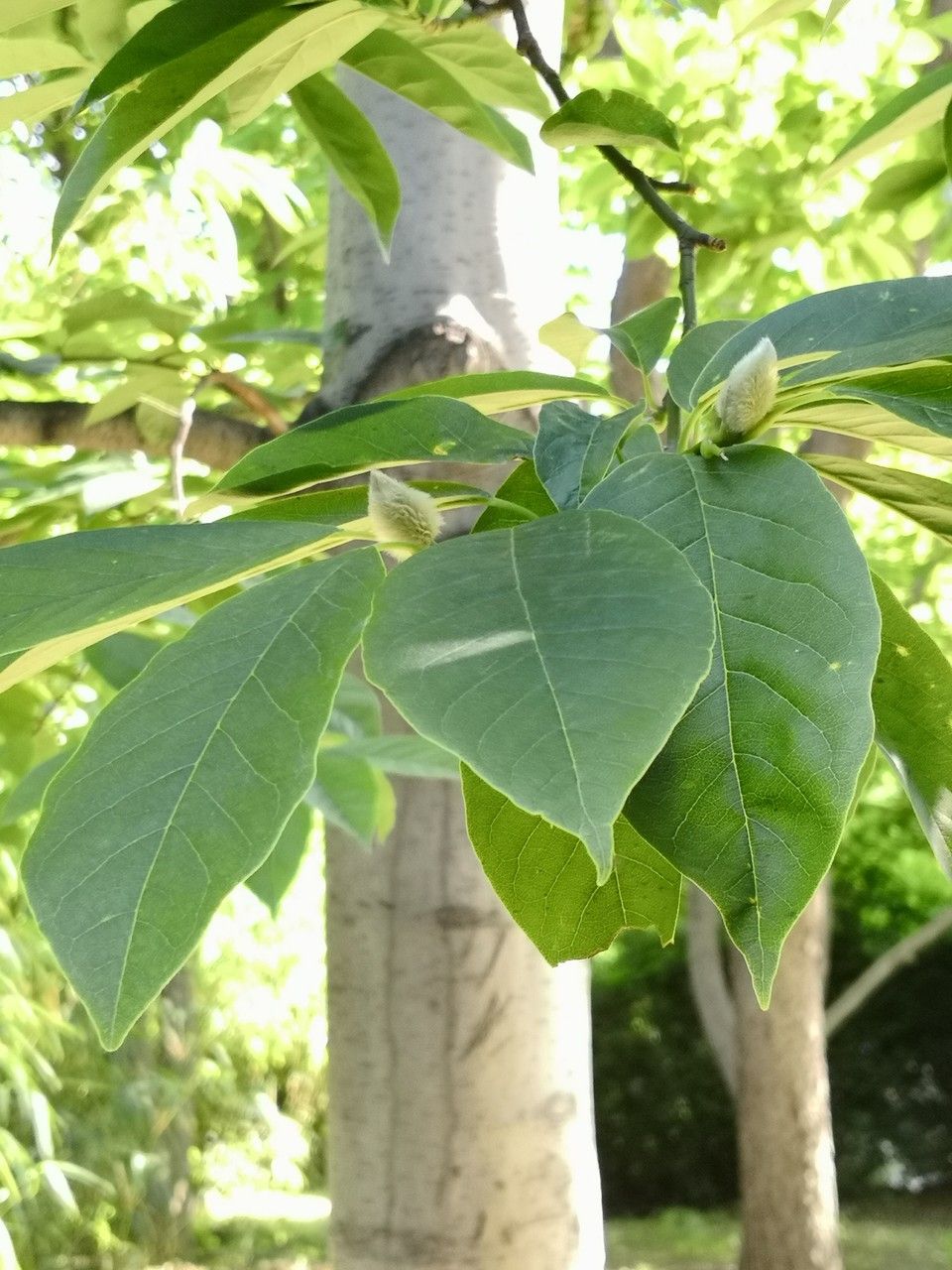
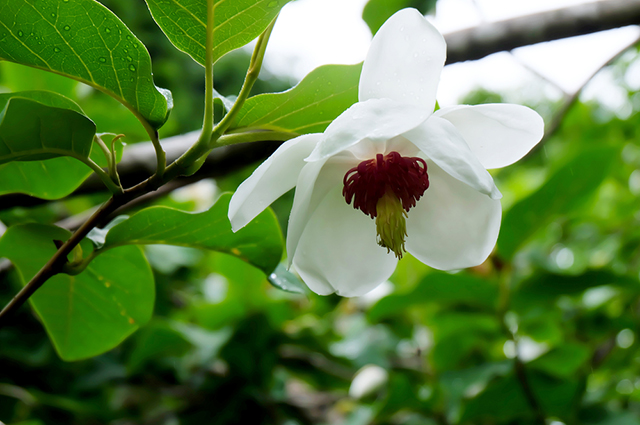
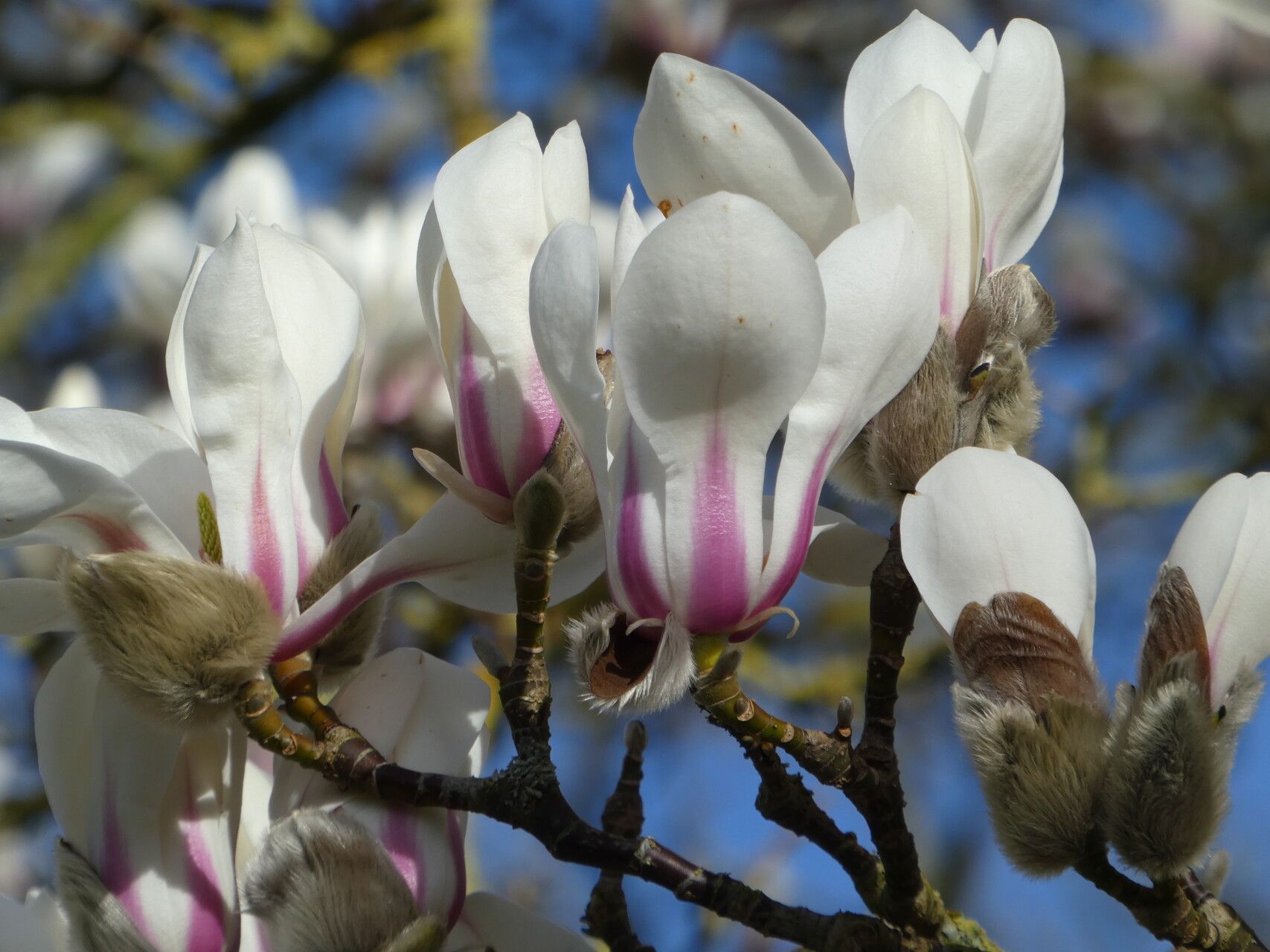
Magnolia maudiae, the smiling monkey forest tree, is a species of flowering plant in the family Magnoliaceae. It is native to southern China, including Hainan. A shrubby tree occasionally reaching 20 m (66 ft) in the wild, it is found growing in evergreen broadleaf forests from 600 to 1,500 m above sea level. A well-shaped evergreen species, it blooms early with heavily fragrant white flowers, and has attractive bluish-green leaves. It is used as a street tree in southern Chinese cities.
The Smiling Monkey Forest Tree has strong resistance to disease and is generally not susceptible to illnesses. Regarding care, this plant is fairly low-maintenance. When grown outdoors it needs only minimal watering, and larger specimens typically do not require pruning. Smaller plants, however, should be pruned after they have finished blooming. Smiling Monkey Forest Treet is appropriate for anyone with an outdoor area, such as a garden or deck, and does not demand a lot of gardening experience.
How to keep Magnolia Maudiae.
Light
The smiling Monkey Forest Tree does best with plentiful light that resembles its native forest setting. This light encourages its health and vigorous growth. It can tolerate reduced sunshine, but too little can limit its ability to develop fully.
Water
The Smiling Monkey Forest Tree originates from humid subtropical regions and thrives in moist environments. To keep it healthy, it needs to be watered every two weeks. While it's usually grown outdoors, adding mulch helps retain soil moisture, mimicking the leaf litter found in its natural habitat.
Temperature
Smiling Monkey Forest Tree adapts well to temperature, able to endure high heat and wide temperature fluctuations. In hot weather, attention should be paid to watering and providing suitable shade to avoid sunburn. Its resistance to low temperatures is relatively weak. While it can handle some cold, very low temperatures may cause frost damage.
Fertilizer
Timing is important for fertilizing the Smiling Monkey Forest Tree. Begin fertilizing in early spring and continue once a month through early summer. Fertilizer aids in producing lovely blooms and supplies energy during both dormant and active growth phases.
Pruning
Prune the Monkey Forest Tree in early spring to improve air circulation and strengthen its structure by removing any dead, diseased, or crossing branches. Be careful not to over-prune, as this will help the tree maintain an attractive shape and encourage abundant flowering. Regular light trimming enhances its ornamental appeal and ensures its overall health.
Pot & Repot
The Smiling Monkey Forest Tree is best planted directly in the ground rather than in containers. Potting it in a container may hinder its growth and affect its overall health.
Botanical profile.
- Plant Type
- Tree
- Life Cycle
- Perennial
- Genus
- Magnolia
- Family
- Magnoliaceae
- Hardiness Zone
- 7-10
- Mature Height
- 2.44 m to 6.1 m
- Mature Spread
- 2.44 m to 3.05 m
- Leaf Color
- Dark Green, Forest Green
- Leaf Type
- Semi-evergreen
- Flower Color
- White, Yellow, Pink
- Flower Size
- 12.70 cm to 15.24 cm
- Bloom Time
- Early spring, Mid spring
- Planting Time
- Winter, Spring
- Harvest Time
- Mid summer, Late summer, Early fall
- Native Area
- China
Reader questions.
What are the sunlight requirements for the Smiling Monkey Forest Tree?
The Smiling Monkey Forest Tree requires a significant amount of light to thrive, ideally mimicking its natural forest habitat for optimum health and growth. Specifically, it needs full sun, defined as over 6 hours of sunlight daily, but it can also tolerate partial sun, which is about 3-6 hours of sunlight. It's crucial to place your plant in spots that ensure a good balance of light and shade, as recommended, to guarantee its well-being.
What is the Smiling Monkey Forest Tree?
The Smiling Monkey Forest Tree, scientifically known as Magnolia maudiae, is a species of tree known for its distinctive characteristics and natural habitat. The tree does not have provided information on its essentials or symptoms related to its growth or conditions. It remains a unique plant species for its botanical significance and intriguing name.
What should I do if natural sunlight is insufficient for my indoor Smiling Monkey Forest Tree?
When natural sunlight is inadequate, especially during winter or in less sunny spaces, artificial lighting becomes essential for the Smiling Monkey Forest Tree's growth. It's advisable to use LED lights since they can be tailored to provide specific wavelengths needed by plants. Full sun plants require 30-50W/sq ft, partial sun plants 20-30W/sq ft, and full shade plants need 10-20W/sq ft of artificial light. The light source should be positioned 12-36 inches above the plant, simulating natural sunlight closely. Moreover, the duration of light exposure should mimic natural daylight hours, typically between 8-12 hours per day.
What are the symptoms of light deficiency in the Smiling Monkey Forest Tree?
Several symptoms indicate light deficiency in the Smiling Monkey Forest Tree. These include smaller new leaves, leggy or sparse growth, early dropping of older leaves, slowed or halted new growth, and lighter-colored or pale new leaves. Additionally, chlorosis could occur, resulting in yellowing leaves, along with sunscald, leaf curling, wilting, and leaf scorching—all signs that your plant needs better exposure to light.
How can I address light deficiency for indoor and outdoor Smiling Monkey Forest Trees?
To mitigate light deficiency, gradually increase exposure to sunlight for your Smiling Monkey Forest Tree. For indoor plants, move them closer to a sunny window each week, aiming for at least 6 hours of direct sunlight daily. Keeping curtains open during the day maximizes light and nutrient gain. If the plant is too large or unmovable, supplement with artificial lighting for at least 8 hours a day. For outdoor plants, avoid sudden changes in sunlight exposure to prevent sunburn. Progressively relocating your plants to sunnier locations can help them adjust. Note that while parts of the plant affected by low light may not recover, new growth will be healthy with increased light exposure.