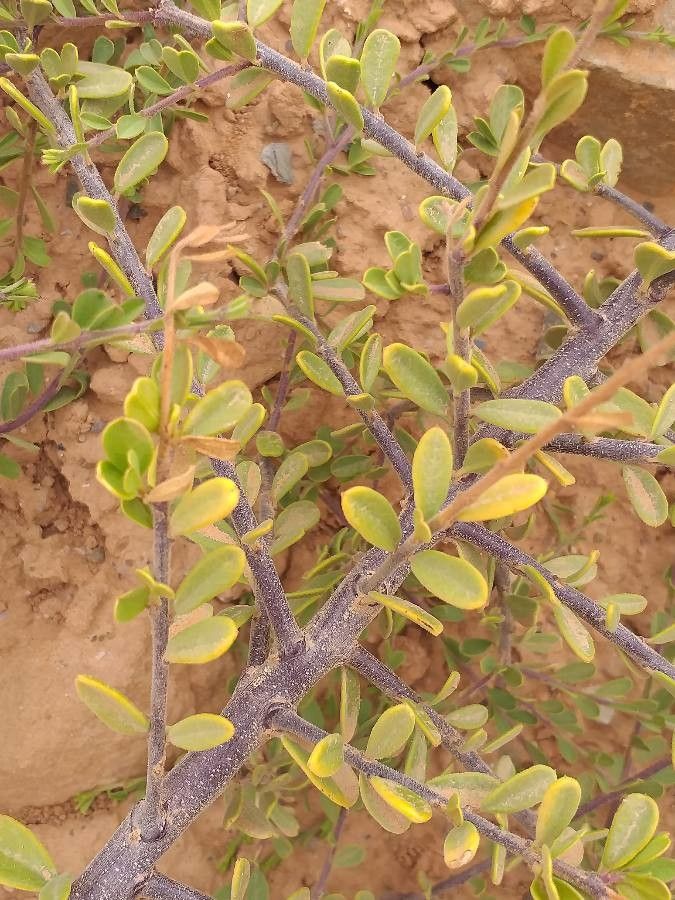
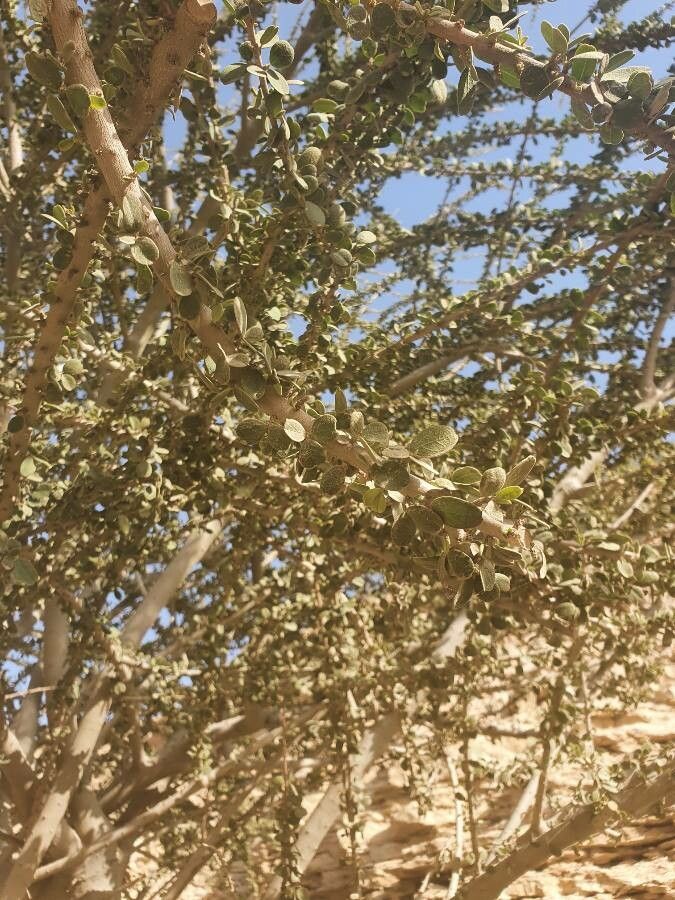
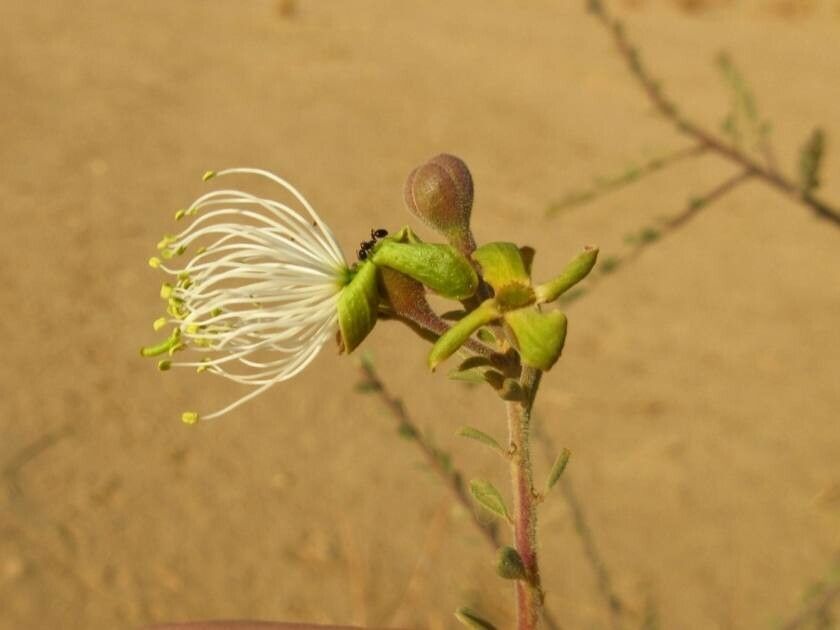
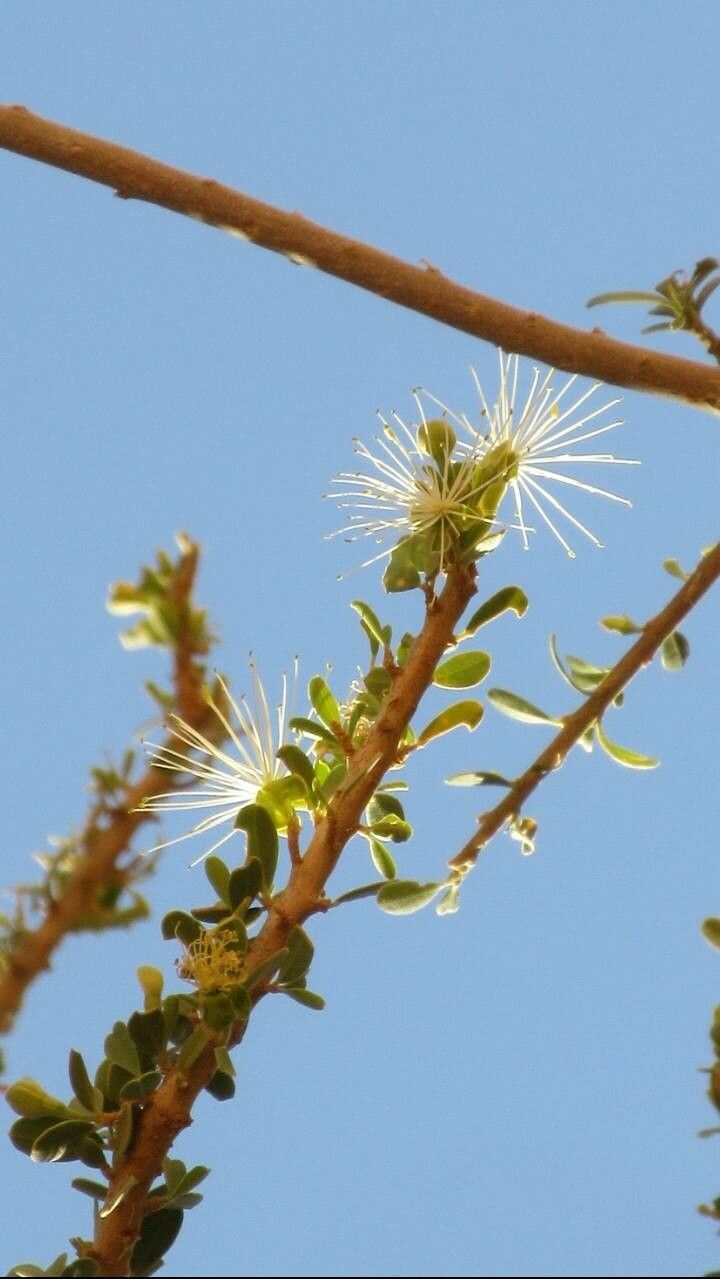
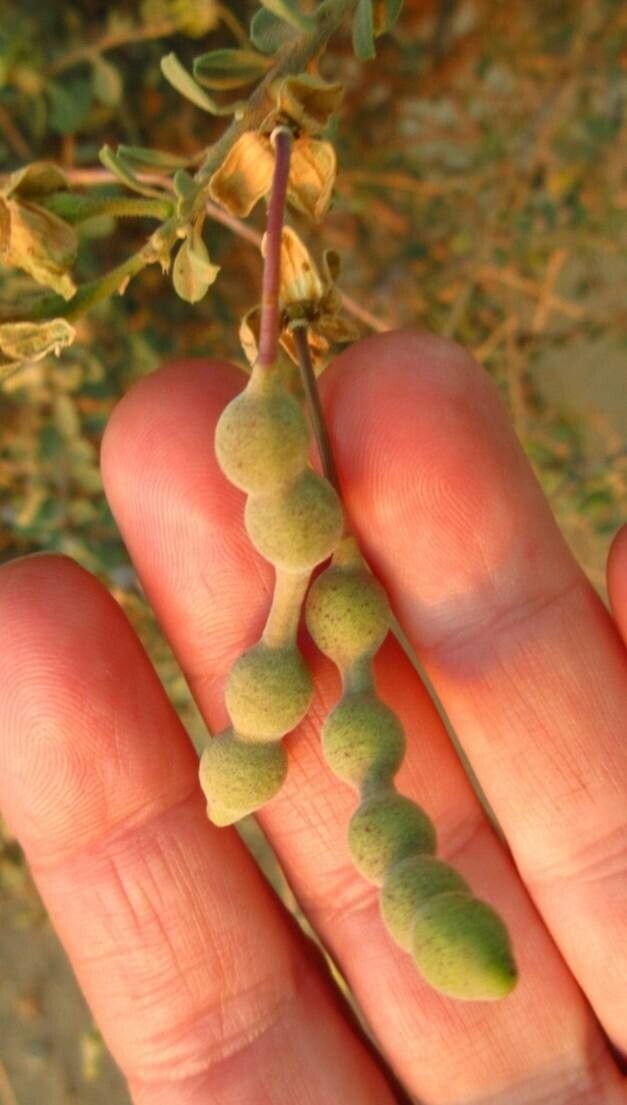
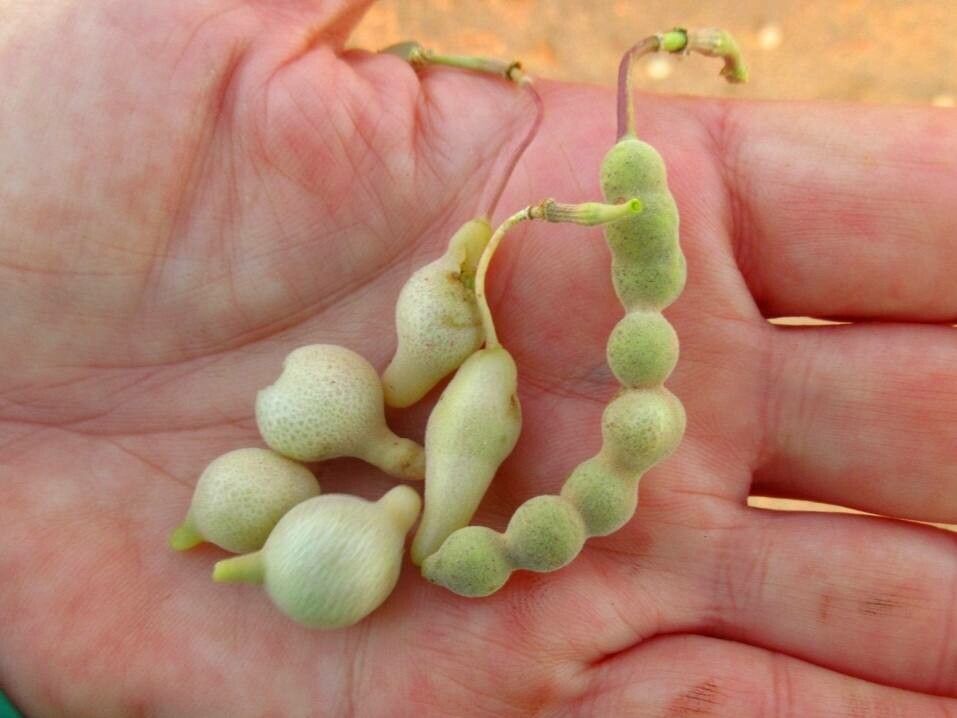
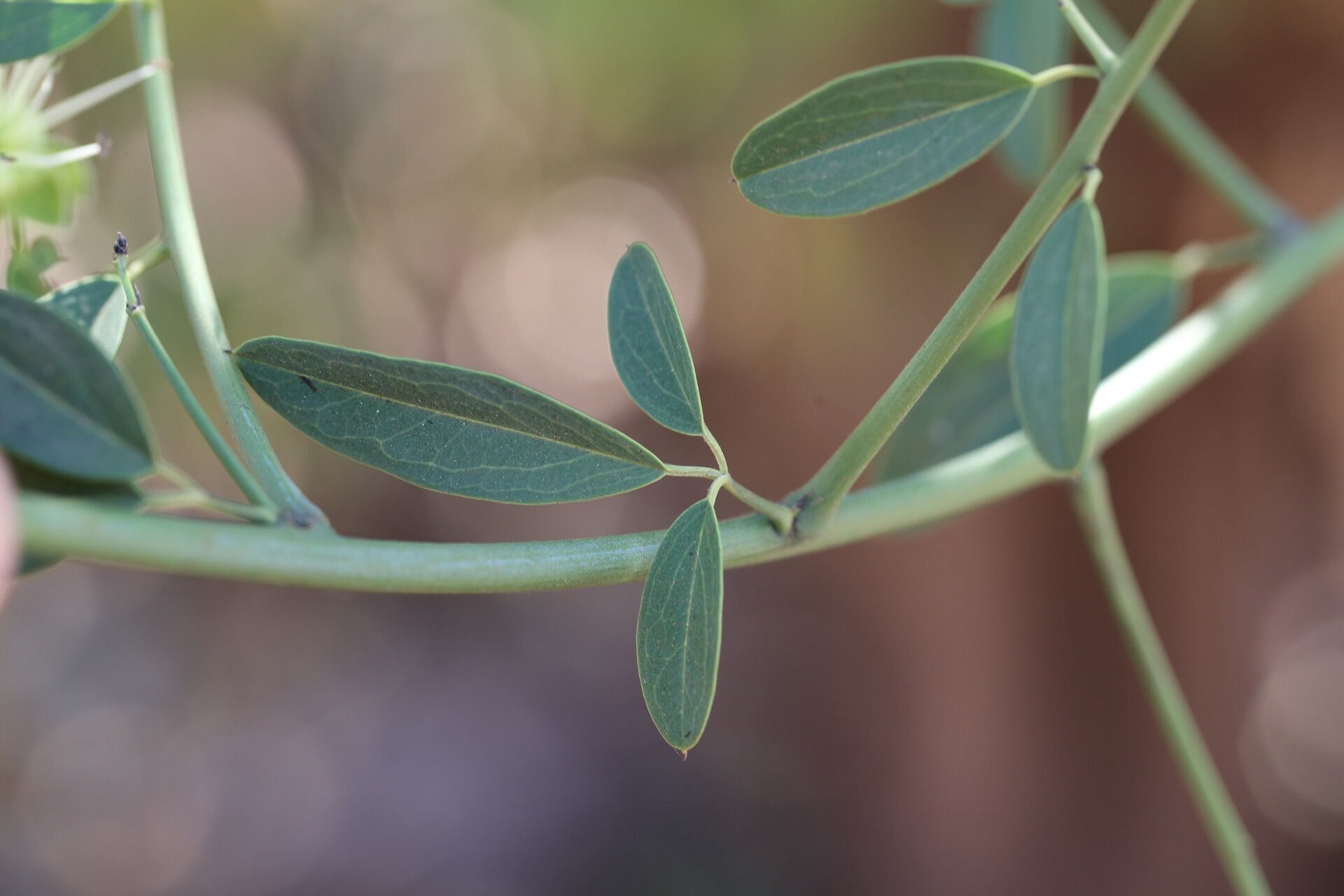
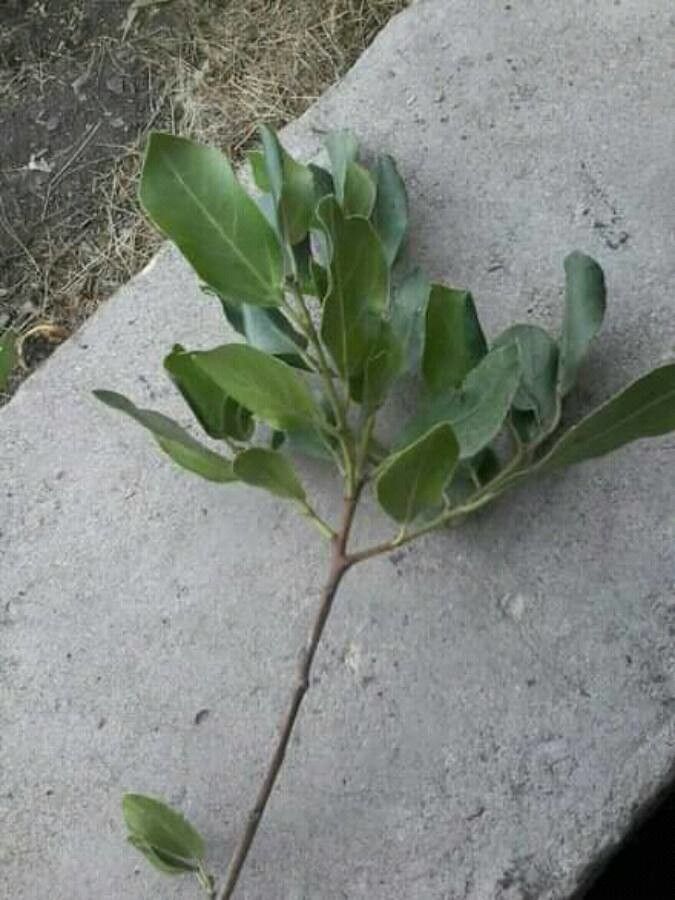
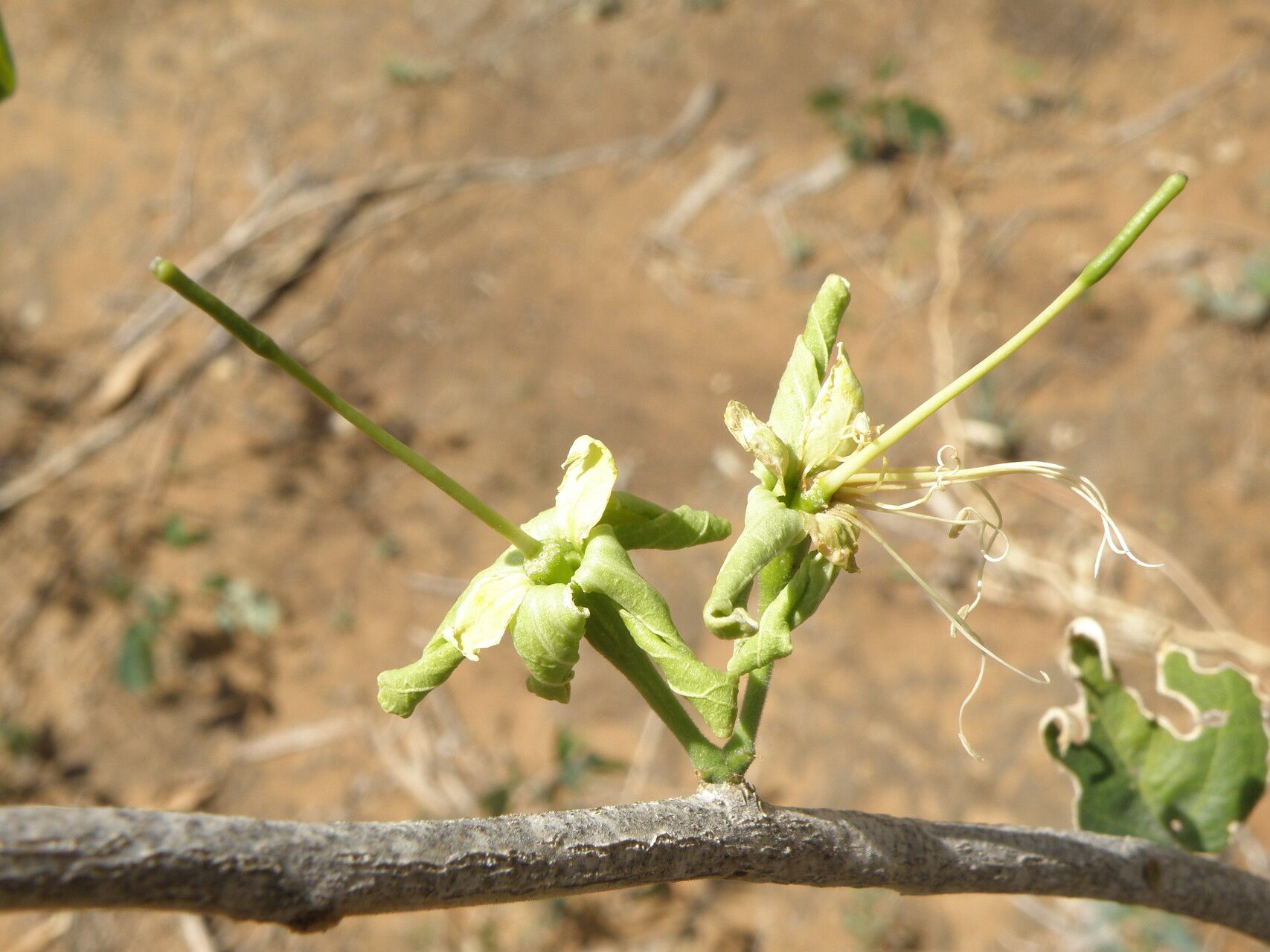
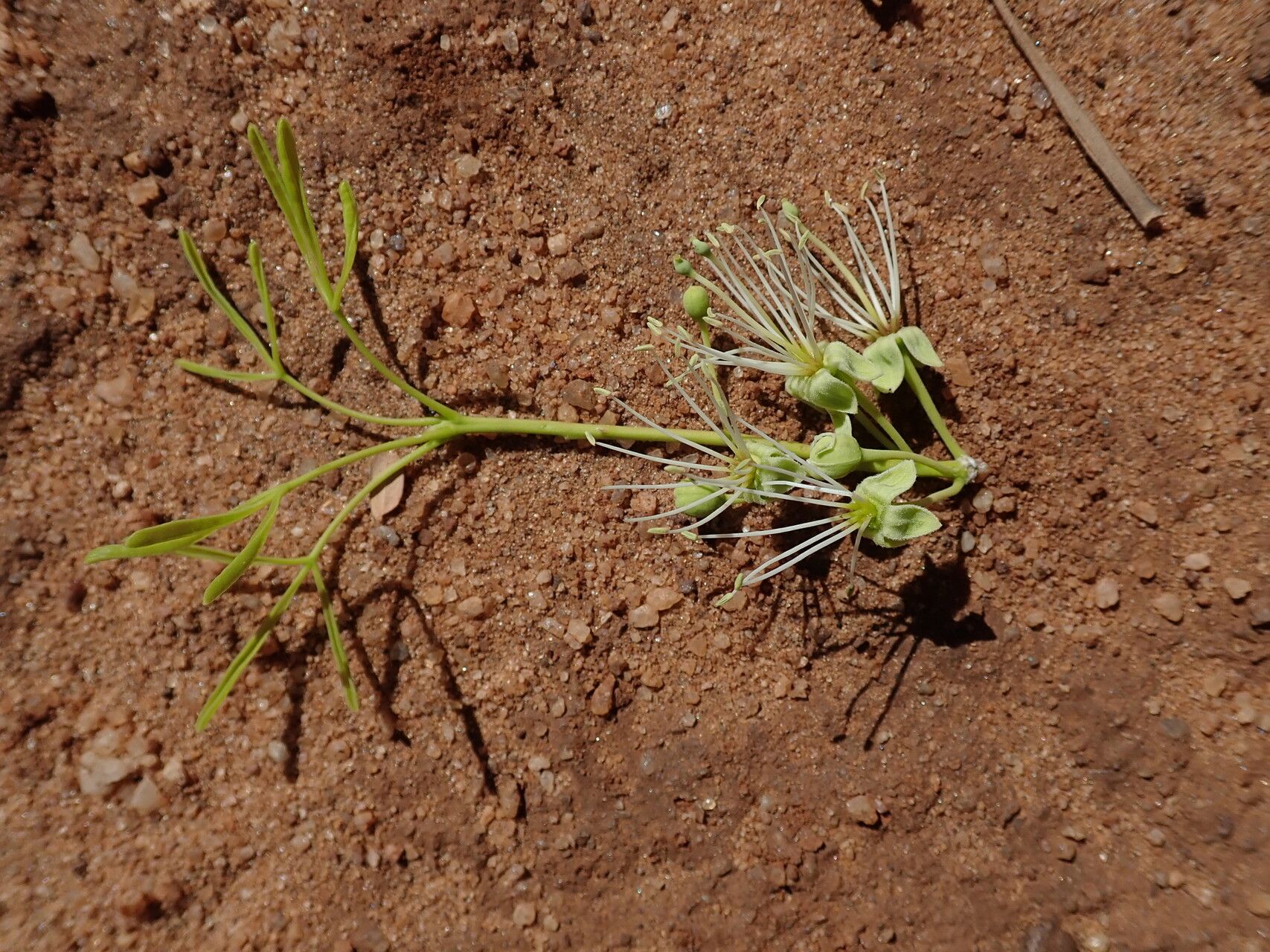
Maerua crassifolia is a species of plant in the Capparaceae family. It is native to Africa, tropical Arabia, and Israel, but is disappearing from Egypt. Foliage from this plant is used as fodder for animals, especially camels, during the dry season in parts of Africa. The plant grows commonly in Yemen, where it is called Meru. In the 18th century the plant's Arabic name Meru (مرو) was used as the source for the genus name Maerua. The 18th-century taxonomist was Peter Forsskål, who visited Yemen in the 1760s.It is used as a common nutrition source in central Africa, where it is called jiga and made into soups and other dishes. It was part of the daily diet of the Kel Ewey tribe of the tuaregs in the Aïr Mountains as late as in the 1980s, who would mix the cooked leaves with goat milk. Maerua crassifolia was considered sacred to the ancient Egyptians.
Atil shows strong resistance to disease and is generally not susceptible to illnesses. With respect to care, this plant is fairly low-maintenance. Planted outdoors, it needs minimal watering, and larger plants typically do not require pruning. Smaller plants, however, should be pruned after they have finished blooming. Atilt is appropriate for anyone who has an outdoor area, such as a garden or deck, and does not demand extensive plant-care experience.
How to keep Maerua Crassifolia.
Light
Atil comes from open habitats, such as sunny meadows and forest margins, where light is abundant. It does best in Full Sun but will also tolerate Partial Sun, adapting well to a range of light conditions.
Water
The plant known as atil comes from dry areas and is highly tolerant of drought, thriving with very little moisture. It efficiently stores water and prefers to be watered conservatively, about twice a week. Its growth cycle is influenced by seasonal rains, which determine its periods of active growth and dormancy.
Temperature
Atil comes from tropical areas, where the weather is usually warm and humid. Consequently, it is adapted to high heat and moisture. It is not fond of abrupt temperature changes and prefers a steady thermal environment, so avoiding indoor temperature fluctuations is important. It generally cannot tolerate cold and needs warmer conditions to grow. If the surrounding temperature falls too low, the plant may stop growing or even die.
Fertilizer
Fertilizing is essential for Atil's care. Consistent feeding during the growing season maintains the energy needed for its showy leaves and supports overall growth. Failure to fertilize can lead to unhealthy leaves, reduced ornamental value, and stunted or weak growth that is prone to breaking.
Pruning
Atil is a tough, drought-resistant plant that benefits greatly from optimal pruning in early spring. This process includes removing dead branches, thinning out crowded areas to improve air circulation, and maintaining the plant's structure. Regular pruning not only enhances the plant's resilience but also promotes vibrant foliage and overall health, ensuring its longevity.
Botanical profile.
- Plant Type
- Shrub
- Life Cycle
- Perennial
- Genus
- Maerua
- Family
- Capparaceae
- Hardiness Zone
- 10-12
- Mature Height
- 3.05 m to 10.06 m
- Mature Spread
- 2.13 m to 4.88 m
- Leaf Color
- Dark Green, Olive Drab
- Leaf Type
- Deciduous
- Flower Color
- White
- Flower Size
- 1.02 cm to 2.03 cm
- Bloom Time
- Mid spring, Late spring, Early summer
- Planting Time
- Spring, Summer, Autumn
- Harvest Time
- Mid summer, Late summer, Early fall
- Native Area
- Burkina Faso, Libya, Somalia, Egypt, Djibouti, Saudi Arabia, United Arab Emirates, Sudan, Mauritania, Eritrea, Nigeria, Morocco, Yemen, Kenya, Niger, Uganda, Tanzania, Chad, Mali, Cameroon, Oman, Senegal, Ethiopia, Iran, Algeria, Central African Republic
Other names.