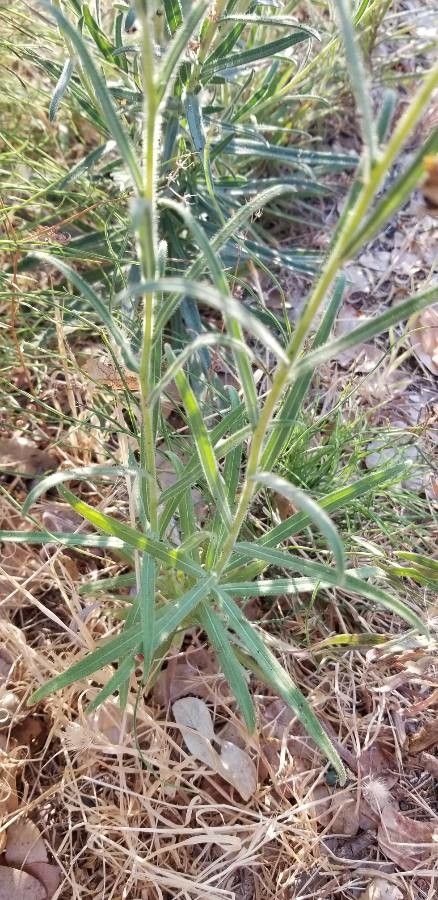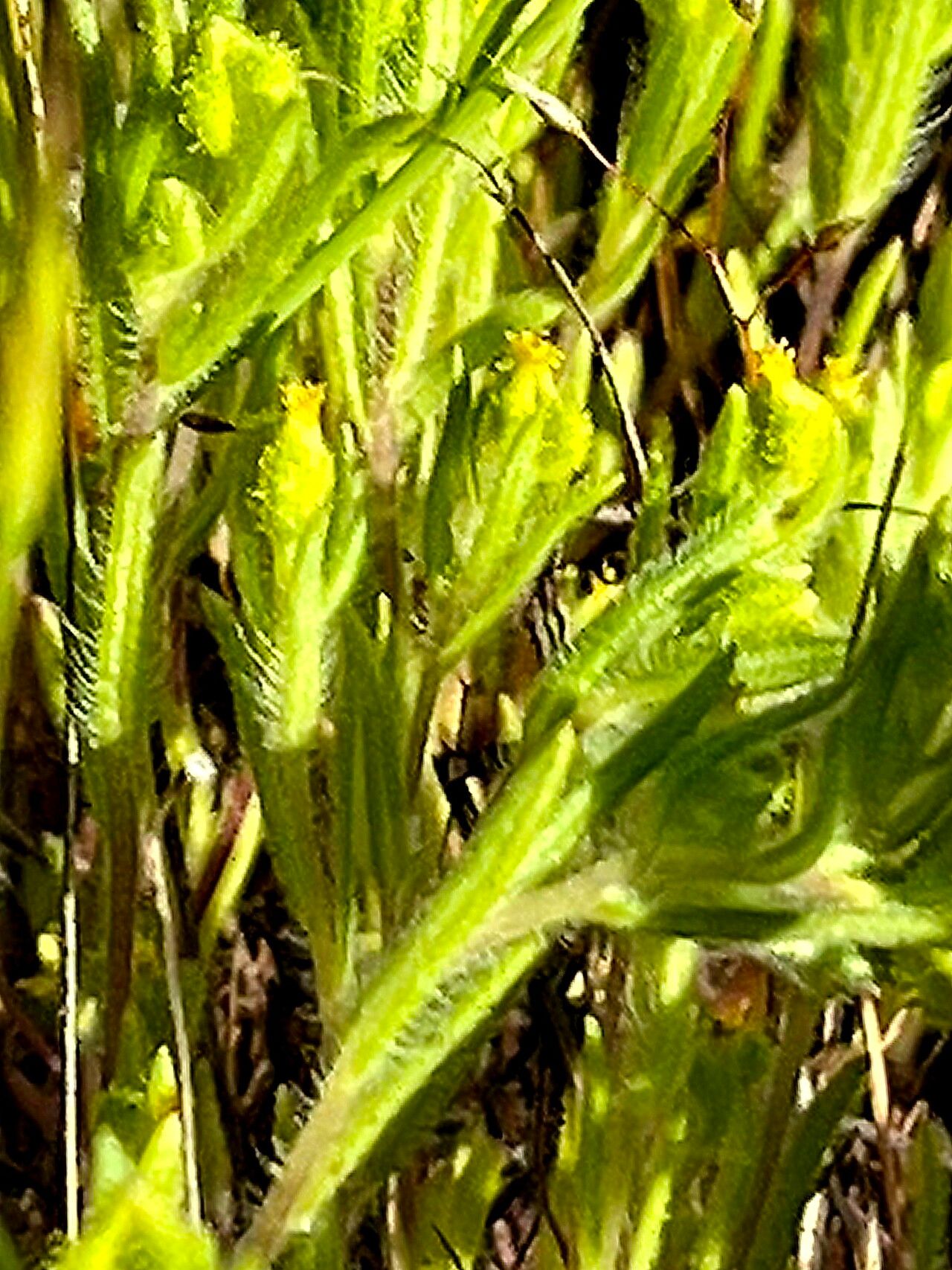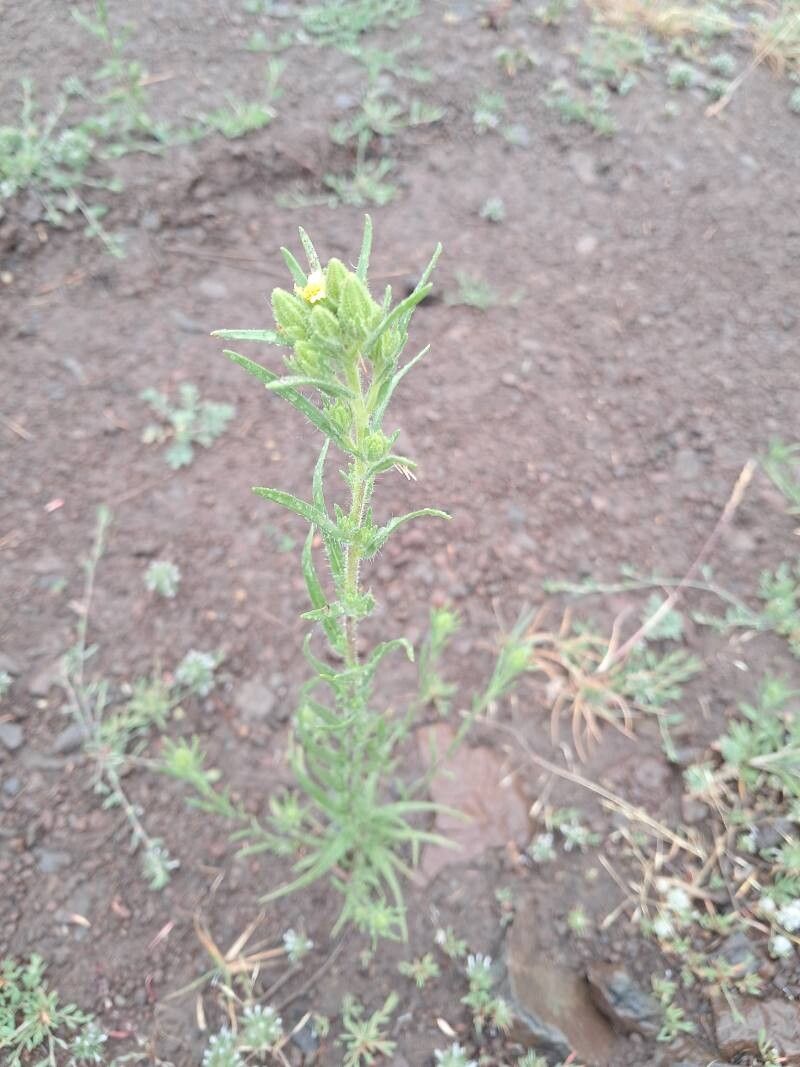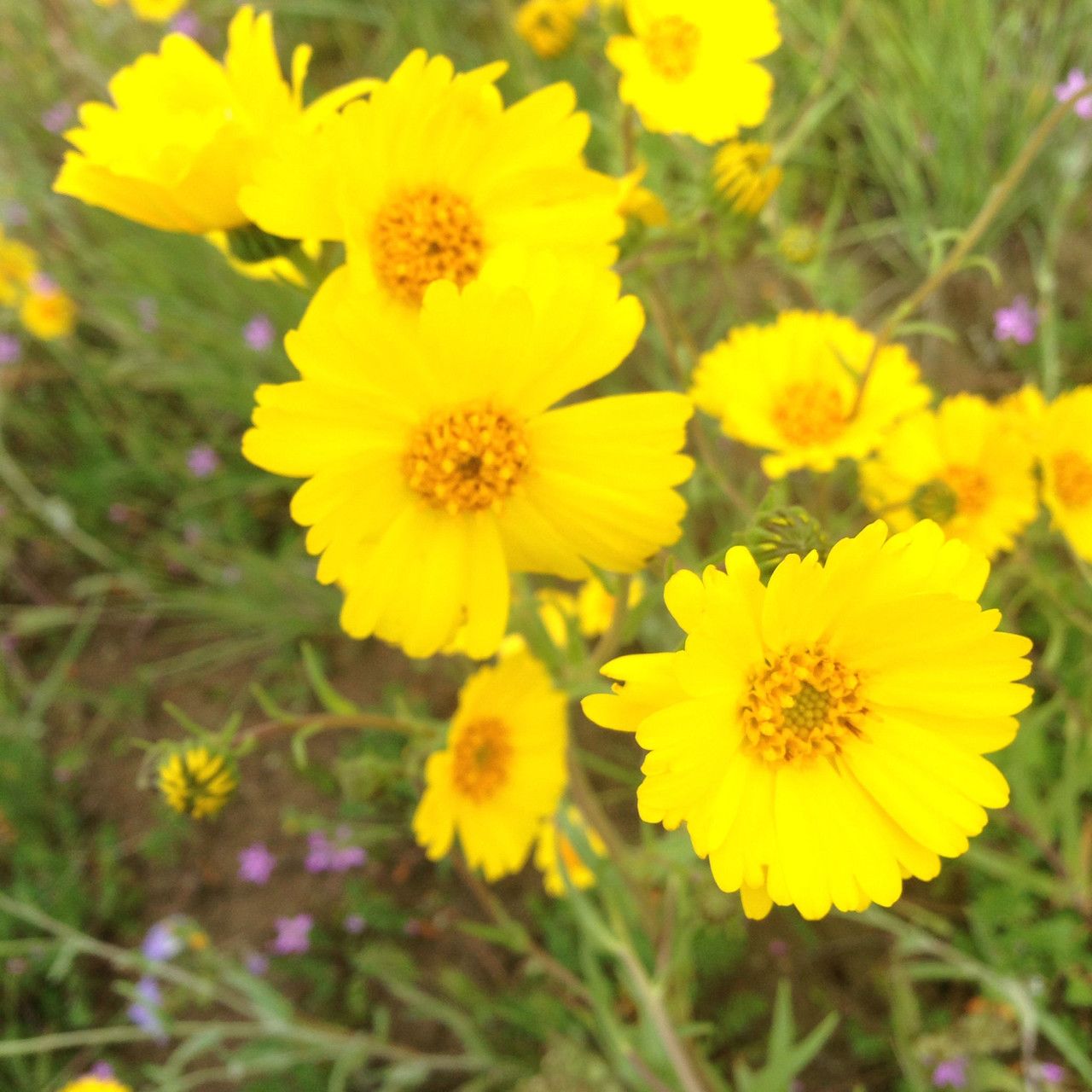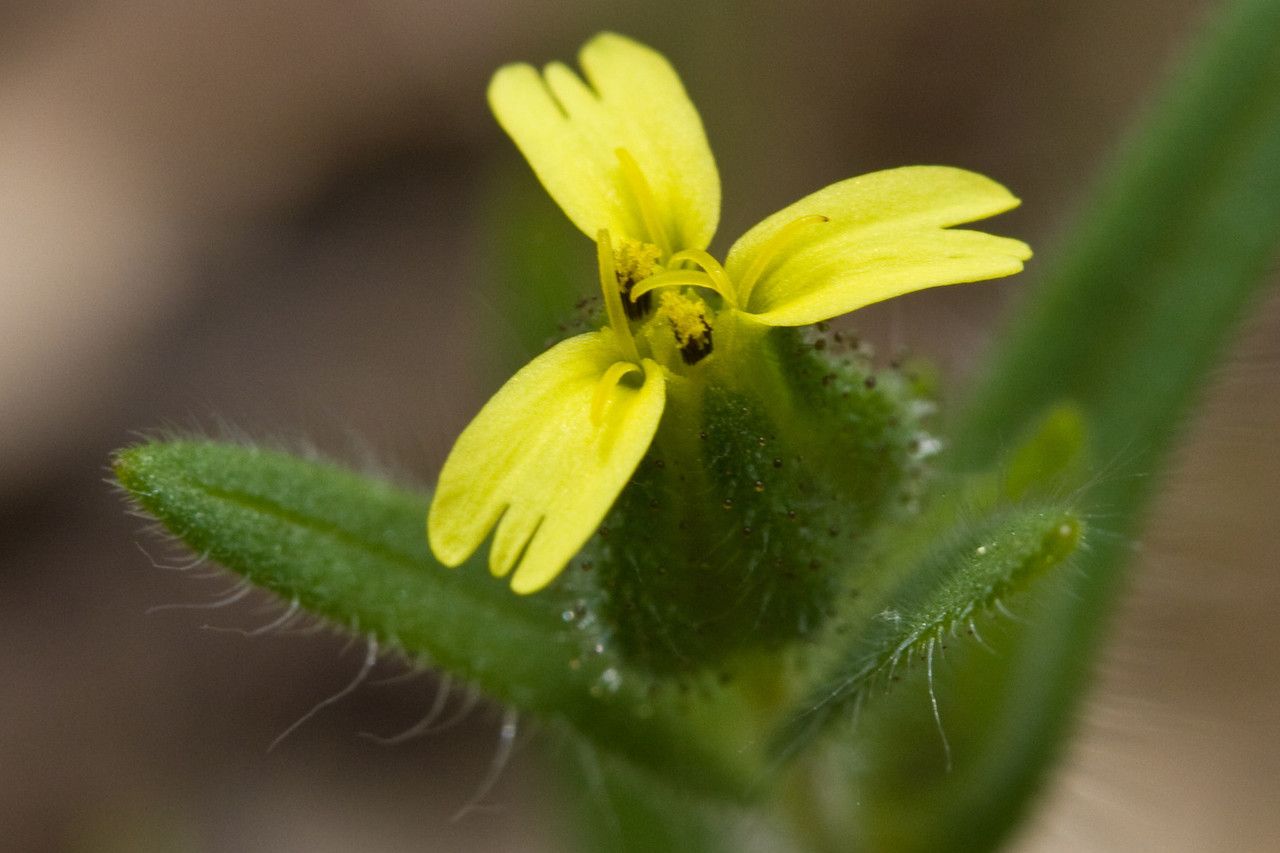
Madia gracilis is a species of flowering plant in the family Asteraceae known by the common names grassy tarweed, slender tarweed, and gumweed madia.
Gumweed has strong disease resistance and is generally not susceptible to illnesses. However, it can be affected by pests and diseases present in its environment. These infections are usually minor. In terms of care, this plant requires moderate maintenance. It should be pruned regularly to keep a good appearance and encourage healthy growth. Fertilizing can also aid in promoting flowering. Gumweed is suitable for anyone with an outdoor area, such as a garden or patio, and does not demand extensive care experience. It may need more attention when kept indoors.
How to keep Madia Gracilis.
Light
Gumweed comes from sunny, open habitats and does best in full sun. It will tolerate partial shade but favors direct sunlight for optimal growth. This plant, which can be annual or biennial, is noted for its sun-loving nature.
Water
Gumweed thrives in sunny, open areas with soil that drains well. It prefers moderate moisture levels and can withstand brief dry spells. For best growth, water it weekly. While natural rainfall is beneficial, additional watering might be needed during long periods without rain.
Temperature
Gumweed comes from an environment with temperatures between 68 and 95 °F (20 and 35 °C). The plant performs best within that range, and gardeners should aim to keep temperatures there, changing conditions as necessary with seasonal fluctuations.
Fertilizer
Gumweed responds well to regular, dilute applications of fertilizer to encourage healthy leaf development. Fertilize Gumweed about once a month during the summer. Nitrogen is important for foliage, and adding nitrogen-rich sources supports Gumweed's growth.
Pruning
Gumweed has sticky, aromatic leaves and bright yellow flowers. To encourage growth and blooming, prune it from early to late spring. Regularly remove dead stems and spent flowers to maintain its health and appearance, ensuring good air circulation.
Botanical profile.
- Plant Type
- Herb
- Life Cycle
- Annual
- Genus
- Madia
- Family
- Asteraceae
- Hardiness Zone
- 5-9
- Mature Height
- 0.1 m to 1.07 m
- Mature Spread
- 20 cm to 40 cm
- Leaf Color
- Green, Dark Green
- Leaf Type
- Deciduous
- Flower Color
- Yellow
- Flower Size
- 1.02 cm to 2.03 cm
- Bloom Time
- Summer
- Planting Time
- Spring, Summer
- Harvest Time
- Late summer, Early fall, Mid fall
- Native Area
- Mexico
Other names.
Reader questions.
What's the difference in watering Gumweed inside and outside?
Most Gumweed plants prefer to grow outdoors for a few reasons. Firstly, they tend to grow quite tall, which may make them less suitable for indoor spaces. Additionally, Gumweed requires a higher amount of daily sunlight than most indoor environments can offer. If you are able to create an appropriate indoor setting for your Gumweed, you may need to water it more frequently compared to an outdoor setting. This is because indoor spaces are often drier due to HVAC units, and the soil in containers can also dry out quicker than soil in the ground.
How many hours of sunlight does Gumweed need each day to grow well?
To ensure optimal growth and survival, it is important to provide the plants with a minimum of 6 to 8 hours of sunlight every day. Ideally, they should receive more exposure to morning light, especially during the summer months. The Gumweed, in particular, thrives in full sun and benefits from as much sunlight as possible. The amount of light these species receive directly impacts their ability to produce food, showcase stunning blossoms, and thrive.
What temperature is best for Gumweed?
Gumweed's temperature preferences vary depending on the time of year. Let's consider two main seasons: the growing season and the dormancy season. During the growing season, when Gumweed starts to sprout, the best temperature range is between 65-80°F (18-27°C). If the temperature drops below 15°F (-10°C), the plant will suffer, with its leaves potentially browning and wilting. However, if it's only a short cold snap, Gumweed may survive with some assistance. On the other hand, during warmer periods throughout the year, Gumweed needs protection from excessively high temperatures. The upper limit for this plant is around 95-105°F (35-40°C). Beyond that, the foliage and blooms of Gumweed may be compromised. When exposed to hotter temperatures, the leaves can wilt, droop, and even suffer from sunburn, which can be challenging for Gumweed to recover from. Fortunately, there are several quick and easy methods to address this issue.
What's the easiest way to water my Gumweed plant?
There are several ways to water Gumweed: using a garden hose with a spray nozzle, a watering can, or any common watering tool. Gumweed is not too picky about how it gets water, whether it's from rainwater, tap water, or filtered water. However, it's best to avoid watering this plant from above as it can damage the leaves and flowers and potentially cause disease. Installing a drip irrigation system is often the most effective way to water Gumweed, as it provides even and direct moisture to the soil. If you have a Gumweed in a container, you can use a cup, watering can, or tap water to water it directly into the soil.
What kind of sunlight does Gumweed require?
The Gumweed thrives in full sunlight, so it's important not to crowd them together. This ensures that each plant receives an equal amount of sun. It's crucial for the leaves to have access to sunlight as they will not grow well without it. If planting in pots, place the herbaceous flowers in windows that get direct sun, and make sure they receive full sunlight all year round. Gumweed plants do not do well in partial or filtered light, as this weakens their stems and flowers. For optimal growth, it's recommended to always keep the Gumweed exposed to the sun.
What temperature does Gumweed need in its first year or as a seedling?
If you are planting your Gumweed outside for the first time, it will need extra care during the coldest months. Frost can harm a new Gumweed and prevent it from growing back healthy in the spring. To protect it, keep the temperature above 40℉(5℃) until it is established. You can do this by bringing it inside for a month or two or by using mulch or fabric barriers to shield it from frost. During the first year or two, it is best to plant Gumweed in a shadier spot as small and weak plants struggle to regulate their temperature in the heat. For first-year Gumweed, limit direct sunlight to no more than five hours a day, especially if the temperature goes over 80℉(27℃). Use shadecloth and water or mist it frequently to control heat during the summer.
What should I do if I give my Gumweed too much or too little water?
To remedy underwatering Gumweed, simply water it more frequently when you notice it lacks moisture. Overwatering, on the other hand, can be a serious issue that may lead to diseases and the decline of the plant. To prevent this, choose a suitable location for your Gumweed that gets plenty of sunlight and has good drainage. If you've overwatered a potted Gumweed, consider transferring it to a new pot with better drainage and loose soils.
Can the sun harm plants? How can Gumweed be protected from damage caused by sunlight and heat?
When the temperature rises above 90℉ (32℃), Gumweed can be damaged by extreme heat, especially if it is exposed to the sun for long periods. It is best to provide some shade in the afternoon during the summer because sunlight is stronger and lasts 50% longer in summer compared to winter. If the Gumweed is stressed from too much sunlight, make sure to keep it well-hydrated by watering when the top of the soil is about 2 inches dry. If it's too hot outside, consider moving container-planted Gumweed indoors. It is normal for the plant leaves to wilt during the day but they typically recover at night. However, if the Gumweed remains droopy, it means it is losing water rapidly and needs to be watered.
How can I keep Gumweed safe from really hot or really cold weather?
If cold temperatures below 15℉(-10℃) occur during the growing season, there are measures you can take to protect Gumweed from frost damage. If it's grown in a container, simply bring the container inside in bright, indirect light until temperatures rise above the threshold. If it's planted in the ground, use mulch or horticultural fabric to create a barrier around the plant to protect it from frost and cold wind. For temperatures hotter than 80℉(27℃) in the shade, take care to limit Gumweed's exposure to sunlight to no more than six hours per day, preferably in the morning. Use shade cloth or a fine plastic mesh to reduce direct sunlight during the hottest parts of the day. Installing a misting system can also help lower ground temperatures by releasing cooling mist around the base of the plant during the day.
How many times should I water my Gumweed?
To keep your Gumweed healthy, it needs regular watering throughout the growing season. During spring, watering once a week should suffice. As the weather gets warmer, you may need to increase watering to two or three times a week. However, be careful not to exceed this rate as it can harm your Gumweed. Regardless of watering frequency, it is important to keep the soil moist but not overly wet. When watering Gumweed in a pot, you should water more frequently because potted soil can dry out faster. In most cases, watering a container-grown Gumweed a few times per week is recommended, compared to just once per week for a plant in the ground.
Should I keep Gumweed away from the sun?
The Gumweed thrives in the sun and even prefers it. Some species are even heliotropic. It is recommended to plant them in south-facing gardens to maximize sun exposure from morning to afternoon. However, it's important to note that while the sun is beneficial, some Gumweed plants may be prone to sunburn. To protect them, you can provide shade from a tree or wall during the afternoon and midday. Growing Gumweed in shady areas is not advisable as the larger flowers require abundant energy to grow and produce. To achieve the best results, always ensure the Gumweed is placed in an area with full sun and optimal lighting conditions.
Suggestions for the ideal temperature during the dormant season for Gumweed.
Gumweed needs cold temperatures to remain dormant until it's time to sprout. Sprouting before the last frost can be lethal, especially if the plants have already started growing. Ideally, winter temperatures should be below freezing, but anything below 40℉ is generally fine. In more temperate climates, a warm spell can cause Gumweed to sprout prematurely. If there's still a risk of frost, you can protect the sprout by covering it with clear plastic on stakes. This cover can be removed once the frost danger has passed. Sometimes Gumweed can naturally resprout at the right time, but using this method increases the chances of a successful second sprouting.