Macroptilium lathyroides, commonly known as Wild Bush Bean or Wild Pigeon Pea, is a perennial herbaceous plant in the Fabaceae family. It is native to tropical and subtropical regions of the Americas and thrives in various habitats, including savannas, forests, and disturbed areas.
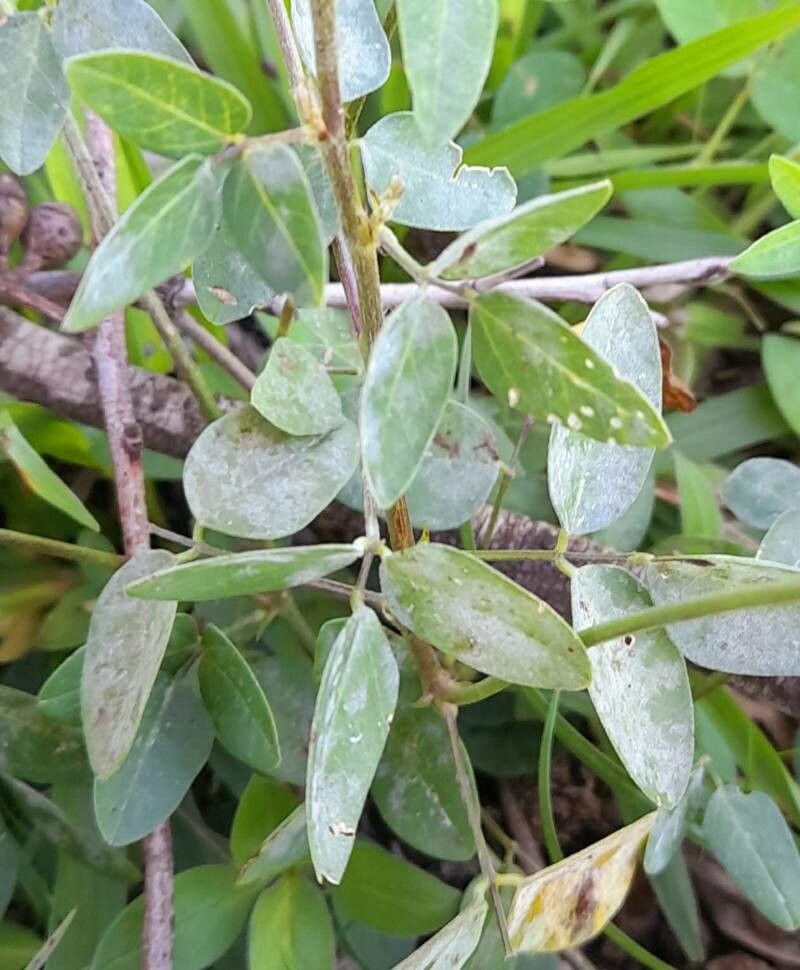
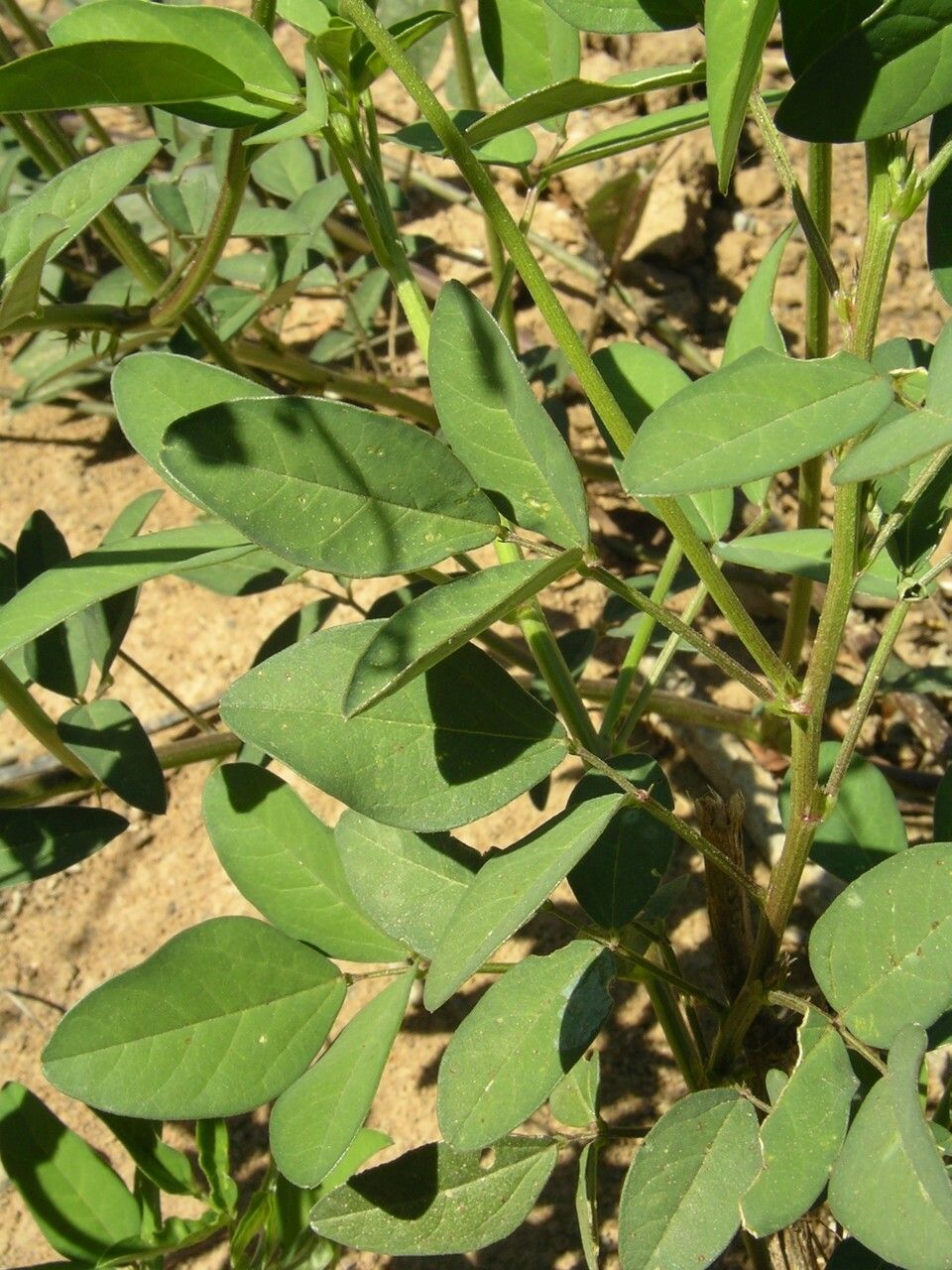
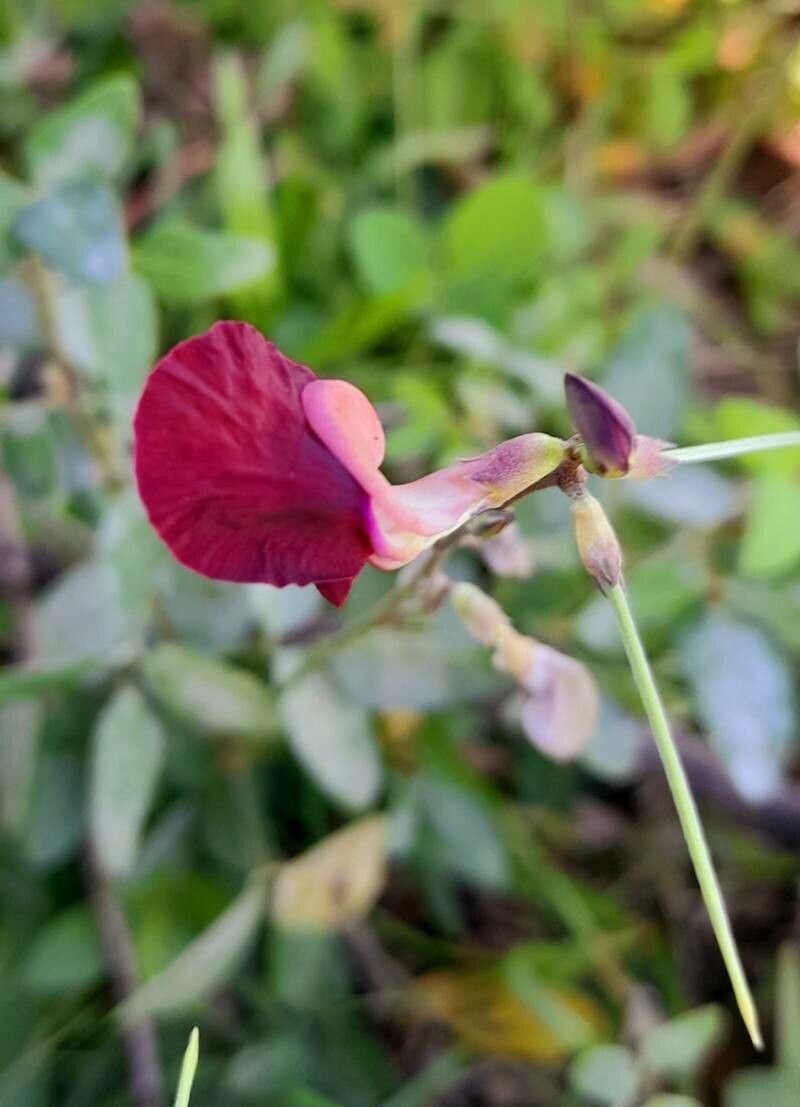
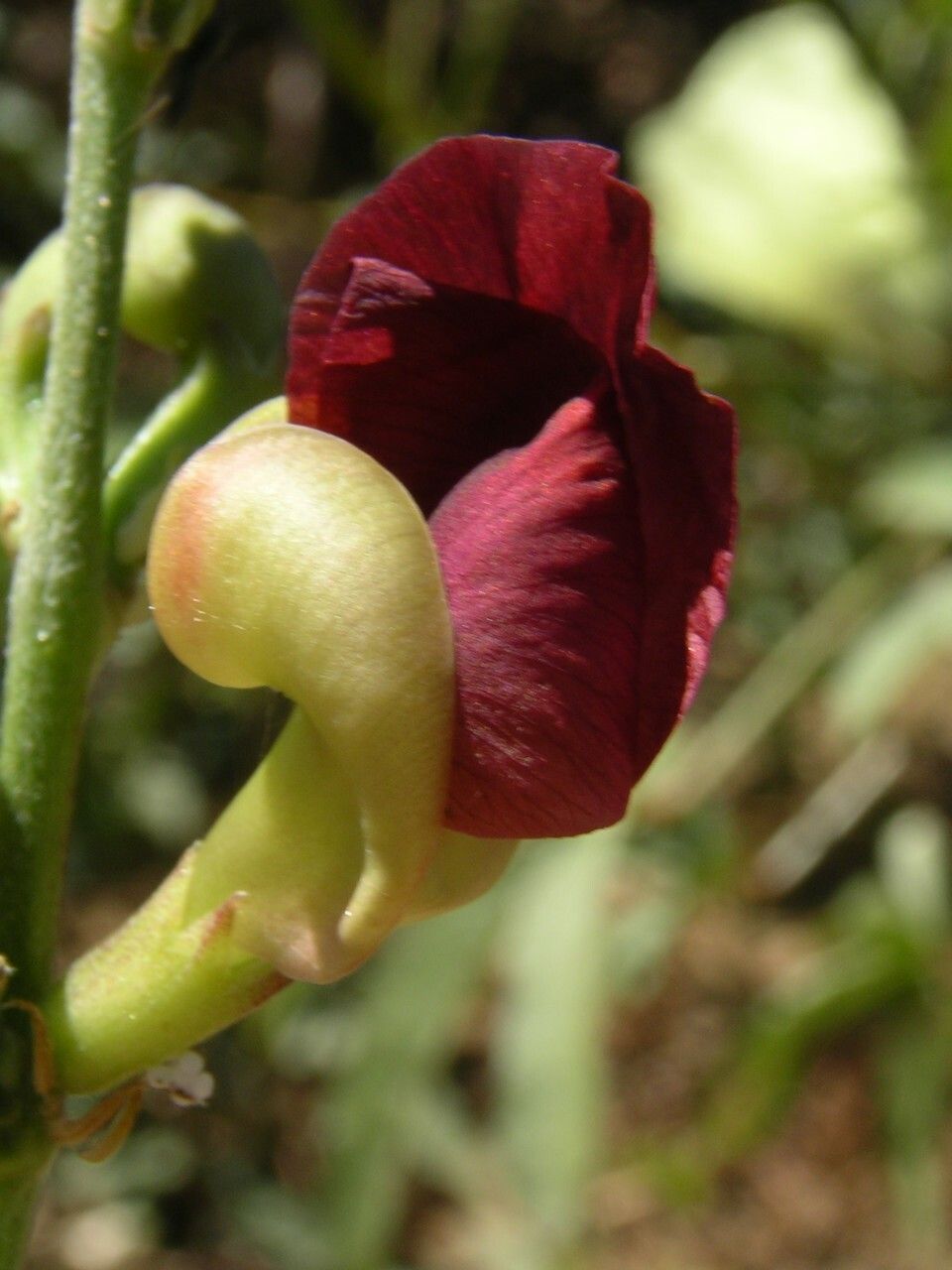
The plant has a sprawling growth habit, with stems reaching up to 2 meters in length. Its trifoliate leaves consist of oval-shaped leaflets that are 2-4 cm long. The small, pinkish-purple flowers are arranged in clusters on long stalks.
Macroptilium lathyroides produces pods that contain several small seeds, which have been consumed by indigenous people for centuries due to their high protein content.
The plant offers several benefits, including soil improvement through nitrogen fixation via its root nodules. It also serves as a crucial food source for wildlife such as birds and insects.
In traditional medicine, Macroptilium lathyroides has been used to treat various ailments, including fever reduction and respiratory infections.
Overall, Macroptilium lathyroides is an ecologically significant plant species with potential economic benefits in agriculture and medicine.
Phasey bean has strong disease resistance and is generally not prone to illnesses. However, it can be vulnerable to pests and diseases present in its surroundings. These infections are usually mild. In terms of care, this plant requires moderate maintenance. It should be pruned regularly to maintain a good appearance and support healthy growth. Fertilization can also help encourage flowering. Phasey bean is suitable for anyone with outdoor space, such as a garden or patio, and does not require a lot of care experience. It may need more attention when grown indoors.
How to keep Macroptilium Lathyroides.
Light
Phasey bean requires a generous amount of sunlight to grow healthily, though it can tolerate a slightly lower amount. Native to sun-drenched environments, its growth stages can adjust to mildly reduced sunlight. Both overexposure and insufficient exposure to sunlight can affect the plant’s vitality.
Water
Phasey beans flourish in tropical environments that provide consistent moisture and high humidity. To ensure they remain adequately hydrated, it's best to water them once a week. However, since these plants can adapt to seasonal rainfall, you should adjust your watering practices to better mimic natural conditions.
Temperature
Phasey bean is native to habitats that provide a moderate to high temperature range of 68 to 100 °F (20 to 38 °C). It performs best under those conditions. To promote optimal growth, keep temperatures within that range, adjusting for seasonal changes when required.
Fertilizer
The ideal time to fertilize a Phasey bean is early in spring, as it comes out of dormancy and begins active growth. Fertilization supplies essential nutrients needed for healthy growth. Although the Phasey bean has relatively low fertilizer requirements, applying fertilizer once a year can improve its survival and encourage better, longer-lasting flowers.
Pruning
The Phasey bean thrives when systematically pruned, which involves removing damaged leaves and leggy stems. The best time to do this is in early spring, as it encourages the plant to become bushier. Pruning in this way improves air circulation, reduces the likelihood of disease, and enhances blooming. Additionally, regularly monitoring the plant helps maximize its ornamental beauty and ecological benefits.
Botanical profile.
- Plant Type
- Herb, Vine
- Life Cycle
- Perennial, Annual, Biennial
- Genus
- Macroptilium
- Family
- Fabaceae
- Hardiness Zone
- 8-11
- Mature Height
- 0.91 m to 1.52 m
- Mature Spread
- 30 cm to 61 cm
- Leaf Color
- Green, Dark Green
- Leaf Type
- Deciduous
- Flower Color
- Purple
- Flower Size
- 2.54 cm
- Bloom Time
- Summer, Fall
- Planting Time
- Spring, Summer
- Harvest Time
- Late summer, Fall, Early winter
- Native Area
- Belize, Honduras, Mexico, Peru, Panama, Jamaica, Colombia, Bahamas, Cuba, Bolivia, Venezuela, Guyana, Brazil, Nicaragua, Ecuador, Costa Rica
Other names.
Reader questions.
What's the difference between watering my Phasey bean inside and outside?
The Phasey bean is often grown indoors by gardeners in non-temperate and non-tropical regions. If you choose to grow it in a container, keep in mind that the soil can dry out faster compared to soil in the ground. Additionally, factors like air conditioning can cause the Phasey bean to require more frequent watering than if it were planted outside. In such cases, watering may not be necessary if there is regular rainfall. On the other hand, if you grow the Phasey bean indoors, you will need to water it more often because relying on rainwater to soak the soil is not possible.
What are the sunlight requirements for Phasey beans?
Phasey beans require a substantial amount of sunlight to flourish, thriving best in full sun conditions, which means they should receive more than 6 hours of sunlight daily. However, they can also adapt to partial sun, getting about 3 to 6 hours of sunlight. It's essential to monitor the sunlight movement through your garden to find the ideal balance of light and shade, ensuring your plants grow healthy and happy.
What is the ideal temperature range for growing Phasey bean?
The Phasey bean, scientifically known as Macroptilium lathyroides, thrives best in medium to high temperature environments, ideally between 68 to 100 °F (20 to 38 °C). It's important to maintain this temperature range to maximize the plant's growth. Adjustments might be necessary seasonally to keep within this optimal temperature range.
How should I water my Phasey bean plants?
When watering the Phasey bean, it is important to use filtered water at room temperature. Tap water may contain harmful particles, so filtered water is preferred. The Phasey bean is accustomed to warm environments, so using cold water can shock its system. It is also recommended to avoid overhead watering, as it can cause problems with the foliage. Instead, water the plant by soaking the soil with filtered water at room temperature until it is fully saturated. This method helps moisten the roots and allows them to spread and collect the necessary nutrients.
Can Phasey beans grow with artificial lighting?
Yes, Phasey beans can grow under artificial lighting, which is especially useful when natural sunlight is insufficient, such as during winter or in areas of the home that do not receive enough sunlight. LED lights are recommended because they can be customized to provide specific wavelengths needed for plant growth. For optimal growth, full sun plants require 30-50W/sq ft, partial sun plants need 20-30W/sq ft, and full shade plants need 10-20W/sq ft of artificial light. The lights should be placed 12-36 inches above the plant and be on for 8-12 hours per day to mimic natural daylight hours.
Does Phasey bean have any tolerance to cold temperatures?
Yes, Phasey bean possesses some degree of cold tolerance and generally does not require additional protection when temperatures are above 0°C. However, if temperatures are expected to drop below freezing, temporary cold protection measures are necessary. This could involve wrapping the plant with materials like plastic film, non-woven fabric, or other suitable fabrics to insulate it from the cold. Once the temperature rises again, these protective measures should be removed to prevent any potential damage from overheating or suffocation.
What should I do if I give too much or too little water to my Phasey bean?
Overwatering is a more common issue for Phasey beans and can cause wilting, yellowing leaves, and diseases like root rot, mold, and mildew. Underwatering is less common, but can cause brittle, brown leaves. It's important to quickly identify signs of overwatering and reduce watering if necessary. Check the soil drainage and replace if necessary. Increase watering if signs of underwatering are present.
What are the symptoms of inadequate light for Phasey beans?
Inadequate lighting can lead to several growth issues in Phasey beans, including smaller new leaves, leggy or sparse growth, faster leaf drop, slowed or halted growth, and the development of pale or irregularly colored leaves. Excessive sunlight can cause issues too, such as chlorosis (leaves turning yellow), sunscald, leaf curling, wilting, and leaf scorching. These symptoms indicate the plant's struggle with its lighting conditions, whether it's too much or too little.
How should I care for my Phasey bean during low temperatures?
During low temperatures, especially when the thermometer drops below 20°C but stays above 0°C, Phasey bean requires little special care due to its moderate tolerance to cold. However, exposure to temperatures below -10°C may cause the leaves to droop and, in severe cases, wilt and fall off. If frost damage occurs, trim away the affected parts of the plant. To prevent future cold damage, wrap the plant with non-woven fabric or cloth, and consider setting up a wind barrier to protect it from cold winds.
How frequently should I water my Phasey bean?
If your Phasey bean plant is in a pot, the best way to determine if it needs water is by checking the soil. Stick your finger into the soil and if the top two to three inches are dry, it's time to water. For Phasey beans grown outdoors in the ground, you can use a similar method. When the first few inches of soil have dried out, it's time to water. During spring and early fall, you typically need to water this plant once a week using this method. However, in extremely hot weather, you may need to water it twice a week or more. It's important to note that mature, well-established Phasey bean plants have a good tolerance for drought.
How can I address lighting issues for Phasey beans?
To optimize Phasey bean growth in low light conditions, consider gradually moving the plants to areas with at least 6 hours of direct sunlight daily, such as near a south-facing window. If natural light is inadequate, using artificial light sources like desk or ceiling lamps for at least 8 hours a day can help. For outdoor plants, gradually acclimating them to sunnier spots can prevent sunburn. In cases where trees or structures block sunlight, pruning or relocating the plants may be necessary. Remember, while new growth will thrive under improved conditions, parts of the plant that were previously damaged may not recover.
What should I do if my Phasey bean is exposed to high temperatures?
During the summer, it's crucial to ensure that the Phasey bean does not experience temperatures above 38°C. Exposure to temperatures exceeding 43°C can cause the leaves to lighten in color, dry out at the tips, curl, and make the plant more prone to sunburn. In such situations, trim away any sunburned or dried parts of the plant. To protect it from further damage, move the plant to a shaded area away from the intense midday and afternoon sun, or use a shade cloth. Additionally, watering the plant in the morning and evening will help keep the soil moist and reduce temperature stress.