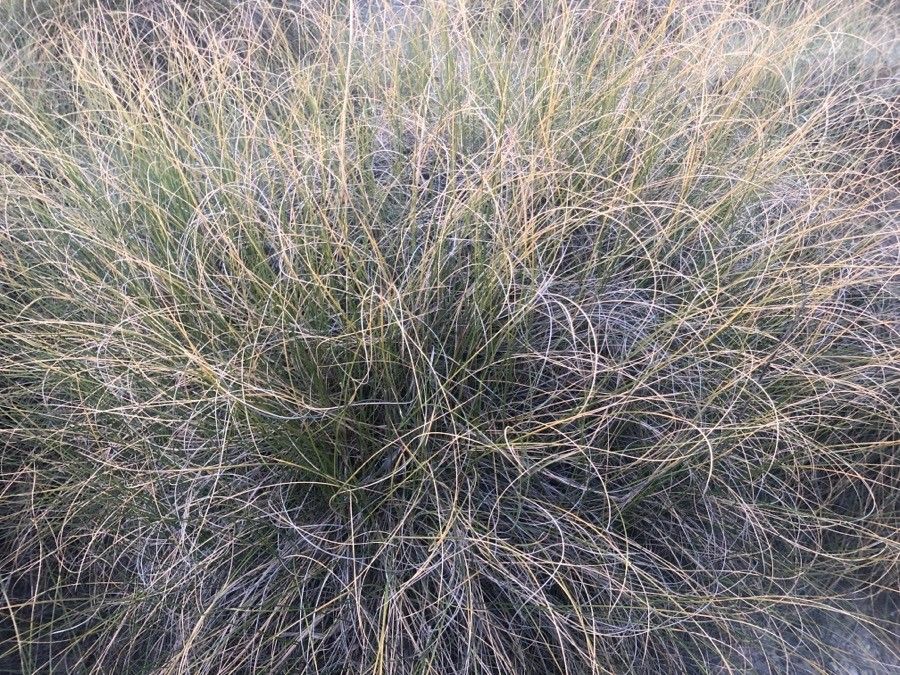
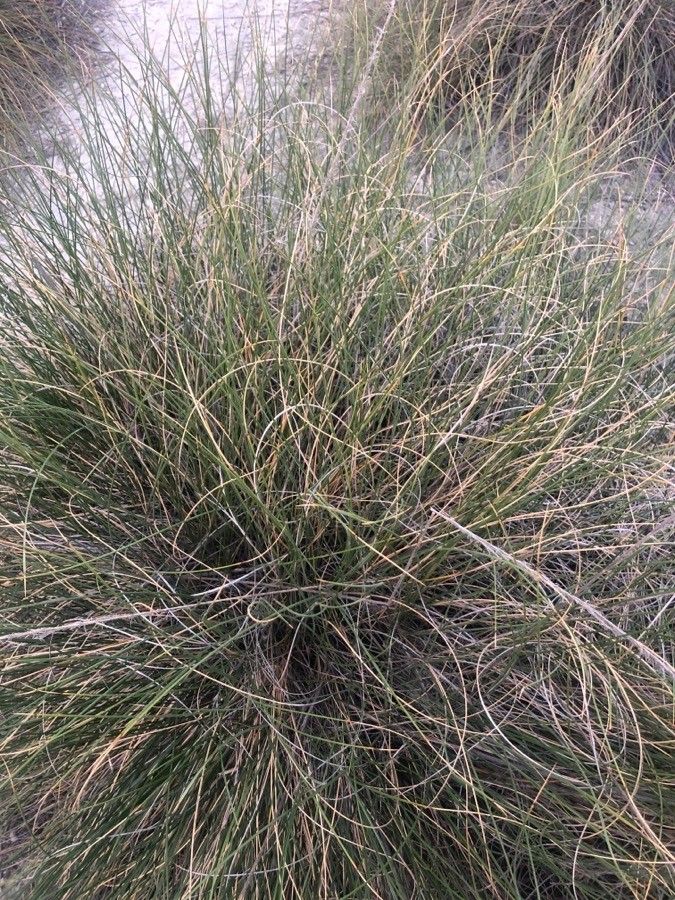
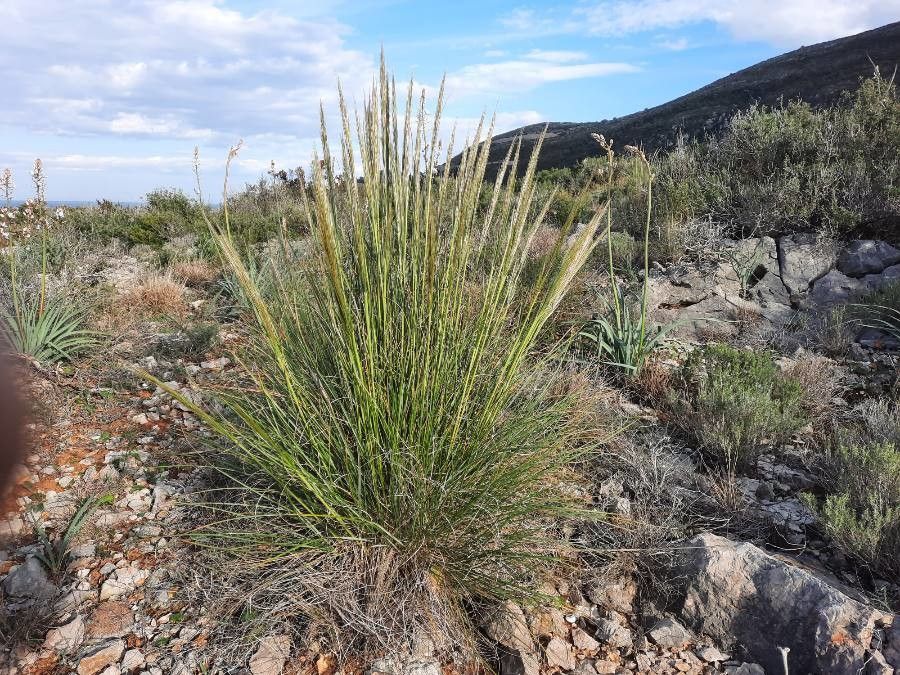
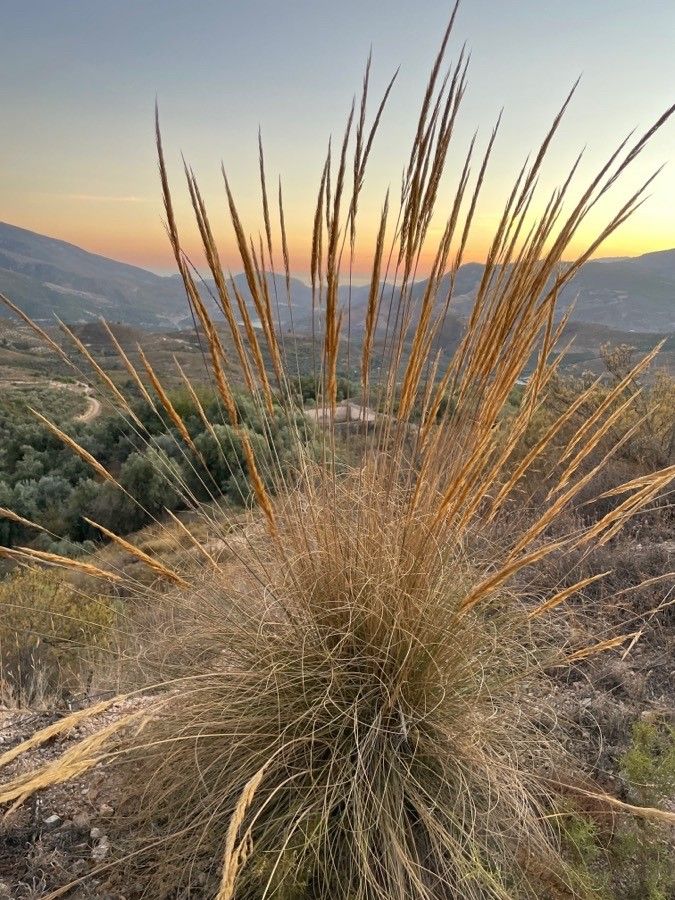
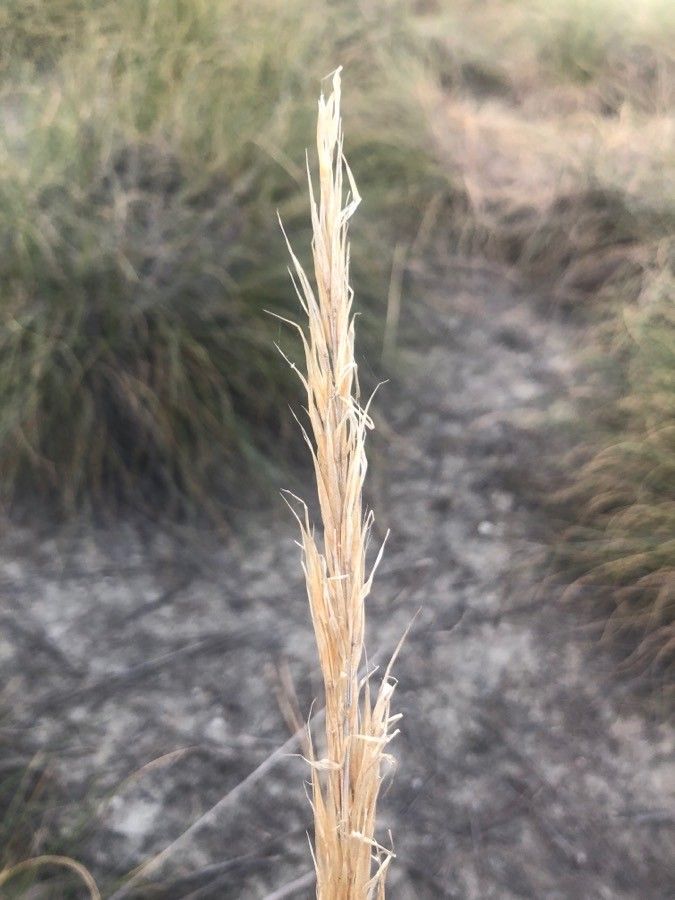
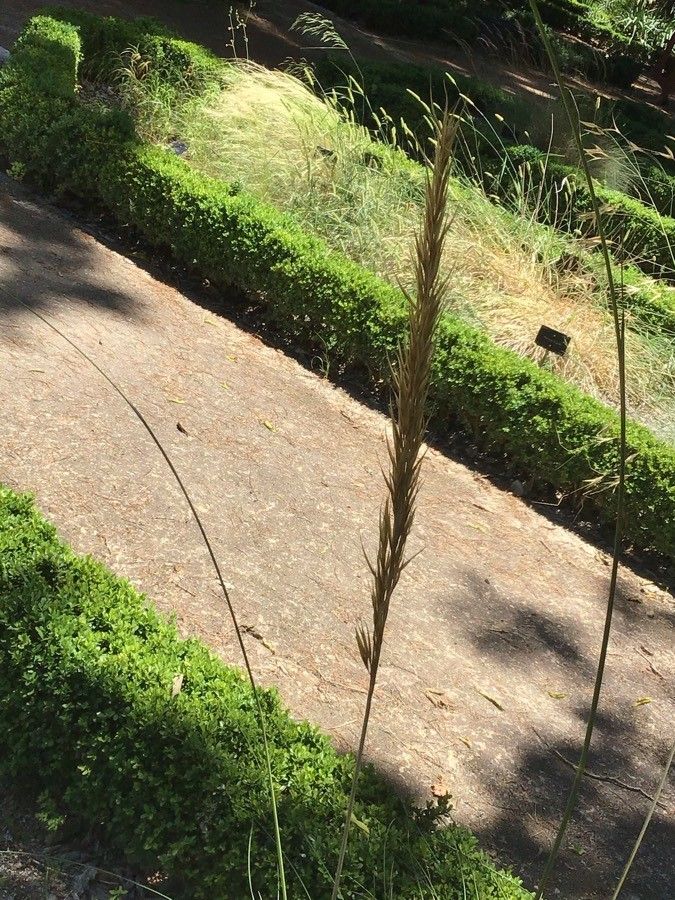
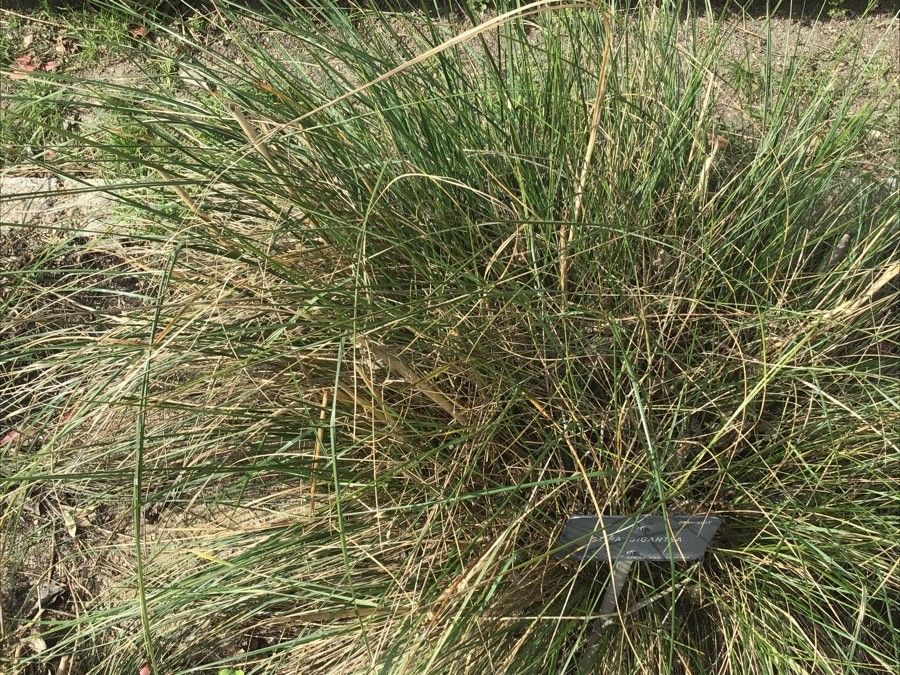
Macrochloa tenacissima, commonly known as esparto grass, is a perennial grass native to the Mediterranean region. It thrives in arid and semi-arid areas and can adapt to a wide variety of soil types. The plant features long, narrow leaves that are tough and wiry in texture, and it produces tall stems that can reach up to 1 meter in height.
For centuries, esparto grass has been utilized for various purposes, such as making ropes, baskets, mats, paper pulp, and even shoes. The plant's fibers are strong and durable, making it ideal for these applications.
Beyond its practical uses, esparto grass also offers ecological benefits. Its extensive root system helps stabilize the soil, thereby preventing soil erosion.
Although the commercial use of esparto grass has declined due to the availability of synthetic materials, it remains an important cultural symbol in Mediterranean countries. It continues to be used in traditional crafts, such as weaving baskets and creating decorative items.
In summary, Macrochloa tenacissima, or esparto grass, is a significant plant species with both practical applications and cultural importance throughout history.
Esparto is resistant to disease and is typically not susceptible to illnesses. Regarding care, this plant needs relatively little attention. When grown outdoors it needs only minimal watering, and larger specimens usually do not require pruning. Smaller specimens, however, should be trimmed after they finish flowering. Espartot is appropriate for anyone with an outdoor area, like a garden or deck, and does not demand extensive care experience.
How to keep Macrochloa Tenacissima.
Light
Esparto is a sun-loving perennial herbaceous plant native to open habitats and frequently found in meadows and grasslands. It prefers full sun but can also tolerate partial sun.
Temperature
Esparto can tolerate a wide range of temperatures, though its range may still be restricted by different combinations of moisture and heat. It performs best in warm summer climates with sufficient rainfall or irrigation. Long stretches of overcast, rainy weather, as well as extended high temperatures, can increase the risk of Esparto dying. In winter, adequate protection from cold can enhance the plant’s survival chances.
Fertilizer
Esparto necesita nutrientes adicionales para fomentar un crecimiento nuevo y saludable. En primavera, colocar compost alrededor de la base de la planta puede proporcionar la nutrición necesaria. La fertilización ayuda a impulsar un crecimiento vigoroso y contribuye a que la planta resista enfermedades y plagas.
Botanical profile.
- Plant Type
- Grass
- Life Cycle
- Perennial
- Genus
- Macrochloa
- Family
- Poaceae
- Hardiness Zone
- 8-11
- Mature Height
- 1.22 m to 1.83 m
- Mature Spread
- 30 cm to 61 cm
- Leaf Color
- Green, Gray, Silver
- Leaf Type
- Evergreen
- Flower Color
- White, Green, Cream, Brown, Silver
- Flower Size
- 2.54 cm to 7.62 cm
- Bloom Time
- Mid spring, Late spring
- Planting Time
- Spring, Summer
- Harvest Time
- Early summer, Mid summer
Other names.