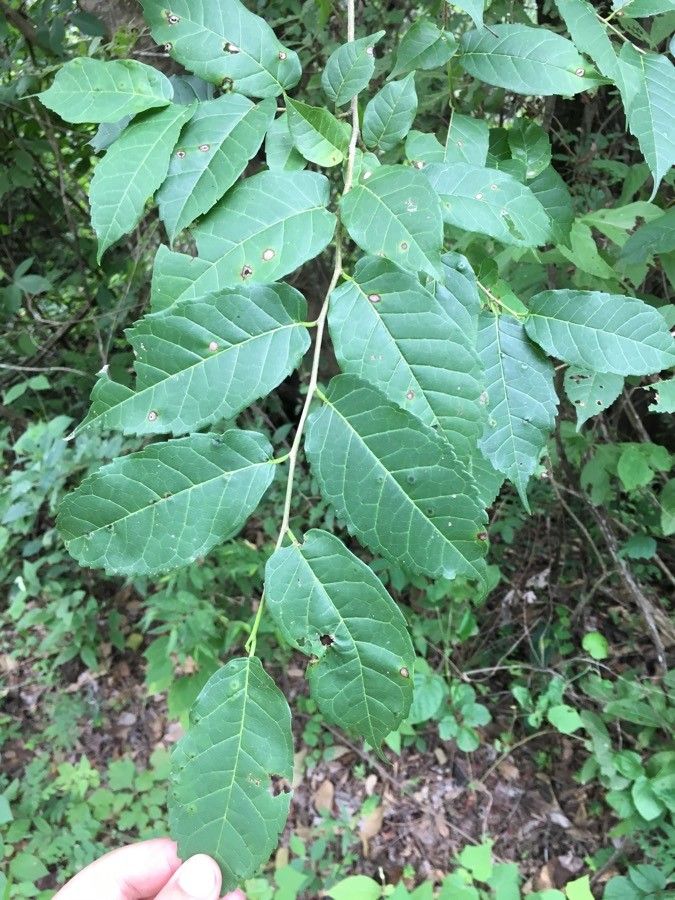
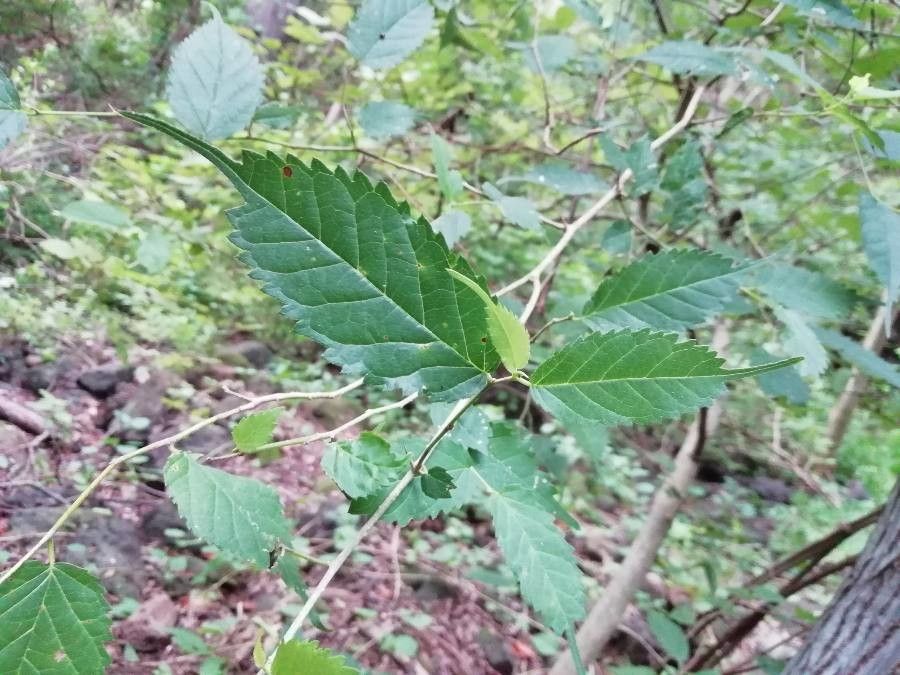
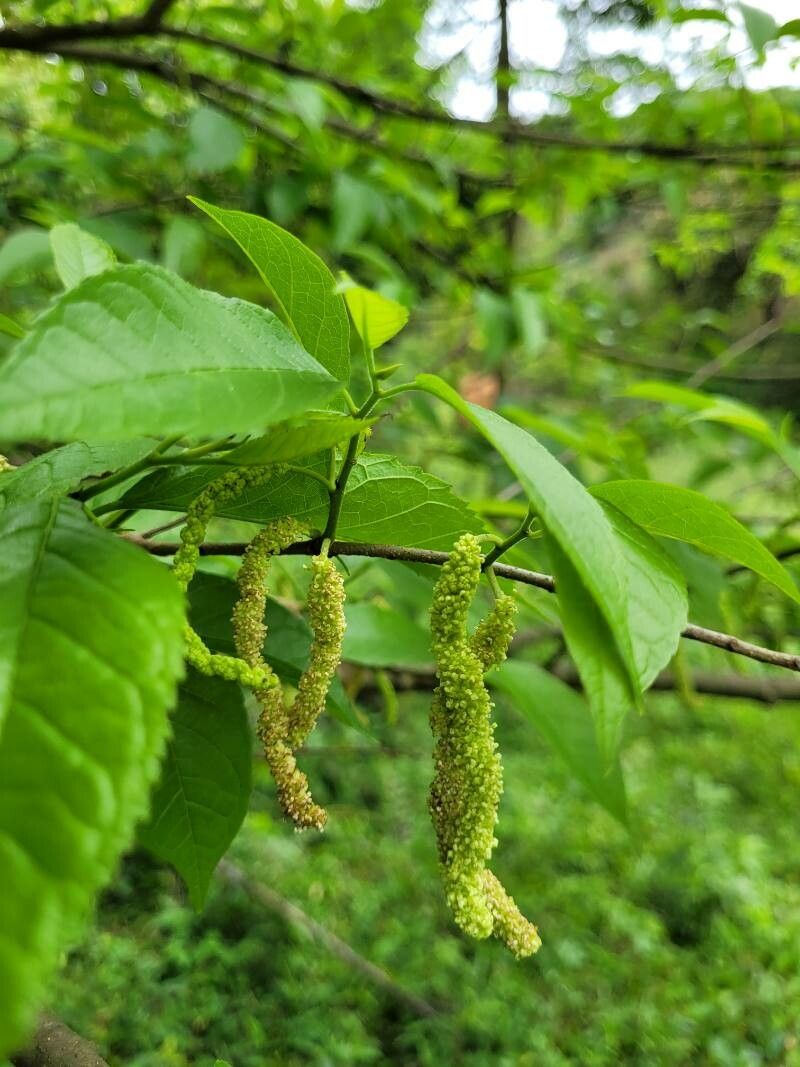
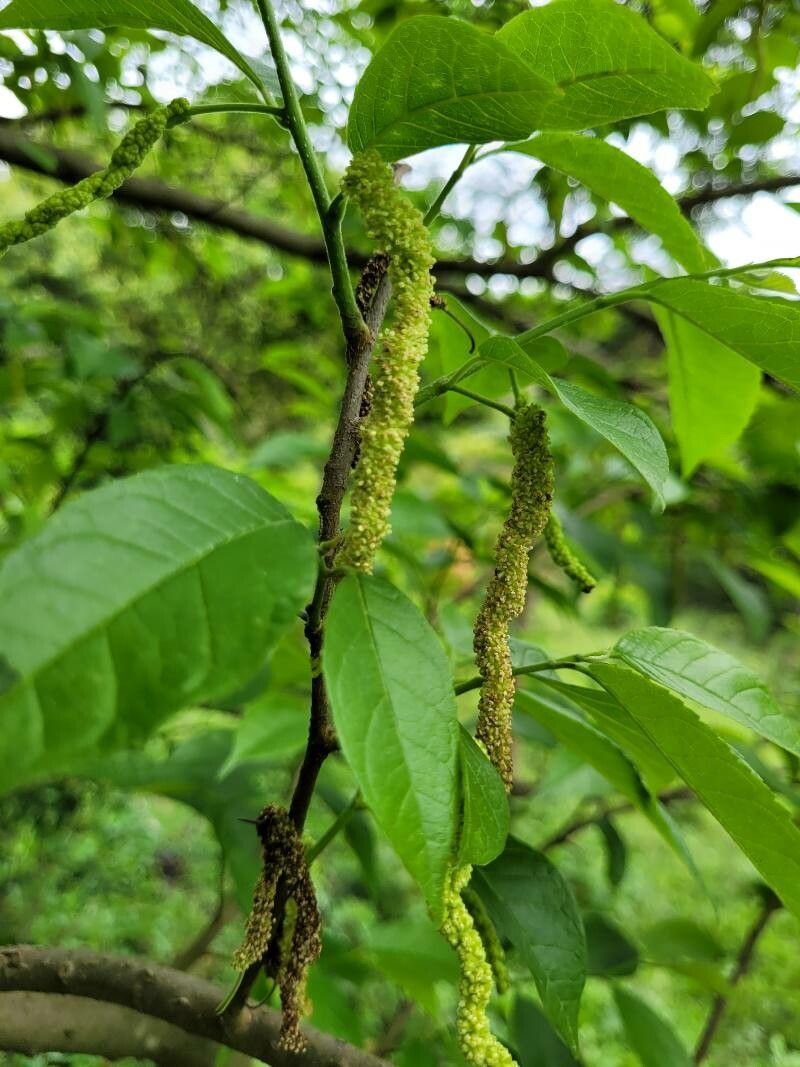
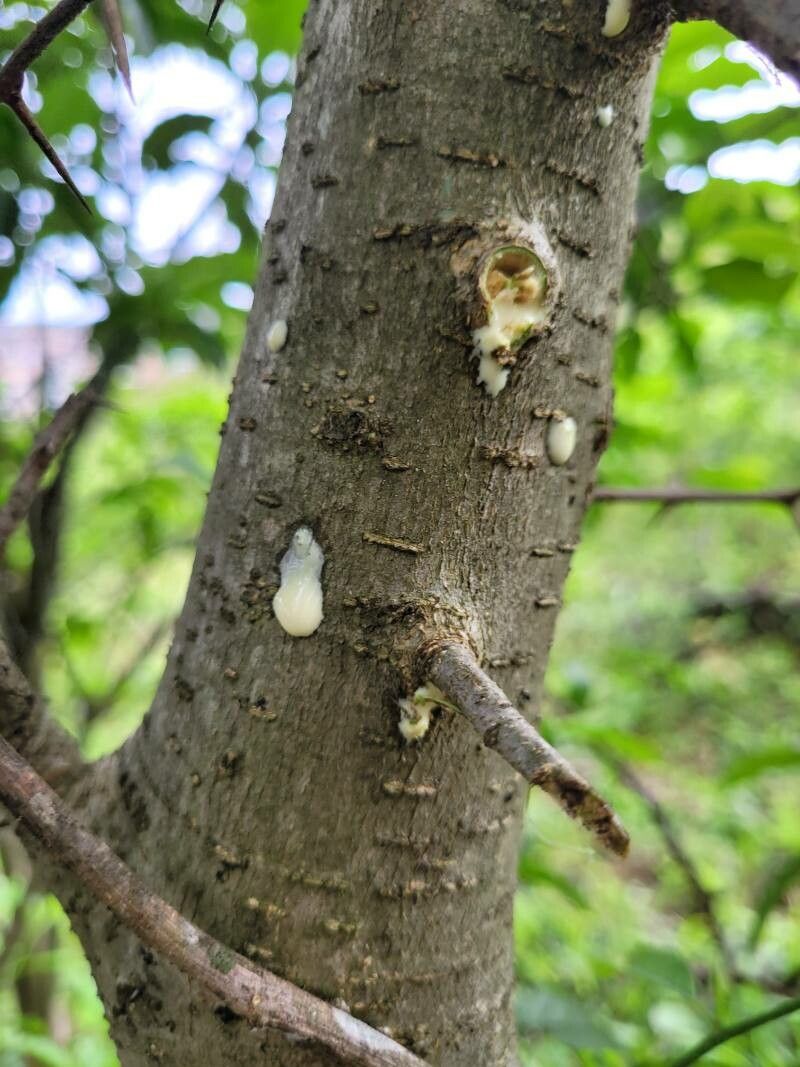
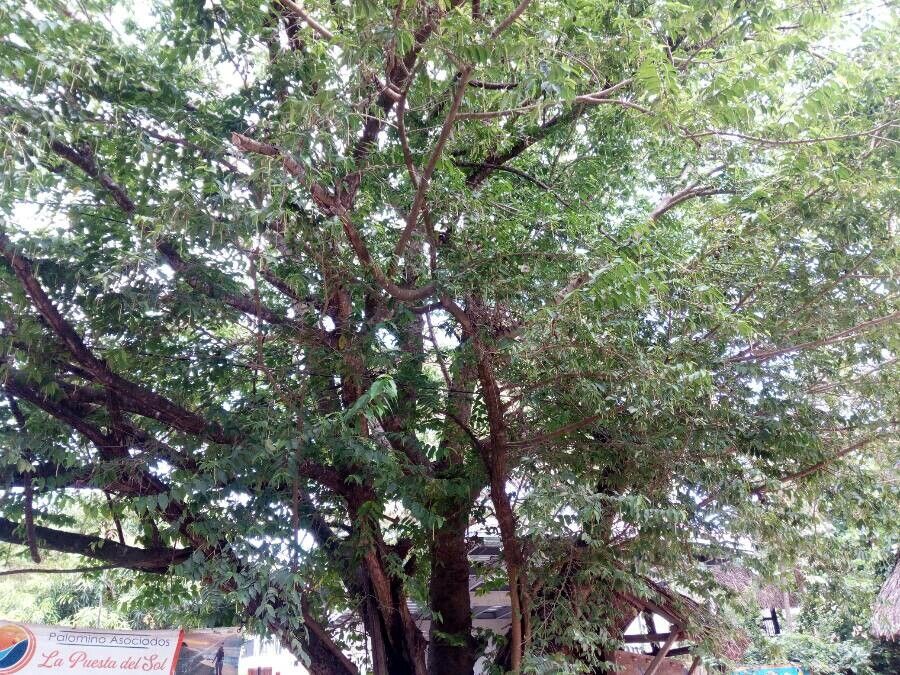
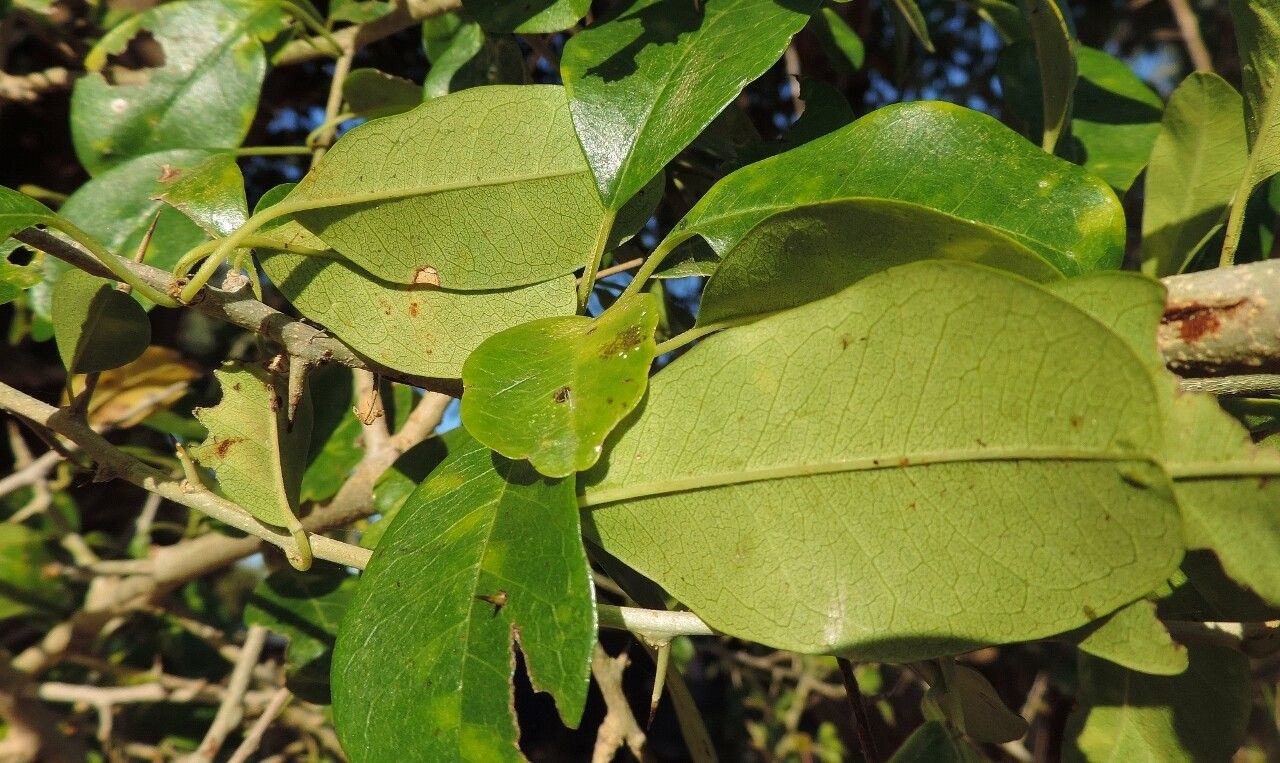
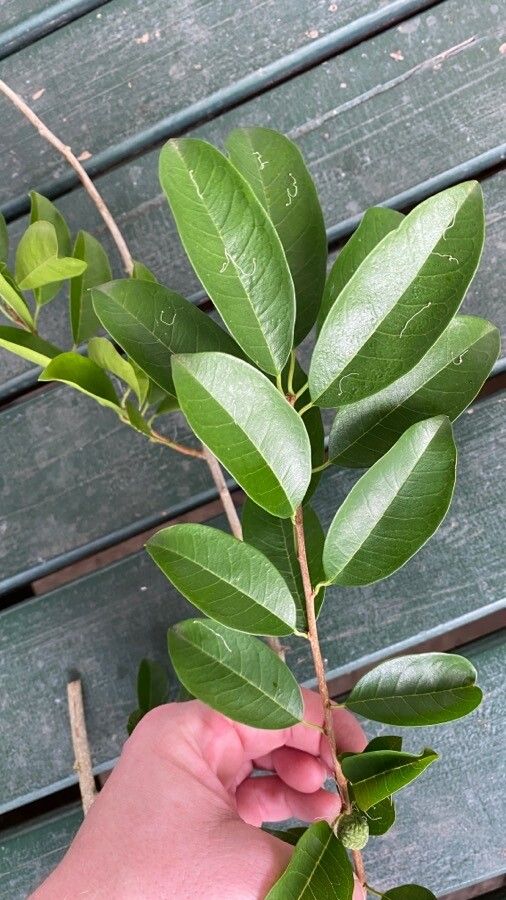
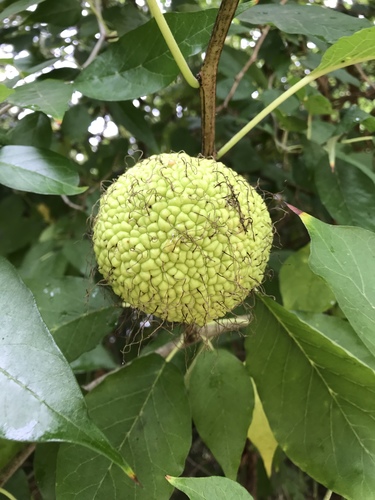
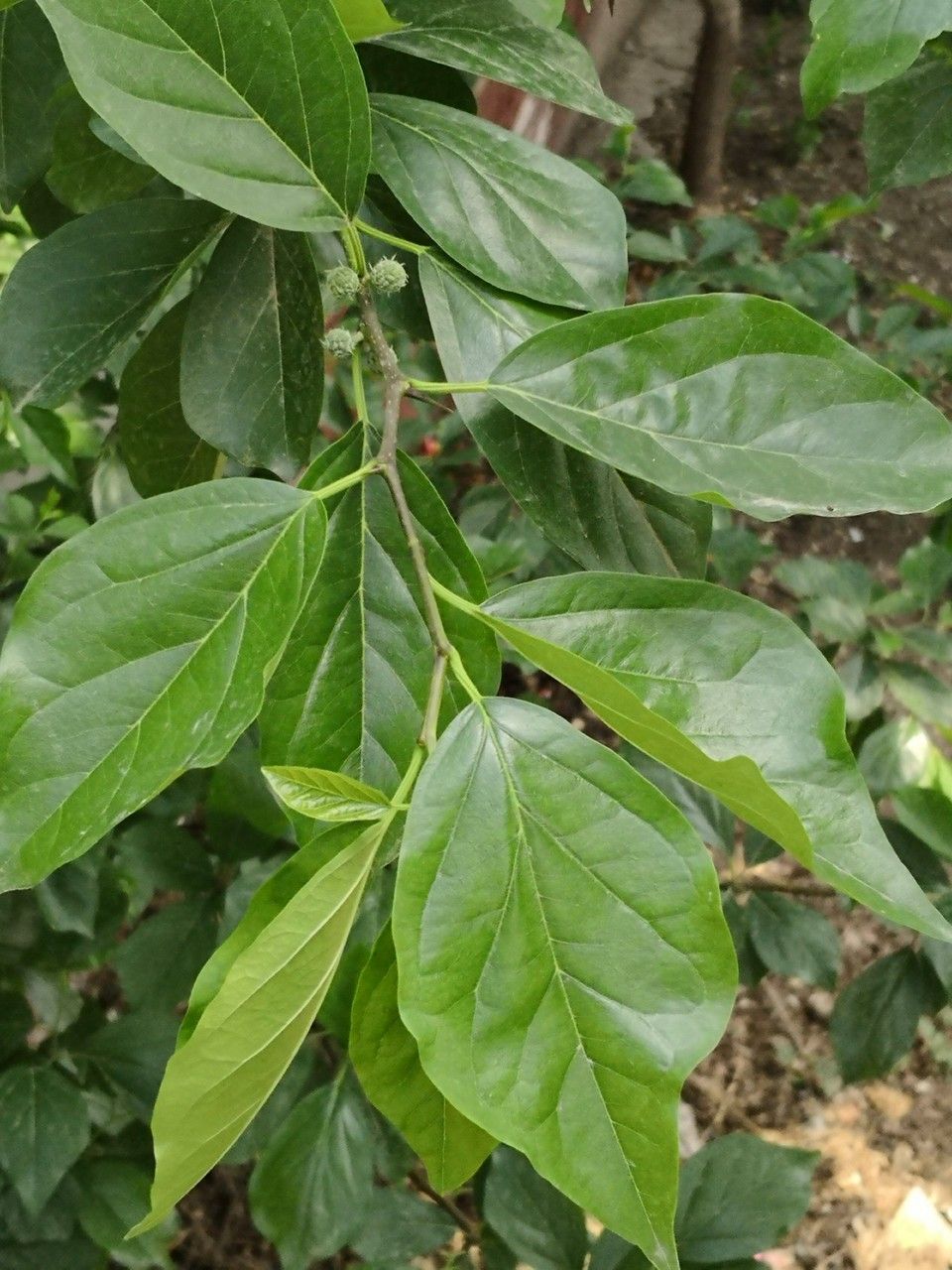
Maclura tinctoria, commonly known as the fustic tree, is a species of flowering plant belonging to the Moraceae family. It is native to Central America and parts of South America. The tree can reach heights of up to 20 meters and features a dense crown with glossy green leaves that are oval-shaped and pointed at the tip.
The fustic tree is renowned for the yellow dye that can be extracted from its wood. Indigenous people in Central America have used this dye for centuries to color textiles, baskets, and various other objects. European colonizers also utilized it as a natural dye for clothing.
Beyond its role as a dye source, Maclura tinctoria has medicinal properties. Its bark contains compounds that have been shown to exhibit anti-inflammatory effects.
The fustic tree is also valued for its hard and durable wood, making it ideal for construction projects such as flooring and furniture making.
Despite being an important cultural resource in many parts of Central America, Maclura tinctoria faces threats from deforestation due to logging activities and land conversion for agriculture or urban development.
Conservation organizations like Rainforest Trust, along with local communities, are working to protect this valuable plant species from extinction. They promote sustainable use practices that benefit both people and nature.
Fustic tree is well resistant to diseases and is generally unlikely to become diseased. As for care, this plant is fairly low-maintenance. When grown outdoors it needs only minimal watering, and larger specimens typically do not require pruning. Smaller plants, however, should be pruned after they have finished blooming. The fustic tree is suitable for anyone with outdoor space, such as a garden or a deck, and does not demand extensive care experience.
How to keep Maclura Tinctoria.
Light
Fustic tree comes from open habitats, such as sunny meadows and forest edges, which offer abundant light. It flourishes in full sun but can also tolerate partial sun, adapting well to different sunlight conditions.
Water
The Fustic tree flourishes in tropical environments, where it needs consistent moisture and regular hydration. Ideally, this is achieved through weekly watering. The tree is both drought-resistant and humidity-loving, which makes it well-suited for outdoor cultivation. It benefits from seasonal rainfall, which supports its water cycle and growth.
Temperature
The Fustic tree comes from tropical regions, where the weather is usually warm and humid. Consequently, it is well adapted to high temperatures and moisture. It dislikes sudden temperature shifts and prefers a steady thermal environment, so avoiding temperature fluctuations indoors is important. It commonly cannot tolerate cold and requires warmer conditions to grow. If the ambient temperature falls too low, the plant may stop growing or even die.
Fertilizer
Fertilization is essential for care of the Fustic tree. Regular feeding during the growing season maintains energy for its showy foliage and supports overall growth. Failing to fertilize can lead to unhealthy leaves, reduced ornamental value, and stunted or weak growth that is more susceptible to breakage.
Pruning
The Fustic tree benefits greatly from pruning in early spring. This process involves removing dead, diseased, and overcrowded branches to improve airflow. Regular pruning also helps shape the tree, promoting healthier growth. Pruning while the tree is dormant minimizes stress and encourages vigorous regrowth, resulting in a healthier and more visually appealing plant.
Botanical profile.
- Plant Type
- Tree
- Life Cycle
- Perennial
- Genus
- Maclura
- Family
- Moraceae
- Hardiness Zone
- 9-11
- Mature Height
- 20.12 m to 29.87 m
- Mature Spread
- 14.94 m to 20.12 m
- Leaf Color
- Dark Green, Forest Green
- Leaf Type
- Deciduous
- Flower Size
- 0.20 cm to 0.25 cm
- Bloom Time
- Late spring, Early summer
- Planting Time
- Spring, Summer, Autumn
- Harvest Time
- Late summer, Early fall, Mid fall
- Native Area
- Belize, Honduras, Mexico, Guatemala, Peru, Panama, Jamaica, Colombia, Cuba, Bolivia, Venezuela, Guyana, El Salvador, Nicaragua, Brazil, Ecuador, Costa Rica
Other names.