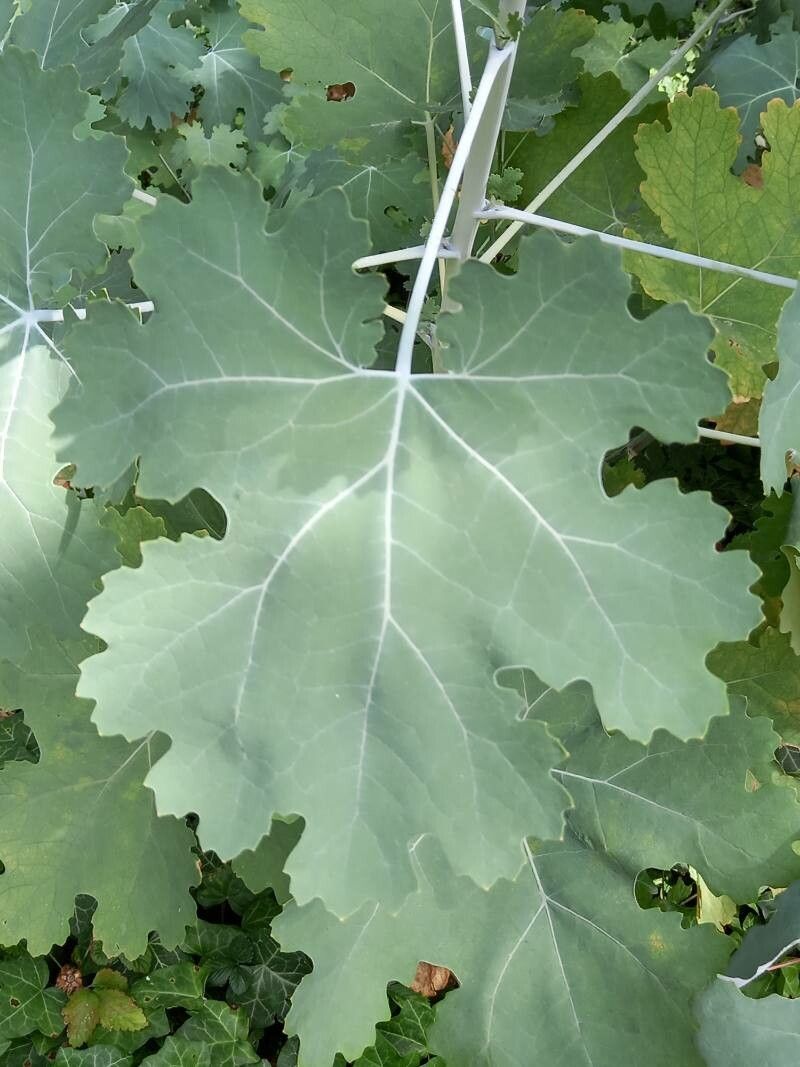
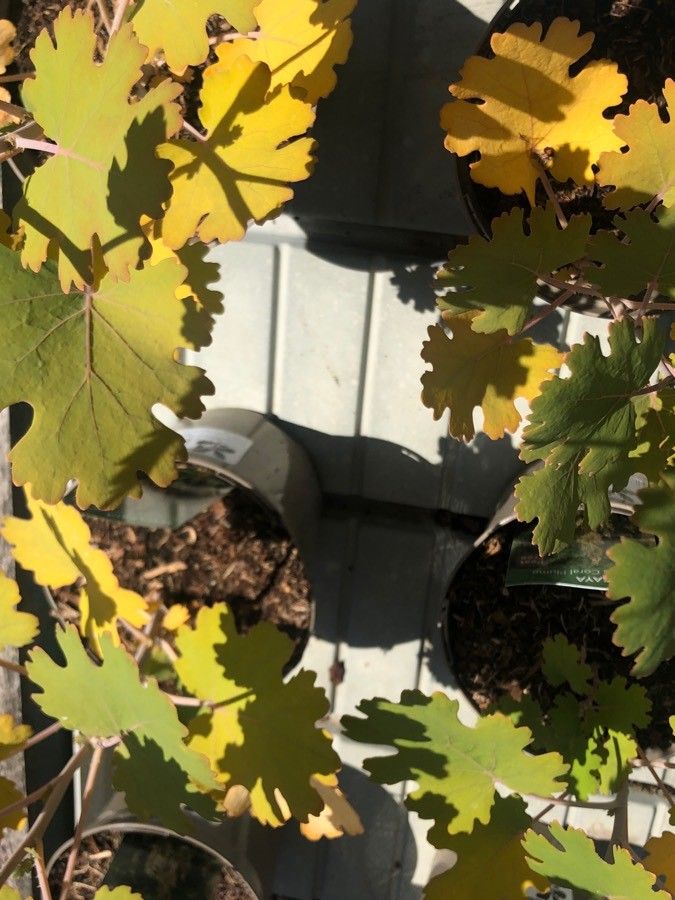
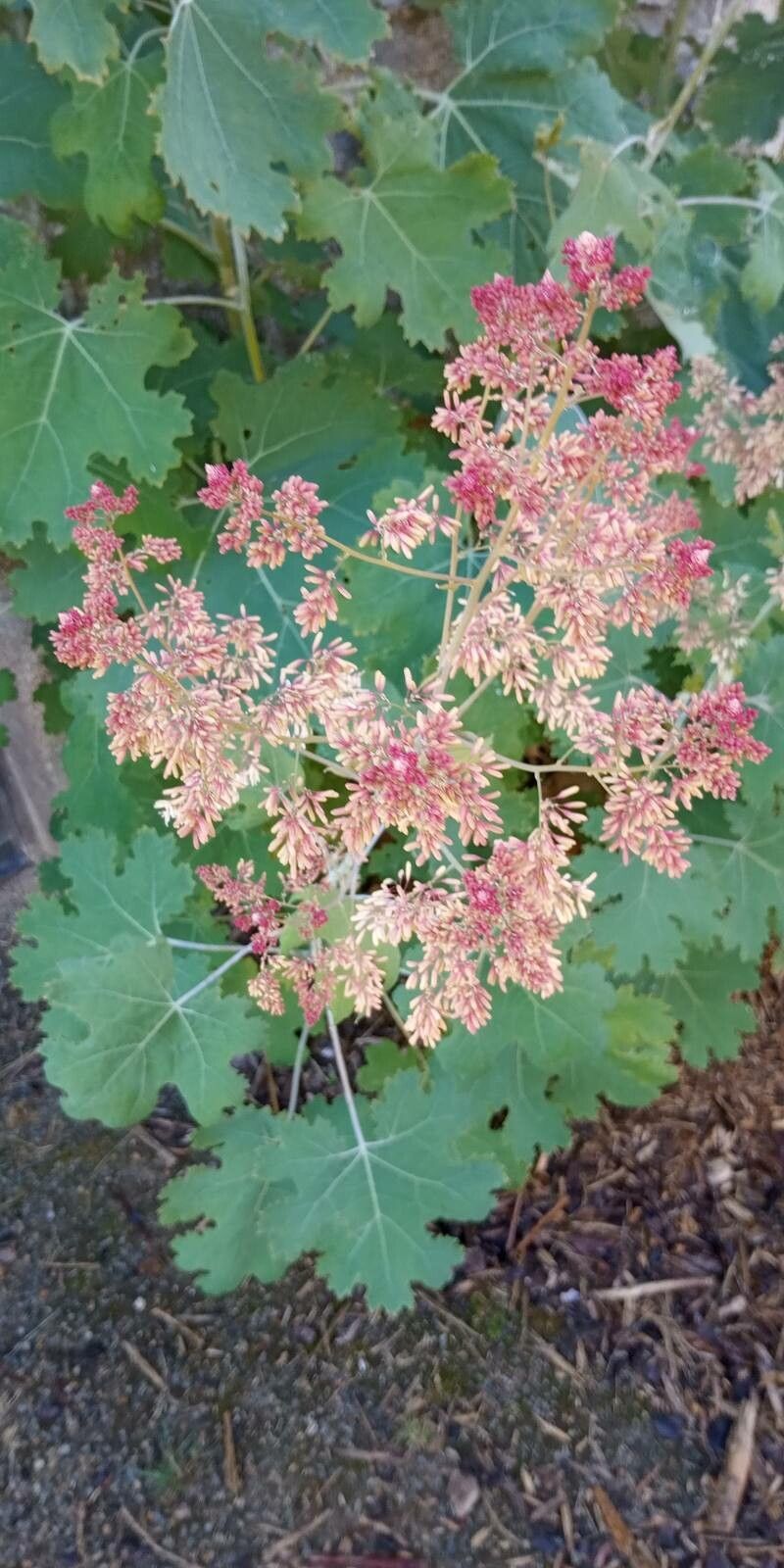
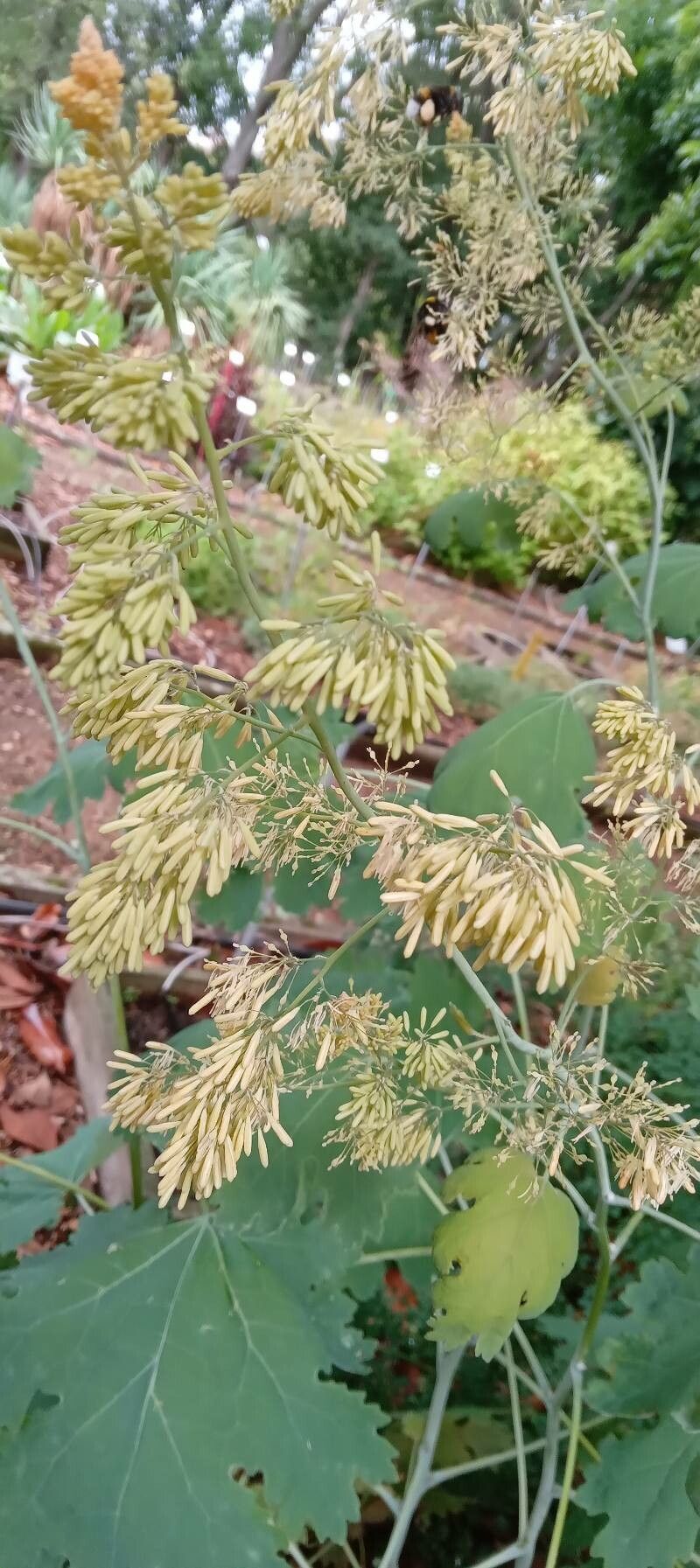
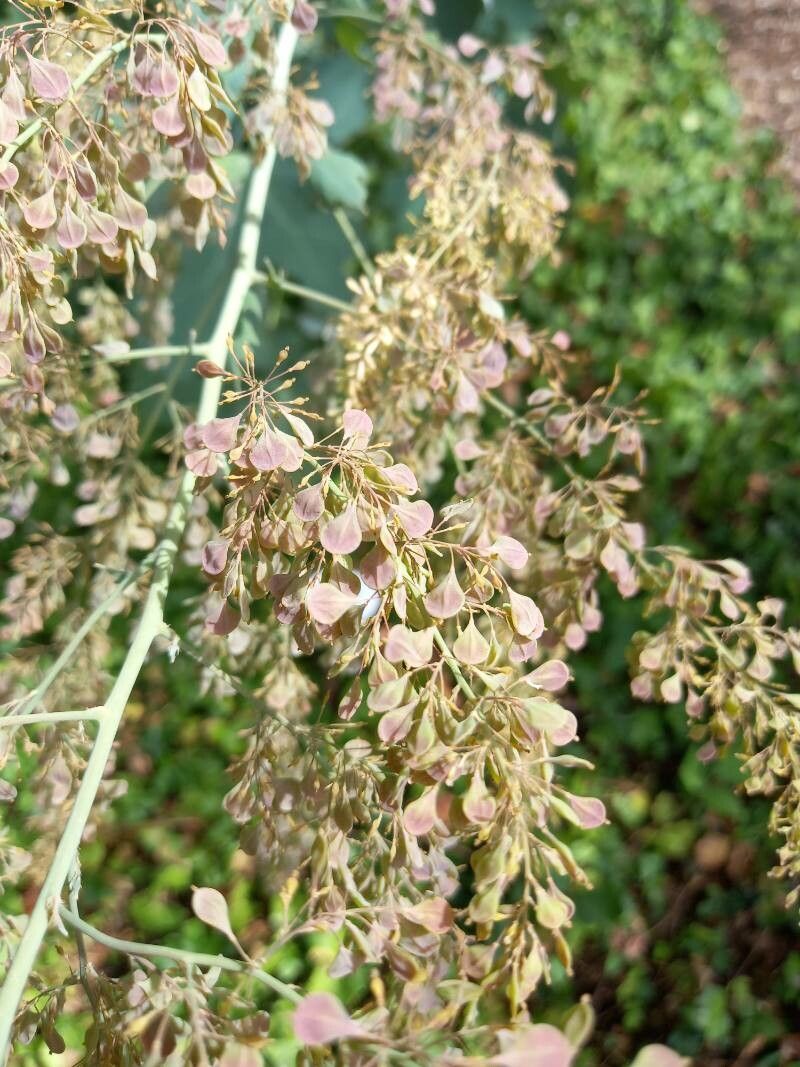
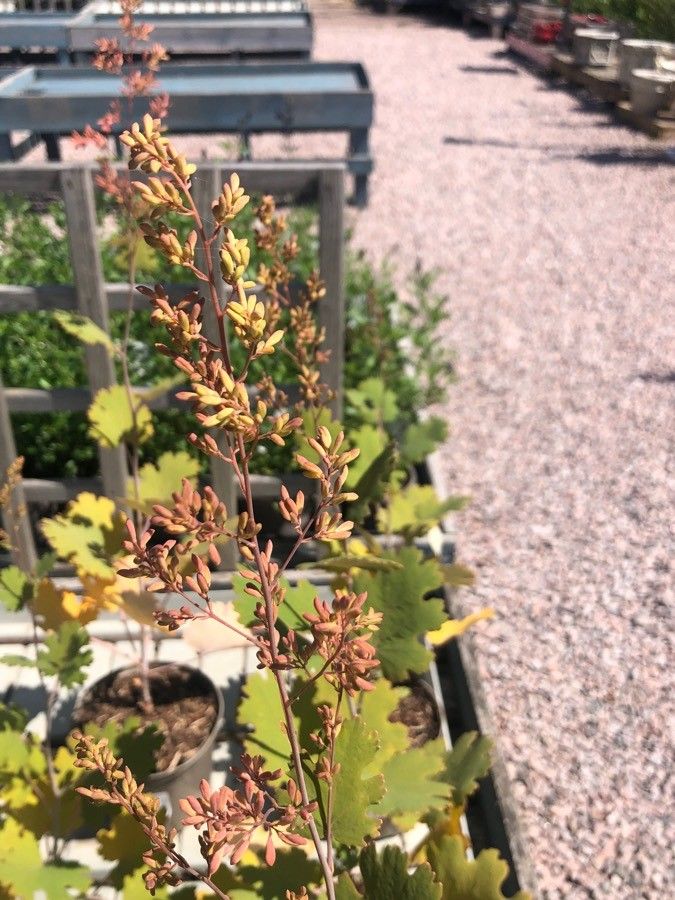
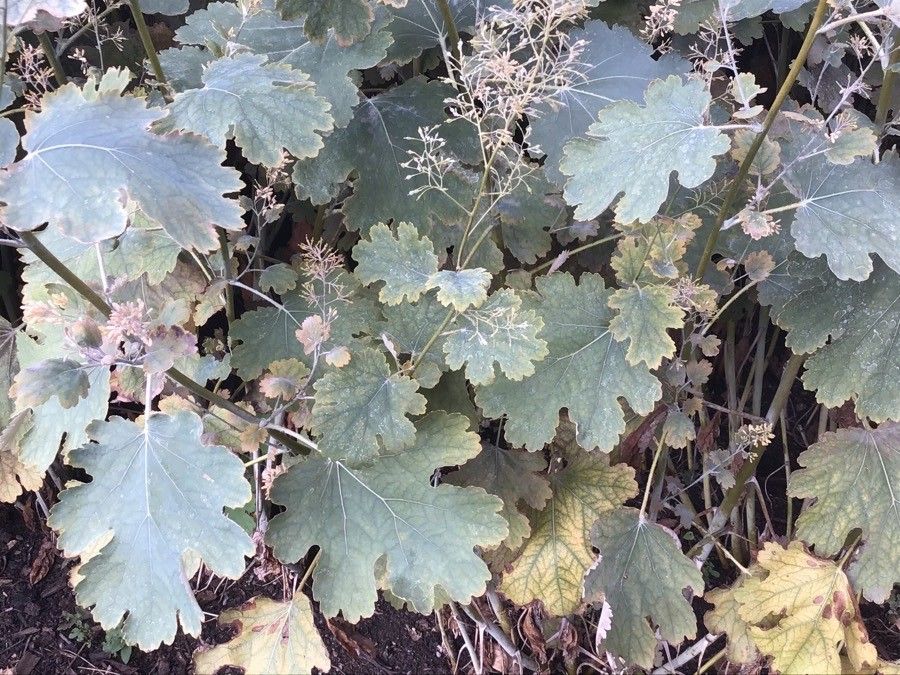
Macleaya cordata, the five-seeded plume-poppy, is a species of flowering plant in the poppy family Papaveraceae, which is used ornamentally. It is native to China and Japan. It is a large herbaceous perennial growing to 2.5 m (8 ft) tall by 1 m (3 ft) or more wide, with olive green leaves and airy panicles of buff-white flowers in summer.
Five-seeded plume-poppy has good disease resistance and is generally not prone to illnesses. However, it can be vulnerable to pests and diseases present in its surroundings. These infections are usually not severe. In terms of care, the plant requires medium maintenance. It should be pruned regularly to preserve a good appearance and maintain healthy growth. Fertilizing can also help encourage flowering. Five-seeded plume-poppy is suitable for anyone with an outdoor area, such as a garden or patio, and does not demand much care experience. It may need more attention when grown indoors.
How to keep Macleaya Cordata.
Light
Five-seeded plume-poppy thrives under strong light, though it can also tolerate moderate illumination. In its native habitat it is often found in sunny spots. Too much exposure can cause leaf scorching, while too little light may impede active growth.
Water
The five-seeded plume-poppy thrives in high humidity and needs consistent moisture, although it can tolerate moderate drought. To keep it healthy, it's important to water it weekly. The plant prefers well-draining soil to prevent waterlogging, especially during its active growing season. Due to its size and attractive foliage, it is typically grown outdoors.
Temperature
Five-seeded plume-poppy is naturally adapted to a broad range of temperatures, specifically flourishing between 41 and 95°F (5 to 35°C). The plant favors warmer weather but remains hardy in cooler conditions. Seasonal modifications to its surroundings may be required to ensure optimal growth.
Fertilizer
For Five-seeded plume-poppy, the primary time to fertilize is in early spring when the flowers are forming. The proper fertilizer promotes better blooms and helps Five-seeded plume-poppy produce attractive flowers. Fertilizing in early spring ensures excellent flowers during the season and supplies energy for dormant growth phases.
Pruning
The five-seeded plume-poppy is renowned for its tall stature and attractive foliage. To encourage new growth, manage its height, and maintain a neat appearance, it's best to prune the older stems from early to late spring. Pruning with care helps prevent damage to new shoots, improving both the plant's appearance and health. For effective pruning techniques, refer to reliable horticultural resources.
Botanical profile.
- Plant Type
- Herb
- Life Cycle
- Perennial
- Genus
- Macleaya
- Family
- Papaveraceae
- Hardiness Zone
- 4-10
- Mature Height
- 2.13 m
- Mature Spread
- 1.22 m
- Leaf Color
- Green, Blue, Gray
- Leaf Type
- Deciduous
- Flower Color
- White
- Flower Size
- 0.51 cm to 1.02 cm
- Bloom Time
- Early summer, Mid summer
- Planting Time
- Spring
- Harvest Time
- Mid summer
- Native Area
- Japan, China
Other names.
Reader questions.
What should I do if I give my Five-seeded plume-poppy too much or too little water?
Overwatering is a common problem for Five-seeded plume-poppies, whereas underwatering is less common due to the plant's drought tolerance. When overwatered, the plant's stems and leaves may wilt and turn yellow, and prolonged overwatering can lead to root rot, mold, and mildew, which can kill the plant. Underwatering can cause the leaves to become brittle and brown. It's important to notice signs of overwatering early on, as some diseases may not be fixable if left too long. If you notice signs of overwatering, reduce your watering schedule and assess the soil's drainage. If it drains poorly, replace it with a well-draining potting mix. If the plant is receiving too little water, increase your watering frequency until the signs subside.
Why should I add fertilizer to my Five-seeded plume-poppy?
Fertilization is important for the Five-seeded plume-poppy for a few reasons. It provides key nutrients for the plant's growth above and below ground. However, the overall fertilization needs for this plant are relatively low. While it can survive without fertilization, annual fertilization can greatly benefit the plant's survival and encourage better flower production. Therefore, those who want their Five-seeded plume-poppy to look its best should consider annual fertilization.
What are the sunlight requirements for Five-seeded plume-poppy?
Five-seeded plume-poppy thrives in conditions that range from full sunlight, which is above 6 hours of sunlight, to partial sun, about 3-6 hours of sunlight daily. It's important to watch how sunlight moves through your garden to find spots that offer the right balance for your plants. In its native habitat, Five-seeded plume-poppy often occupies sunny spots, but it can also tolerate moderate light levels. However, excessive sun exposure may lead to leaf scorching, whereas too little light can affect the plant's growth.
What are the optimal growing temperatures for the Five-seeded plume-poppy?
The Five-seeded plume-poppy thrives in a temperature range from 41 to 95°F (5 to 35°C). It prefers warmer climates but possesses strong resilience in cooler temperatures as well. Despite its cold resistance, seasonal environmental adjustments may be necessary to maintain its optimal growth, especially to accommodate the plant's preference for warmer weather.
How often do I need to water my Five-seeded plume-poppy?
If your Five-seeded plume-poppy is in a pot, the best way to check if it needs water is by sticking your finger into the soil. If the top two to three inches of soil are dry, it's time to water the plant. If you have the Five-seeded plume-poppy growing outdoors in the ground, you can use the same method to test the soil. When the top few inches of soil have dried out, it's time to water the plant. In spring and early fall, watering once a week is usually sufficient. However, when it gets very hot, you may need to water it twice a week or more. It's worth noting that mature, well-established Five-seeded plume-poppies can tolerate drought well.
When should I fertilize my Five-seeded plume-poppy for the best results?
The best time to fertilize a Five-seeded plume-poppy is in late winter or early spring. During this time, the plant is transitioning from a dormant phase to a phase of active growth. Fertilizing at this time helps promote healthy growth and gives the plant a good start for the season. While early spring is the most advantageous time to fertilize, it is also acceptable to fertilize in the fall. However, it is not recommended to fertilize during the summer or winter seasons.
How can artificial lighting be used for Five-seeded plume-poppy?
Indoor Five-seeded plume-poppy plants require adequate lighting for optimal growth. When natural sunlight is insufficient, especially during winter or in less sunny spaces, artificial lights become essential. LED lights are preferred due to their ability to provide specific light wavelengths needed by the plant. The amount of artificial light needed varies: 30-50W/sq ft for full sun plants, 20-30W/sq ft for partial sun plants, and 10-20W/sq ft for full shade plants. The light source should be placed 12-36 inches above the plant for 8-12 hours per day to mimic natural sunlight conditions.
Does the Five-seeded plume-poppy need frost protection during winter?
The Five-seeded plume-poppy shows considerable cold resistance, and special frost protection measures are generally not required. However, if winter temperatures are forecasted to drop below its growth limit temperature, it's crucial to protect the plant from cold. This can be done by covering it with soil or straw. Also, watering the plant abundantly before the first freeze in autumn to ensure the soil is moist can help prevent drought and ensure the plant has adequate water through winter and early spring.
How much water does my Five-seeded plume-poppy require?
When watering your Five-seeded plume-poppy, don't hold back on the amount of water you give. Make sure the first two to three inches of soil are dry before watering thoroughly. This means providing enough water to completely saturate the soil, allowing excess water to drain through the pot's drainage holes. If you don't see water draining from the pot, you may have not given enough water. However, be careful not to let water accumulate in the soil, as this can harm the plant. On the other hand, if water doesn't drain through the pot, it could be a sign of poorly draining soil, which is not good for the plant's health. If the plant is outside, 1 inch of rain per week should be enough.
When is the best time to not use fertilizer on my Five-seeded plume-poppy?
To properly care for your Five-seeded plume-poppy, it is important to only fertilize during late winter and early spring. This plant has low fertilization needs and typically only requires one feeding per year. Overfertilization can be problematic, so it is best to avoid fertilizing during spring, summer, and fall, unless you missed fertilizing in the spring. In that case, it is acceptable to fertilize in the fall. Additionally, there is no need to fertilize during the winter when the plant is dormant and not actively growing.
What are the symptoms of inadequate lighting in Five-seeded plume-poppy?
Five-seeded plume-poppy may show several symptoms when exposed to inadequate lighting, including smaller new leaves, leggy or sparse growth, faster leaf drop, slower or no new growth, and lighter-colored new leaves. These signs indicate that the plant is not receiving enough light. Conversely, symptoms of too much light include chlorosis, or yellowing of the leaves, sunscald, leaf curling, wilting, and leaf scorching. These issues suggest that the plant is overwhelmed by excessive sunlight exposure.
How does low temperature affect the Five-seeded plume-poppy and what are the solutions?
The Five-seeded plume-poppy is cold-tolerant and thrives best at temperatures above its suitable growth minimum. During winter, it should be kept above its tolerable growing minimum temperature. Falling below its growth limit temperature, although not immediately noticeable during winter, may lead to decreased sprouting or no sprouting at all in spring. In such cases, it's advisable to remove any parts of the plant that have failed to sprout when the warmer days of spring arrive.