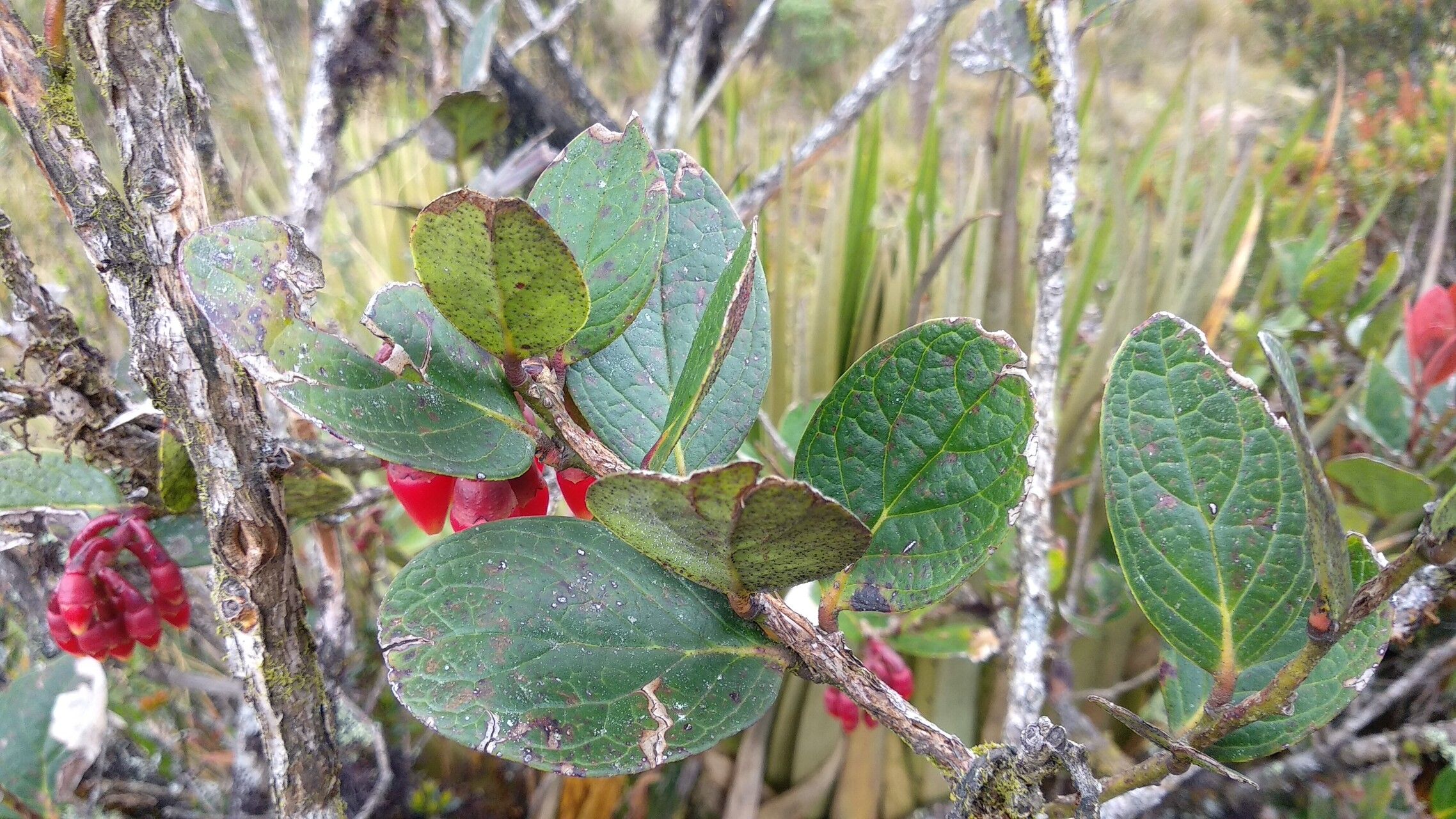
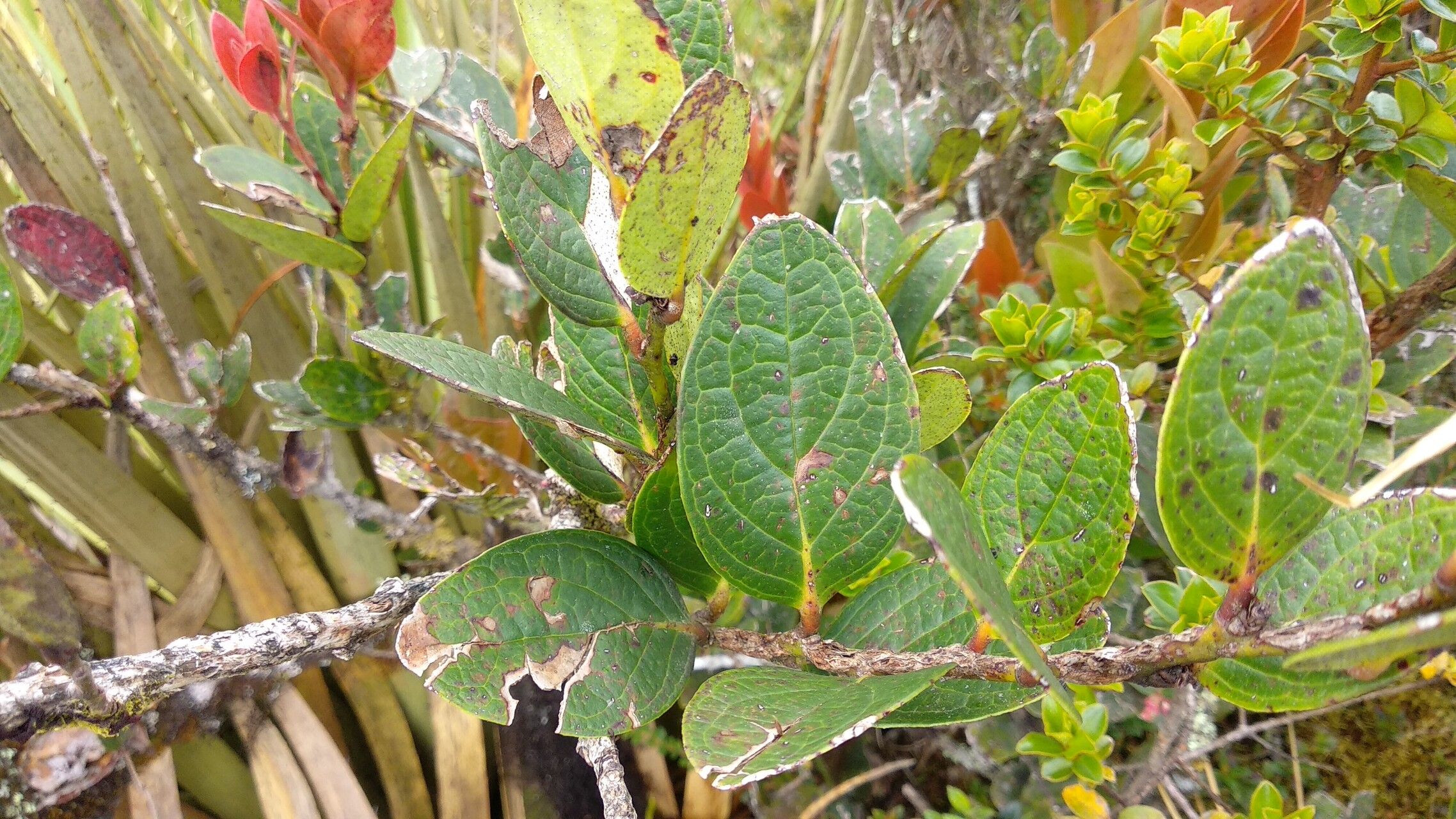
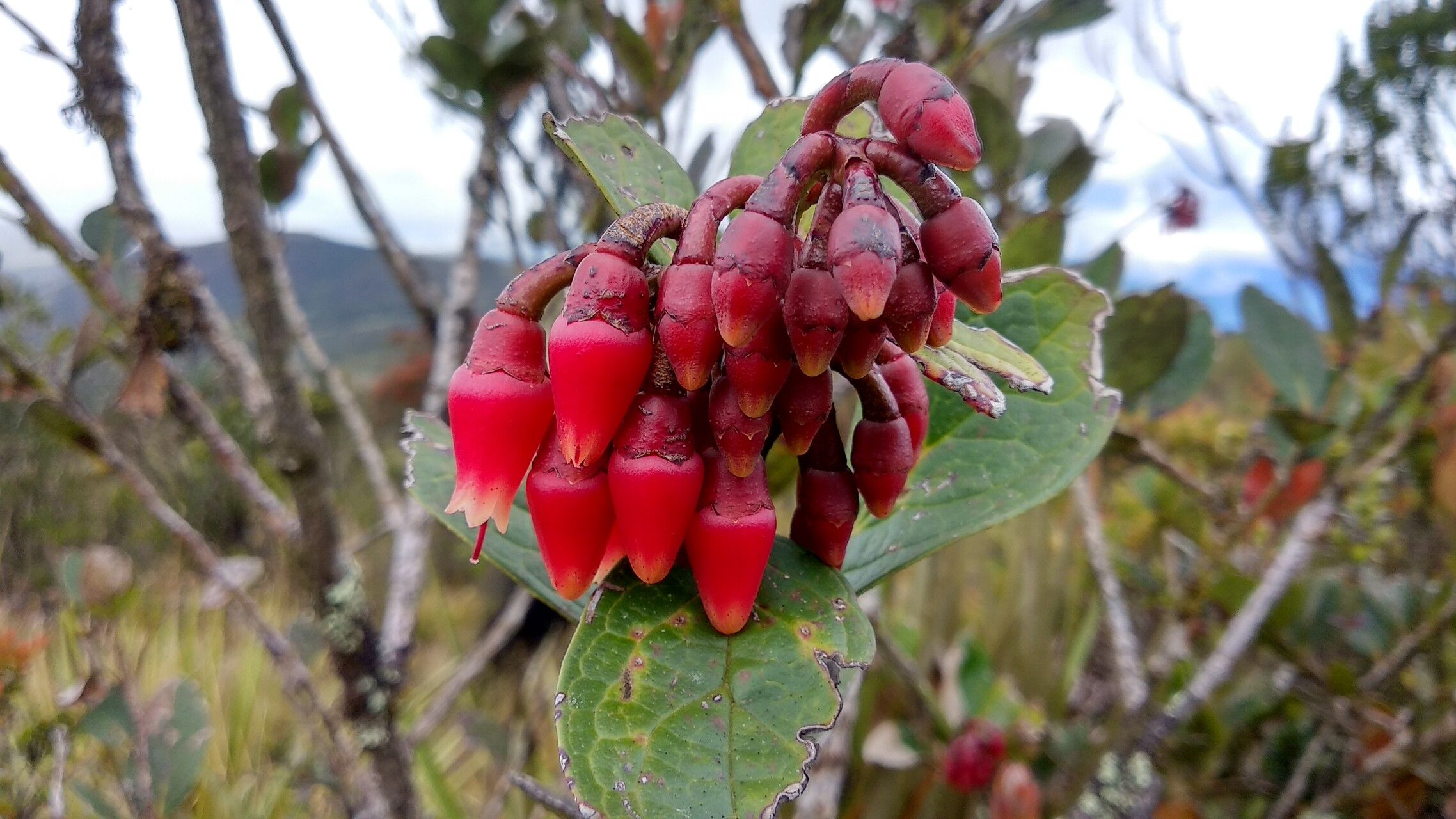
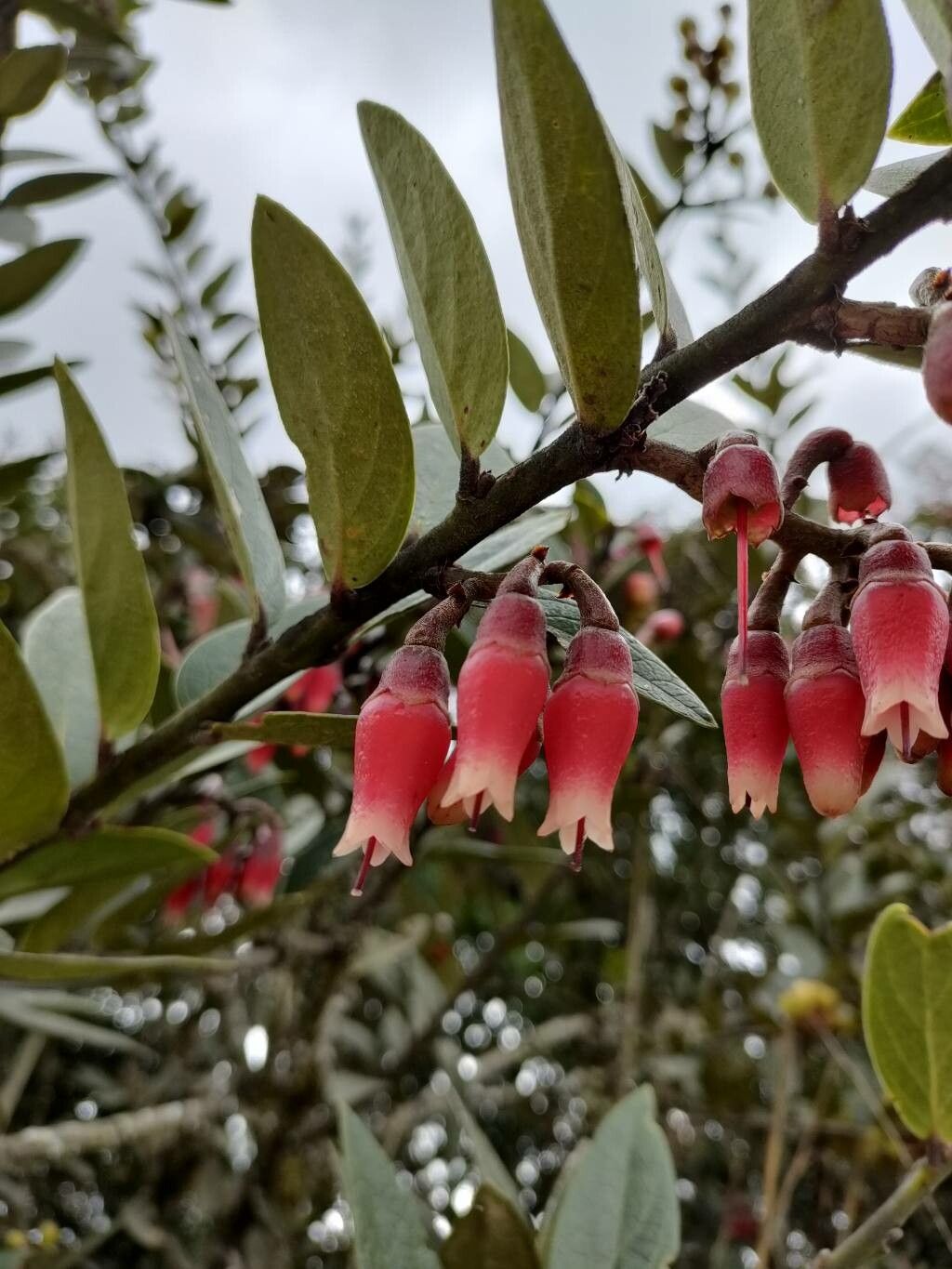
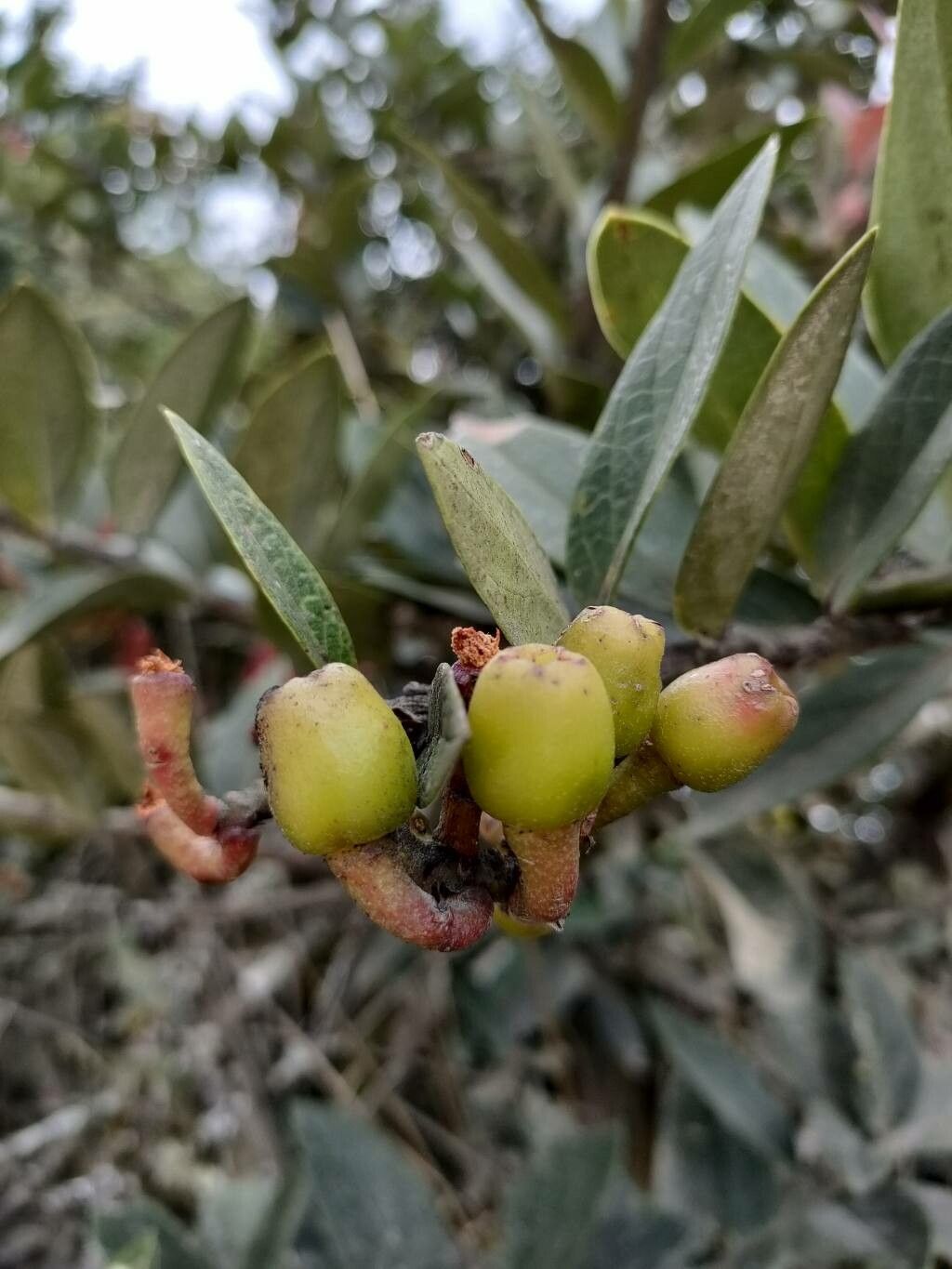
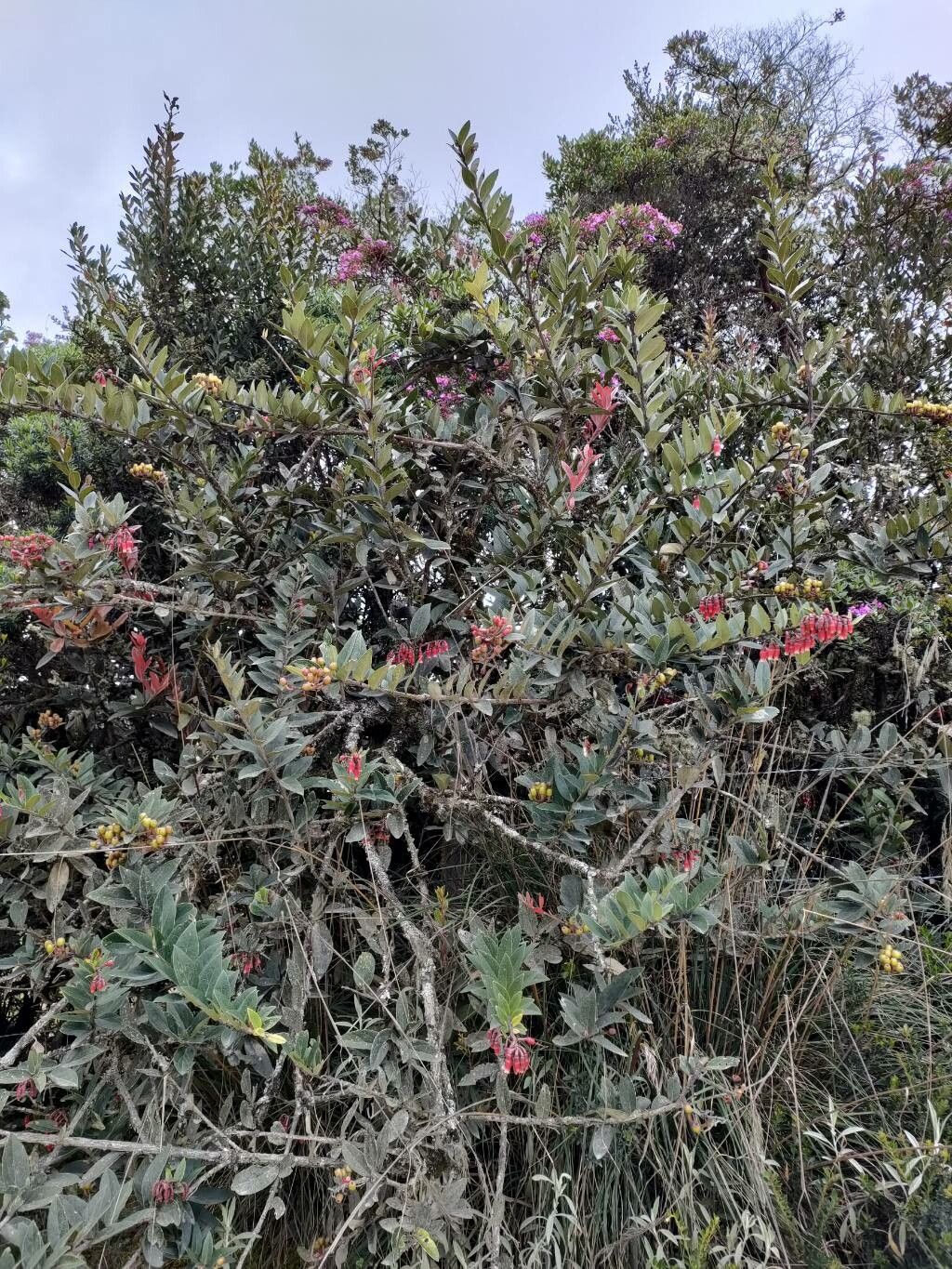
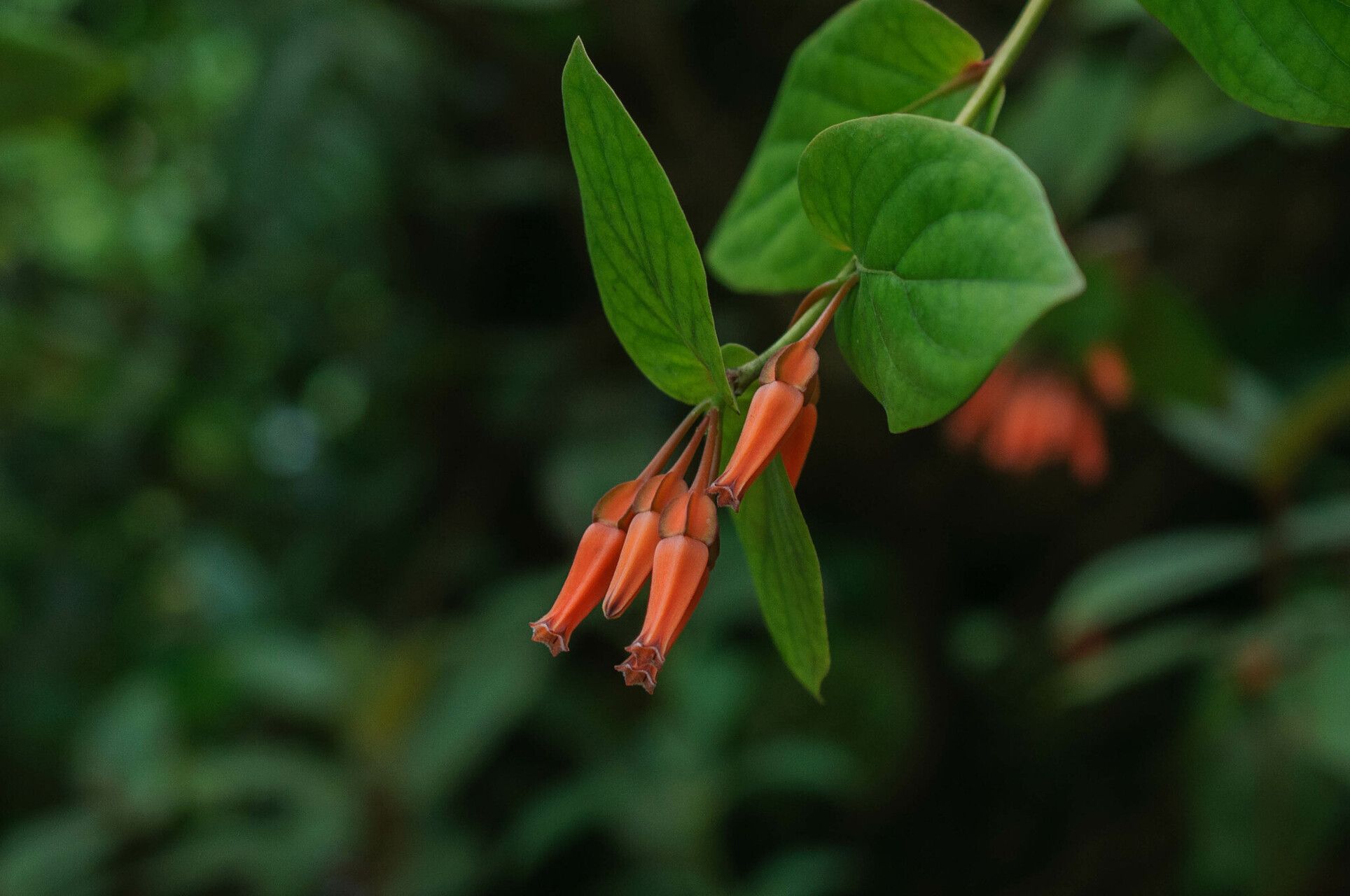
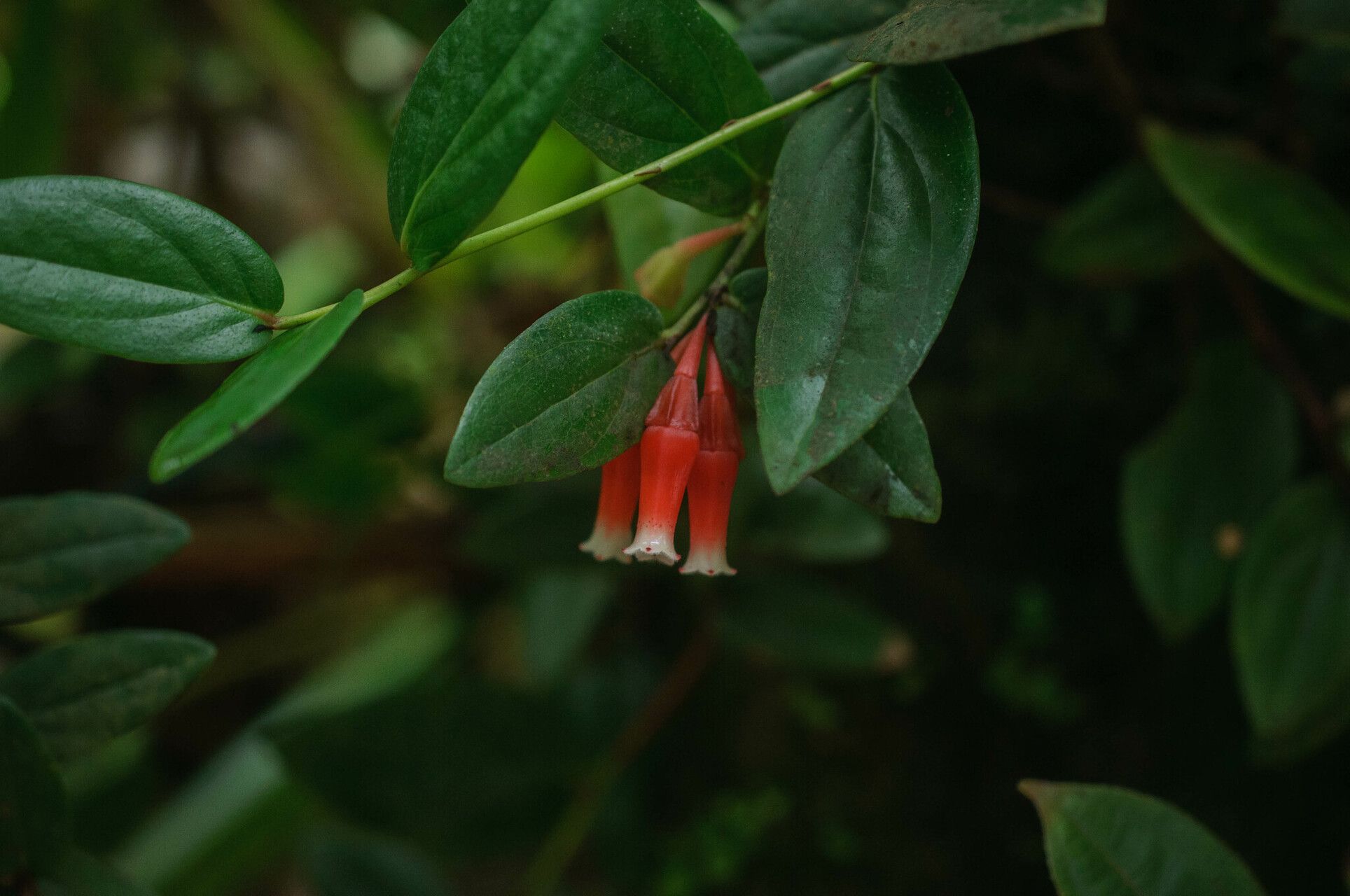
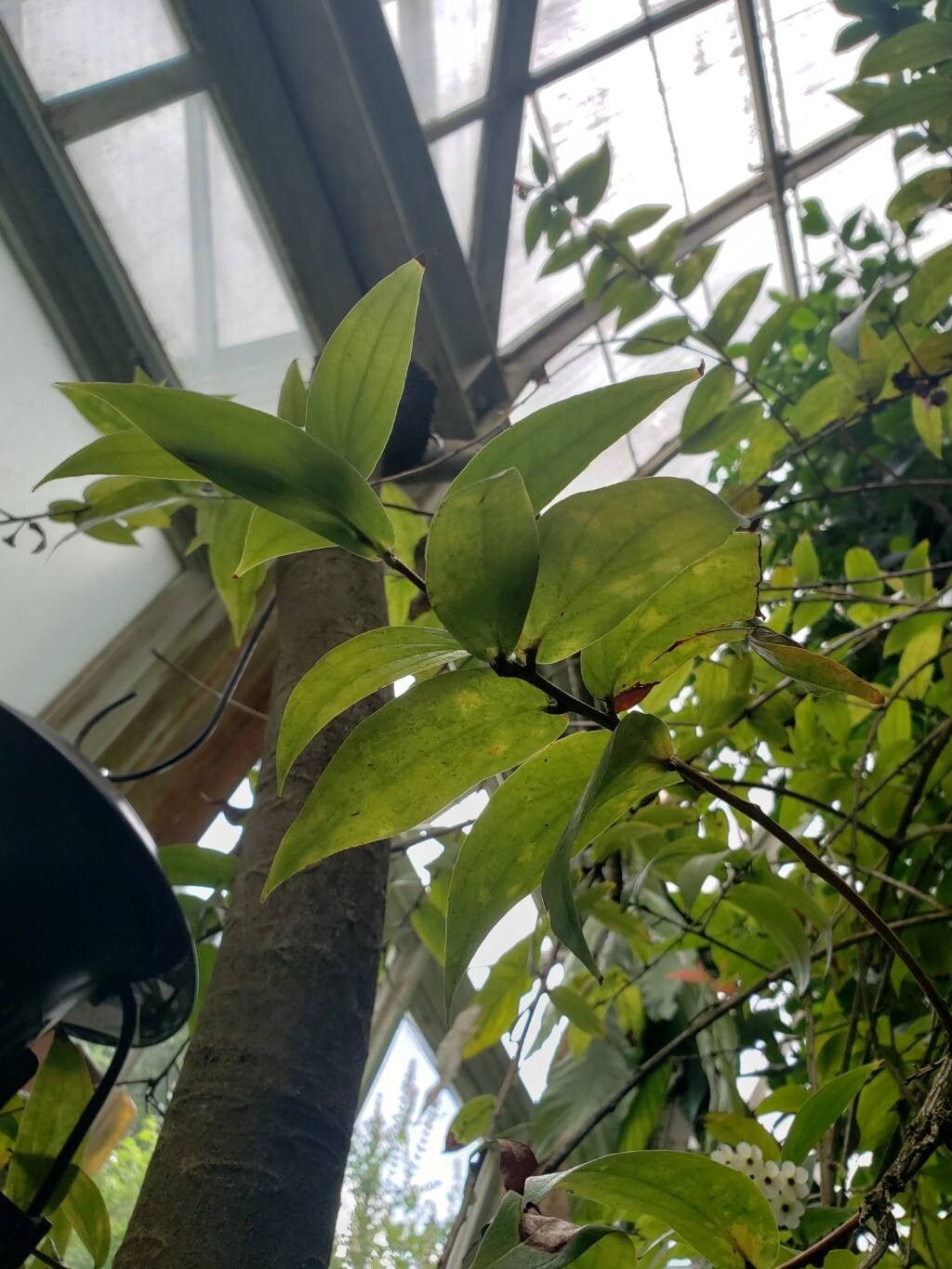
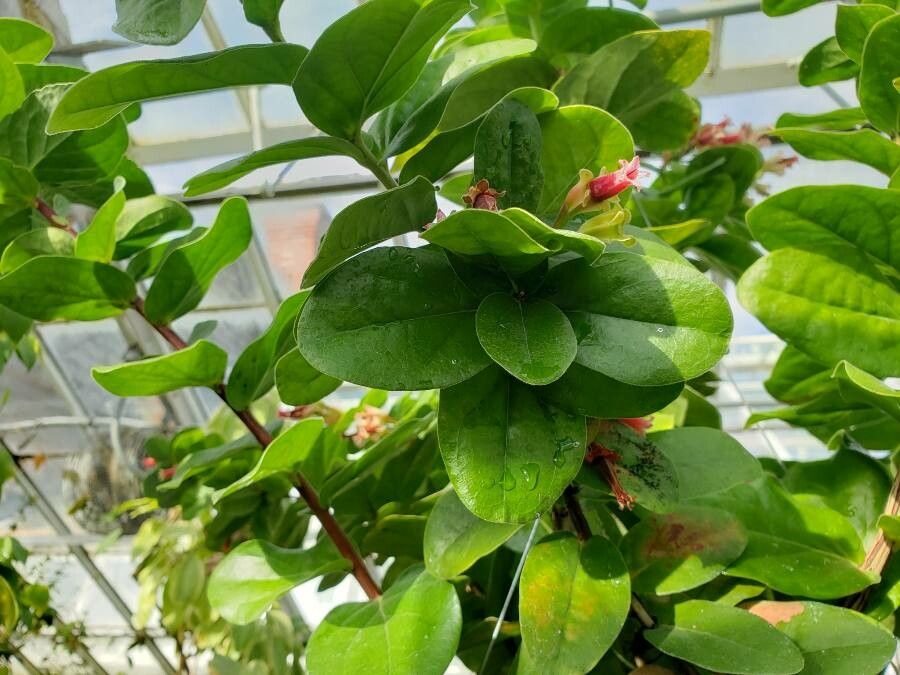
Tropical blueberry has strong resistance to disease and is generally unlikely to get sick. In terms of care, this plant is fairly low maintenance. When grown outdoors it needs only light watering, and larger specimens typically do not require pruning. Smaller plants, however, should be pruned after they have bloomed. Tropical blueberry is suitable for anyone with an outdoor area, such as a garden or deck, and does not require much care experience.
How to keep Macleania Rupestris.
Light
Tropical blueberry is native to habitats like forest understories or rocky areas, where it grows in natural shade. It prefers partial sun but can tolerate full sun or full shade, illustrating its versatile and hardy nature.
Water
The tropical blueberry thrives in high-altitude cloud forests, where it enjoys consistent moisture and high humidity. This plant needs to be watered every 2-3 weeks and is epiphytic, meaning it absorbs water directly from mist and rain. It is ideally suited for outdoor growth, as it can adjust its water storage to match seasonal variations in rainfall.
Temperature
Tropical blueberry comes from tropical areas, where the climate is generally warm and humid. Therefore it is well suited to high temperatures and humidity. It does not tolerate sudden shifts in temperature and prefers a steady thermal environment, so avoiding indoor temperature fluctuations is important. It typically cannot withstand cold and needs warmer conditions to grow. If the temperature falls too low, the plant may stop growing or even die.
Fertilizer
Use organic fertilizer (for example, fish emulsion or compost) instead of chemical fertilizers for Tropical blueberry. Provide young plants with higher nitrogen and phosphorus in spring. Incorporate compost or fertilizer into the soil before or after planting. For mature plants, supplement in spring with a balanced fertilizer or one targeted to a specific deficiency. Nutrient deficiency causes small leaves, short branches, yellow or bronze leaves, acidic fruits, premature fruit fall, and splitting.
Pruning
Tropical blueberry plants flourish when properly pruned, which involves removing damaged branches and improving air circulation. The best time to prune is from early to late winter, while the plant is dormant. This promotes healthier growth and boosts fruit production, resulting in a vibrant and robust plant.
Botanical profile.
- Plant Type
- Shrub
- Life Cycle
- Perennial
- Genus
- Macleania
- Family
- Ericaceae
- Hardiness Zone
- 9-11
- Mature Height
- 0.91 m to 3.05 m
- Mature Spread
- 0.91 m to 2.13 m
- Leaf Color
- Dark Green
- Leaf Type
- Evergreen
- Flower Color
- Red, Pink
- Flower Size
- 2.03 cm to 3.05 cm
- Bloom Time
- Spring, Summer
- Planting Time
- Spring, Summer, Autumn
- Harvest Time
- Summer, Early fall, Mid fall
- Native Area
- Colombia, Bolivia, Venezuela, Peru, Nicaragua, Ecuador, Costa Rica, Panama
Reader questions.
How much sunlight does Tropical blueberry need to grow?
To ensure the thriving of tropical blueberry, it is important to provide it with 3-6 hours of direct sunlight daily. However, to prevent sun damage, it also requires some shade during the hottest parts of the day. Ideally, morning sunlight is best for tropical blueberry, but it can tolerate some afternoon sun as long as the temperature is not too hot. For the perfect balance of sunlight, consider planting tropical blueberry in an area that receives partial sun, such as under a tree or on the east side of a building.