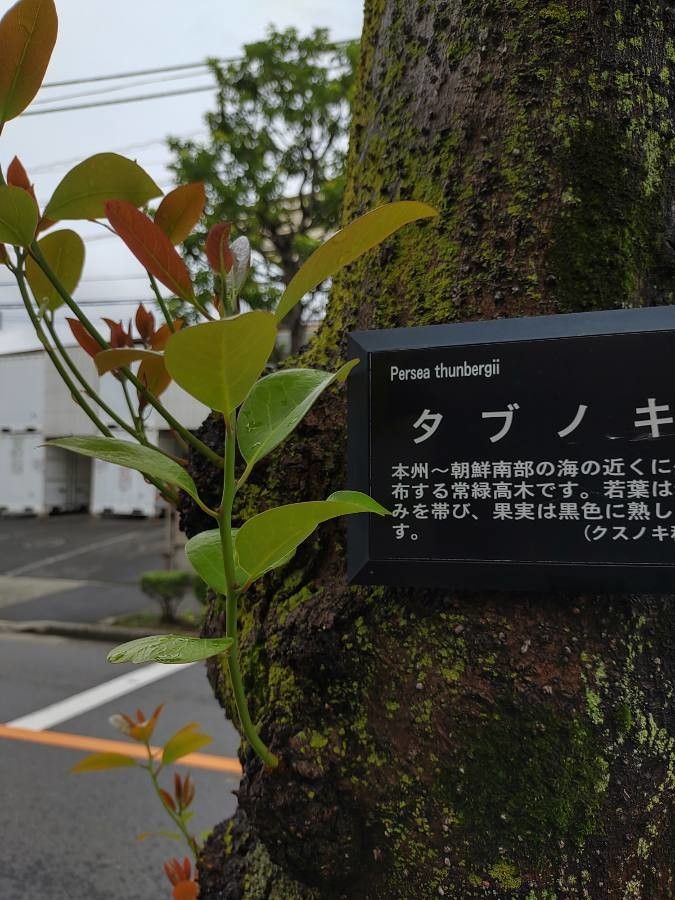
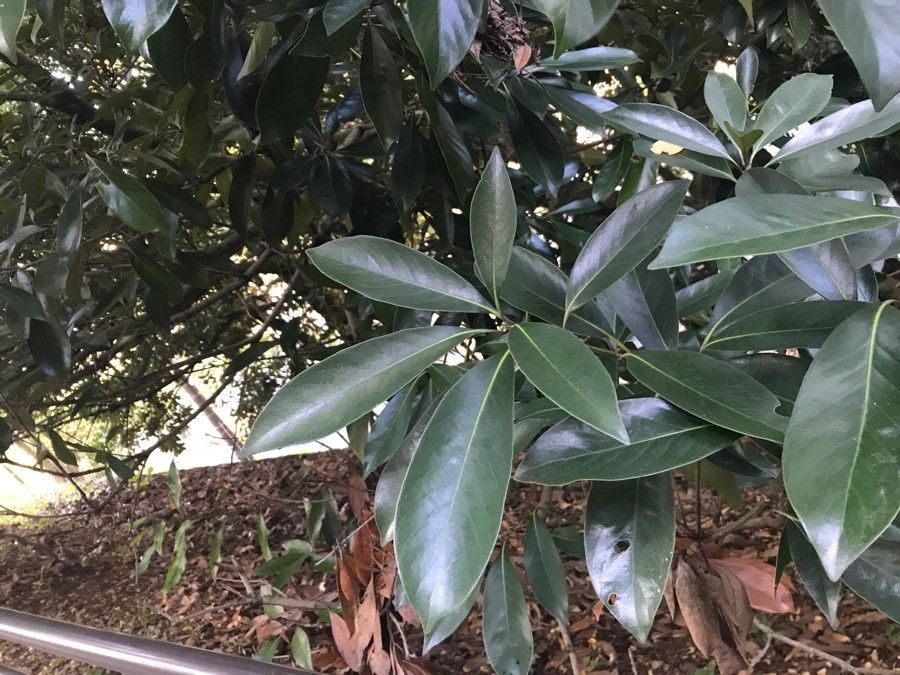
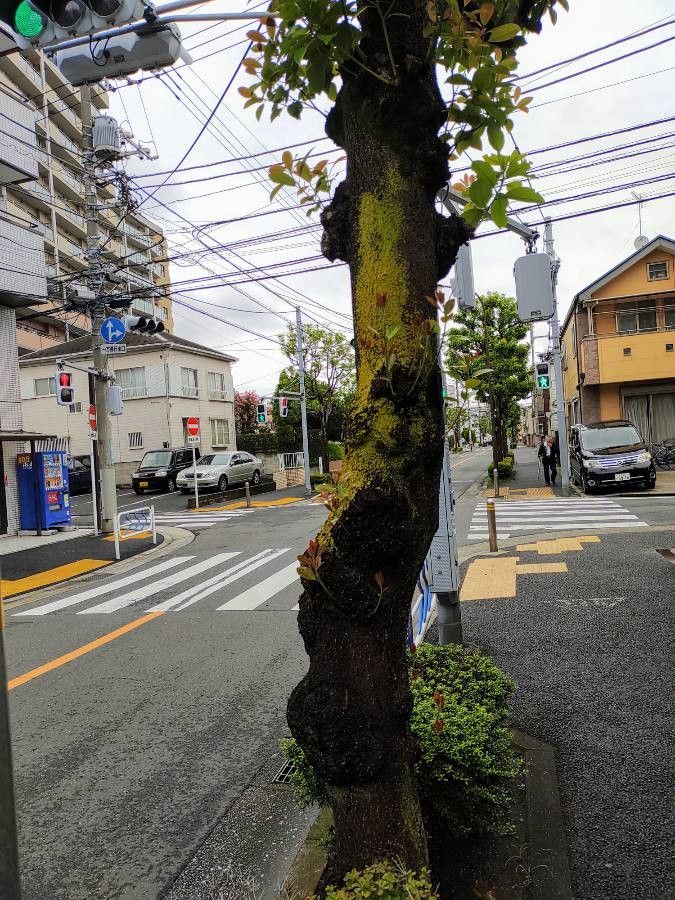
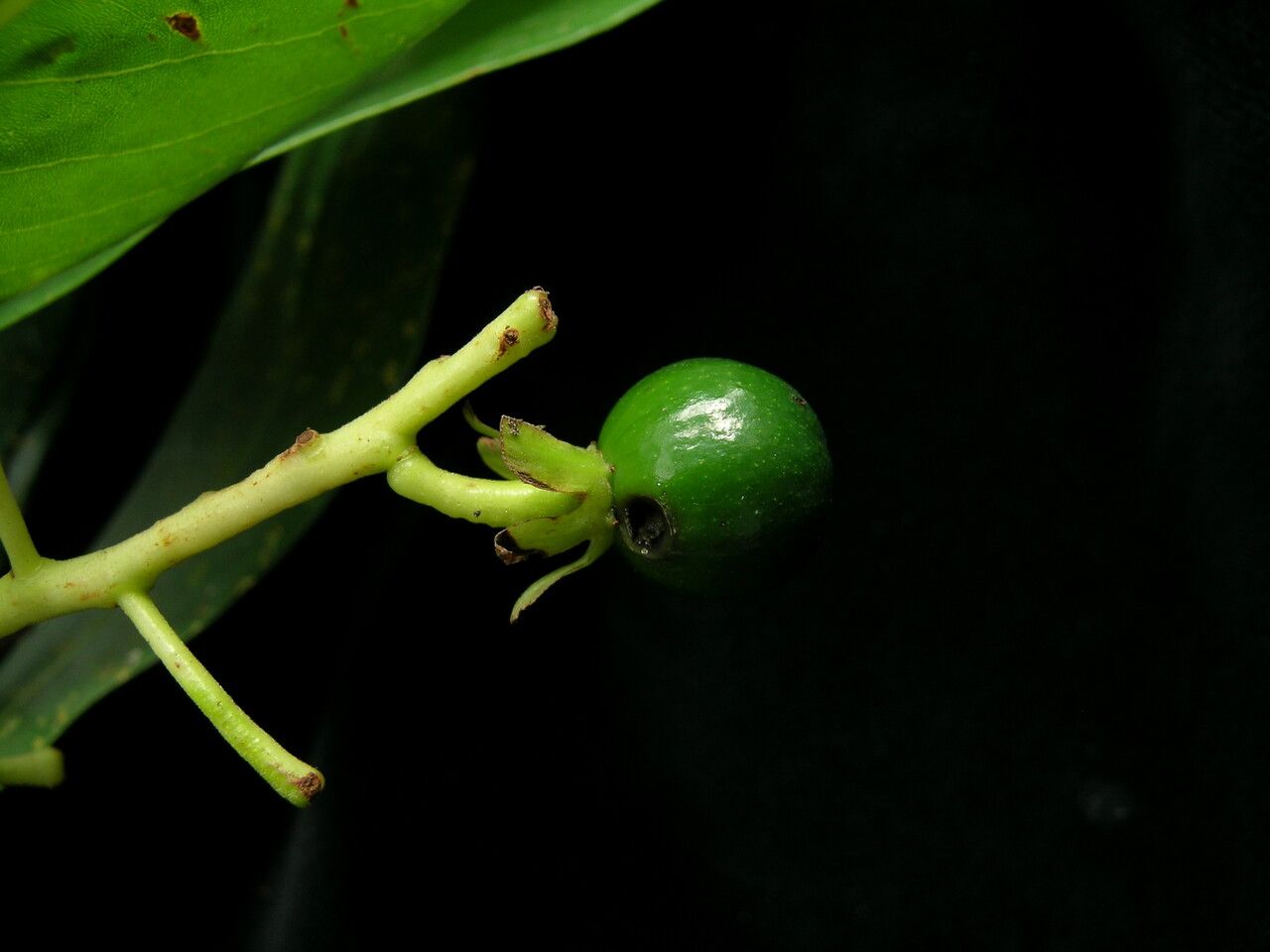
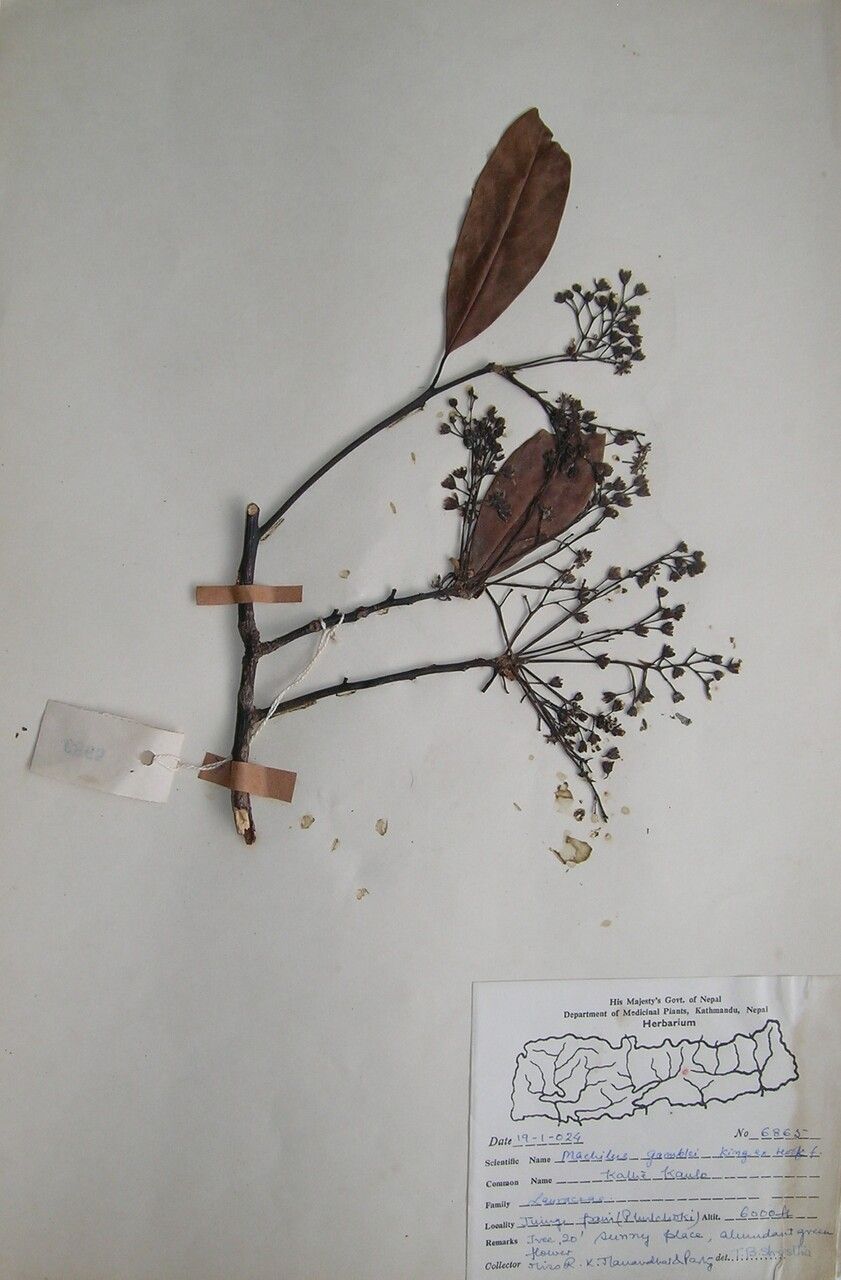
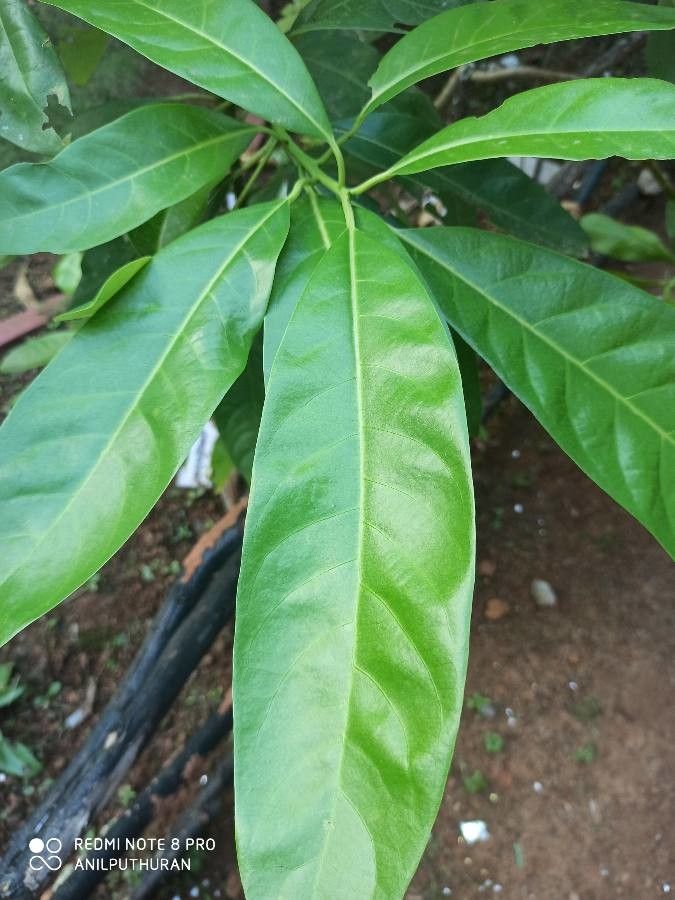
Machilus thunbergii (syn. Persea thunbergii), the Japanese bay tree, red machilus, or tabunoki, is a widespread species of flowering plant in the family Lauraceae. It is native to Vietnam, Taiwan, southeast and north-central China, the Korean Peninsula, and Japan. A sturdy evergreen tree, usually 10–15 m (30–50 ft) tall, and reaching 20 m (70 ft), it is used for timber, and as a street tree. Its bark is the source of makko, a powder used to make a mosquito‑repelling incense. It prefers coastal areas, and can handle saline soil.
Red Machilus, also known as Machilus thunbergii, earns its common English name "makko" due to its intriguing appearance. This large tree features dark green foliage, but its new growth is distinguished by a red tint and copper highlights, making it an exceptionally decorative ornamental tree. In Japanese, it is called 'tabunoki,' which means "crimson camphor tree," a reference to the red color of its heartwood.
Makko is resistant to disease and generally not susceptible to illnesses. Regarding care, this plant is fairly low-maintenance. When grown outdoors it needs only minimal watering, and larger plants usually do not require pruning. Smaller plants, however, should be pruned after they finish blooming. Makkot is appropriate for anyone with an outdoor area, such as a garden or deck, and does not demand much care experience.
How to keep Machilus Thunbergii.
Light
Makko is a tolerant species that prefers a substantial amount of sunlight for healthy growth, although it does not strictly require it. Native to habitats that receive abundant solar radiation throughout the day, Makko can thrive in conditions where sunlight predominates. Insufficient light can result in stunted growth, while excessive exposure may cause foliage burn.
Water
Makko thrives in high humidity and requires consistent moisture, typically needing water every 2-3 weeks. Although it can withstand moderate drought, it prefers the soil to remain evenly moist. Be mindful of seasonal changes, as these can affect its watering needs. During dry spells, monitor the plant closely to maintain lush foliage.
Temperature
Makko shows good temperature adaptability, tolerating higher heat and wide temperature swings. In hot conditions, it is important to ensure proper watering and provide suitable shade to avoid sunburn. Conversely, Makko is fairly sensitive to low temperatures. Although it can endure some cold, very low temperatures can cause frost damage.
Fertilizer
Fertilize your Makko in early spring to encourage healthy growth. Consistent feeding improves overall health, producing vigorous growth, increased tolerance of harsh conditions, and stronger resistance to pests and diseases. Keep to a specific fertilization schedule for your Makko to maintain foliage that is vibrant, deeply colored, and lush in appearance.
Pruning
Pruning Makko plants during the early to late winter months is beneficial, as it removes dead or diseased branches and improves airflow. This period of dormancy also minimizes stress and encourages healthy growth, enhancing the plant's ornamental appeal. Regular pruning boosts the plant's vitality. Be sure to consult local guidelines for specific pruning techniques.
Botanical profile.
- Plant Type
- Tree, Shrub
- Life Cycle
- Perennial
- Genus
- Machilus
- Family
- Lauraceae
- Hardiness Zone
- 7-9
- Mature Height
- 14.94 m to 29.87 m
- Mature Spread
- 2.13 m to 3.96 m
- Leaf Color
- Dark Green, Olive Drab
- Leaf Type
- Evergreen
- Flower Color
- White, Green
- Flower Size
- 5.08 cm to 11.43 cm
- Bloom Time
- Late spring, Early summer
- Planting Time
- Spring, Autumn
- Harvest Time
- Mid summer
- Native Area
- Cambodia, Vietnam, Japan, Philippines, Laos, South Korea, China
Other names.
Reader questions.
What should I do if I give my Makko plant too much or too little water?
Outdoor plants, especially newly planted ones or seedlings, are prone to lack of watering. It is important to remember to consistently water them for a few months until they are established. Once the roots are established, they can rely on rain most of the time. If you have planted your Makko in pots, overwatering is more likely to occur. If you do accidentally overwater your plant, you should take immediate action to minimize the effects. First, stop watering the plant to prevent further damage. Then, remove the Makko from its pot and inspect the roots. If there are no signs of root rot, you can return it to its container. However, if root rot is present, trim away the affected roots and apply a fungicide to prevent further damage. Finally, repot the Makko in well-draining soil. In the case of underwatering the Makko, simply water the plant more frequently. This is an easy fix and you will notice the leaves drooping, drying out, and falling off. Once sufficient watering is provided, the leaves will return to fullness quickly. It is important to adjust your watering frequency as soon as you notice underwatering occurring.
What are the sunlight requirements for Makko plants?
Makko plants thrive best with generous amounts of sunlight, given their origin in habitats bathed in solar radiation throughout the day. They require full sun, which equates to more than 6 hours of sunlight daily, to ensure healthy growth. Insufficient sunlight may result in stunted growth, while too much sun can cause foliage burn. It's crucial to observe the movement of sunlight in your garden, aiming for a spot that offers a balance of light and shade to keep your Makko happy.
How should I water my Makko?
Watering your Makko is not a high-maintenance task. You can use a variety of watering tools such as watering cans, hoses, or even cups to moisten the soil. It is important to apply the water directly to the soil and ensure equal moisture in all areas to support the root system. Using filtered water is recommended to avoid harmful particles that can be present in tap water. Additionally, water at or slightly above room temperature is ideal as extreme temperatures can be distressing for the Makko. However, overall, the Makko is typically adaptable and responds well to most types of water.
Can Makko plants grow with artificial lighting?
Yes, Makko plants can grow with artificial lighting, especially when natural sunlight is insufficient, such as during winter or in spaces that don't receive enough sunlight. Artificial lights, including LED lights which can be customized to provide specific wavelengths, offer a vital solution. For optimal growth, full sun plants need 30-50W/sq ft of artificial light, partial sun plants 20-30W/sq ft, and full shade plants 10-20W/sq ft. The artificial light source should be placed 12-36 inches above the plant, mimicking natural sunlight. Most plants benefit from 8-12 hours of artificial light per day.
How often do I need to give my Makko water?
If you have outdoor plants, they usually grow fine with just rainfall. However, if you're in an area with little rainfall, you should water them every 2 weeks in spring and fall, more often in the summer, and less in winter when they need less water. If your Makko plant is young or newly planted, water it more frequently to help it establish and become more drought tolerant. For potted plants, there are two ways to determine watering frequency for your Makko. One way is to have a set schedule, such as watering once a week or every other week. However, this may not always be suitable as it doesn't consider the specific growing conditions for your Makko. The other option is to check the moisture of the soil. Wait for the top 2 to 4 inches of soil to dry out completely before watering again. This is usually about 1/3 to 1/2 depth of the pots.
What are the common symptoms of light deficiency in Makko plants?
Makko plants may show several symptoms when exposed to inadequate light, including smaller new leaves, leggy or sparse growth, faster leaf drop, slower or halted growth, and lighter-colored or irregularly patterned new leaves. These symptoms indicate a struggle in maintaining chlorophyll and nutrient levels essential for healthy growth. Additionally, excessive sunlight can lead to chlorosis, sunscald, leaf curling, wilting, and leaf scorching. These conditions affect the plant's ability to photosynthesize and maintain overall health.
How much water does my Makko require?
Watering your Makko plants can be a bit tricky, as it doesn't always require a lot of water. To support healthy growth, you only need to give it about five to ten ounces of water if only a few inches of soil have dried since the last watering. You can also gauge the water volume based on the moisture of the soil. If more than half of the soil has become dry, it's best to give it more water than usual. Just make sure to water it enough so that all the dry soil layers are moistened, and if excess water starts draining from the pot's holes, you can stop. If your Makko is planted outdoors in an area that receives sufficient rain, it may not need any additional watering. However, when it's young or still establishing, aim for 1-2 inches of rain per week. Once it's fully grown and established, it can rely on rainwater alone. Only if there's a prolonged period of hot weather without any rain for 2-3 weeks, then consider giving it a thorough watering to prevent stress.
How can I address light-related issues in Makko plants?
To address light-related issues in Makko plants, start by gradually increasing their exposure to sunlight, aiming for at least 6 hours of direct sunlight daily. For indoor plants, placing them near a south-facing window or using artificial light, such as plant grow lights for at least 8 hours a day, can help. For outdoor plants, moving them to sunnier spots gradually to prevent sunburn is imperative. Additionally, reducing obstructions that block sunlight and considering transplanting smaller plants during their dormant period can ensure they receive adequate sunlight. Note that while affected parts may not recover, new growth after adjusting light exposure should be healthy.
How do I know if I'm giving enough water to my Makko plant?
The Makko plant is often overwatered, and there are clear signs to watch out for. If overwatered, the leaves turn yellow and may fall off. Overwatering can also cause the plant to shrink and lead to root rot. On the other hand, an underwatered Makko will start to droop and its leaves can become brown and fragile. Whether it's overwatered or underwatered, you need to take action to revive your Makko's health.
How do I water my Makko plant at different stages of its growth?
When the Makko is young, like in the seedling stage, it requires more water compared to when it is fully grown. It is vital to maintain consistently moist soil during the early stages of this plant's life to facilitate root development. The same applies if you have recently transplanted a Makko to a new growing spot. Additionally, providing proper care can lead to the Makko producing attractive flowers and fruits. During the flowering or fruiting phase, it is likely that you will need to increase watering slightly to support these structures.
How do I water my Makko plants all year round?
The amount of water you give to your Makko plant will depend on the seasons. In the summer, when it is hot and sunny, you will likely need to water it more often because the soil dries out faster. However, in the winter, when the plant is not actively growing, it will need less water. You can get away with watering it once every 2 to 3 weeks, or sometimes not at all. If you have the plant indoors, be cautious of appliances like air conditioners, as they can dry out the plant more quickly, and you may need to water it more frequently.
What is the difference between watering my Makko plant inside compared to outside?
Your Makko may not require additional watering when grown outside with access to rainwater. However, if you live in an area with minimal rainfall, you should water the plant approximately every two weeks. If you reside outside the plant's natural hardiness zone, it is best to grow it indoors. Indoors, be mindful of the plant's soil as container or HVAC exposure can cause it to dry out faster. This means you will need to water the plant more frequently compared to when it is grown outdoors.