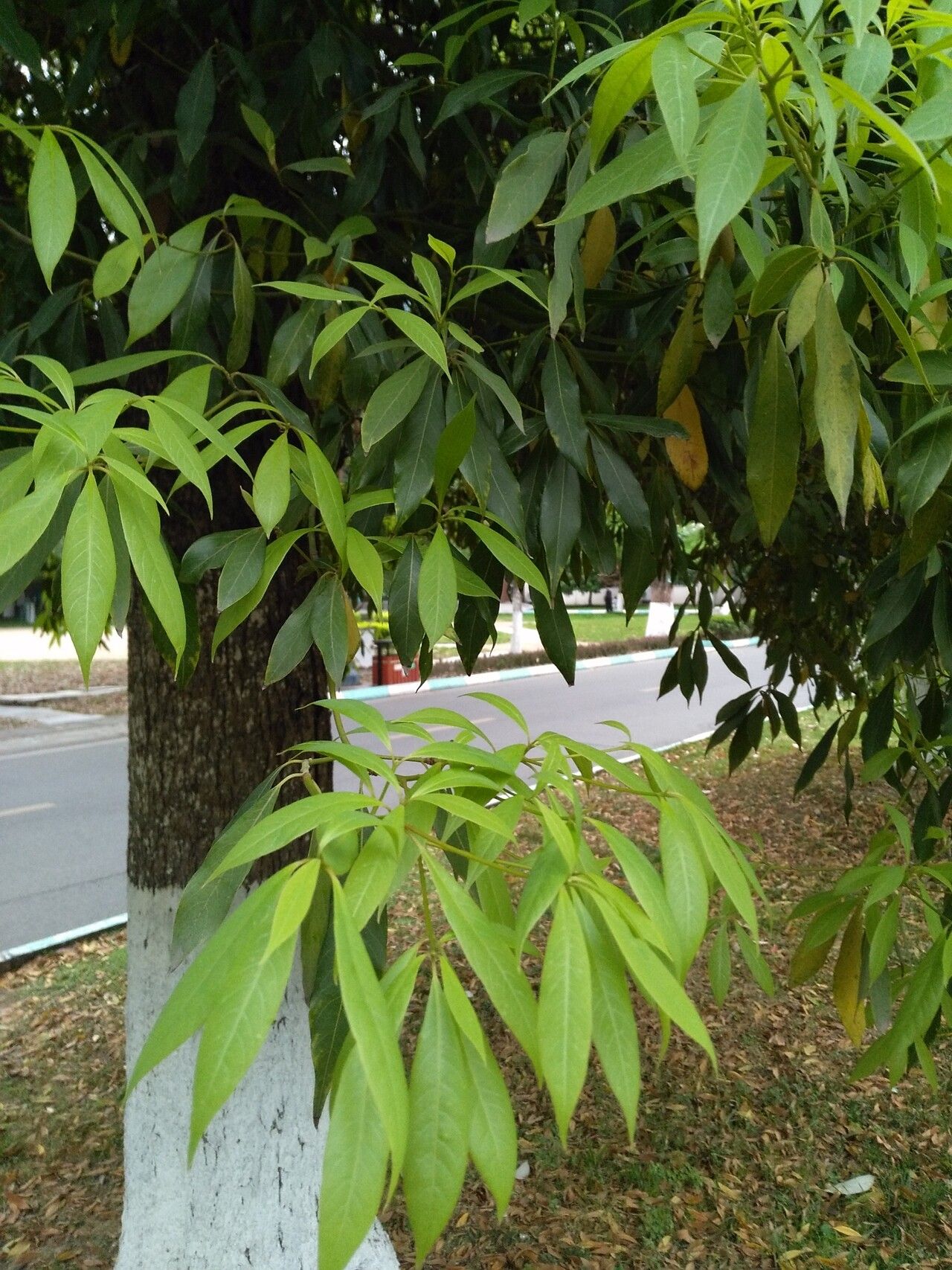
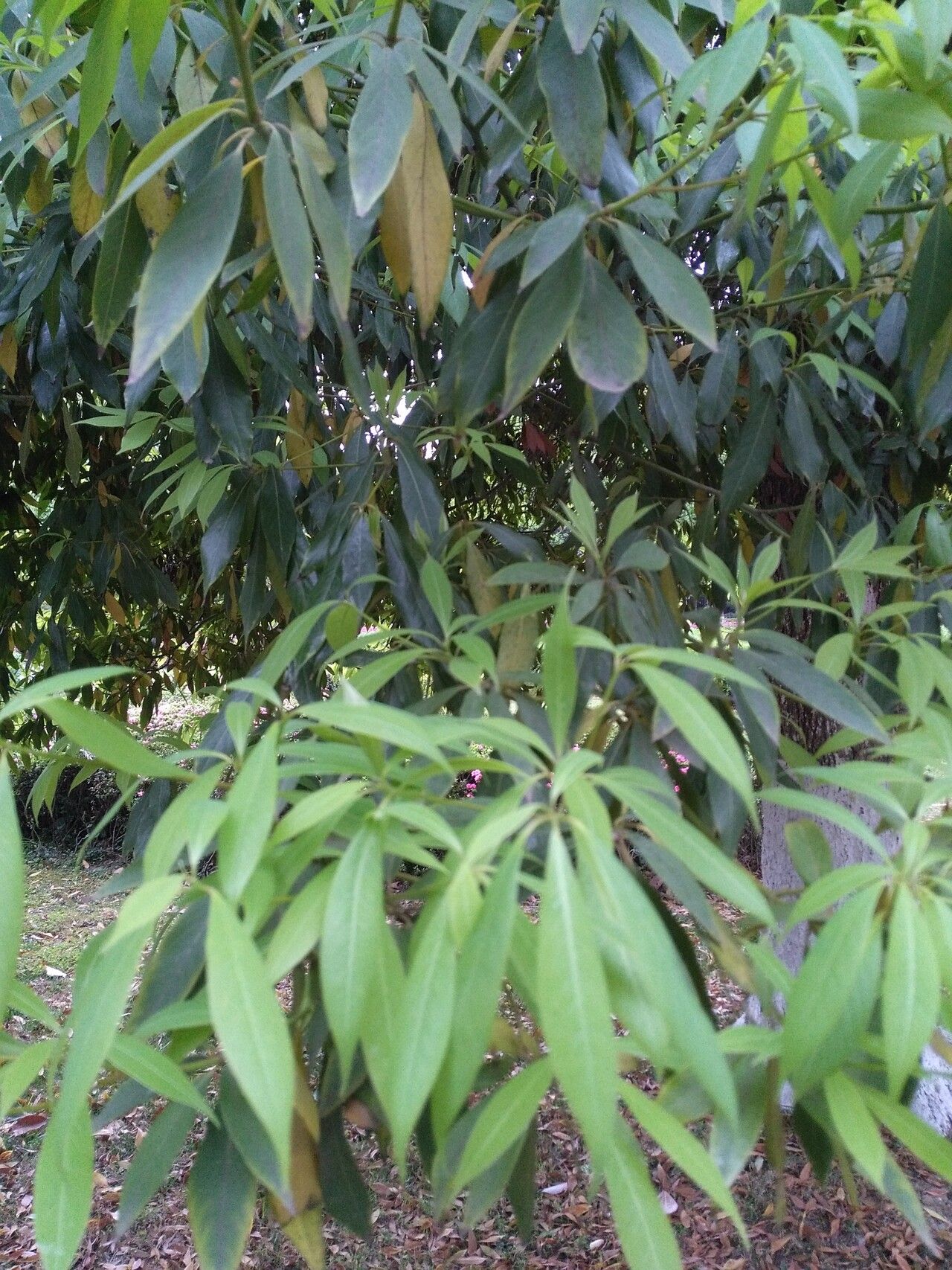
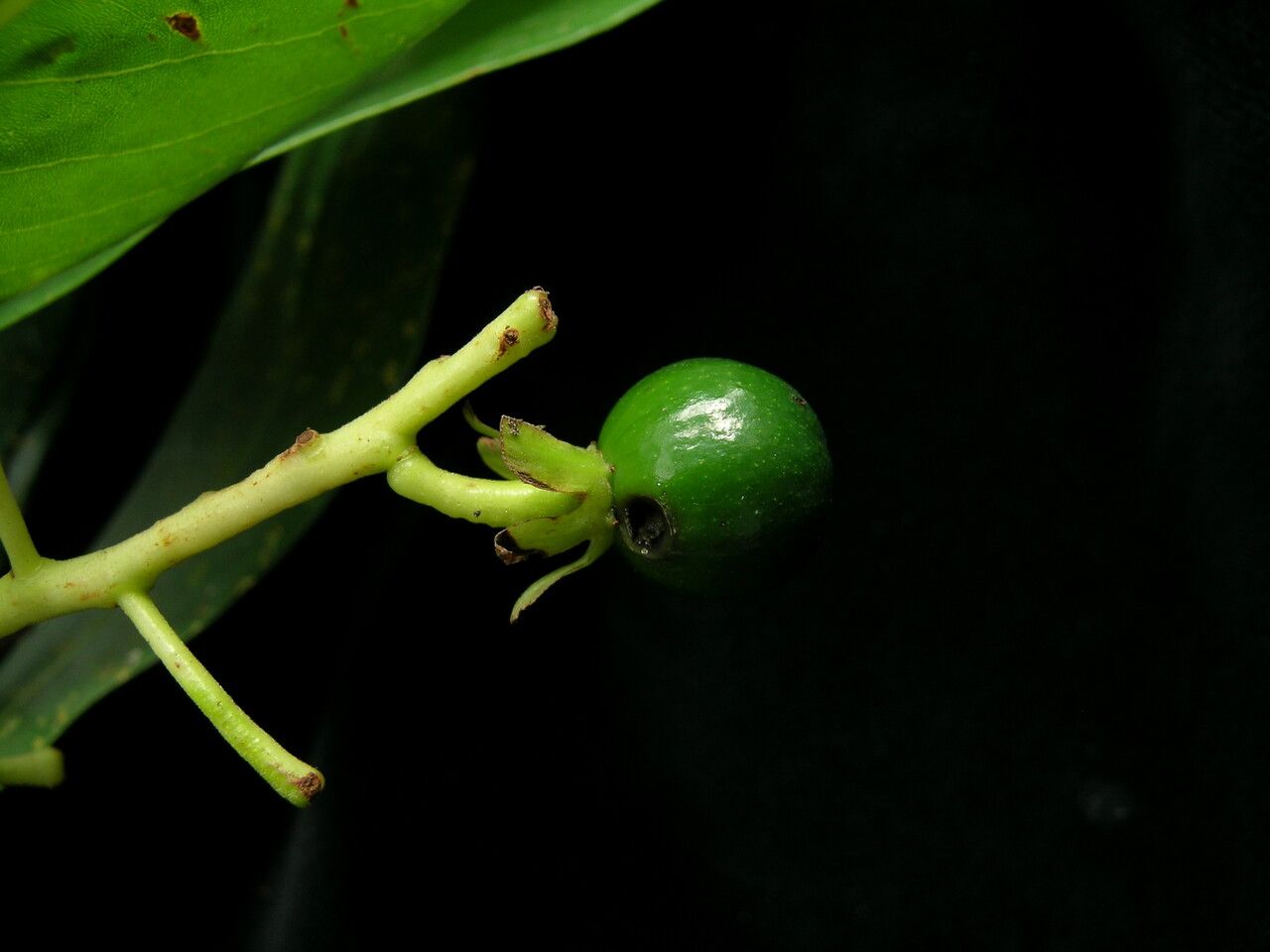
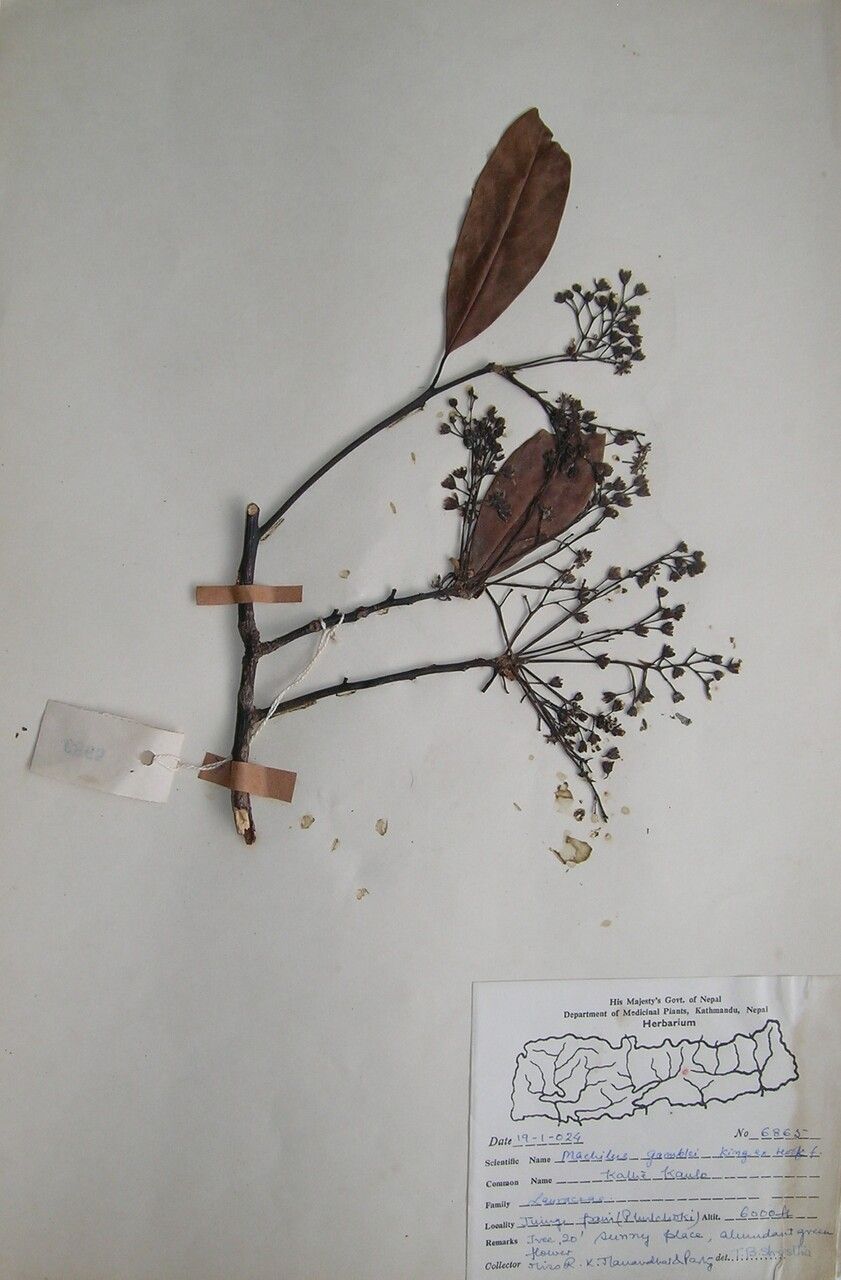
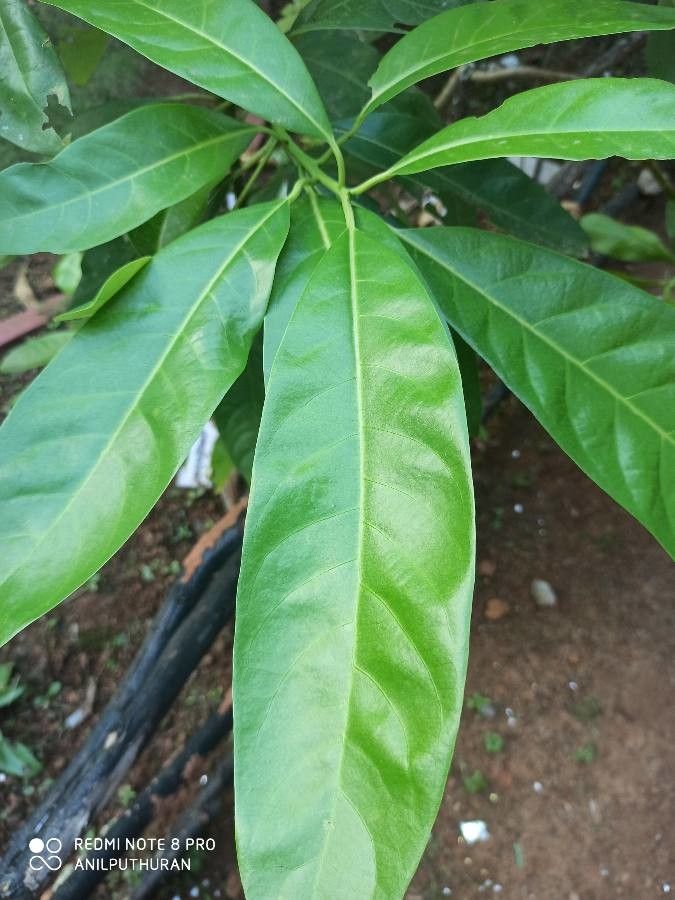
Machilus nanmu is a species of evergreen tree in the family Lauraceae. It is endemic to Sichuan and northeastern Yunnan provinces in southern China. M. nanmu is threatened by habitat loss due primarily to overcutting.
Machilus nanmu exhibits strong disease resistance and is generally not susceptible to illnesses. In terms of care, this plant is fairly low-maintenance. When grown outdoors it needs minimal watering, and larger plants typically do not require pruning. However, smaller plants should be pruned after they have bloomed. Machilus nanmut is well suited to anyone with an outdoor area, such as a garden or deck, and does not demand much care experience.
How to keep Machilus Nanmu.
Light
Machilus nanmu is native to open habitats, like sunny meadows and forest margins, where light is plentiful. It does best in full sun but can also tolerate partial sun, adapting well to different light conditions.
Temperature
Machilus nanmu has good temperature adaptability and can tolerate high heat and wide temperature fluctuations. In hot conditions, care should be taken with watering and providing suitable shade to avoid sunburn. However, Machilus nanmu is relatively intolerant of low temperatures. While it can endure some cold, excessively low temperatures may cause frost damage.
Fertilizer
Fertilize your Machilus nanmu in early spring to encourage healthy growth. Regular feeding boosts overall health, producing robust growth, greater resilience to harsh conditions, and better resistance to diseases and pests. Keep to a consistent fertilization schedule for your Machilus nanmu to maintain lively foliage with rich color and a full, lush look.
Botanical profile.
- Plant Type
- Tree
- Life Cycle
- Perennial
- Hardiness Zone
- 8-11
- Mature Height
- 39.93 m
- Mature Spread
- 10.06 m to 14.94 m
- Leaf Color
- Green
- Leaf Type
- Evergreen
- Flower Color
- Yellow, Green, Red, Brown
- Flower Size
- 0.51 cm to 0.51 cm
- Bloom Time
- Early spring, Mid spring
- Planting Time
- Spring, Summer
- Harvest Time
- Late summer, Early fall, Mid fall
- Native Area
- China