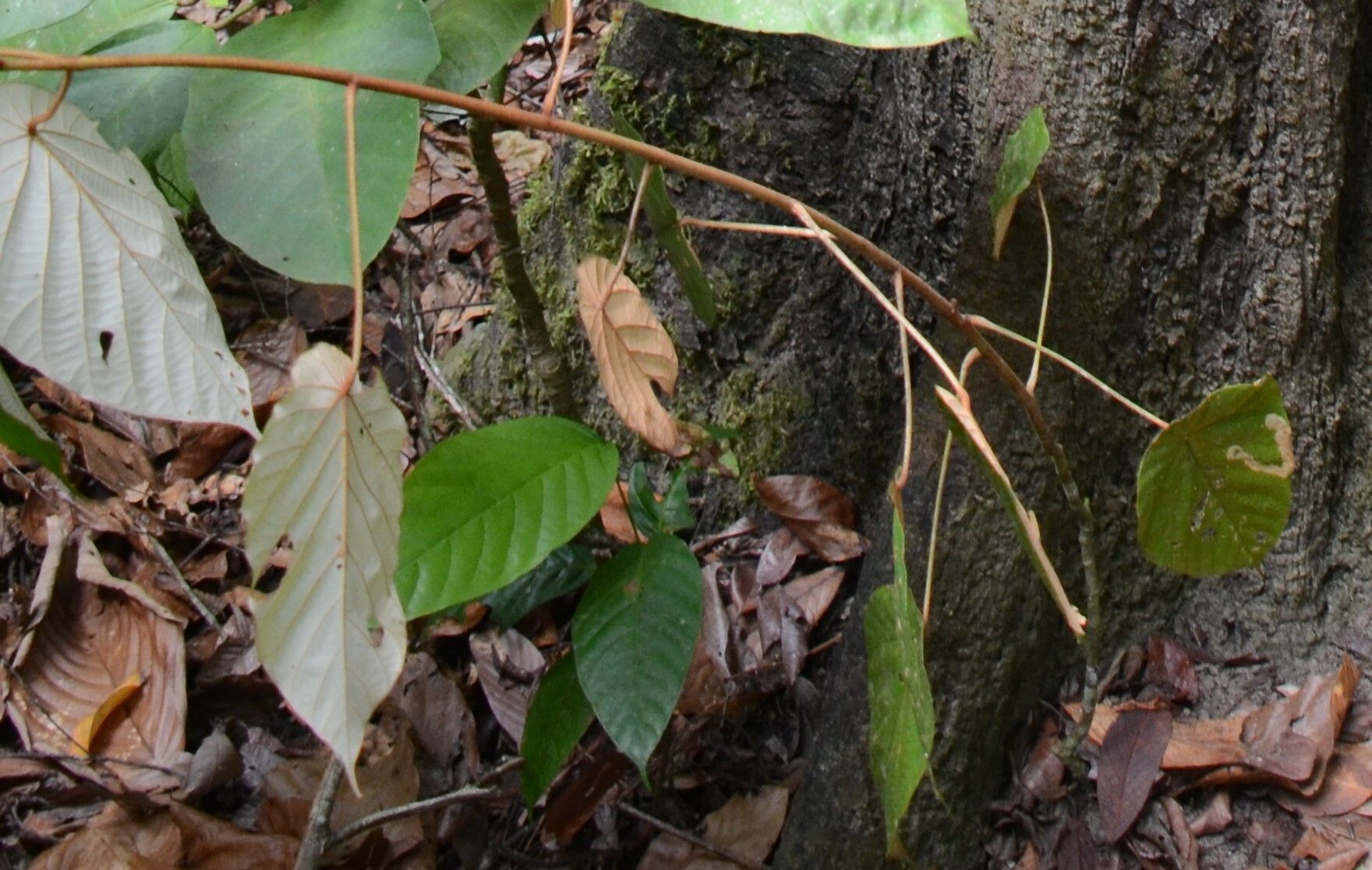
Macaranga tanarius, commonly known as "Porcupine Wood" or "Candle Bush," is a tropical plant species belonging to the Euphorbiaceae family. Native to Southeast Asia, this plant can be found in countries such as Malaysia, Indonesia, and Thailand.
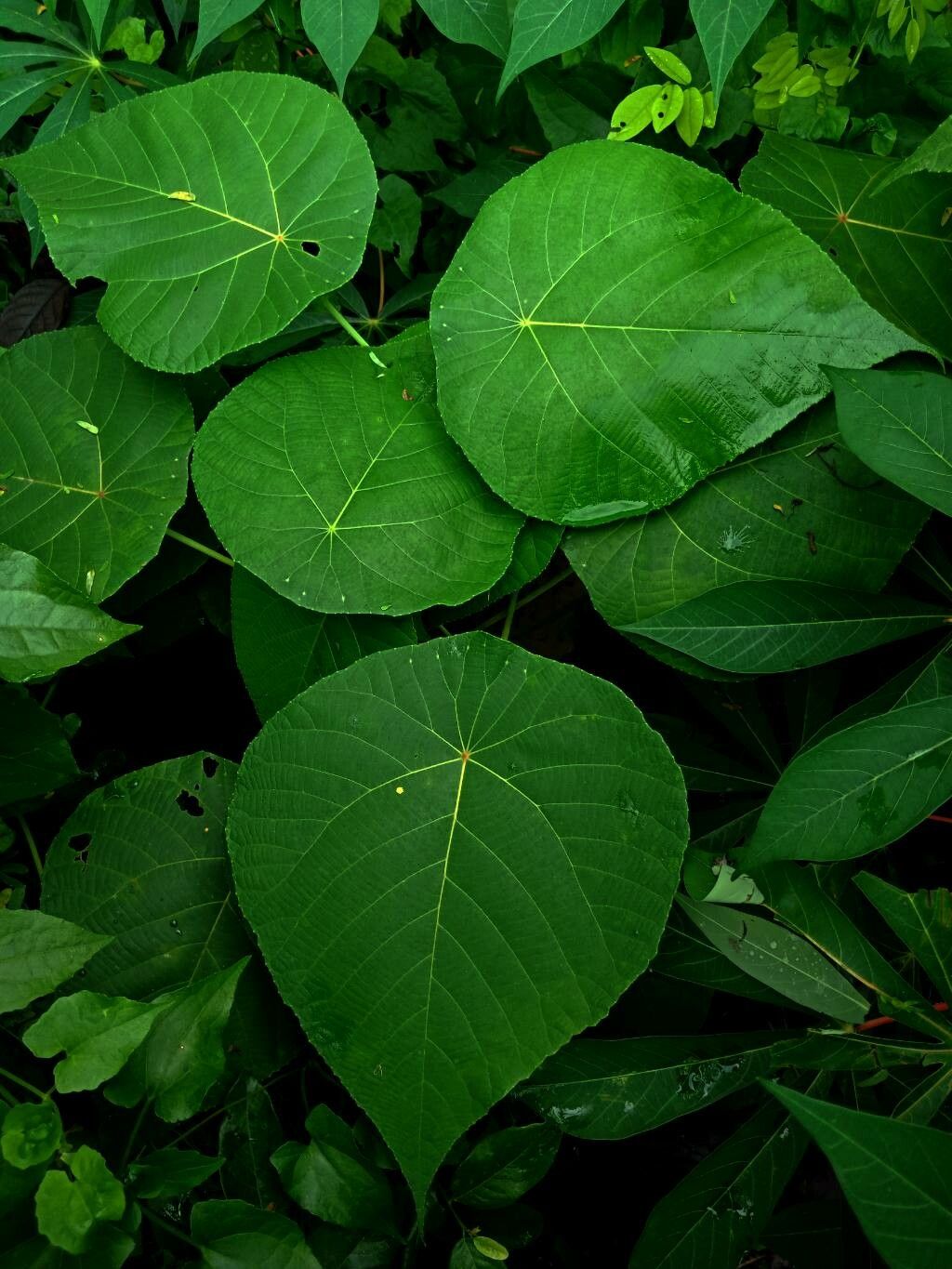
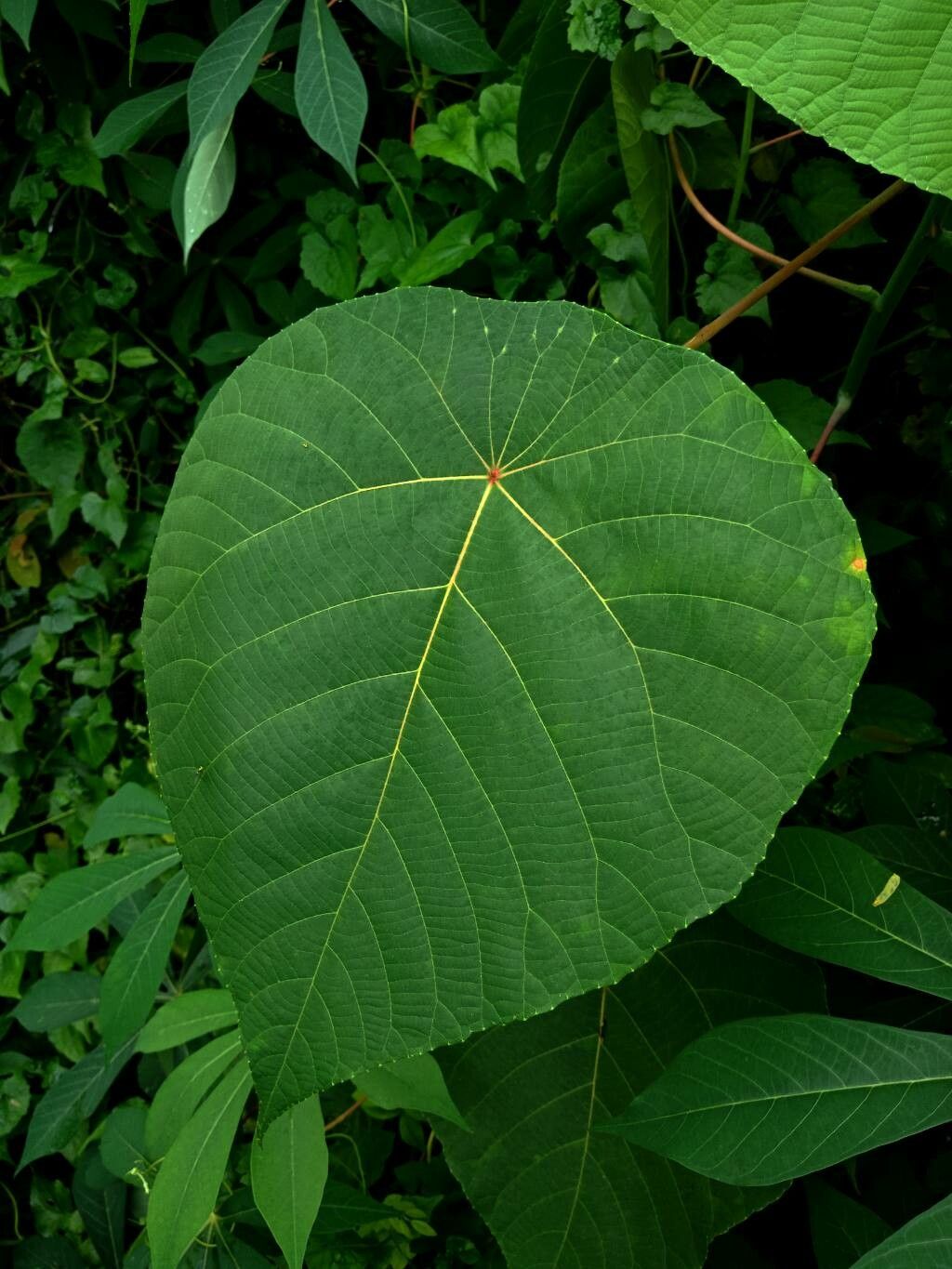
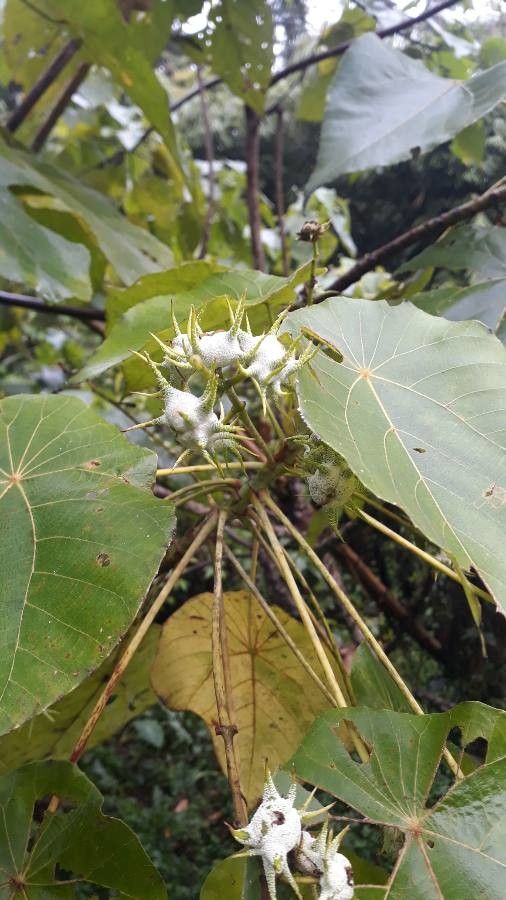
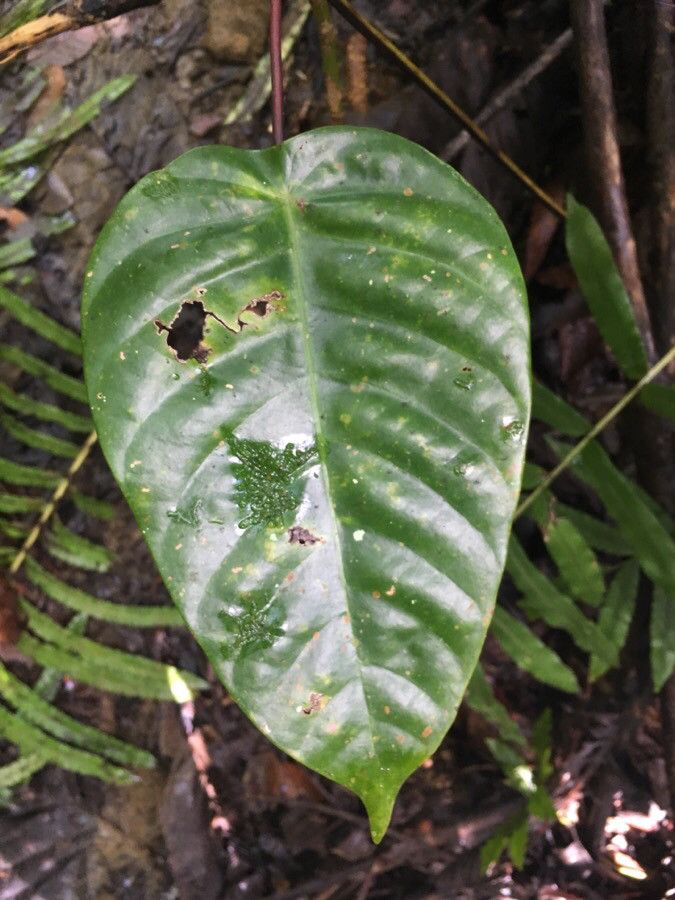
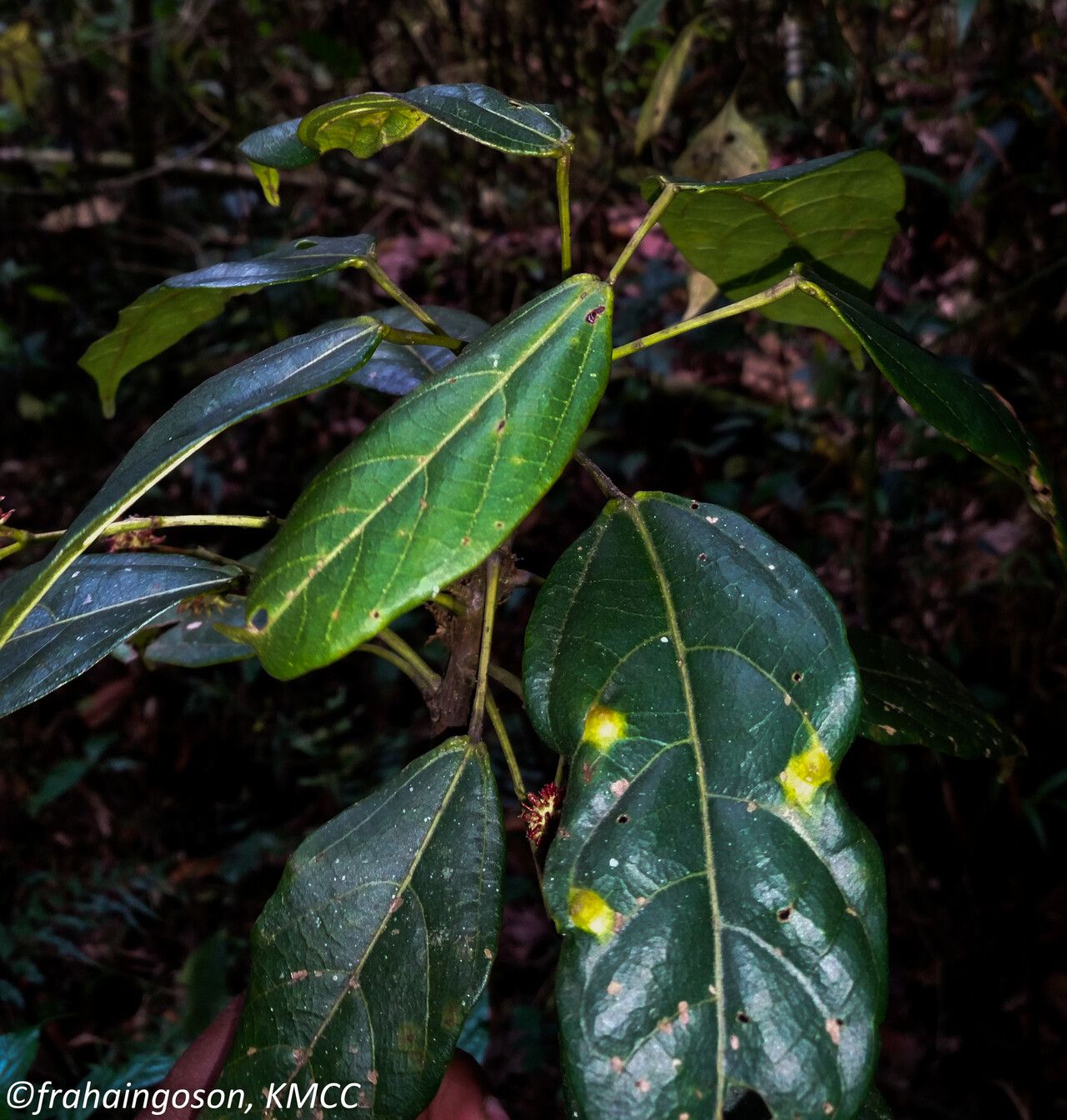
Macaranga tanarius can grow up to 20 meters tall, featuring a straight trunk with smooth bark that ranges in color from grayish-brown to light brown. The plant's large, glossy green leaves have a heart-shaped base and pointed tips.
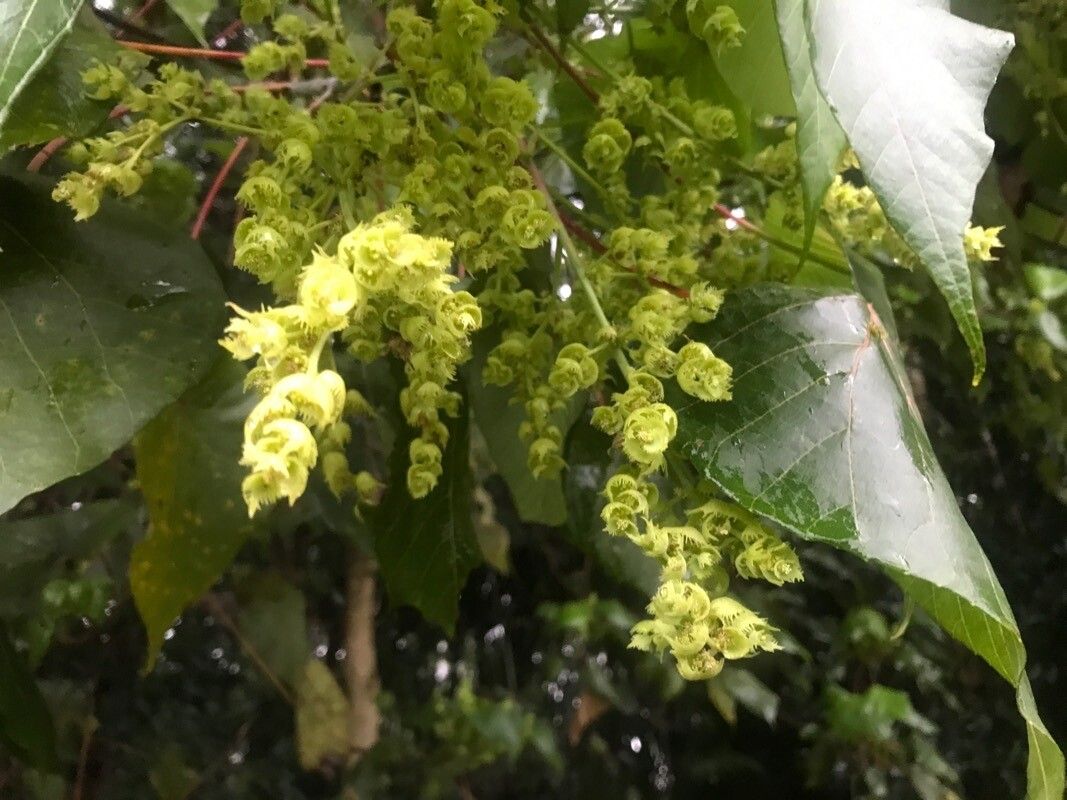
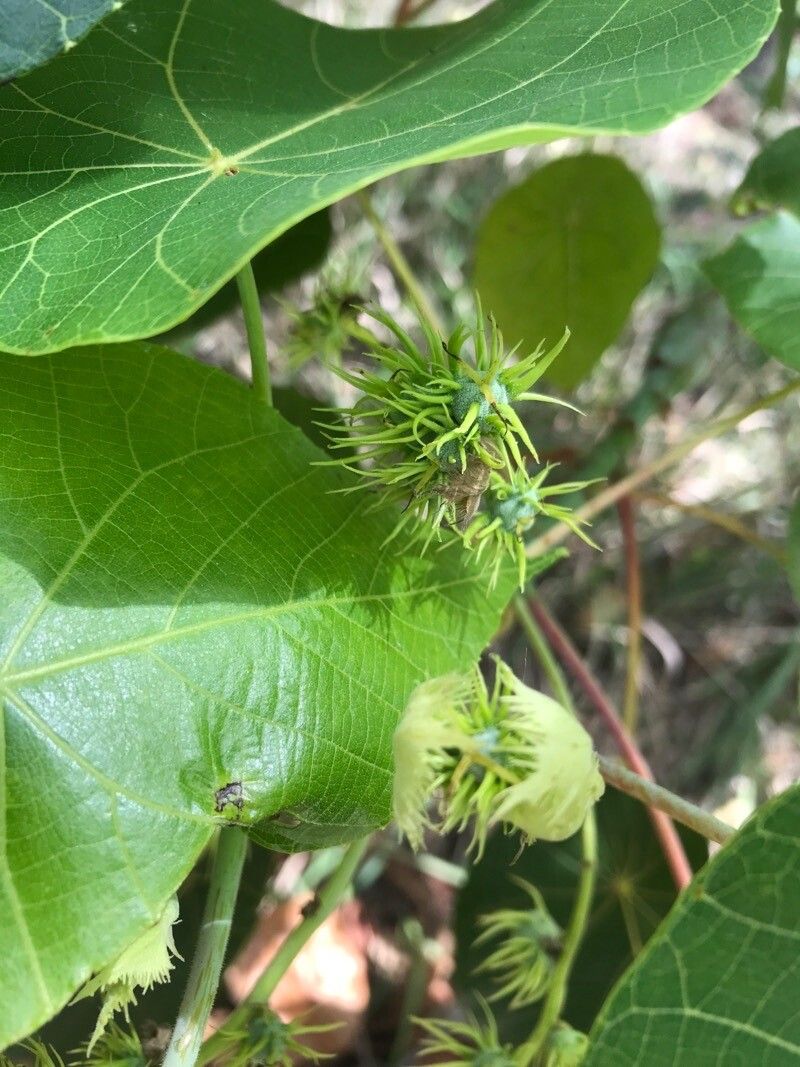
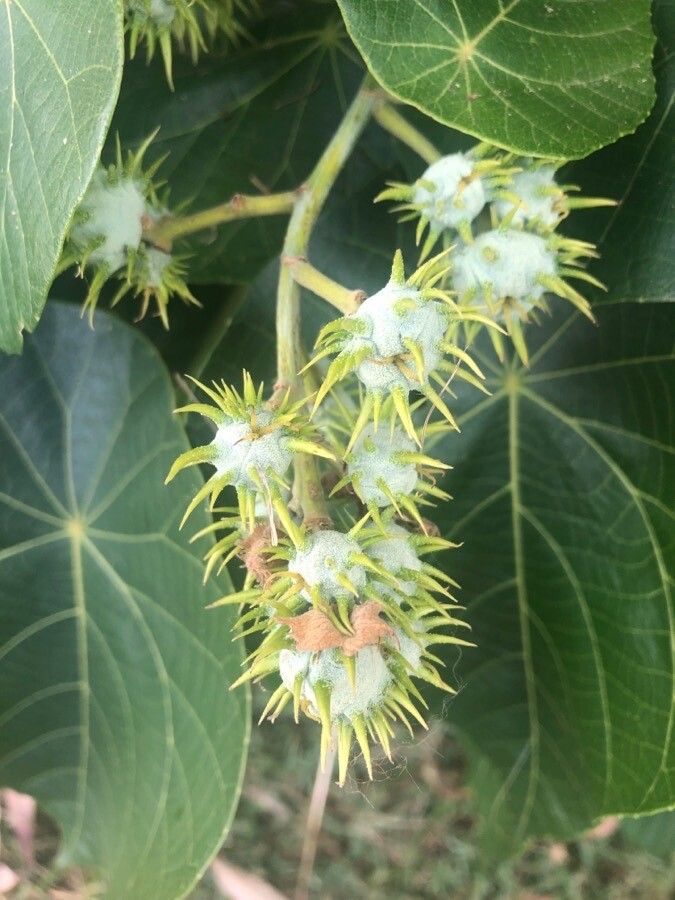
The flowers of Macaranga tanarius are small and greenish-yellow, growing on long spikes that emerge from the branches during springtime. The tree produces small, round capsules as fruit, each containing numerous seeds.
The parasol leaf tree is native to the tropical regions of southeastern Asia, Indonesia, and eastern Australia. In these areas, it often serves as a pioneer species in disturbed or destroyed tropical forests. This tree is valuable for restoring native bushland because it provides essential shade for young native trees. Its unique crown and leaf shape also make the parasol leaf tree a popular choice for ornamental planting. FUN FACT · FROM THE LIBRARY
This species has been used by local communities for centuries. Its leaves' extract possesses antibacterial properties, making it useful in traditional medicine for treating skin diseases and wounds. Additionally, the fruit serves as an important food source for birds.
Ecologically, Macaranga tanarius plays a significant role by providing habitat for wildlife. Culturally, it holds various important roles within the communities where it naturally grows.
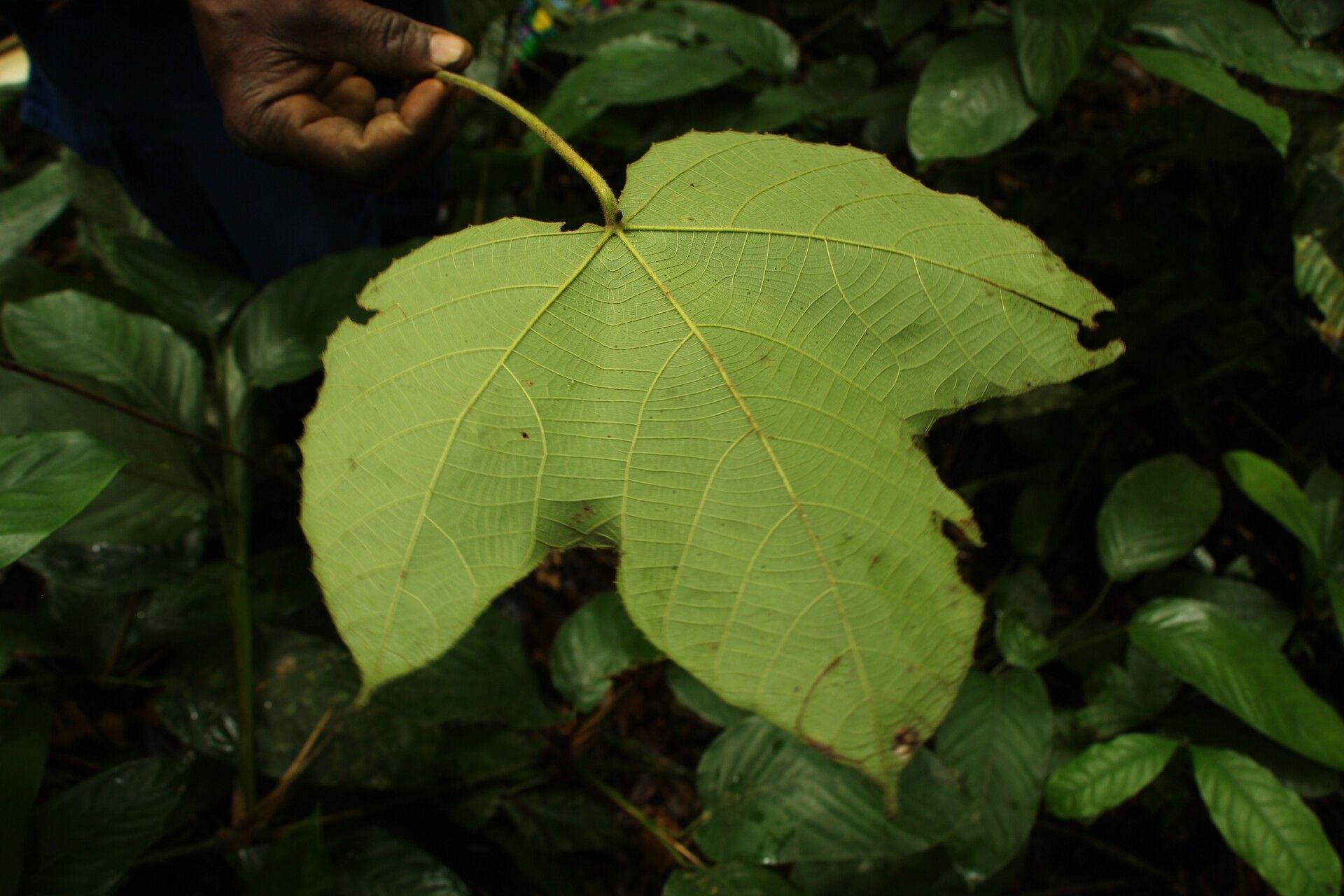
Parasol Leaf Tree: This tree gets its common name from the shape and pattern of its leaves. The large, round leaves have very visible veins and a dent near the middle, resembling parasols to those who see them. The origin of the tree's Latin name is unclear. The genus name, sometimes also used as a common name, is believed to be derived from "mokarana," a local name for the genus in Madagascar.
Parasol leaf tree has strong disease resistance and is generally not likely to suffer from illnesses. In terms of care, this plant is fairly low-maintenance. When grown outdoors it needs minimal watering, and larger plants usually do not require pruning. Smaller plants, however, should be pruned after they have bloomed. Parasol leaf tree is appropriate for anyone with an outdoor area, such as a garden or deck, and does not demand extensive care experience.
How to keep Macaranga Tanarius.
Light
The parasol leaf tree does best with full sunlight exposure, as in its native environment. Plenty of sun supports its ideal growth and health. Still, changes in light levels generally do not greatly impede its development, giving the species considerable resilience. Very low or very high light, however, can negatively affect the plant's vigour.
Water
The parasol leaf tree flourishes in consistently moist environments and should be watered every two weeks to maintain optimal health. This evergreen plant thrives outdoors, where its lush foliage benefits from its ability to retain water. This characteristic reflects its adaptation to tropical forest understories.
Temperature
Parasol leaf tree comes from regions that commonly have temperatures of 68 to 95°F (20 to 35℃). It thrives in that warmth, and gardeners should keep its environment warm, especially in winter.
Fertilizer
Fertilizing is essential for caring for the Parasol leaf tree. Regular feeding during the growing season preserves the energy needed for its showy leaves and supports overall growth. Skipping fertilization can lead to unhealthy foliage, reduced ornamental value, and stunted or weak growth that is prone to breaking.
Pruning
The parasol leaf tree is known for its broad, umbrella-like leaves and fast growth. To maintain its health, prune the tree from early to late winter. Focus on thinning overcrowded branches, removing dead wood, and doing minor shaping. This helps improve air circulation and sunlight exposure, which reduces the risk of disease. Always use clean, sharp tools to minimize damage and ensure quick healing.
Pot & Repot
To thrive, the parasol leaf tree needs excellent drainage in pots, which helps prevent root rot and promotes healthy growth. To provide optimal care, it is essential to choose the right pot and ensure proper soil composition.
Botanical profile.
- Plant Type
- Tree
- Life Cycle
- Perennial
- Genus
- Macaranga
- Family
- Euphorbiaceae
- Hardiness Zone
- 10
- Mature Height
- 11.89 m
- Mature Spread
- 3.96 m
- Leaf Color
- Green, Dark Green
- Leaf Type
- Evergreen
- Flower Color
- Yellow, Green
- Flower Size
- 0.15 cm to 0.25 cm
- Bloom Time
- Early spring, Late summer, Fall, Winter
- Planting Time
- Spring, Autumn
- Harvest Time
- Early spring, Mid spring, Fall, Winter
- Native Area
- Sri Lanka, Solomon Islands, India, Malaysia, Indonesia, Cambodia, Vietnam, Myanmar, Japan, Vanuatu, Philippines, Papua New Guinea, Timor-Leste, Laos, Australia, Brunei, Thailand, China
Other names.
Reader questions.
How should I water my Parasol leaf tree?
Your Parasol leaf tree is not demanding when it comes to watering. You can use various common watering tools, such as watering cans, hoses, or even cups, to water it. Regardless of the tool you choose, it's important to water the soil directly and make sure all areas are evenly moistened. Using filtered water is advisable as tap water may have harmful particles. Additionally, using water at or slightly above room temperature is ideal, as extremely cold or hot water can shock the tree. However, the Parasol leaf tree generally responds well to any kind of water.
Why should I put fertilizer on my Parasol leaf tree?
Parasol leaf trees need regular fertilization because their showy leaves require a lot of energy to produce and maintain. It can be challenging for these trees to allocate enough energy to keep their leaves healthy while also supporting the growth of their stems, branches, roots, and other vital structures. Neglecting fertilization can lead to two likely outcomes. Firstly, the leaves may lose their natural color and texture, appearing unhealthy and significantly reducing their ornamental appeal. Secondly, the overall growth of the tree may slow down, and weak growth that is susceptible to breakage may occur.
What are the sunlight requirements for a Parasol leaf tree?
The Parasol leaf tree requires above 6 hours of sunlight to thrive, making full sun exposure a key requirement for its optimal development and health. In its native habitat, the tree flourishes under copious amounts of sunlight, although it possesses a robust resilience to different light exposures. Extremes in light conditions, either too little or too much, can adversely affect the plant's vigor. It's essential to observe the movement of sunlight through your garden to find locations that offer a balance of light and shade, enabling the happiness and health of your plants.
What is the native environment of the Parasol leaf tree?
The Parasol leaf tree, or Macaranga tanarius, thrives in environments that typically enjoy temperatures ranging from 68 to 95°F (20 to 35°C). It is extremely heat-loving, making it vital for gardeners to maintain warm conditions around it, especially during the colder months. To ensure the tree's health, it is advisable to bring it indoors during autumn to a spot near a bright window but away from direct heat sources, ensuring the temperature remains above 20°C throughout winter. Any exposure to temperatures around 5°C or lower can be harmful to the tree.
What should I do if I give too much or too little water to my Parasol leaf tree?
Outdoor plants, especially newly planted ones or seedlings, are often at risk of not receiving enough water. It is important to remember to water them regularly for a few months while they are small or recently planted. Once the roots are established, the Parasol leaf tree can mostly rely on rain. In the case of potted Parasol leaf trees, overwatering is more likely. If you accidentally overwater your plant, take immediate action to address the issue. First, stop watering the plant to minimize the negative effects. Then, remove the tree from its pot to inspect the roots. If you find no signs of root rot, you can return the plant to its container. However, if there are signs of root rot, trim the affected roots and consider using a fungicide to prevent further damage. Repot the tree in well-draining soil. On the other hand, underwatering is a simpler problem to fix. When a Parasol leaf tree is underwatered, its leaves may droop, dry out, and fall off. However, after sufficient watering, the leaves will quickly regain their fullness. It is important to adjust your watering frequency as soon as you notice underwatering.
What is the ideal time to fertilize my Parasol leaf tree?
The Parasol leaf tree does not require a set feeding schedule. Instead, it benefits from occasional feedings. One simple way to fertilize this plant is by applying fertilizer whenever you water it. Additionally, during the growing season, the Parasol leaf tree needs a good amount of water. It is recommended to feed the plant every two to three weeks, consistently throughout its period of new growth.
How do artificial lighting conditions affect the growth of indoor Parasol leaf trees?
Indoor Parasol leaf trees require adequate lighting for optimal growth, especially when natural sunlight is insufficient, such as during winter or in less sunny spaces. Artificial lighting serves as a crucial substitute, promoting healthier and faster growth. LED lights are recommended due to their ability to be customized to specific wavelengths needed by plants. Full sun plants need 30-50W/sq ft of artificial light, partial sun plants need 20-30W/sq ft, and full shade plants need 10-20W/sq ft. The light source should be placed 12-36 inches above the plant, simulating natural sunlight conditions. Most plants benefit from 8-12 hours of light per day.
How does low temperature affect the Parasol leaf tree and what are the solutions?
The Parasol leaf tree prefers warm temperatures and struggles in colder environments. If the temperature falls below 1°C, it may lead to lighter leaf coloration, and frost damage can cause the leaves to turn brown or black, accompanied by wilting and drooping. To combat this, frost-damaged parts should be trimmed off, and the tree should be moved indoors to a warm place, preferably near a south-facing window for ample sunlight. It is also important to keep the tree away from heaters or air conditioning vents to avoid excessive dryness.
How frequently should I water my Parasol leaf tree?
Most outdoor plants can rely on rainfall for their water needs. However, if you live in an area with little rainfall, you should water your plants every 2 weeks in the spring and fall. In the summer, you will need to water them more frequently. In the winter, plants need less water, so you can water them sparingly or not at all. If you have a young or newly planted Parasol leaf tree, it will need more frequent watering to help it establish and become more adaptable to drought. For potted plants, there are two ways to determine how often to water your Parasol leaf tree. The first is to set a schedule and water once a week or every other week. However, this may not always work as it doesn't account for the specific conditions of your plant's environment. Another method is to check the soil moisture. Wait until the top two to four inches of soil have completely dried out before watering again. This is usually about one-third to half the depth of the pot. Keep in mind that during the summer, your plant will need more water than the predetermined schedule suggests.
When is the best time to not use fertilizer on my Parasol leaf tree?
You can maintain a regular fertilization schedule for your Parasol leaf tree throughout most of the year, except for the winter. During the active growing season of spring, summer, and early fall, it is permissible to fertilize the tree. However, during the winter, the tree enters a dormant growth phase, during which it does not put forth new growth or very little. The lack of active growth means the tree requires less energy, so fertilization is not necessary during this time.
What are the symptoms of light deficiency or overexposure in a Parasol leaf tree?
Symptoms of light deficiency in Parasol leaf trees include small new leaves, leggy or sparse growth, faster leaf drop, slowed or halted growth, and lighter-colored or irregularly patterned leaves indicating a lack of chlorophyll. Overexposure symptoms include chlorosis (leaves turning yellow due to chlorophyll breakdown), sunscald (pale, bleached areas on leaves or stems), leaf curling (as a defense mechanism against excessive sunlight), wilting (from increased water loss), and leaf scorching (brown, dry patches on leaves). Both insufficient and excessive light affects the plant's ability to photosynthesize and maintain overall health.
How does high temperature affect the Parasol leaf tree and what are the solutions?
During summer, the Parasol leaf tree should be kept in conditions below 35°C to avoid heat stress. Temperatures above 41°C can lighten the color of the leaves and make the tree more prone to sunburn. To mitigate this, sunburned or dried-up parts should be trimmed away, and the plant should be moved to a shaded area, particularly away from the harsh midday and afternoon sun. Additionally, watering the plant in the morning and evening helps keep the soil moist and supports the tree's health in high temperatures.