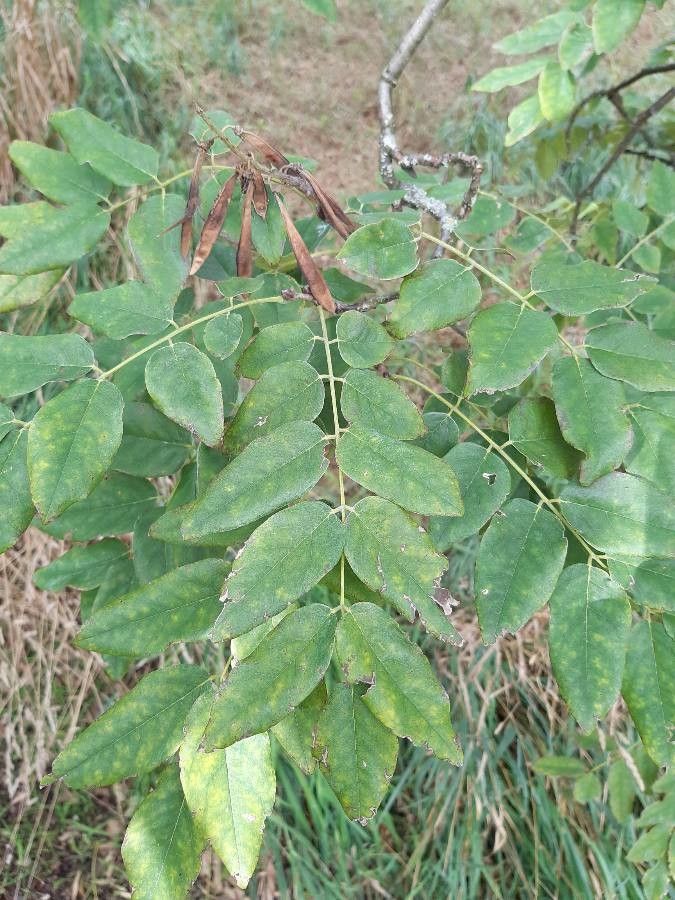
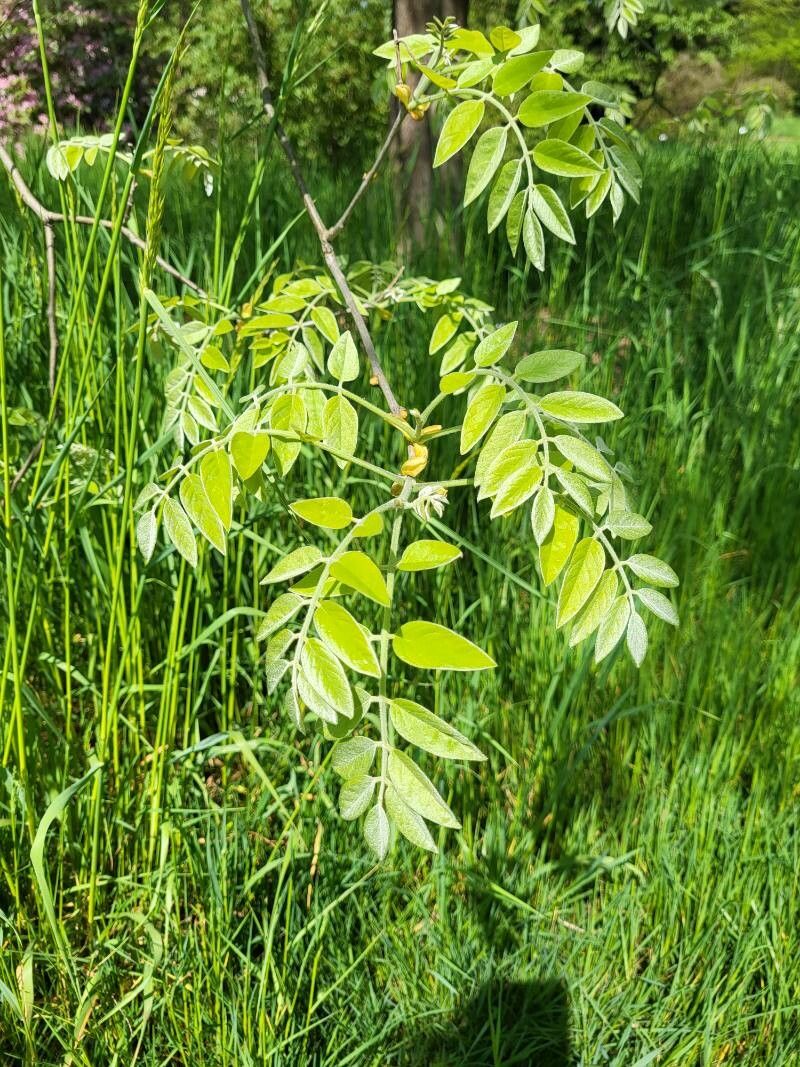
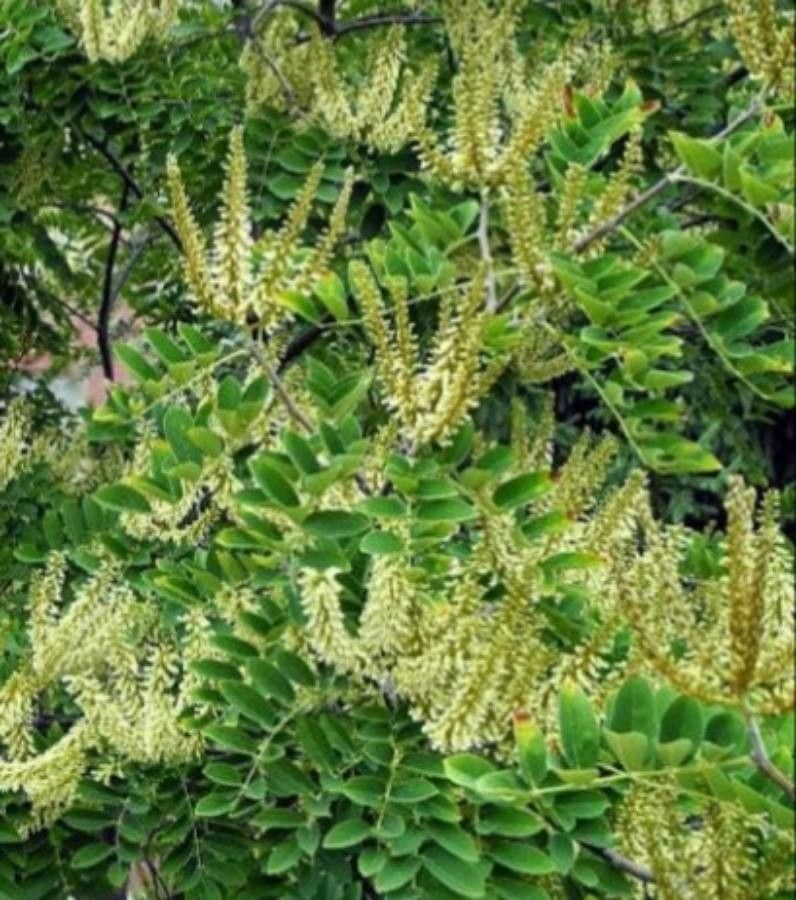
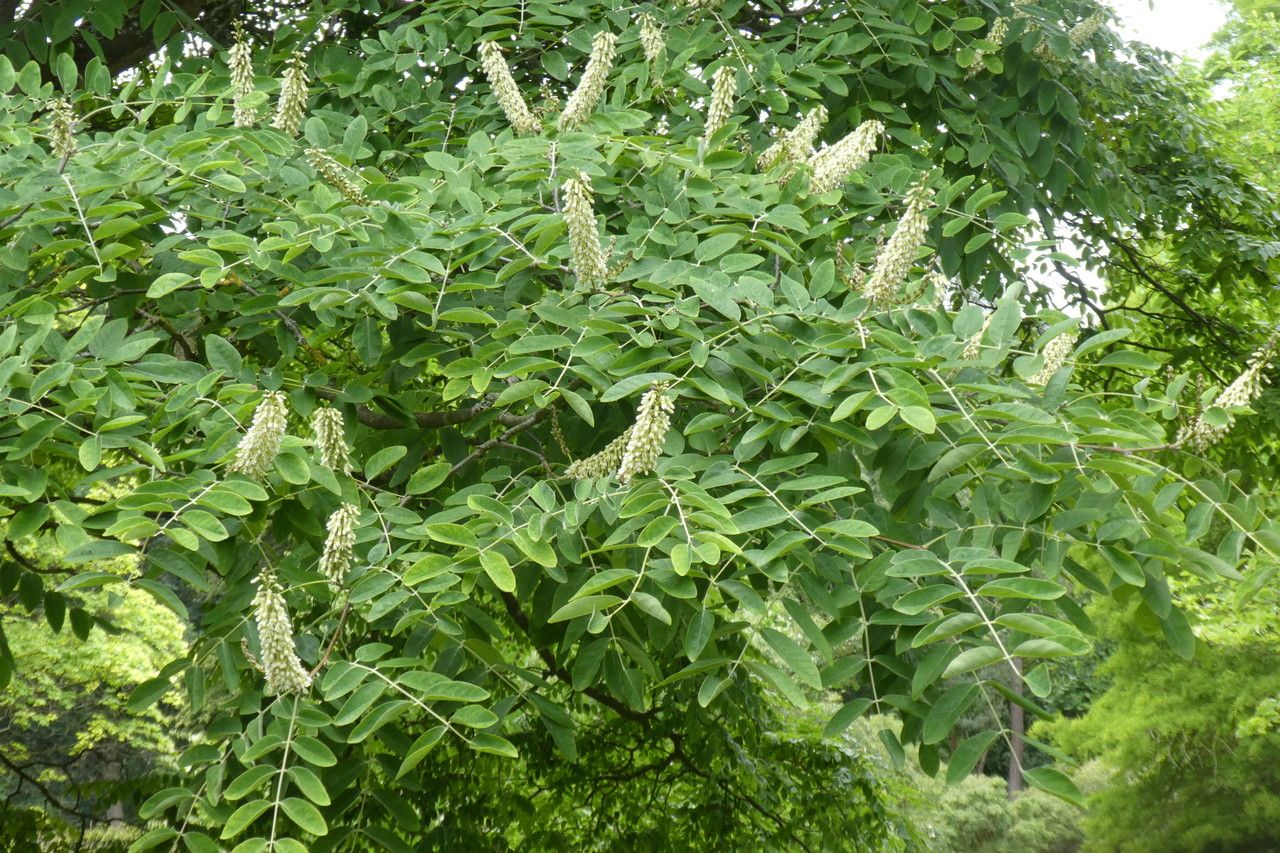
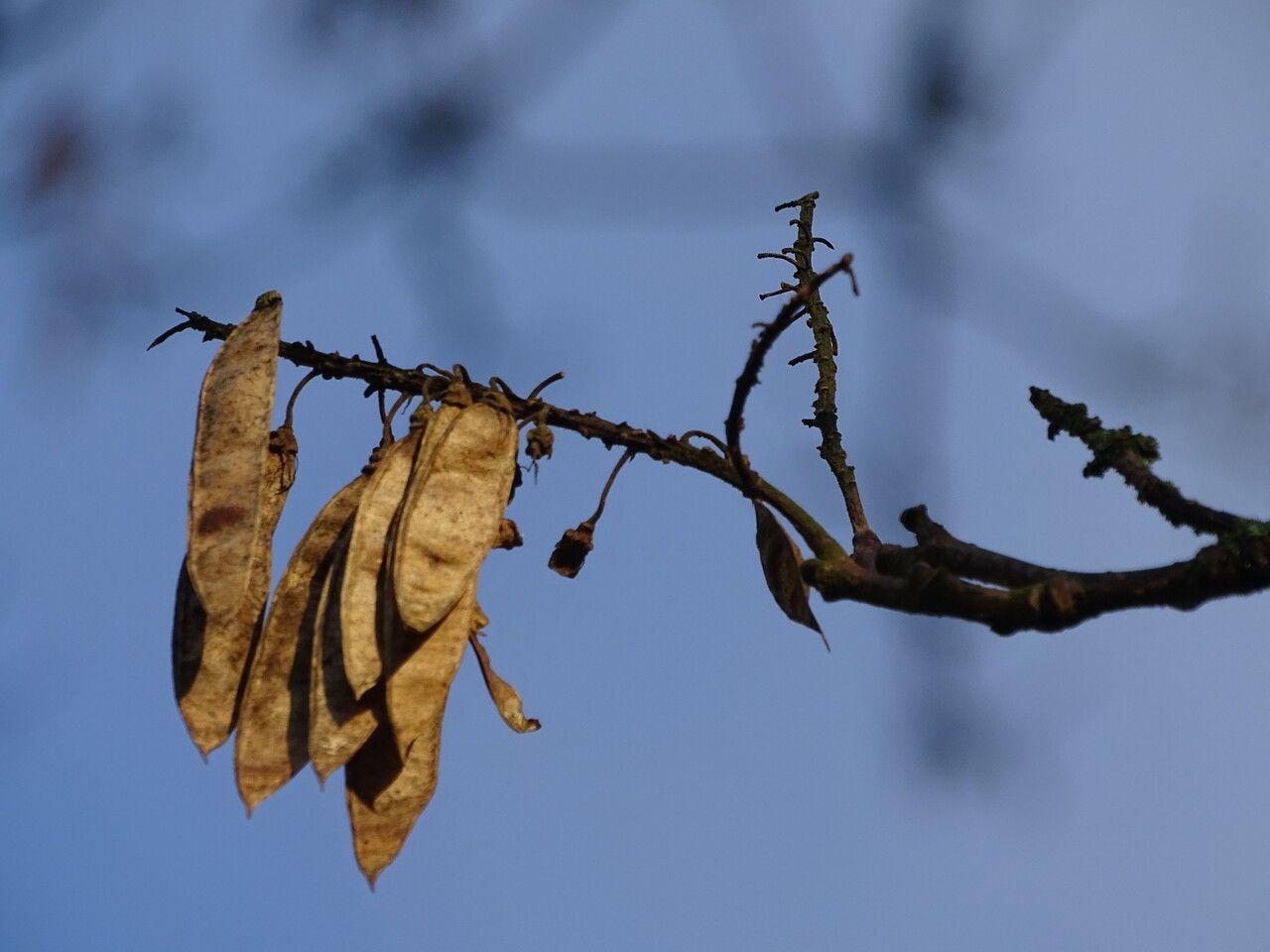
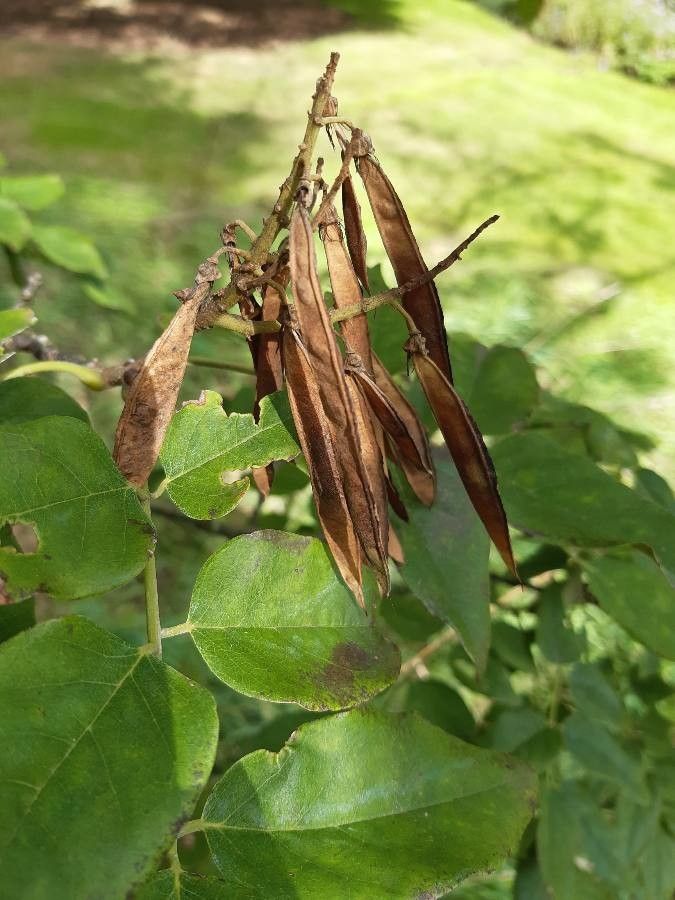
Maackia amurensis, commonly known as the Amur maackia, is a species of tree in the family Fabaceae that can grow 15 metres (49 ft) tall. The species epithet and common names are from the Amur River region, where the tree originated; it occurs in northeastern China, Korea, and Russia.Only reaching about 15 feet (4.6 m) tall in the American midwest, Amur maackia tolerates severe dryness, cold and heavy soils. More interesting than the summer flowers are the unfolding buds in spring which appear silvery and showy like flowers with frost on them. Named for Karlovich Maack (Richard Maack), a 19th-century Siberian explorer who discovered the tree in the Amur River region on the Siberian Chinese border. The isoflavones daidzein, retusin, genistein and formononetin and the pterocarpans maackiain and medicarpin can be found in M. amurensis cell cultures.
Amur maackia is resistant to disease and is typically not susceptible to illnesses. As for care, this plant is fairly low-maintenance. When grown outdoors it needs only light watering, and larger plants usually do not require pruning. Smaller plants, however, should be pruned after they finish blooming. Amur maackia is suitable for anyone with outdoor space, such as a garden or deck, and does not demand extensive care experience.
How to keep Maackia Amurensis.
Light
Amur maackia require abundant sunlight, which plays a significant role in their growth and health. Moderate sun exposure may be sufficient. However, light that is either too weak or too intense can harm the plant. Native to regions with generous daylight, these plants have evolved to tolerate varying levels of sun exposure.
Water
Amur maackia thrives in moderate moisture conditions but can withstand short periods of drought. To promote healthy growth, water the plant weekly, keeping the soil evenly moist during the spring and summer. Be careful to avoid waterlogging. Adjust your watering routine based on the growing season to maintain optimal plant health.
Temperature
Amur maackia occurs naturally in areas with temperatures from 41 to 90 °F (5 to 32 °C). While hardy, it prefers temperate climates. For best growth, seasonal temperature adjustments should be aligned with its native range.
Fertilizer
The timing of fertilization is vital for Amur maackia. Apply fertilizer in early spring and repeat monthly through early summer. Fertilizer promotes attractive blooms and supplies energy both during dormancy and throughout active growth.
Pruning
The Amur maackia tree is known for its clusters of white flowers and attractive bark. To keep the tree healthy, it's best to prune it in early spring, removing any dead branches and improving air circulation. This will help enhance its overall health. Be sure to avoid heavy pruning; instead, use clean, sharp tools for optimal results. Regular light pruning will help maintain the tree's shape and encourage new growth.
Pot & Repot
When repotting Amur maackia, choose a pot 1-2 inches (2.5–5.1 cm) larger that provides ample drainage. Use a well-draining potting mix. Repot in spring or fall, making sure the root ball sits slightly lower than the rim of the flower pot. Water thoroughly after repotting and place it in a warm spot with indirect sunlight.
Botanical profile.
- Plant Type
- Tree, Shrub
- Life Cycle
- Perennial
- Genus
- Maackia
- Family
- Fabaceae
- Hardiness Zone
- 4-7
- Mature Height
- 6.1 m to 9.14 m
- Mature Spread
- 4.57 m to 7.62 m
- Leaf Color
- Green, Blue, Gray, Silver
- Leaf Type
- Deciduous
- Flower Color
- White
- Flower Size
- 2.54 cm
- Bloom Time
- Early summer, Mid summer
- Planting Time
- Spring, Summer, Autumn
- Harvest Time
- Late summer, Early fall, Mid fall
- Native Area
- Russia, Japan, Koppen, South Korea, China
Other names.
Reader questions.
How frequently should I wet my Amur maackia?
The Amur maackia prefers deep and infrequent watering, especially when planted in pots. The limited water storage in pots causes the soil to dry out faster, so it's important to soak the plant with a gallon of water each time, every 3 to 5 days in cold regions. To determine if watering is needed, check the soil inside the pot. When the top 2-3 inches of soil is dry, it's time for a full watering. On hot days, check the moisture daily as the heat can quickly dry out the soil. If you have a garden, irrigation of the soil is necessary. In hot climates, watering once a week is sufficient. Take into account the amount of rainfall and avoid overwatering to prevent root rot. Amur maackia usually grows in spring and fall, so adding a 3 to 4-inch deep layer of mulch when planting outdoors helps conserve water. Sandy soil drains faster, so plants in this type of soil require more frequent watering. On the other hand, clay soil retains moisture better, so watering can be less frequent, allowing the plant to dry out for 2-3 days without developing root rot. To keep track of watering, mark the date on the calendar and pay attention to drooping leaves, as they may indicate that watering is needed.
What kind of plant food does my Amur maackia tree need?
To ensure healthy growth and blooming of your Amur maackia, it is recommended to use a fertilizer with a balanced mix of plant nutrients, slightly favoring phosphorus. Another approach is to enrich the soil with organic materials like compost, worm castings, and manure. Experienced gardeners may choose to supplement their Amur maackia with water-soluble fertilizers containing phosphorus when flower buds start to appear. This will enhance flower development, resulting in larger blooms that last longer. Fertilizers can be found in various forms, with liquid and powdered options being among the best for Amur maackia. Regardless of the form, it is important to dilute the fertilizer and apply it while watering the plant.
What happens if Amur maackia doesn't get enough sunlight?
If Amur maackia doesn't get enough sunlight, it can cause its leaves to turn pale green or droop and turn yellow. While it's normal for some leaves to fall off, if no new leaves are growing back, it indicates a problem. If Amur maackia does manage to grow with inadequate light, the new growth is usually thin, pale, and easily attacked by insects. By noticing these signs and adjusting the lighting conditions, you can make a big difference in the plant's health.
Does Amur maackia need different temperatures for different stages of growth?
To ensure optimal growth during each phase of Amur maackia, it is recommended to maintain temperatures between 65-75℉ (18-25℃). Although Amur maackia can handle lower temperatures better than higher ones, growth may start to decrease if the temperature drops below 5℉ (-15℃). If you plan on growing your plants during winter, it is important to keep the room temperature above this threshold to avoid slowing down Amur maackia growth.
How should I water my Amur maackia plant in the best way?
To help your plants grow strong roots, place a garden hose at the base of each plant. Avoid spraying the leaves directly, as this can cause issues. Be aware that outdoor plants in direct sunlight may need more water for their leaves. You can also use bubblers or soaker hoses to keep the roots moist. When adding or removing plants, use soaker hoses that cover the entire garden or bed to ensure deep root growth. After watering, make sure to drain any excess water and wait for the soil to dry before watering again. Watering at ground level will help prevent diseases. On sunny days, consider spraying the entire bush with water. Whether your plants are in pots or in the ground, it's important to remember that Amur maackia prefers deep watering rather than light sprinkling.
What will happen if I give too much fertilizer to my Amur maackia plant?
When it comes to fertilizing your Amur maackia tree, it's better to err on the side of under-fertilizing rather than over-fertilizing. Adding more fertilizer is always an option, but it's not easy to undo the effects of excess fertilizer. Over-fertilizing can lead to various problems, such as brown leaf tips and edges, yellowing, wilting leaves, and a crust of fertilizer salts on the soil surface. This is known as fertilizer burn which occurs when there are too many accumulated salts in the plant's cells. If excess nitrogen is the cause, you may notice the Amur maackia producing lots of leaves but not much flower growth, as nitrogen mainly promotes foliage growth. In the event that you have over-fertilized, one option is to remove the top layer of soil beneath the Amur maackia to eliminate the concentrated area of fertilizer. Additionally, you can try flushing the area by watering heavily in order to remove any excess fertilizer around the roots.
How many hours of sunlight should Amur maackia get each day to grow well?
To promote healthy growth, Amur maackia needs a minimum of 3-6 hours of sunlight daily. While most plants that tolerate partial sun can also thrive in full sun, these plants are more adaptable as they require less light for photosynthesis compared to plants that need full sun or partial shade.
What is the best temperature for Amur maackia?
Amur maackia is a cool-weather plant that requires a specific temperature range to thrive. To ensure optimal growth, keep the temperature between 65-75℉(18-25℃). Although Amur maackia can tolerate temperatures outside of this range, it is best to keep the growing area within a few degrees of these limits whenever possible. The upper and lower limits for Amur maackia are 75-85℉(25-30℃) and 5℉(-15℃) respectively. As the plant prefers cooler temperatures, it is more important to avoid temperatures above 85℉(30℃), as this can hinder growth and cause damage, potentially leading to death.
What should I do if I give the Amur maackia tree too much or too little water?
Overwatering an Amur maackia can cause yellowing leaves that eventually drop off and wilt. The plant may also appear dull and unhealthy, with mushy stems. To address these symptoms, adjust your watering schedule as needed. Conversely, wilting can also indicate under watering, characterized by crispy, dry leaves. When the soil is dry and regular watering is insufficient, provide a thorough watering. However, excessive water can lead to damage to the root system, resulting in the plant still appearing dry with yellow leaves after a few days. To prevent overwatering when keeping the Amur maackia indoors, check the moisture levels in the pot regularly and avoid watering excessively. Look out for black spots on the plant, and if present, allow the soil to dry out for a few days before watering again. Overwatering can lead to root rot, which can be indicated by discolored and slimy roots. In such cases, it may be necessary to transfer the plant to a different pot and avoid excessively soggy soil. When planting the Amur maackia outdoors, ensure the soil is adequately moist by checking with your fingers. If the soil feels too dry, it may indicate under watering, requiring appropriate watering for the plant's recovery.
Do I have to put fertilizer on my Amur maackia plant?
Fertilizing your Amur maackia is crucial for several reasons. One of the most obvious benefits is that it helps the tree produce beautiful blooms. To achieve excellent flowers during the spring season specifically, it is advisable to fertilize your tree in early spring. Additionally, applying fertilizer to your Amur maackia during fall planting or late spring enables it to store more energy in the ground for its dormant growth phases. This stored energy will then be used by the tree once it enters its active growth phase again.
What kind of sunlight does Amur maackia require?
Amur maackia thrives in full or part sun. They prefer direct morning light, but need protection from strong afternoon sun in the summer. Too much hot afternoon sun can damage the leaves and overall health of the plant, especially in temperate environments.
Three suggestions to maintain a suitable temperature for Amur maackia.
Here are some tips on how to take care of your Amur maackia tree: Tip #1: Watch for signs of heat damage. If the tree overheats, there may be warning signs before it starts dying off. Look out for browning leaves and falling branches. This happens because the branches are dying as the tree tries to retain moisture. To prevent this, keep temperatures lower and water the tree more often when it's exposed to heat. Tip #2: Avoid letting the tree get too cold. While Amur maackia prefers cooler environments, rapid temperature drops can cause freeze damage. If the temperature in your growing area falls below 5℉ (-15℃), the water in the tree can freeze and cause cell walls to burst and bark to crack. This can slow down growth and even cause parts of the tree to die. Take measures to prevent extreme drops in temperature. Tip #3: Use shade and ventilation to regulate temperature. If you notice the tree is overheating, you can use shade and ventilation to bring the temperature back down. If you don't have air conditioning or fans, shade and natural airflow can help regulate the temperature effectively and at a low cost. However, once the temperatures are corrected, make sure to expose your tree to sunlight. Amur maackia needs plenty of sun to grow properly. While shade can be used temporarily to regulate temperature, avoid keeping the tree in the shade for extended periods.