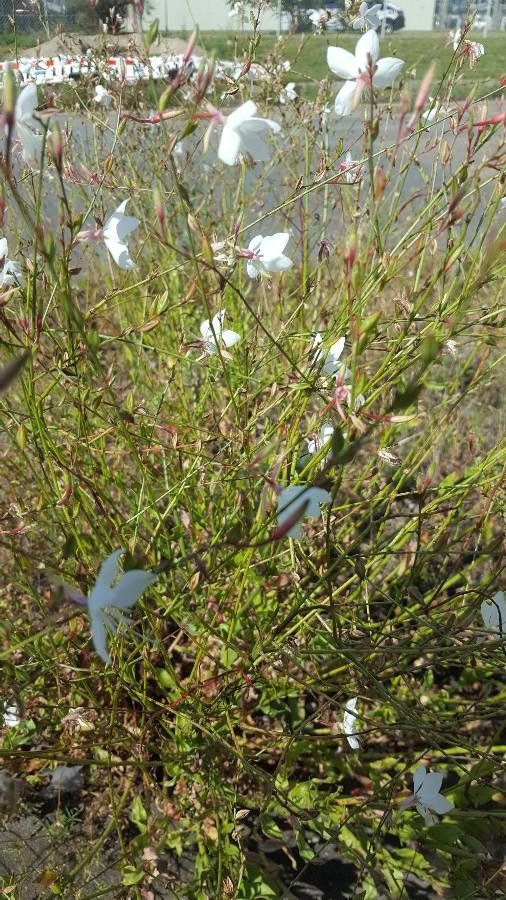
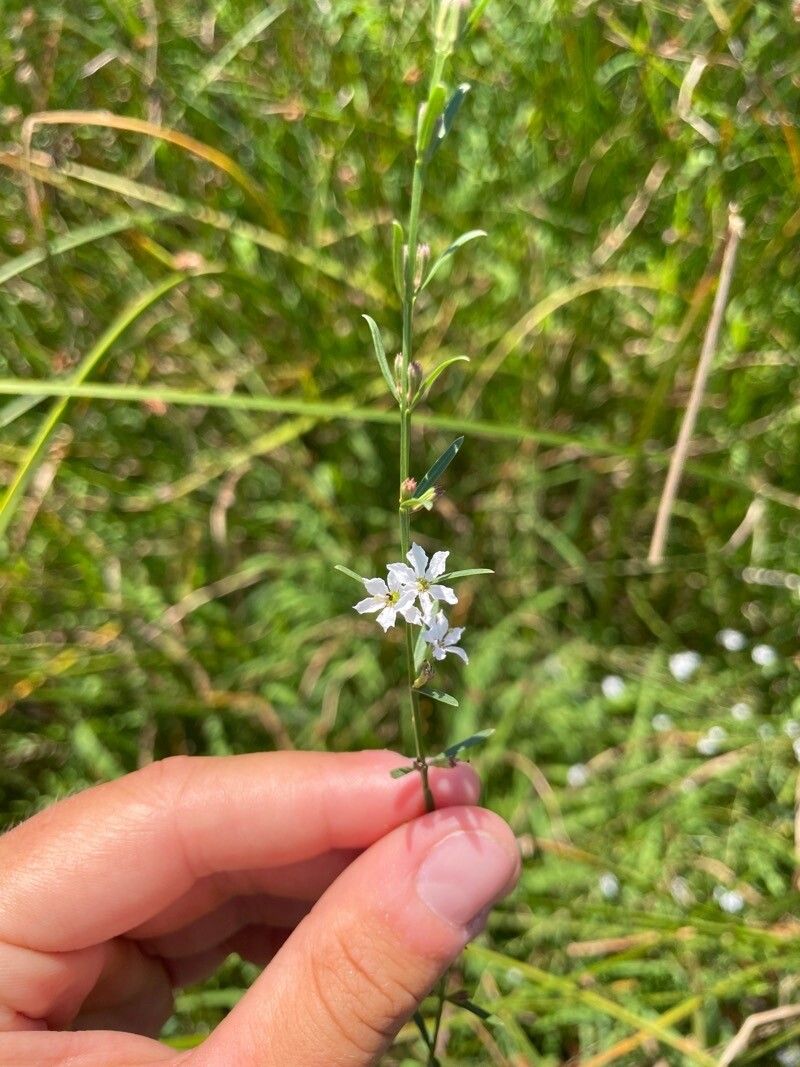
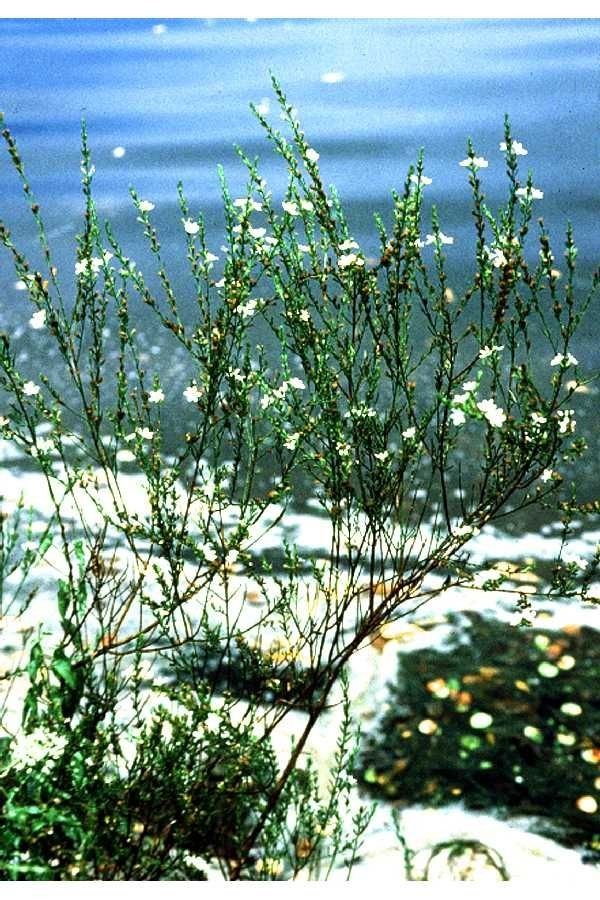
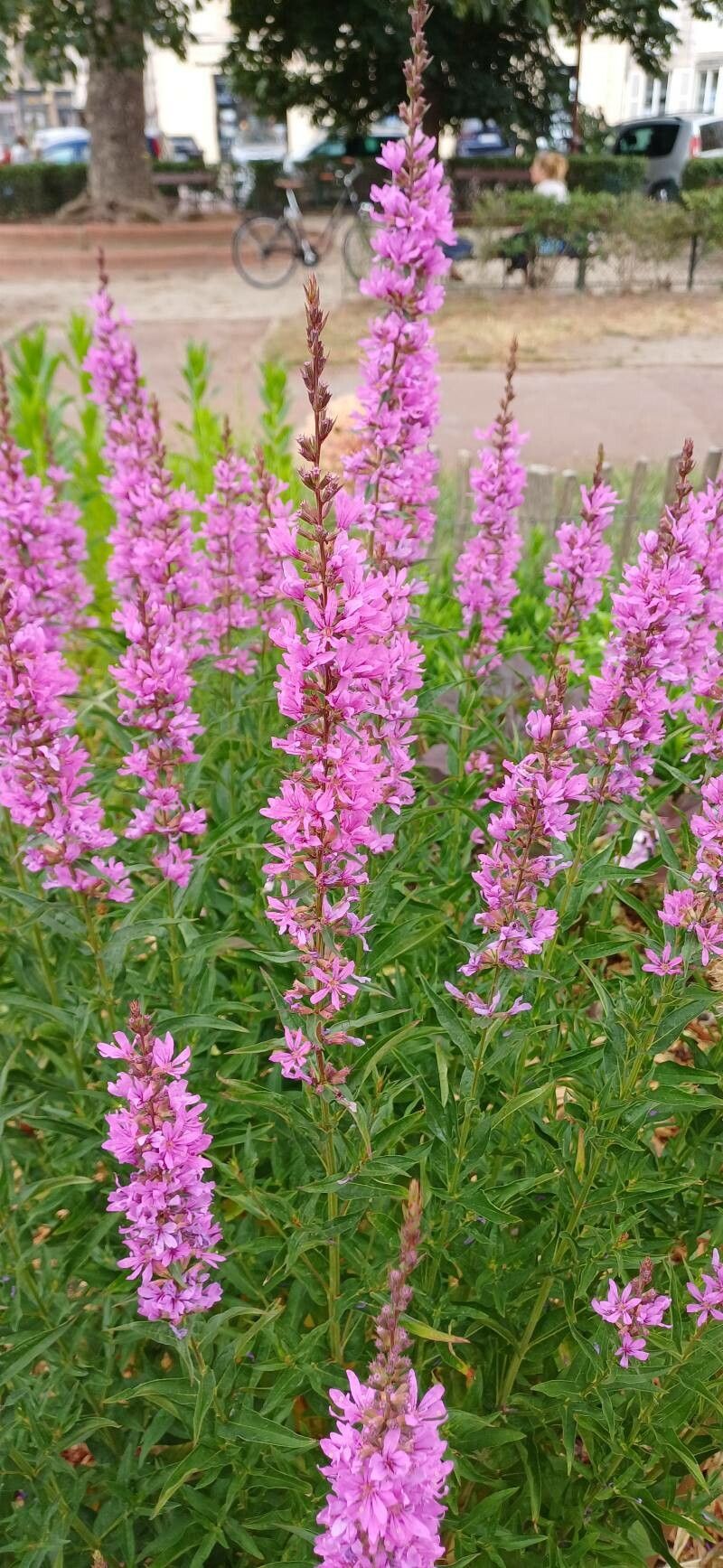
Grass-poly has good disease resistance and is generally not prone to diseases. Nevertheless, it can be affected by pests and diseases present in its environment. These infections are typically not severe. For care, this plant requires moderate maintenance. It should be pruned regularly to keep a pleasing appearance and encourage healthy growth. Fertilizing can also help stimulate flowering. Grass-poly is well suited for anyone with outdoor space, such as a garden or patio, and does not demand extensive care experience. It may need more attention when grown indoors.
How to keep Lythrum Lineare.
Light
Grass-poly flourishes when it receives a significant amount of sun each day, but it can also grow in places with moderate sunshine. For optimal development, it requires a brightly illuminated setting, mirroring its roots in bright, sunny ecosystems. Too much or too little sunlight can impede growth and result in health problems.
Water
Planting wand lythrum near a pond removes the need for additional watering. If there is no natural water source, water the plant every 1-2 days during spring and summer, and every 2-3 days in the cooler fall months. For potted wand lythrum, check the top layer of soil and water the plant when the soil feels dry.
Temperature
Grass-poly naturally occurs in surroundings with temperatures typically between 68 and 100.4°F (20 to 38°C). This plant prospers in such warm weather conditions and may necessitate temperature modifications during the cooler months.
Fertilizer
Grass-poly does well with regular, dilute fertilizer applications to encourage healthy leaf development. Fertilize Grass-poly about once a month throughout the summer. Nitrogen is important for foliage, and providing nitrogen-rich sources helps Grass-poly thrive.
Pruning
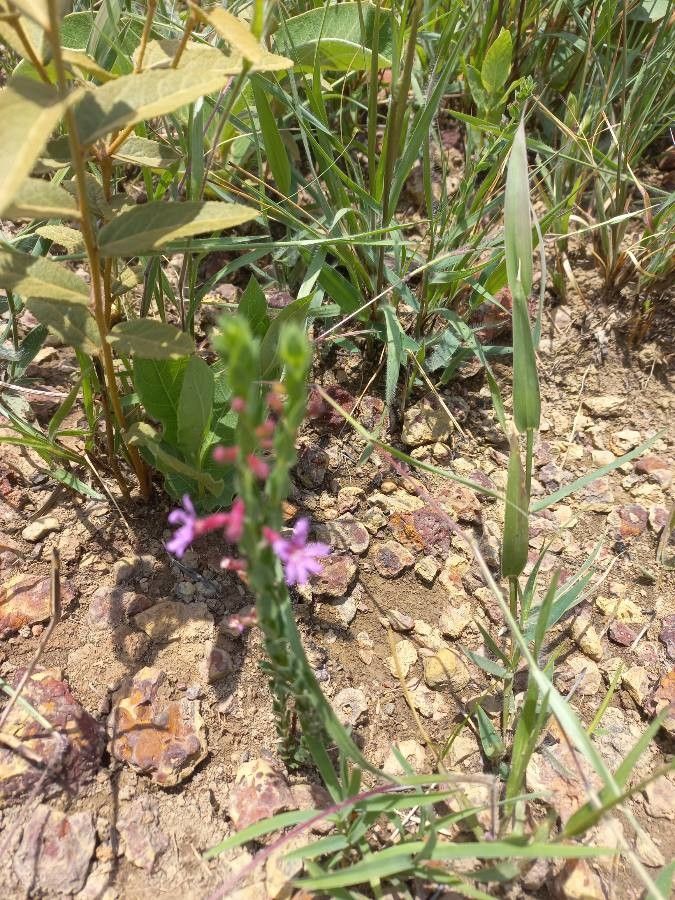
Wand lythrum thrives in moist, sunny conditions, producing vibrant purple or pink flowers. To encourage growth and shape the plant, prune it in early spring. Be sure to remove any dead stems and thin out crowded areas to improve air circulation, which helps prevent disease and enhances the blooms.
Botanical profile.
- Plant Type
- Herb
- Life Cycle
- Annual
- Genus
- Lythrum
- Family
- Lythraceae
- Hardiness Zone
- 7-11
- Mature Height
- 10 cm to 61 cm
- Mature Spread
- 10 cm to 49 cm
- Leaf Color
- Green
- Leaf Type
- Deciduous
- Flower Color
- Pink, Lavender
- Flower Size
- 0.20 cm to 0.25 cm
- Bloom Time
- Summer
- Planting Time
- Spring, Autumn
- Harvest Time
- Late summer, Early fall, Mid fall
- Native Area
- Libya, Somalia, Egypt, Turkey, Austria, Slovakia, Montenegro, Eritrea, Slovenia, Morocco, Croatia, Belarus, Uzbekistan, Russia, Iraq, Germany, Ethiopia, Romania, Belgium, Portugal, France, Saudi Arabia, Tajikistan, Tunisia, Czech Republic, South Africa, Cyprus, Bulgaria, Poland, Armenia, Greece, Ukraine, Serbia, Chad, Lebanon, Syria, Kyrgyzstan, Kazakhstan, Italy, Spain, Switzerland, Iran, Albania, Azerbaijan, United Kingdom, Hungary, Algeria, Turkmenistan
Other names.
Reader questions.
What are the sunlight requirements for Wand lythrum?
Wand lythrum, or Lythrum lineare, thrives in conditions ranging from full sun to partial sun. Plants requiring full sun need above 6 hours of sunlight daily, while those suitable for partial sun require about 3-6 hours of sunlight. It's important to observe the movement of sunlight through your garden to find spots that offer the perfect mix of light and shade, ensuring your Wand lythrum and other plants remain healthy and happy.