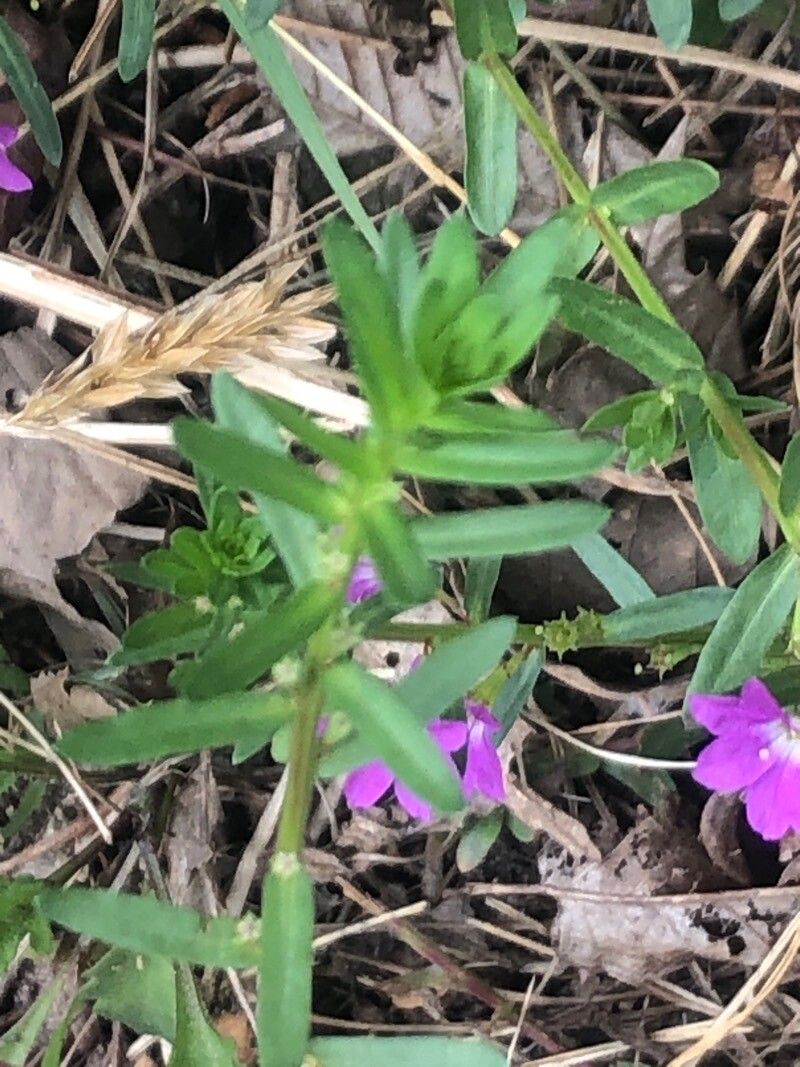
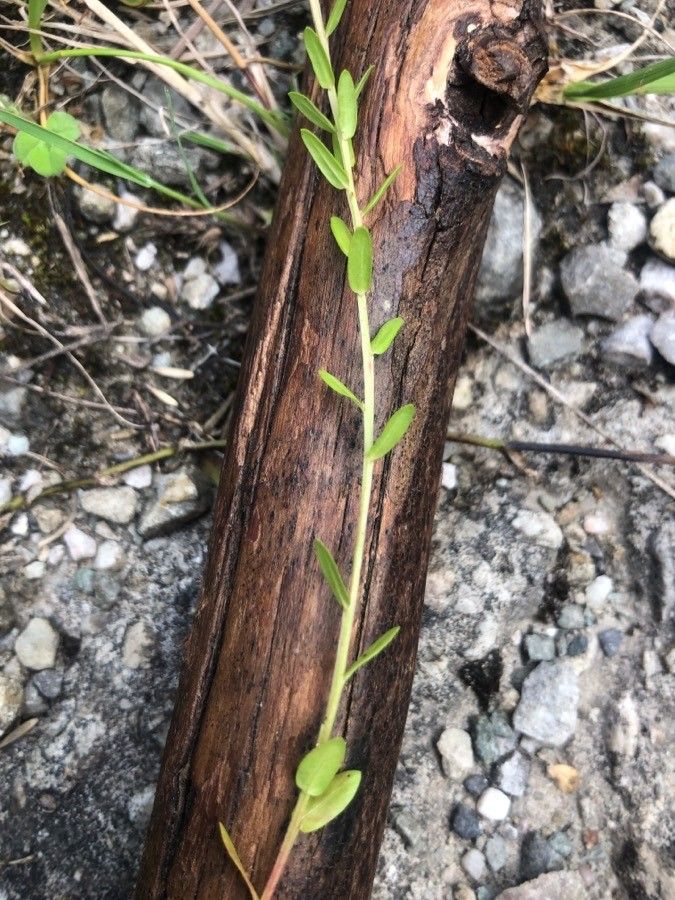
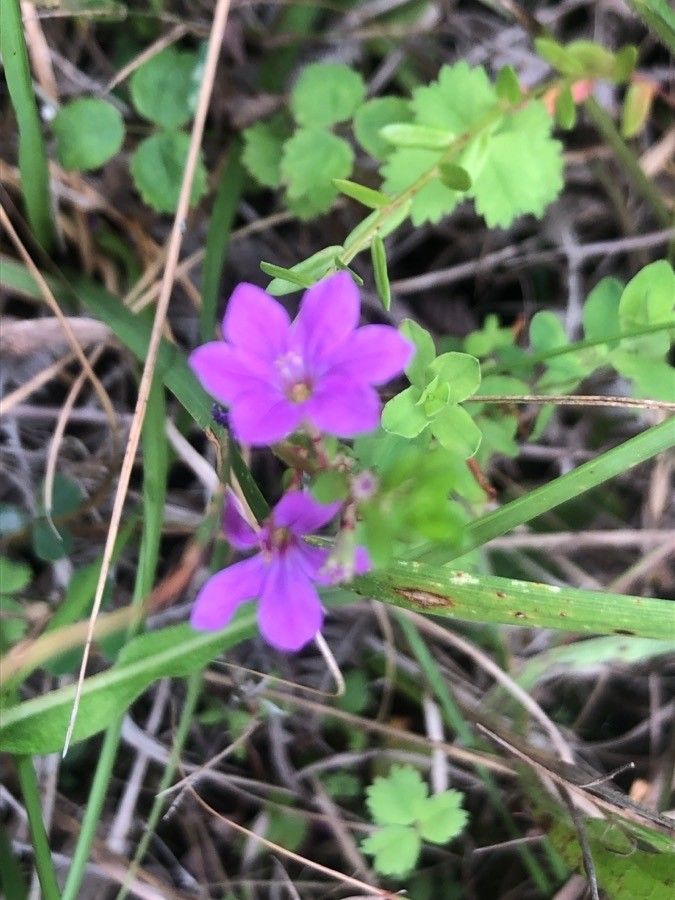
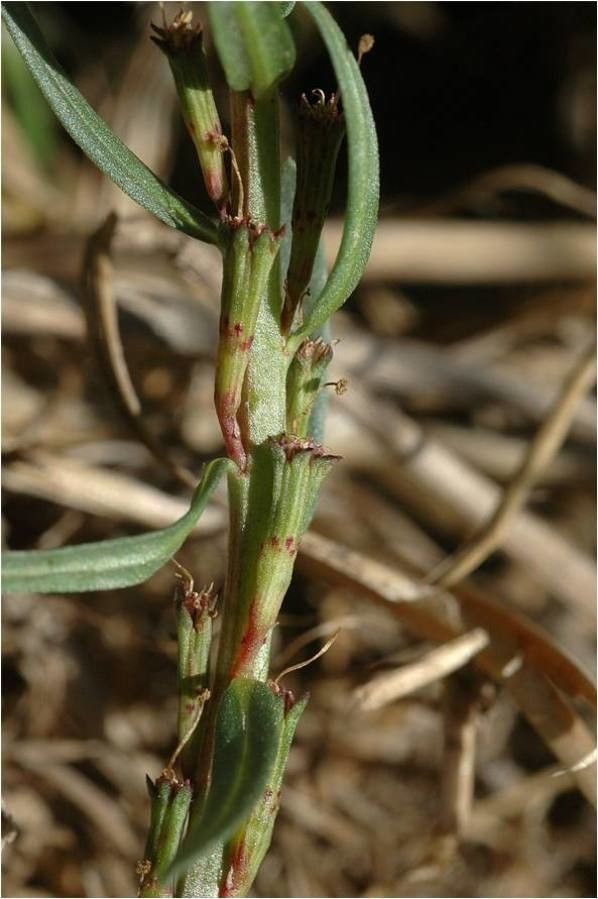
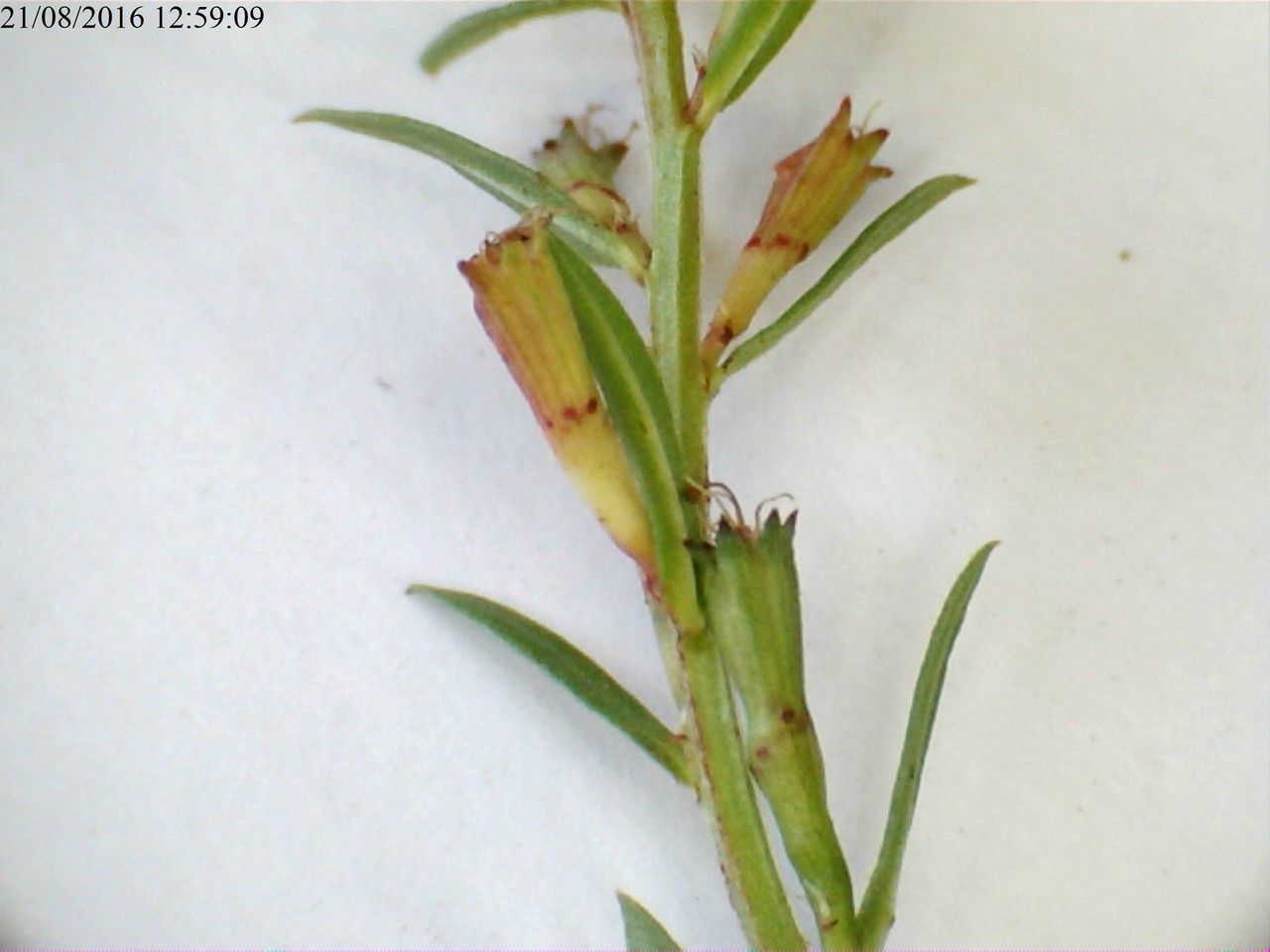
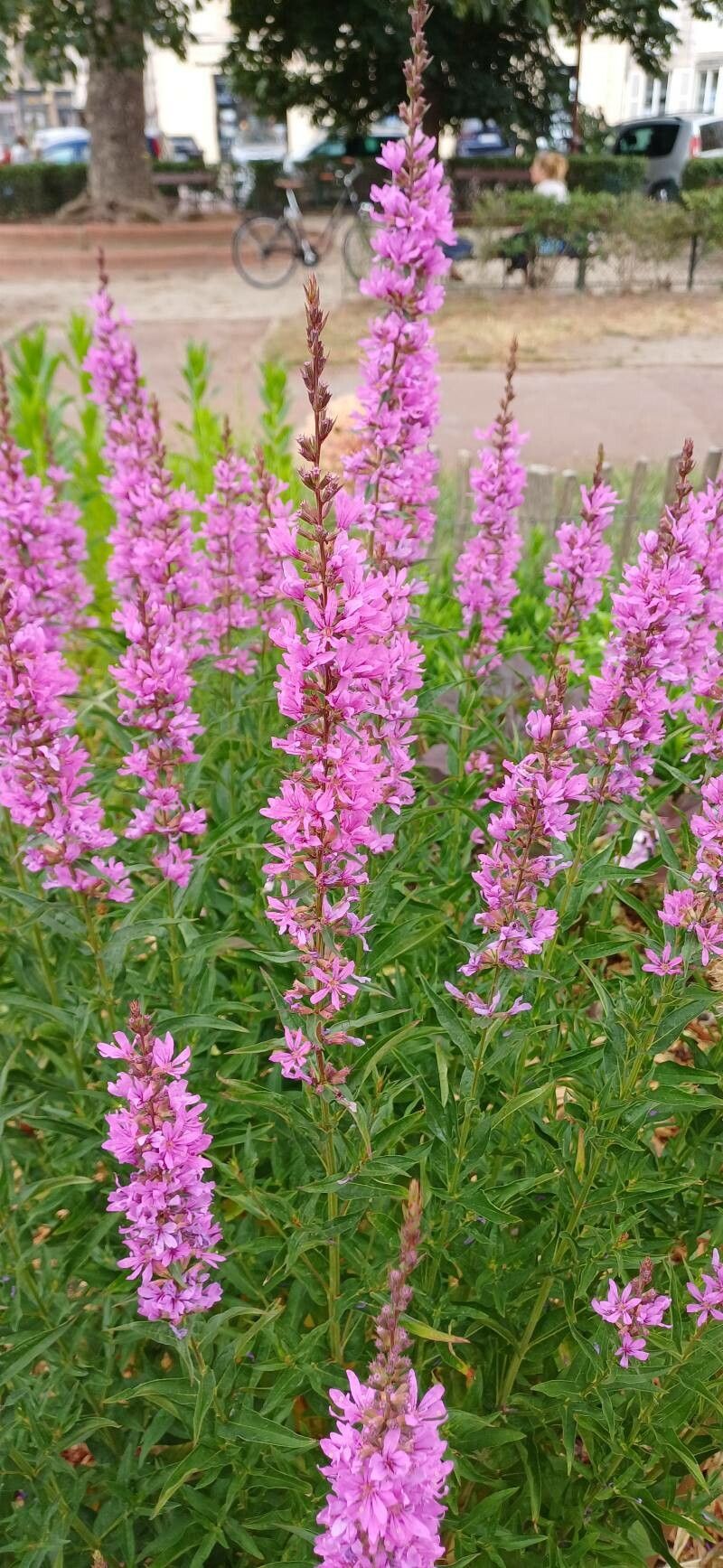
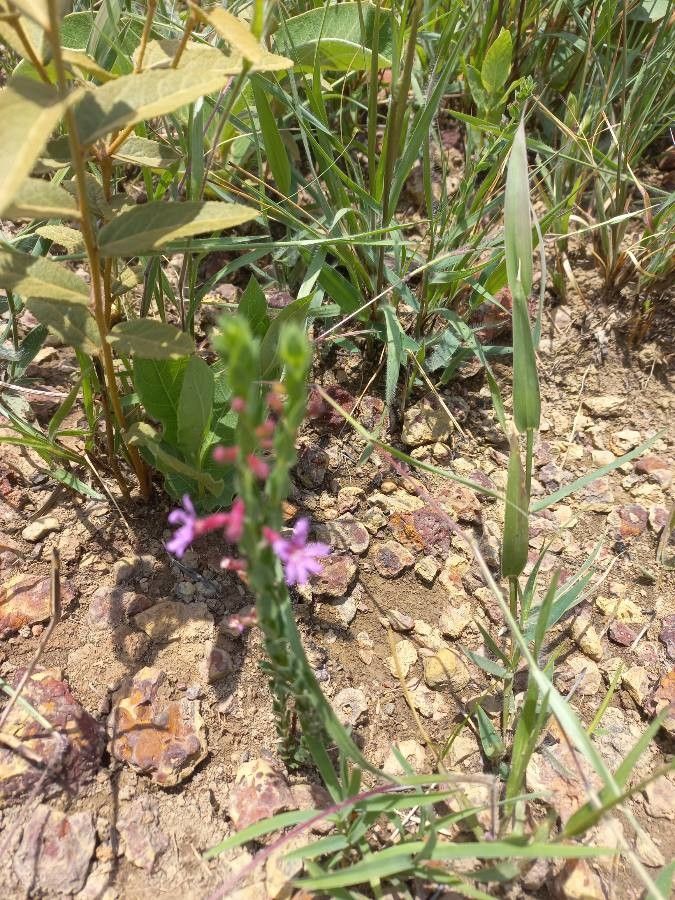
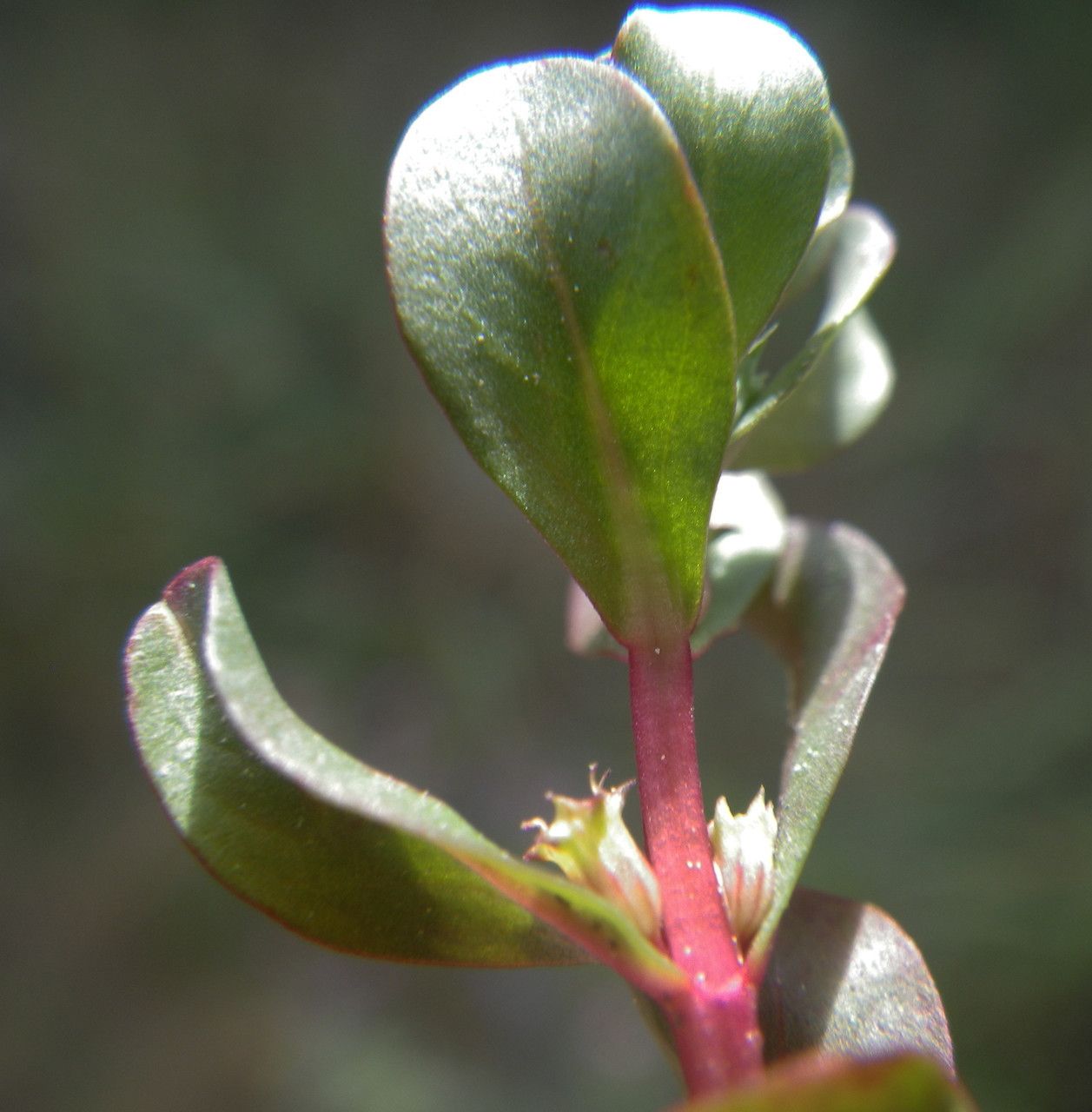
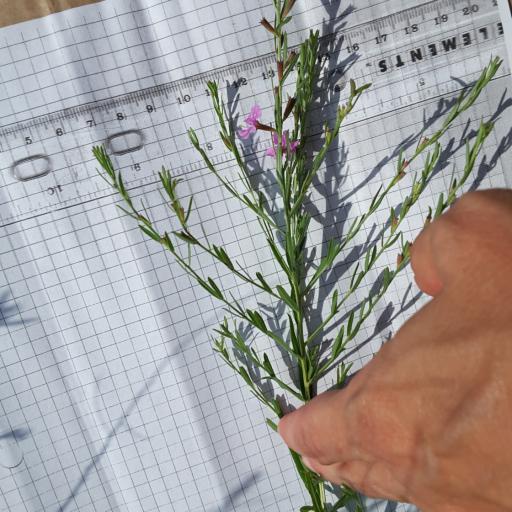
Lythrum junceum, commonly known as the slender loosestrife, is a perennial herbaceous plant in the Lythraceae family. Native to Europe and western Asia, it thrives in wetlands, marshes, and along riverbanks. The plant can reach heights of up to 1 meter, featuring slender, square-shaped stems with opposite leaves.
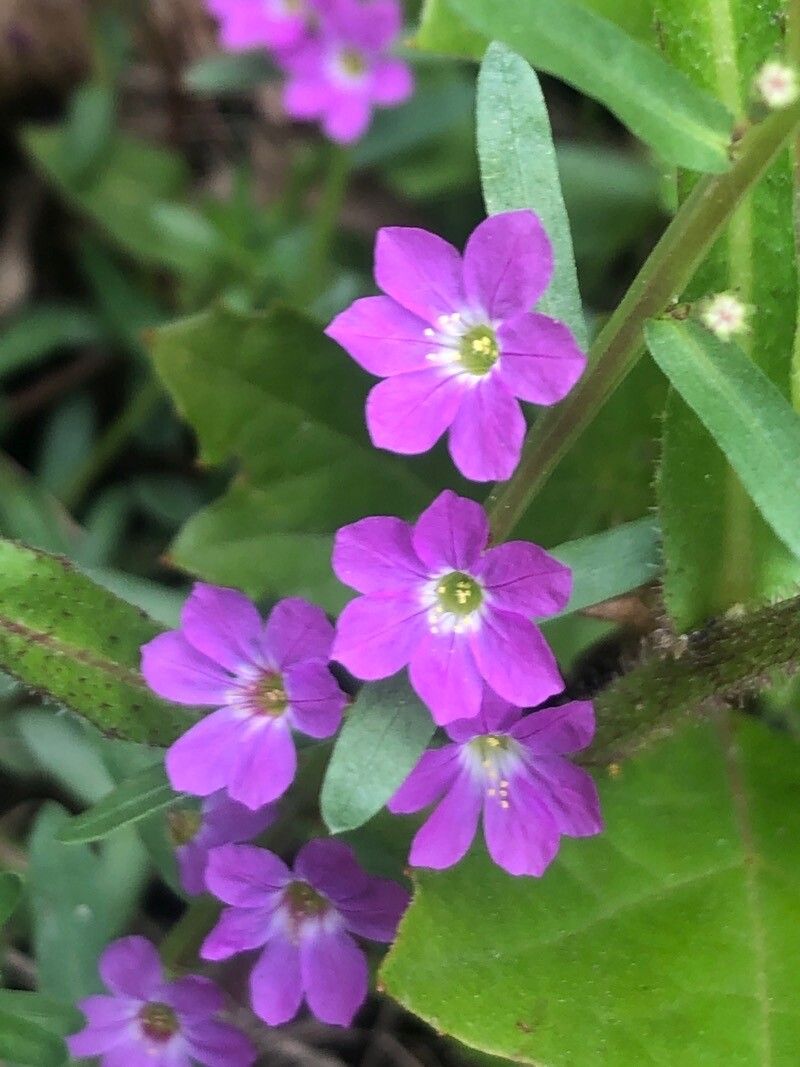
The leaves of Lythrum junceum are lance-shaped with pointed tips and have a smooth texture. Its small, numerous flowers are arranged in dense spikes at the tops of the stems, blooming from June to September. The flowers display pink-purple petals with six lobes.
Lythrum junceum is an important food source for bees, providing nectar-rich flowers throughout its blooming period. Historically, it has also been used for medicinal purposes, including the treatment of diarrhea, dysentery, fever, and inflammation.
Despite its benefits for wildlife and human health, Lythrum junceum has been listed as invasive in some areas outside its native range. Its ability to spread rapidly through seed dispersal or vegetative reproduction can outcompete native vegetation if not properly managed.
Overall, Lythrum junceum is an attractive herbaceous perennial that provides important ecological services. However, it should be monitored carefully if introduced into new areas outside its natural range due to its invasive potential.
Creeping loosestrife has strong resistance to disease and is generally not susceptible to illnesses. However, it can be affected by pests and diseases present in its environment. These infections are typically mild. In terms of care, this plant needs a moderate amount of maintenance. It requires regular pruning to maintain a good appearance and support healthy growth. Fertilizing can also help encourage flowering. Creeping loosestrife is suitable for anyone with outdoor space, such as a garden or patio, and does not demand much care experience. It may need more attention when grown indoors.
How to keep Lythrum Junceum.
Light
Creeping loosestrife prefers a high amount of sunlight to grow well. Thus it achieves its best nourishment in open locations with ample daylight, though it can also tolerate spots with less sun. Too much or too little sun exposure can impede its growth and development.
Water
Creeping loosestrife thrives in evenly moist soil and enjoys consistent moisture. Although it is somewhat drought-tolerant, it still requires weekly watering, but be careful not to overwater it. As a herbaceous perennial, its water needs decrease during the dormant season, when local rainfall patterns usually suffice.
Temperature
Creeping loosestrife can tolerate a wide range of temperatures, but its distribution may still be restricted by specific combinations of moisture and heat. It grows best in warm summer conditions with sufficient rainfall or watering. Extended periods of cloudy, rainy weather or prolonged high temperatures can raise the chance of the plant dying. In winter, adequate protection from cold can enhance its survival rate.
Fertilizer
The best time to fertilize Creeping loosestrife is in early spring, as it comes out of dormancy and starts active growth. Fertilization supplies essential nutrients for healthy growth. Although Creeping loosestrife has relatively low fertilizer requirements, fertilizing once a year can improve its survival and encourage better, longer-lasting flowers.
Pruning
Creeping loosestrife is a perennial herb known for its vibrant purple flowers. For the best results, prune the plant from early to late spring to encourage growth. After it blooms, cut it back to promote bushiness. Regular pruning helps maintain the plant's shape and prevents it from becoming invasive. Additionally, removing spent flowers, or "deadheading," improves the plant's appearance and controls self-seeding, ensuring a healthy plant.
Botanical profile.
- Plant Type
- Herb
- Life Cycle
- Perennial
- Genus
- Lythrum
- Family
- Lythraceae
- Hardiness Zone
- 6-9
- Mature Height
- 20 cm to 61 cm
- Mature Spread
- 1.52 m
- Leaf Color
- Green, Blue
- Leaf Type
- Deciduous
- Flower Color
- Pink
- Flower Size
- 1.27 cm to 1.52 cm
- Bloom Time
- Summer, Early fall, Mid fall
- Planting Time
- Spring, Summer, Autumn
- Harvest Time
- Late summer, Fall, Early winter
- Native Area
- Libya, Egypt, Turkey, Tunisia, Syria, Portugal, Italy, Spain, France, Cyprus, Iran, Albania, Algeria, Greece, Morocco, Lebanon
Other names.
Reader questions.
How much water does my Creeping loosestrife need?
If your Creeping loosestrife plant is in a pot, you can determine if it needs water by checking the soil moisture. Simply stick your finger into the soil and if you find that the top two to three inches are dry, it's time to water. If you have planted your Creeping loosestrife outdoors in the ground, you can follow a similar method to test the soil moisture. When you notice that the top few inches of soil have dried out, it's a sign that it needs watering. Typically, during the spring and early fall, watering once a week using this method is sufficient. However, in extremely hot weather, you may need to increase watering to twice or more per week. It's worth noting that mature and well-established Creeping loosestrife plants are more resilient and can tolerate drought conditions.
What are the sun requirements for Creeping loosestrife?
Creeping loosestrife thrives best with a high level of sun exposure, flourishing well in areas that receive more than 6 hours of sunlight daily, classifying it as a 'Full Sun' plant. However, it can also adapt to conditions classified under 'Partial Sun,' which is about 3-6 hours of sunlight a day. It’s important to monitor the movement of sunlight through your garden to ensure the selected spots offer a balanced environment of light and shade, maximizing your plants' health.
What is Creeping Loosestrife?
Creeping loosestrife, botanically known as Lythrum junceum, is a plant species recognized by its scientific name. However, specific details about its characteristics, habitat, and uses have not been provided.
How should I water my Creeping loosestrife as it grows?
The water needs of the Creeping loosestrife can vary depending on its growth stages. In the first few years or when the plant is newly transplanted, it requires more water than usual. During this time, the Creeping loosestrife dedicates a lot of energy to developing new roots, which are crucial for future growth. These roots perform best with slightly higher moisture levels. As the plant matures over a few seasons, it will require less water. Additionally, during the bloom period, when the flowers are developing, the Creeping loosestrife may need more water due to the increased moisture demands.
How does artificial lighting benefit indoor Creeping loosestrife plants?
For indoor Creeping loosestrife plants, artificial lighting is essential, especially when natural sunlight is insufficient, such as in winter or less sunny spaces. The use of artificial lights, such as LEDs that can be tailored to provide specific wavelengths, helps promote faster and healthier growth. It is recommended that full sun plants like Creeping loosestrife need 30-50W per square foot of artificial light, partial sun plants need 20-30W per square foot, and full shade plants need 10-20W per square foot. The light source should be placed 12-36 inches above the plant and kept on for 8-12 hours per day to mimic natural sunlight conditions.
How should I water my Creeping loosestrife?
To care for the Creeping loosestrife, it is important to use filtered water that is at room temperature. Tap water may contain harmful particles, so filtered water is best. The plant thrives in warm environments, so it is important to avoid using cold water, which can shock its system. Additionally, overhead watering should be avoided to prevent complications with the foliage. Instead, gently pour the filtered room temperature water directly onto the soil until it is completely soaked. This will benefit the plant by moistening the roots and aiding in the spread of nutrients through the soil.
What are the symptoms of light deficiency in Creeping loosestrife?
When Creeping loosestrife does not receive sufficient light, several symptoms might appear, including smaller new leaves compared to previous ones, leggy or sparse growth indicating a stretched-out appearance, faster leaf drop as a conservation measure, slower or halted new growth, paler new leaves showing a lack of chlorophyll, and symptoms of overexposure like chlorosis, sunscald, leaf curling, wilting, and leaf scorching. These symptoms suggest the necessity to adjust the plant's exposure to sunlight.
What should I do if I give too much or too little water to my Creeping loosestrife?
Overwatering and underwatering can both harm your Creeping loosestrife, but overwatering is a more common problem. When this plant gets too much water, its stems and leaves may wilt and turn yellow. Long-term overwatering can also cause diseases like root rot, mold, and mildew, which can kill the plant. Underwatering is less common, as the Creeping loosestrife is fairly drought-tolerant. However, it is still possible, and in this case, the leaves may become brittle and brown. It's important to recognize the signs of overwatering early on. Some diseases caused by overwatering, such as root rot, may not be fixable if you wait too long. If you see signs of overwatering, reduce watering immediately and check the soil drainage. If it drains poorly, replace it with a loose, well-draining potting mix. If you notice signs of underwatering, simply water more regularly until the signs improve.
How can light conditions be improved for Creeping loosestrife?
Improving light conditions for Creeping loosestrife involves several strategies. Indoors, gradually move the plant to sunnier spots, aiming for at least 6 hours of direct sunlight by using a south-facing window or artificial grow lights for sufficient daily exposure. Outdoors, also gradually move plants to sunnier locations to avoid sunburn. If natural light is blocked, consider pruning any obstructions or transplanting smaller plants to sunnier locations with good drainage during their dormant period. Note that parts of the plant affected by previous poor light conditions might not recover, but new growth will be healthier after adjusting the light exposure.
How much water does my Creeping loosestrife plant need?
When watering your Creeping loosestrife, make sure you give it enough water. Wait until the top two to three inches of soil are dry, then water the plant thoroughly until the soil is soaked. The water should be enough to cause excess water to flow out of the drainage holes at the bottom of the pot. If you don't see any excess water draining, it means you haven't watered enough. However, be careful not to let water accumulate in the soil, as this can harm the plant. If there is no water draining through the pot, it could mean the soil doesn't drain well, which is bad for the plant's health. If the plant is outside, it typically needs about 1 inch of rain per week.
How should I make sure my Creeping loosestrife gets enough water all year round?
The water needs of the Creeping loosestrife vary with the seasons. During the hottest months of the year, such as the height of summer, you may need to water this plant more than once per week, depending on how quickly the soil dries out. In contrast, during the winter, the plant enters a dormant phase and requires significantly less water. In fact, you may not need to water the plant at all during winter. If you decide to water it, make sure to do so about once per month to avoid the risk of disease.
How is watering my Creeping loosestrife indoors different from watering it outdoors?
Creeping loosestrife is commonly grown indoors by gardeners who don't live in temperate or tropical regions. If you choose to grow it in a container, be aware that container soil can dry out faster than ground soil. This is especially important to consider if you have drying elements like air conditioning units, as they can cause your plant to need more frequent watering compared to if you planted it outside. In outdoor conditions, you might not need to water your Creeping loosestrife much, especially if you receive regular rainfall. However, if you are growing this plant indoors, you will need to water it more often since it won't have the option to soak up rainwater from outside.