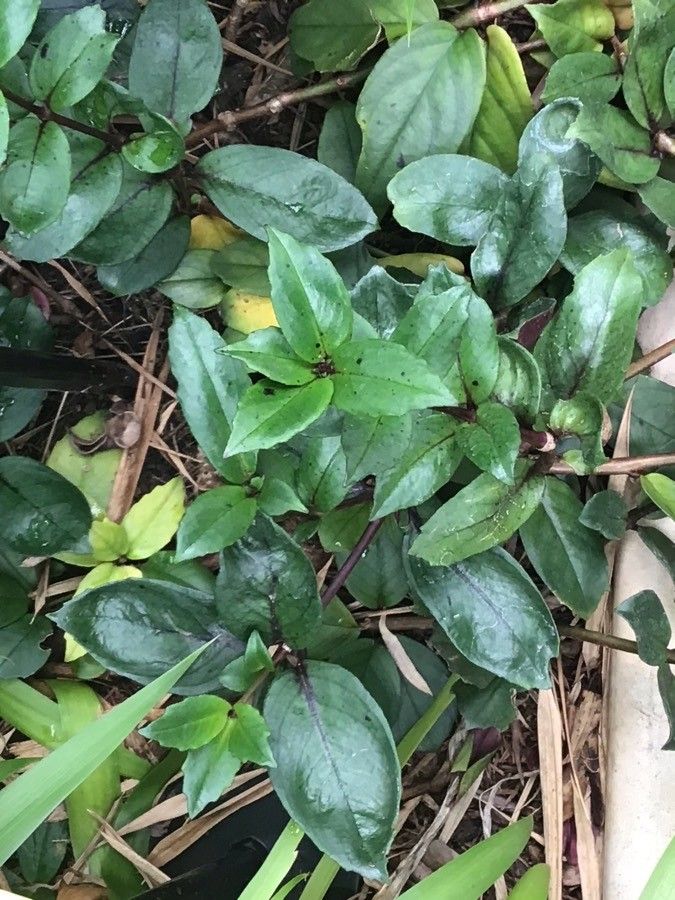
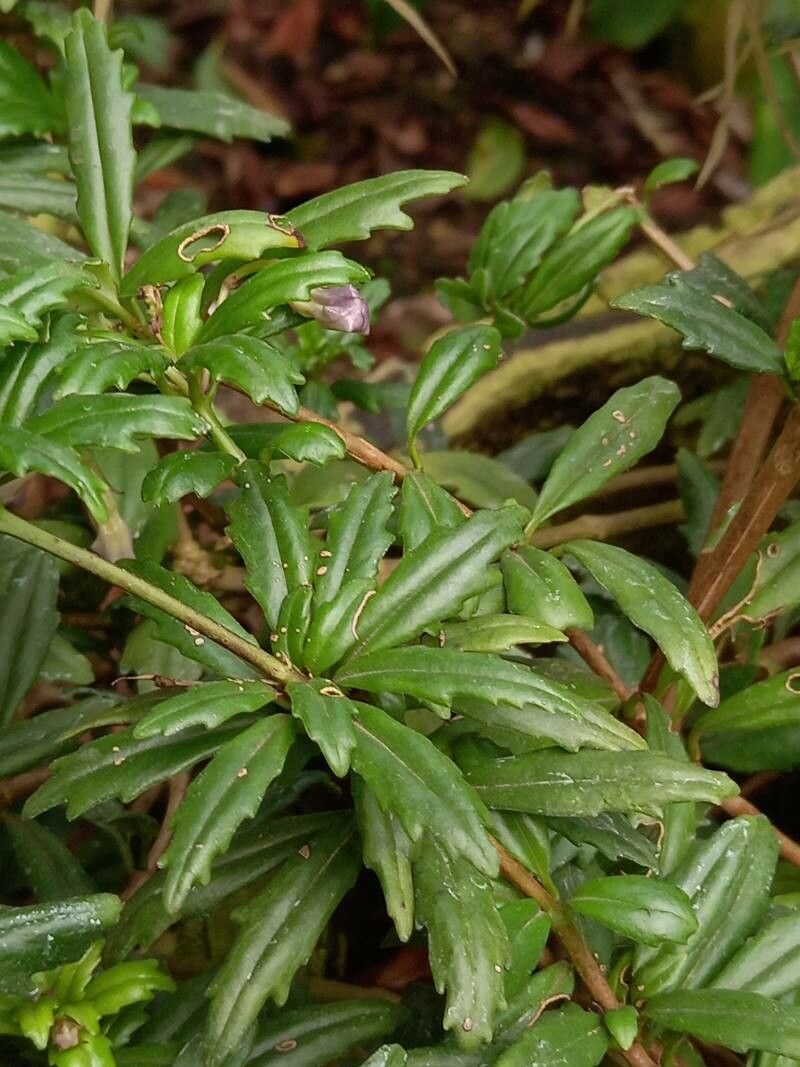
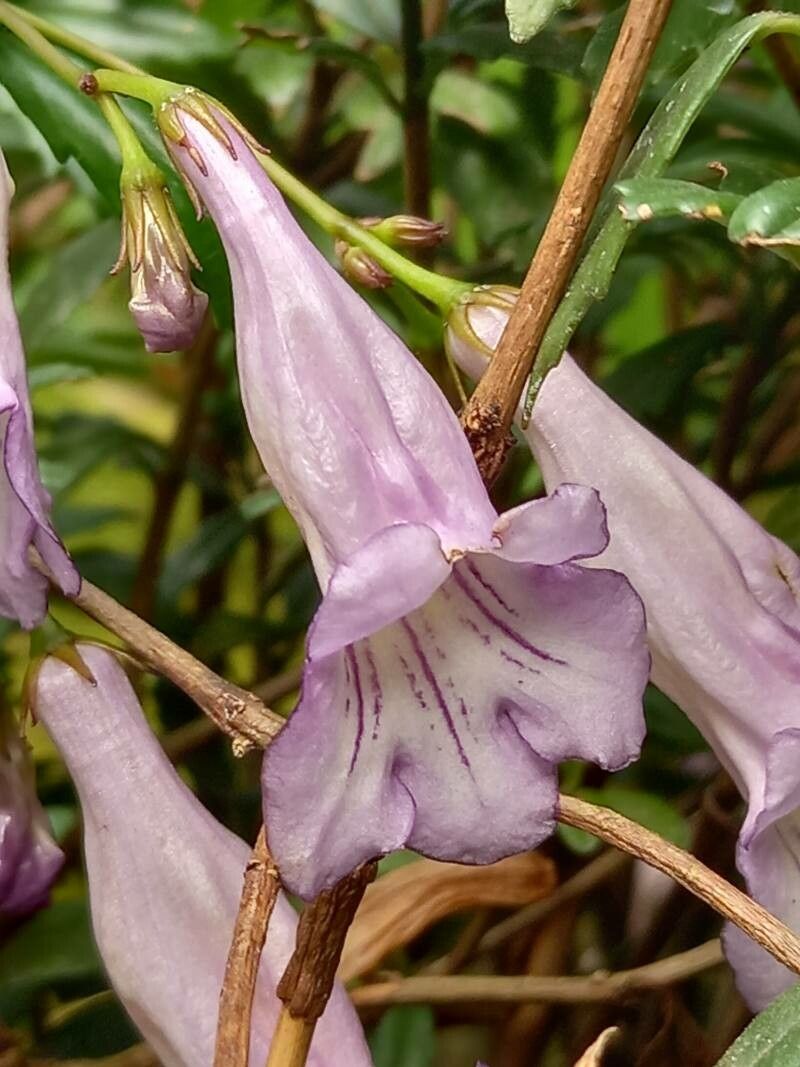
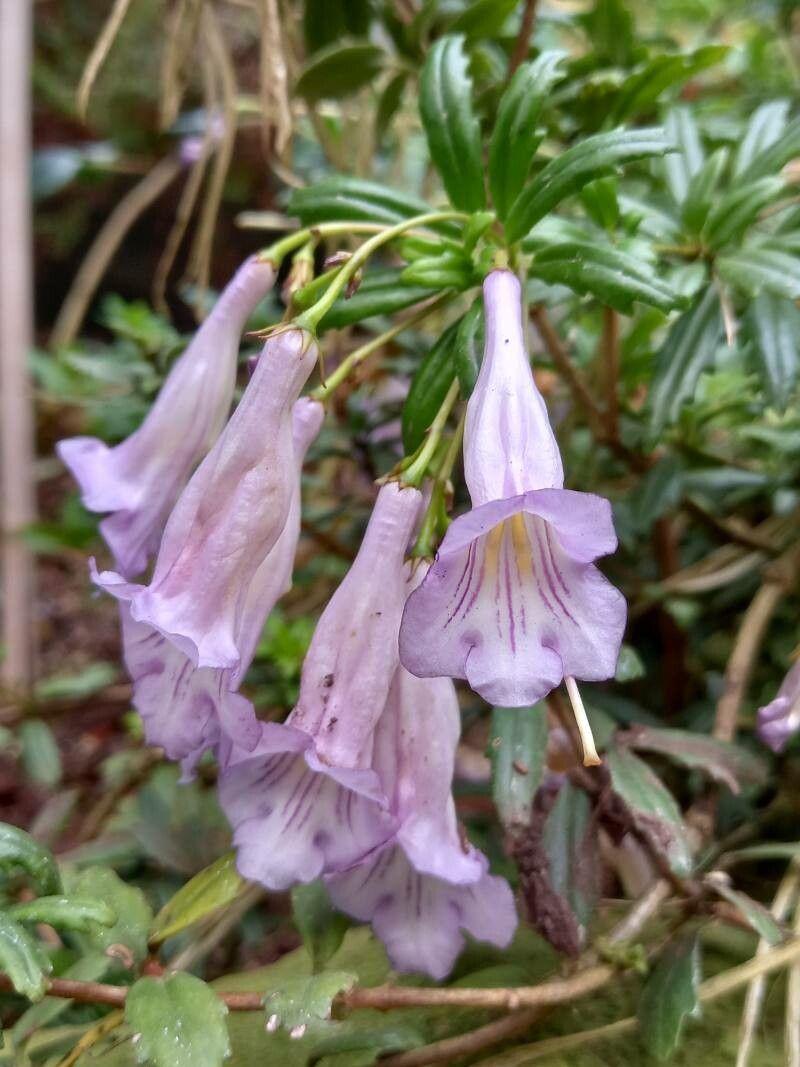
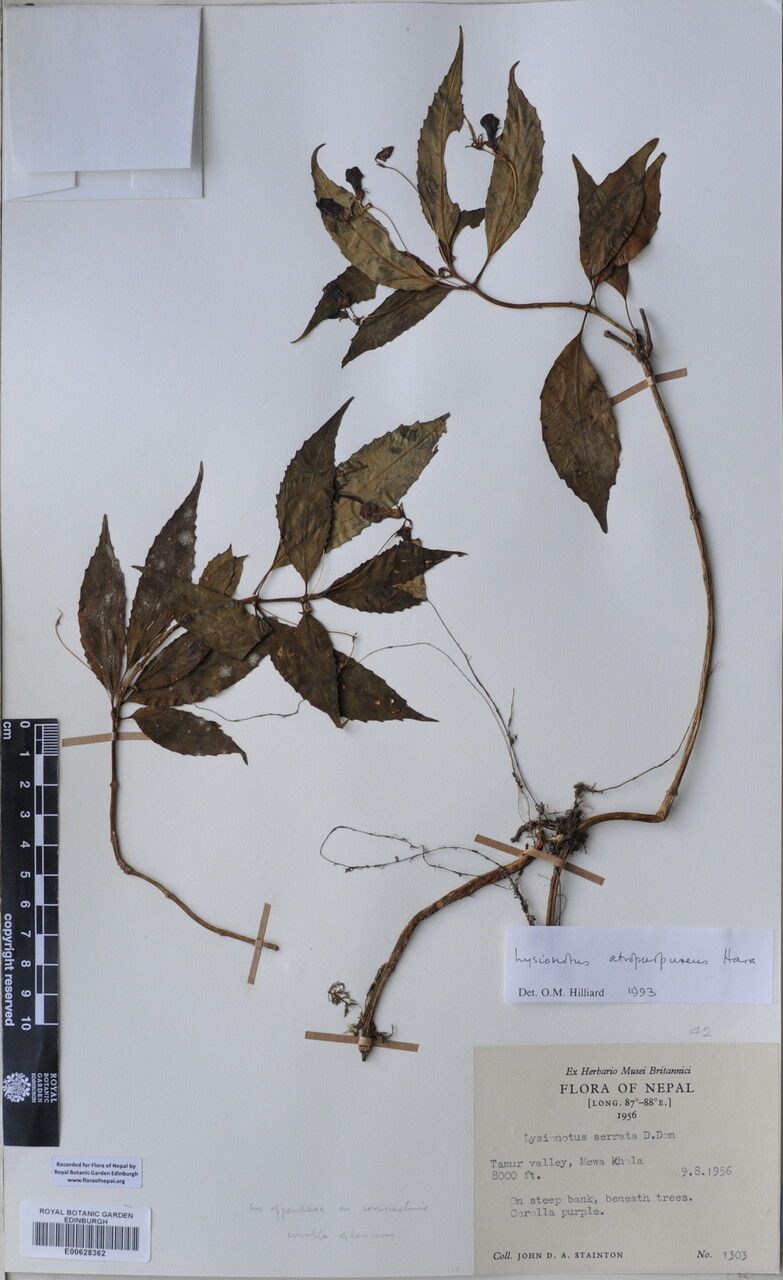
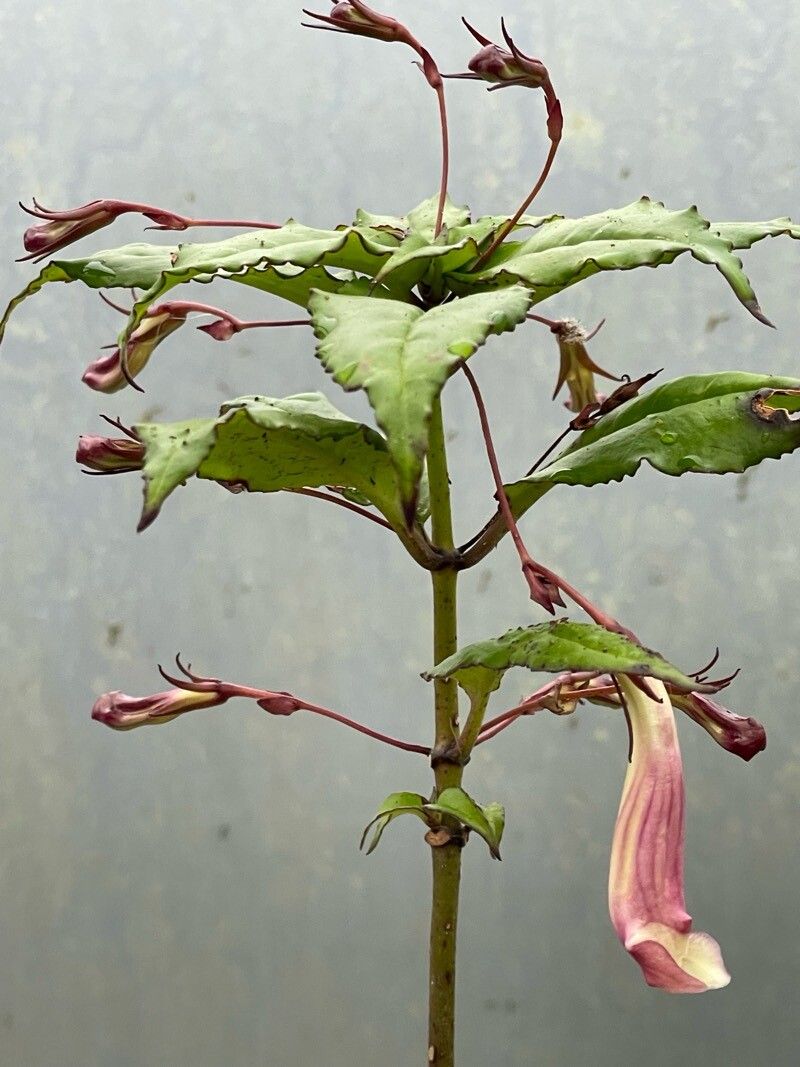
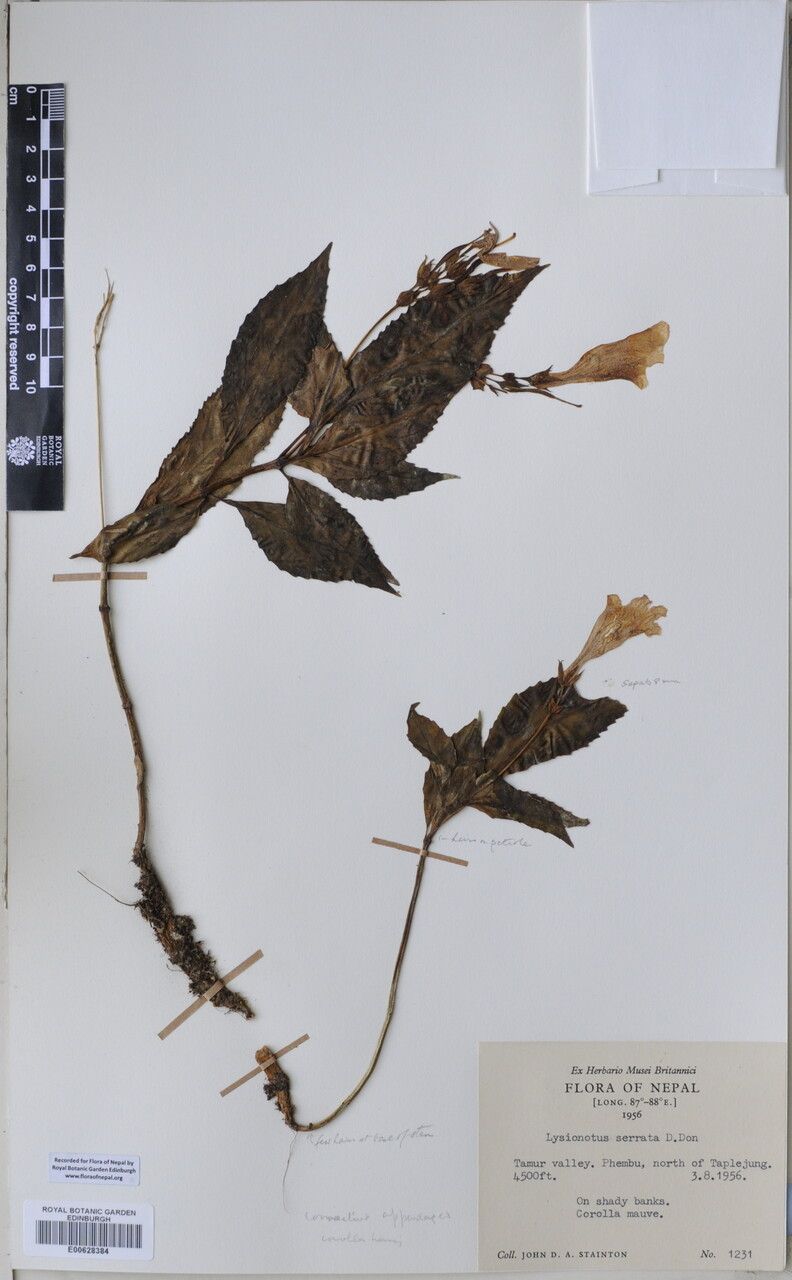
Lysionotus displays strong resistance to disease and is typically not susceptible to illnesses. Regarding care, this plant is fairly low-maintenance. When grown outdoors it needs minimal watering, and larger plants generally do not require pruning. However, smaller plants should be pruned after they have bloomed. Lysionotust is appropriate for anyone with an outdoor area, such as a garden or deck, and does not demand a great deal of care experience.
How to keep Lysionotus Pauciflorus.
Light
Lysionotus does well in moderate sunlight yet is also tolerant of very bright or dim lighting. This adaptability continues through its different growth stages. Native to habitats with varied light conditions, the plant keeps growing even when light is excessive or scarce.
Water
Lysionotus thrives in the humid, shaded areas of forest understories and prefers consistent moisture without becoming waterlogged. Water the plant every 1 to 2 weeks, allowing the soil to dry out slightly between waterings. Regular misting is beneficial, especially indoors where heating systems can reduce humidity levels.
Temperature
Lysionotus originates from habitats with temperatures between 68 and 100°F (20 to 38°C). It prefers relatively warm conditions. Across seasons, you may need to adjust the ambient temperature to match its preference.
Fertilizer
Fertilize a Lysionotus in early spring when it comes out of dormancy. This encourages overall growth and the development of flowers. Feeding improves the foliage, stems, and branches and leads to flowers that are large, bright, and long-lasting. It also helps transport nutrients from the roots to the blooms and enhances the plant’s health and resistance to disease.
Pruning
Lysionotus plants display delicate flower clusters and have a compact growth habit. To keep them healthy and encourage growth, prune them in early spring. Start by removing any dead branches, and then thin out areas that are too crowded to improve light and air circulation. Be sure to use sharp, sterilized tools to make clean cuts, which will promote new growth and help prevent diseases.
Pot & Repot
Spring is the ideal time to repot lysionotus, an epiphytic plant. It thrives in well-draining soil and benefits from being moved to a slightly larger container every 2-3 years. After repotting, support its vertical growth and maintain high humidity. Additionally, provide indirect light to create the best environment for lysionotus to flourish.
Botanical profile.
- Plant Type
- Shrub
- Life Cycle
- Perennial
- Genus
- Lysionotus
- Family
- Gesneriaceae
- Hardiness Zone
- 9-11
- Mature Height
- 6 cm to 30 cm
- Mature Spread
- 30 cm to 61 cm
- Leaf Color
- Dark Green
- Leaf Type
- Evergreen
- Flower Color
- Lavender, White
- Flower Size
- 2.54 cm
- Bloom Time
- Summer, Early fall, Mid fall
- Planting Time
- Spring, Autumn
- Harvest Time
- Fall
- Native Area
- Vietnam, Japan, China
Reader questions.
What should I do if I give my Lysionotus plant too much water or too little water?
Outdoor plants, especially those that are newly planted or seedlings, are prone to being under-watered. It is important to remember to consistently water them for a few months until they become established and can rely on rain. When growing Lysionotus in pots, overwatering is a common issue. If you accidentally overwater your Lysionotus, there are steps you can take to remedy the situation. First, stop watering the plant immediately to minimize the effects. Then, carefully remove the Lysionotus from its pot to inspect the roots. If there is no root rot, you can return the plant to its container. However, if root rot is present, trim away any affected roots and consider applying a fungicide. Repot the Lysionotus in well-draining soil. On the other hand, underwatering Lysionotus is a simpler problem to fix. If the leaves are drooping, drying out, or falling off, it is a sign of underwatering. Simply increase the frequency of watering, and the leaves will quickly return to their fullness. Be sure to adjust your watering schedule as soon as you notice signs of underwatering.
Why should I add fertilizer to my Lysionotus plant?
Fertilization plays a crucial role in promoting the overall health and well-being of a Lysionotus. By providing the necessary energy and nutrients, it supports the growth of lush foliage and strong stems and branches. However, the flowers of a Lysionotus are particularly prized by gardeners. Thankfully, fertilization also benefits the production of large, vibrant, and long-lasting flowers. This is because the right fertilizer facilitates the efficient transfer of fuel from the plant's roots to its flowers via its stems. Moreover, proper fertilization helps maintain the plant's overall health, enhancing its ability to ward off diseases.
How can I keep Lysionotus safe from sunlight and high temperatures?
Lysionotus, which are not accustomed to direct sunlight, can be harmed by it. To safeguard your Lysionotus from bright sunlight, there are a few approaches you can take. Firstly, select a spot that receives indirect light for the majority of the day. If the current location is too bright, move the plant further away from the window into the room. Alternatively, you can cover the window with a light curtain or blinds. All of these methods will shield your Lysionotus from sun scorching and excessive heat.
What temperature is best for Lysionotus?
To help your tropical plants thrive, it's best to maintain a temperature range of 75℉ to 90℉ (25-32℃). While different species can tolerate temperatures outside this range, sticking within a few degrees of these limits will ensure optimal growth. However, there are extreme temperature limits to be aware of. Anything below 50℉ (10℃) or above 95℉ (35℃) can hinder growth and cause issues with the leaves and stems. Low temperatures are particularly damaging, as even a light frost can lead to the death of your tropical plants. In fact, cellular death can occur rapidly, with some species dying within 12 to 24 hours.
How should I water my Lysionotus plant?
Your Lysionotus is not very particular about how you water it, so you can use any common watering tool. Watering cans, hoses, or even cups will work fine. Just make sure to water the soil directly and evenly to provide water to all parts of the root system. Using filtered water is preferable to tap water, as tap water may contain harmful particles. It's also best to use water that is at or slightly above room temperature, as extreme temperatures can be a bit shocking to the Lysionotus. However, the plant generally responds well to any kind of water you use.
When should I fertilize my Lysionotus plant?
The best time to fertilize a Lysionotus is during early spring when it is coming out of dormancy and preparing to bloom. This provides the plant with energy for growth and flower development. However, it is also beneficial to fertilize in the fall, though a smaller amount is sufficient. Fertilizing during planting is optional.
What happens to Lysionotus if it gets too much sunlight?
Direct sunlight can be harmful to the plant's leaves, especially the upper leaves that receive the most sun. When leaves get scorched, they develop brown and dry spots. Entire leaves may also wilt and turn brown. Growing the plant in full sun can lead to the soil drying out too quickly. In extreme situations, excessive sun exposure can even result in the plant dying.
Does Lysionotus need varying temperatures at different stages of growth?
Lysionotus doesn't need temperature changes to grow, but consistency is important. Fluctuations in temperature can slow its growth, so it's best to keep it in a controlled environment. The optimal temperature range for Lysionotus is between 75℉ and 90℉ (25-32℃), with staying above the lower limit being crucial. Going above 90℉ (32℃) is not ideal, but it won't harm the plant too much since it is a tropical species. However, going below 50℉ (10℃), especially 40℉ (5℃), will start to directly damage this heat-loving plant.
How frequently should I water my Lysionotus?
Most outdoor plants can grow naturally with rainfall. If there's not enough rain in your area, water your plants every 2 weeks in spring and fall, more often in summer, and less in winter. For Lysionotus plants that are young or newly planted, water them more frequently to help them establish and grow. For potted Lysionotus plants, you can either have a set watering schedule (once a week or every other week) or water them based on the moisture in the soil. In the latter case, wait until the first two to four inches of soil have dried out completely before watering again. Keep in mind that the watering frequency may need to be adjusted during summer when the plant requires more water.
When is the best time to not put fertilizer on my Lysionotus?
During the winter, Lysionotus plants go into a dormant phase where they don't require much energy from the soil to grow. Therefore, it is unnecessary to fertilize them during this time. In fact, fertilizing during winter increases the risk of overfertilization and its negative consequences. The ideal times to provide nutrients to a Lysionotus are in early spring and fall. So, for most of the spring and summer, this plant doesn't need any fertilization. Additionally, if the plant is exposed to extremely hot or dry conditions, it's advisable to delay feeding it.
How many hours of sunlight does Lysionotus need daily?
When growing Lysionotus indoors, it requires a significant amount of light, but it should be indirect, filtered, or dappled light. Keeping the plant in a sunny location throughout the day is essential. The amount of daylight can vary based on the season, but a general guideline would be at least 6 hours of light, which includes 3-6 hours of direct sunlight. Indirect sunlight won't harm the Lysionotus, so you only need to be cautious with direct sunlight.
Does Lysionotus require varying temperatures throughout the year?
Lysionotus does not require different temperatures for different growing seasons. The key to caring for this plant is to maintain an optimal temperature range, which is why it is best to keep it indoors. By keeping the plant indoors, you have control over the temperature regardless of the climate outside. In terms of light, tropical species like Lysionotus prefer partial side-level sun exposure. This means that any light they receive should be dappled or filtered, with bright but indirect light being the ideal option when growing them indoors. Exposing the plant to too much direct sunlight can harm the leaves and inhibit its growth potential.