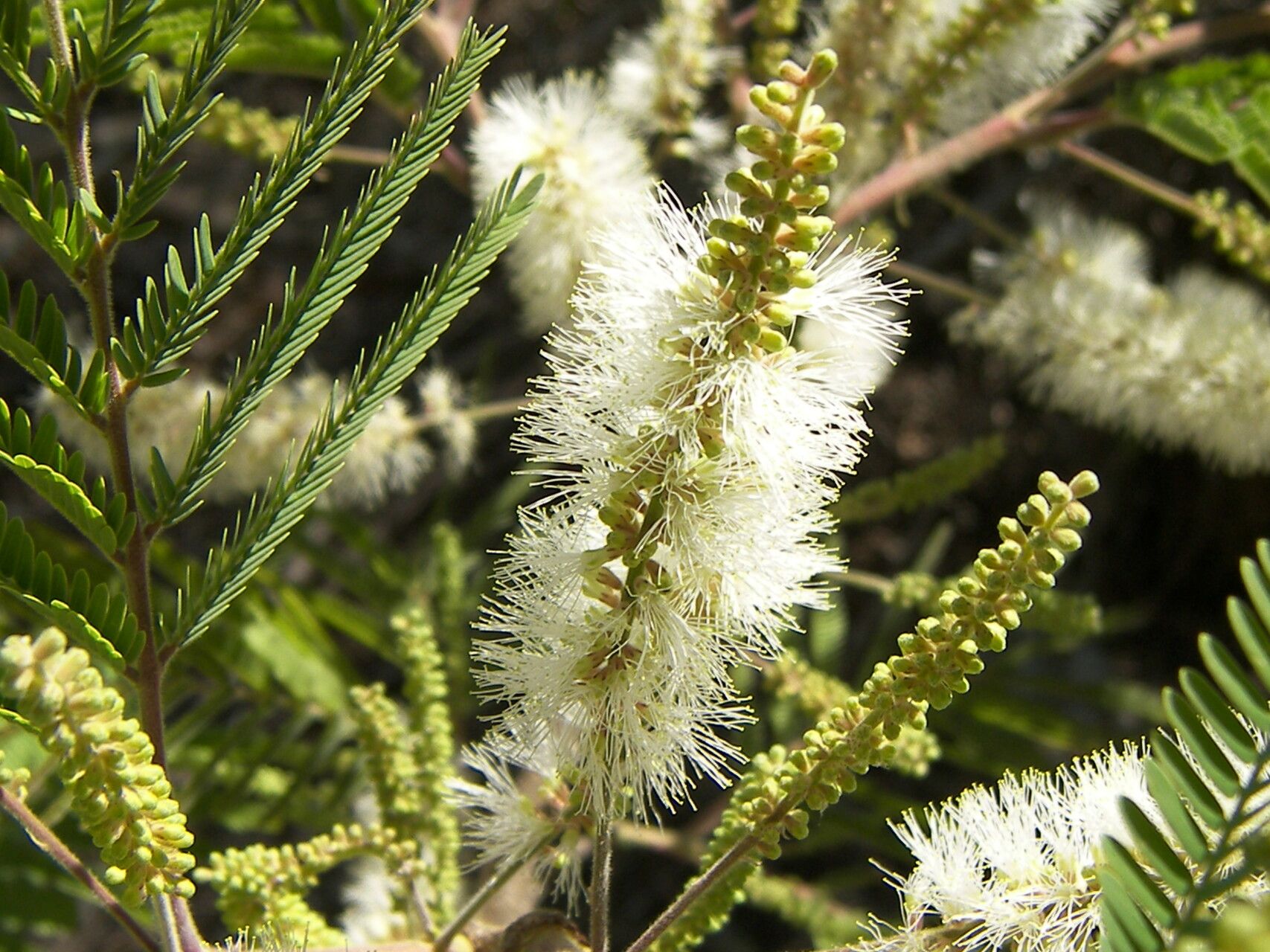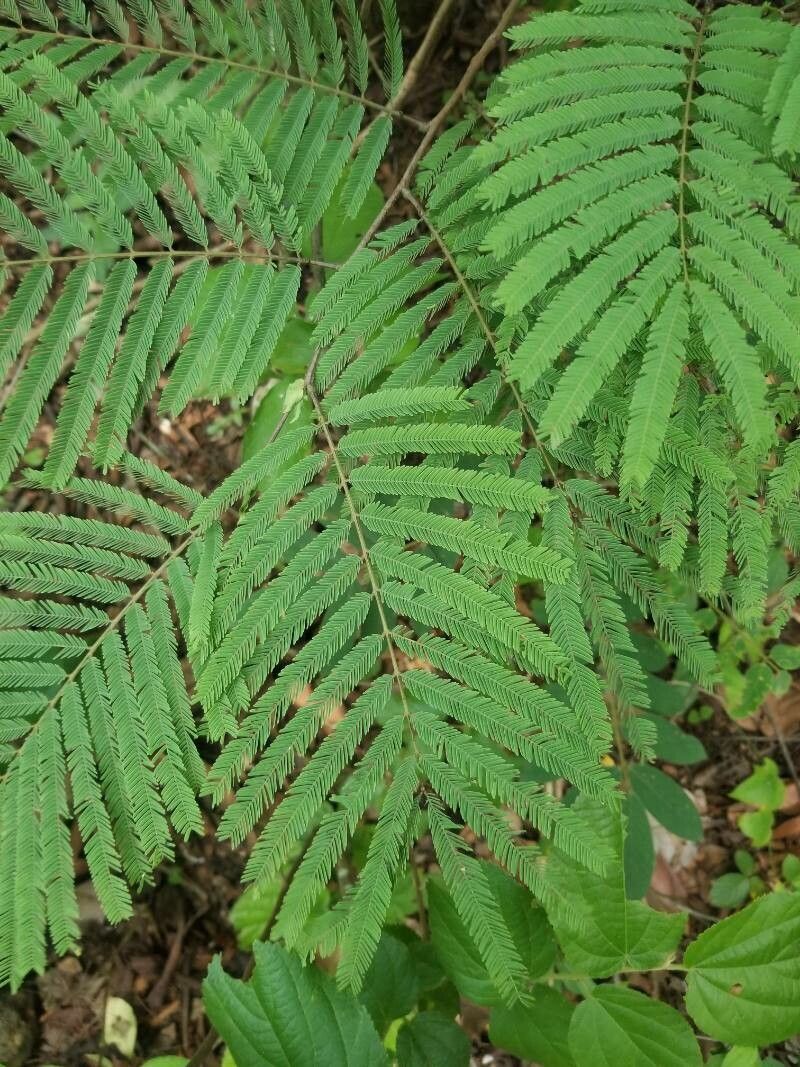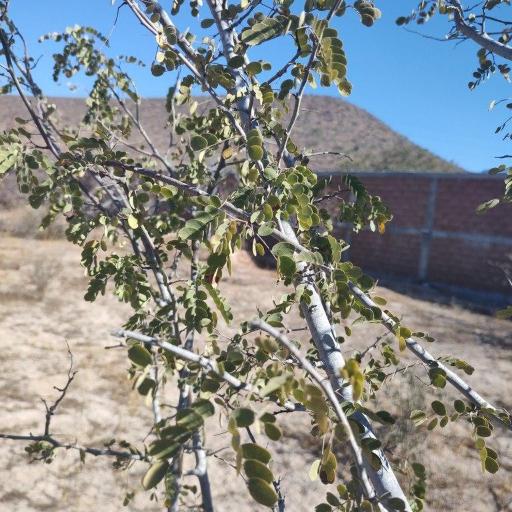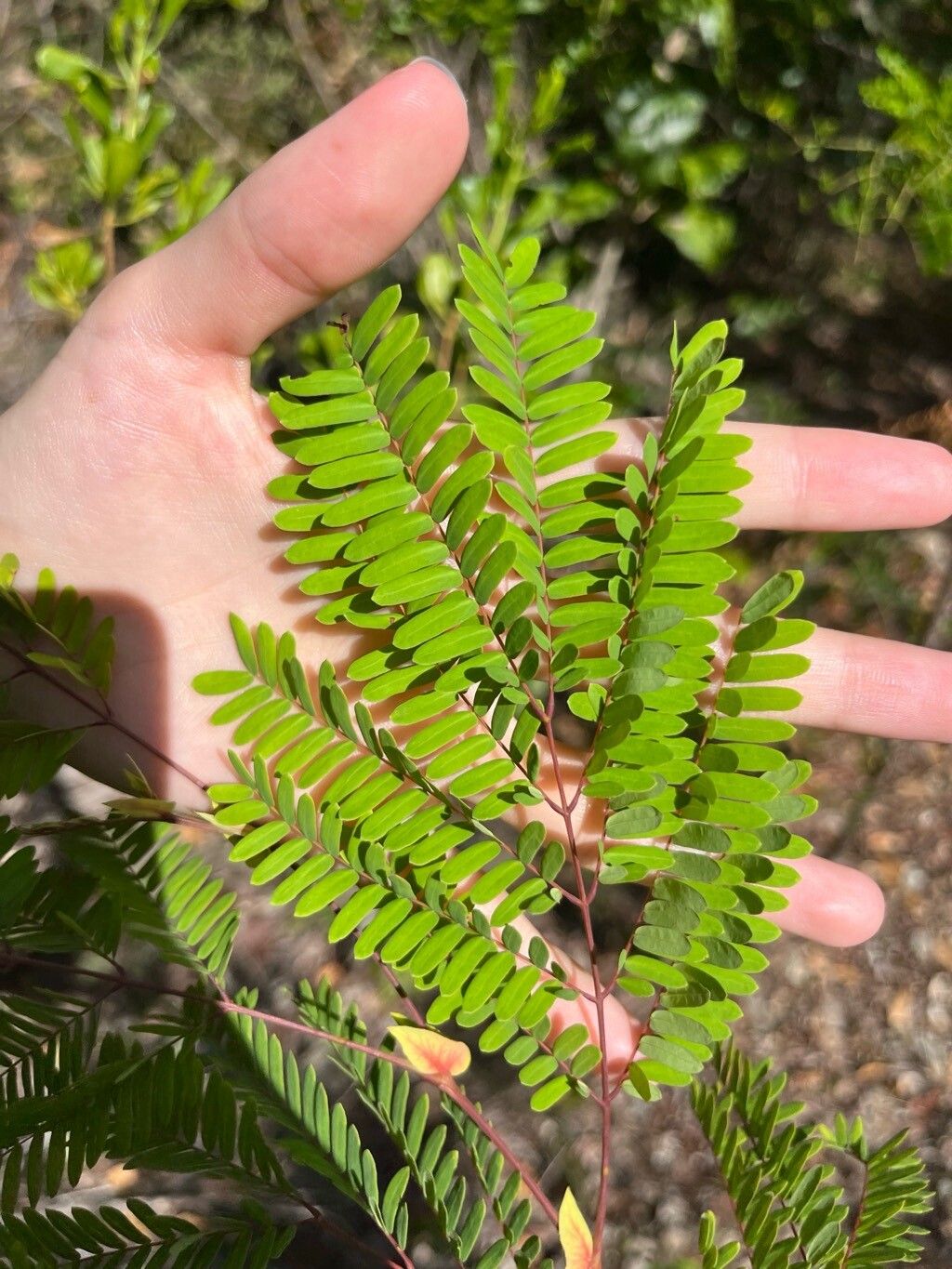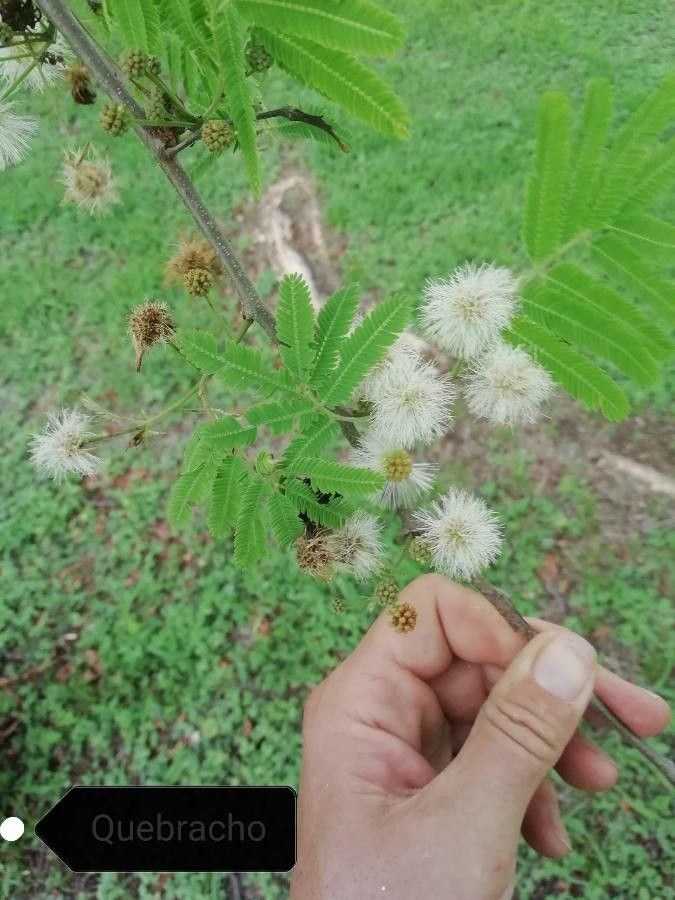
Lysiloma divaricatum is a flowering tree native to Mexico and Central America. Common names include mauto, quitaz, and tepemesquite in Mexico, quebracho in Honduras, Mexico, and Nicaragua, and quebracho negro, tepemisque, and yaje in El Salvador.
Quebracho shows good resistance to disease and is generally not susceptible to illnesses. Regarding care, this plant is fairly low-maintenance. When grown outdoors, it needs only minimal watering, and larger specimens typically do not require pruning. However, smaller plants should be pruned after they finish blooming. Quebrachot is appropriate for anyone who has outdoor space, such as a garden or a deck, and does not need a lot of experience in plant care.
How to keep Lysiloma Divaricatum.
Light
Quebracho comes from open habitats, such as sunlit meadows and forest margins, which offer abundant light. It does best in Full Sun yet can tolerate Partial Sun, adapting to a range of sunlight conditions.
Temperature
El quebracho muestra buena adaptabilidad a la temperatura, pudiendo tolerar temperaturas elevadas y variaciones térmicas amplias. Cuando las temperaturas son altas, es importante prestar atención al riego y proporcionar sombra adecuada para evitar quemaduras por el sol. Sin embargo, el quebracho presenta una tolerancia relativamente reducida a las bajas temperaturas. Aunque puede soportar cierto grado de frío, ambientes excesivamente fríos pueden provocar daños por heladas.
Fertilizer
Fertilize your Quebracho in early spring to encourage healthy growth. Regular feeding boosts overall health, producing vigorous growth, greater tolerance of harsh conditions, and enhanced resistance to pests and diseases. Keep a set fertilization routine for your Quebracho to maintain foliage that is richly colored and lush in appearance.
Pruning
Quebracho trees have spreading branches and fern-like foliage. To keep the tree healthy and well-shaped, prune it in early spring. This helps remove dead branches, maintain its shape, and encourage new growth. Thinning the branches also improves air circulation. Regular pruning helps the tree develop a strong structure and prevents diseases. Always use sharp, clean tools to make precise cuts, which ensures faster healing.
Botanical profile.
- Plant Type
- Tree
- Life Cycle
- Perennial
- Genus
- Lysiloma
- Family
- Fabaceae
- Hardiness Zone
- 9-11
- Mature Height
- 6.1 m to 14.94 m
- Mature Spread
- 4.88 m to 10.06 m
- Leaf Color
- Green, Dark Green
- Leaf Type
- Deciduous
- Flower Color
- White
- Flower Size
- 0.51 cm to 0.76 cm
- Bloom Time
- Mid spring, Late spring
- Planting Time
- Spring, Summer, Autumn
- Harvest Time
- Mid summer, Late summer
- Native Area
- Honduras, Mexico, Guatemala, El Salvador, Nicaragua, Costa Rica