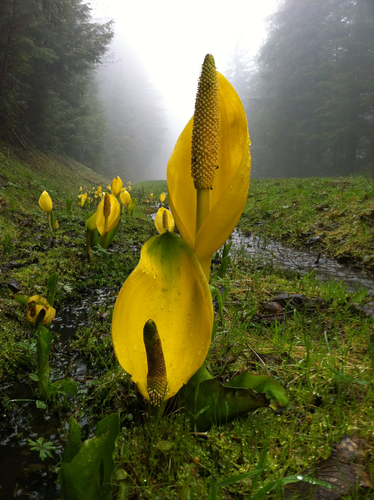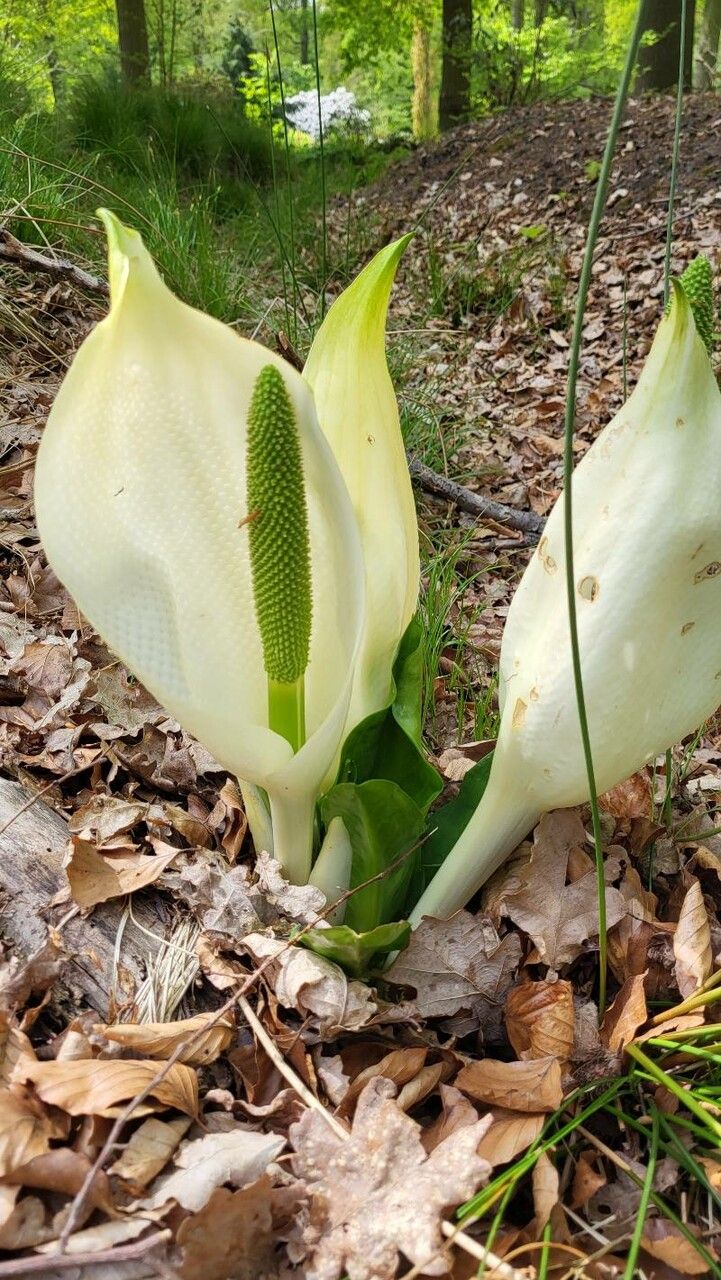
Lysichiton camtschatcensis, common name Asian skunk cabbage, white skunk cabbage, Far Eastern swamp lantern or Japanese swamp lantern, is a plant found in swamps and wet woods, along streams and in other wet areas of the Kamchatka Peninsula, the Kuril Islands, Sakhalin and northern Japan. The common name "skunk cabbage" is used for the genus Lysichiton, which includes L. americanus, the western skunk cabbage, noted for its unpleasant smell. The Asian skunk cabbage is more variable: plants have been reported in different cases to smell disgusting, not at all, and sweet. In Japanese it is known as mizubashō (lit. "water-banana") from a supposed similarity to the Japanese banana, a name with poetic rather than malodorous associations. It is not closely related to the true cabbage.
How to keep Lysichiton Camtschatcensis.
Water
Asian skunk cabbage, which originates from damp environments, thrives in consistently moist soil. To maintain optimal moisture, it should be watered evenly, ideally twice a week. While it is preferable to grow it outdoors, where it can benefit from natural rainfall, it also has a high tolerance for wet conditions during the growing season.
Pruning
Asian skunk cabbage has large leaves and white spathes. To encourage growth and improve air circulation, prune any dead material from early to late spring. This practice not only enhances the plant's vitality and appearance but also ensures healthy foliage and helps prevent disease.
Botanical profile.
- Plant Type
- Herb
- Life Cycle
- Perennial
- Genus
- Lysichiton
- Family
- Araceae
- Mature Spread
- 50 cm