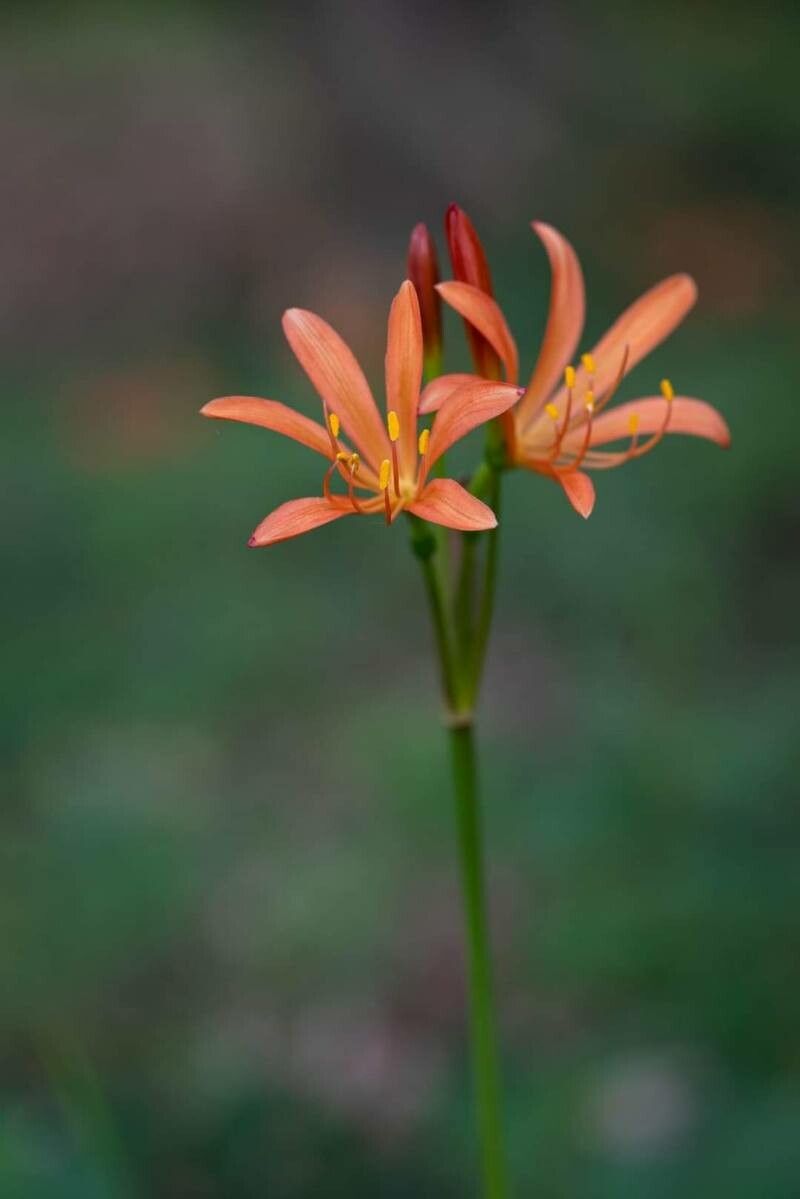
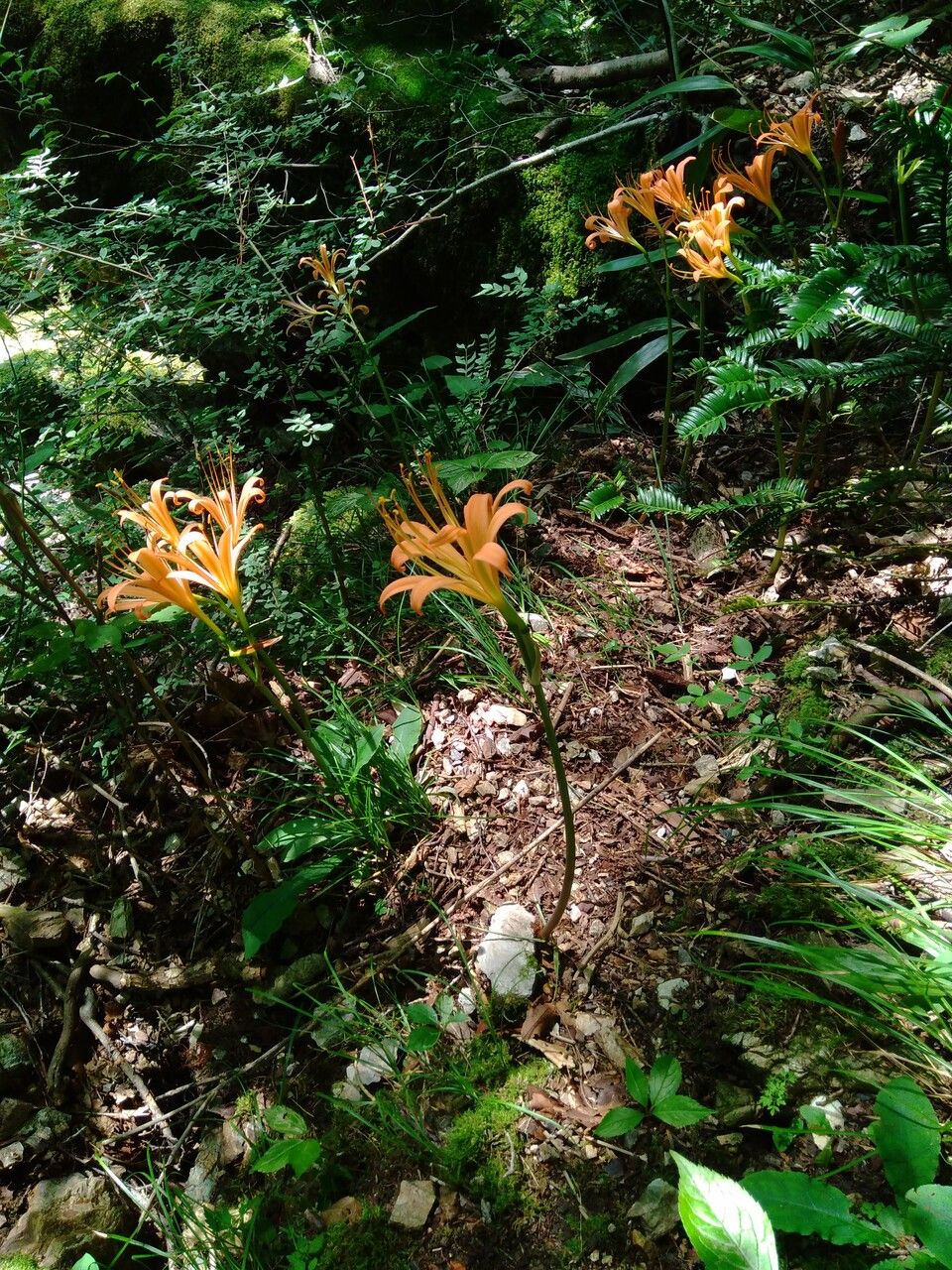
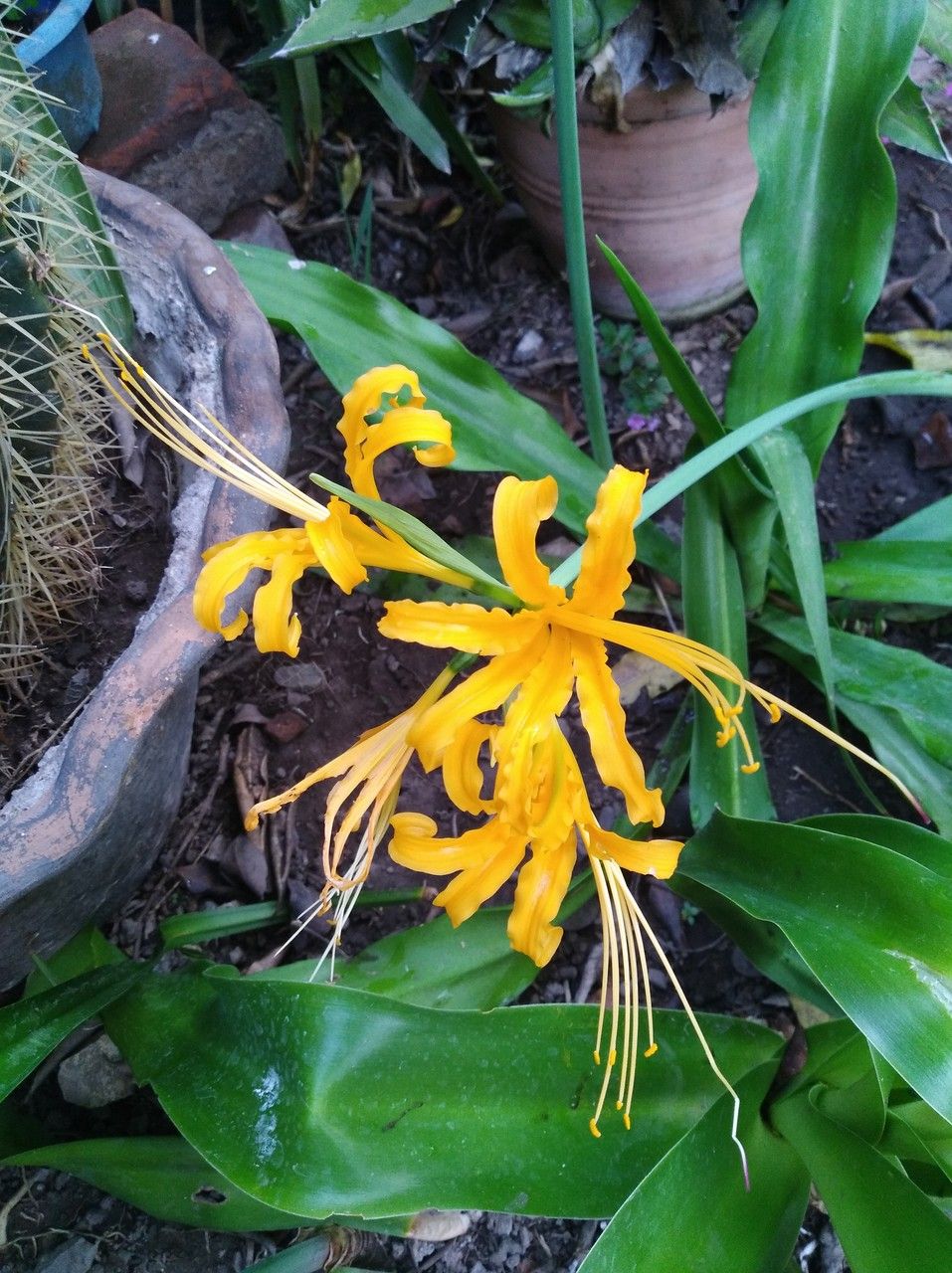
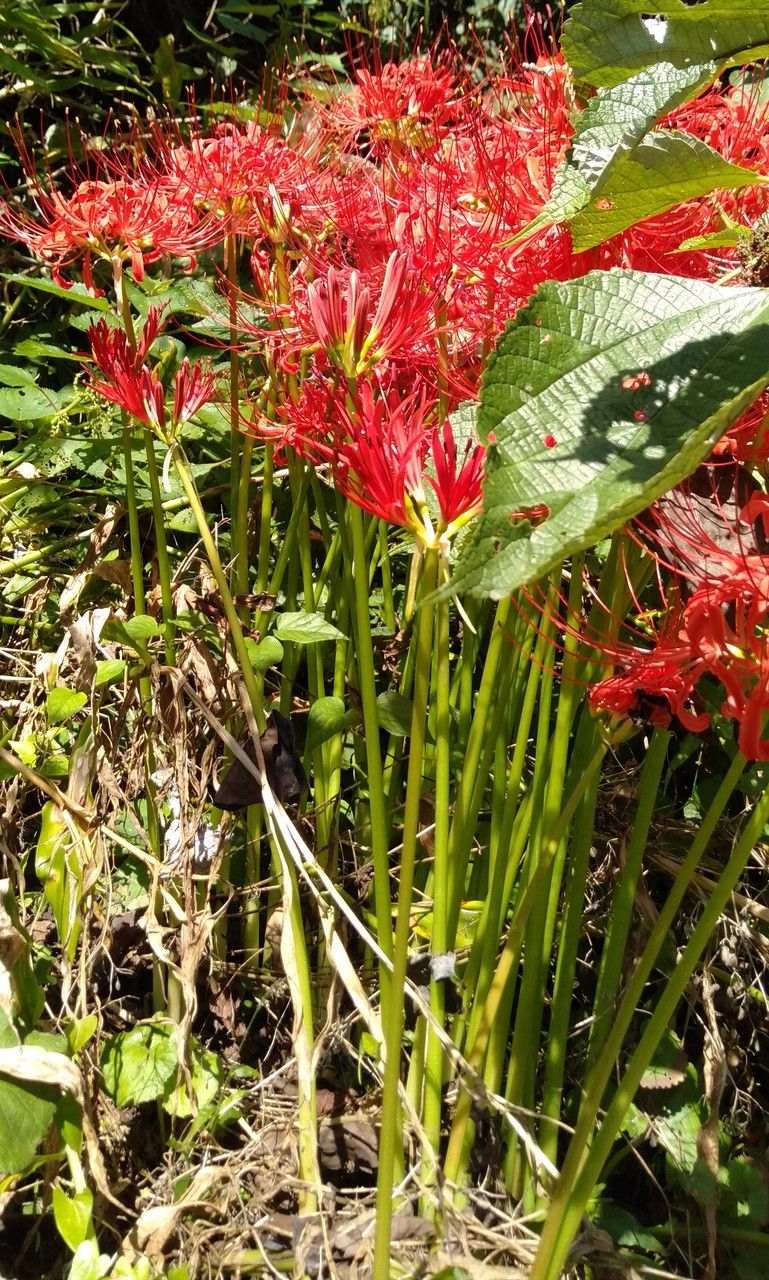
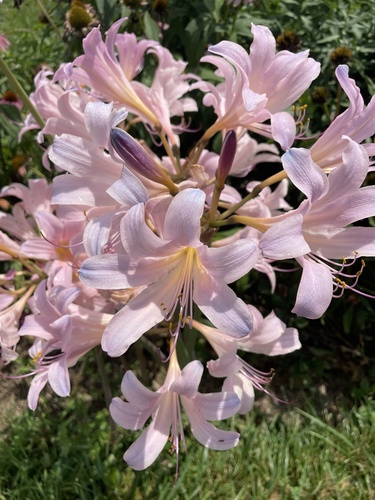
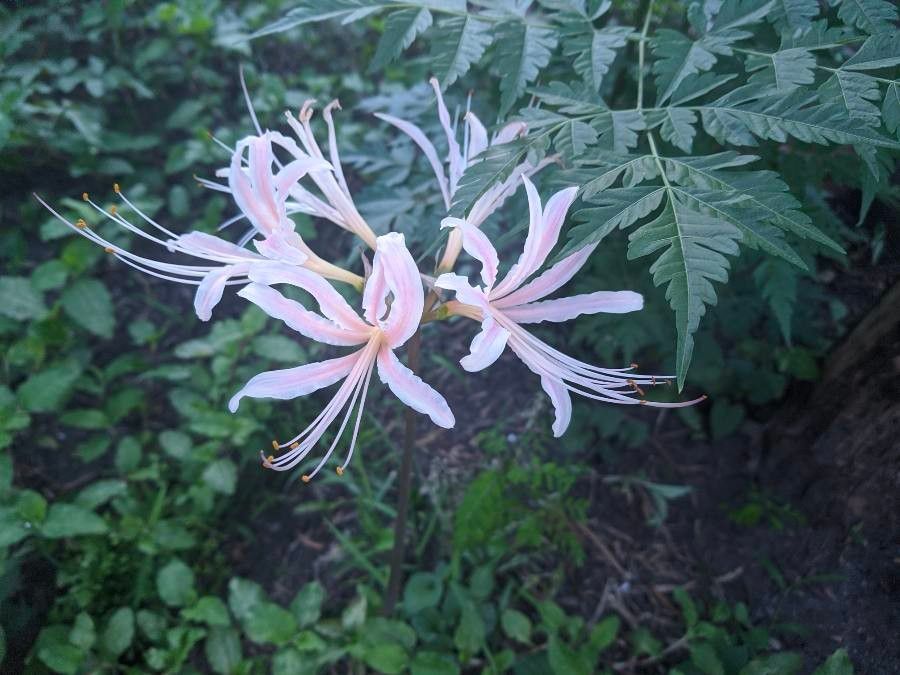
Sanguinea spider lily has strong disease resistance and is generally not likely to contract illnesses. However, it can be vulnerable to pests and diseases present in its surroundings. These infections are typically not serious. Regarding care, this plant needs moderate maintenance. It should be pruned regularly to maintain a good appearance and healthy growth. Fertilization can also help encourage flowering. Sanguinea spider lily is suitable for anyone with outdoor space, such as a garden or patio, and does not demand much care experience. It may need more attention when grown indoors.
How to keep Lycoris Sanguinea.
Light
The Sanguinea spider lily grows best when exposed to sunlight throughout the day, tolerating only limited shade. It comes from habitats with abundant sun. Excessive sun can cause wilting, while insufficient light may inhibit growth.
Water
Native to East Asia, the sanguinea spider lily thrives in moist conditions and can withstand short dry spells. For optimal hydration and vibrant blooms, it's best to water it weekly, especially during its growing season. Typically grown outdoors, the sanguinea spider lily usually benefits from the region's natural rainfall patterns, which help meet its watering needs.
Temperature
Sanguinea spider lily can tolerate a wide range of temperatures, but its range may still be constrained by different combinations of moisture and heat. It does best in warm summer climates with sufficient rainfall or irrigation. Extended periods of cloudy, rainy weather or prolonged high temperatures raise the risk of the plant dying. In winter, shielding it from cold improves its chances of survival.
Fertilizer
For the Sanguinea spider lily, the primary time to apply fertilizer is in early spring when the flowers are forming. The correct fertilizer promotes improved blooms and helps the Sanguinea spider lily produce attractive flowers. Fertilizing in early spring ensures good flowering during the season and supplies energy for dormant growth phases.
Pruning
The Sanguinea spider lily is known for its vibrant, spider-like flowers. To promote growth and flowering, prune the plant between early and late spring by removing dead foliage and spent stems. Be careful not to cut the leaves, as they store essential nutrients. Always use clean, sharp tools to prevent disease and ensure the plant remains vigorous in future seasons.
Botanical profile.
- Plant Type
- Herb
- Life Cycle
- Perennial
- Genus
- Lycoris
- Family
- Amaryllidaceae
- Hardiness Zone
- 7-10
- Mature Height
- 30 cm to 61 cm
- Mature Spread
- 30 cm to 61 cm
- Leaf Color
- Dark Green
- Leaf Type
- Deciduous
- Flower Color
- Red
- Flower Size
- 2.54 cm to 5.08 cm
- Bloom Time
- Early summer, Mid summer
- Planting Time
- Spring, Summer, Autumn
- Harvest Time
- Late summer, Early fall
- Native Area
- Japan, South Korea
Other names.
Reader questions.
What are the sunlight requirements for Sanguinea spider lily?
Sanguinea spider lily requires full sun, meaning it needs above 6 hours of sunlight daily, but it can also thrive in partial sun, which is about 3-6 hours of sunlight. It's vital to observe the movement of sunlight through your garden to find spots that offer the right balance of light and shade, ensuring the plants' optimal growth and wellbeing.
What is the Sanguinea spider lily?
The Sanguinea spider lily, botanically known as Lycoris sanguinea, does not have any described essentials or symptoms information provided. It seems that specific details regarding its characteristics or care might be missing from the provided data.
What are some essential care tips for Sanguinea spider lily regarding sunlight?
The Sanguinea spider lily flourishes best under the full warmth of the sun throughout the day while tolerating minimal shade. Its natural habitat is in areas that are abundant in sunlight, indicating its need for significant light exposure. However, too much sunlight can lead to wilting, and too little can inhibit growth. For indoor plants, artificial lighting can be crucial for growth, especially when natural light is insufficient. Options such as LED lights can simulate sunlight, with varying wattage requirements based on the plant's sunlight needs (full sun, partial sun, or full shade) and adjustments for distance and duration to mimic natural conditions.
What are the symptoms of improper light exposure in Sanguinea spider lily?
Sanguinea spider lilies show various symptoms when they receive improper light exposure. Insufficient light may result in smaller new leaves, leggy or sparse growth, faster leaf drop, slower or no new growth, and lighter-colored or yellow leaves (chlorosis). Excessive sunlight can cause wilting, sunscald, leaf curling, leaf scorching, and chlorosis. It's essential to monitor these symptoms as they indicate the plant's need for a change in its light environment.
How can I address light exposure issues for Sanguinea spider lily?
To address light exposure issues for Sanguinea spider lily, consider these solutions: For indoor plants, gradually increase exposure to natural sunlight or use artificial lighting, ensuring at least 6 hours of direct sunlight daily. Outdoor plants should be moved to sunnier spots gradually to prevent sunburn. Reducing obstructions like pruning branches or trees can help outdoor plants receive more sunlight. If necessary, transplant smaller plants during their dormant period to a location with better light conditions and good drainage for optimal growth and health.