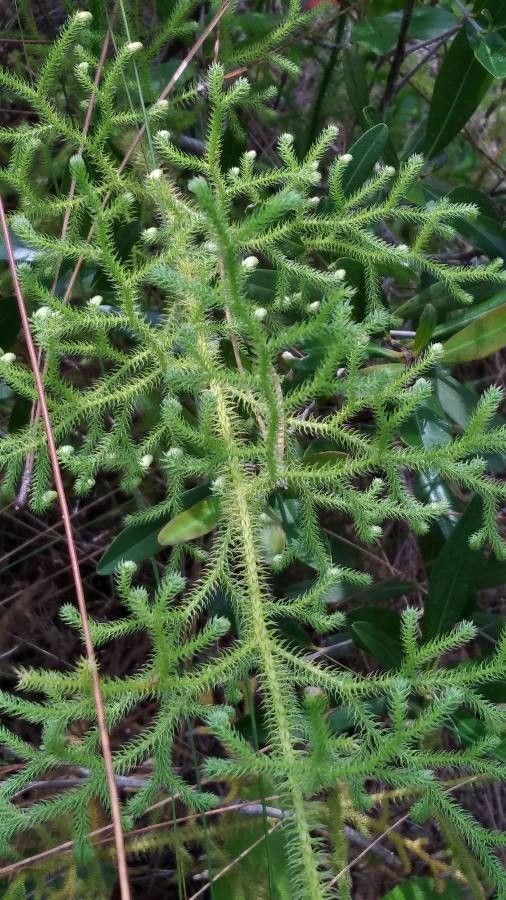
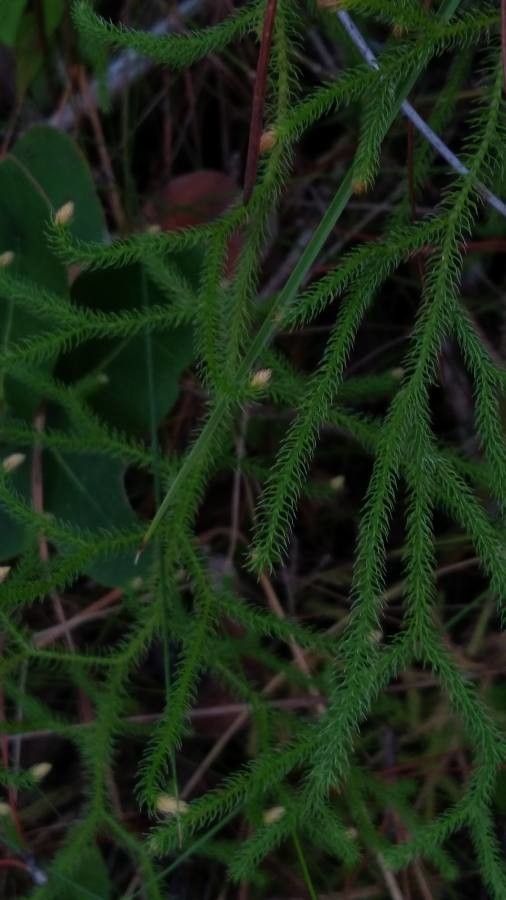
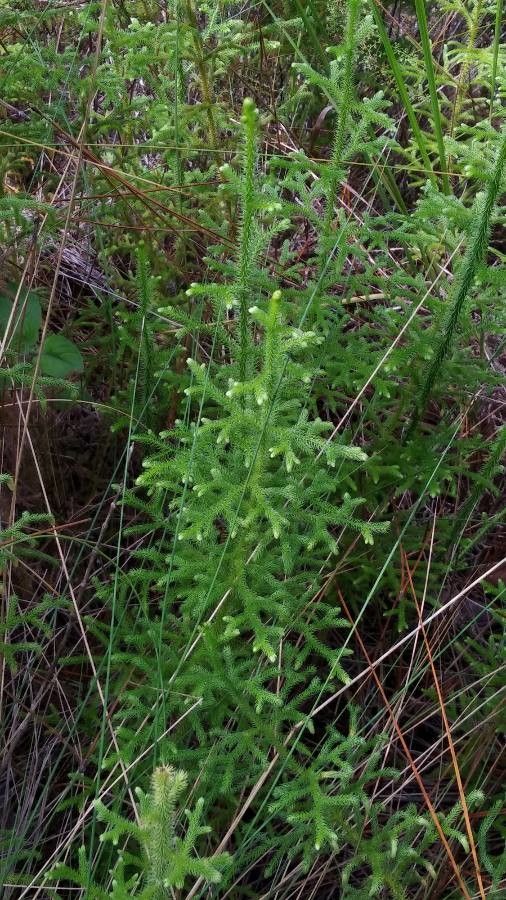
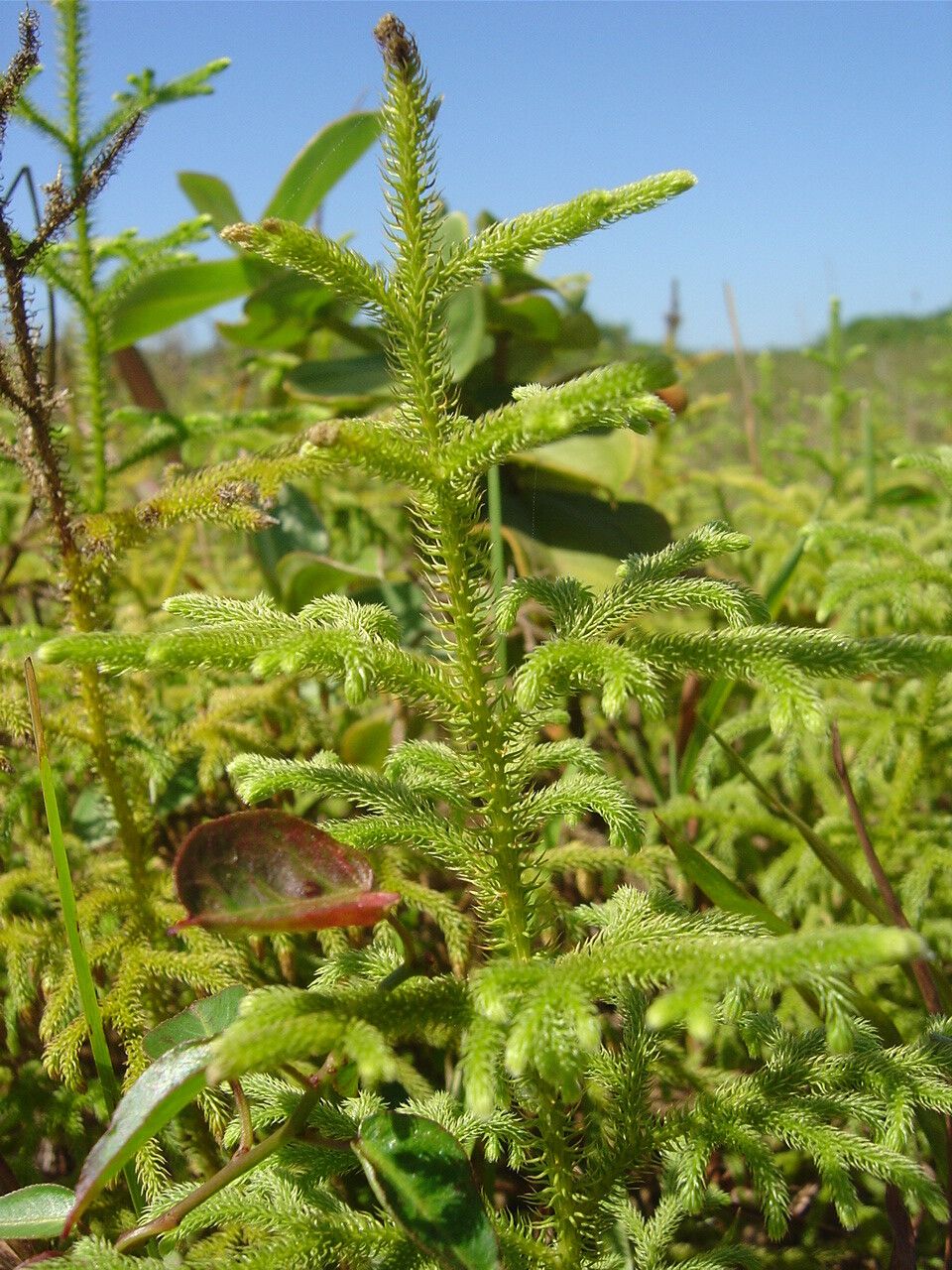
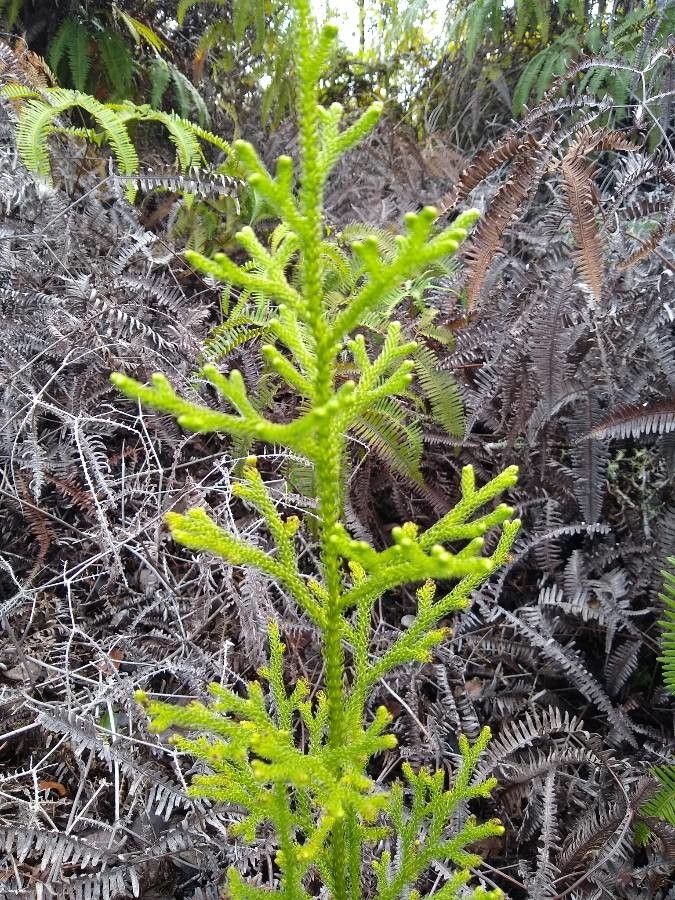
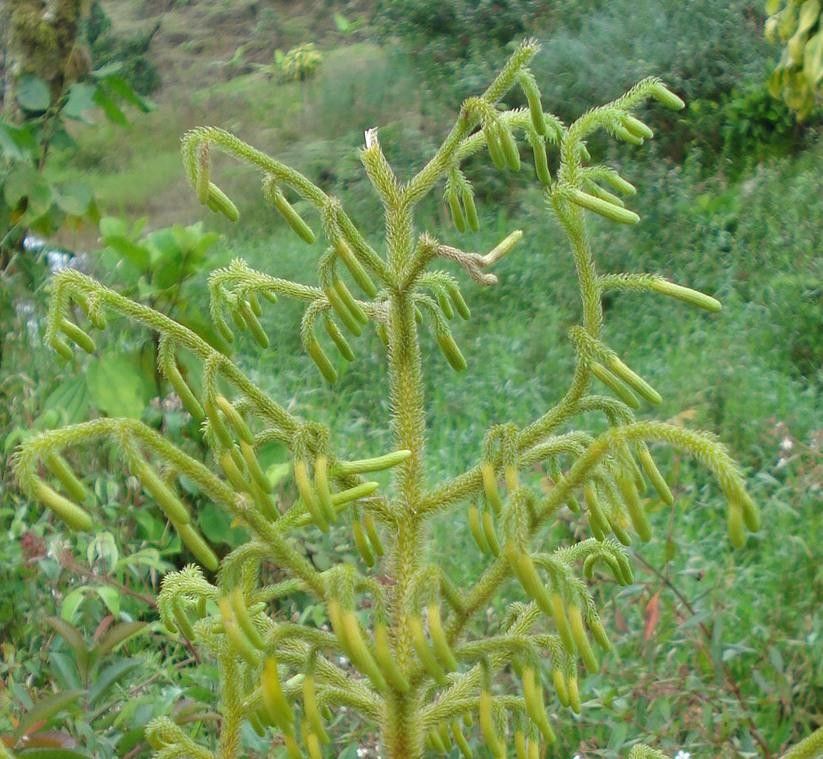
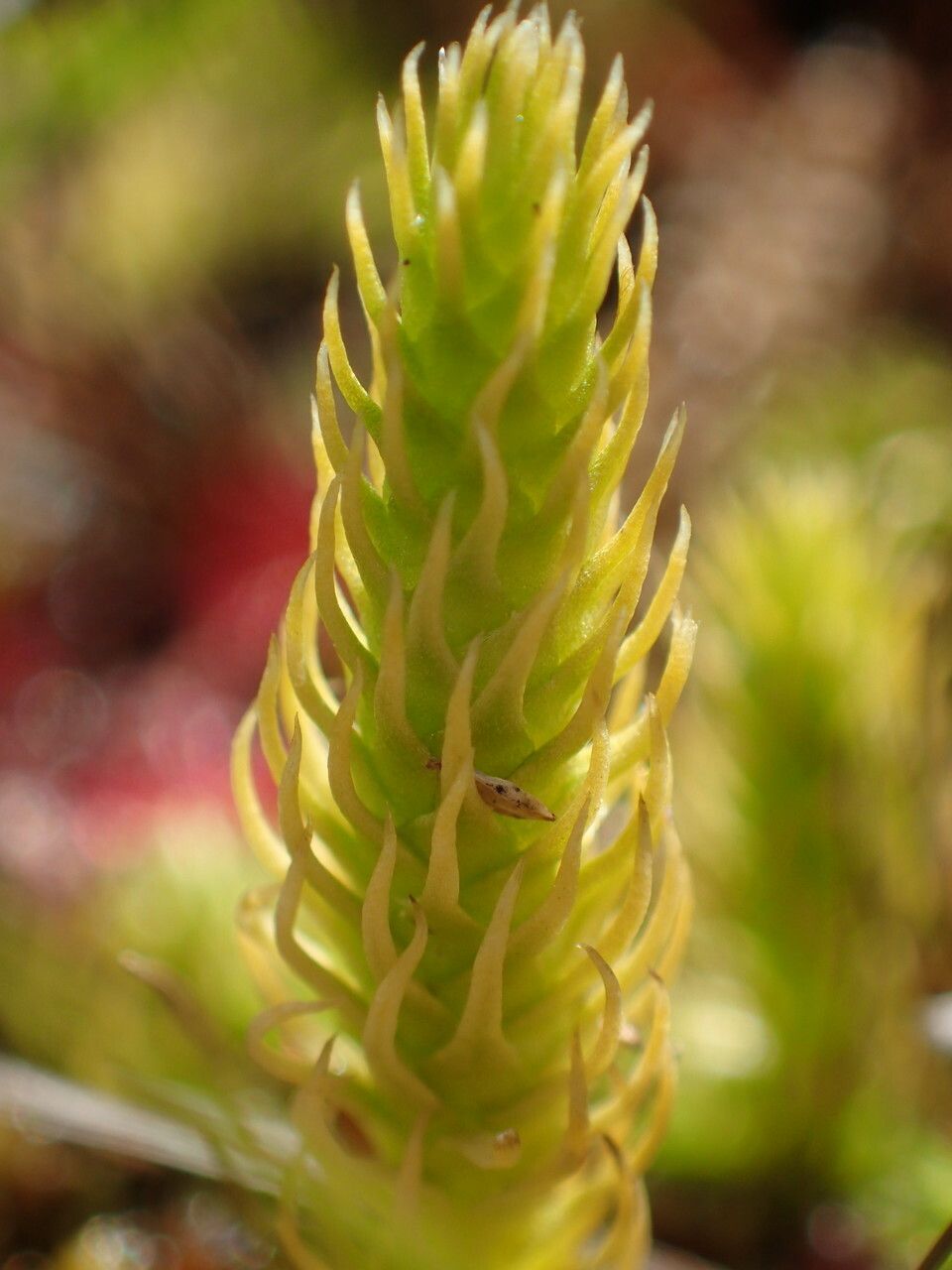
Lycopodiella appressa, commonly known as southern bog clubmoss, is a species of clubmoss. It is native to eastern North America, including Cuba and the West Indies. In the United States, it is primarily found on the Coastal Plain.Its natural habitat is open wet areas, such as bogs, seeps, and pond shores.
Southern bog clubmoss typically resists diseases well and attracts relatively few insect pests. Its care is regarded as difficult because it needs a consistently moist environment and frequent watering. However, the roots can rot if overwatered or if the surroundings lack adequate ventilation. It is suitable for people with some growing experience, as most people can keep it alive for a certain amount of time. Despite that, it may struggle to thrive and its leaves can dry out and become less healthy over time.
How to keep Lycopodiella Appressa.
Light
Southern bog clubmoss is found in habitats such as forest understories or rocky sites that provide natural shade. It prefers full shade but can tolerate partial sun.
Temperature
Southern bog clubmoss does best in forest thickets. It is very sensitive to temperature and humidity; high temperatures, dry conditions, and strong sunlight can all make Southern bog clubmoss uncomfortable. In summer it needs adequate shade and a high-humidity environment. Generally, Southern bog clubmoss does not require special care in winter, but an extended winter drought can still be fatal to the plant.
Botanical profile.
- Plant Type
- Fern, Herb
- Life Cycle
- Perennial
- Genus
- Lycopodiella
- Family
- Lycopodiaceae
- Hardiness Zone
- 6-9
- Mature Height
- 10 cm to 30 cm
- Mature Spread
- 20 cm to 40 cm
- Leaf Color
- Dark Green
- Leaf Type
- Evergreen
- Flower Color
- White, Yellow, Green
- Planting Time
- Spring, Summer, Autumn
- Native Area
- Cuba
Other names.