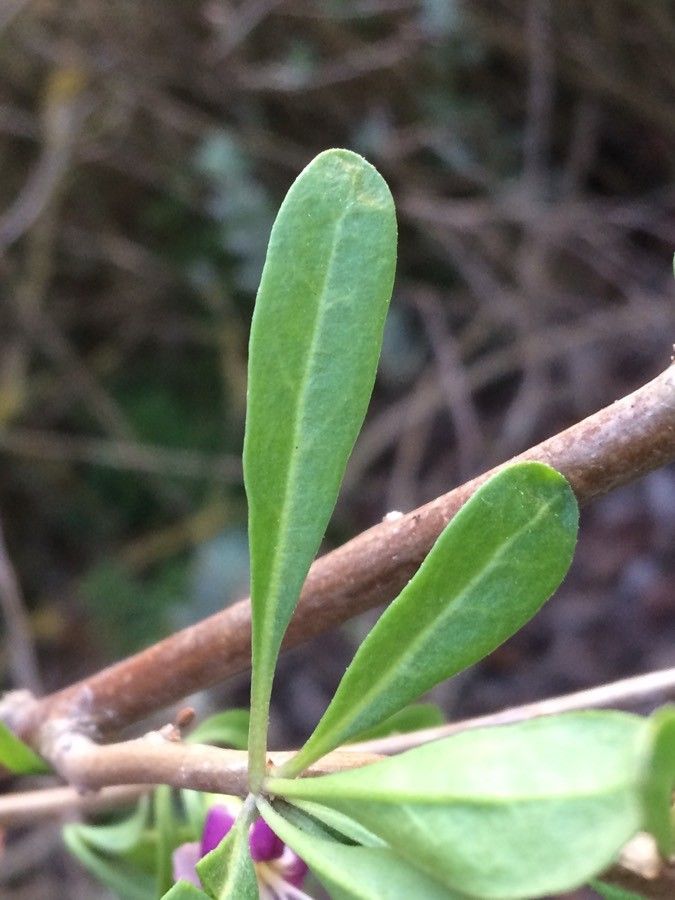
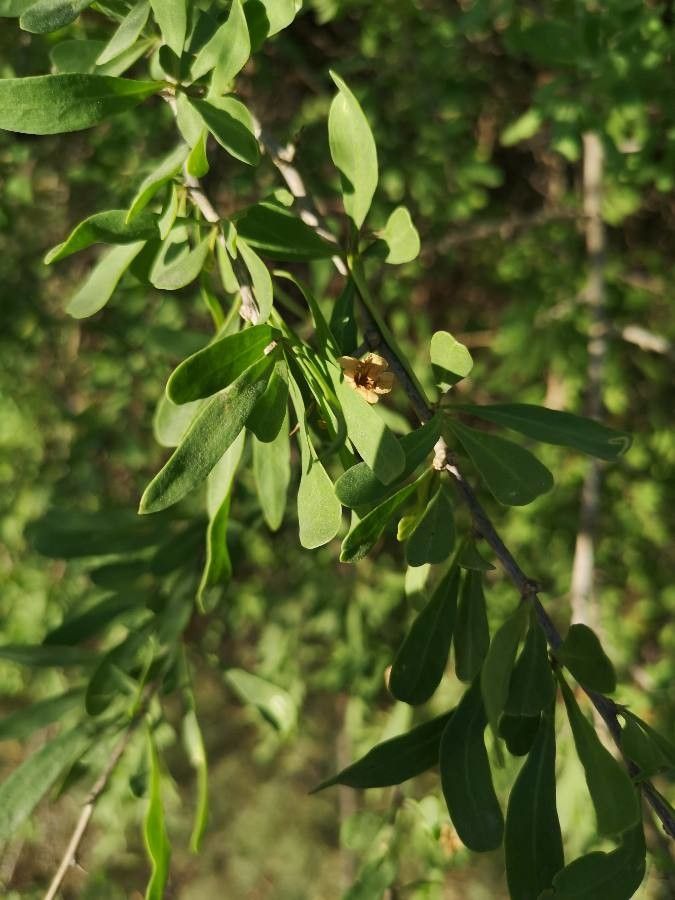
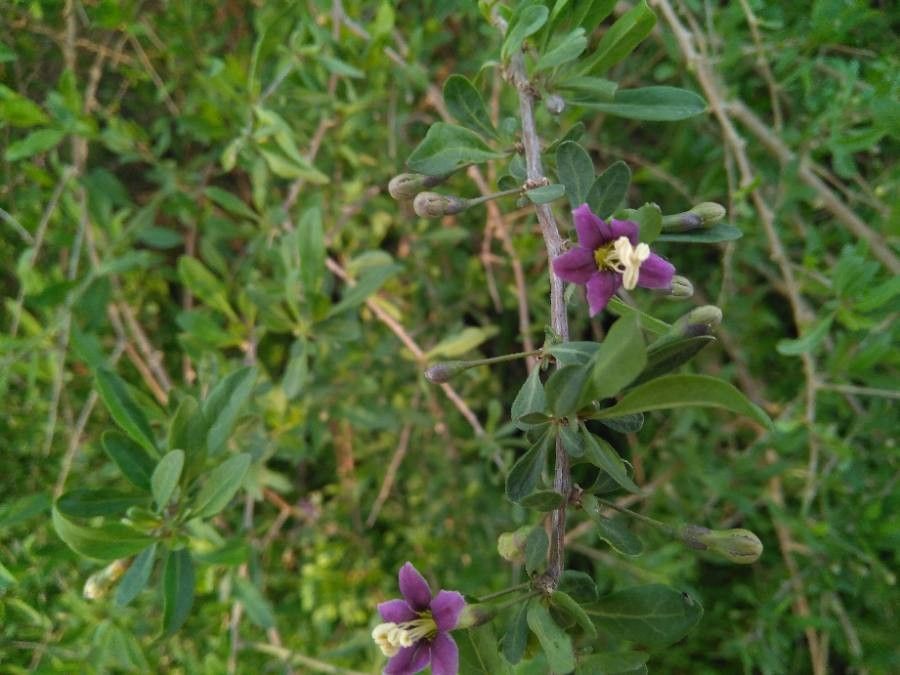
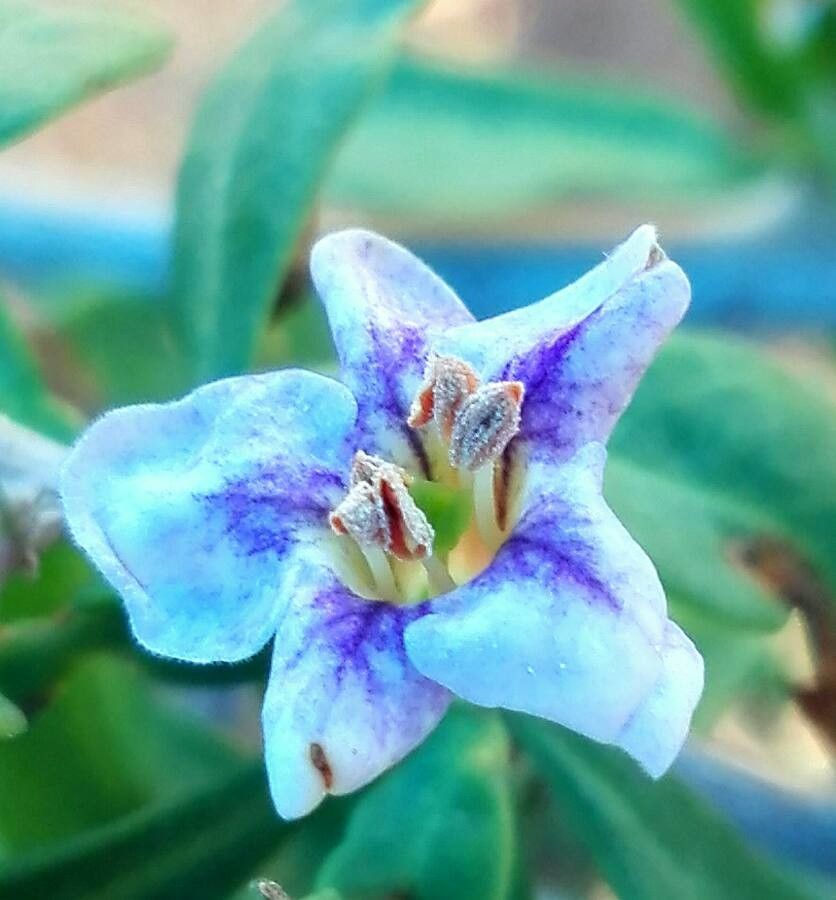
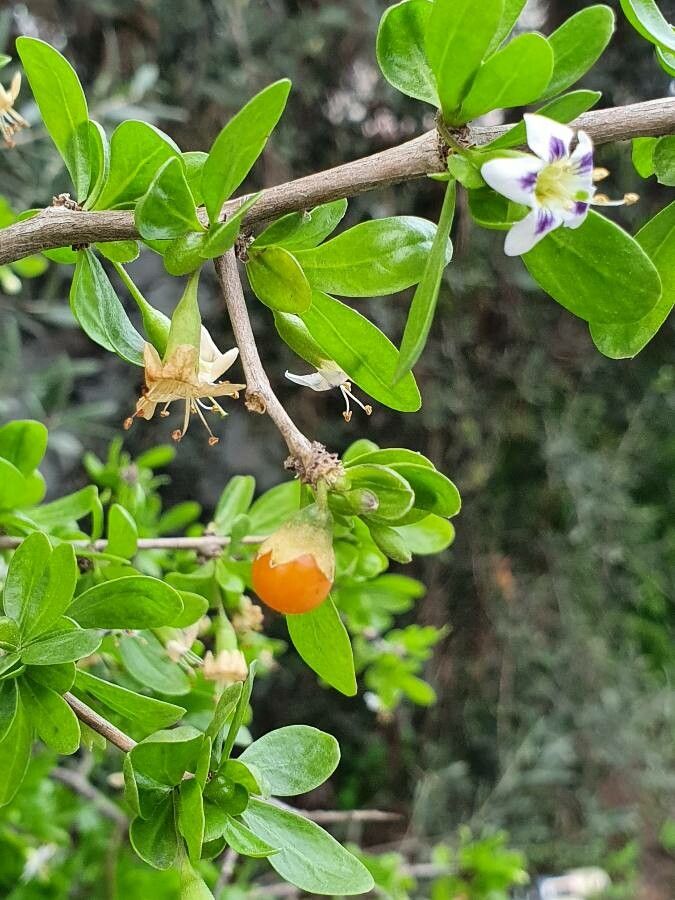
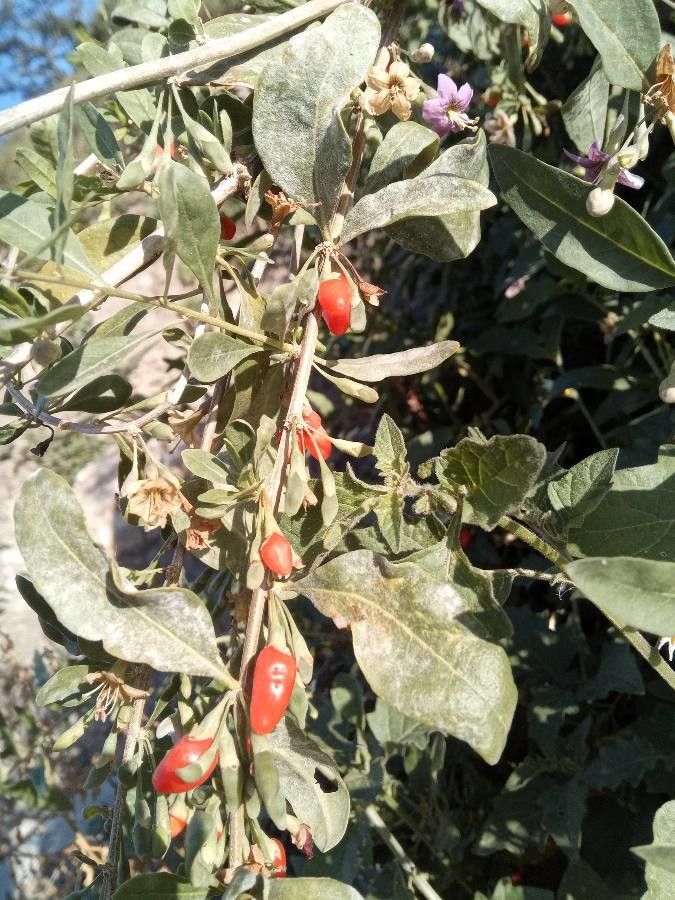
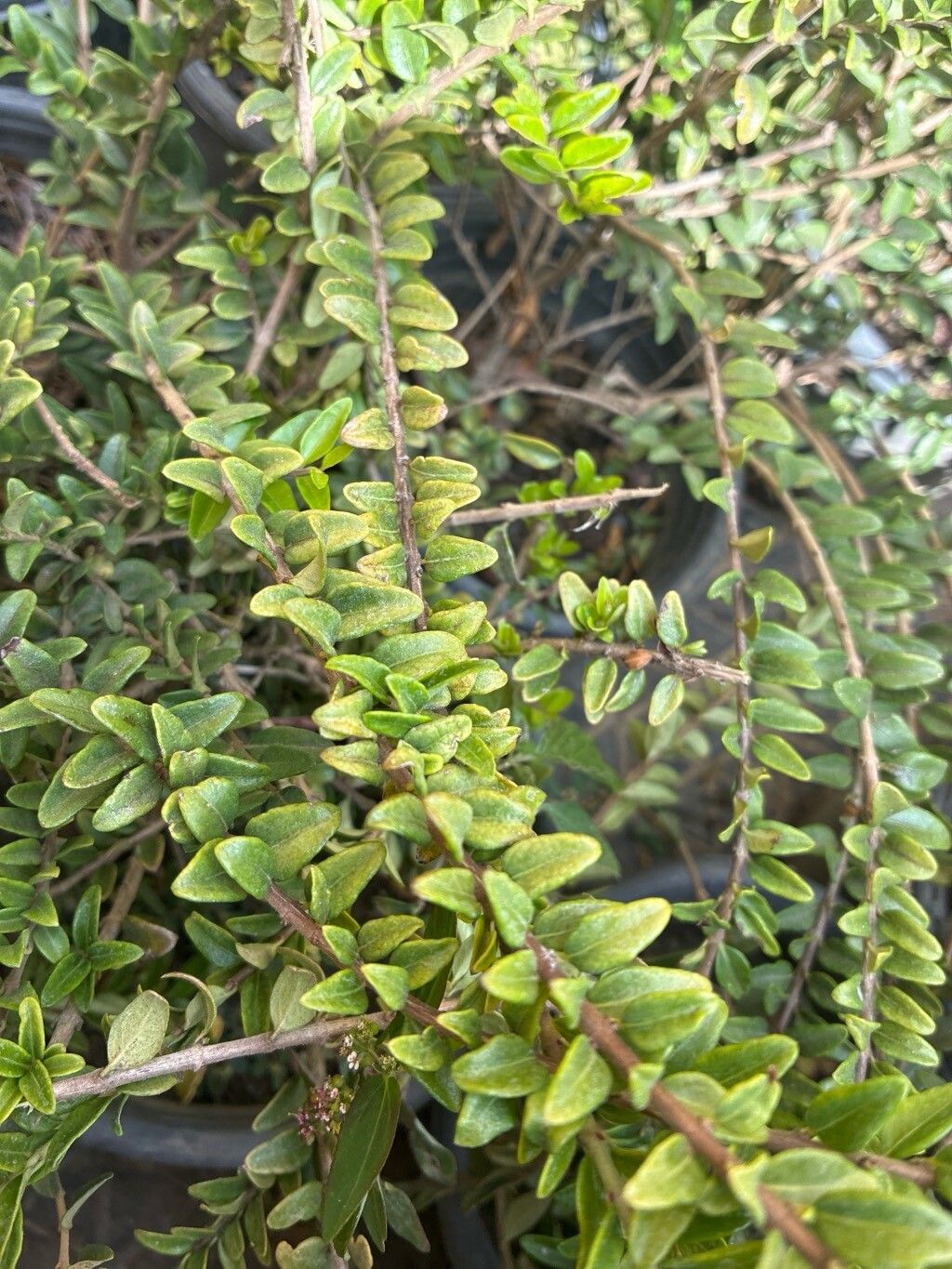
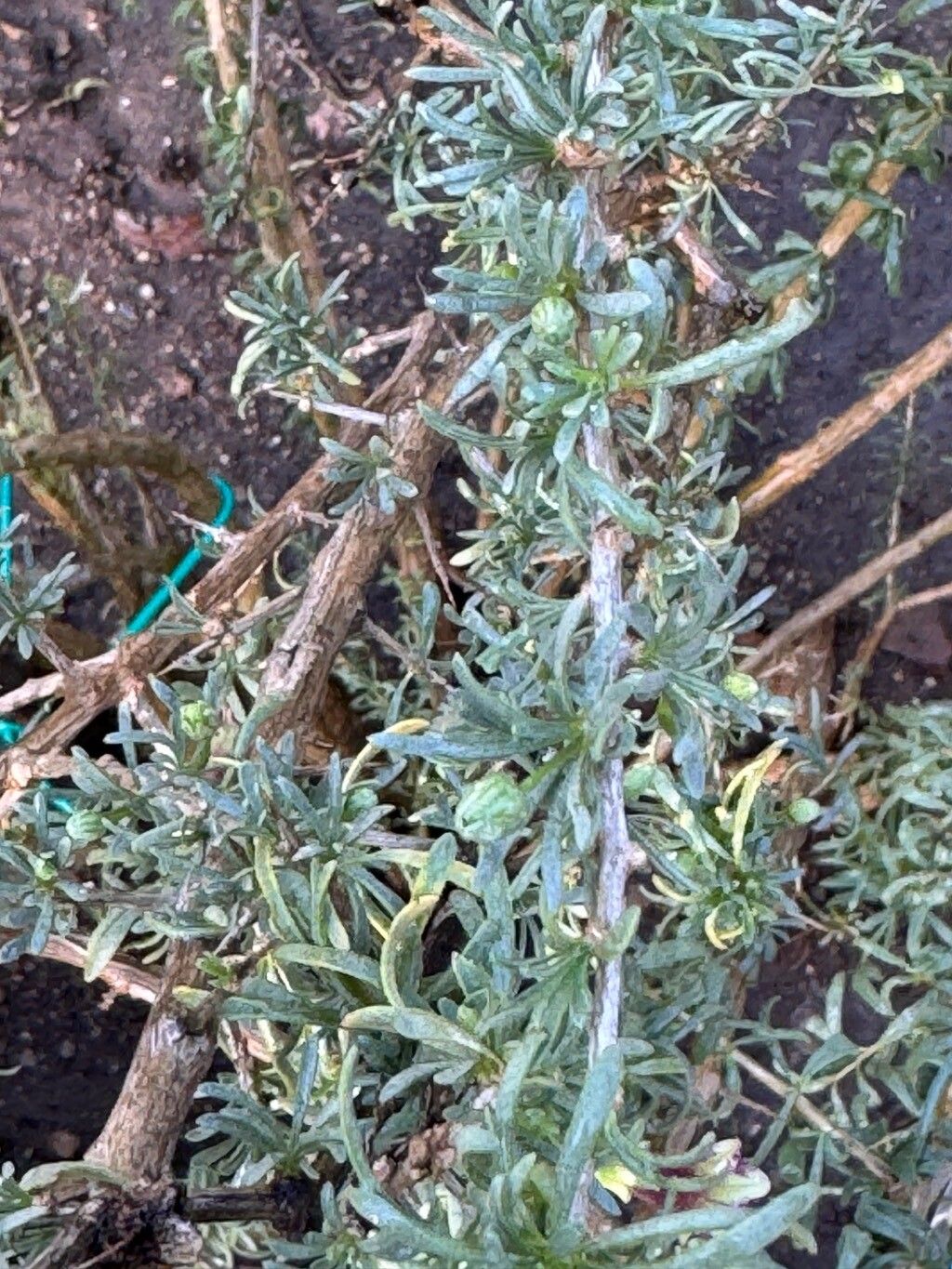
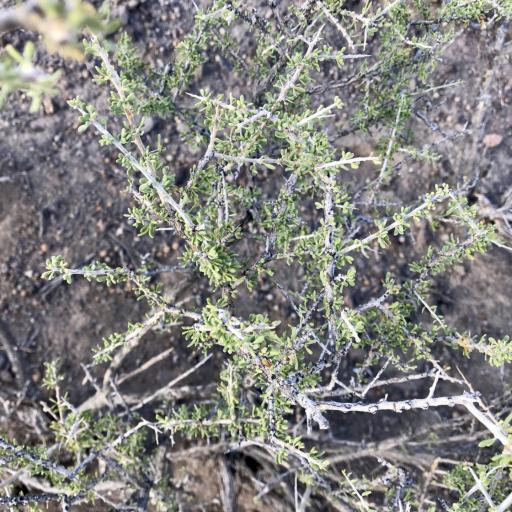
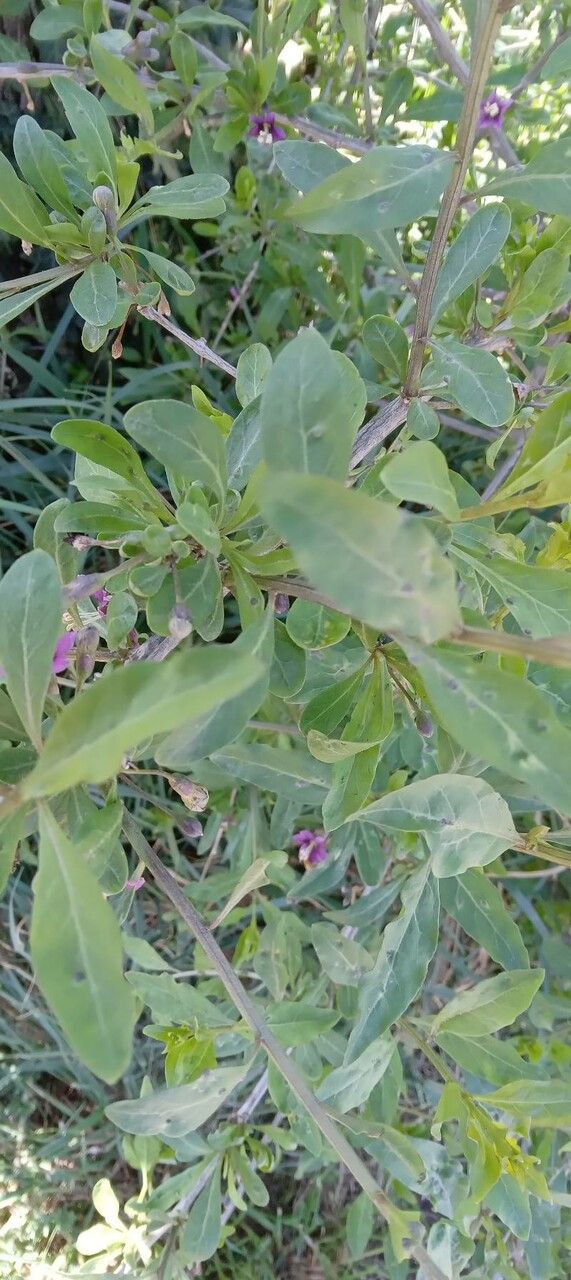
Lycium europaeum, the European tea tree, European box‑thorn, or European matrimony‑vine, is a species of flowering plant in the family Solanaceae. It is native to the entire Mediterranean region, and has been introduced to the Canary Islands, Madeira, and the Balearic Islands. Its fruit is edible.
Chinese Boxthorn is highly resistant to disease and is generally seldom affected by illnesses. In terms of care, this plant is fairly low-maintenance. When grown outdoors it needs little watering, and larger specimens usually do not require pruning. Smaller plants, however, should be pruned after they finish blooming. Chinese Boxthorn is suitable for anyone with an outdoor area, such as a garden or deck, and does not demand much gardening experience.
How to keep Lycium Europaeum.
Light
The Chinese Boxthorn plant does best when it receives a generous amount of sunlight each day. It can also tolerate some shaded areas. Its strong preference for bright light comes from its native habitat, which has plentiful daylight. Too much or too little sunlight can interfere with its normal growth and vitality.
Water
Bastard jasmine flourishes in conditions with occasional moisture, needing moderate weekly watering to keep the soil consistently moist without becoming waterlogged. This outdoor plant grows best in temperate regions, particularly during the rainy season, which is vital for its growth and development.
Temperature
Chinese Boxthorn comes from regions with a moderate climate and does best in temperatures from 41 to 95 °F (5 to 35 °C). In colder weather, it should be protected from freezing. In extremely hot conditions, provide shade.
Fertilizer
The Chinese Boxthorn needs adequate nutrients to achieve optimal fruit production. Fertilize in early spring to encourage new growth and flower development. Regular feeding keeps the plant healthy, produces tastier fruit, and prevents nutrient deficiency problems like yellowing leaves and poor fruit yield.
Pruning
Regular pruning of bastard jasmine is essential for maintaining its health and appearance. The best time to do this is from early to late winter, before new growth begins. Concentrate on removing any dead wood and thinning out crowded areas to improve air circulation. This process helps shape the plant, control its growth, and enhance its overall health and visual appeal.
Botanical profile.
- Plant Type
- Vine, Shrub
- Life Cycle
- Perennial
- Genus
- Lycium
- Family
- Solanaceae
- Hardiness Zone
- 5-9
- Mature Height
- 91 cm
- Mature Spread
- 2.13 m
- Leaf Color
- Green
- Leaf Type
- Deciduous
- Flower Color
- Purple, Lavender
- Flower Size
- 1.02 cm to 1.52 cm
- Bloom Time
- Late spring, Early summer, Mid summer
- Planting Time
- Spring, Autumn
- Harvest Time
- Mid summer
- Native Area
- Nepal, Indonesia, Japan, Mongolia, Laos, Thailand, China
Other names.