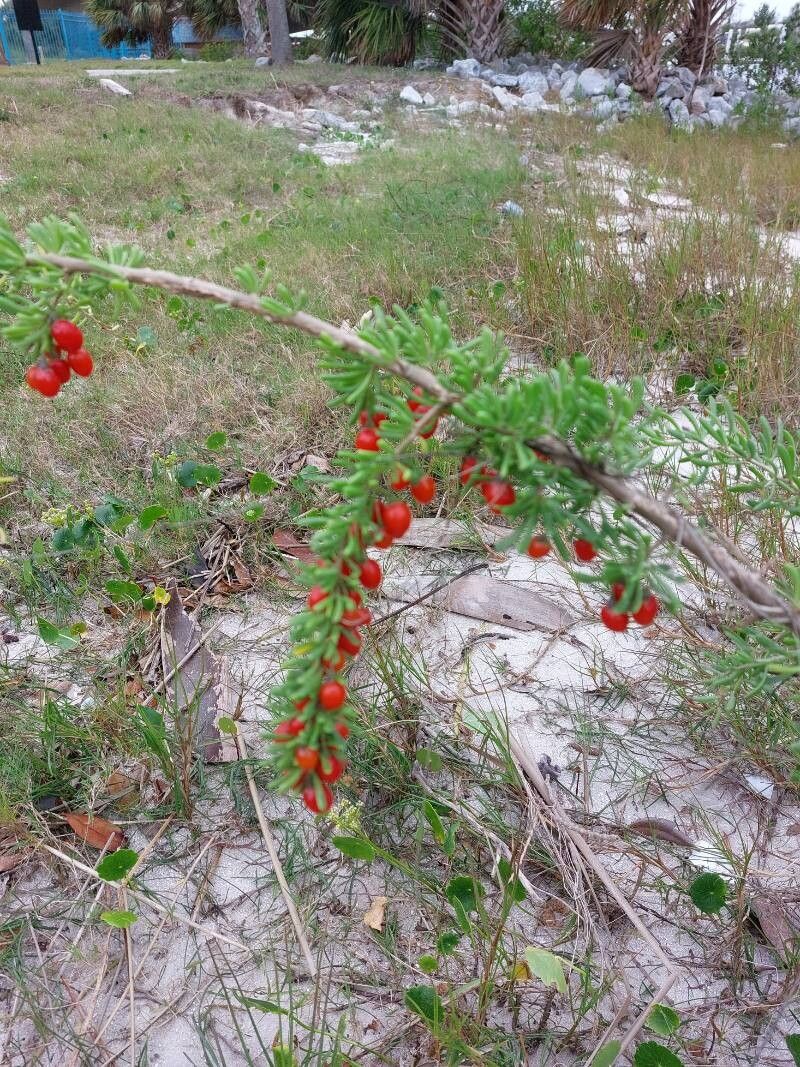
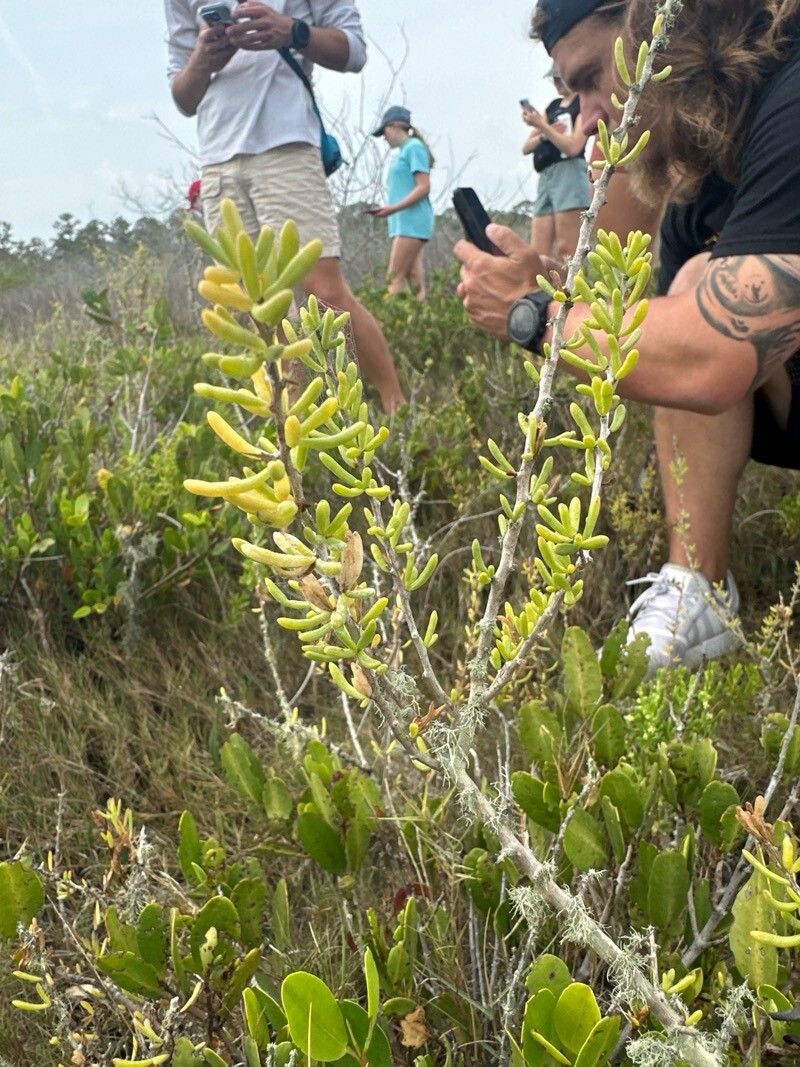
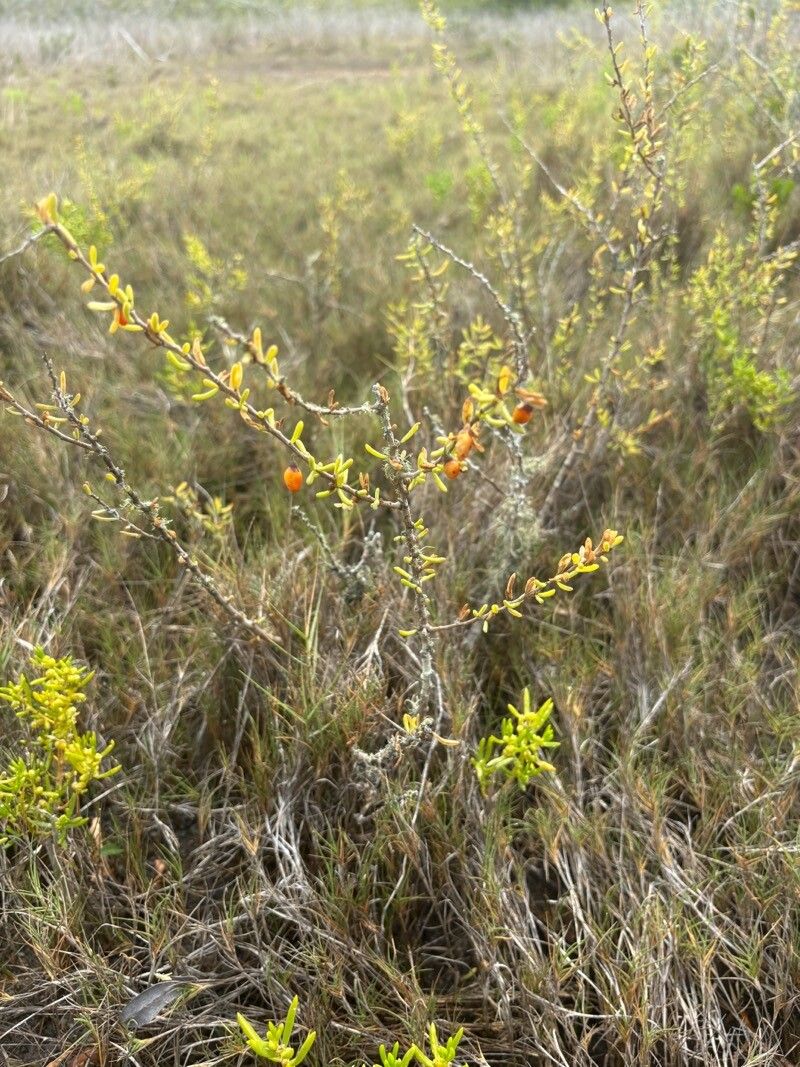
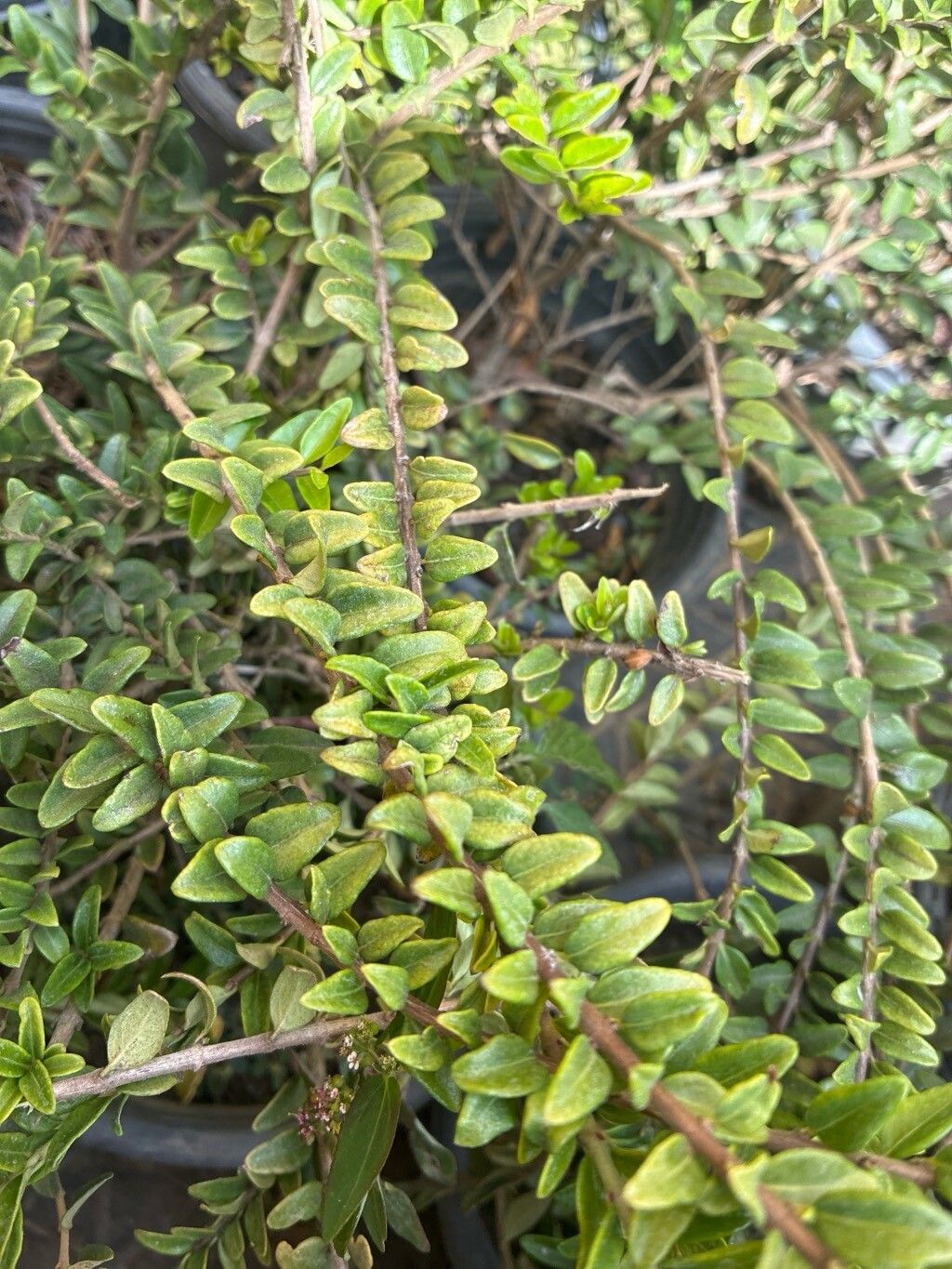
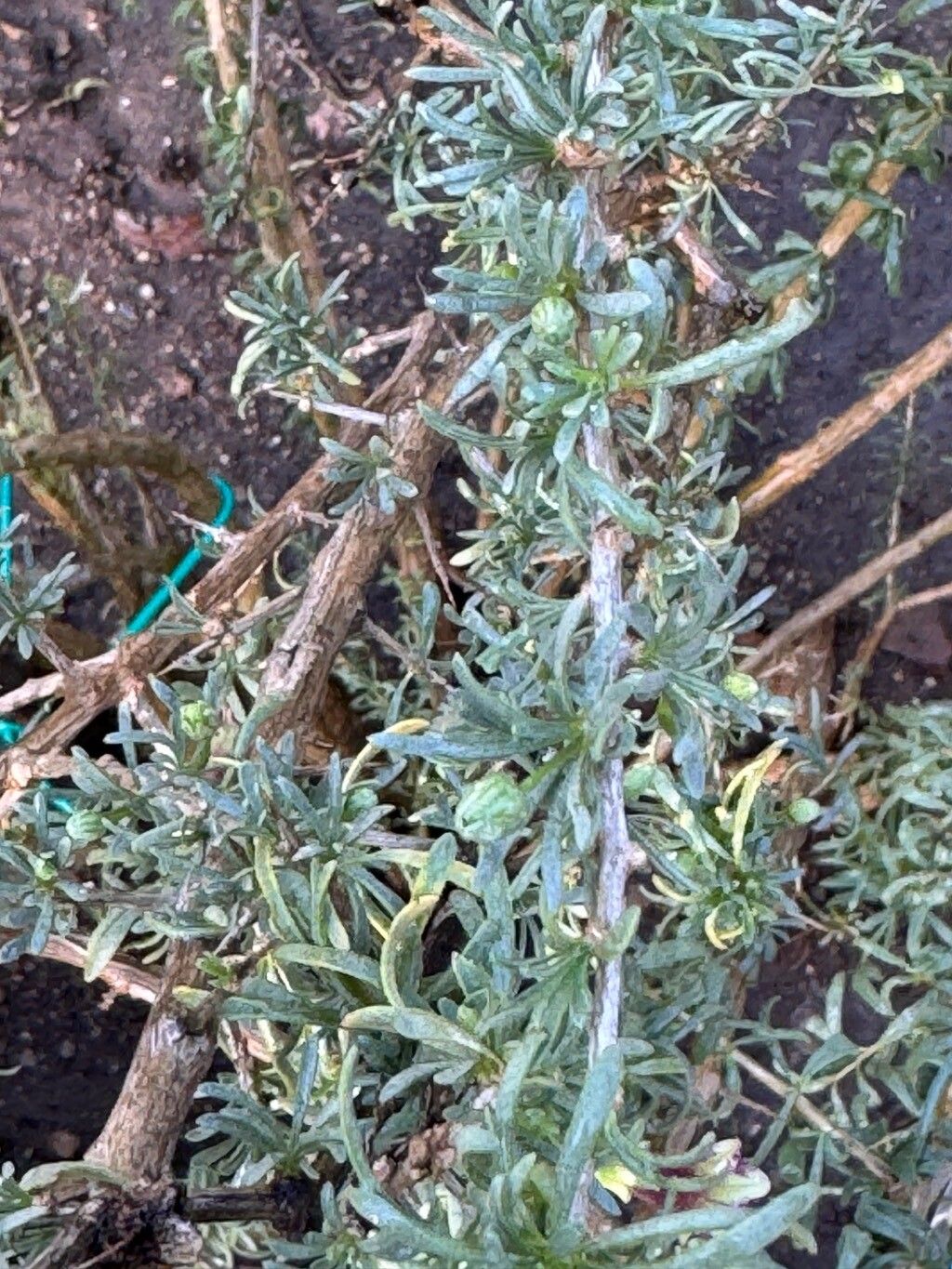
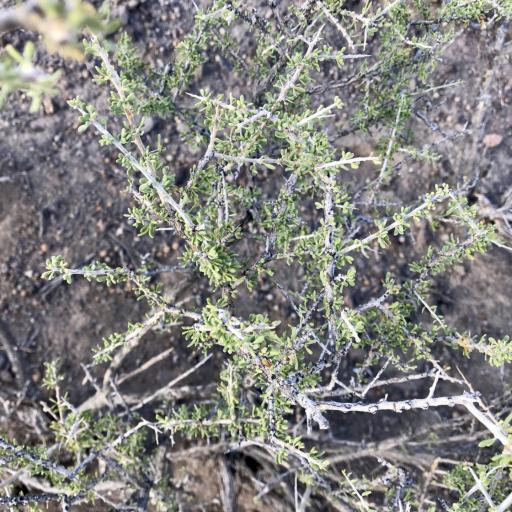
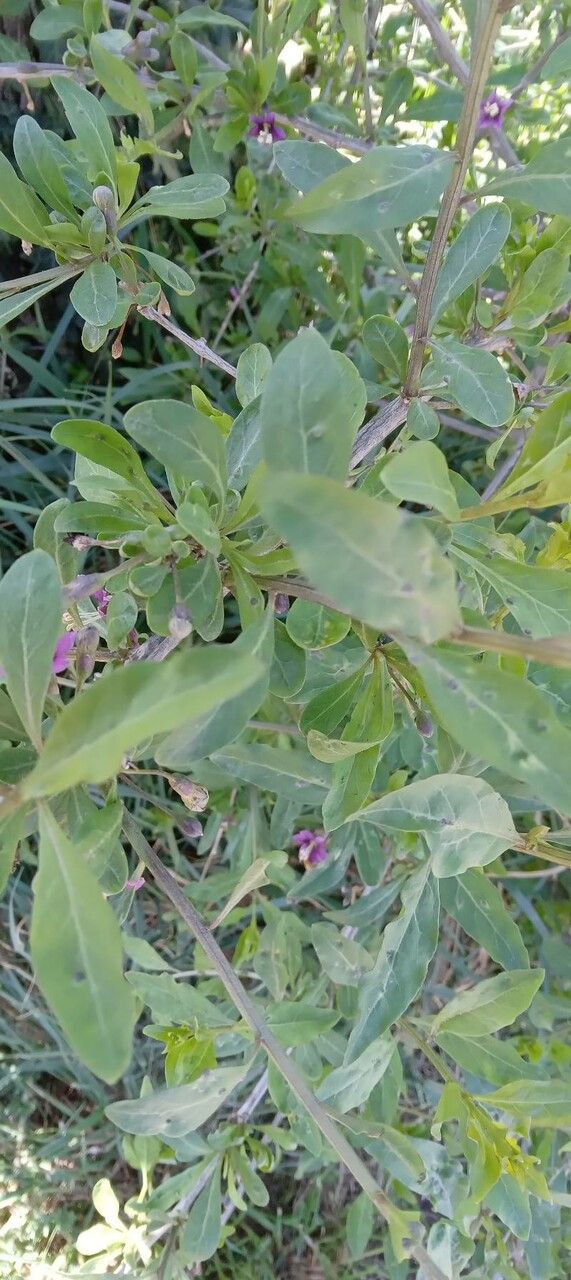
Lycium carolinianum, commonly known as Carolina desert-thorn or Christmas berry, is a species of flowering plant in the nightshade family, Solanaceae,
Carolina desert-thorn is highly resistant to disease and generally not susceptible to illnesses. As for care, this plant is fairly low-maintenance. When grown outdoors it needs only occasional watering, and larger specimens typically do not require pruning. Smaller plants, however, should be trimmed after they finish blooming. Carolina desert-thorn is well suited to anyone with an outdoor area, such as a garden or a deck, and does not demand much gardening experience.
How to keep Lycium Carolinianum.
Light
A significant level of sunlight exposure each day is highly advantageous for the development and vitality of the carolina desert-thorn. Though it possesses the ability to endure in areas where sunlight is intermittently available, its predilection is for surroundings abundant in sunlight. An inequitable amount of exposure, either insufficient or overabundant, can adversely affect the plant's health. As a species from habitats rich in sunlight, the carolina desert-thorn has naturally adjusted its needs for sunlight.
Temperature
The Carolina desert-thorn is indigenous to areas with mild to hot temperatures, generally flourishing within a 59 to 95℉ (15 to 35℃) range. To encourage its growth, it's recommended to manage the temperature to keep it within this range during chillier seasons.
Fertilizer
The schedule for fertilizing Carolina desert-thorn is essential. Begin fertilization in the early spring and continue on a monthly basis until early summer. Fertilizer contributes to the production of beautiful flowers and supplies energy throughout both dormant and active growth periods.
Botanical profile.
- Plant Type
- Shrub
- Life Cycle
- Perennial
- Genus
- Lycium
- Family
- Solanaceae
- Hardiness Zone
- 7-10
- Mature Height
- 1.22 m to 2.44 m
- Mature Spread
- 0.91 m to 1.83 m
- Leaf Color
- Green, Blue
- Leaf Type
- Evergreen
- Flower Color
- Lavender, White
- Flower Size
- 1.27 cm
- Bloom Time
- Late spring, Summer
- Planting Time
- Spring, Summer
- Harvest Time
- Late summer, Fall
- Native Area
- Mexico, Cuba
Other names.