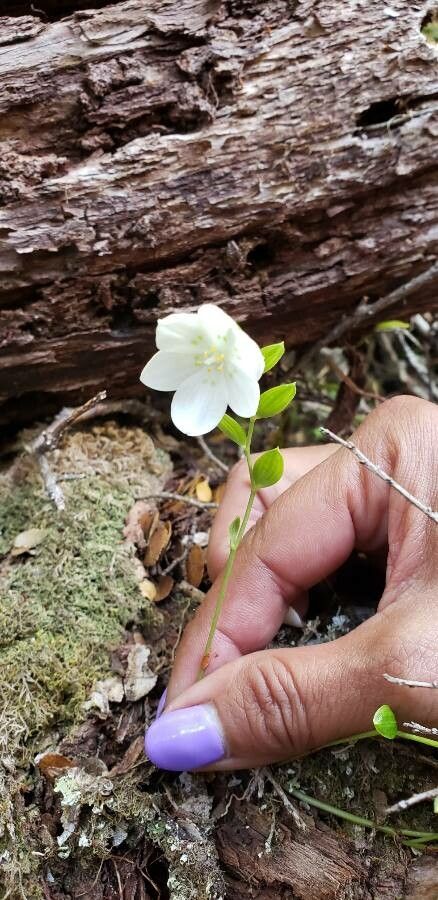
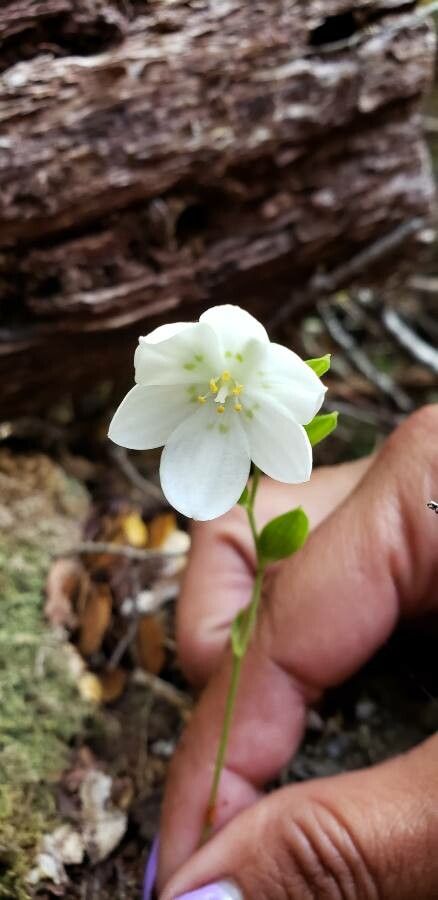
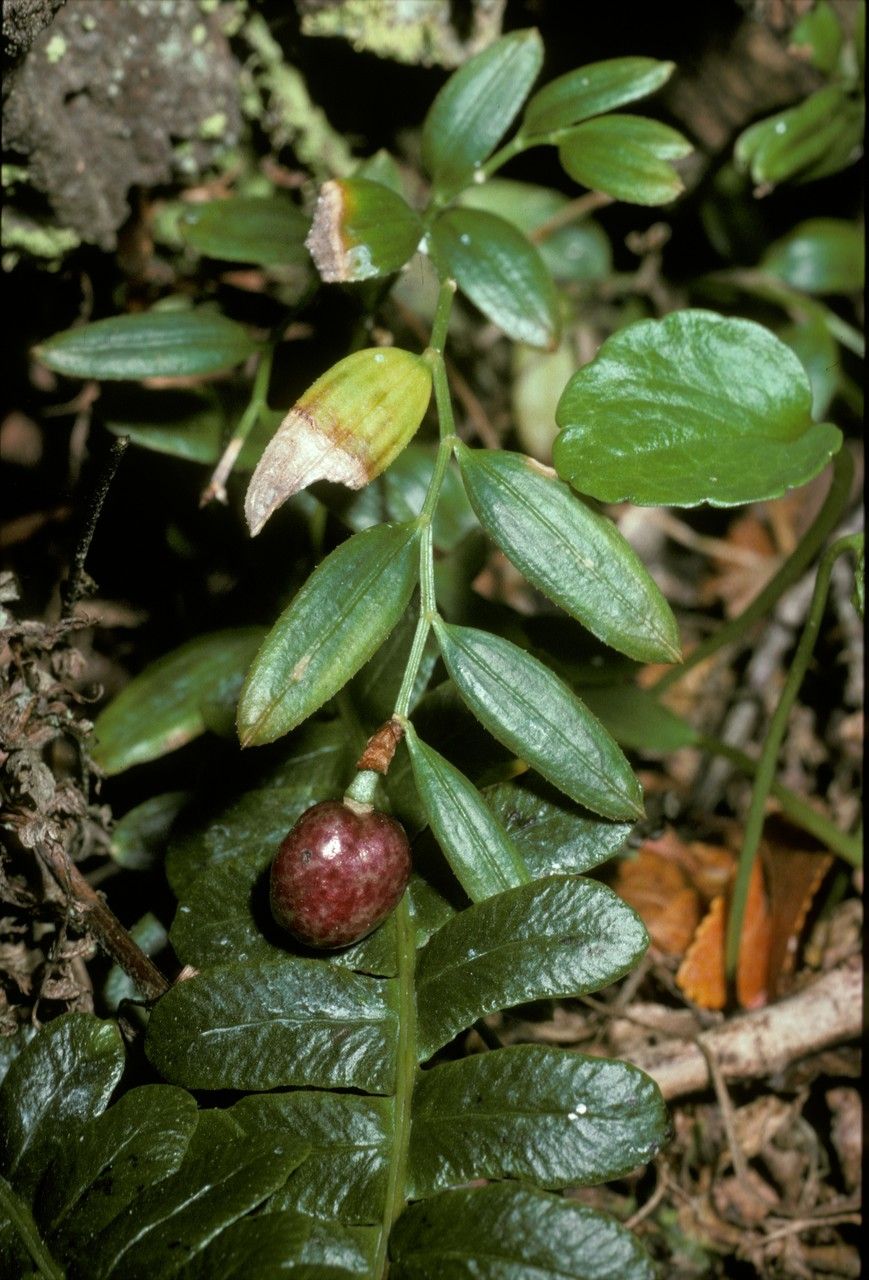
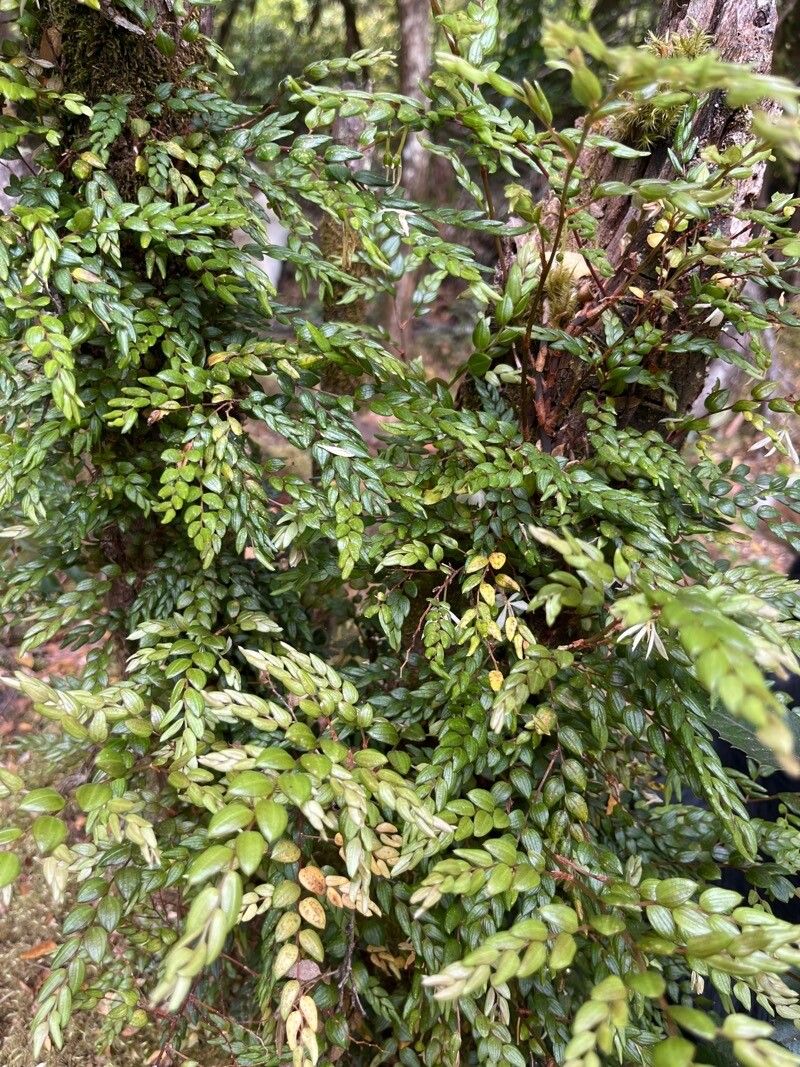
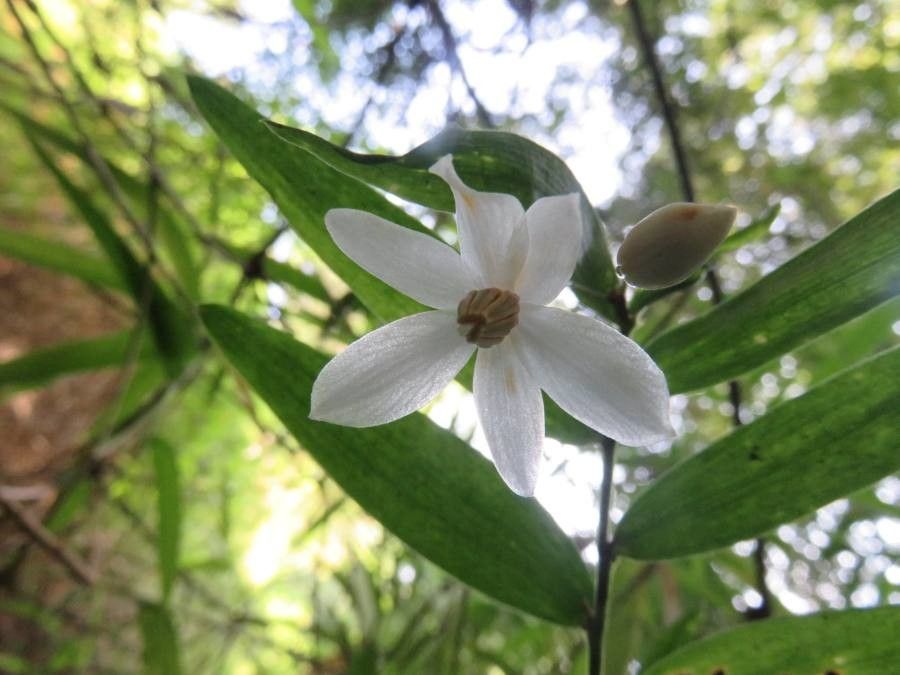
Lantern berry has strong resistance to disease and is generally not vulnerable to illnesses. Still, it can be affected by pests and diseases present in its environment, though these infections are typically mild. Regarding care, this plant needs moderate maintenance. It should be pruned regularly to keep a neat appearance and support healthy growth. Applying fertilizer can also help encourage flowering. Lantern berry is well suited for anyone with outdoor space, like a garden or patio, and does not demand extensive care experience. It may need increased attention if grown indoors.
How to keep Luzuriaga Parviflora.
Light
Lantern berry naturally grows in places like forest understories and rocky areas, where it is exposed to natural shade. It prefers partial sun but can tolerate full sun or full shade, showing that it is adaptable and hardy.
Water
Lantern berry, which originates from temperate forest understories, thrives in dappled light and consistently moist conditions. It prefers evenly moist soil and typically requires watering once a week. Although often grown indoors, regular misting can enhance leaf vitality and bloom quality by mimicking the plant's naturally humid environment.
Temperature
Lantern berry can adjust to a wide range of temperatures, but its distribution may still be restricted by different combinations of water and heat. It performs best in warm summer climates with adequate rainfall or watering. Extended periods of cloudy, rainy weather or sustained high temperatures can raise the likelihood of Lantern berry dying. In winter, protecting the plant from cold can increase its survival rate.
Fertilizer
One fertilizer application in spring is usually enough for Lantern berry, but several feedings can maximize growth. Apply fertilizer once every month to a month and a half. Fertilization improves leaf appearance and function, promoting uniform color and a healthy texture. It also encourages root growth and nutrient absorption, supporting long-term plant health.
Pruning
Lantern berry plants need careful pruning in early spring to remove dead stems and encourage new growth. Late spring is the best time for shaping the plants, as this will not interfere with blooming. Regular pruning helps improve air circulation and sunlight exposure, promoting healthy and vigorous growth. Be sure to use clean tools for the best results.
Botanical profile.
- Plant Type
- Herb
- Life Cycle
- Perennial
- Genus
- Luzuriaga
- Family
- Alstroemeriaceae
- Hardiness Zone
- 8-10
- Mature Height
- 30 cm to 49 cm
- Mature Spread
- 20 cm to 30 cm
- Leaf Color
- Dark Green
- Leaf Type
- Deciduous
- Flower Color
- White
- Flower Size
- 1.02 cm to 1.52 cm
- Bloom Time
- Mid spring, Late spring
- Planting Time
- Spring, Summer, Autumn
- Harvest Time
- Mid summer, Late summer, Early fall
- Native Area
- New Zealand
Reader questions.
How much water does my Lantern berry plant need?
To properly water your Lantern berry, don't hold back on the amount of water you give. Wait until the top two to three inches of soil are dry, then water thoroughly until the soil is completely soaked. Make sure to add enough water so that it flows out of the drainage holes at the bottom of the pot. If you don't see any excess water draining, it's likely that you haven't given enough water. But be careful not to let water accumulate in the soil, as this can harm the plant. On the other hand, if water doesn't drain well through the pot, it could be a sign of poorly draining soil, which is unhealthy for the plant. If the plant is outdoors, about 1 inch of rainfall per week should be enough.
What are the sunlight requirements for plants?
Plants have varying sunlight requirements to thrive. Partial sun plants need about 3-6 hours of sunlight per day, while full sun plants require more than 6 hours of sunlight daily. It's essential to observe how sunlight moves through your garden to identify the best spots for your plants, ensuring they receive the right balance of light and shade.
What's the difference between watering my Lantern berry inside and outside?
Growing the Lantern berry indoors is common for gardeners in non-temperate and non-tropical regions. However, it's important to consider that soil in a container may dry out faster compared to ground soil. Factors like air conditioning units can also accelerate the drying process, which means you may need to water your indoor Lantern berry more frequently. On the other hand, if you plant it outside and receive regular rainfall, watering may not be necessary as the rainwater can keep the plant alive. In contrast, indoor growers cannot rely on rainwater to soak the soil, so they will need to water their Lantern berry more often.
What kind of environment is ideal for Lantern berry plants?
The Lantern berry, or Luzuriaga parviflora, is native to environments such as forest understories or rocky areas, where it naturally experiences shade. It prefers partial sun but can also tolerate full shade. This versatility makes it a robust perennial herbaceous plant that can thrive in various conditions.
What artificial lighting requirements do indoor plants have?
Indoor plants require adequate lighting for optimal growth, especially when natural sunlight is insufficient. Artificial lights, such as LED lights, are beneficial because they can be tailored to provide specific wavelengths needed by plants. Full sun plants need 30-50W/sq ft, partial sun plants 20-30W/sq ft, and full shade plants 10-20W/sq ft of artificial light. The light source should be placed 12-36 inches above the plant and kept on for 8-12 hours per day to mimic natural sunlight conditions.
What are some symptoms of light deficiency in Lantern berry plants?
Symptoms of light deficiency in Lantern berry plants include smaller new leaves, leggy or sparse growth, faster leaf drop, slower or no new growth, lighter-colored new leaves, chlorosis, sunscald, leaf curling, wilting, and leaf scorching. These symptoms indicate that the plant isn't receiving adequate light, which is crucial for its health and growth.
How can you address light deficiency issues in Lantern berry plants?
To address light deficiency in Lantern berry plants, gradually increase their sunlight exposure if they are outdoors by moving them to sunnier spots each week. For indoor plants that are large or not easily movable, consider using artificial light, keeping a desk or ceiling lamp on for at least 8 hours daily, or invest in professional plant grow lights. If your plants are in the ground and blocked by trees, reduce obstructions by pruning or consider transplanting smaller plants during their dormant period to a location with ample sunlight and good drainage.