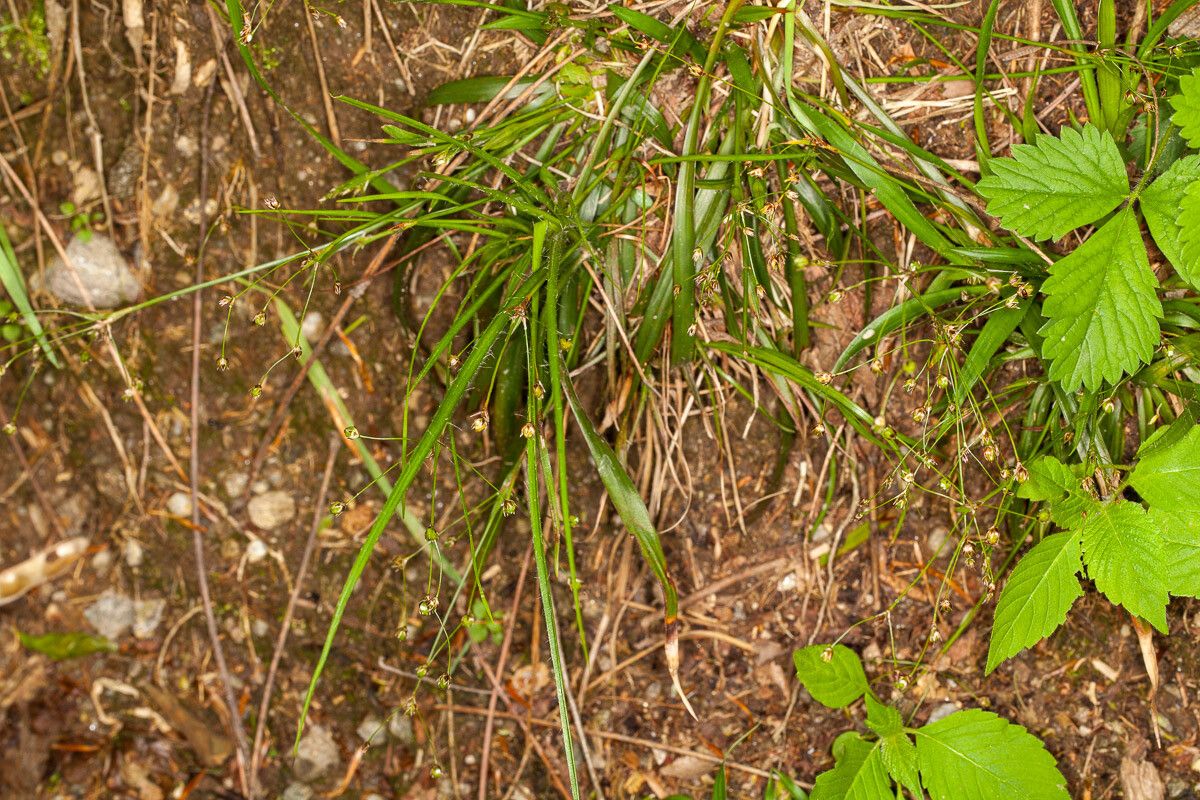
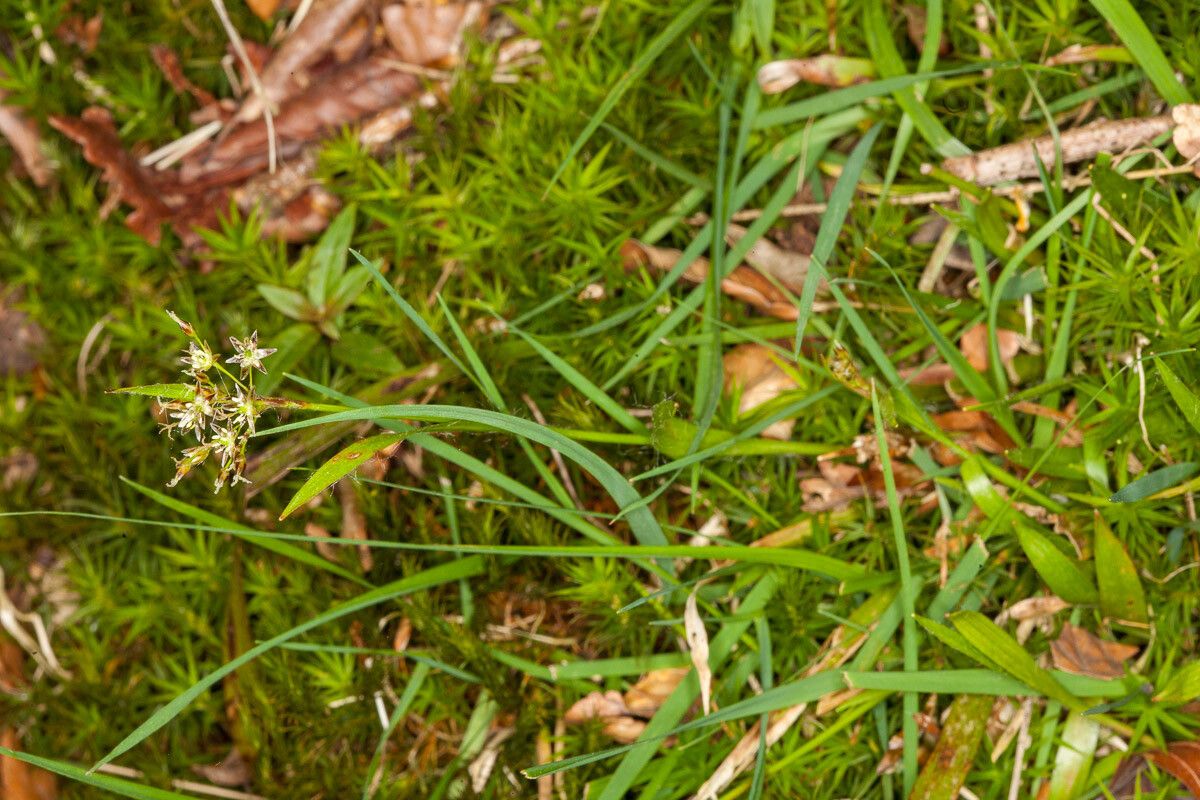
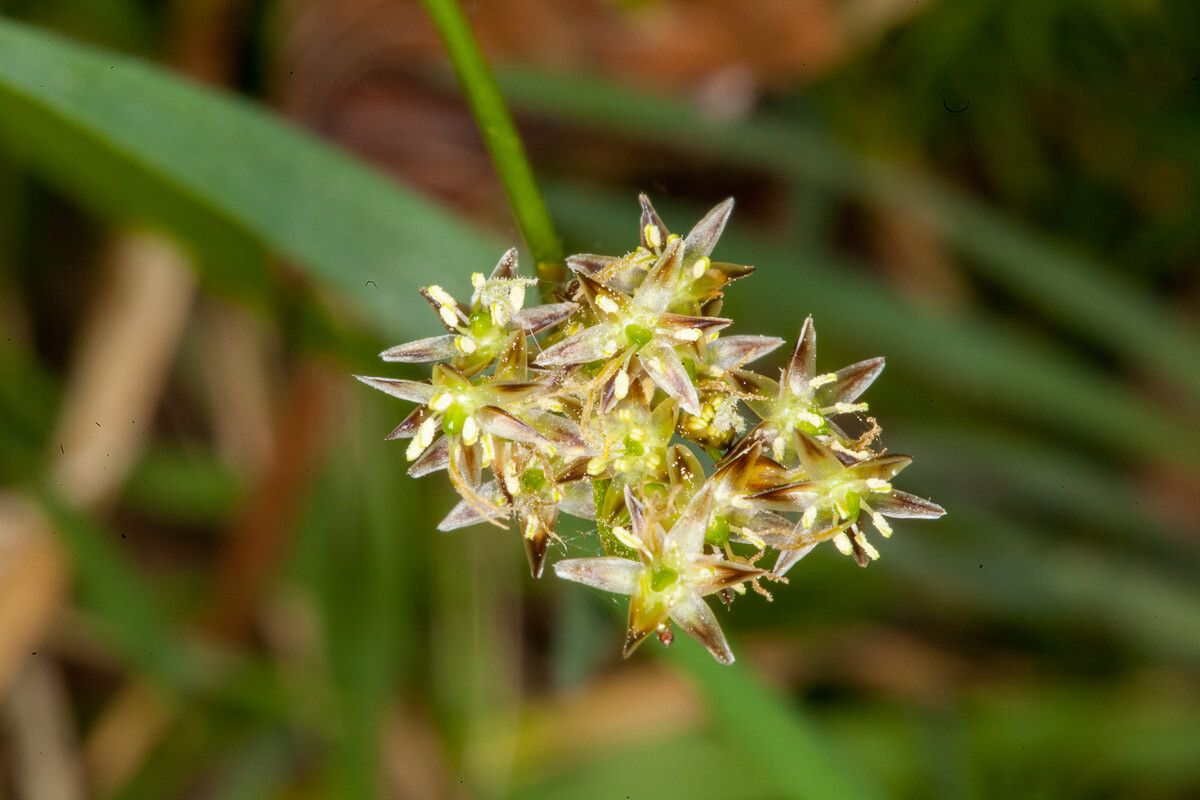
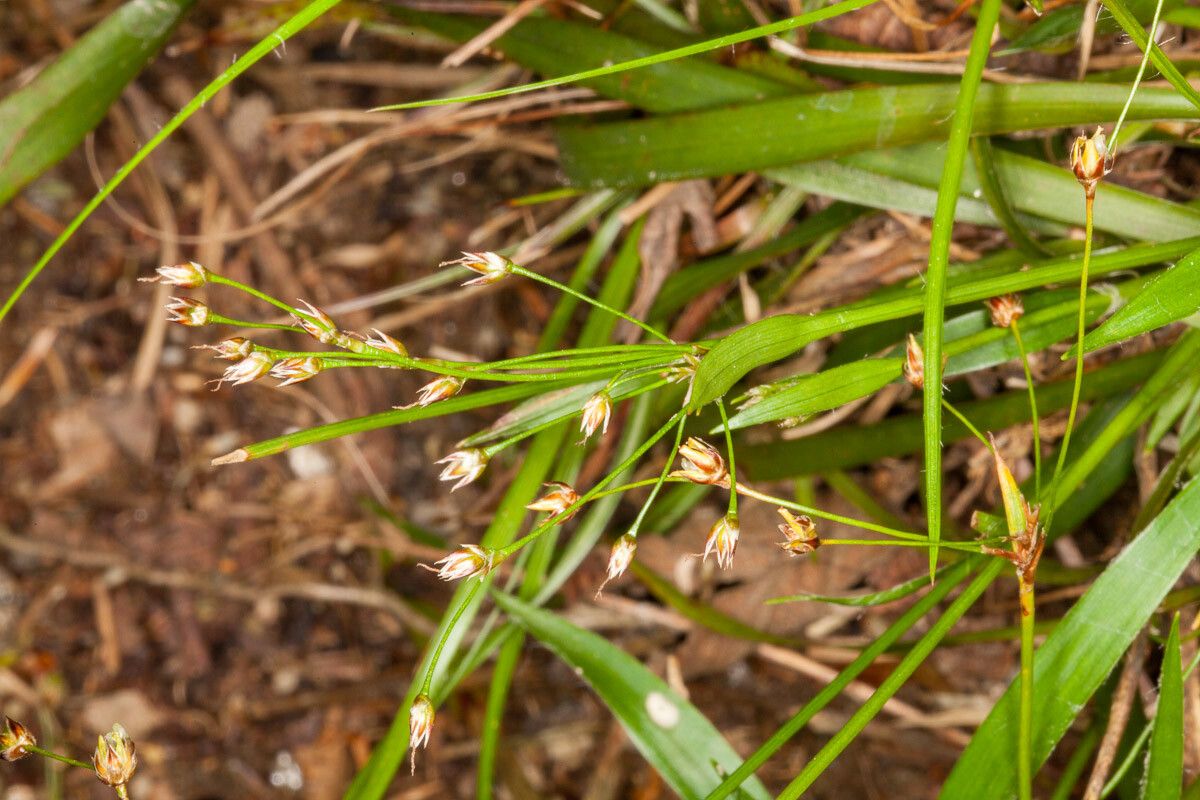
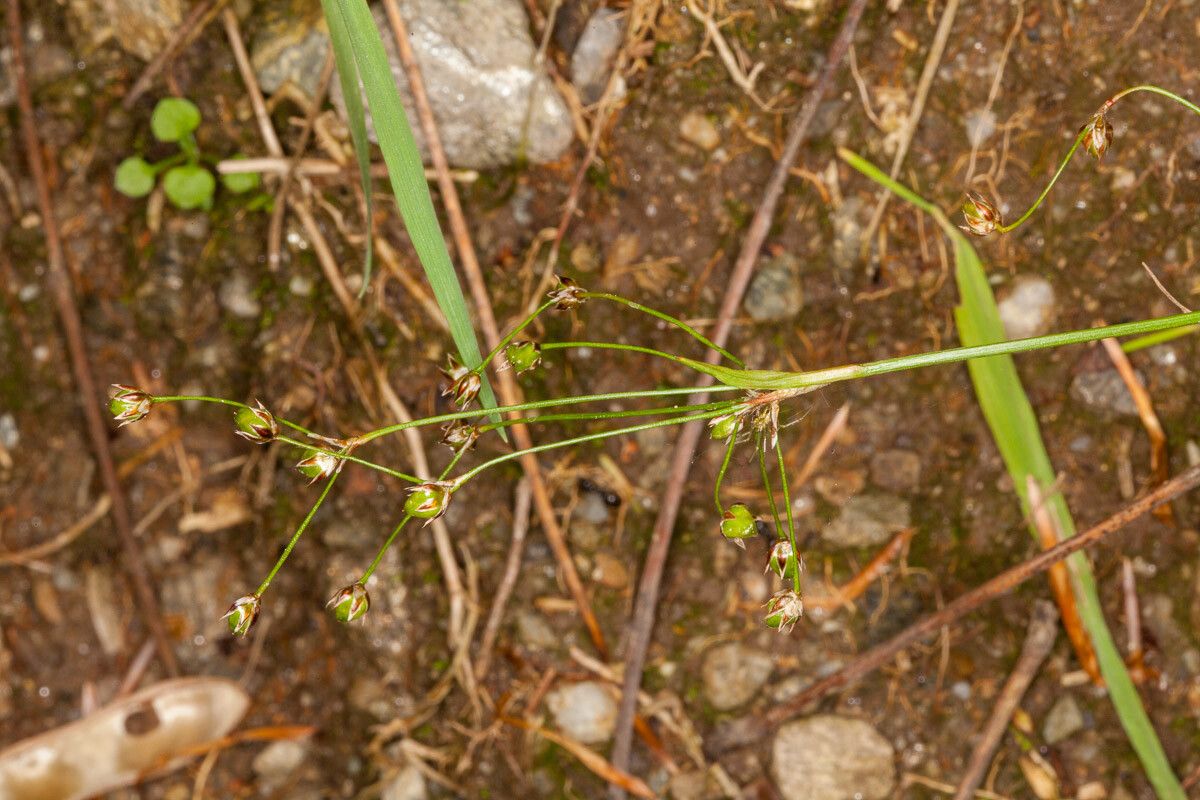
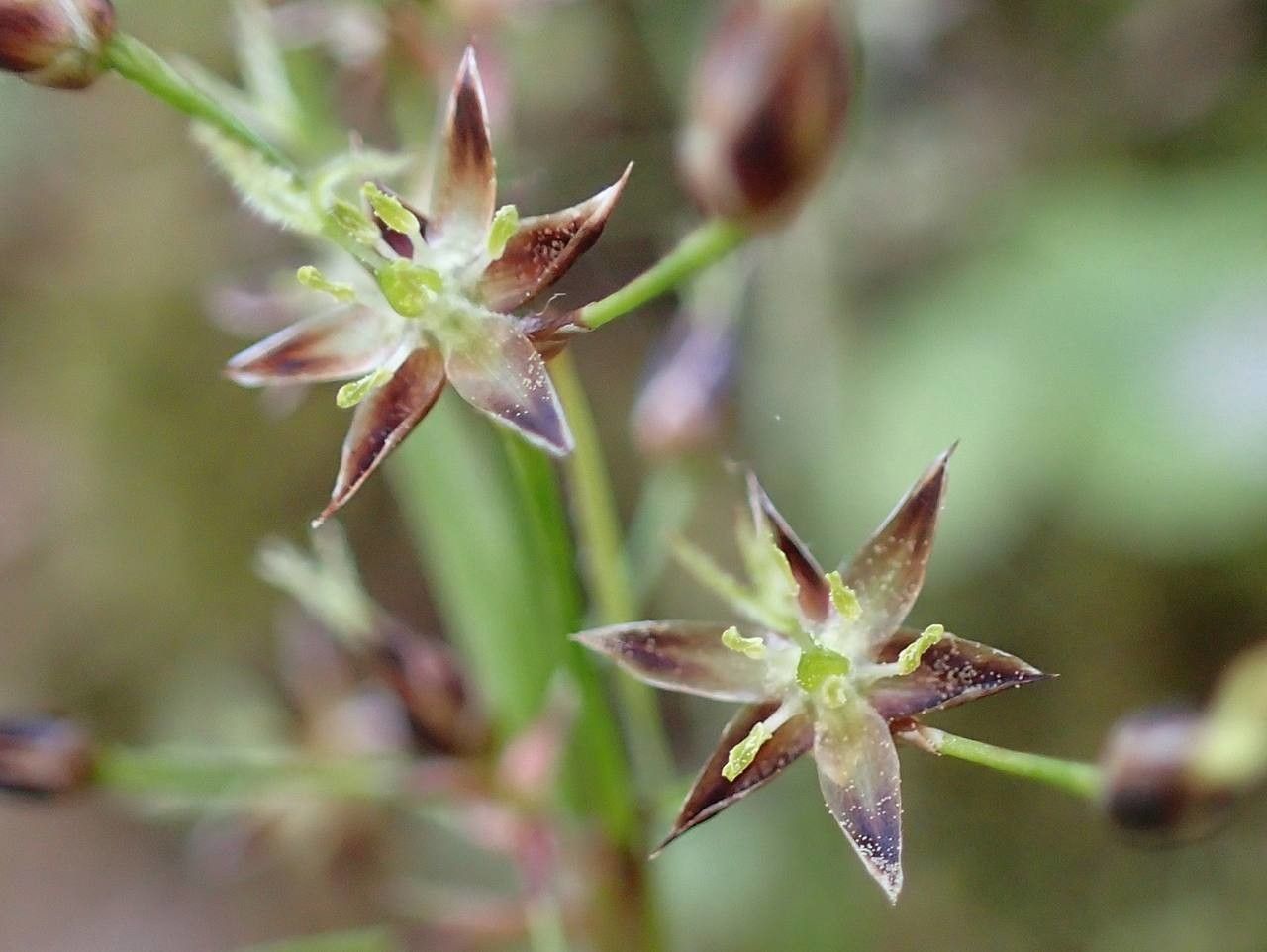
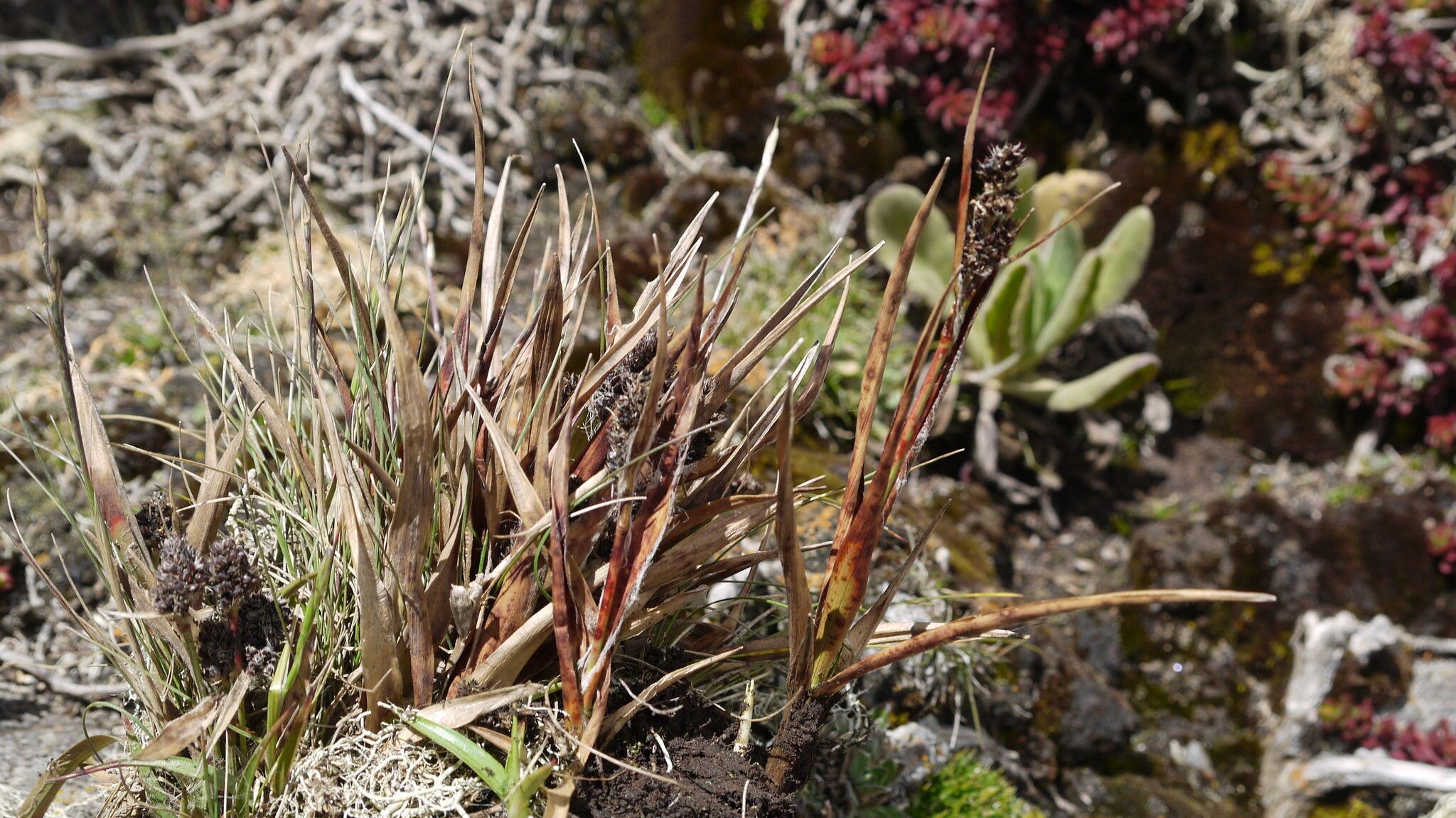
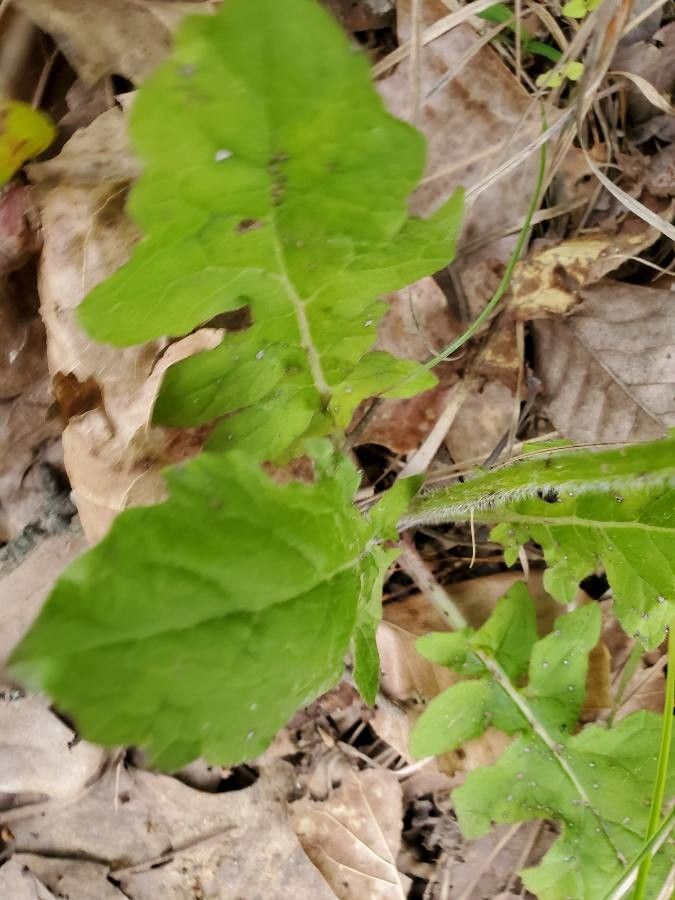
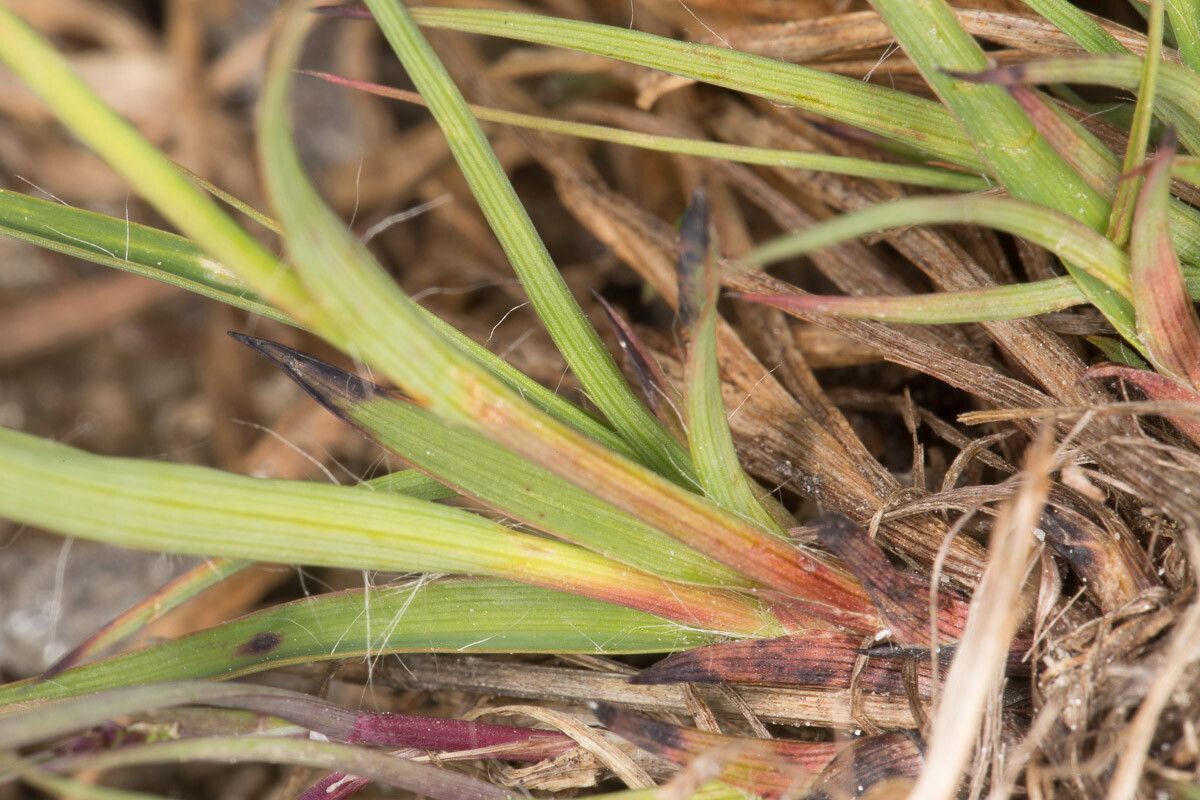
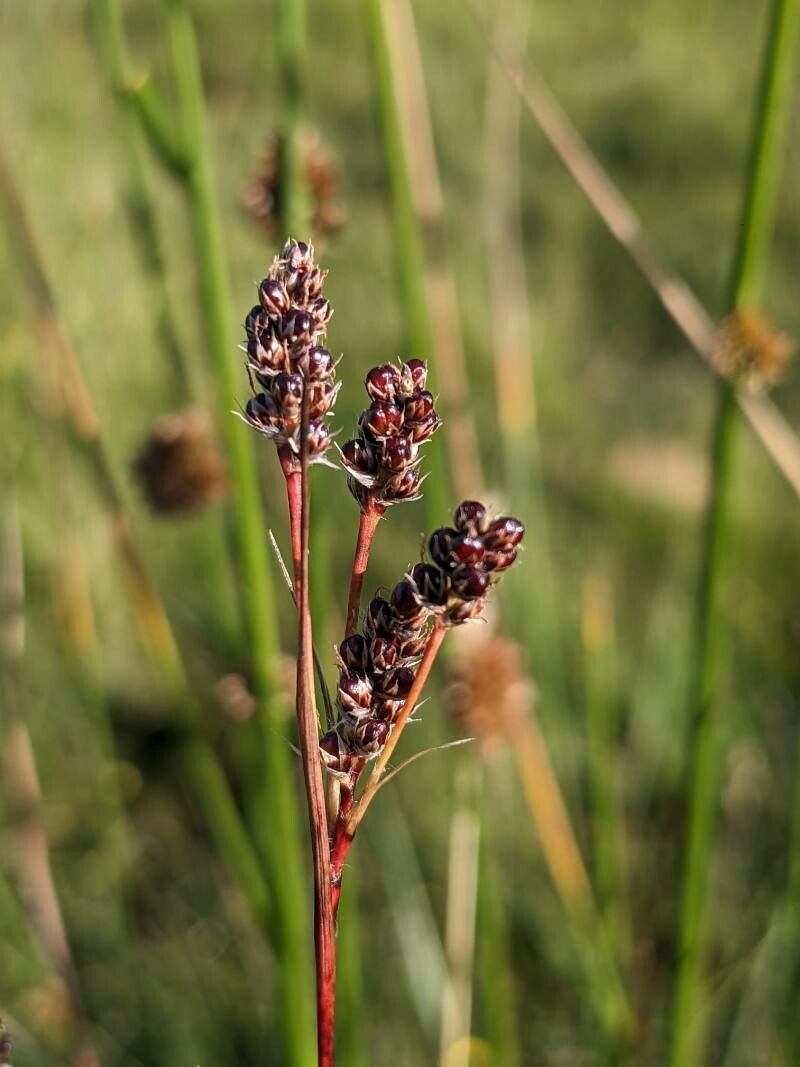
Luzula pilosa, commonly known as hairy woodrush, is a perennial plant belonging to the Juncaceae family. It is native to Europe and Asia and thrives in various habitats such as woodlands, meadows, and rocky slopes. The plant grows up to 30 cm in height and features narrow, dark green leaves. Its flowers are small and inconspicuous, displaying a brownish-green coloration.
Hairy woodrush is favored as an ornamental plant due to its attractive foliage, which remains green throughout the year. Although it prefers moist soil conditions, it can tolerate dry soil once established. Additionally, the plant possesses medicinal properties, containing compounds traditionally used to treat ailments such as fever, coughs, and wounds.
Beyond its ornamental and medicinal value, hairy woodrush plays a crucial ecological role. It provides habitat for various insects, including moths and butterflies, which feed on its leaves or use it for shelter during their life cycles.
In summary, Luzula pilosa is a versatile perennial plant with aesthetic, medicinal, and ecological benefits, offering year-round greenery, traditional healing compounds, and crucial support for insects like moths and butterflies.
Hairy wood-rush is fairly disease-resistant and generally not prone to illness. However, it can be affected by pests and diseases present in its environment. These infections are typically mild. In terms of care, this plant requires moderate maintenance. It should be pruned regularly to maintain a tidy appearance and support healthy growth. Fertilizing can also help encourage flowering. Hairy wood-rush is suitable for anyone with outdoor space, such as a garden or patio, and does not demand extensive gardening experience. It may need more attention when grown indoors.
How to keep Luzula Pilosa.
Light
Hairy wood-rush typically performs best with moderate sunlight, though it can tolerate mostly shaded conditions. Its native habitat probably experienced a range of light levels, but steady moderate sunlight supports optimal growth. Excessive light can inhibit growth, while insufficient light may slow its development.
Water
The hairy wood-rush thrives in cool temperate forests, preferring consistently moist soil that is well-hydrated but not waterlogged. For optimal growth, it should be watered once a week. As an outdoor plant, it benefits from natural rainfall and dappled light provided by larger trees, which help meet its health and hydration needs.
Temperature
Hairy wood-rush is a plant suited to temperate climates, native to areas where temperatures range between 50 and 77 °F (10 to 25 °C). It favors this temperature range for optimal growth. Seasonal adjustments may be required to maintain these conditions.
Fertilizer
Generally, a single fertilizer application in spring is adequate for Hairy wood-rush, but repeated feedings can maximize growth. Apply every one to one and a half months. Fertilization improves leaf appearance and function, maintaining even color and a healthy texture. It also promotes root growth and nutrient absorption for the plant's long-term health.
Pruning
To keep hairy wood-rush healthy, it's best to prune it from early to late spring. This involves removing dead leaves to encourage new growth and maintain the plant's shape. Pruning also improves air circulation, reduces pests, and promotes overall plant health. Make sure to use clean, sharp tools to prevent any damage to the plant.
Botanical profile.
- Plant Type
- Herb
- Life Cycle
- Perennial
- Genus
- Luzula
- Family
- Juncaceae
- Hardiness Zone
- 6
- Mature Height
- 20 cm
- Mature Spread
- 20 cm
- Leaf Color
- Green
- Leaf Type
- Evergreen
- Flower Color
- Brown
- Flower Size
- 0.25 cm to 0.51 cm
- Bloom Time
- Early spring, Mid spring
- Planting Time
- Spring, Summer, Autumn
- Harvest Time
- Late spring, Early summer
- Native Area
- Sweden, Austria, Czech Republic, Slovakia, Bulgaria, Poland, Greece, Croatia, Slovenia, Belarus, Ukraine, Serbia, Russia, Lithuania, Norway, Hungary, Germany, Italy, Kazakhstan, Spain, Switzerland, Denmark, Estonia, Finland, France, Ireland, United Kingdom, Romania, Latvia, Belgium, Netherlands
Other names.
Reader questions.
How much water does my Hairy wood-rush plant need?
To properly water your Hairy wood-rush, it is important to be generous with the amount of water you give. Make sure the first two to three inches of soil are dry before watering. It is best to thoroughly water the plant so that the soil is completely soaked. You can determine if you have added enough water by checking if excess water flows through the drainage holes at the bottom of the pot. If no excess water is draining, you may have not provided enough water. However, be careful not to let water accumulate in the soil, as this can harm the plant. On the other hand, if water is not draining through the pot, it could indicate poorly draining soil, which is not good for the plant's health. If the plant is outdoors, receiving one inch of rain per week will be adequate.
What are the sunlight requirements for Hairy wood-rush (Luzula pilosa)?
Hairy wood-rush thrives in partial sun, requiring about 3-6 hours of sunlight. It can also grow in full shade with indirect sunlight, which constitutes less than 3 hours of sunlight daily. It is important to watch how sunlight moves through your garden to choose spots that provide a balance of light and shade for these plants. Although Hairy wood-rush is adaptable and can grow under moderate sunlight, too much light may inhibit its growth, and insufficient sunlight could slow down its development cycle.
What is the ideal temperature range for Hairy wood-rush?
The Hairy wood-rush, or Luzula pilosa, thrives in moderate climates, preferring temperatures between 50 to 77 °F (10 to 25 °C) for optimal growth. This temperature range is essential for the plant's development, and seasonal adjustments might be needed to keep the conditions within this bracket.
How should I water my Hairy wood-rush plant?
To properly care for the Hairy wood-rush plant, choose filtered water at room temperature for watering. Tap water may have harmful particles, so it's best to avoid using it. Since the plant is native to warm environments, it's important to use water that is at room temperature or slightly warmer to prevent any shock to its system. Instead of watering from above, it's recommended to pour the filtered room temperature water directly onto the soil until it is fully soaked. This helps to moisten the roots and allows them to spread and absorb essential nutrients from the soil.
How can artificial lighting be used for Hairy wood-rush if natural sunlight is insufficient?
When Hairy wood-rush's growth is compromised due to insufficient natural sunlight, especially in winter or less sunny spaces, artificial lighting is a beneficial alternative. Adequate artificial lighting promotes faster, healthier growth. LED lights are popular for their ability to provide specific wavelengths needed by the plant. Depending on the plant's sunlight needs, the intensity of artificial light should be adjusted: 30-50W/sq ft for full sun plants, 20-30W/sq ft for partial sun, and 10-20W/sq ft for full shade plants. The light source should be placed 12-36 inches above the plant and should mimic natural daylight hours, generally 8-12 hours per day.
How does Hairy wood-rush handle cold weather?
Hairy wood-rush is highly cold-tolerant and does not require additional frost protection in winter. However, to prepare for the cold, it is advisable to water the plant generously before the first freeze in autumn. This step ensures the soil stays moist and enters a frozen state, which helps prevent drought and water scarcity during the winter and early spring.
What should I do if I give my Hairy wood-rush plant too much or too little water?
Overwatering is a more common issue than underwatering for the Hairy wood-rush. When the plant gets too much water, its stems and leaves may wilt and turn yellow. Over time, this can cause diseases like root rot, mold, and mildew, which can kill the plant. Underwatering is less likely, but it can still happen. When it does, the leaves become brittle and brown. It's important to notice signs of overwatering early because some diseases, like root rot, can't be fixed if you wait too long. If you see early signs, reduce your watering schedule and check the soil. If the soil doesn't drain well, replace it with a loose, well-draining mix. If your plant shows signs of not getting enough water, simply water it more regularly until the signs improve.
What are the symptoms of light deficiency or excessive light in Hairy wood-rush?
Symptoms of insufficient light in Hairy wood-rush include small leaves, leggy or sparse growth, faster leaf drop, slower or no growth, and lighter-colored or chlorotic leaves. Excessive light can cause chlorosis, sunscald, leaf curling, wilting, and leaf scorching. These conditions indicate either a lack of enough sunlight or too much direct exposure, impacting the plant's health and development.
What should be done if the temperature falls below -25°C?
Although Hairy wood-rush is extremely cold-tolerant, winter temperatures should be maintained above -25°C. If temperatures dip below this threshold, there might not be noticeable changes during winter, but sprouting in spring could decrease or fail to occur. In such cases, any parts that have failed to sprout should be removed in the spring to help the plant recover.
How often should I water my Hairy wood-rush plant?
If your Hairy wood-rush plant is in a pot, the most accurate way to determine if it needs water is by sticking your finger into the soil. If the top two to three inches of soil are dry, it's time to water it. If you are growing your Hairy wood-rush outdoors in the ground, you can use a similar method to test the soil. When the top few inches of soil have dried out, it's time to water. During the spring and early fall, you will likely need to water this plant about once a week using this method. However, when it gets extremely hot, you may need to water it two or more times per week. Keep in mind that mature and well-established Hairy wood-rush plants can tolerate drought well.
What solutions are available to address insufficient or excessive light exposure in Hairy wood-rush?
To address light-related issues in Hairy wood-rush, gradually adapting the plant to the right amount of sunlight is key. Indoors, move the plant to sunnier spots weekly to achieve 3-6 hours of direct sunlight, or use artificial lighting for at least 8 hours daily. Outdoors, gradually relocate the plants to sunnier locations to avoid sunburn. Removing obstructions like trees can help, as well as transplanting smaller plants to sunnier spots. It is noted that parts of the plant damaged by inappropriate light conditions may not recover, but new growth should be healthy with correct light exposure.
How does Hairy wood-rush respond to high temperatures, and what are the solutions?
Hairy wood-rush does not tolerate high temperatures well. Growth halts, and the plant becomes more susceptible to rot when temperatures exceed 25°C. To mitigate this, sunburned and dried-up parts should be trimmed away. The plant should be moved to a shaded location or covered with a shade cloth to protect it from the midday and afternoon sun. Additionally, watering in the morning and evening can help keep the soil moist and support the plant during hotter periods.