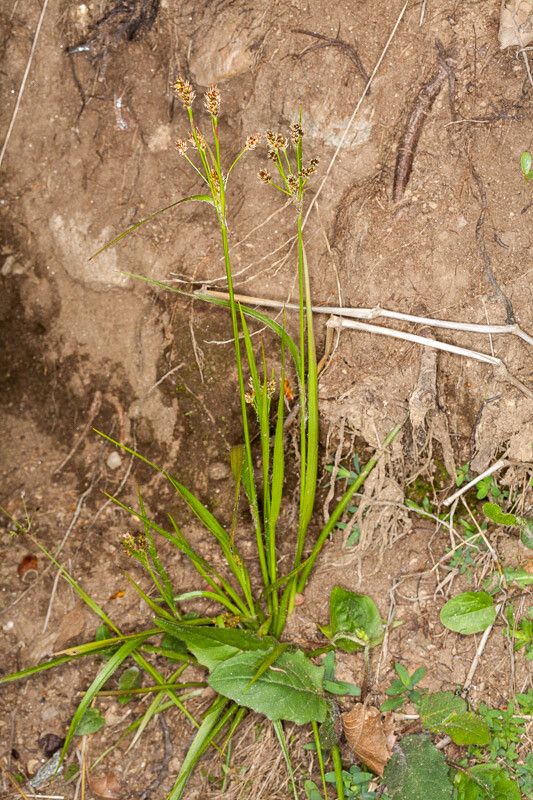
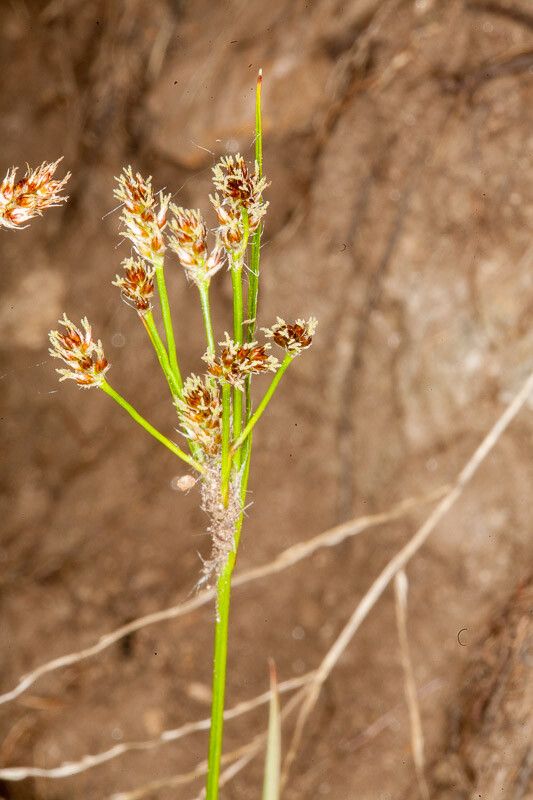
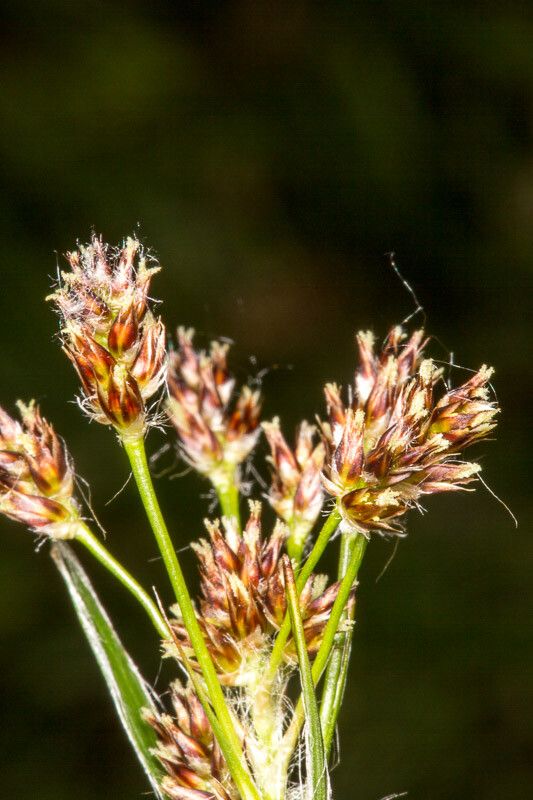
Luzula multiflora, the common woodrush or heath wood-rush, is a species of flowering plant in the rush family. It is native to Europe, eastern Asia, northern Africa, northern North America, including Canada, and in northern regions of the United States. The native status of common woodrush is under some debate. While Flora of North America list it as introduced, the more common opinion is it is a circumpolar species native in North America and in parts of Europe and Asia. The taxonomy of the wood rush complex involving several Luzula spp. has a history of instability. In the past, common woodrush was classified as a variety of a European species, or Luzula campestris multiflora. Both of these species of rush were then also lumped together with another similar species, Luzula echinata (hedgehog woodrush). As a result, Luzula multiflora and Luzula echinata are sometimes confused. Most of the many woodrushes that grow in North America are rather difficult to tell apart. In spite of the resemblance of rushes and woodrushes to grasses or sedges, they have the same number and arrangement of flower parts as lilies.
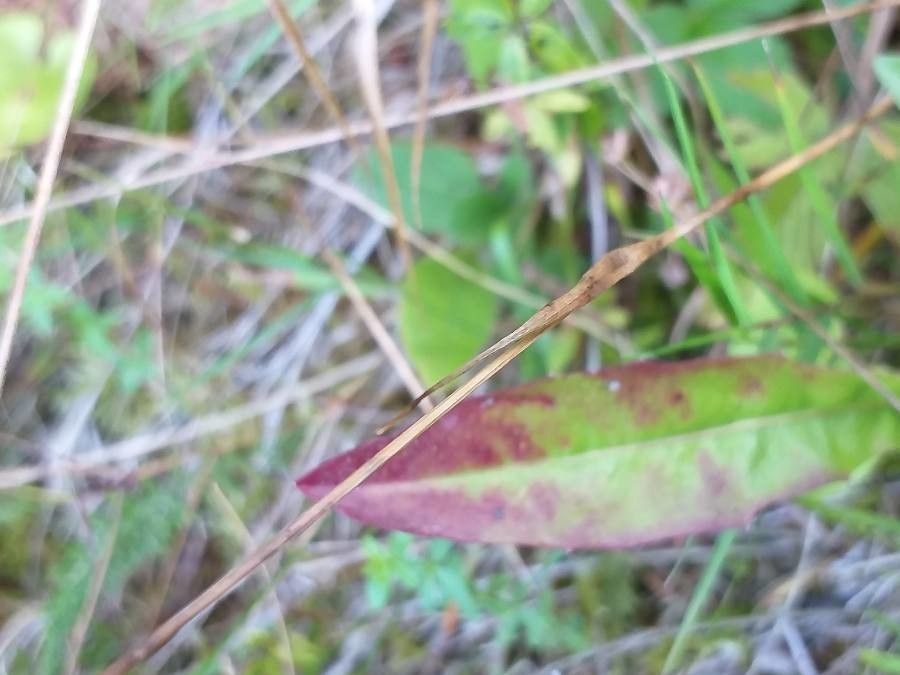
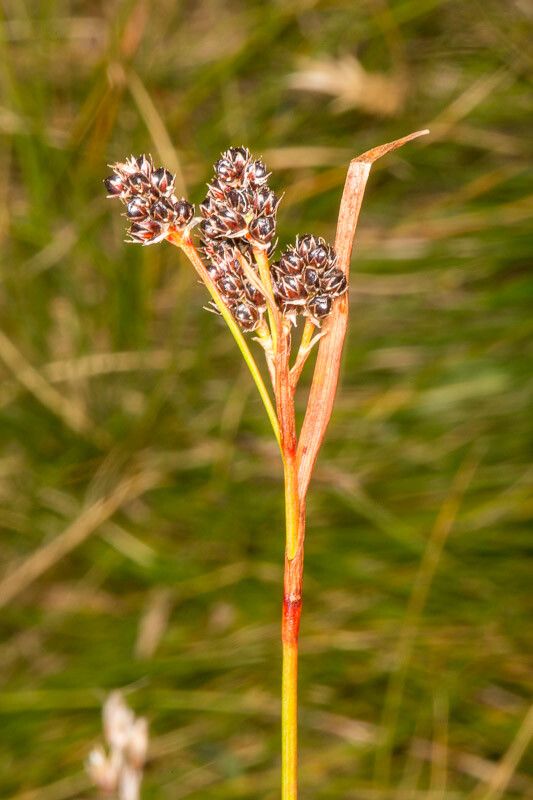
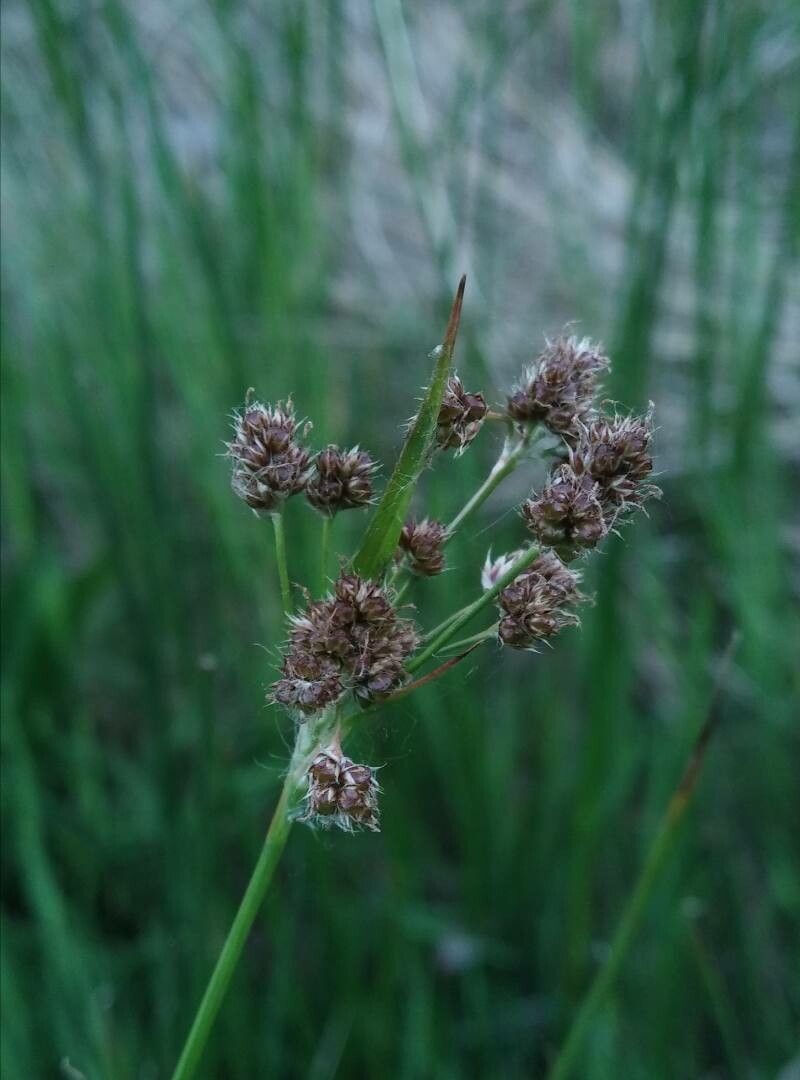
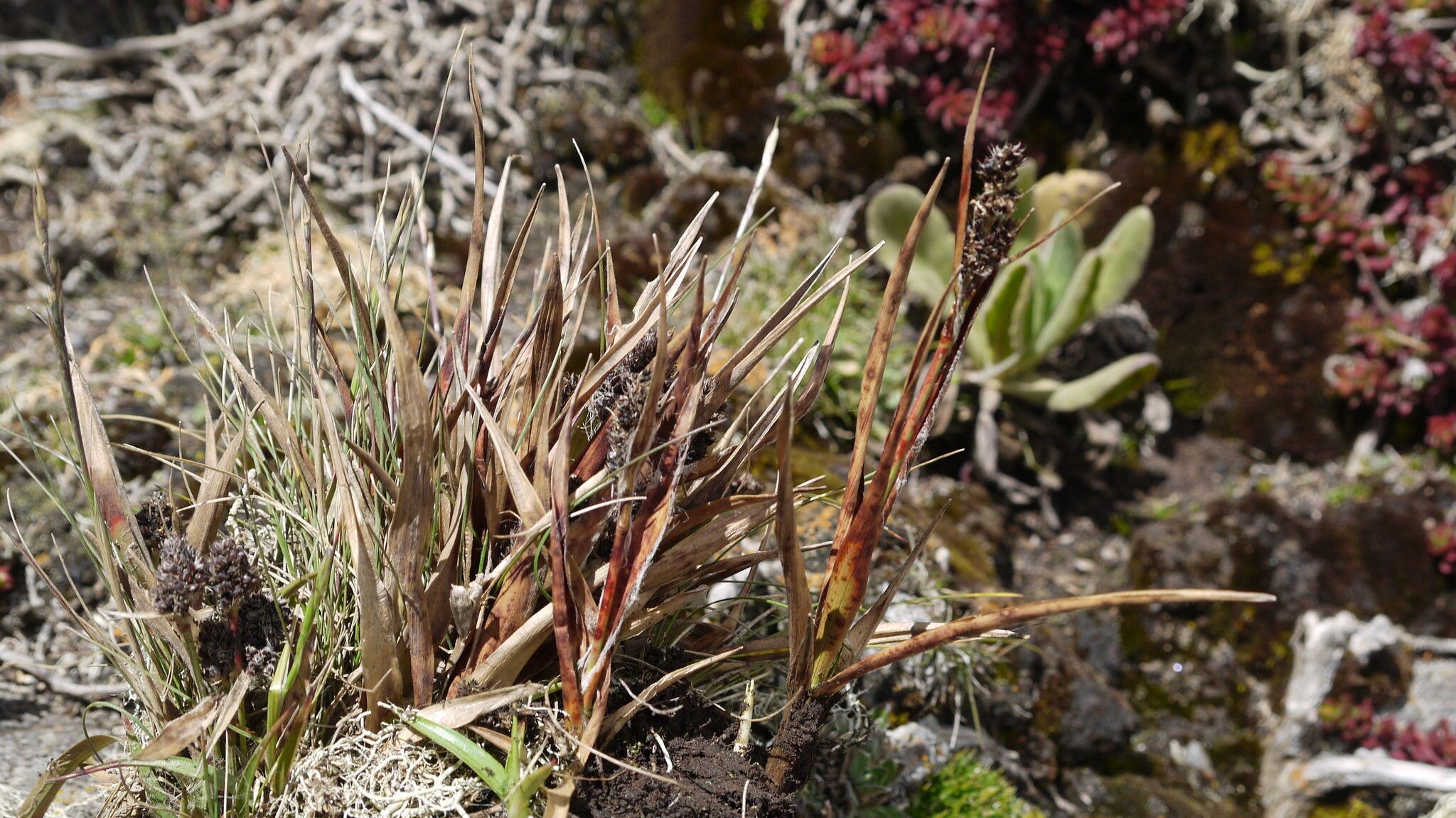
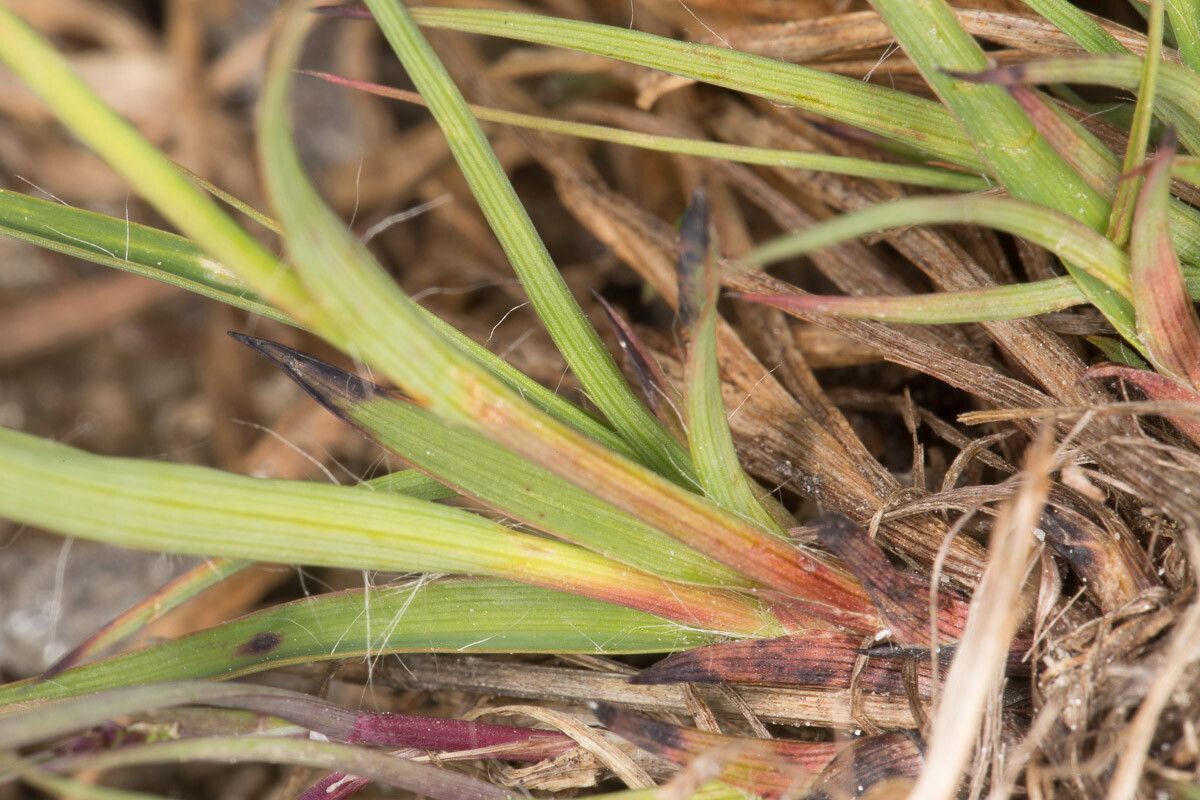
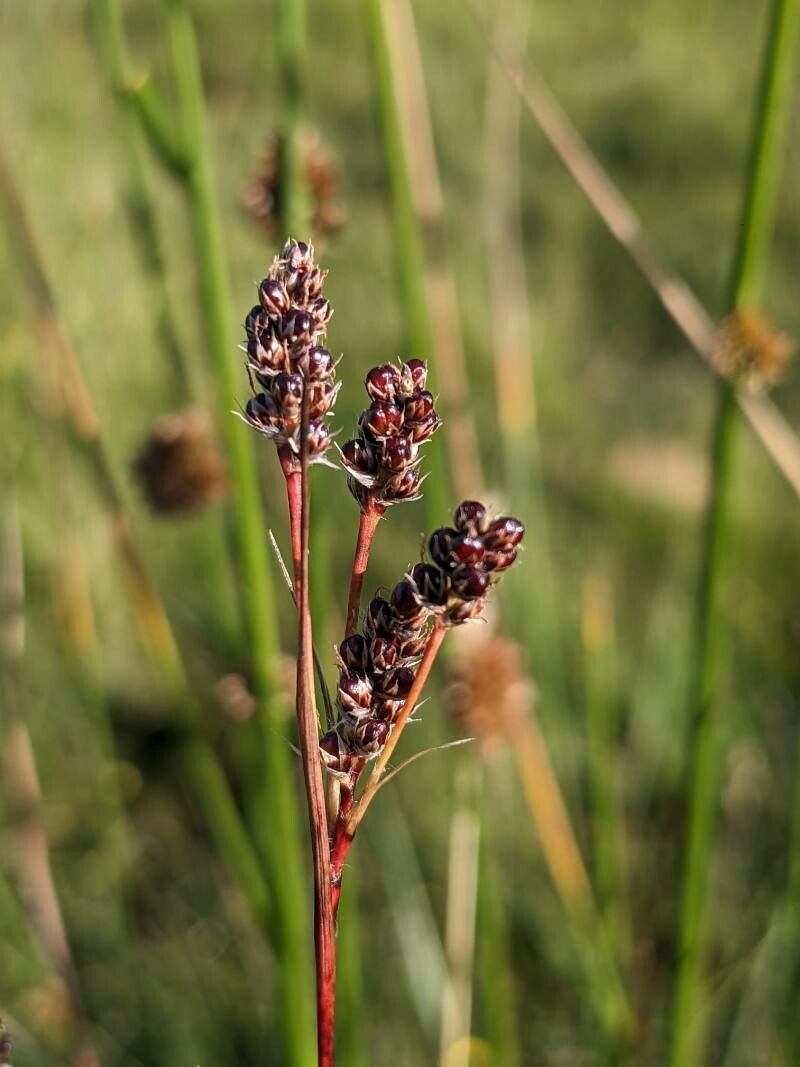
Common woodrush grows 10 to 40 cm (4 to 16 in) tall with basal leaves 3.5 to 12 cm (1+3⁄8 to 4+3⁄4 in) long and 2 to 6 mm (0.08 to 0.24 in) wide. The flowers have six brown to black tepals 2 to 4 mm (0.08 to 0.16 in) long.Common woodrush is fairly easy to identify with its leaves fringed with long, white hairs (common for Luzula species) and the terminal, spike clusters of 6-parted flowers on variable length stalks, replaced by round capsules starting in late spring. Common woodrush leaves often turn reddish in response to stressful conditions Luzula multiflora resembles a grass in its vegetative state, but its seeds and scaly tepals are similar to those of other species in the rush family (Juncaceae). It is also unusual in preferring upland woodland habitats, as most species in the rush family prefer habitats that are more wet and sunny. The habitat for common woodrush is anthropogenic (man-made or disturbed habitats), forest edges, forests, meadows and fields.
Heath woodrush is fairly disease-resistant and typically does not suffer from illnesses. In terms of care, this plant is relatively low-maintenance. When grown outdoors it needs little watering, and larger plants usually do not require pruning. Smaller plants, however, should be pruned after they finish blooming. Heath woodrush is suitable for anyone with an outdoor area, such as a garden or deck, and does not demand extensive experience in plant care.
How to keep Luzula Multiflora.
Light
Heath woodrush favors a location with moderate sunlight but can tolerate low-light situations. Its natural habitat mirrors this light-tolerance trait, where sufficient sun promotes the best growth, while too much or too little light can hinder the plant's health and development.
Water
Heath woodrush thrives in moist environments. It prefers consistent moisture and can tolerate drought. For optimal health, water it weekly. This plant favors cooler, shadier spots and is best suited for growing outdoors in temperate climates, where it can benefit from both natural rainfall and manual watering.
Temperature
Heath woodrush is native to temperate areas and grows best at temperatures of 50 to 77 °F (10 to 25 ℃). When temperatures exceed this optimal range, seasonal adjustments may be necessary.
Fertilizer
Heath woodrush needs extra nutrients to encourage healthy new growth. In spring, applying some compost around the base of the plant can effectively supply the nutrition it requires. Fertilizing supports vigorous growth and helps the plant resist diseases and pests.
Pruning
Heath woodrush benefits from regular pruning, which is best done in early spring. This process removes dead leaves, maintains the plant's appearance, and promotes healthy growth by encouraging denser foliage and improving air circulation. Pruning also stimulates the development of new shoots, enhancing the plant's lush look and overall vitality.
Pot & Repot
When repotting Heath woodrush, select a pot 1-2 inches (2.5–5.1 cm) larger with good drainage. Use a well-draining potting mix. Repot in spring or fall, ensuring the root ball sits slightly below the rim of the pot. Water thoroughly after repotting and place it in a warm spot with indirect sunlight.
Botanical profile.
- Plant Type
- Grass
- Life Cycle
- Perennial
- Genus
- Luzula
- Family
- Juncaceae
- Hardiness Zone
- 6
- Mature Height
- 10 cm to 40 cm
- Mature Spread
- 46 cm
- Leaf Color
- Green
- Leaf Type
- Evergreen
- Flower Color
- Brown, Tan
- Flower Size
- 0.51 cm to 0.76 cm
- Bloom Time
- Early spring, Mid spring
- Planting Time
- Summer, Autumn
- Harvest Time
- Late spring, Early summer
Other names.
Reader questions.
What do I need to be careful about when watering my Heath woodrush in different seasons, climates, or during different stages of growth?
To determine if you are watering enough, observe the rate of growth of your grasses. For example, heath woodrush tends to double in size during the hottest months of the year. If it's hot outside but the grass isn't growing vigorously, you may need to adjust your watering schedule. In winter, you may be able to get away with watering once a month, but be sure to check the moisture level of the soil. During the growth cycle (warmest months), the grass will require more water than usual. However, during winter and cooler months, the need for water will significantly decrease. Remember to let the soil completely dry out before adding water, as this is crucial for heath woodrush.
What are the sunlight requirements for Heath woodrush?
Heath woodrush is adaptable to varying levels of sunlight, thriving in partial sun with about 3-6 hours of sunlight per day but capable of growing in full shade, which is less than 3 hours of daily sunlight. Its native habitat demonstrates this flexibility as it can sustain healthy growth in medium to low-light conditions. However, the right balance of light and shade is crucial for the plant's health. It's suggested to observe how sunlight moves through your garden to choose optimal spots for planting, ensuring your Heath woodrush receives the sunlight it needs without overexposure.
What is the optimal temperature range for Heath woodrush?
Heath woodrush, scientifically known as Luzula multiflora, thrives in temperate regions with an optimal temperature range of 50 to 77 °F (10 to 25 °C). It's important to ensure the plant's surroundings cater to these temperature requirements for optimal growth. During periods when temperatures exceed these optimal conditions, certain seasonal adaptations may be necessary to maintain the health and growth of Heath woodrush.
What should I do if I give my Heath woodrush plant too much or too little water?
Proper watering is essential for this beautiful ornamental grass. When planted in the ground, watering issues can be addressed. However, in a container, it's critical to avoid both excessive and insufficient watering, as either one can quickly kill Heath woodrush. This grass may stop growing if not receiving the right amount of water. Overwatering causes yellow leaves with brown tips, while underwatering leads to drooping leaves, weak seed head production, and browned leaves. If you suspect incorrect watering, the first step is to determine if there's too much or too little water. If overwatering is the problem, immediately stop watering and allow heavy soils to dry out, which can take weeks. Once new growth appears, test the soil for moisture and decide if more water is needed. The solution for insufficient watering is straightforward: give the grass a deep drink and observe any improvement. Remember, it's always better to have long, deep watering sessions rather than frequent and shallow watering. Deep watering encourages deep root growth, making the grass more resistant to drought and water-related issues.
How can artificial lighting be used for Heath woodrush?
When natural sunlight is insufficient, especially for indoor Heath woodrush plants during winter or in less sunny spaces, artificial lighting can provide the necessary support for optimal growth. LED lights are recommended due to their ability to be customized for specific wavelengths needed by plants. The intensity of artificial light needed varies: full sun plants require 30-50W/sq ft, partial sun plants need 20-30W/sq ft, and full shade plants need 10-20W/sq ft. The light source should be placed 12-36 inches above the plant and turned on for 8-12 hours per day to mimic natural daylight hours.
How cold-tolerant is Heath woodrush?
Heath woodrush is remarkably cold-tolerant and can withstand temperatures without requiring additional frost protection measures during winter. Despite this tolerance, it's advisable to water the plant generously before the first freeze in autumn. This practice helps keep the soil moist, ensuring that it enters a frozen state prepared, which is crucial for preventing drought and water scarcity for the plant during the cold winter and early spring months.
How often do I need to water my Heath woodrush plant?
The water needs of Heath woodrush vary depending on its planting location. Generally, it should be watered every week. In hot climates, watering once or twice a week in the summer may be necessary. In moderate climates, watering once every seven days or more may be sufficient. Grass in containers typically needs more frequent watering than grass in the ground. However, the location also matters for this adaptable species that can thrive in full sun or part shade. Shaded grasses need less frequent watering than grasses planted in the ground. Heath woodrush should only be watered when the soil is dry. If unsure when to water, there are a few signs to watch for. Pressing your finger a couple of inches into the soil will indicate if it is dry. For potted grass, you can weigh the grass with a portable scale to assess if it's light from lack of water. Another sign is folded blades that appear thinner than usual when the roots lack sufficient water. Despite its drought tolerance, regular and deep waterings will result in beautiful color. In the wild, Heath woodrush grows in open scrubland, where it experiences extreme heat, bright sun, and intermittent rain. While this grass is drought resistant, it still requires care and attention. Although it can handle harsh, dry conditions, gardeners agree that consistent watering is beneficial for its thriving. When newly planted, Heath woodrush will need more frequent watering until its roots are established. For potted Heath woodrush, the soil may dry out quickly, especially if the pot receives a lot of direct sun. It is advisable to test the soil every 3 to 4 days and water only when it feels dry. In-ground Heath woodrush generally requires less watering, but this depends on the type of soil it is planted in. Heavy clay soil can hold water for a long time, appearing dry at the surface while still retaining moisture under the ground. On the other hand, sandy soils that drain quickly will need to be watered more often.
What are the symptoms of insufficient light in Heath woodrush?
Heath woodrush shows several symptoms when it doesn't receive enough light, including smaller new leaves, leggy or sparse growth, faster leaf drop, slower or no new growth, and lighter-colored or yellowing leaves. Additionally, excessive sunlight can cause symptoms like chlorosis, sunscald, leaf curling, wilting, and leaf scorching, all of which can adversely affect the plant's health. Recognizing these symptoms early can help in taking corrective actions to improve light conditions, either by gradually increasing sunlight exposure or using artificial lighting solutions.
What should be done if the winter temperature drops below -25°C?
Although Heath woodrush is extremely cold-tolerant, maintaining the winter temperature above -25°C is crucial. If temperatures fall below this threshold, the plant might not show immediate distress, but you might observe a decrease in sprouting or even a complete lack of sprouting in the spring. To mitigate this, in spring, it's recommended to remove any parts of the plant that have failed to sprout, to encourage new growth and maintain plant health.
What solutions can help improve light conditions for Heath woodrush?
To address insufficient light for Heath woodrush, you can gradually move indoor plants to sunnier spots or use artificial light sources like desk or ceiling lamps, or professional plant grow lights, ensuring they receive about 3-6 hours of direct sunlight daily. For outdoor plants, the gradual relocation to a sunnier spot can help them adapt without the risk of sunburn. If it's feasible, especially for ground-planted Heath woodrush, reducing obstructions like pruning trees or transplanting the plant during its dormant period to a sunnier location with good drainage can significantly improve light exposure. It's important to note that while affected parts of the plant may not recover, new growth should return to health with better light conditions.
How does Heath woodrush respond to high temperatures?
Heath woodrush does not handle high temperatures well. When exposed to temperatures above 25°C, its growth halts, and the plant becomes more susceptible to conditions such as rot. To care for Heath woodrush in high temperatures, it's advisable to trim away any sunburned and dried-up parts of the plant. Moving the plant to a shaded location or using a shade cloth can protect it from the harsh midday and afternoon sun. Additionally, watering the plant in the morning and evening can help keep the soil at an optimal moisture level.