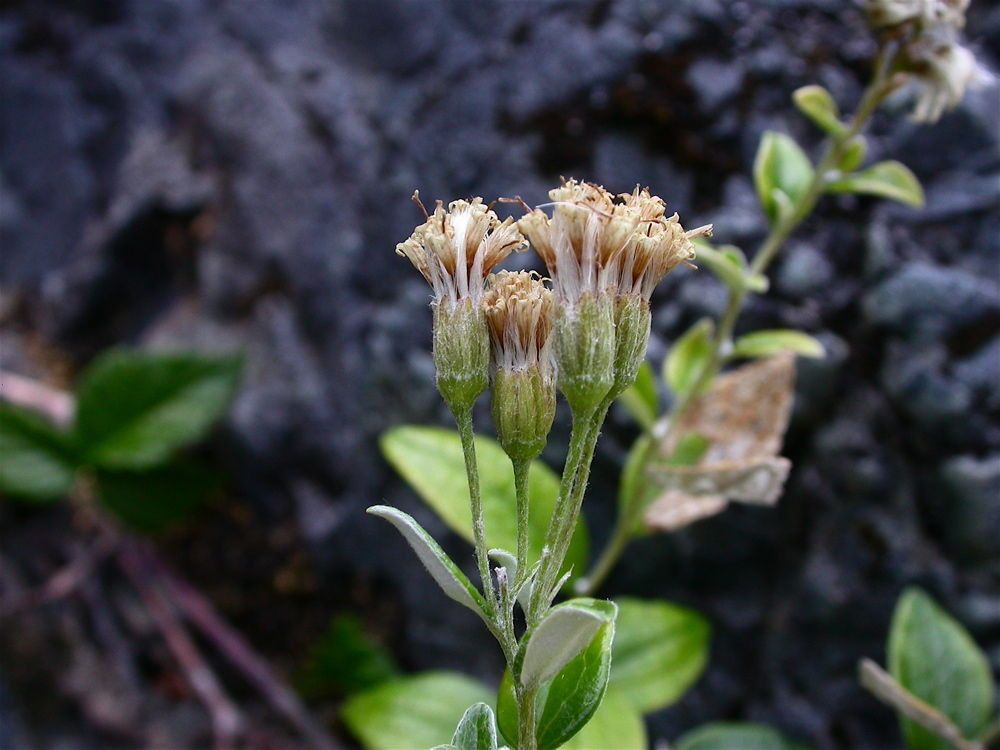
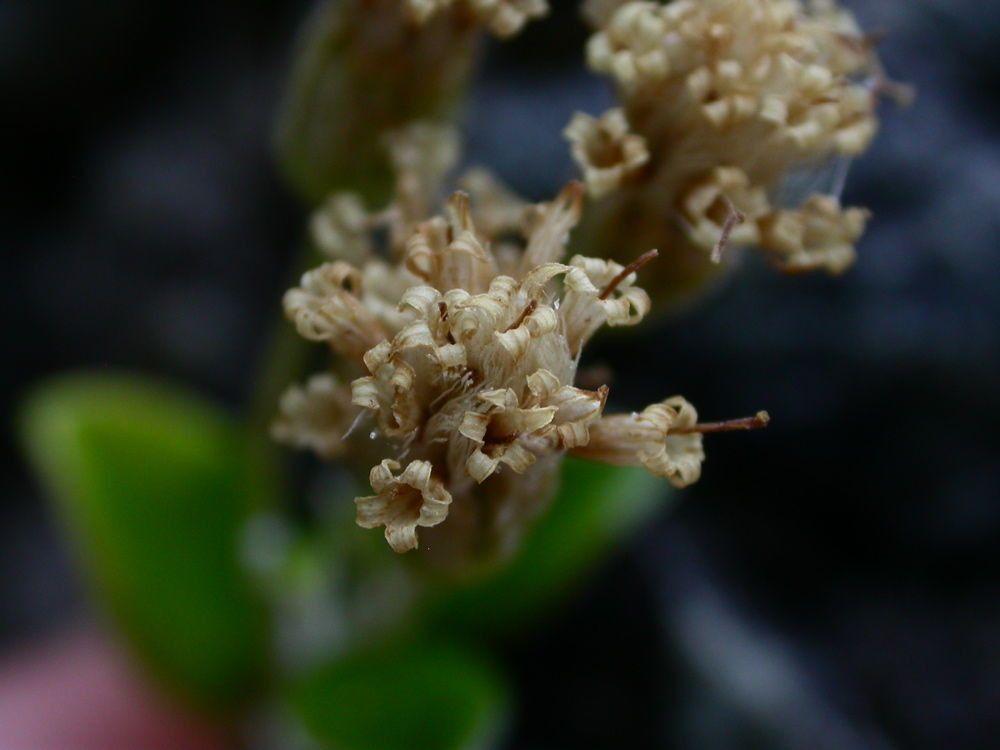
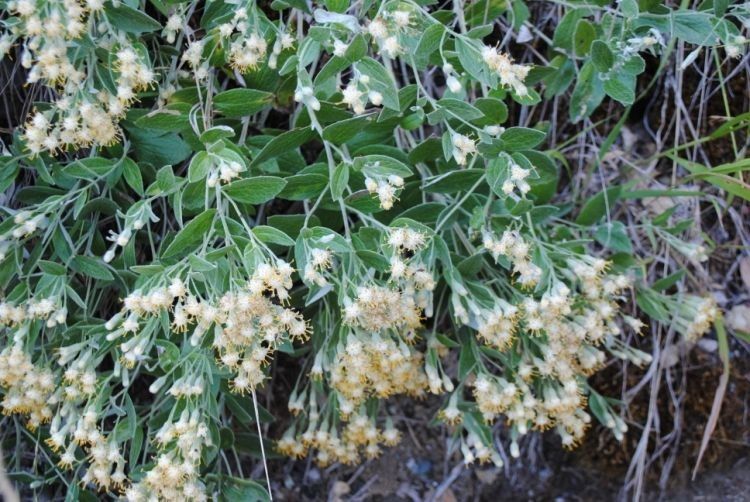
Luina hypoleuca, the littleleaf silverback, is a species of the genus Luina and the family Asteraceae. It grows to 40 centimetres (16 inches) in height, its leaves 2.5–6.5 cm (1–2+1⁄2 in) long and white on the underside (hence the specific epithet, meaning 'bottom white'). It flowers between June and October, with yellowish rayless flower heads about 9 millimetres (3⁄8 in) long. It is found in North America on open and usually rocky places between elevations of 70–2,100 metres (230–6,890 feet) in British Columbia, California, Oregon, and Washington.
Littleleaf silverback has good resistance to disease and is generally not likely to suffer from illnesses. That said, it can be vulnerable to pests and diseases present in its environment. These infections are usually mild. For care, the plant needs moderate maintenance. It should be pruned regularly to preserve a neat appearance and support healthy growth. Using fertilizer can also help encourage flowering. Littleleaf silverback is appropriate for anyone with an outdoor area, like a garden or patio, and does not demand extensive plant-care experience. It may need extra attention when grown indoors.
How to keep Luina Hypoleuca.
Light
Littleleaf silverback is a sun-loving, perennial herbaceous plant native to open habitats, frequently thriving in meadows and grasslands. It prefers full sun but can also tolerate partial sun.
Water
The Littleleaf Silverback thrives in the moist environments of North America and prefers consistent moisture, although it shows moderate tolerance to drought. To ensure lush growth, it is recommended to water the plant weekly. As an evergreen, the Littleleaf Silverback retains its leaves throughout the year, necessitating stable hydration. When grown outdoors, it is important to make use of natural rainfall to maintain its moisture needs.
Temperature
Littleleaf silverback can tolerate a wide range of temperature conditions, but its distribution can still be limited by different combinations of water and heat. It does best in warm summer climates with sufficient rainfall or watering. Extended periods of cloudy, rainy weather or prolonged high temperatures increase the chance of Littleleaf silverback dying. In winter, proper protection from cold can improve the plant's survival rate.
Fertilizer
A single spring application of fertilizer is generally enough for Littleleaf silverback, though multiple feedings can maximize growth. Apply once every one to one and a half months. Fertilizing improves the leaves' appearance and function, helping maintain even color and a healthy texture. It also encourages root development and better nutrient uptake, supporting the plant's long-term health.
Pruning
To ensure the Littleleaf Silverback shrub thrives, it's essential to prune it from early to late spring. This helps shape the plant and remove any damaged growth. By trimming vigorous shoots, you can promote denser foliage. Avoid pruning in late summer or fall, as this can lead to weak new growth. Regular pruning not only improves air circulation but also reduces the risk of disease. Always use clean, sharp tools to minimize stress on the plant.
Botanical profile.
- Plant Type
- Herb, Shrub
- Life Cycle
- Perennial
- Genus
- Luina
- Family
- Asteraceae
- Hardiness Zone
- 5-8
- Mature Height
- 15 cm to 61 cm
- Mature Spread
- 20 cm to 40 cm
- Leaf Color
- Green, Blue
- Leaf Type
- Semi-evergreen
- Flower Color
- Yellow
- Flower Size
- 1.02 cm to 1.52 cm
- Bloom Time
- Early summer, Mid summer
- Planting Time
- Spring, Summer, Autumn
- Harvest Time
- Late summer, Early fall
Other names.
Reader questions.
How should I water my Littleleaf silverback plant?
To properly care for the Littleleaf silverback plant, use filtered water at room temperature. This is because tap water may have harmful particles. The plant prefers warm water to match its natural environment, as cold water can be a shock. Avoid watering from above to prevent issues with the foliage. Instead, pour the filtered room temperature water onto the soil until it is fully soaked. This helps the roots absorb moisture and nutrients, promoting their growth.
Can the sun harm Littleleaf silverback? How can we keep Littleleaf silverback safe from the sun and heat damage?
In warm climates, some Perennial Flowering Plants may struggle with excessive heat and suffer from sun damage. They can wilt, dry out, or even experience growth problems if they are consistently exposed to the intense afternoon sun. However, not all plants require protection from the light afternoon sun. For those that are harmed by intense afternoon exposure, it is recommended to provide them with some shade in warmer climates. Gardeners can achieve this by planting these plants in areas that do not receive direct heat during the afternoon, such as under trees or behind bushes.
How should I water my Littleleaf silverback plant throughout the year?
The Littleleaf silverback plant has different water needs depending on the season. During the hottest months of the year, it requires the most water. In the height of summer, you may need to water it more than once a week, depending on how quickly the soil dries out. In contrast, during winter, the plant enters a dormant phase and requires much less water than usual. In fact, you may not need to water it at all during winter. If you do choose to water it during winter, it should be done no more than once a month. Overwatering during this time can increase the risk of disease for your Littleleaf silverback plant.
Should I make sure Littleleaf silverback doesn't get too much sun?
Certain perennial plants require ample sunlight to reach their maximum bloom. However, in warmer climates, some of these plants actually benefit from less sun. For instance, individuals residing in hotter regions might find it beneficial to shade their flowering perennials during the intense afternoon sun, especially during summer months. Although many perennial flowering plants prefer partial shade in the hottest climates, there are exceptions. Take the Giant Coreopsis, for example, as it is not bothered by excessive sun exposure. These plants can flourish even when placed in the full sun during scorching weather.
How much light does Littleleaf silverback need each day to grow well?
To ensure optimal growth and blooming during its season, your Littleleaf silverback plant should receive six hours of direct sunlight. Certain perennial plants may require even more sunlight, potentially up to twelve hours, depending on the local climate and environment. For example, plants like Red Hot Poker and Giant Coreopsis thrive in hotter areas and can withstand intense sunlight. However, if outdoor sunlight is limited, some home gardeners resort to using grow lights. Although most perennials can thrive under grow lights, they will need between eight to fourteen hours of artificial light to maintain their strength due to the lower intensity of these lights compared to natural sunlight.