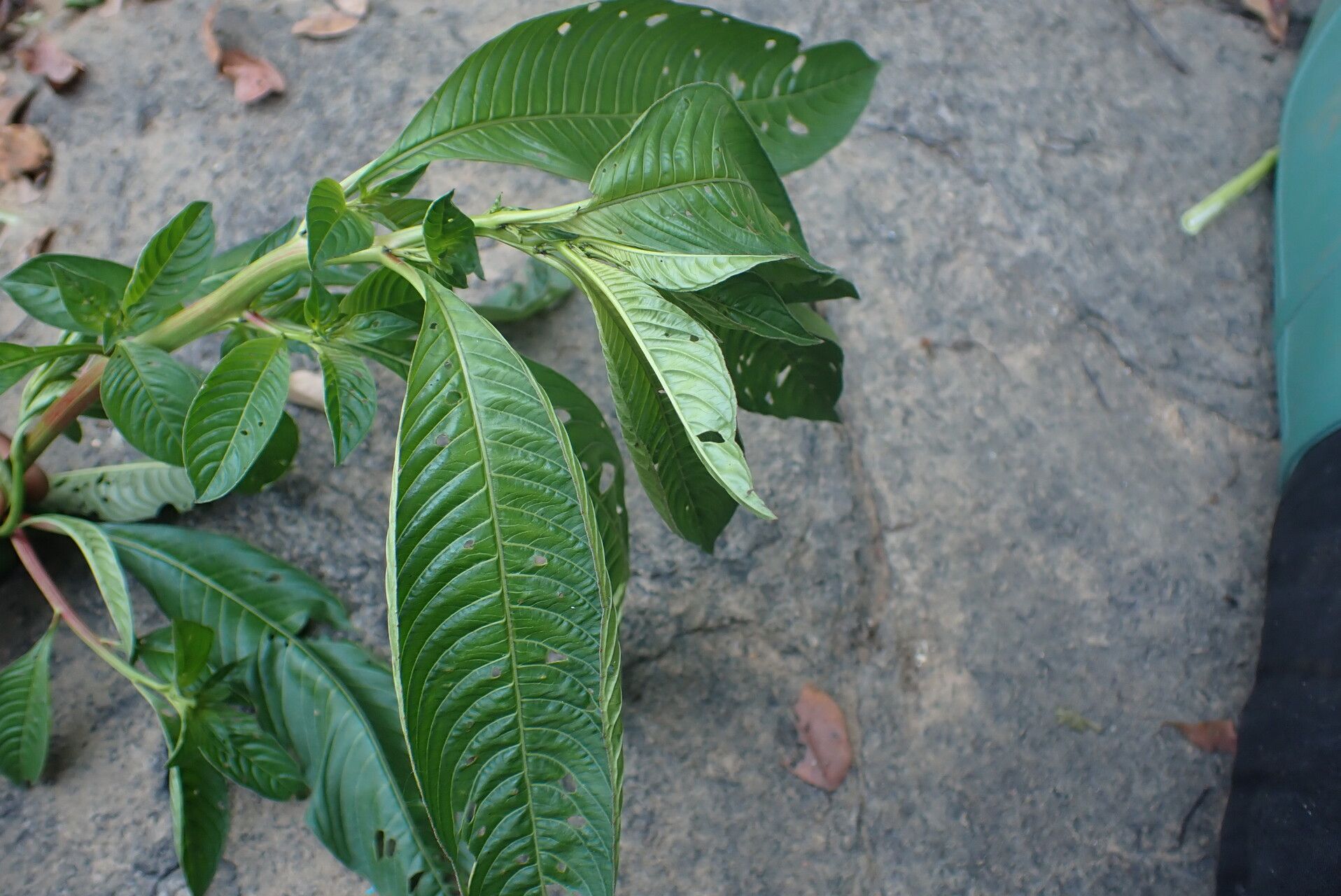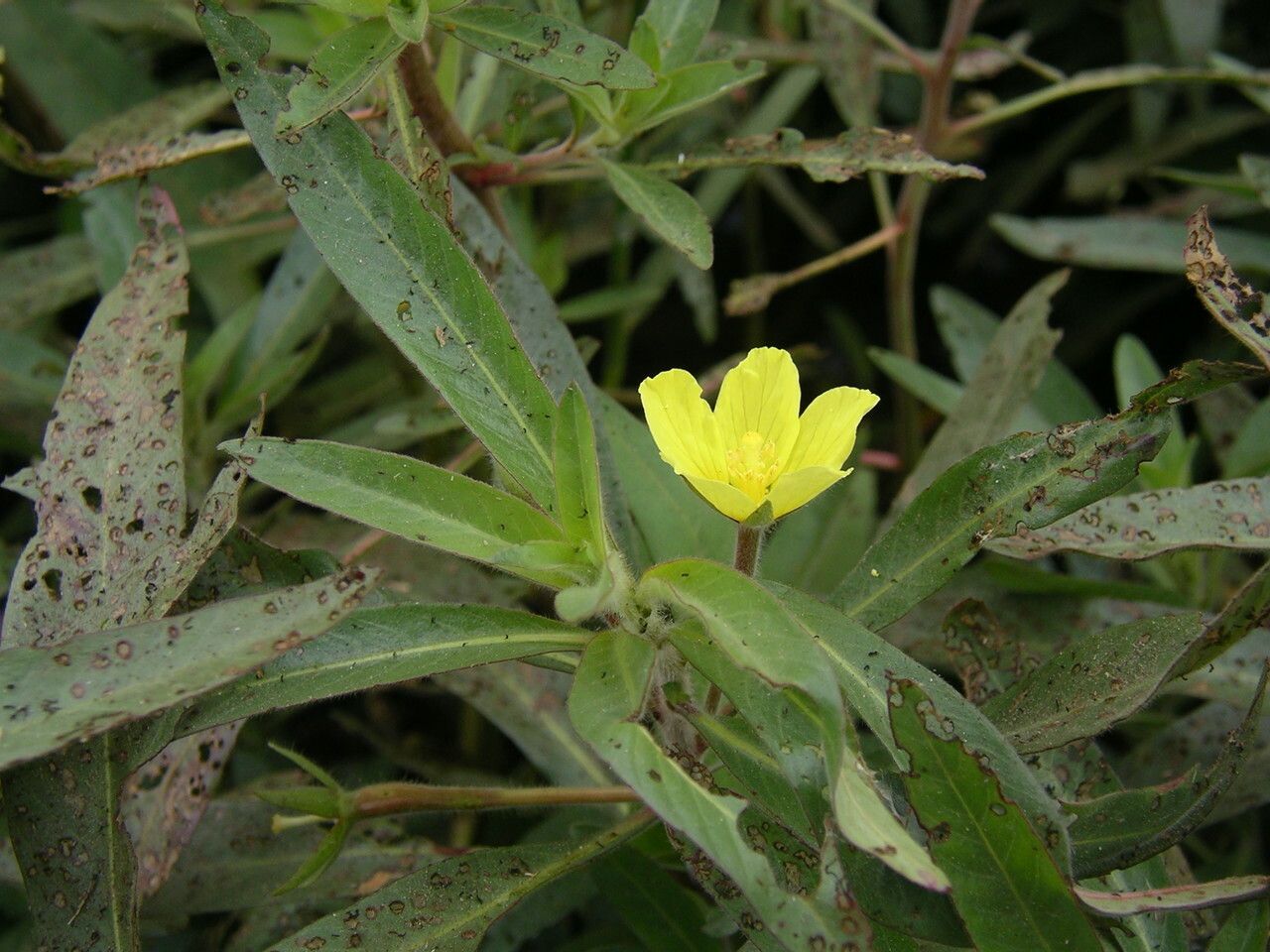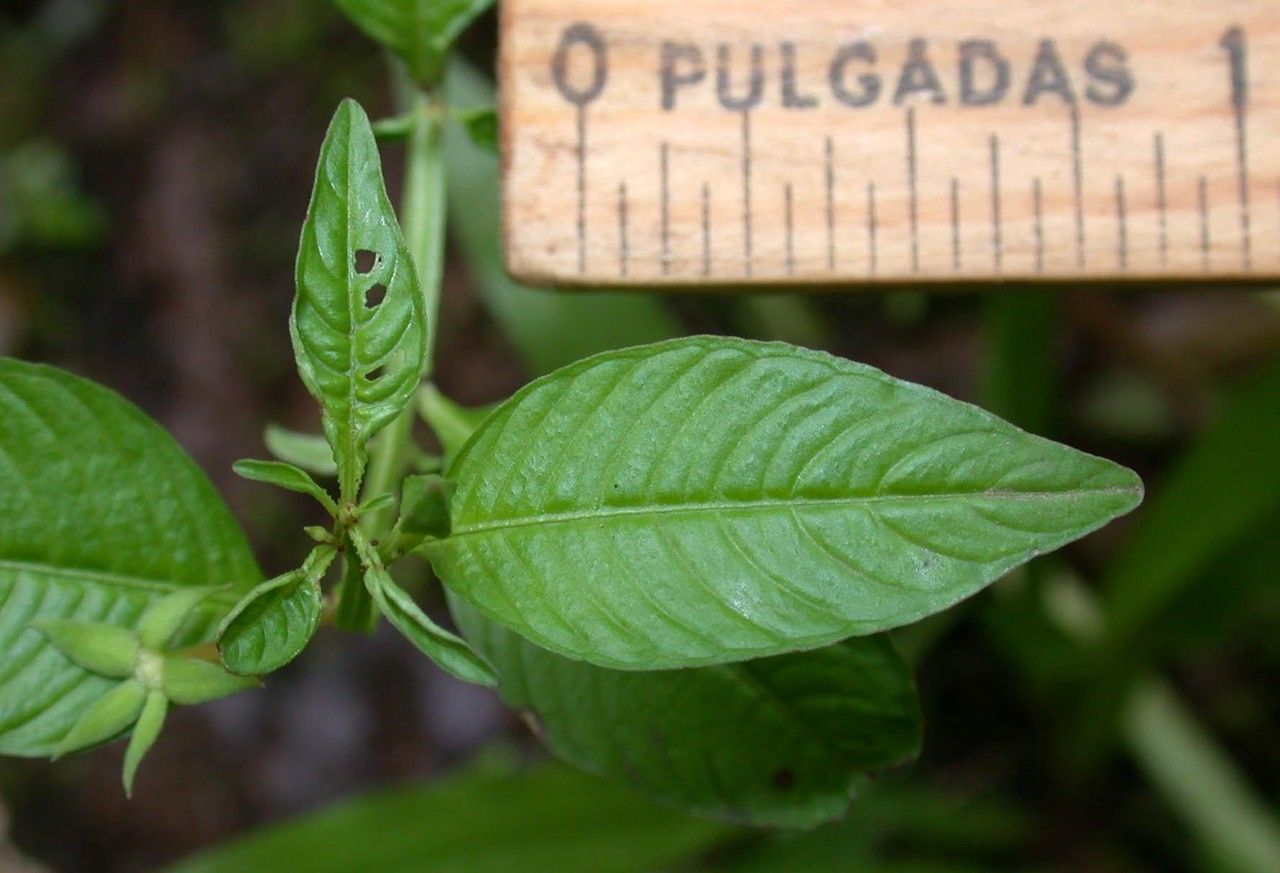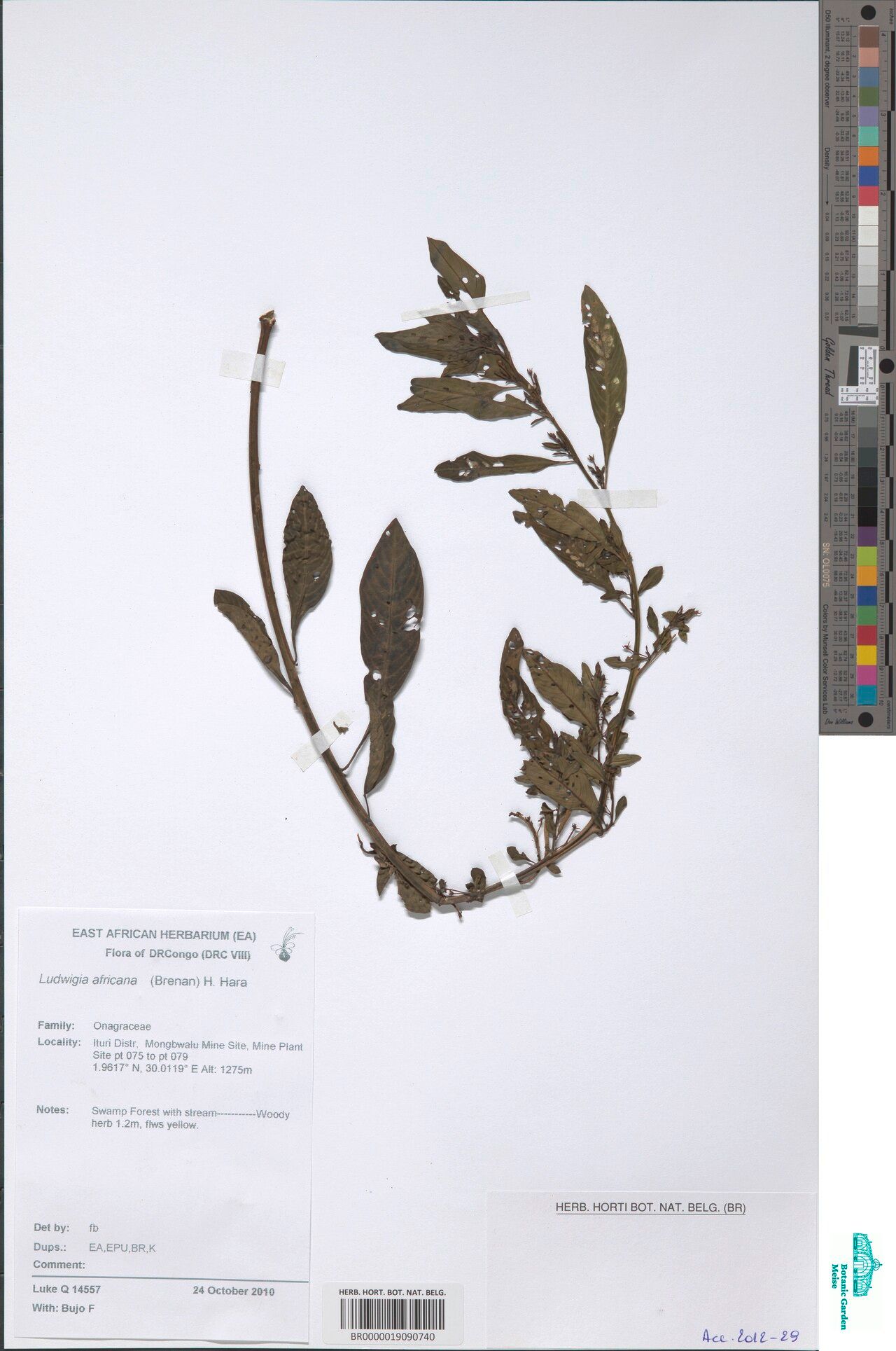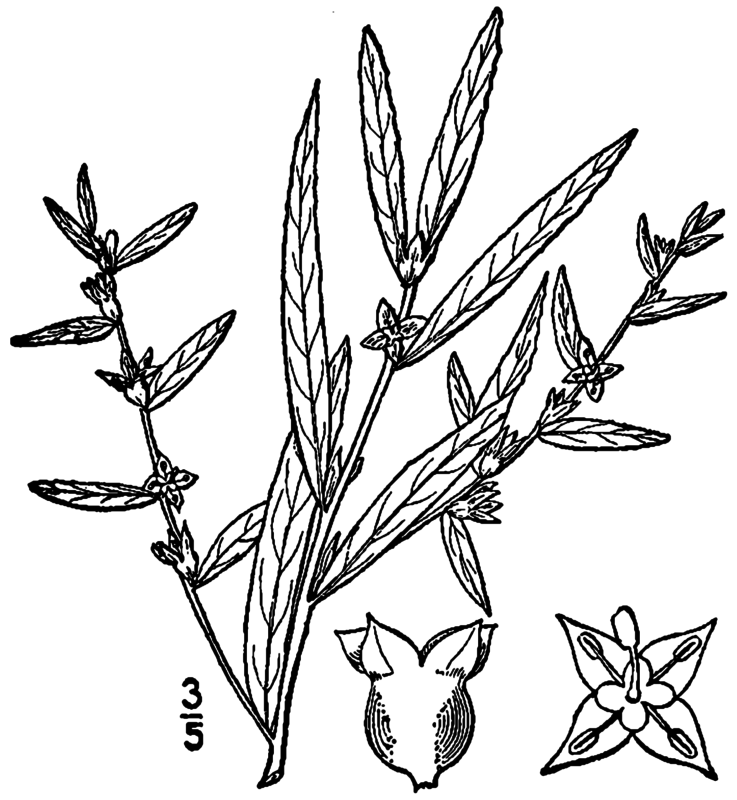
Ludwigia sphaerocarpa, common names globe-fruited false-loosestrife, globefruit primrose-willow, round-fruited false-loosestrife, globe-fruited seedbox, globe-fruited ludwigia, spherical-fruited seedbox and round-fruited false loosestrife; is a plant found in North America. It is listed as endangered in Connecticut, Indiana, Massachusetts and Rhode Island, and as threatened in Michigan and New York (state). It is listed as extirpated in Pennsylvania.
Globefruit primrose-willow has good disease resistance and typically does not develop illnesses. However, it can be affected by pests and diseases present in its environment. These outbreaks are generally mild. For care, this plant needs moderate maintenance. It should be pruned regularly to preserve a neat appearance and healthy growth. Fertilizing can also encourage flowering. Globefruit primrose-willow is suitable for anyone with outdoor space, such as a garden or patio, and does not demand extensive care experience. It may require more attention when kept indoors.
How to keep Ludwigia Sphaerocarpa.
Light
Primrose-willow of the Globefruit variety is a perennial herbaceous plant that appreciates the sun. It comes from spacious environments and often thrives in places like meadows and grasslands. It prefers full sunlight, however, it can also survive in conditions of partial sun.
Water
The globefruit primrose-willow thrives in wetland habitats, where it enjoys high moisture levels. To mimic these conditions at home, it needs regular weekly watering. If you’re growing it indoors, it's important to manage humidity levels carefully. Additionally, make sure your containers have proper drainage to prevent root rot and promote healthy growth.
Temperature
The Globefruit primrose-willow is capable of adjusting to an extensive variety of temperature conditions, yet its spread might still get restricted by various mixes of heat and water conditions. It flourishes optimally in hot climates throughout the summer if accompanied by sufficient rain or irrigation. However, enduring periods of overcast and wet weather, in addition to enduring high temperatures, can augment the chances of the Globefruit primrose-willow perishing. During winter, appropriate safeguards against cold can enhance the plant's chances of survival.
Fertilizer
Typically, a one-time application of fertilizer in the spring season is enough for Globefruit primrose-willow, however, for optimal growth, it can be fed frequently. The plant should be fed once per month or every month and a half. Fertilization improves the foliage's aesthetics and efficiency, bringing forth uniform color and a robust texture. The procedure also boosts root development and the absorption of nutrients, thus ensuring the future well-being of the plant.
Pruning
To ensure healthy growth and an ideal shape for the Globefruit primrose-willow, regular pruning is essential. Prune dead stems and thin out overcrowded areas from early to late spring to promote robust regrowth. This practice enhances air circulation and sunlight exposure, which helps reduce the risk of pests and disease. For best results, always use sharp and sterilized tools.
Botanical profile.
- Plant Type
- Herb
- Life Cycle
- Perennial
- Genus
- Ludwigia
- Family
- Onagraceae
- Hardiness Zone
- 3-7
- Leaf Type
- Semi-evergreen
- Flower Color
- Yellow, Green
- Bloom Time
- Summer, Fall