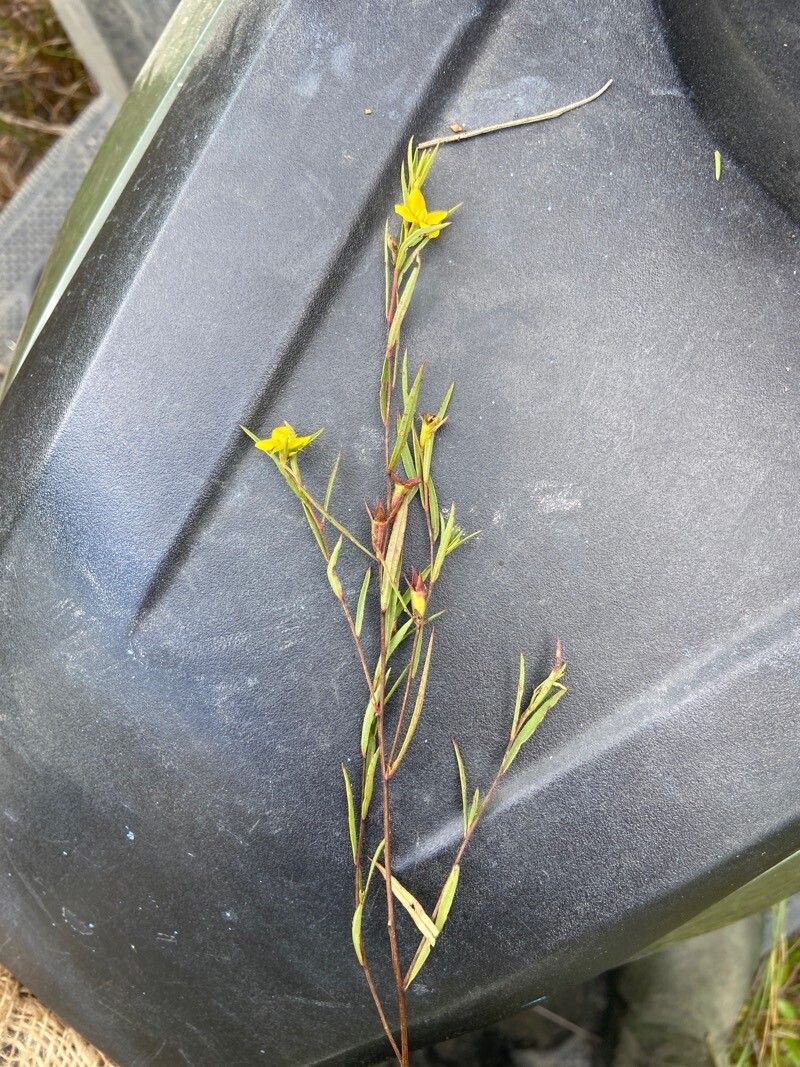
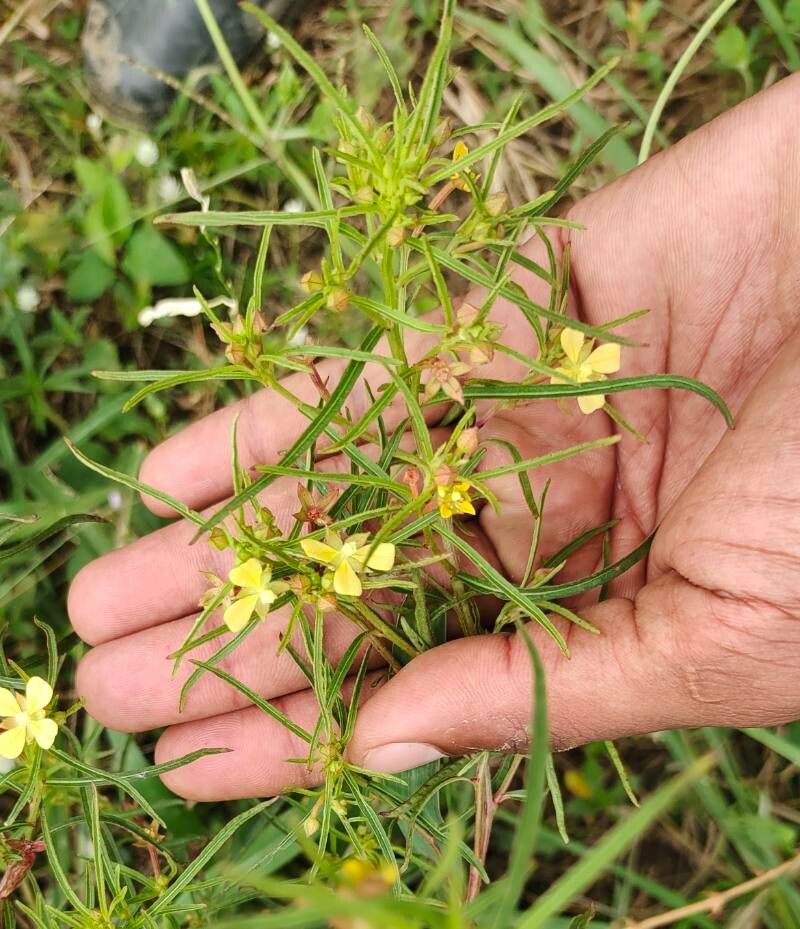
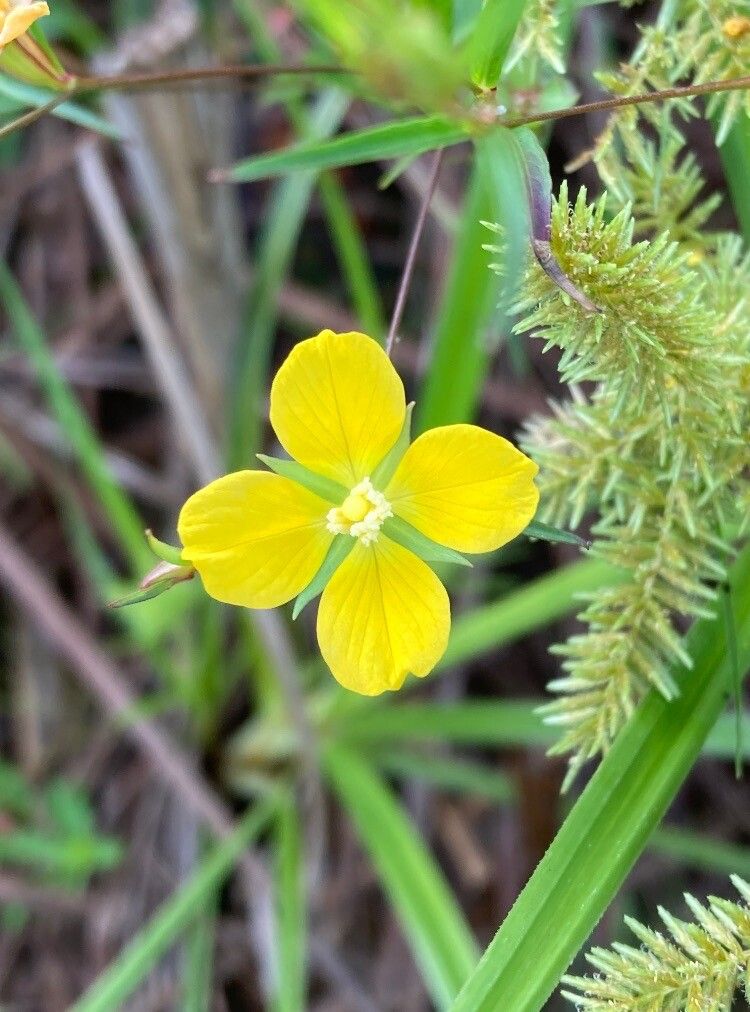
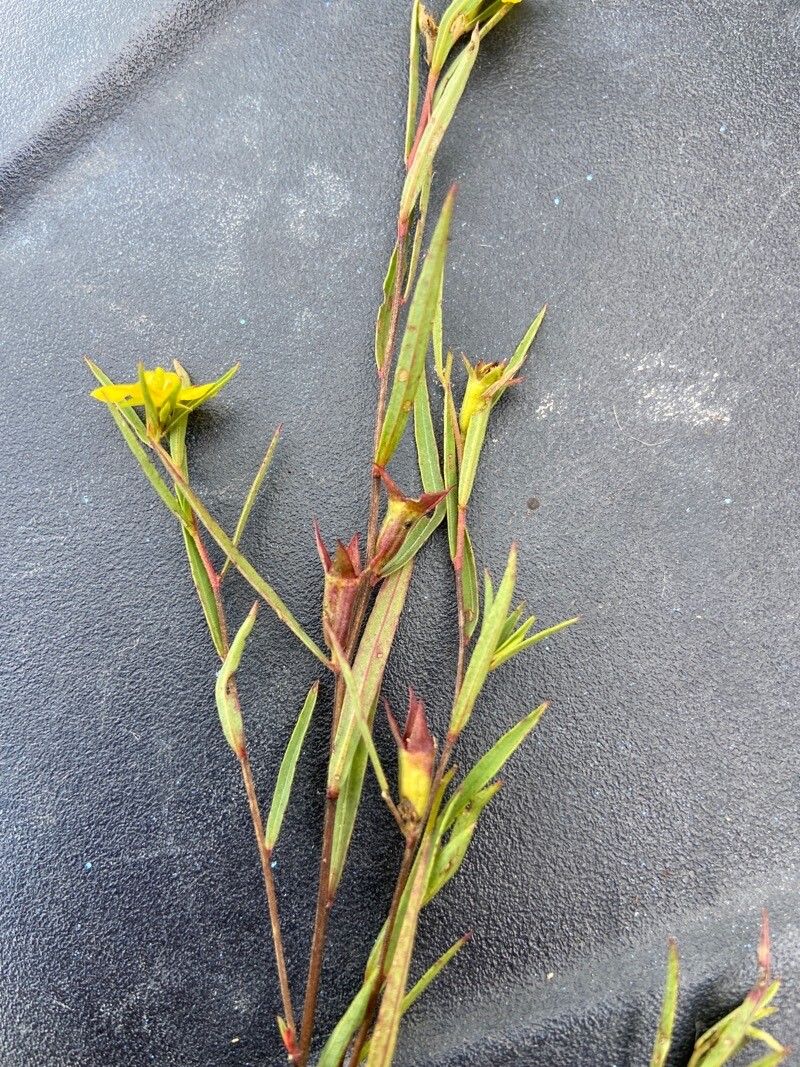
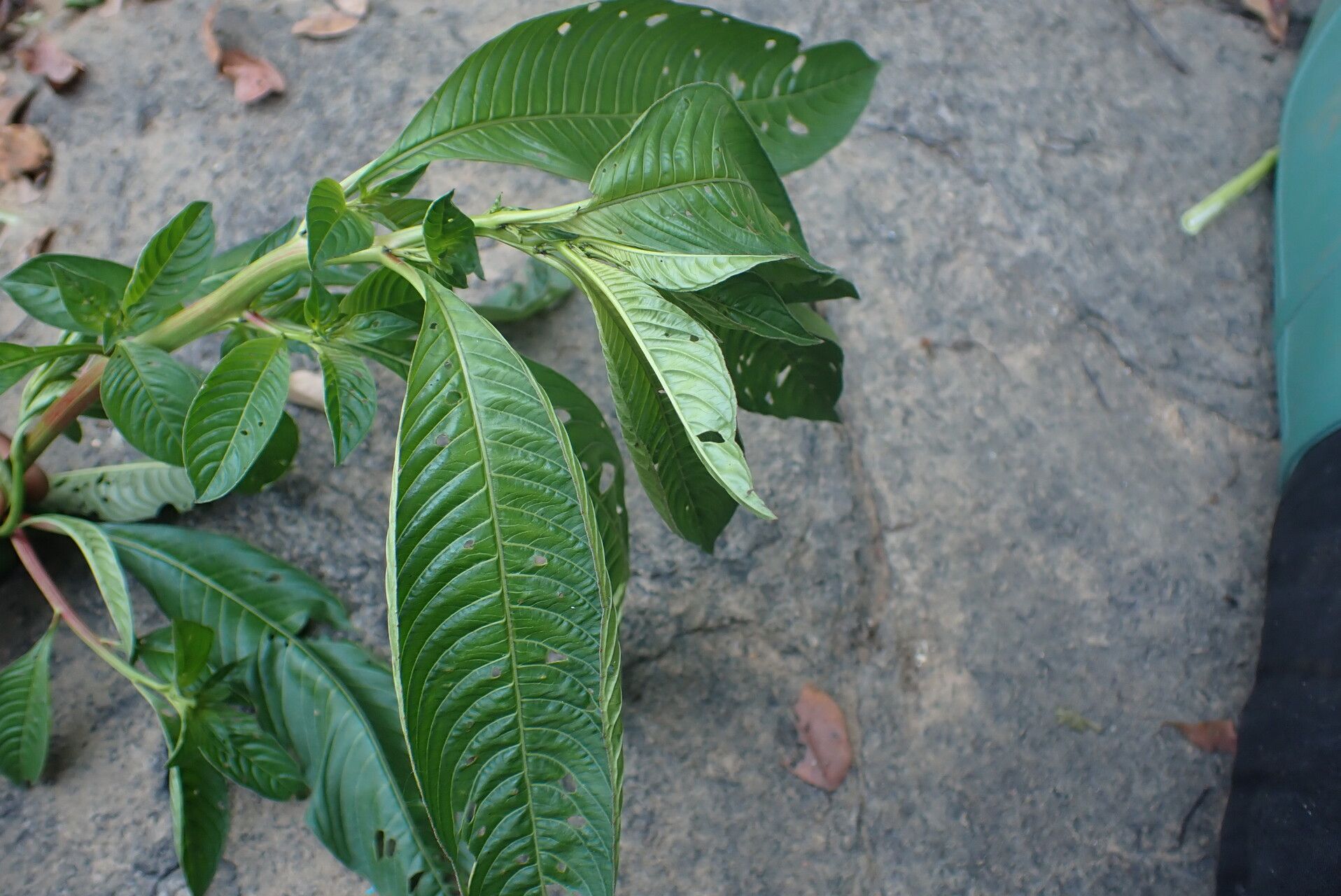
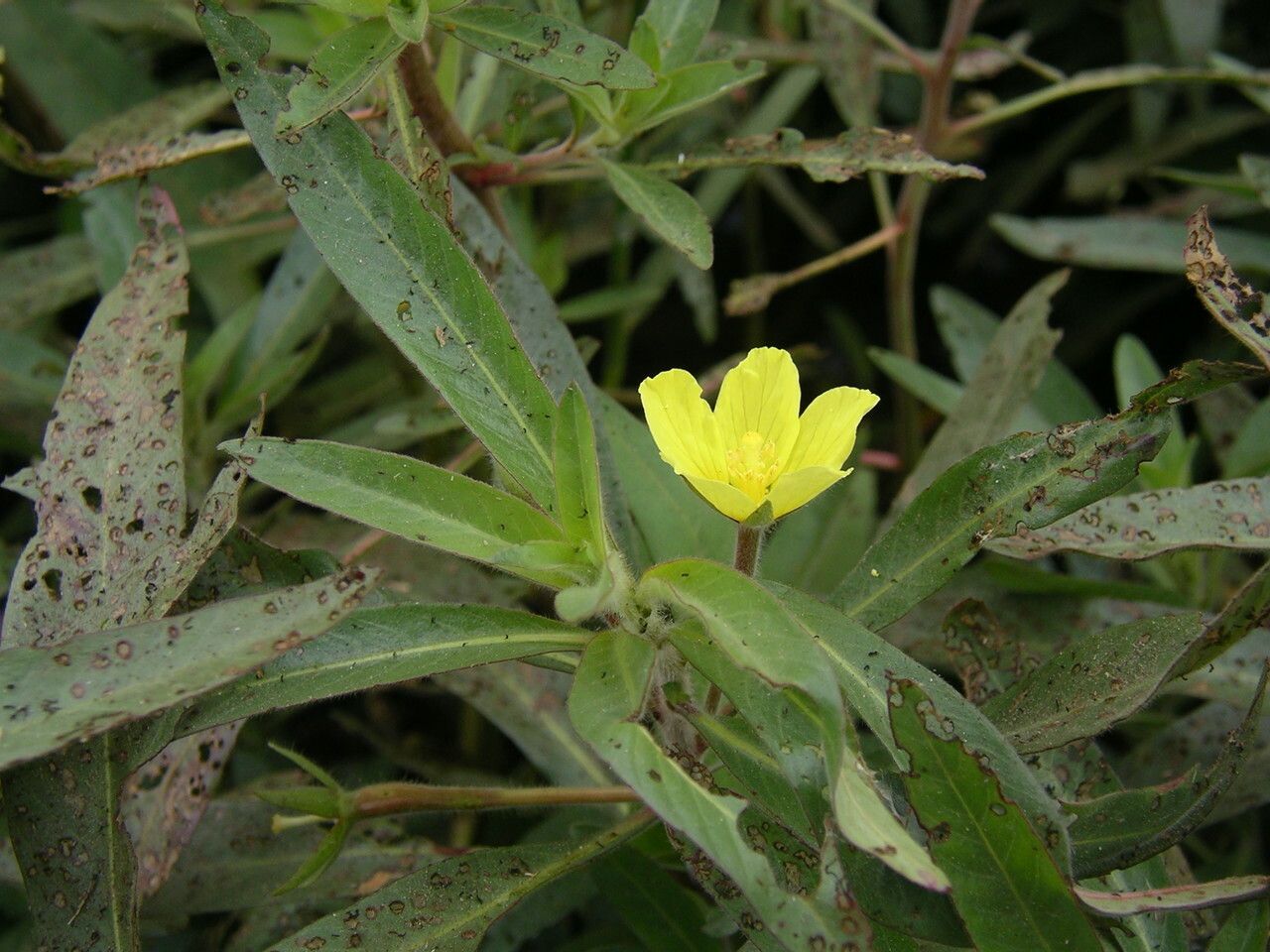
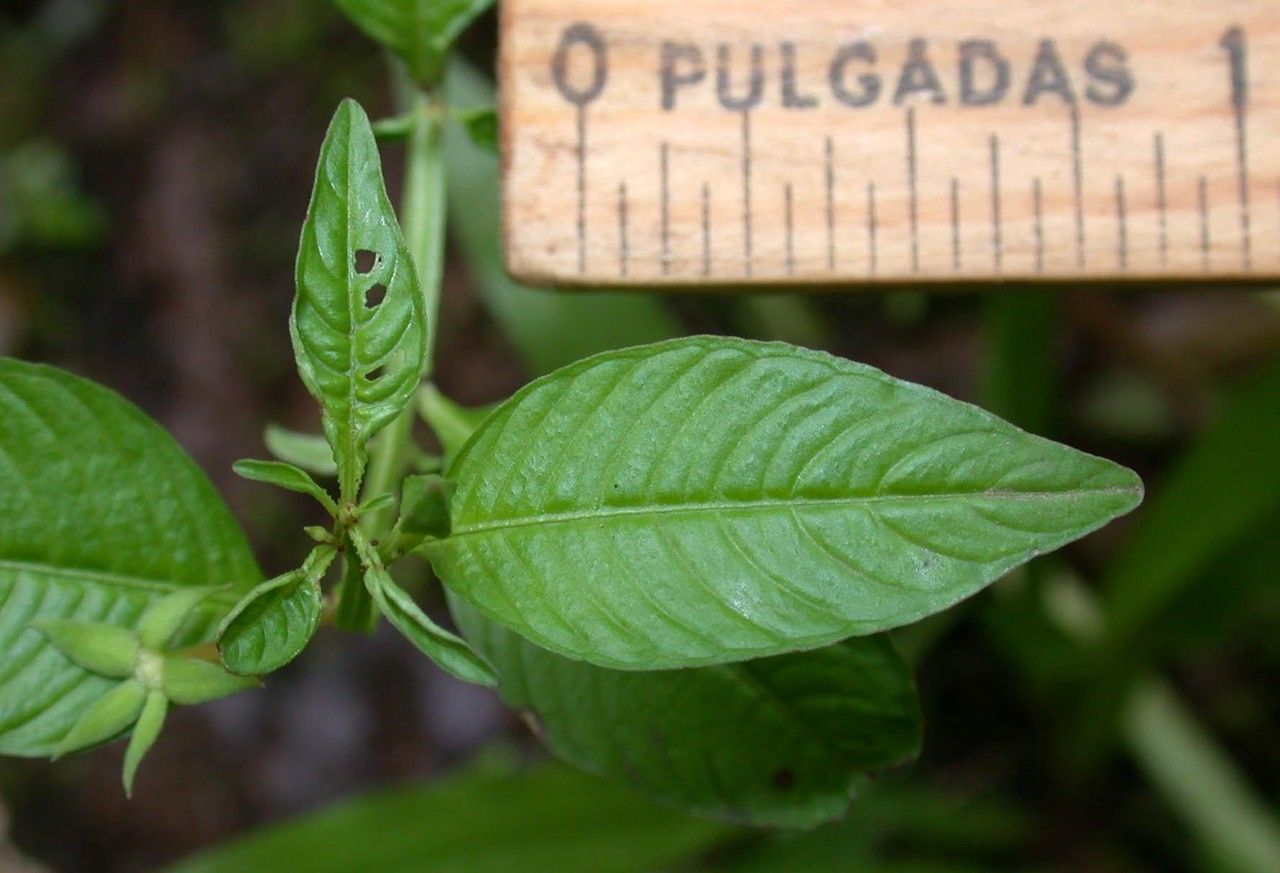
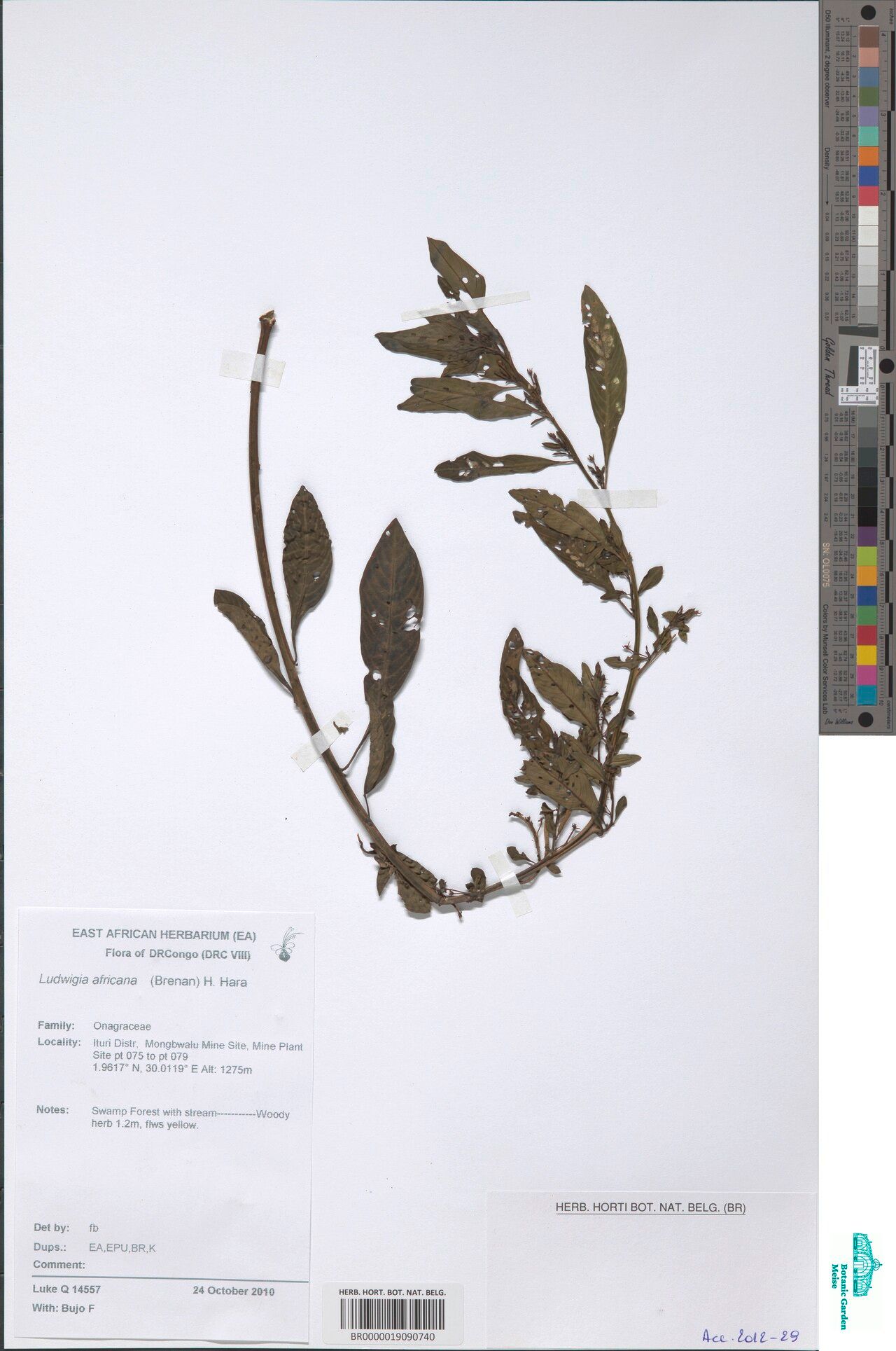
Narrowleaf primrose-willow has strong resistance to disease and is generally not highly susceptible to illnesses. Nevertheless, it can be affected by pests and diseases present in its environment. Such infections are generally mild. Carewise, the plant needs moderate maintenance. It requires regular pruning to maintain an attractive appearance and healthy growth. Fertilizing can also encourage flowering. Narrowleaf primrose-willow is appropriate for anyone with outdoor space, such as a garden or patio, and does not demand extensive plant-care experience. It may need more attention if grown indoors.
How to keep Ludwigia Linearis.
Light
Narrowleaf primrose-willow is native to habitats with abundant sunlight, such as the shallow margins of ponds and lakes. It prefers full sun, although it can also tolerate partial sun.
Temperature
Narrowleaf primrose-willow can tolerate a broad range of temperatures, but its occurrence may still be restricted by different combinations of moisture and heat. It does best in warm summer climates with sufficient rainfall or regular watering. Extended stretches of cloudy, rainy weather or prolonged high temperatures can raise the risk of Narrowleaf primrose-willow dying. In winter, shielding the plant from cold can increase its chances of survival.
Botanical profile.
- Plant Type
- Herb
- Life Cycle
- Perennial
- Genus
- Ludwigia
- Family
- Onagraceae
- Hardiness Zone
- 7-11
- Mature Height
- 30 cm to 91 cm
- Mature Spread
- 20 cm to 40 cm
- Leaf Color
- Green
- Leaf Type
- Semi-evergreen
- Flower Color
- Yellow
- Flower Size
- 1.02 cm to 2.03 cm
- Bloom Time
- Summer, Early fall
- Planting Time
- Spring, Summer, Autumn
- Harvest Time
- Late summer, Fall
Other names.
Reader questions.
What are the sunlight requirements for Narrowleaf primrose-willow?
Narrowleaf primrose-willow (Ludwigia linearis) thrives in full sun, needing above 6 hours of sunlight daily. It's important to observe your garden throughout the day to identify areas that offer a perfect balance of light and shade. This ensures the plants get the right amount of sunlight for optimal growth, aligning with their natural habitat preferences and ensuring their happiness.