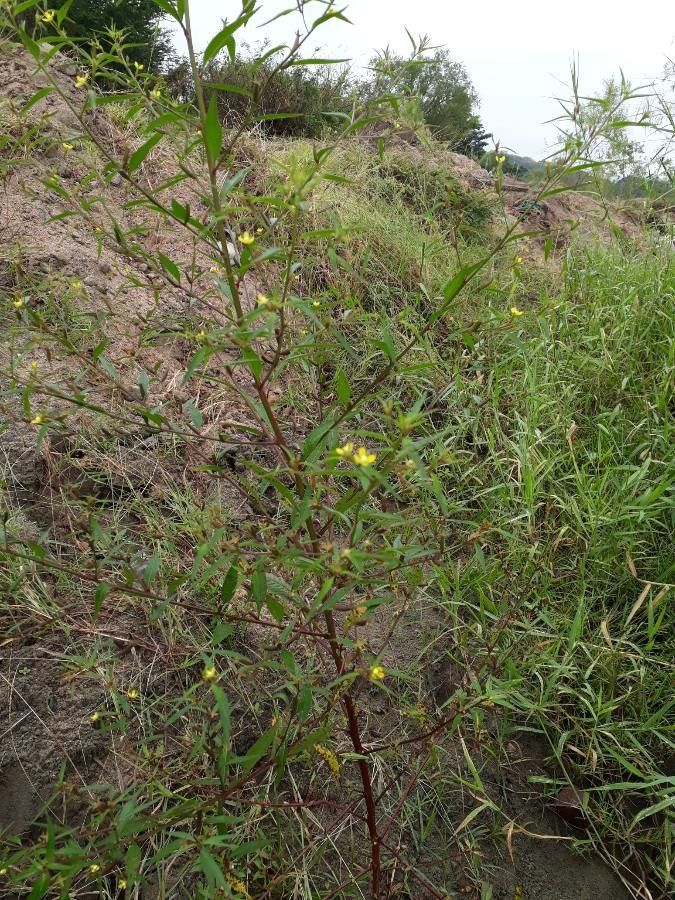
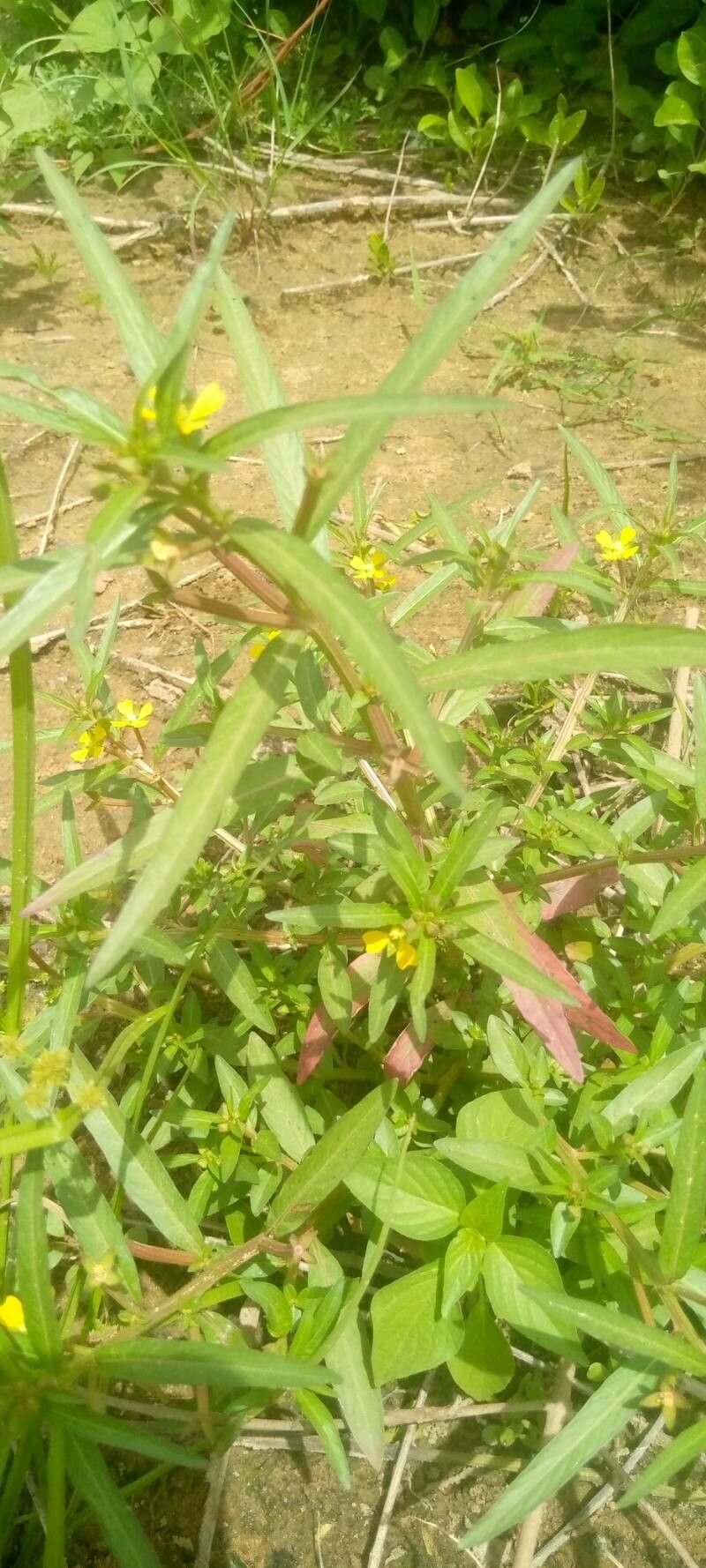
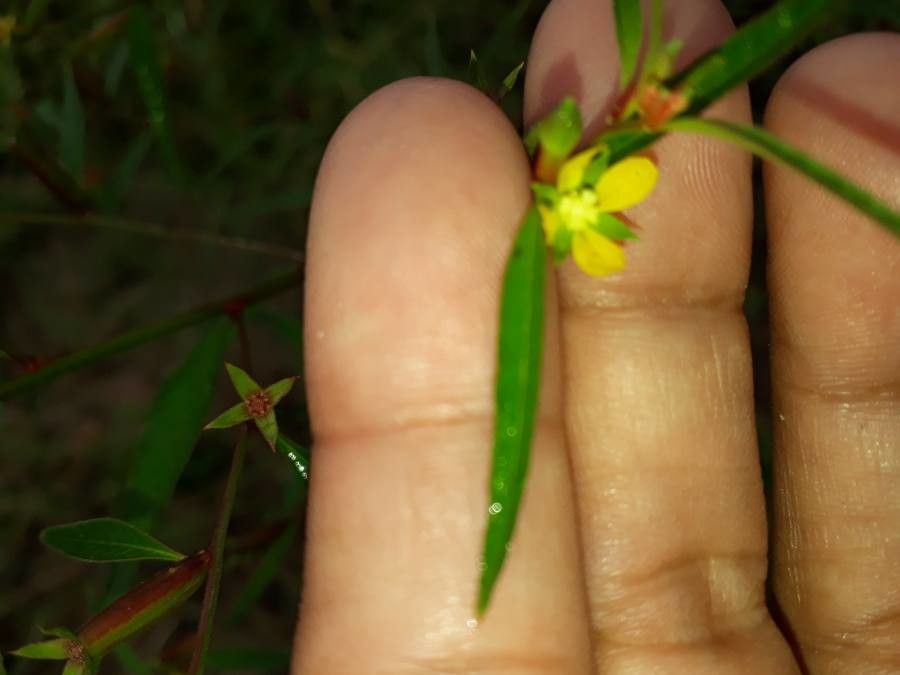
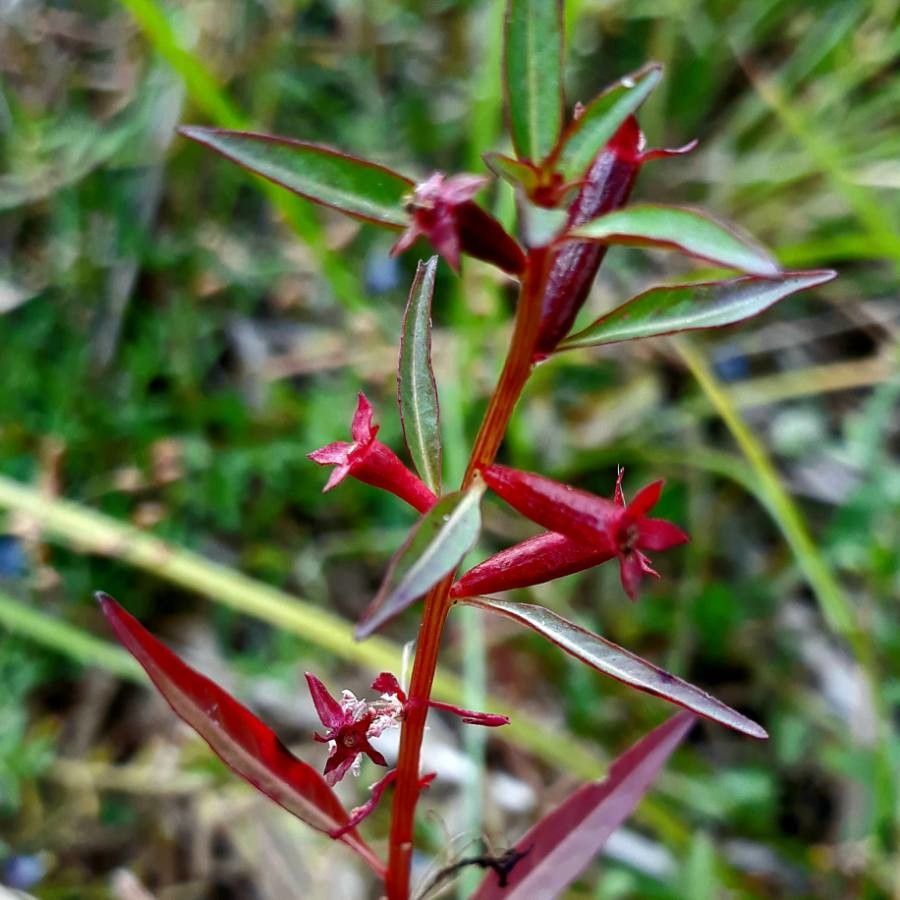
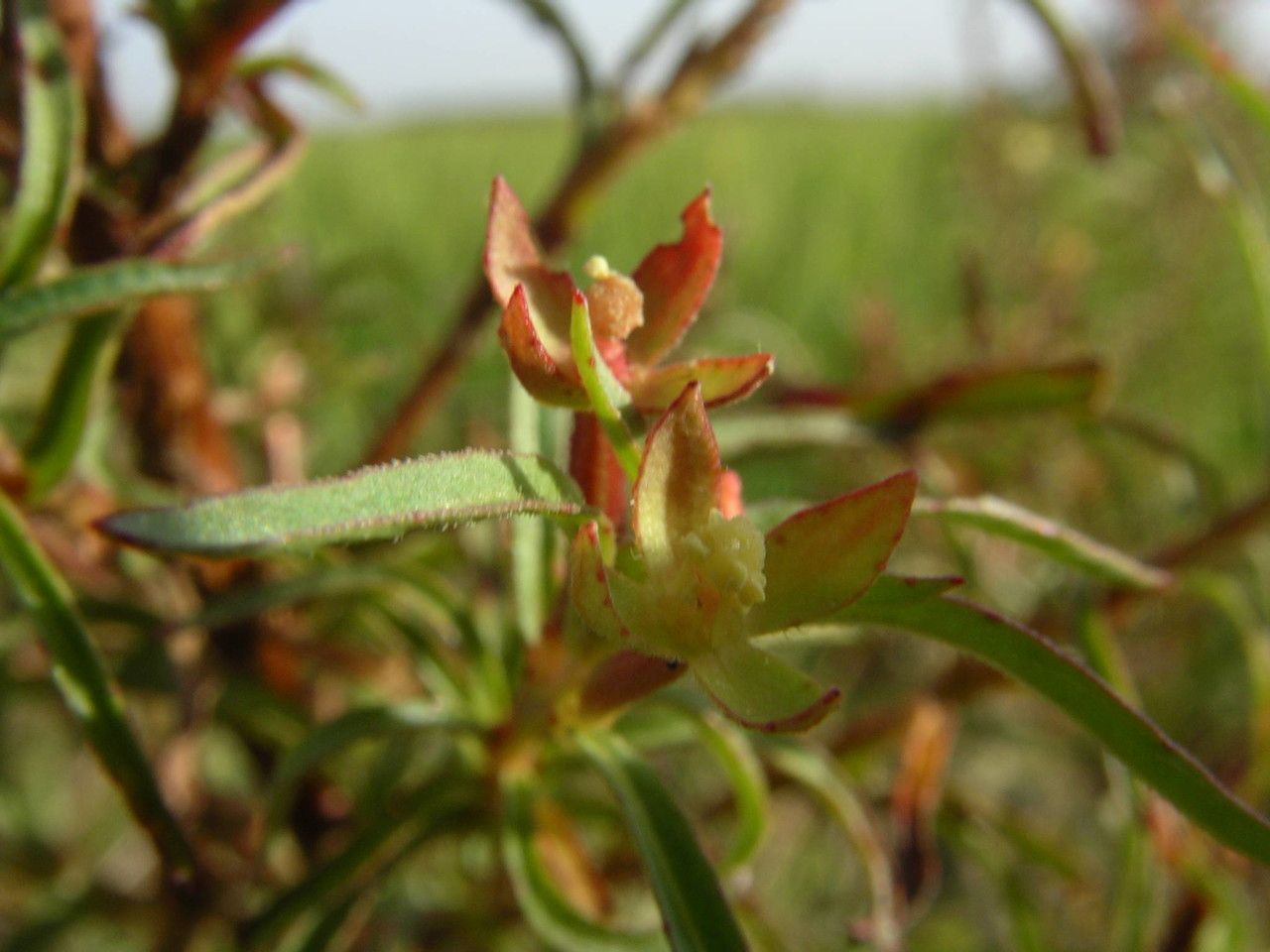
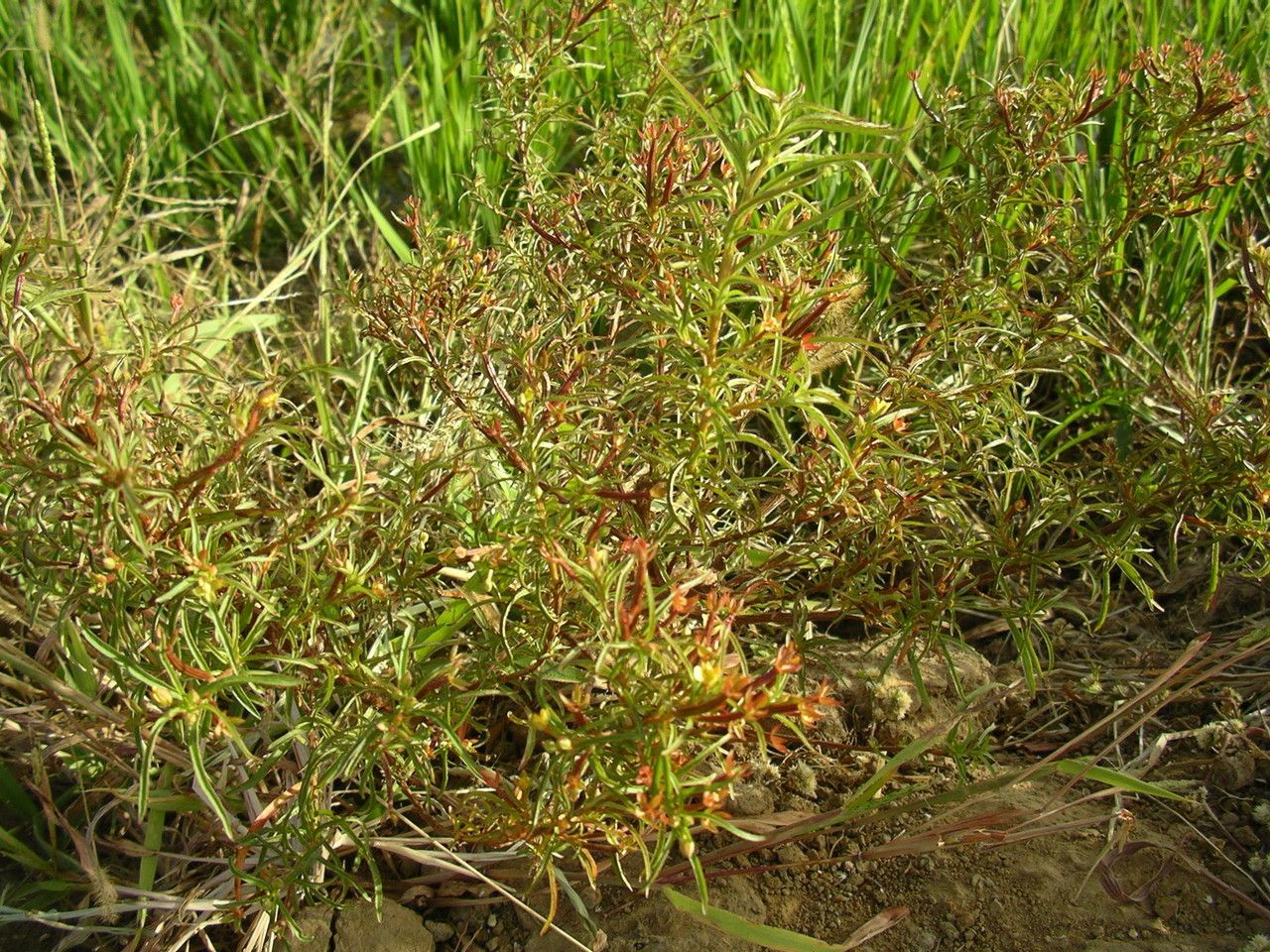
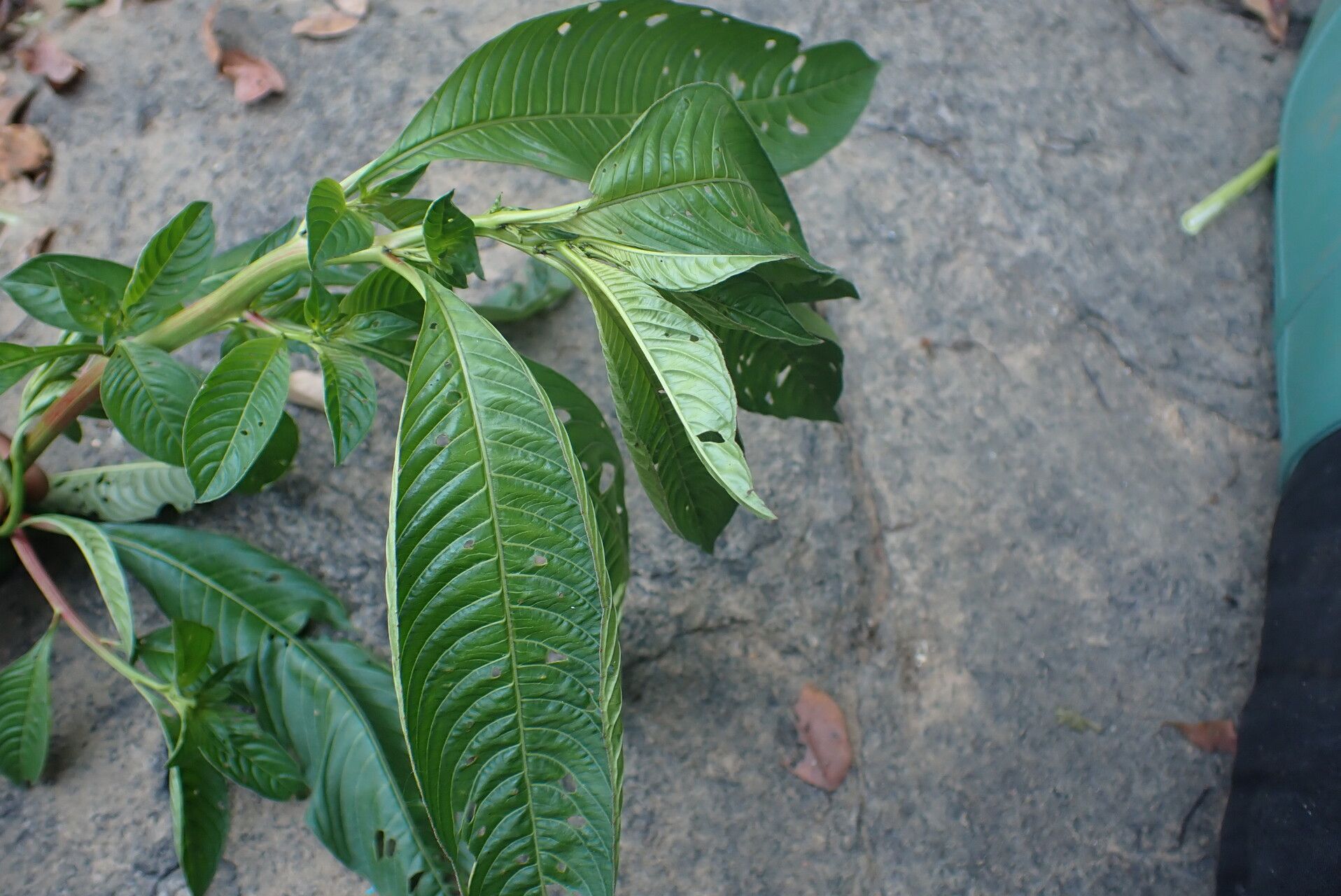
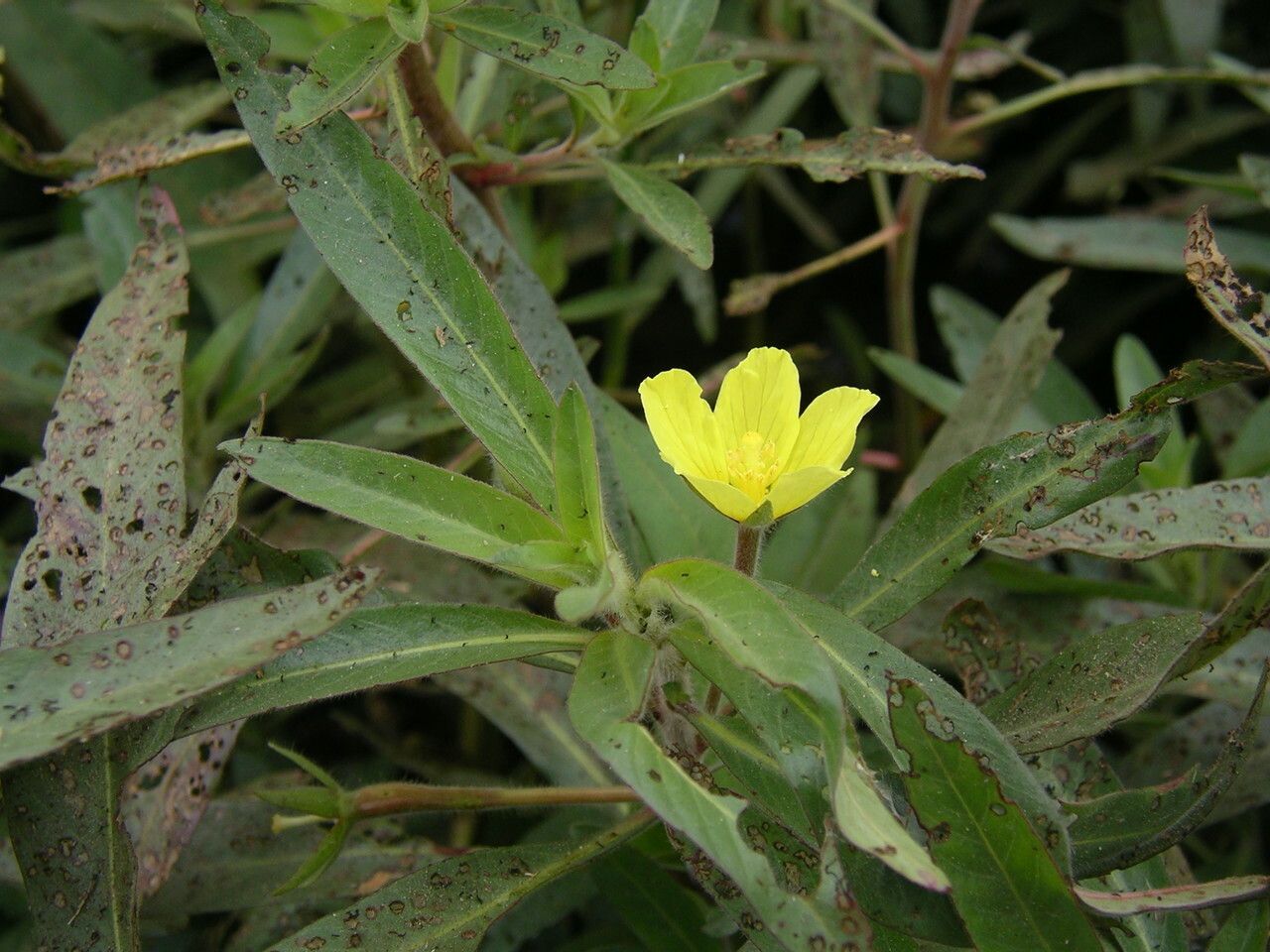
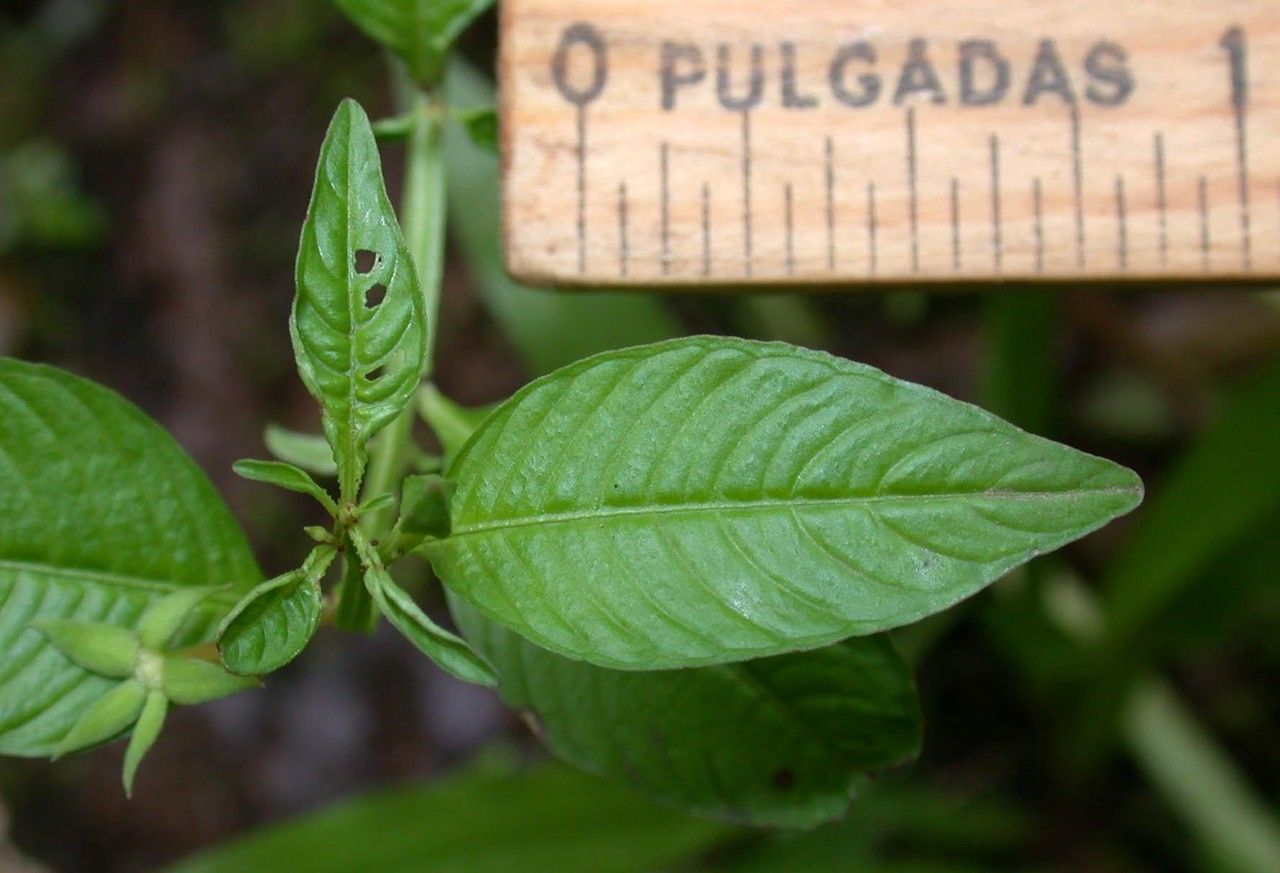
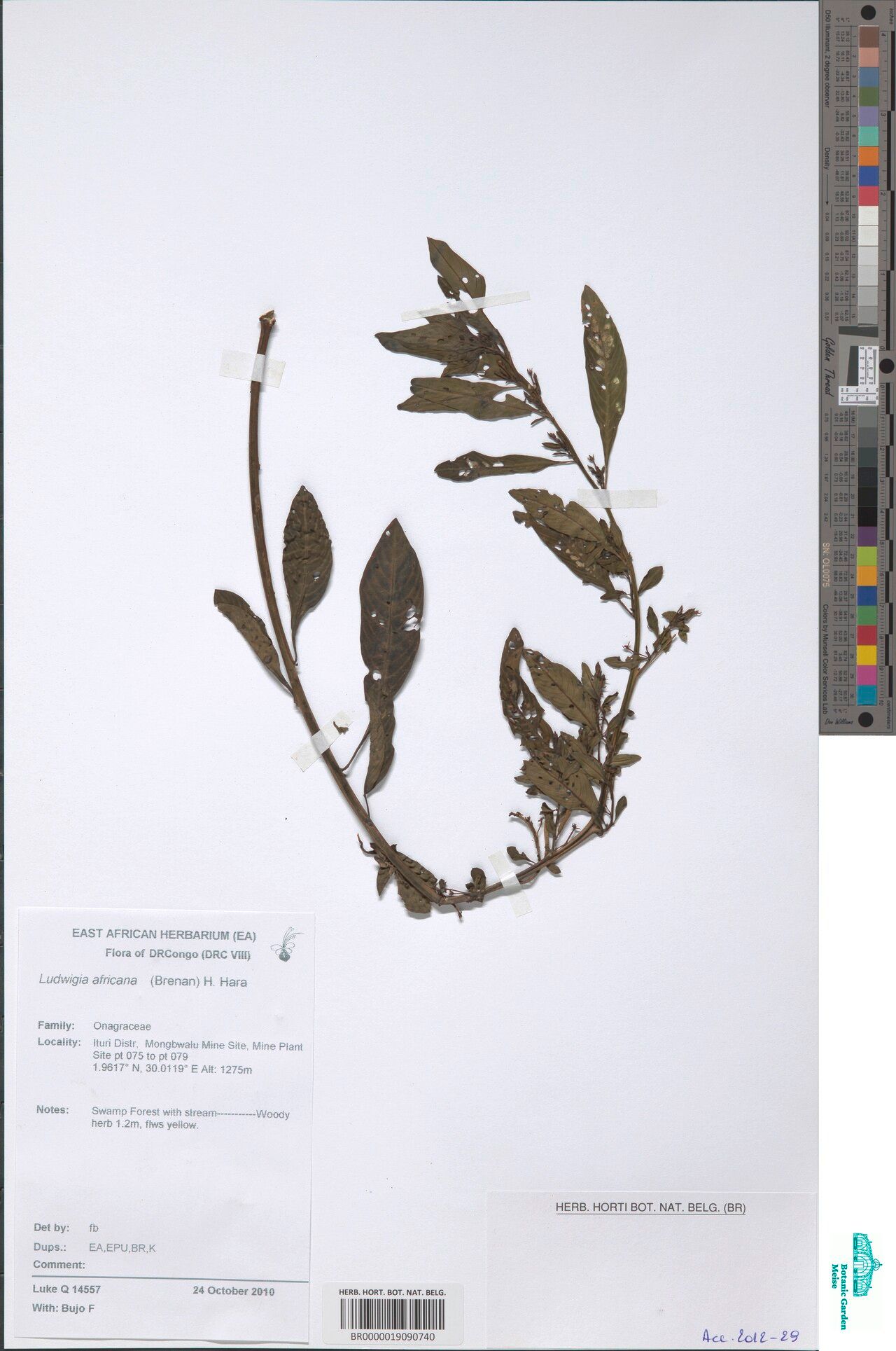
Ludwigia hyssopifolia, called seedbox and linear leaf water primrose, is a species of flowering plant in the genus Ludwigia, native to the New World Tropics and widely introduced to the rest of the world's tropics. A serious weed of rice paddies, a single plant can produce 250,000 seeds.
Seed box shows good resistance to disease and typically is not very susceptible to illnesses. Still, it can be affected by pests and diseases present in its environment. When infections occur, they are generally mild. Regarding upkeep, this plant needs a moderate level of care. It should be pruned on a regular basis to preserve a tidy appearance and support healthy growth. Applying fertilizer can also encourage it to flower. Seed box is appropriate for anyone who has an outdoor area, such as a garden or a patio, and does not demand extensive plant-care experience. It may need extra attention if cultivated indoors.
How to keep Ludwigia Hyssopifolia.
Light
Seed box is a plant species that does best when exposed to full, unshaded sunlight. It is native to habitats with strong, abundant sunshine. Both insufficient and excessive sunlight can harm its health, for example by inhibiting its growth.
Water
The seed box plant thrives in moist environments near water, as it requires consistent hydration. To maintain its preferred level of moisture, it should be watered weekly. During its active growth season, rainwater is especially beneficial as it can enhance the plant's drought tolerance and overall health.
Temperature
The seed box comes from tropical regions, where the climate is usually warm and humid. Consequently, it is well adapted to high temperatures and humidity. It does not tolerate sudden temperature changes and prefers a stable temperature environment, so it is important to avoid temperature fluctuations indoors. It generally cannot withstand cold and needs higher temperatures for growth. If the surrounding temperature falls too low, the plant may stop growing or even die.
Fertilizer
Seed box benefits from regular, light applications of fertilizer to encourage healthy leaf growth. You should fertilize Seed box about once a month during the summer. Nitrogen is essential for foliage, and providing nitrogen-rich sources helps Seed box thrive.
Pruning
The seed box, known for its vibrant yellow flowers and rapid growth, benefits from pruning between early and late spring. This process helps remove dead or diseased branches, promoting overall health, shape, and bushiness. Regular trimming also controls the plant's size, improves air circulation, prevents fungal issues, and ensures optimal plant vigor and ornamental appeal.
Botanical profile.
- Plant Type
- Herb
- Life Cycle
- Annual, Perennial
- Genus
- Ludwigia
- Family
- Onagraceae
- Hardiness Zone
- 4-9
- Mature Height
- 0.49 m to 3.05 m
- Mature Spread
- 20 cm to 40 cm
- Leaf Color
- Green, Dark Green
- Leaf Type
- Semi-evergreen
- Flower Color
- Yellow
- Flower Size
- 0.51 cm to 1.02 cm
- Bloom Time
- Summer, Early fall, Mid fall
- Planting Time
- Spring, Summer
- Harvest Time
- Late summer, Fall, Early winter
- Native Area
- Burkina Faso, Egypt, India, Angola, Mexico, Guatemala, Nigeria, Guinea-Bissau, Niger, Brunei, Benin, Mali, Cuba, Sierra Leone, Cambodia, Cameroon, Liberia, Venezuela, Brazil, Ghana, Suriname, Congo, Nepal, Central African Republic, Honduras, Peru, Sudan, Mauritania, Guinea, Trinidad and Tobago, Panama, Chad, China, Colombia, Bolivia, Togo, El Salvador, Senegal, Singapore, Nicaragua, Guyana, Ecuador, Costa Rica, Côte d'Ivoire, Bhutan, Gambia, Congo (DRC), Thailand, Gabon
Other names.
Reader questions.
How do I water my Seed box throughout the year?
As the season progresses, the water needs of your Seed box will increase. In spring, watering once per week should suffice. However, as the summer heat sets in, you may have to water your Seed box more frequently, possibly up to three times per week. This is especially important for Seed boxes grown in containers, as container soil tends to dry out faster during warm weather. In autumn, when your Seed box is still blooming, it may require slightly less water due to the cooler temperatures and less intense sunlight compared to summer.
What are the sunlight requirements for Seed box plants?
Seed box plants require full sun, which amounts to more than 6 hours of sunlight daily, to thrive optimally. It's important to observe your garden's sunlight patterns and choose locations that ensure a balance of light and shade. This balance is crucial for the happiness and health of your Seed box plants, as both lack and excess of sunlight can negatively impact them.
What is the common name of Ludwigia hyssopifolia?
The common name of Ludwigia hyssopifolia is Seed box.
How does artificial lighting support Seed box plant growth indoors?
For indoor Seed box plants, artificial lighting can significantly support their growth, especially in conditions where natural sunlight is insufficient. LED lights are recommended due to their ability to provide tailored wavelengths needed for plant growth. The intensity and duration of artificial lighting should be adjusted based on the plant's natural habitat requirements, with full sun plants needing 30-50W/sq ft, partial sun plants 20-30W/sq ft, and full shade plants 10-20W/sq ft. The light source should be placed 12-36 inches above the plant for 8-12 hours per day to mimic natural sunlight exposure effectively.
What are the other names of Ludwigia hyssopifolia?
Apart from its common name, Seed box, Ludwigia hyssopifolia does not have any other names provided in the provided data.
What are the key symptoms of insufficient light in Seed box plants?
Seed box plants show several symptoms when exposed to insufficient light. These include smaller new leaves, leggy or sparse growth, faster leaf drop, delayed or stopped growth, lighter-colored new leaves indicating a lack of nutrients and chlorophyll, and various symptoms related to excessive sunlight exposure such as chlorosis, sunscald, leaf curling, wilting, and leaf scorching. These symptoms highlight the plant's struggle to adapt to inadequate light conditions, both indoors and outdoors.
What solutions can help improve light conditions for Seed box plants?
To address light deficiency in Seed box plants, gradual relocation to sunnier spots is recommended, ensuring at least 6 hours of direct sunlight daily. For indoor plants hard to move or requiring additional light, utilizing artificial lighting such as desk lamps or professional grow lights for a minimum of 8 hours daily can suffice. Outdoors, it's vital to introduce changes in light exposure gradually to prevent sunburn. Practices like pruning to reduce shade or transplanting during dormant seasons can also enhance light availability. Note that parts of the plant damaged by insufficient light may not recover, but new growth will be healthy following these adjustments.