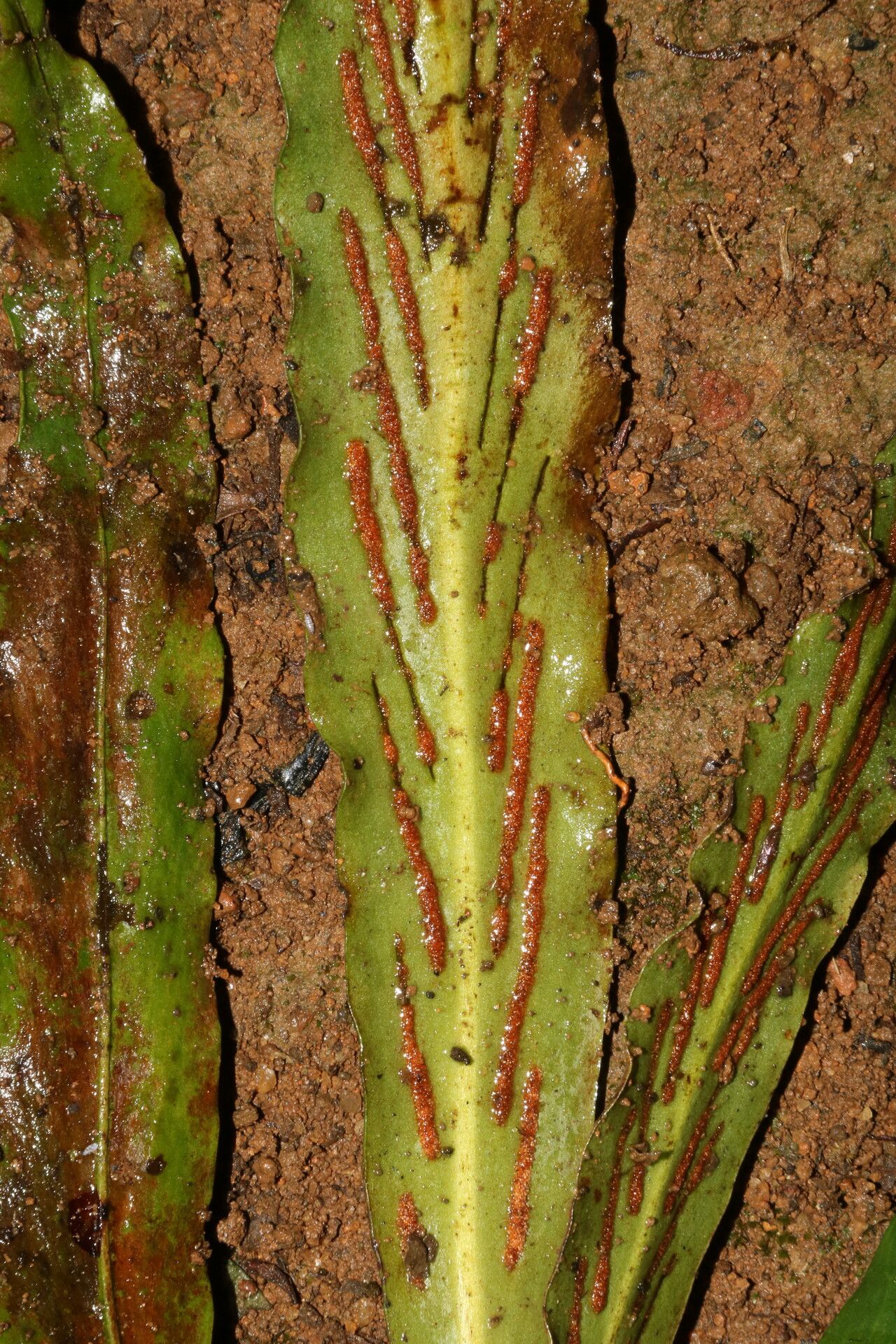
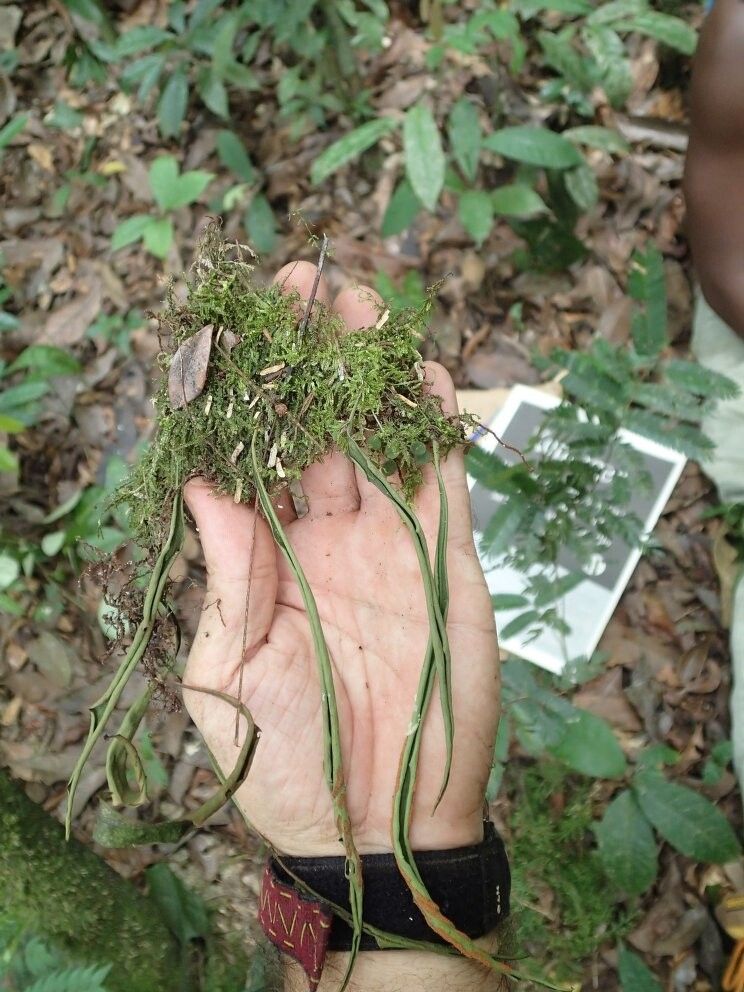
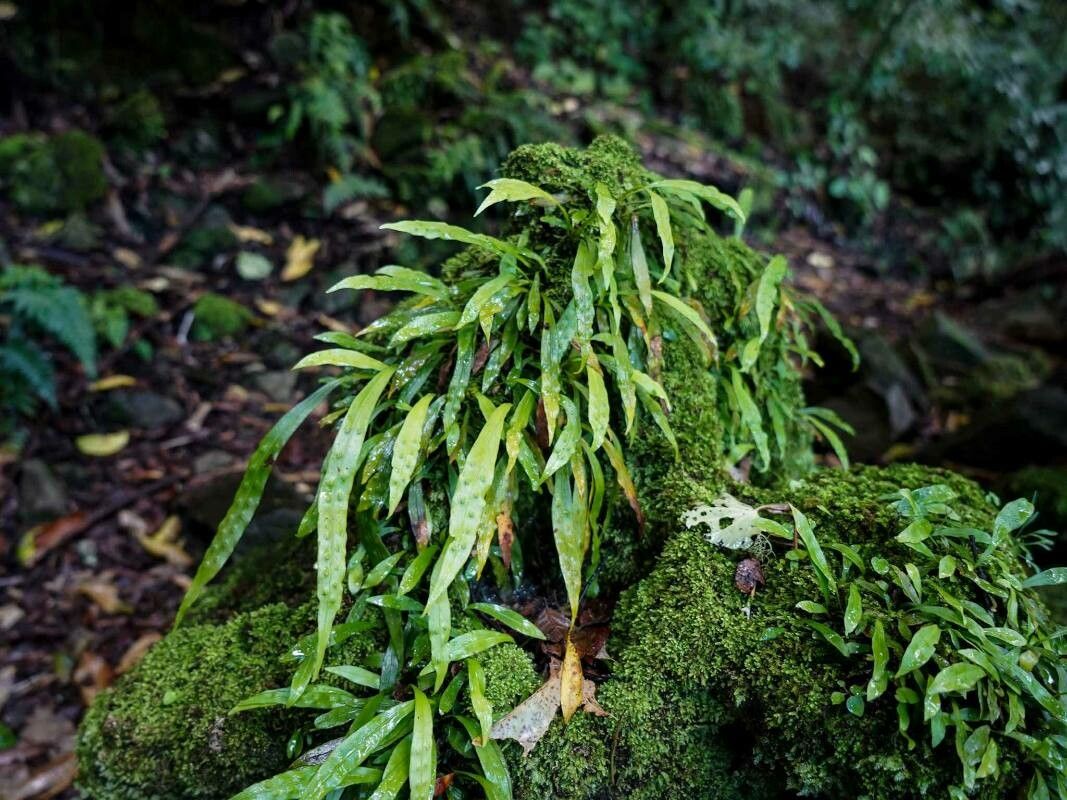
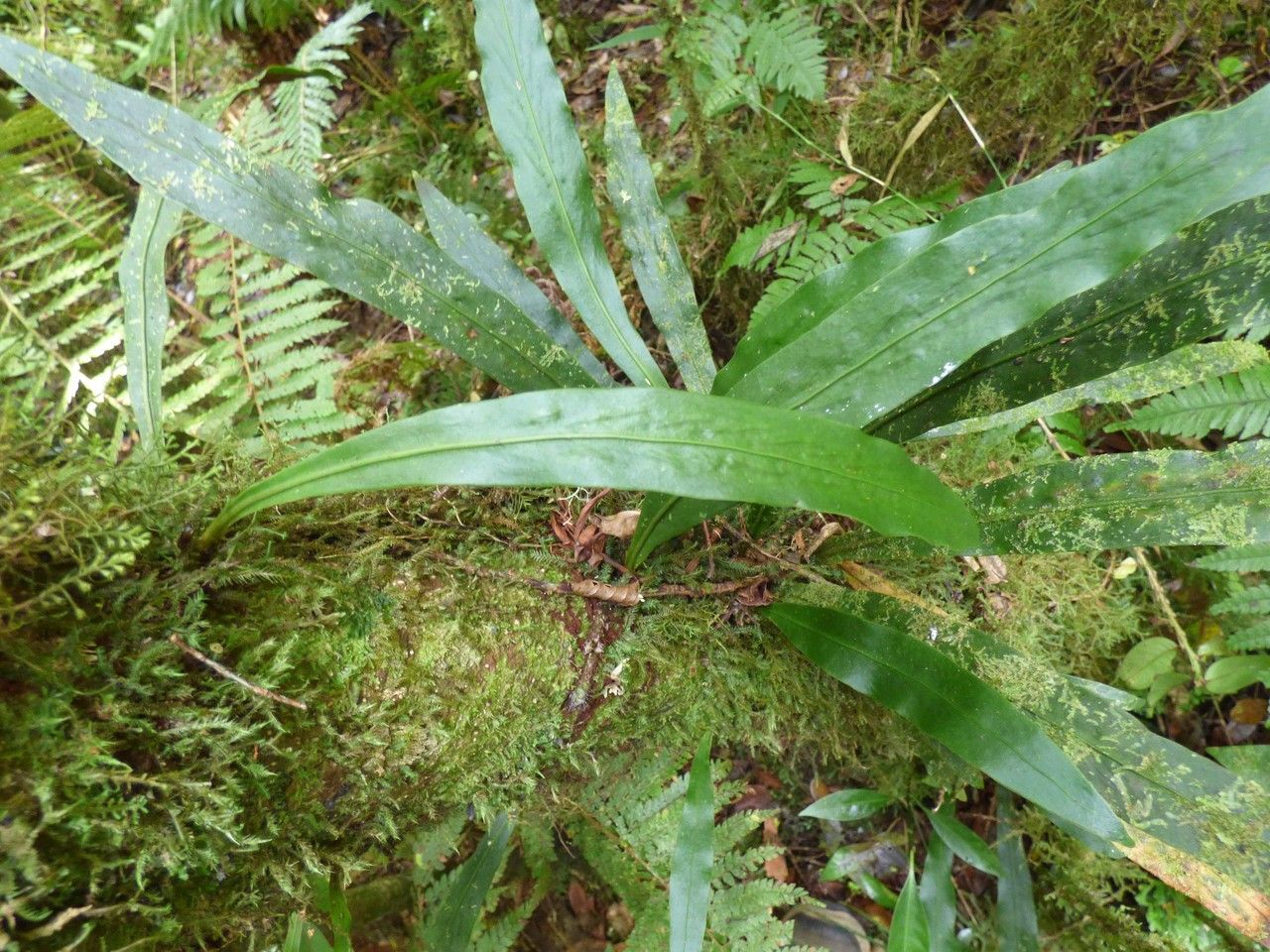
The Willow-leaf lance fern typically has strong resistance to disease and relatively few insect pests. Its care is considered challenging because it requires a consistently moist environment and frequent watering. However, the roots are susceptible to rotting if the plant is overwatered or if the surrounding air is not well ventilated. This fern is best suited to someone with some growing experience, as most people can keep it alive for a period of time. Even so, it may struggle to thrive and its leaves can dry out and become less healthy as time goes on.
How to keep Loxogramme Salicifolia.
Light
The willow-leaf lance fern comes from habitats such as forest understories or rocky sites that offer natural shade. It prefers full shade but can tolerate partial sun.
Water
The willow-leaf lance fern thrives in humid, moist conditions and needs regular watering to stay healthy. It's best to water it twice a week, ensuring not to overwater or cause waterlogging. This fern is perfect for indoor cultivation, where you can easily control the humidity. As an evergreen plant, it requires consistent moisture throughout the year.
Temperature
Willow-leaf lance fern is native to areas where temperatures range from 59 to 100.4 °F (15 to 38 ℃). Being heat-loving, it performs best in warm conditions. In colder seasons, move it indoors to a warmer spot.
Pruning
The willow-leaf lance fern is characterized by its slender, willow-like fronds and requires minimal pruning. To encourage healthy growth, conduct light pruning in early spring to remove any dead fronds and enhance air circulation. Avoid heavy pruning to prevent stressing the plant, allowing it to maintain its elegance and vigor.
Botanical profile.
- Plant Type
- Fern
- Life Cycle
- Perennial
- Genus
- Loxogramme
- Family
- Polypodiaceae
- Hardiness Zone
- 8-11
- Mature Height
- 2.44 m to 0.1 m
- Mature Spread
- 4.57 m to 6.1 m
- Leaf Color
- Dark Green
- Leaf Type
- Evergreen
- Planting Time
- Spring, Summer
- Native Area
- South Korea, Vietnam, Japan, China
Other names.
Reader questions.
What are the sunlight requirements for a Willow-leaf lance fern?
The Willow-leaf lance fern, scientifically known as Loxogramme salicifolia, thrives in partial sunlight, necessitating about 3-6 hours of sunlight each day. It's important to observe the way sunlight interacts with your garden throughout the day. Find spots that offer a harmonious balance of light and shade to ensure the well-being of your plants. This careful observation helps in creating an ideal environment for the Willow-leaf lance fern to flourish.
What is the ideal temperature range for Willow-leaf lance fern?
The Willow-leaf lance fern, botanically known as Loxogramme salicifolia, is indigenous to regions where temperatures vary between 59 to 100.4 °F (15 to 38 °C). This plant is a true lover of warm environments and flourishes best within this temperature range. During the cooler seasons or when the temperature drops, it is beneficial to relocate it to warmer, indoor spaces to maintain its health and vigor.
How does Willow-leaf lance fern handle cold temperatures?
The Willow-leaf lance fern exhibits some level of cold tolerance. It generally does not require any specific cold-protection measures if the temperature stays above -5°C. However, if the temperature is anticipated to drop below -5°C, it is crucial to employ temporary cold protection strategies. This can include wrapping the plant with materials such as plastic film, fabric, or using other insulating materials to shield it from the cold. Once the temperature warms up again, these protective coverings should be removed promptly to prevent any potential damage or stress to the plant.
What should I do if the Willow-leaf lance fern experiences low temperatures?
If the Willow-leaf lance fern is exposed to temperatures below -10°C, you may notice symptoms such as drooping leaves. These leaves can sometimes recover in mild cases, but in severe situations, they may wilt and eventually fall off. To help the plant recover and protect it from further damage, trim off the frost-damaged parts. Additionally, to prepare it for future low temperatures, wrap the plant with non-woven fabric or cloth, and create a wind barrier to shield it from cold winds. This helps in maintaining the plant’s health during colder periods.
How to care for Willow-leaf lance fern during high temperatures?
In the summertime, when temperatures are high, it's crucial to ensure that the Willow-leaf lance fern does not get exposed to temperatures above 38°C. Should the temperature rise beyond 43°C, you may notice signs like the leaves’ color becoming lighter, dry and withered leaf tips, curling leaves, and an increased susceptibility to sunburn. To counteract these issues, trim away the sun-damaged and dried parts of the plant. Move it to a partially shaded location, especially to avoid the midday and afternoon sun, or utilize a shade cloth. Additionally, watering the plant during the cooler morning and evening hours can help keep the soil adequately moist, providing relief to the plant under high-temperature conditions.